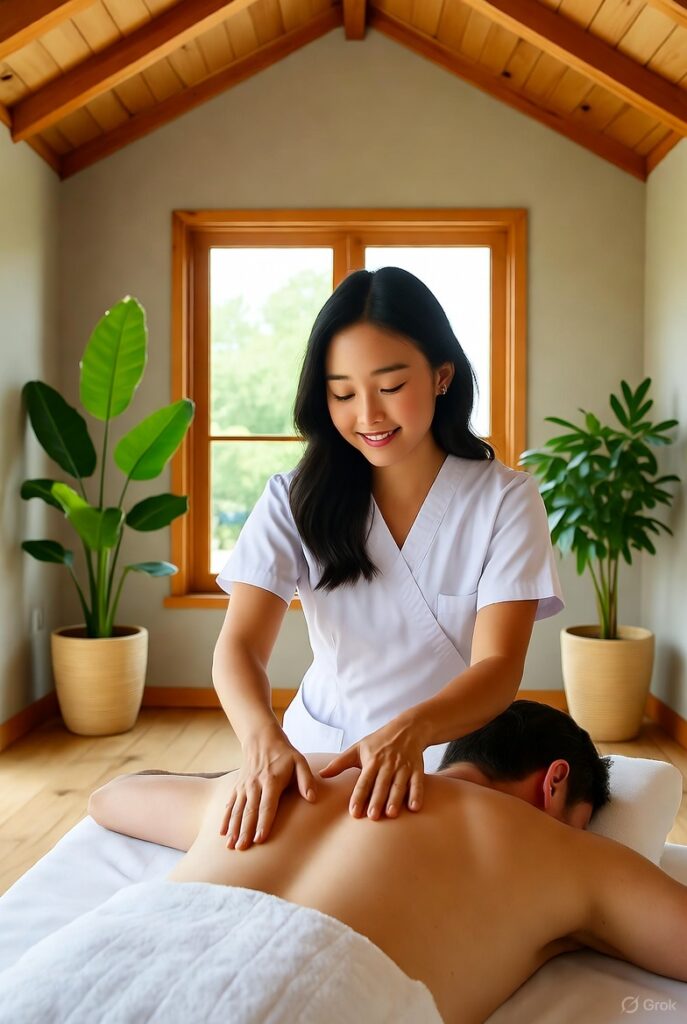
When you talk about a controversial topic, people may not always say what they really feel. But their body language can tell you many things. Here is how you can understand it better.
1. Posture (how someone sits or stands)
Posture shows how relaxed or defensive a person is.
If someone sits straight and faces you, they are open and interested.
If they lean a little forward, they want to listen or say something important.
If they lean back, they may feel uncomfortable or want distance.
Arms crossed can mean they are protecting themselves, disagreeing, or not ready to listen.
Arms relaxed at the sides or hands on the table show they feel calm and safe.
If a person turns their body away from you, they may want to stop or change the topic.
➡️ Tip: Notice if their body moves closer (interest) or away (discomfort).
2. Eyes
The eyes show emotions very clearly.
Normal eye contact (looking at you sometimes, then away) shows they are paying attention.
Too much eye contact (staring) can feel aggressive or angry.
Too little eye contact (looking down or to the side) can mean they feel shy, guilty, or nervous.
Blinking quickly can mean stress or confusion.
Closing eyes for a moment might mean they don’t like what they heard.
If their pupils (black part of eyes) get bigger, they are interested or emotional.
➡️ Tip: If eye contact changes suddenly, something in the topic affected them.
3. Face
Facial expressions show the person’s emotions before they speak.
Smiling with eyes and mouth means they feel friendly or happy.
Smiling only with the mouth means it’s a polite or fake smile.
Tight lips, clenched jaw, or red face can mean anger or stress.
Raised eyebrows can mean surprise, doubt, or disbelief.
Frowning (brows down, forehead lines) shows confusion or disagreement.
Biting lips can show worry or uncertainty.
➡️ Tip: Watch if the face becomes tighter or softer during the talk — it tells how they feel inside.
4. Hands and arms
Hands often show what a person feels, even when the face looks calm.
Open hands mean they are honest or want to connect.
Hiding hands, putting hands in pockets, or folding arms can mean they feel unsure or defensive.
Pointing fingers, chopping the air, or hitting the table show strong emotion or anger.
Playing with objects (pen, phone, hair) can mean nervousness.
Touching face or neck can mean they feel stressed or insecure.
Hands moving slowly and softly show calm and comfort.
➡️ Tip: When a person’s hands become very still, they might be angry or holding back feelings.
5. Voice
The voice can change with emotion even if the words are polite.
Higher voice often means nervousness, stress, or excitement.
Lower voice can mean calmness or trying to control emotions.
Speaking very fast means they are emotional or want to finish quickly.
Speaking slowly means they are thinking carefully.
Pausing often can show they are unsure or want to choose words carefully.
Flat tone (no emotion) can mean they are tired, angry inside, or have given up.
➡️ Tip: If the voice changes suddenly, it usually means the topic touched something important.
6. Changes during the discussion
It’s important to notice how the person changes while you talk.
Maybe they were relaxed at the beginning but became tense later.
Maybe they smiled before, but now look serious.
Maybe they moved closer, but now move away. All these are signals that their emotions are changing. It may mean the topic became too strong, personal, or uncomfortable.
➡️ Tip: If you see this, you can pause or say something friendly like, “Maybe this topic is a bit difficult — what do you think?”
7. Context (the situation and culture)
Not everyone uses body language the same way.
In some cultures, eye contact is polite; in others, it can feel rude.
Some people naturally move more, others stay still.
Some are shy and may cross arms just because they feel cold or careful, not angry.
So, don’t judge from one sign only. Always look for groups of signs — for example: Crossed arms + no eye contact + short answers = possible disagreement.
➡️ Tip: Think about who the person is and what the situation is before deciding what it means.
8. How to react when you see tension
If you see that the other person is getting tense, angry, or defensive:
Stay calm. Don’t copy their anger or tension.
Speak slowly and softly. A quiet tone helps them relax.
Show respect with words like:
“I see what you mean.”
“That’s interesting — tell me more.”
Keep your body open:
Don’t cross your arms.
Sit or stand in a relaxed way.
Nod sometimes to show you listen.
Smile a little (if it feels natural).
Don’t interrupt. Let them finish.
If it’s too emotional, you can suggest to take a short break.
➡️ Tip: When you stay calm and friendly, the other person often does the same.
How to Sit in Meetings and Use Body Language in Tourism and Hospitality
Meetings are very important in tourism and hospitality. They help people talk, share ideas, and plan work. Meetings can be with guests, colleagues, managers, or tour groups. In tourism, you meet many people every day. How you sit, move, and use your body is very important. Your body can speak before you talk. Good body language shows confidence, politeness, and friendliness. Bad body language can give a bad impression.
This guide is for young people starting a career in tourism and hospitality. It shows where to sit in meetings and how to use your body. It has many examples, mistakes to avoid, and practical tips.
Part 1: Where to Sit in Meetings
1.1 General Rules
Always arrive early. Early people can choose a good seat.
Sit where you can see the leader or speaker.
Do not sit at the far end if you want to participate.
Sit straight and politely.
1.2 Big Tables in Hotels or Offices
Hotels often have big rectangular tables. Sometimes meetings are in conference rooms.
Tips:
The head of the table is for the manager or team leader.
Sit near the leader if you are a new employee.
Sit in the middle of one side if you need to speak.
Avoid sitting with your back to the door. This can be distracting.
Example: You are a new receptionist. The hotel manager calls a meeting about guest services. You sit on the side, near the manager, hands on the table, looking at the speaker. This shows interest.
1.3 Round Tables
Round tables are common in tourism workshops or small group meetings.
Everyone can see each other.
Sit near the leader or trainer.
Sit next to a friendly colleague if you are nervous.
Example: A tour company organizes a training session for guides. You sit next to someone you know and near the trainer. You can ask questions if needed.
1.4 Small Tables
Small meetings may have 2–4 people, for example, talking with a guest or manager.
Sit opposite the other person if you are discussing something important.
Sit next to them if you work together.
Do not sit with your back to the window. Light on your face is polite.
Example: A guest comes to the hotel reception to ask about a tour. You sit opposite the guest, listen carefully, smile, and take notes.
1.5 Meetings Without Tables
Sometimes you meet in a room with just chairs, like a tour briefing or group discussion.
Here is very important advice for beginners:
Sit in the middle row. Not the first row, not the last row.
The first row can be too close, and some people feel nervous.
The last row is too far, you may not hear clearly and people may not see you.
The middle row is just right. You can see the speaker, hear everything, and people can see you.
Sitting in the middle row makes you look interested and polite.
Example: In a hotel training session, you sit in the middle row. You can see the trainer’s slides, hear everything, and the trainer can see that you are paying attention.
Sit near people you know if the meeting is informal.
Meetings can feel nervous for beginners.
Sitting near people you know makes you comfortable.
You can ask questions quietly if you do not understand.
You can work together easily in group activities.
Example: During a tour guide meeting, you sit next to a friendly colleague. When the trainer asks a question, you can whisper your answer and feel more confident.
Sit near the speaker if you want to listen carefully.
When you sit near the speaker, you can hear every word.
You can see gestures and slides clearly.
You can ask questions easily.
Sitting near the speaker shows interest and respect.
Example: During a guest briefing, you sit close to the speaker. You notice small details about the tour, so you can help guests better later.
Summary:
Middle row = comfortable, polite, easy to see and hear.
Near people you know = less nervous, easy to participate.
Near speaker = clear understanding, good impression.
1.6 Special Seats
Some seats have special meaning:
Near the leader: Shows respect.
Near the exit: Shows you want to leave early. Not always polite.
Corner seat: Shows you are quiet. You may not speak much.
Middle seat: Shows you are active. You want to speak and join.
Part 2: Body Language in Tourism Meetings
Body language is very important. In tourism, your body communicates politeness and confidence. Guests and managers notice your hands, arms, legs, posture, face, and eyes.
2.1 Hands
Hands show interest, confidence, and respect.
Good hand positions:
Hands on the table or on your lap.
Hands moving slowly when explaining.
Hands visible, not in pockets.
Bad hand positions:
Hands in pockets = nervous or lazy.
Arms crossed = defensive or angry.
Playing with phone or pen = not interested.
Example: During a meeting with tour guides, you explain a new schedule. You move your hands slowly to show points, hands visible, looking confident.
2.2 Arms
Keep arms relaxed, not tense.
Open arms = friendly and polite.
Crossed arms = closed or negative.
Example: A guest asks for help. You stand with open arms, smile, and nod. The guest feels welcome.
2.3 Legs
Legs also show feelings.
Sit with legs together or crossed at the knee. Polite.
Do not bounce legs = nervousness.
Do not put feet on the table = rude.
Example: During a briefing with your team, you sit calmly, legs together, listening carefully.
2.4 Posture
Sit straight but relaxed.
Lean slightly forward = interest.
Lean too much back = lazy or disinterested.
Slouching = boredom.
Example: In a hotel staff meeting, you lean slightly forward, hands visible, looking at the speaker. You appear interested and polite.
2.5 Face and Eyes
Face and eyes are very important.
Look at the speaker = respect.
Smile politely = friendly.
Nod sometimes = understanding.
Avoid frowning = can show anger or confusion.
Example: During a guest meeting, you look at the guest, smile, and nod. The guest feels valued.
2.6 Head Movements
Nod head = agreement.
Tilt head slightly = listening carefully.
Shake head = disagreement. Use carefully.
Example: During a tour guide training, you tilt your head and nod. The trainer knows you are paying attention.
2.7 Speaking with Body
Stand up if explaining or presenting.
Use slow hand gestures.
Maintain eye contact with the group.
Lean slightly forward = confident.
Do not point at people = rude.
Example: Explaining a tour schedule to new colleagues. You stand, hands moving slowly, look at everyone, and smile.
2.8 Listening with Body
Lean forward slightly.
Hands visible and relaxed.
Nod sometimes.
Smile when appropriate.
Take notes to show interest.
Example: During a guest feedback session, you lean forward, nod, and take notes. Guest sees you are serious and polite.
2.9 Group Meetings
Face the group.
Turn body to speaker.
Keep open posture, do not close yourself.
Avoid whispering = rude.
Example: In a hotel weekly staff meeting, you sit in the middle, hands on table, listening to everyone, nodding sometimes.
2.10 Virtual Meetings
Sit in a quiet place.
Sit straight, look at camera.
Hands visible, not playing with objects.
Smile politely.
Keep background clean.
Example: During an online tour company meeting, you sit straight, look at camera, nod and smile. Colleagues see you are polite and professional.
2.11 Combining Sitting and Body Language
Where you sit + body language = strong impression.
Sit near the leader + good posture = confident and respectful.
Sit in middle + smile + nod = active and interested.
Sit far + slouch + crossed arms = bored or nervous.
2.12 Common Mistakes in Tourism Meetings
Sitting at the far end and looking away.
Slouching or resting head on hand.
Checking phone or fidgeting.
Crossing arms in a guest meeting.
Feet on chair or table.
Talking too fast or too loud.
Avoiding eye contact.
Tip: Always observe your body and adjust posture.
2.13 Cultural Differences
In some countries, smiling is very important.
In others, direct eye contact can be seen as rude.
Use polite gestures according to the culture.
Always observe colleagues and guests.
Example: A Japanese guest prefers slight bow and polite nod, not strong eye contact.
2.14 Practical Tips for Tourism Beginners
Arrive early. Choose good seat.
Keep hands visible, relaxed.
Sit straight, slightly forward.
Smile politely.
Nod sometimes.
Avoid fidgeting or phone.
Observe others’ body language.
Use hands to explain slowly.
Keep legs still, feet on floor.
Look at speaker and guests.
2.15 Mini Scenarios
Scenario 1: Hotel Manager Meeting
You are new receptionist. Manager explains new check-in process.
Sit side, near manager, hands on table, lean forward slightly, nod and smile.
Scenario 2: Tour Briefing
Tour guide explains next trip.
Sit in middle, take notes, hands relaxed, nod when you understand.
Scenario 3: Guest Feedback
Guest gives suggestions.
Sit opposite guest, hands visible, smile, nod, write notes.
Scenario 4: Online Training
You join Zoom call for new software.
Sit straight, look at camera, take notes, smile occasionally.
Scenario 5: Team Brainstorm
Group meeting to plan events.
Sit near active colleagues, hands visible, nod, participate politely.
Body language is very important. People can understand you without words. Your body shows your feelings and your thoughts. Good body language makes people feel happy. Bad body language can make people feel sad, nervous, or angry. Learning body language helps you communicate better. In this text, we will talk about body, hands, and legs. We will see good and bad examples. We also give examples for school and everyday life.
Body
Good Body Posture
Good body posture shows that you are confident and polite. It is important to stand and sit properly.
Stand straight.
Shoulders back.
Head up.
Relax your body.
Examples:
When you meet a teacher, stand straight and smile. Look at the teacher in the eyes.
When you speak in class, sit straight. Look at your friends or teacher.
When you walk in school or a market, walk slowly with head up.
Good feelings from good posture:
Confidence
Politeness
Friendliness
Calmness
Bad Body Posture
Bad body posture shows that you are tired, sad, lazy, or not confident.
Slouching (back is not straight)
Head down
Shoulders forward
Arms crossed
Examples:
When you sit in class and slouch, the teacher thinks you are not interested.
When you walk with your head down, people may think you are sad.
When you cross your arms all the time, people may think you are angry or unfriendly.
Bad feelings from bad posture:
Weakness
Shyness
Rudeness
Nervousness
Tips for Body Posture
Look at people in the eyes. Not too long, just a little.
Stand like a tree: feet on the ground, body straight.
Sit with your back straight. Hands can rest on the table or lap.
Relax your shoulders. Do not make them tense.
Exercise:
Every morning, look in the mirror and practice standing straight.
Sit in class and check your posture every 10 minutes.
Hands
Good Hand Gestures
Hands are important. Good gestures help you speak clearly and politely.
Open hands show honesty and friendship.
Small movements are calm and polite.
Hands on the table when you speak show respect.
Examples:
When you greet a teacher, shake hands politely or wave your hand.
When you explain something in class, use small hand movements.
When you meet friends, open your hands and smile.
Good feelings from good gestures:
Respect
Friendliness
Confidence
Calmness
Bad Hand Gestures
Bad gestures can make people feel uncomfortable.
Hands in pockets show laziness.
Fists show anger.
Too many hand movements show nervousness.
Pointing at people can be rude.
Examples:
When you talk to friends with hands in pockets, it looks lazy.
Showing a fist to someone can make them feel scared.
Moving hands too fast while talking shows you are nervous.
Pointing at a teacher or elder is bad in many countries.
Bad feelings from bad gestures:
Anger
Nervousness
Laziness
Rudeness
Tips for Hands
Keep hands open, but not too big.
Use small movements to explain ideas.
Do not touch your face or hair too much.
Hands can rest on your lap or table if you do not move them.
Exercise:
Practice talking to a friend with open hands.
Watch yourself in the mirror. Move hands slowly and calmly.
Legs
Good Leg Positions
Legs also show your feelings. Good positions make you look polite and confident.
Feet on the ground.
Legs together when sitting.
Stand straight with feet apart, but not too wide.
Examples:
Sit in class with legs together. Look at the teacher.
Stand straight in front of friends. Keep feet stable.
Walk slowly with feet straight and steady.
Good feelings from good leg positions:
Respect
Confidence
Calmness
Politeness
Bad Leg Positions
Bad leg positions can show laziness, disrespect, or nervousness.
Crossed legs when speaking to someone older
Moving feet too much
Leaning on one leg all the time
Legs open too wide when sitting
Examples:
Crossed legs in front of a teacher can look rude.
Moving feet while sitting shows impatience.
Leaning too much on one leg shows laziness.
Sitting with legs open too wide can look rude.
Bad feelings from bad leg positions:
Rudeness
Impatience
Laziness
Nervousness
Tips for Legs
Keep feet on the ground.
Sit with legs together or crossed politely.
Stand straight, feet shoulder-width apart.
Move legs slowly when walking.
Exercise:
Practice sitting straight in class or at home.
Walk slowly in your house. Keep feet straight.
Summary
Body language is very important. Body, hands, and legs show how we feel and what we think. Good posture, good hand gestures, and good leg positions make people feel happy and calm. Bad posture, bad gestures, and bad leg positions make people feel nervous, uncomfortable, or angry.
Remember:
Stand and sit straight.
Smile and relax your body.
Use small hand movements. Open your hands.
Keep feet on the ground. Move slowly.
Practice daily:
Look in the mirror. Check body, hands, and legs.
Practice with friends or family.
Learn good habits slowly.
If you practice every day, your body language will be good, polite, and confident. People will like talking with you, and you will feel happy and calm.
Body language is very important. People can understand our feelings and thoughts without words. We use our head, eyes, and face every day. Good body language shows that we are friendly, polite, happy, and confident. Bad body language can show that we are angry, nervous, sad, or rude.
This text explains many positive and negative ways to use the head, eyes, and face. It gives many examples for school, friends, home, and public life. It also gives tips for students to practice good body language.
1. Head
The head is very important in body language. We move the head in many ways to show feelings.
Positive head language:
Nodding (up and down) → shows agreement and attention. Example: Teacher: “Do you understand?” You nod and say: “Yes, I understand.”
Slight tilt → shows interest and curiosity. Example: A friend tells a story. You tilt your head to show you listen.
Head straight → shows confidence and calmness. Example: Answer a question in class. Keep your head straight.
Slow head movement → shows calm and polite behavior. Example: Turn your head slowly to look at classmates.
Small forward movement → shows interest. Example: Lean your head slightly forward while listening.
Slow nodding while talking → shows agreement. Example: During group work, nod while your friend speaks.
Negative head language:
Shaking head fast → shows disagreement, anger, or impatience. Example: Say “No, no, no!” too quickly.
Too many movements → shows nervousness or restlessness. Example: Move your head left and right too much.
Head down → shows shyness, sadness, or fear. Example: Look at the floor when speaking in class.
Head back → shows arrogance or pride. Example: Lean back with your head high while talking to friends.
Moving head too slowly → can show lack of attention. Example: Slowly turn your head while someone is talking; it can look like you are bored.
Extra examples:
Nod slowly to show calmness.
Tilt your head slightly to show curiosity.
Head down and no movement shows sadness or shyness.
Small forward head movement shows interest in conversation.
2. Eyes
Eyes are very powerful in body language. They show feelings, attention, and honesty.
Positive eye language:
Eye contact → shows honesty, attention, and respect. Example: Look at your friend when they speak.
Normal blinking → looks calm and natural.
Soft gaze → shows kindness and friendliness.
Looking around slowly → shows interest and curiosity.
Slight squint → shows concentration and thinking.
Gentle widening of eyes → shows interest or surprise.
Looking at people gently → shows kindness and respect.
Quick glance to share attention → shows participation.
Negative eye language:
No eye contact → shows shyness, hiding something, or lack of attention.
Staring too long → is rude or scary.
Rapid eye movements → show nervousness or fear.
Rolling eyes → shows disrespect or annoyance.
Closed eyes too much → shows tiredness or avoiding communication.
Looking down too much → shows insecurity.
Blinking too fast → shows stress or nervousness.
Extra examples:
Look at your teacher while answering a question.
Look at friends while listening to their story.
Look at family gently when speaking.
Avoid staring at strangers.
Blink normally to look calm and natural.
3. Face
The face shows emotions. It can show happiness, sadness, anger, fear, or surprise.
Positive face language:
Smile → shows friendliness, politeness, and happiness.
Relaxed face → shows calmness and confidence.
Raised eyebrows slightly → shows interest.
Open mouth lightly when surprised → shows natural reaction.
Gentle laugh → shows happiness and friendliness.
Cheeks slightly raised while smiling → shows real happiness.
Small frown to show thinking → shows attention.
Gentle lip movement → shows calm talking.
Soft jaw → shows relaxed mood.
Negative face language:
Frown → shows anger, sadness, or disapproval.
Tight lips → shows stress, nervousness, or fear.
Grimace → shows dislike or discomfort.
Blank face → shows no interest.
Too big expressions → can confuse or scare people.
Cheeks tense → shows stress.
Jaw tight → shows anger or fear.
Overly open mouth → can look strange or nervous.
Extra examples:
Smile to show friendliness and politeness.
Relax face in class or meetings.
Small frown shows thinking.
Grimace shows dislike carefully.
Gentle laugh shows happiness.
Cheeks relaxed to show calm mood.
Jaw soft while talking or listening.
4. Head, Eyes, and Face Together
Positive combinations:
Nod head, look at eyes, smile → shows friendliness and attention.
Tilt head slightly, soft eyes, gentle smile → shows curiosity and kindness.
Straight head, calm eyes, relaxed face → shows confidence.
Slow nodding, attentive eyes, small smile → shows respect and politeness.
Slight eyebrow raise, smile, gentle head tilt → shows interest.
Negative combinations:
Shake head fast, avoid eye contact, frown → shows anger, nervousness, or rudeness.
Head down, no eye contact, tight lips → shows fear or shyness.
Rapid head movements, wide eyes, frown → shows nervousness.
Head back, staring, grimace → shows arrogance or rudeness.
Eyebrows down, lips tight, head down → shows unhappiness or anger.
Extra examples:
Positive: At school, nod while listening, look at the teacher, smile → polite and interested.
Negative: Shake head, avoid eyes, frown → rude or upset.
Positive: At home, tilt head, soft eyes, gentle smile → friendly and calm.
Negative: Look down, tight lips, head down → shy or nervous.
5. Everyday Life Examples
School:
Good: Nod head, look at teacher, smile.
Bad: Shake head, look at phone, frown.
Friends:
Good: Tilt head, soft eyes, smile.
Bad: Avoid eye contact, stare too long, grimace.
Home:
Good: Relaxed face, gentle eyes, nod while listening.
Bad: Frown, look down, shake head quickly.
Public:
Good: Soft smile, calm eyes, head straight → polite.
Bad: Roll eyes, stare, grimace → rude.
Interviews:
Good: Nod head, look at eyes, slight smile → confident.
At a shop, smile and look at the cashier → polite.
At a bus stop, soft eyes and small nod → friendly.
At a meeting, straight head, calm eyes → confident.
At home, look at family gently, small smile → friendly and kind.
6. Practice Tips
Smile when you meet people.
Nod to show agreement.
Look at people when speaking.
Keep your face calm and relaxed.
Avoid shaking head too fast.
Observe teachers and friends for body language.
Practice in front of a mirror.
Watch videos and copy positive gestures.
Use soft gaze to show kindness.
Small forward head movement shows interest.
Raise eyebrows slightly to show attention.
Relax your jaw and cheeks to show calm mood.
Blink normally to look natural.
Practice small gestures slowly at home.
Combine head, eyes, and face for clear communication.
7. Mini Exercises
Exercise 1: Match the gesture with meaning.
Nodding → __________
Shaking head fast → __________
Smile → __________
Frown → __________
Exercise 2: Observe your friend. Write what their body language shows:
Head: _____
Eyes: _____
Face: _____
Exercise 3: Practice in front of a mirror:
Nod slowly, look at eyes, smile.
Tilt head, soft gaze, gentle smile.
Shake head fast, avoid eyes, frown (see how it looks).
8. Conclusion
Body language is very important. The head, eyes, and face show feelings every day. Good body language is friendly, polite, calm, and happy. Bad body language is rude, nervous, angry, or sad. Students can practice nodding, eye contact, and smiling every day. Good body language helps communication. It makes people feel comfortable. Practice every day to improve.
##################
Correct version:
Exercise 1: Match the gesture with meaning
Nodding → agreement, understanding, polite
Shaking head fast → disagreement, anger, impatience
Smile → friendliness, happiness, politeness
Frown → anger, sadness, dislike
Exercise 2: Observe your friend
This one depends on your friend! But here is an example:
Head: Slightly tilted → shows interest
Eyes: Looking at me → shows attention
Face: Gentle smile → shows friendliness and happiness
Tip: Observe carefully. Try to see if their gestures are positive (friendly, polite) or negative (nervous, angry, sad).
Exercise 3: Practice in front of a mirror
Step 1: Nod slowly, look at eyes, smile → practice friendly and polite body language Step 2: Tilt head, soft gaze, gentle smile → practice interest and kindness Step 3: Shake head fast, avoid eyes, frown → practice angry, nervous, or rude body language (just for practice, not for real situations!)
Tip: Look carefully at your head, eyes, and face together. Notice how your expression changes with each gesture.
Calm, friendly voice complements body language. Shows patience and respect.
Speak too fast → seem rushed or stressed; speak too slow → seem unsure or bored.
12. Handshake (if culturally appropriate)
Shows respect, confidence, and professionalism.
Weak handshake → seem weak or unsure; too strong → seem aggressive.
13. Head position
Slightly tilted head shows interest; upright head shows confidence.
Head down → seem insecure; head too high → seem arrogant.
14. Seated posture
Leaning slightly forward, hands on lap or table, feet flat → shows attentiveness.
Leaning back, arms crossed → seem closed or uninterested.
#################
1. Smile
A smile is very important. When Ari smiles, people feel happy and welcome. A smile shows that Ari is friendly and kind. Guests feel comfortable when he smiles. Smiling also makes conversations better. Ari can smile when he meets guests, when he talks, or when he says goodbye. A small smile is enough. Too little smile can look cold. Too much smile can look not real.
#################
2. Eye contact
Eye contact is very important in tourism and hospitality. When Ari looks at people in the eyes, it shows he listens and cares about them. Guests feel respected and welcome. Eye contact helps Ari understand the guest and show interest. But Ari must be careful. If he looks too little, guests may feel he is rude. If he looks too much, it can feel uncomfortable.
##################
3. Posture (stand straight)
When Ari stands straight, it shows he is confident and polite. Guests see that he is professional and ready to help. Standing straight makes Ari look friendly and serious about his work. If he slouches, guests may think he is lazy or bored. If he is too stiff, he can look nervous or unhappy. Good posture helps Ari feel confident and make guests feel comfortable.
##################
4. Open hands
Using open hands is very important. When Ari shows his hands, it tells people he is honest and friendly. Guests feel safe and welcome. Open hands can be on the table, in front of the body, or when explaining something. Do not hide your hands in pockets. Do not wave them too much. Open hands show respect, honesty, and that Ari is ready to help.
##################
5. Gestures
Gestures are movements we make with our hands, arms, or head when we speak. Gestures help people understand what we say. They make communication more clear and friendly. Small gestures show that we are natural and polite. Too many gestures can be confusing or distracting. Too few gestures can make us seem boring or not interested. Using gestures in the right way helps guests feel welcome and comfortable.
##################
6. Nodding
When Ari nods his head while someone speaks, it shows that he understands and listens carefully. Guests feel that he cares about what they say. Nodding also shows agreement and makes the conversation friendly. Ari should nod sometimes, but not too much. If he nods too little, guests may think he does not listen. If he nods too much, it can look fake.
##################
7. Leaning slightly forward
When Ari leans a little forward, it shows he is interested in the person who talks. Guests feel that Ari listens carefully and cares about them. Leaning forward makes the conversation friendly and warm. But Ari must be careful. If he leans too much, it can make the guest feel uncomfortable. If he leans too little, it can look like he is bored or not interested.
##################
8. Respecting personal space
Respecting personal space is very important in tourism and hospitality. Ari should keep a little distance from guests. This shows that he respects them and wants them to feel comfortable. Standing too close can make guests feel nervous or unsafe. Standing too far away can seem cold or unfriendly. By keeping the right distance, Ari can make guests feel welcome, relaxed, and respected during all interactions.
##################
9. Mirroring gestures
Mirroring gestures means Ari copies small movements of the guest. For example, if the guest moves a hand or nods, Ari can do the same. This shows that he listens and understands the guest. It makes the guest feel comfortable and happy. Ari must do it slowly and gently. If he copies too much or too fast, it can look strange or fake.
##################
10. Facial expressions (other than smile)
Facial expressions show how Ari feels. He can raise his eyebrows to show surprise or interest. He can nod slightly to show he understands. Small expressions make guests feel that Ari listens and cares. If he has no expression, guests may think he is bored. If he makes big or strange expressions, it can look funny or fake. Facial expressions help Ari communicate without words.
##################
11. Tone of voice & pacing
Tone of voice is how Ari speaks. It can be calm, friendly, or nervous. A calm and friendly voice makes guests feel welcome and comfortable. Pacing is the speed of speaking. If Ari speaks too fast, guests may not understand him and feel stressed. If he speaks too slow, guests may feel bored or think he is unsure. A good tone and pace help guests feel happy and respected.
##################
12. Handshake (if culturally appropriate)
A handshake is a way to show respect and confidence. When Ari meets a guest, a handshake can say “Hello” and make the guest feel welcome. It is important to do it gently and not too strong. A weak handshake can look unsure, and a very strong handshake can seem aggressive. Ari must also check if a handshake is okay in the guest’s culture.
##################
13. Head position
Ari’s head position shows how he feels. If he keeps his head straight and upright, it shows confidence. Tilting the head slightly to the side shows interest in the guest. Looking down too much can show shyness or insecurity. Looking too high can show pride or arrogance. Guests notice the head position. A good head position makes Ari look friendly, respectful, and professional in tourism and hospitality.
##################
14. Seated posture
When Ari sits, his body shows if he is polite and interested. He should sit straight, with his back not too bent. Hands can be on his lap or on the table. Feet should stay on the floor. Leaning slightly forward shows he listens. If he leans back too much or crosses his arms, he can look bored or not friendly. Good posture makes guests feel comfortable.
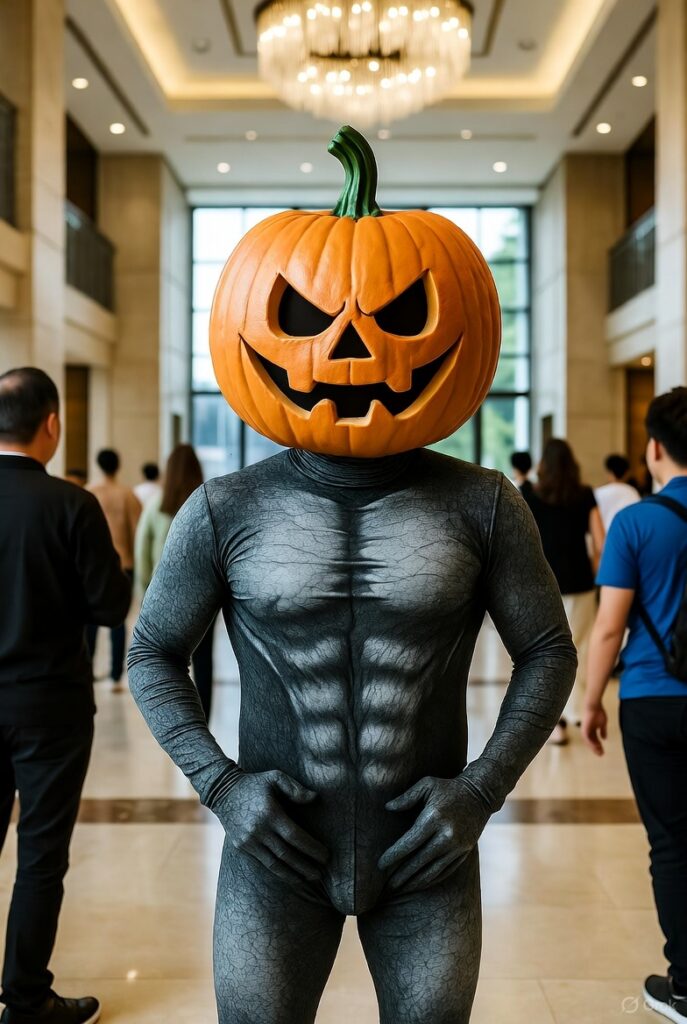
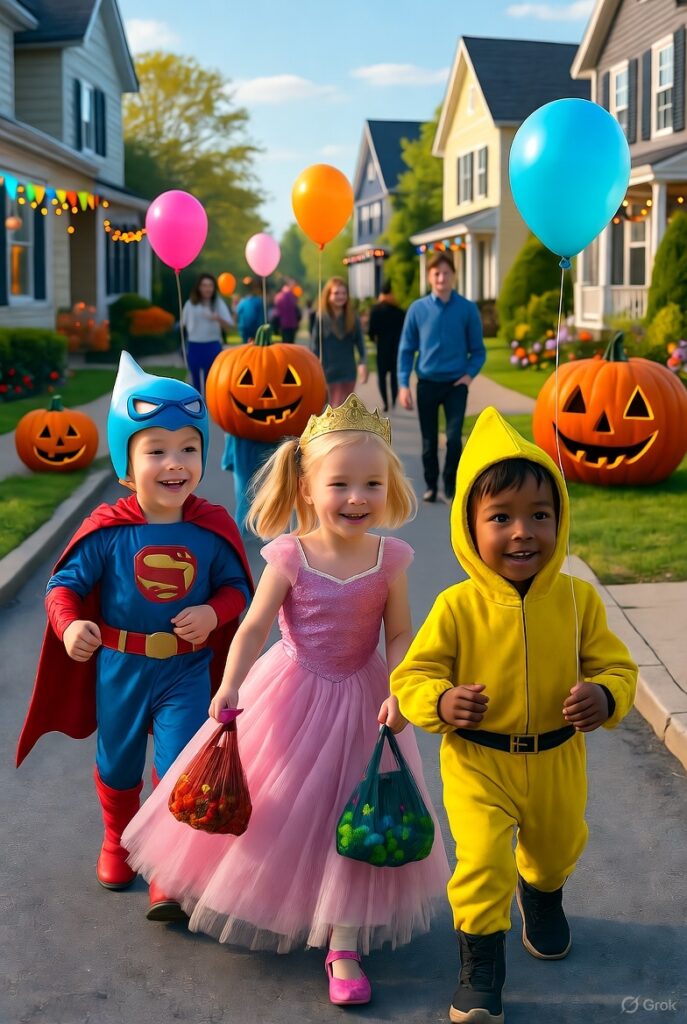
be prepared for guests showing up in strange costumes
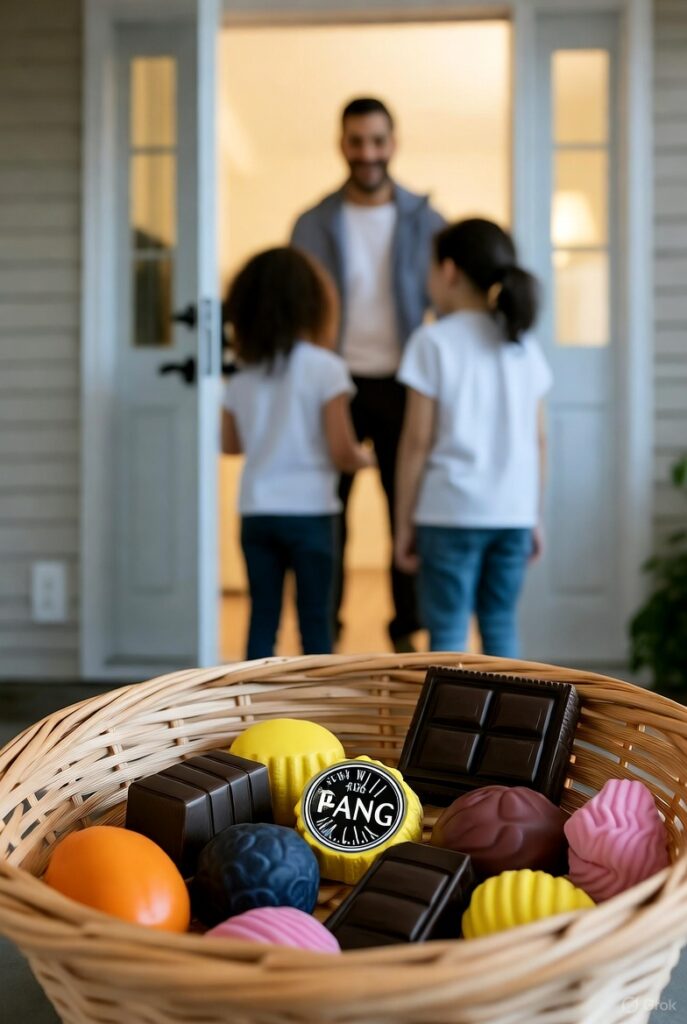
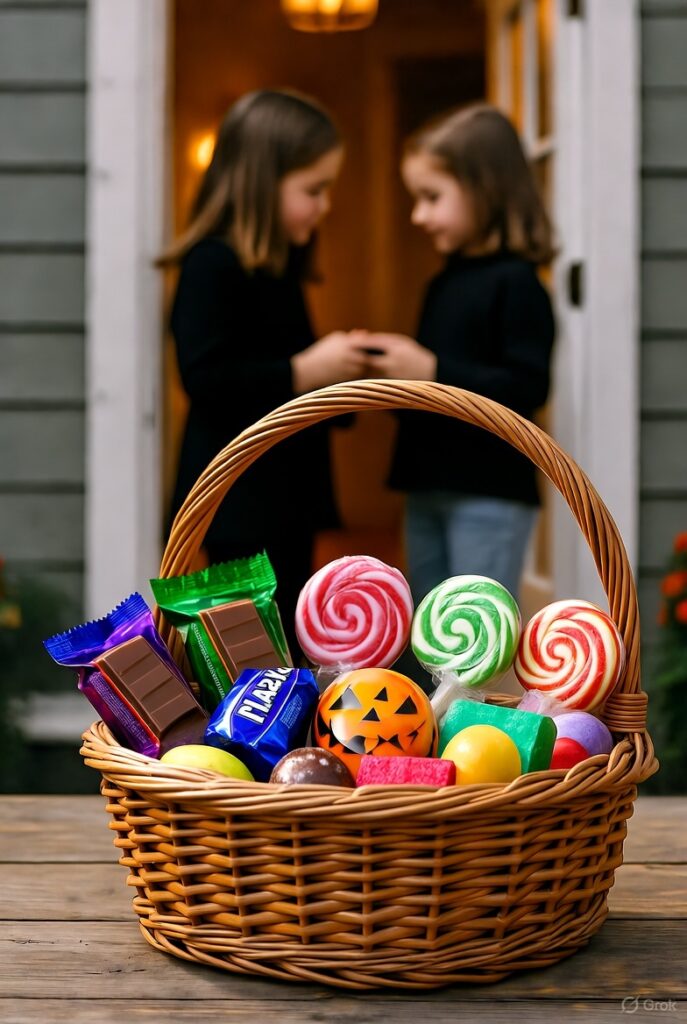
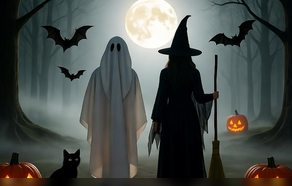
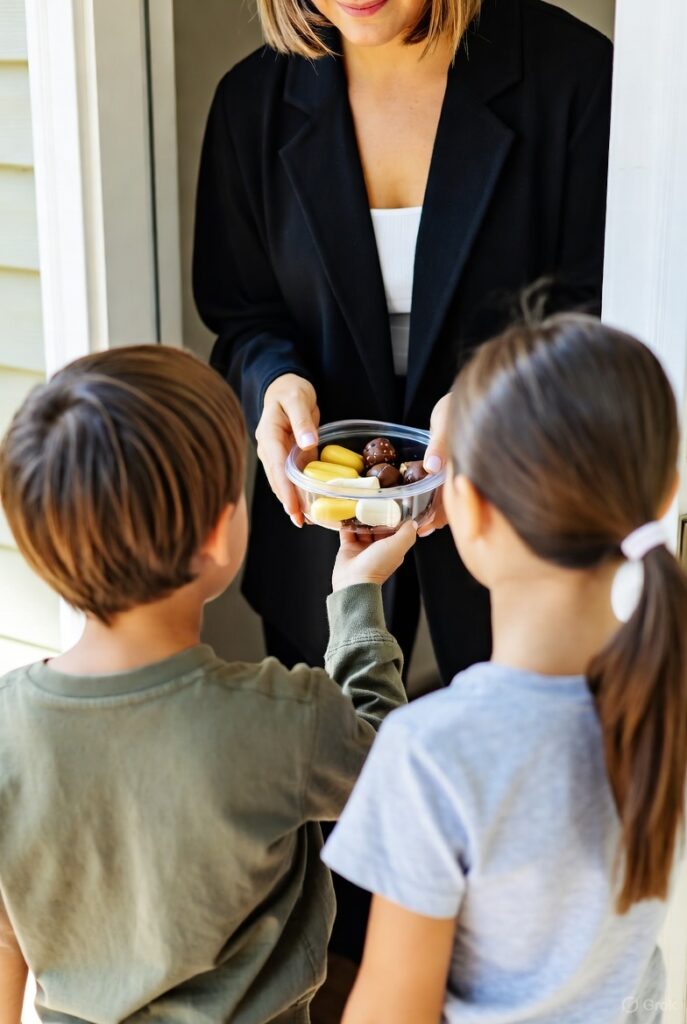
Halloween is a holiday every year on October 31st. The name comes from “All Hallows’ Eve”, the night before All Saints’ Day. The word “hallow” means holy or sacred. Halloween started a long time ago with the Celtic festival of Samhain in Ireland and Scotland. This festival marked the end of the harvest and the start of winter. People believed that on this night, the border between the living and the dead became thin, so spirits could visit the world. Later, Christians added their own traditions.
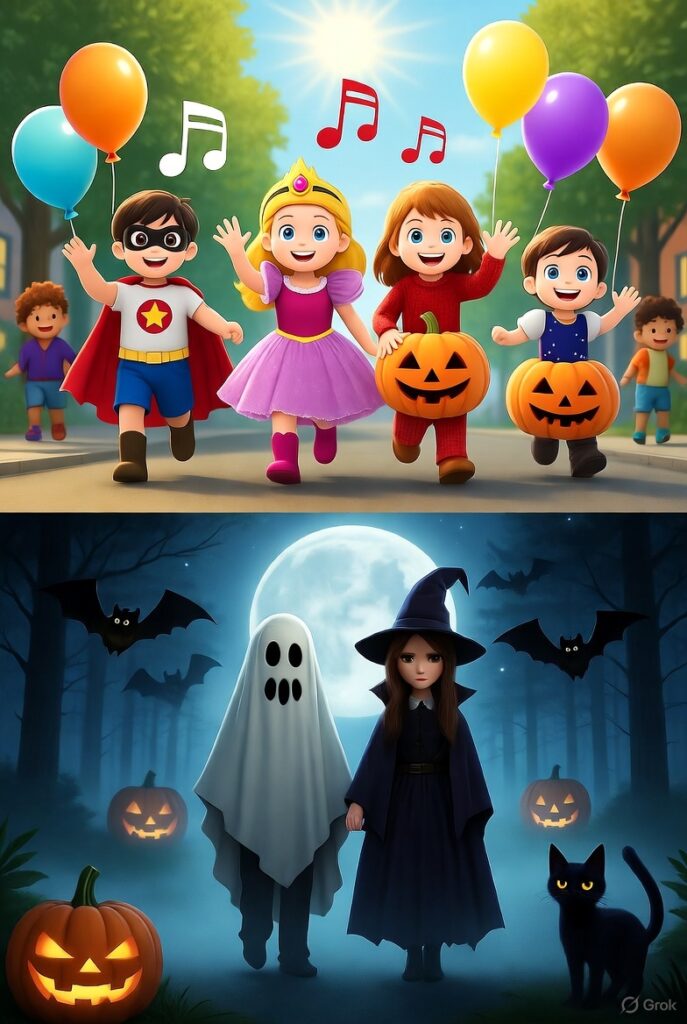
Today, most people do not know this history. Halloween is now a holiday for fun, costumes, and parties. Children wear costumes as ghosts, witches, or monsters and go trick-or-treating, visiting houses and saying “trick or treat!”. “Trick” means a small joke or prank, and “treat” means a gift, usually candy. People usually give candy, so it is mostly fun.
People also carve pumpkins into jack-o’-lanterns to decorate their homes. Some families put Halloween decorations outside, like fake spiders, ghosts, and witches. There are also Halloween parties and haunted houses, where people can feel scared in a safe way. Today, Halloween is a time for children and families to enjoy fun, sweets, and games together, even though it started a long time ago as a festival for spirits and saints.
______________________________
Vocabulary:
hallow – holy or special ✨
eve – the night before a day 🌙
sacred – very special or holy 🙏
a long time ago – many years before now ⏳
a festival – a special day or celebration 🎉
to mark the end – to show the end of something 🛑
a border – a line between two places or things ➖
the dead – people who are not alive ☠️
thin – very small or not thick ➗
a spirit – a ghost or the soul of a person 👻
to add something – to include something more ➕
to wear a costume – to put on special clothes for fun or a party 👗🎩
a ghost – the spirit of a dead person 👻
a witch – a person with magic in stories 🧙♀️
to go trick-or-treating – to visit houses on Halloween and ask for candy 🍬🏠
a joke – something funny you say 😄
a prank – a funny trick on someone 🤭
a gift – something you give to someone 🎁
candy – sweet food, like chocolate or sugar 🍭
to carve pumpkins – to cut a pumpkin to make a face or picture 🎃🔪
a decoration – something you put to make a place look nice or special 🎀
a fake spider – a spider made of plastic or other material, not real 🕷️❌
a haunted house – a house with ghosts or scary things for fun 🏚️👻
to feel scared – to feel afraid 😨
in a safe way – without danger ✅
to enjoy fun – to have a good time 😃🎉
sweets – candy or other sweet food 🍫🍬
#######################
Halloween vocabulary test:
1. What does “hallow” mean? a) holy or special b) a small spider c) a decoration
2. What is “an eve”? a) a pumpkin night b) a ghost story c) night before a day
3. What does “sacred” mean? a) very special or holy b) a small joke c) candy for children
4. What does “a long time ago” mean? a) a fun party b) a short time ago c) many years before now
5. What is “a festival”? a) a special day b) a celebration c) a haunted house
6. What does “to mark the end” mean? a) to show the end b) to carve a pumpkin c) to wear a costume
7. What is “a border”? a) a candy b) a line between places c) a joke
8. What are “the dead”? a) children in costumes b) people not alive c) decorations
9. What does “thin” mean? a) very small or not thick b) very scary c) very sweet
10. What is “a spirit”? a) a pumpkin b) a trick c) a ghost or soul
11. What does “to add something” mean? a) to include more b) to carve pumpkins c) to feel scared
12. What does “to wear a costume” mean? a) to visit a haunted house b) to put on special clothes c) to enjoy fun
13. What is “a ghost”? a) a fake spider b) spirit of dead person c) a joke
14. What is “a witch”? a) person with magic b) a ghost c) a candy
15. What does “to go trick-or-treating” mean? a) carve pumpkins b) visit houses for candy c) put on a costume
16. What is “a joke”? a) a decoration b) something funny you say c) a candy
17. What is “a prank”? a) a pumpkin b) a fake spider c) funny trick on someone
18. What is “a gift”? a) something you give b) a trick c) a ghost
19. What is “candy”? a) a costume b) sweet food c) a haunted house
20. What does “to carve pumpkins” mean? a) to visit houses b) to wear a costume c) to cut a pumpkin
21. What is “a decoration”? a) something to make nice b) a joke c) a candy
22. What is “a fake spider”? a) a ghost b) a spider not real c) a candy
23. What is “a haunted house”? a) a house with ghosts b) a pumpkin decoration c) a candy ————end of audio———-
24. What does “to feel scared” mean? a) to carve pumpkins b) to feel afraid c) to enjoy fun
25. What does “in a safe way” mean? a) without danger b) in a haunted house c) by giving candy
26. What does “to enjoy fun” mean? a) to wear a costume b) to have a good time c) to make a joke
27. What are “sweets”? a) candy or sweet food b) a pumpkin c) a decoration
28. What is “a spirit”? a) a fake spider b) a candy c) a ghost or soul
__________________
Answers:
1 a, 2 c, 3 a, 4 c, 5 b, 6 a, 7 b, 8 b, 9 a, 10 c, 11 a, 12 b, 13 b, 14 a, 15 b, 16 b, 17 c, 18 a, 19 b, 20 c, 21 a, 22 b, 23 a, 24 b, 25 a, 26 b, 27 a, 28 c
__________________
Correct answers:
What does “hallow” mean? – holy or special
What is “an eve”? – night before a day
What does “sacred” mean? – very special or holy
What does “a long time ago” mean? – many years before now
What is “a festival”? – a celebration
What does “to mark the end” mean? – to show the end
What is “a border”? – a line between places
What are “the dead”? – people not alive
What does “thin” mean? – very small or not thick
What is “a spirit”? – a ghost or soul
What does “to add something” mean? – to include something more
What does “to wear a costume” mean? – to put on special clothes
What is “a ghost”? – spirit of dead person
What is “a witch”? – person with magic
What does “to go trick-or-treating” mean? – visit houses for candy
What is “a joke”? – something funny you say
What is “a prank”? – a funny trick on someone
What is “a gift”? – something you give
What is “candy”? – sweet food
What does “to carve pumpkins” mean? – to cut a pumpkin
What is “a decoration”? – something to make nice
What is “a fake spider”? – a spider not real
What is “a haunted house”? – a house with ghosts
What does “to feel scared” mean? – to feel afraid
What does “in a safe way” mean? – without danger
What does “to enjoy fun” mean? – to have a good time
What are “sweets”? – candy or sweet food
What is “a spirit”? – a ghost or soul
######################
🎃Gap-fill exercise:
Halloween comes every year on October 31, the ______ of All Saints’ Day. a) evening before b) day after c) morning before
The word “hallow” means something ______. a) large or heavy b) holy or special c) cold or bright
Long ago, people held a big autumn ______ called Samhain. a) festival b) border c) house
They made fires to ______ the end of harvest time. a) close b) eat c) mark
People thought the line between the living and ______ became thin. a) the witches b) the dead c) the animals
A ______ is a person with magic in old stories. a) friend b) witch c) dancer
Many children ______ special clothes on Halloween night. a) draw b) sell c) wear
A ______ is the soul of a person who has died. a) candy b) hat c) spirit
Children like to go ______ to ask neighbours for sweets. a) playing b) trick-or-treating c) painting
A ______ is something you give to another person. a) joke b) ghost c) gift
People like to ______ pumpkins and put lights inside. a) carve b) sell c) paint
A ______ is something you put to make a room look nice. a) border b) story c) decoration
A ______ spider looks real, but it is not. a) fake b) small c) real
Some people visit a ______ house to feel scared for fun. a) haunted b) cold c) dark
A ______ is something funny you say to make people laugh. a) gift b) prank c) joke
A ______ is a funny trick you play on someone. a) ghost b) prank c) candy
People give sweets or ______ to children on Halloween night. a) candy b) books c) games
Children love to have fun and feel scared, but always ______. a) in the street b) in a safe way c) in the dark
————————-
Answers: 1 a, 2 b, 3 a, 4 c, 5 b, 6 b, 7 c, 8 c, 9 b, 10 c, 11 a, 12 c, 13 a, 14 a, 15 c, 16 b, 17 a, 18 b
————————
Correct version:
Halloween comes every year on October 31, the evening before All Saints’ Day.
The word “hallow” means something holy or special.
Long ago, people held a big autumn festival called Samhain.
They made fires to mark the end of harvest time.
People thought the line between the living and the dead became thin.
A witch is a person with magic in old stories.
Many children wear special clothes on Halloween night.
A spirit is the soul of a person who has died.
Children like to go trick-or-treating to ask neighbours for sweets.
A gift is something you give to another person.
People like to carve pumpkins and put lights inside.
A decoration is something you put to make a room look nice.
A fake spider looks real, but it is not.
Some people visit a haunted house to feel scared for fun.
A joke is something funny you say to make people laugh.
A prank is a funny trick you play on someone.
People give sweets or candy to children on Halloween night.
Children love to have fun and feel scared, but always in a safe way.
######################
🎃 Match words and definitions:
Words
witch
spirit
hallow
decoration
to carve pumpkins
haunted house
to wear a costume
prank
sacred
gift
fake spider
to feel scared
sweets
to enjoy fun
Definitions:
a) something you give to someone
b) a spider that is not real, made of plastic or toy material
c) to have a good time and be happy
d) a house with ghosts or scary things for fun
e) very special or holy
f) to put on special clothes for a party or for fun
g) a funny trick you play on someone
h) sweet food, like candy or chocolate
i) a person with magic in stories
j) to cut a pumpkin to make a face or picture
k) to feel afraid
l) something you put to make a room look nice or special
m) the spirit or soul of a person who has died
n) holy or special
______________________________
Answers:
1 – i 2 – m 3 – n 4 – l 5 – j 6 – d 7 – f 8 – g 9 – e 10 – a 11 – b 12 – k 13 – h 14 – c
______________________________
######################
Correct version:
witch – a person with magic in stories
spirit – the soul of a person who has died
hallow – holy or special
decoration – something you put to make a room look nice or special
to carve pumpkins – to cut a pumpkin to make a face or picture
haunted house – a house with ghosts or scary things for fun
to wear a costume – to put on special clothes for fun or a party
prank – a funny trick you play on someone
sacred – very special or holy
gift – something you give to someone
fake spider – a spider that is not real, made of plastic or toy material
to feel scared – to feel afraid
sweets – sweet food, like candy or chocolate
to enjoy fun – to have a good time and be happy
######################
True or false:
Halloween is celebrated every year on October 31st.
The name “Halloween” comes from “All Holy Night.”
People once believed spirits could visit the world on Halloween night.
Today, most people celebrate Halloween only in churches.
Children wear costumes like ghosts or witches.
“Trick or treat” means children play music for sweets.
A “treat” is something nice, like candy.
People carve pumpkins to make decorations called jack-o’-lanterns.
Halloween started in America about 50 years ago.
A “trick” means a small joke or prank.
Many people enjoy visiting haunted houses for fun.
On Halloween, people give flowers instead of candy.
The word “hallow” means holy or special.
Some people decorate their homes with fake spiders and ghosts.
1. Q: What is Halloween? A: Halloween is a __________ every year on October 31st.
2. Q: Where does the name “Halloween” come from? A: The name comes from “All Hallows’ Eve.”
3. Q: What does “hallow” mean? A: Hallow means __________ or special.
4. Q: When did Halloween start? A: Halloween started a long time ago with the Celtic __________ of Samhain.
5. Q: Why did people celebrate Samhain? A: They celebrated to mark the end of __________ and the start of winter.
6. Q: What did people believe about spirits? A: People believed spirits could _________ the world on Halloween night.
7. Q: How do children celebrate Halloween today? A: Children wear costumes and go __________.
8. Q: What is trick-or-treating? A: Trick-or-treating is when children visit houses and ask for __________ .
9. Q: What does “trick” mean? A: Trick means a small joke or __________.
10. Q: What does “treat” mean? A: Treat means a__________, usually candy.
11. Q: What do people do with pumpkins? A: People carve __________to make jack-o’-lanterns [a pumpkin that people cut a face into and put a light inside.].
12. Q: What other fun activities do people do? A: People enjoy fun at Halloween parties and in __________ houses.
13. Q: How do people decorate their homes? A: They use decorations like __________ spiders and ghosts.
——————————————–
Correct version:
1. Q: What is Halloween? A: Halloween is a holiday every year on October 31st.
2. Q: Where does the name “Halloween” come from? A: The name comes from “All Hallows’ Eve.”
3. Q: What does “hallow” mean? A: Hallow means holy or special.
4. Q: When did Halloween start? [past simple => check] A: Halloween started a long time ago with the Celtic festival of Samhain.
5. Q: Why did people celebrate Samhain? [past simple => check] A: They celebrated to mark the end of harvest and the start of winter.
6. Q: What did people believe about spirits? A: People believed spirits could visit the world on Halloween night. [past simple => check]
7. Q: How do children celebrate Halloween today? A: Children wear costumes and go trick-or-treating.
8. Q: What is trick-or-treating? A: Trick-or-treating is when children visit houses and ask for candy.
9. Q: What does “trick” mean? A: Trick means a small joke or prank.
10. Q: What does “treat” mean? A: Treat means a gift, usually candy.
11. Q: What do people do with pumpkins? A: People carve pumpkins to make jack-o’-lanterns.
12. Q: What other fun activities do people do? A: People enjoy fun at Halloween parties and in haunted houses.
13. Q: How do people decorate their homes? A: They use decorations like fake spiders and ghosts.
######################
A kid tells about her plans for Halloween:
On Halloween, I wear a costume. I can be a ghost, a witch, or a monster. I go trick-or-treating with my friends. We visit houses and say, “Trick or treat!” People give us candy and sweets.
At home, I help carve pumpkins. We make jack-o’-lanterns and put a light inside. My family puts decorations like fake spiders and ghosts around the house.
I go to Halloween parties and sometimes visit a haunted house. It is a little scary, but I feel safe. I have a lot of fun and laugh with my friends. Halloween is my favorite holiday!
>>>>>Rewrite the story starting with
>>>>>>>>>>On Halloween she wears a costume. She can be……..
>>>>>and make all changes necessary.
______________________________
Correct version:
In Halloween she wears a costume. She can be a ghost, a witch, or a monster. She goes trick-or-treating with her friends. They visit houses and say, “Trick or treat!” People give them candy and sweets.
At home, she helps carve pumpkins. They make jack-o’-lanterns and put a light inside. Her family puts decorations like fake spiders and ghosts around the house.
She goes to Halloween parties and sometimes visits a haunted house. It is a little scary, but she feels safe. She has a lot of fun and laughs with her friends. Halloween is her favorite holiday!
Used when actions are happening at the present moment, now, at the moment of speaking.
I, You, etc.
am, is, are
Verb + ing
I
am
eating
You
are
running
He/She/It
is
sleeping
We
are
talking
They
are
playing
Pronoun
Negative
Question
I
I am not eating
Am I eating?
You
You are not running
Are you running?
He
He is not sleeping
Is he sleeping?
She
She is not reading
Is she reading?
It
It is not raining
Is it raining?
We
We are not talking
Are we talking?
You
You are not playing
Are you playing?
They
They are not working
Are they working?
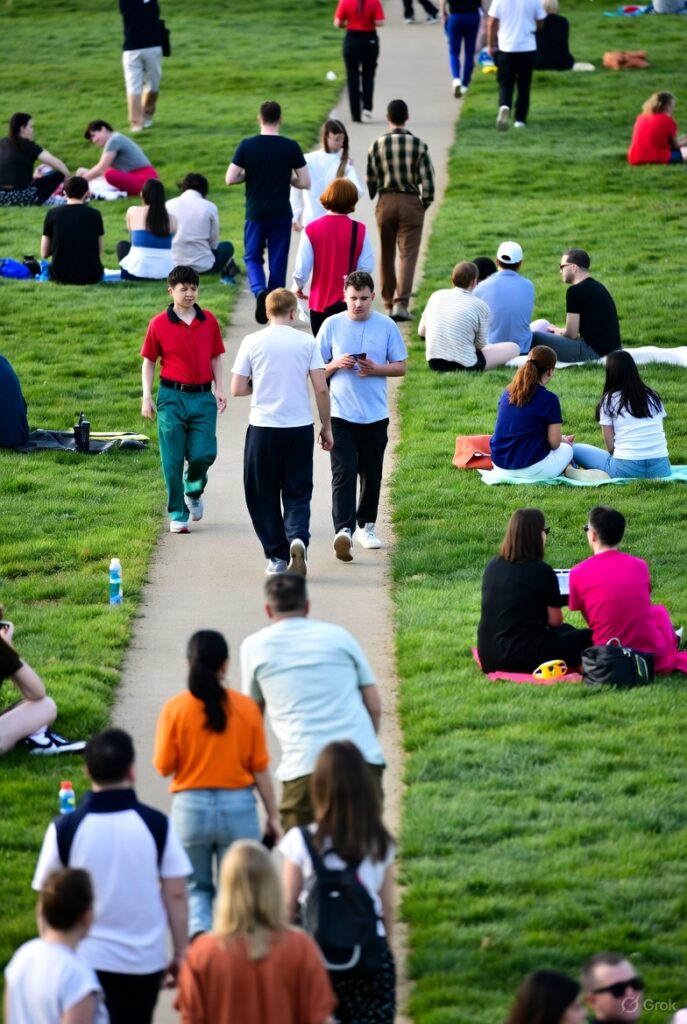
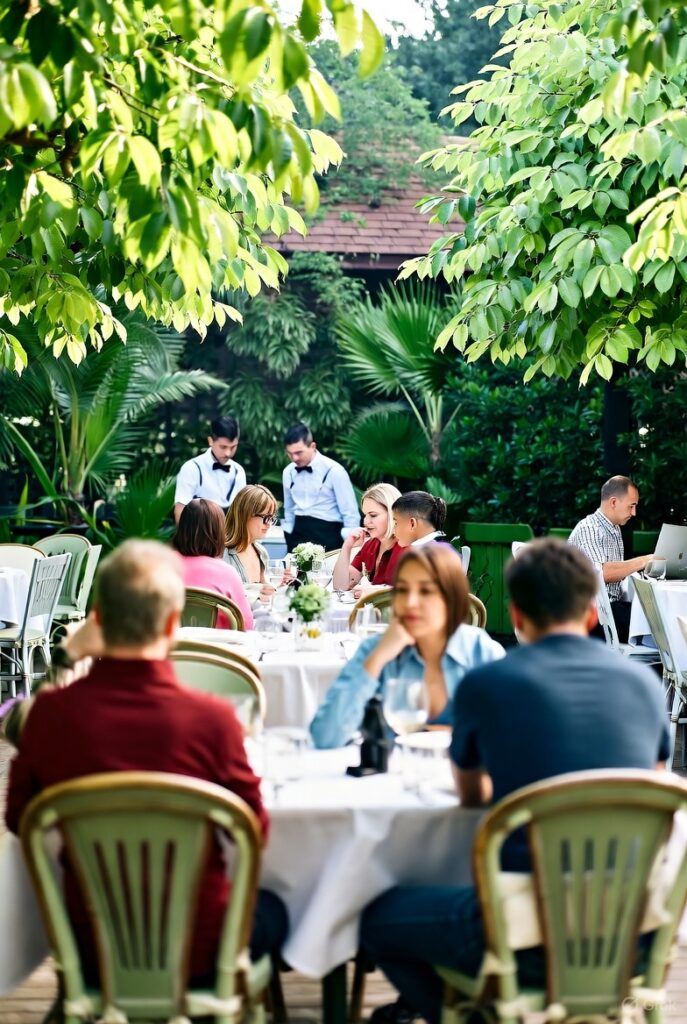
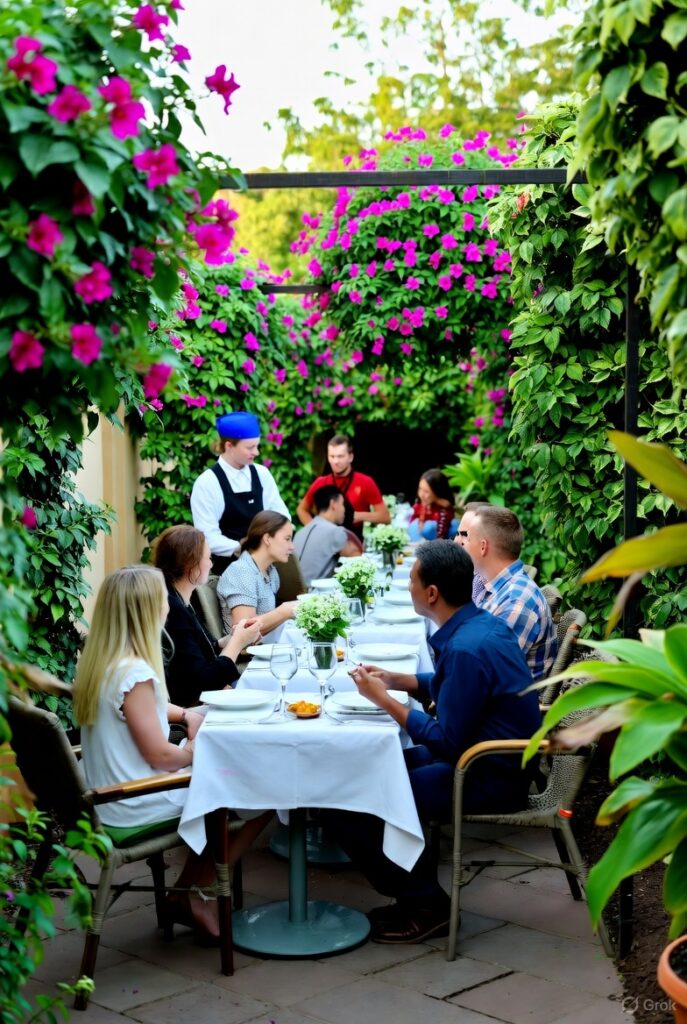
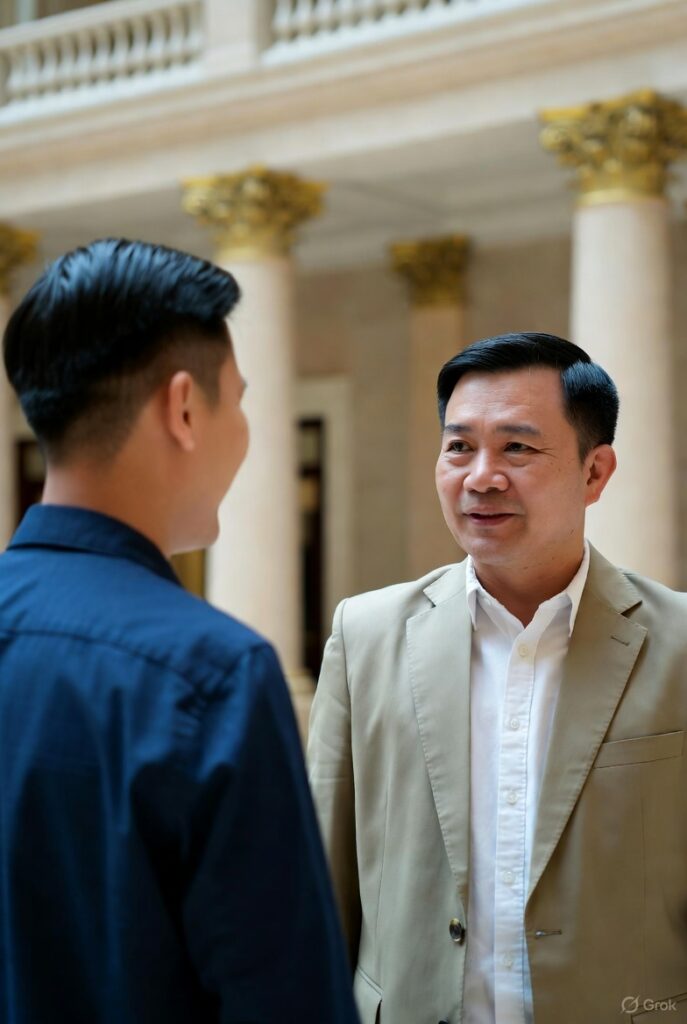
Describe, as many sentences as possible. (send me your sentences, I’ll have a look at them: SMFrockZ@gmx.at
Picture 1:
Picture 2:
Picture 3:
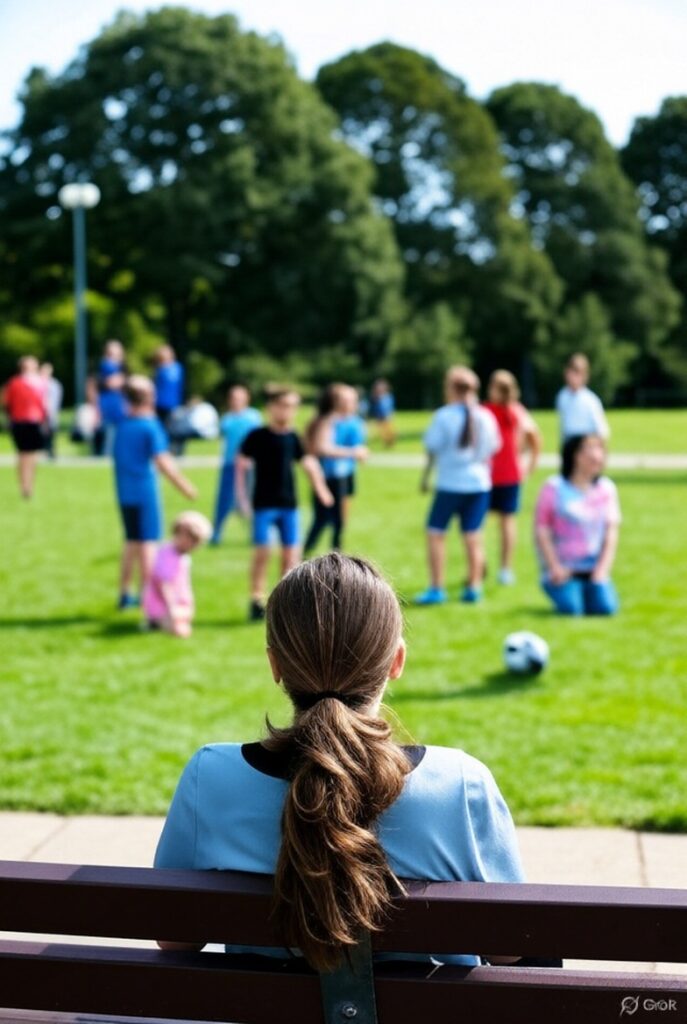
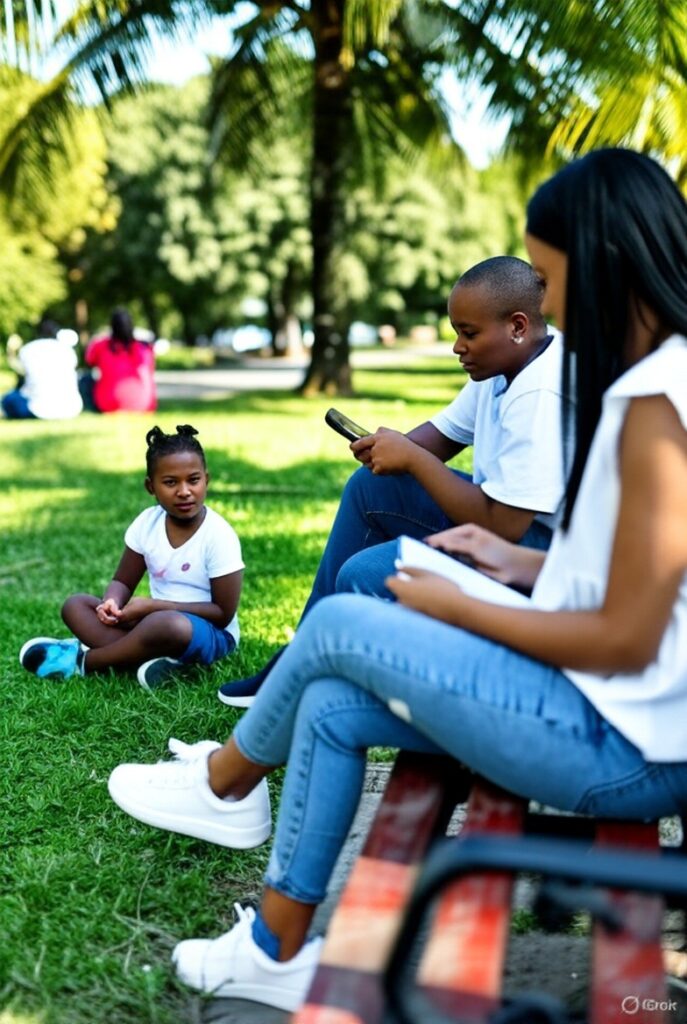
The people are sitting in a park. The sun is shining and the grass is very green. A little girl is sitting on the grass. She is wearing a white T-shirt and blue shorts. She is looking at the other people. A man is sitting next to her. He is looking at his phone. A woman is sitting on a bench. She is holding a notebook. The people are relaxing and are enjoying the nice day. Other people are sitting in the background. Everyone is happy and calm.
#################
People are walking along the path.
Some individuals are sitting on the grass.
A person is holding a phone.
Others are chatting with each other.
A group is lying on a blanket.
Someone is drinking from a bottle.
A couple is walking hand in hand.
People are relaxing under the trees.
A person is wearing a red shirt.
Another individual is carrying a backpack.
Some are enjoying the sunny weather.
A person is looking at a laptop.
Others are sitting in small groups.
Someone is adjusting their cap.
People are spreading out picnic items.
A group is walking towards the distance.
Someone is taking a photo.
Individuals are wearing colorful clothes.
People are enjoying the park environment.
Picture 4:
People are eating now. They are sitting at tables. The tables are outside. Green trees are around them. Waiters are standing and helping. One waiter is talking to people. Girls are drinking and talking. A man is using a laptop. Everyone is enjoying the food. The sun is shining. Flowers are on the tables. It is a happy time. People are smiling and eating. The place is beautiful and green.
################# Picture 5:
People are sitting at a table. They are eating food. They are talking and smiling. A waiter is standing and helping. Pink flowers are hanging above. Green leaves are growing around. Girls are drinking water. Men are using forks. The sun is shining now. Everyone is enjoying the meal. The garden is beautiful and everybody is having fun.
– learning to communicate, serve, and grow in tourism
Tourism and hospitality are very popular jobs for young people today. These fields are full of energy and offer many chances to meet people from all over the world. Working in a hotel, restaurant, or travel company can be exciting and rewarding. But before starting, young people should know some important things.
First, they need to have good communication skills. People in tourism talk to guests every day. It is important to smile, be polite, and speak clearly. Knowing English or other foreign languages helps a lot because guests often come from many different countries.
Second, they should learn about customer service. Guests like to feel welcome and special. Being friendly, patient, and helpful makes a big difference. Good service brings guests back again.
Third, it is useful to understand new technology. Today, hotels and travel companies use computers, online booking, and social media. Young people who can use these tools are more successful at work.
Finally, it is important to think about sustainable tourism. More travelers now care about protecting nature and respecting local culture. Young workers should support these ideas and work in a responsible way.
In conclusion, a job in tourism and hospitality can be a great choice for young people who like people, learning, and helping others.
_____________________________
Vocabulary:
Self-assessment – checking your own skills, knowledge, or abilities.
A cheat sheet – a short paper or table that helps you remember important information.
To be full of energy – to have a lot of power, strength, or motivation.
To offer chances – to give opportunities to do something.
To be exciting – to make you feel happy, interested, or enthusiastic.
To be rewarding – to give you a good feeling because it is useful or helpful.
Communication skills – the ability to speak, listen, and understand others.
To smile – to show happiness by moving your mouth upwards.
To be polite – to behave in a kind and respectful way.
Customer service – helping and taking care of people who buy something or visit a business.
Patient – able to wait calmly without getting angry.
To make a difference – to change something in a good or important way.
A tool – something you use to do a job or task.
To be successful – to reach your goal or do well in something.
Sustainable tourism – tourism that protects nature, helps local people, and does not harm the environment.
To care about protecting nature – to want to keep plants, animals, and the environment safe.
To respect local cultures – to be polite and careful with the traditions, habits, and beliefs of local people.
To support – to help or give help to someone or something.
A responsible way – doing something in a careful, safe, and correct way.
In conclusion – a phrase to show the final idea or summary at the end of a text or speech.
_______________________
Word / Phrase
Meaning
Example Sentence
Self-assessment
Checking your own skills or abilities
I did a self-assessment to see what I can do well.
Cheat sheet
A short paper that helps you remember important information
I used a cheat sheet to learn new English words.
To be full of energy
To have a lot of power or motivation
She is full of energy in her new job.
To offer chances
To give opportunities
The school offers chances to join clubs.
To be exciting
To make you happy or interested
Traveling to a new country is exciting.
To be rewarding
To give a good feeling or be useful
Helping tourists can be very rewarding.
Communication skills
Ability to speak and understand others
Good communication skills are important in hotels.
To smile
To show happiness with your mouth
The guide smiled at all the guests.
To be polite
To behave in a kind and respectful way
Always be polite to customers.
Customer service
Helping people who buy or visit
Good customer service makes guests happy.
Patient
Able to wait calmly
You must be patient when guests have questions.
To make a difference
To change something in a good way
Volunteers make a difference in the community.
Tool
Something you use to do a job
A computer is an important tool at work.
To be successful
To reach your goal
She is successful because she works hard.
Sustainable tourism
Tourism that protects nature and local people
Sustainable tourism helps local villages and animals.
To care about protecting nature
To want to keep the environment safe
Tourists should care about protecting nature.
To respect local cultures
To be polite with local traditions
Visitors must respect local cultures.
To support
To help someone or something
We support small local businesses.
A responsible way
Doing something carefully and correctly
We should travel in a responsible way.
In conclusion
A phrase for the final idea or summary
In conclusion, tourism can help local people.
#################
Multiple choice, one answer correct:
audio 1:
audio 2:
1. What is a self-assessment? A) Checking your own skills and abilities B) Reading a book about skills at school C) Listening to instructions from the teacher
2. What is a cheat sheet? A) A large book with many details and pictures B) A short paper that helps you remember information C) A note from a friend to copy answers
3. What does “to be full of energy” mean? A) To feel tired and want to sleep all day B) To have a lot of power and motivation C) To sit quietly and do nothing important
4. What does “to offer chances” mean? A) To stay home and not do anything at all B) To give opportunities to try something new C) To take away chances from other people
5. What does “to be exciting” mean? A) To make you feel tired or sleepy quickly B) To be boring and not fun at all C) To make you happy, interested, or curious
6. What does “to be rewarding” mean? A) To give a good feeling or be useful B) To have no effect or nothing important C) To be very difficult and make you fail
7. What are communication skills? A) The ability to run, jump, or move quickly B) The ability to speak and understand other people C) The ability to draw, paint, or create art
8. What does “to smile” mean? A) To show happiness with your mouth and face B) To close your eyes and ignore others C) To say words in a loud and angry voice
9. What does “to be polite” mean? A) To shout, push, or ignore other people B) To run fast and not listen to anyone C) To behave in a kind and respectful way
10. What is customer service? A) Only cleaning rooms and washing dishes daily B) Helping people who visit or buy from a business C) Only cooking food for guests or workers
11. What does “patient” mean? A) Able to wait calmly without getting angry B) Easily angry or annoyed when things take time C) Always in a hurry and never waiting long
——-end of audio 1———
12. What does “to make a difference” mean? A) To stay the same and do nothing important B) To change something in a good and important way C) To leave problems for someone else to fix
13. What is a tool? A) Something useful to help you do a task or job B) Something you wear or carry in your pocket C) Something you eat to stay healthy every day
14. What does “to be successful” mean? A) To fail at everything you try to do B) To reach your goal or do something well C) To rest, sleep, or not do much at all
15. What is sustainable tourism? A) Tourism that only happens in big cities B) Tourism that wastes resources and causes damage C) Tourism that helps nature and local people
16. What does “to care about protecting nature” mean? A) To cut trees, pollute rivers, or harm animals B) To want to keep the environment safe and clean C) To not care about plants, animals, or rivers
17. What does “to respect local cultures” mean? A) To ignore customs and take whatever you want B) To break rules and behave badly in the area C) To be polite and careful with local traditions
18. What does “to support” mean? A) To leave people alone and not offer help B) To help someone or something in a kind way C) To take things without asking or caring
19. What does “a responsible way” mean? A) Doing something carefully and in the right way B) Doing nothing and ignoring what you should do C) Doing something quickly without thinking at all
20. What does “in conclusion” mean? A) A phrase at the start of a paragraph or story B) A phrase used to show the final idea or summary C) A question asked at the beginning of a text
What is a self-assessment? – Checking your own skills and abilities
What is a cheat sheet? – A short paper that helps you remember information
What does “to be full of energy” mean? – To have a lot of power and motivation
What does “to offer chances” mean? – To give opportunities to try something new
What does “to be exciting” mean? – To make you happy, interested, or curious
What does “to be rewarding” mean? – To give a good feeling or be useful
What are communication skills? – The ability to speak and understand other people
What does “to smile” mean? – To show happiness with your mouth and face
What does “to be polite” mean? – To behave in a kind and respectful way
What is customer service? – Helping people who visit or buy from a business
What does “patient” mean? – Able to wait calmly without getting angry
What does “to make a difference” mean? – To change something in a good and important way
What is a tool? – Something useful to help you do a task or job
What does “to be successful” mean? – To reach your goal or do something well
What is sustainable tourism? – Tourism that helps nature and local people
What does “to care about protecting nature” mean? – To want to keep the environment safe and clean
What does “to respect local cultures” mean? – To be polite and careful with local traditions
What does “to support” mean? – To help someone or something in a kind way
What does “a responsible way” mean? – Doing something carefully and in the right way
What does “in conclusion” mean? – A phrase used to show the final idea or summary
#####################
Word-definition matching exercise :
Words:
Self-assessment
Cheat sheet
To be full of energy
To offer chances
To be exciting
To be rewarding
Communication skills
To smile
To be polite
Customer service
Patient
To make a difference
Tool
To be successful
Sustainable tourism
To care about protecting nature
To respect local cultures
To support
A responsible way
In conclusion
Definitions:
A. To behave in a kind and respectful way B. A short paper that helps you remember information C. To have a lot of power and motivation D. Doing something carefully and in the right way E. To help someone or something in a kind way F. To change something in a good and important way G. A phrase used to show the final idea or summary H. Something useful to help you do a task or job I. To give opportunities to try something new J. Tourism that helps nature and local people K. To show happiness with your mouth and face L. Able to wait calmly without getting angry M. To be happy, interested, or curious N. Checking your own skills and abilities O. Helping people who visit or buy from a business P. The ability to speak and understand other people Q. To give a good feeling or be useful R. To want to keep the environment safe and clean S. To be polite and careful with local traditions T. A phrase at the end of a paragraph or story
Self-assessment – Checking your own skills and abilities
Cheat sheet – A short paper that helps you remember information
To be full of energy – To have a lot of power and motivation
To offer chances – To give opportunities to try something new
To be exciting – To make you happy, interested, or curious
To be rewarding – To give a good feeling or be useful
Communication skills – The ability to speak and understand other people
To smile – To show happiness with your mouth and face
To be polite – To behave in a kind and respectful way
Customer service – Helping people who visit or buy from a business
Patient – Able to wait calmly without getting angry
To make a difference – To change something in a good and important way
Tool – Something useful to help you do a task or job
To be successful – To reach your goal or do something well
Sustainable tourism – Tourism that helps nature and local people
To care about protecting nature – To want to keep the environment safe and clean
To respect local cultures – To be polite and careful with local traditions
To support – To help someone or something in a kind way
A responsible way – Doing something carefully and in the right way
In conclusion – A phrase used to show the final idea or summary
#####################
True or false:
To support someone means helping them in a kind way.
Communication skills are about drawing and painting well.
To make a difference means to stay the same and do nothing.
Being full of energy means having a lot of motivation.
A cheat sheet is a long book with many pages.
Customer service means ignoring visitors and customers.
To smile shows happiness with your mouth and face.
Being patient means getting angry when you wait.
To be rewarding gives a good feeling or is useful.
Sustainable tourism helps nature and local people.
To offer chances means giving opportunities to try new things.
To be polite means to behave in a kind and respectful way.
In conclusion is a phrase used at the start of a text.
A tool is something useful to help you do a task or job.
________________ True: 1,4,7,9,10,11,12,14
________________
Correct answers:
To support someone means helping them in a kind way.
Communication skills are about drawing and painting well. True is: The ability to speak and understand other people
To make a difference means to stay the same and do nothing. True is: To change something in a good and important way
Being full of energy means having a lot of motivation.
A cheat sheet is a long book with many pages. True is: A short paper that helps you remember information
Customer service means ignoring visitors and customers. True is: Helping people who visit or buy from a business
To smile shows happiness with your mouth and face.
Being patient means getting angry when you wait. True is: Able to wait calmly without getting angry
To be rewarding gives a good feeling or is useful.
Sustainable tourism helps nature and local people.
To offer chances means giving opportunities to try new things.
To be polite means to behave in a kind and respectful way.
In conclusion is a phrase used at the start of a text. True is: A phrase used to show the final idea or summary
A tool is something useful to help you do a task or job.
#####################
Fill in, words below:
rewarding, smile, full of energy, customer service, communication skills, offer chances, cheat sheet, polite, exciting, self-assessment
Before starting a new job, it is good to do a __________ to check your skills.
A small paper that helps you remember important information is called a __________.
Being __________ helps you work well and enjoy your day.
Good companies always __________ to try new ideas for employees.
Visiting a new city can be very __________ if you see interesting places.
Helping guests and seeing them happy is very __________.
In hotels, it is important to have good __________ to understand and help customers.
When you meet guests, it is friendly to __________.
Always be __________ when talking to people from different cultures.
Good __________ means helping visitors and answering their questions politely.
_____________________________
Correct answers:
Before starting a new job, it is good to do a self-assessment to check your skills.
A small paper that helps you remember important information is called a cheat sheet.
Being full of energy helps you work well and enjoy your day.
Good companies always offer chances to try new ideas for employees.
Visiting a new city can be very exciting if you see interesting places.
Helping guests and seeing them happy is very rewarding.
In hotels, it is important to have good communication skills to understand and help customers.
When you meet guests, it is friendly to smile.
Always be polite when talking to people from different cultures.
Good customer service means helping visitors and answering their questions politely.
#####################
Interview, fill in, words below:
support – self-assessment – full of energy – patient – rewarding – communication skills – exciting – better – customer service – polite – smile – offer chances – cheat sheet – exciting
—————————————
Title:Interview: How to Be Successful in Tourism
1. Youngster: Hello! I want to work in tourism. What is the first thing I should do? Expert: First, do a __________ to check your skills and see what you are good at.
2. Youngster: Why is a self-assessment important? Expert: It helps you know your strengths and weaknesses. Then you can improve and work __________.
3. Youngster: Do I need to talk to guests? Expert: Yes, good __________ are very important. You must talk and listen to guests carefully.
4. Youngster: What does being polite mean in tourism? Expert: Being __________means speaking kindly and respecting all guests, even if they are upset.
5. Youngster: How about being patient? Expert: Being __________ helps when guests ask many questions or need help. It shows you care.
6. Youngster: Should I smile to the guests? Expert: Absolutely! A __________ makes guests feel welcome and happy.
7. Youngster: What if I forget something important? Expert: You can use a __________ to remember key information about the hotel or city.
8. Youngster: How can I help guests in different ways? Expert: Good __________ means answering questions, solving problems, and making guests comfortable.
9. Youngster: Can I give guests new experiences? Expert: Yes, you can __________ for them to try activities or visit special places.
10. Youngster: Is tourism always fun? Expert: It can be very _________, because you meet new people and see new places.
11. Youngster: Is it hard work? Expert: Sometimes it is busy, but if you are__________, you can manage and enjoy your work.
12. Youngster: Will I feel happy in this job? Expert: Yes! Tourism is very __________ when you help guests and see them enjoy their stay.
13. Youngster: Should I support my team? Expert: Always. To __________ your colleagues is important. You can work better together and help guests faster.
14. Youngster: Any final advice to be successful? Expert: Respect local culture, be polite, smile, help guests, and stay full of energy. If you do all this, tourism can be __________ and rewarding.
_____________________________
Full version:
Title:Interview: How to Be Successful in Tourism
1. Youngster: Hello! I want to work in tourism. What is the first thing I should do? Expert: First, do a self-assessment to check your skills and see what you are good at.
2. Youngster: Why is a self-assessment important? Expert: It helps you know your strengths and weaknesses. Then you can improve and work better.
3. Youngster: Do I need to talk to guests? Expert: Yes, good communication skills are very important. You must talk and listen to guests carefully.
4. Youngster: What does being polite mean in tourism? Expert: Being polite means speaking kindly and respecting all guests, even if they are upset.
5. Youngster: How about being patient? Expert: Being patient helps when guests ask many questions or need help. It shows you care.
6. Youngster: Should I smile to the guests? Expert: Absolutely! A smile makes guests feel welcome and happy.
7. Youngster: What if I forget something important? Expert: You can use a cheat sheet to remember key information about the hotel or city.
8. Youngster: How can I help guests in different ways? Expert: Good customer service means answering questions, solving problems, and making guests comfortable.
9. Youngster: Can I give guests new experiences? Expert: Yes, you can offer chances for them to try activities or visit special places.
10. Youngster: Is tourism always fun? Expert: It can be very exciting, because you meet new people and see new places.
11. Youngster: Is it hard work? Expert: Sometimes it is busy, but if you are full of energy, you can manage and enjoy your work.
12. Youngster: Will I feel happy in this job? Expert: Yes! Tourism is very rewarding when you help guests and see them enjoy their stay.
13. Youngster: Should I support my team? Expert: Always. To support your colleagues is important. You can work better together and help guests faster.
14. Youngster: Any final advice to be successful? Expert: Respect local culture, be polite, smile, help guests, and stay full of energy. ——————-end of audio ;-)———– If you do all this, tourism can be exciting and rewarding.
Ari works in a big hotel. It is a 5-star hotel. He works in the restaurant.
Every morning Ari gets up early. He takes a shower, puts on his clean uniform, and eats breakfast. Then he goes to work and smiles. He says hello to his friends. He looks at the tables. The tables must be clean. The chairs must be in the right place. The glasses must be nice. The flowers on the tables must look fresh.
The guests come. Ari says, “Good morning!” He helps them find a table. He brings food and drinks. He always says, “Please” and “Thank you.” Sometimes it is very busy. Many people want food. Sometimes a guest is not happy. Ari stays calm and friendly. He speaks softly and helps. The guests like Ari. They say, “Thank you!” and smile.
Ari likes his job. He meets many people every day from many countries. Last month he was “Staff of the Month.” He was very happy and proud. His boss said, “Good job, Ari!” Ari works hard and always does his best. He wants to learn more and be even better.
________________________
Vocabulary:
to get up early – to leave your bed in the morning when it is still early
to take a shower – to wash your body with water
to put on a uniform – to dress in special clothes for work or school
clean – not dirty
to smile – to make a happy face with your mouth
in the right place – in the correct spot, where it should be
to look fresh – to look new, nice, and not old or tired
to be busy – to have a lot of work, not have free time
to stay calm – to be quiet and not get angry or afraid
to be friendly – to be kind and nice to other people
to speak softly – to talk in a quiet voice
a country – a place like Thailand, France, or Japan
staff of the month – the best worker in one month
to be proud – to feel happy about your good work
to be better – to do something more well than before
####################
Ari’s best friend, Maurice
Match the words with their meanings:
Words:
to get up early
to take a shower
to put on a uniform
clean
to smile
in the right place
to look fresh
to be busy
to stay calm
to be friendly
to speak softly
a country
staff of the month
to be proud
to be better
Definitions:
A. to talk in a quiet voice B. to leave your bed in the morning when it is still early C. to feel happy about your good work D. to have a lot of work, not have free time E. to wash your body with water F. the best worker in one month G. to be quiet and not get angry or afraid H. to look new, nice, and not old or tired I. not dirty J. a place like Thailand or Japan K. in the correct spot, where it should be L. to make a happy face with your mouth M. to be kind and nice to other people N. to dress in special clothes for work or school O. to do something more well than before
to get up early – to leave your bed in the morning when it is still early to take a shower – to wash your body with water to put on a uniform – to dress in special clothes for work or school clean – not dirty to smile – to make a happy face with your mouth in the right place – in the correct spot, where it should be to look fresh – to look new, nice, and not old or tired to be busy – to have a lot of work, not have free time to stay calm – to be quiet and not get angry or afraid to be friendly – to be kind and nice to other people to speak softly – to talk in a quiet voice a country – a place like Thailand or Japan staff of the month – the best worker in one month to be proud – to feel happy about your good work to be better – to do something more well than before
###################
Gap-fill sentences, fill in, words below:
guests, proud, staff, restaurant, tables, busy, best, smile, calm, people
———————————-
Every morning Ari _______ on his clean uniform.
Ari works in a big 5-star _______.
He looks at the _______. The tables must be clean.
Ari says, “Good morning!” and helps the _______ find a table.
Sometimes it is very _______ in the restaurant.
Ari stays calm and _______ when a guest is not happy.
The guests like Ari. They say, “Thank you!” and _______.
Last month Ari was “_______ of the Month.”
Ari likes his job. He meets many _______ every day.
Ari works hard and always does his _______.
——————————— Correct version:
Every morning Ari puts on his clean uniform.
Ari works in a big 5-star hotel.
He looks at the tables. The tables must be clean.
Ari says, “Good morning!” and helps the guests find a table.
Sometimes it is very busy in the restaurant.
Ari stays calm when a guest is not happy.
The guests like Ari. They say, “Thank you!” and smile.
Last month Ari was “Staff of the Month.”
Ari likes his job. He meets many people every day.
Ari works hard and always does his best.
###################
True or false, if false provide the correct answer:
Ari works in a restaurant.
Ari works in a 3-star hotel.
The tables are clean.
Ari says “Good night” to the guests.
Ari stays calm when a guest is unhappy.
Ari brings food and drinks to the guests.
Ari meets many people every day.
Last month Ari was staff of the week.
Ari is unfriendly to the guests.
The glasses are nice.
Ari works hard and does his best.
Ari dislikes his job.
__________________________ True: 1,3,5,6,7,10,11
__________________________
Correct version:
Ari works in a restaurant.
Ari works in a 3-star hotel. True is: Ari works in a 5-star hotel.
The tables are clean.
Ari says “Good night” to the guests. True is: Ari says “Good morning” to the guests.
Ari stays calm when a guest is unhappy.
Ari brings food and drinks to the guests.
Ari meets many people every day.
Last month Ari was staff of the week. True is: Last month Ari was staff of the month.
Ari is unfriendly to the guests. True is: Ari is friendly to the guests.
The glasses are nice.
Ari works hard and does his best.
Ari dislikes his job. True is: Ari likes his job.
###################
Short answers, basics:
Example Sentence
Yes
No
I learn the alphabet.
Yes, I do.
No, I don’t.
You read signs.
Yes, you do.
No, you don’t.
He practices speaking.
Yes, he does.
No, he doesn’t.
She watches cartoons.
Yes, she does.
No, she doesn’t.
It helps us learn English.
Yes, it does.
No, it doesn’t.
We use apps like Duolingo.
Yes, we do.
No, we don’t.
You read labels.
Yes, you do.
No, you don’t.
They make mistakes sometimes.
Yes, they do.
No, they don’t.
Question
Yes
No
Do I learn the alphabet?
Yes, I do.
No, I don’t.
Do you read signs?
Yes, you do.
No, you don’t.
Does he practice speaking?
Yes, he does.
No, he doesn’t.
Does she watch cartoons?
Yes, she does.
No, she doesn’t.
Does it help us learn English?
Yes, it does.
No, it doesn’t.
Do we use apps like Duolingo?
Yes, we do.
No, we don’t.
Do you read labels?
Yes, you do.
No, you don’t.
Do they make mistakes sometimes?
Yes, they do.
No, they don’t.
Question
Yes
No
Am I big?
Yes, I am.
No, I am not.
Are you big?
Yes, you are.
No, you aren’t.
Is he big?
Yes, he is.
No, he isn’t.
Is she big?
Yes, she is.
No, she isn’t.
Is it big?
Yes, it is.
No, it isn’t.
Are we big?
Yes, we are.
No, we aren’t.
Are you big?
Yes, you are.
No, you aren’t.
Are they big?
Yes, they are.
No, they aren’t.
#####################
Short answers:
Ari works in a restaurant.
YOU WRITE: Yes, he does.
Ari works in a 3-star hotel. _______________________
The tables are clean. _______________________
Ari says “Good night” to the guests. _______________________
Ari stays calm when a guest is unhappy. _______________________
Ari brings food and drinks to the guests. _______________________
Ari meets many people every day. _______________________
Ari likes to be staff of the week. _______________________
Ari is unfriendly to the guests. _______________________
The glasses are nice. _______________________
Ari works hard and does his best. _______________________
Ari dislikes his job. _______________________
————————————
Correct answers:
Ari works in a restaurant. Yes, he does.
Ari works in a 3-star hotel. No, he doesn’t.
The tables are clean. Yes, they are.
Ari says “Good night” to the guests. No, he doesn’t.
Ari stays calm when a guest is unhappy. Yes, he does.
Ari brings food and drinks to the guests. Yes, he does.
Ari meets many people every day. Yes, he does.
Ari likes to be staff of the week. Yes, he does.
Ari is unfriendly to the guests. No, he isn’t.
The glasses are nice. Yes, they are.
Ari works hard and does his best. Yes, he does.
Ari dislikes [not ike] his job. No, he doesn’t.
###################
True or false, correct answers:
Ari works in a hotel garden.
YOU WRITE: No, he doesn’t. He works in a hotel
Ari works in a 3-star hotel. __________________________
Ari wears casual clothes at work. __________________________
The tables are dirty. __________________________
Ari says “Good night” to the guests. __________________________
Ari is angry when guests are unhappy. __________________________
Ari brings only drinks to the guests. __________________________
Ari meets few people every day. __________________________
Ari likes to be staff of the week. __________________________
Ari is unfriendly to the guests. __________________________
The glasses are dirty. __________________________
Ari dislikes his job. __________________________
———————————
Correct version:
Ari works in a hotel garden. No, he doesn’t. He works in a hotel restaurant.
Ari works in a 3-star hotel. No, he doesn’t. He works in a 5-star hotel.
Ari wears casual clothes at work. No, he doesn’t. He wears a clean uniform.
The tables are dirty. No, they aren’t. The tables are clean.
Ari says “Good night” to the guests. No, he doesn’t. He says “Good morning” to the guests.
Ari is angry when guests are unhappy. No, he isn’t. He stays calm when guests are unhappy.
Ari brings only drinks to the guests. No, he doesn’t. He brings food and drinks to the guests.
Ari meets few people every day. No, he doesn’t. He meets many people every day.
Ari dislikes to be staff of the week. No, he doesn’t. He likes to be staff of the week.
Ari is unfriendly to the guests. No, he isn’t. He is friendly to the guests.
The glasses are dirty. No, they aren’t. The glasses are nice.
Ari dislikes his job. No, he doesn’t. He likes his job.
###################
Answer in complete sentences:
Does Ari work in a hotel or in a garden?
YOU WRITE: Ari works in a hotel.
Does Ari wear a uniform or casual clothes? ________________________________
Does Ari work in a 5-star hotel or a 3-star hotel? ________________________________
Does Ari bring food and drinks or only drinks? ________________________________
Does Ari meet many people or few people every day? ________________________________
Does Ari stay calm or get angry when a guest is unhappy? ________________________________
Does Ari say “Good morning” or “Good night” to the guests? ________________________________
Does Ari work in the restaurant or in the kitchen? ________________________________
Does Ari like or dislike being staff of the month? ________________________________
Are the tables clean or dirty?________________________________
Are the glasses nice or broken? ________________________________
——————— Correct answers:
Ari works in a hotel.
Ari wears a uniform.
Ari works in a 5-star hotel.
Ari brings food and drinks.
Ari meets many people every day.
Ari stays calm when a guest is unhappy.
Ari says “Good morning” to the guests.
Ari works in the restaurant.
Ari likes being staff of the month.
The tables are clean.
The glasses are nice.
##################
Answer these questions:
What does Ari do every morning?
YOU WRITE: Ari puts on his clean uniform and goes to work.
Where does Ari work?
Who does Ari help in the restaurant?
How does Ari greet the guests?
When does Ari start work?
Why does Ari stay calm with unhappy guests?
Which hotel does Ari work in?
How many people does Ari meet every day?
What does Ari wear at work?
How does Ari feel when he is staff of the month?
______________________
Correct answers:
Ari feels happy and proud.
Ari puts on his clean uniform and goes to work.
Ari works in the restaurant of a 5-star hotel.
Ari helps the guests.
Ari says “Good morning.”
Ari starts work every morning.
Ari stays calm to help the guests and be friendly.
Ari works in a 5-star hotel.
Ari meets many people every day.
Ari wears a clean uniform.
#################
Interview with Ari, fill in, words below:
smile -clean – uniform – many – guests – friendly – 5-star – proud – at work – nice
—————————————–
1. Q: What do you do every morning? A: I put on my clean __________ and go to work.
2. Q: Where do you work? A: I work in the restaurant of a __________ hotel.
3. Q: Who do you help in the restaurant? A: I help the __________.
4. Q: How do you greet the guests? A: I say “Good morning” and __________.
5. Q: When do you start work? A: I start work every morning.
6. Q: Why do you stay calm with unhappy guests? A: I stay calm to help them and be __________.
7. Q: Which hotel do you work in? A: I work in a 5-star hotel.
8. Q: How many people do you meet every day? A: I meet _________ people every day.
9. Q: What do you wear __________? A: I wear a clean uniform.
10. Q: How do the tables look? A: The tables are __________.
11. Q: How do the glasses look? A: The glasses are__________.
12. Q: How do you feel when you are staff of the month? A: I feel happy and __________.
———————–
Correct version:
1. Q: What do you do every morning? A: I put on my clean uniform and go to work.
2. Q: Where do you work? A: I work in the restaurant of a 5-star hotel.
3. Q: Who do you help in the restaurant? A: I help the guests.
4. Q: How do you greet the guests? A: I say “Good morning” and smile.
5. Q: When do you start work? A: I start work every morning.
6. Q: Why do you stay calm with unhappy guests? A: I stay calm to help them and be friendly.
7. Q: Which hotel do you work in? A: I work in a 5-star hotel.
8. Q: How many people do you meet every day? A: I meet many people every day.
9. Q: What do you wear at work? A: I wear a clean uniform.
10. Q: How do the tables look? A: The tables are clean.
11. Q: How do the glasses look? A: The glasses are nice.
12. Q: How do you feel when you are staff of the month? A: I feel happy and proud.
#################
Now you interview Salas about Ari, and you want to know as much as possible about Ari. Use dialogue above.
START WITH: Q: What does he do every morning? A: He puts in his clean uniform and gies to work.
Q: Where does……………….? A:………………………………………
———————————- Correct dialogue:
Interview with Salas about Ari
1. Q: What does he do every morning? A: He puts on his clean uniform and goes to work.
2. Q: Where does he work? A: He works in the restaurant of a 5-star hotel.
3. Q: Who does he help in the restaurant? A: He helps the guests.
4. Q: How does he greet the guests? A: He says “Good morning” and smiles.
5. Q: When does he start work? A: He starts work every morning.
6. Q: Why does he stay calm with unhappy guests? A: He stays calm to help them and be friendly.
7. Q: Which hotel does he work in? A: He works in a 5-star hotel.
8. Q: How many people does he meet every day? A: He meets many people every day.
9. Q: What does he wear at work? A: He wears a clean uniform.
10. Q: How do the tables look? A: The tables are clean.
11. Q: How do the glasses look? A: The glasses are nice.
12. Q: How does he feel when he is staff of the month? A: He feels happy and proud.
############### Read the following story:
My name is Ari. I work in a big 5-star hotel. I work in the restaurant. Every morning I put on my clean uniform and go to work. I smile and say hello to the guests. I bring food and drinks. Sometimes it is very busy, but I stay calm and friendly. The guests like me. I meet many people every day. I want to be staff of the month again. I like my job and always do my best.
—————————–
Rewrite the story, starting with:
>>>>>>>>>>>>His name is Ari. He works……………….
and make all changes necessary.
____________________
Correct version:
His name is Ari. He works in a big 5-star hotel. He works in the restaurant. Every morning he puts on his clean uniform and goes to work. He smiles and says hello to the guests. He brings food and drinks. Sometimes it is very busy, but he stays calm and friendly. The guests like him. He meets many people every day. He wants to be staff of the month again. He likes his job and always does his best.
#################
BONUS version:
His name is Ari. He works in a big 5-star hotel. He works in the restaurant. Every morning he puts on his clean uniform and goes to work. He smiles and says hello to his friends and colleagues. He looks at the tables. The tables must be clean and ready for the guests. The glasses must be nice and shiny.
When the guests come, Ari says, “Good morning!” He helps the guests find a table. He brings food and drinks. He serves the guests carefully. He carries the plates and glasses with both hands. Sometimes it is very busy. Many people want food at the same time. Sometimes a guest is unhappy or has a problem. Ari stays calm and friendly. He speaks softly and helps the guests. The guests like Ari. They say, “Thank you!” and smile.
Ari likes his job. He meets many people every day. He sees new faces and smiles at the guests. He cleans the tables and the glasses. He always checks the restaurant to make sure everything is ready. Last month he was “Staff of the Month.” He was happy and proud. Ari works hard and always does his best. He enjoys his job very much. He wants to be a good worker every day and make the guests happy.
My name is Maya. I work in the spa of a five-star hotel. My day starts in the morning. I clean the spa and make everything ready. I prepare towels, oils, and tea for the guests. When guests come, I smile and say, “Welcome!” I speak softly and help them feel calm. Some guests want a massage, some want to relax in the sauna. I take them to the room and make sure they feel comfto feel good,
ortable. I give them water and ask if they need anything. I want every guest to feel happy and peaceful. When they leave, I say, “Thank you, have a nice day!” I like my job because I help people feel good and relax. At the end of the day, I clean again and prepare for tomorrow. It is a nice and peaceful job.
____________________ Vocablary:
a spa – a place where people go to relax and feel good.
to clean – to wash or make something not dirty.
to make ready – to get something ready for use.
to prepare something – to do things before you use it.
a towel – a soft cloth you use to dry your body.
to smile – to move your mouth to show you are happy.
to speak softly – to talk in a quiet, gentle voice.
to feel calm – to not feel nervous or afraid.
to relax – to rest and feel good.
to feel comfortable – to feel good and not tired or afraid.
to feel peaceful – to feel quiet and happy inside.
#####################
Match the words with their meanings
Words:
a spa
to clean
to make ready
to prepare something
a towel
to smile
to speak softly
to feel calm
to relax
to feel comfortable
to feel peaceful
Definitions:
A. to rest and feel good B. to wash or make something not dirty C. to talk in a quiet, gentle voice D. to feel quiet and happy inside E. to not feel nervous or afraid F. a soft cloth you use to dry your body G. to move your mouth to show you are happy H. a place where people go to relax and feel good I. to get something ready for use J. to do things before you use it K. to feel good and not tired or afraid
a spa – a place where people go to relax and feel good to clean – to wash or make something not dirty to make ready – to get something ready for use to prepare something – to do things before you use it a towel – a soft cloth you use to dry your body to smile – to move your mouth to show you are happy to speak softly – to talk in a quiet, gentle voice to feel calm – to not feel nervous or afraid to relax – to rest and feel good to feel comfortable – to feel good and not tired or afraid to feel peaceful – to feel quiet and happy inside
Maya drives a car for the guests. ______________________________
At the end of the day, Maya cleans the restaurant again. ______________________________
Guests play in the spa rooms. ______________________________
Maya smiles at the people in the street. ______________________________
Maya makes everything ready after guests arrive. ______________________________
———————————- Correct version:
Maya cleans the car in the morning. No, she does not. Maya cleans the spa in the morning.
Guests drink coke in the spa. No, they do not. Guests drink tea in the spa.
Maya prepares apples and oils for the guests. No, she does not. Maya prepares towels and oils for the guests.
Maya shouts to the guests when they arrive. No, she does not. Maya speaks softly to the guests when they arrive.
Some guests want to sleep in the sauna. No, they do not. Some guests want to relax in the sauna.
Maya helps guests feel uncomfortable. No, she does not. Maya helps guests feel comfortable and calm.
Maya drives a car for the guests. No, she does not. Maya works in the spa and does not drive a car.
At the end of the day, Maya cleans the restaurant again. No, she does not. Maya cleans the spa again at the end of the day.
Guests play in the spa rooms. No, they do not. Guests relax in the spa rooms.
Maya smiles at the people in the street. No, she does not. Maya smiles at the guests in the spa.
Maya makes everything ready after guests arrive. No, she does not. Maya makes everything ready before guests arrive.
##################
Answer in complete sentences:
Does Maya clean a car or the spa in the morning?
YOU WRITE: Maya cleans the spa in the morning.
Do guests drink coke or tea in the spa? ____________________________
Does Maya prepare apples or towels for the guests? ____________________________
Does Maya shout or speak softly to the guests when they arrive? ____________________________
Do some guests want to sleep or relax in the sauna? ____________________________
Does Maya help guests feel uncomfortable or comfortable? ____________________________
Does Maya drive a car or work in the spa for the guests? ____________________________
Does Maya clean the restaurant or the spa at the end of the day? ____________________________
Do guests play or relax in the spa rooms? ____________________________
Does Maya smile at people in the street or at the guests in the spa? ____________________________
Does Maya make everything ready before or after guests arrive? ____________________________
———————————— Correct answers:
Maya cleans the spa in the morning.
Guests drink tea in the spa.
Maya prepares towels for the guests.
Maya speaks softly to the guests when they arrive.
Some guests want to relax in the sauna.
Maya helps guests feel comfortable.
Maya works in the spa for the guests.
Maya cleans the spa at the end of the day.
Guests relax in the spa rooms.
Maya smiles at the guests in the spa.
Maya makes everything ready before guests arrive.
#################
Answer these questions:
Who works in the spa?
YOU WRITE: Maya works in the spa.
What does Maya clean in the morning? _______________________________
What does Maya prepare for the guests? _______________________________
How does Maya speak to the guests? _______________________________
Where does Maya help the guests relax? _______________________________
When does Maya make everything ready? _______________________________
Why does Maya smile at the guests? _______________________________
Who does Maya help feel comfortable? _______________________________
What does Maya give to the guests? _______________________________
How does Maya make the spa ready? _______________________________
——————————-
Answers:
Maya works in the spa. Maya cleans the spa in the morning. Maya prepares towels and oils for the guests. Maya speaks softly to the guests. Maya helps the guests relax in the sauna. Maya makes everything ready before the guests arrive. Maya smiles at the guests to make them happy. Maya helps the guests feel comfortable. Maya gives water and tea to the guests. Maya cleans and organizes the spa to make it ready.
##################
Interview with Maya, fill in, words below:
guests -clean – morning – comfortable – arrive – towels – happy – five-star – relax – softly – the next day
———————————————–
Interviewer: What is your name? Maya: My name is Maya.
Interviewer: Where do you work? Maya: I work in the spa of a __________ hotel.
Interviewer: What do you do in the morning? Maya: I __________ the spa and make everything ready.
Interviewer: What do you prepare for the guests? Maya: I prepare __________, oils, and tea for the guests.
Interviewer: Who comes to the spa? Maya: __________ come to the spa.
Interviewer: How do you speak to the guests? Maya: I speak __________ to the guests.
Interviewer: How do you make the guests feel? Maya: I help them feel calm and __________.
Interviewer: Where do some guests relax? Maya: Some guests __________ in the sauna.
Interviewer: When do you clean the spa? Maya: I clean the spa in the __________ and at the end of the day.
Interviewer: Why do you smile at the guests? Maya: I smile to make the guests __________
Interviewer: How do you make the spa ready? Maya: I clean and prepare everything before the guests __________ .
Interviewer: What do you do at the end of the day? Maya: I clean the spa again and prepare for__________.
————————- Correct version:
Interviewer: What is your name? Maya: My name is Maya.
Interviewer: Where do you work? Maya: I work in the spa of a five-star hotel.
Interviewer: What do you do in the morning? Maya: I clean the spa and make everything ready.
Interviewer: What do you prepare for the guests? Maya: I prepare towels, oils, and tea for the guests.
Interviewer: Who comes to the spa? Maya: Guests come to the spa.
Interviewer: How do you speak to the guests? Maya: I speak softly to the guests.
Interviewer: How do you make the guests feel? Maya: I help them feel calm and comfortable.
Interviewer: Where do some guests relax? Maya: Some guests relax in the sauna.
Interviewer: When do you clean the spa? Maya: I clean the spa in the morning and at the end of the day.
Interviewer: Why do you smile at the guests? Maya: I smile to make the guests happy.
Interviewer: How do you make the spa ready? Maya: I clean and prepare everything before the guests arrive.
Interviewer: What do you do at the end of the day? Maya: I clean the spa again and prepare for tomorrow.
#################
Now you interview Salas about Maya, and you want to know as much as possible about Maya. Use dialogue above.
START WITH:
Interviewer: What is _her_ name? Salas: _Her_ name is Maya.
Interviewer: Where _does she_ work?
Salas:……………………..
make all changes necessary.
_________________________ Correct version:
Interviewer: What is her name? Salas: Her name is Maya.
Interviewer: Where does she work? Salas: She works in the spa of a five-star hotel.
Interviewer: What does she do in the morning? Salas: She cleans the spa and makes everything ready.
Interviewer: What does she prepare for the guests? Salas: She prepares towels, oils, and tea for the guests.
Interviewer: Who comes to the spa? Salas: Guests come to the spa.
Interviewer: How does she speak to the guests? Salas: She speaks softly to the guests.
Interviewer: How does she make the guests feel? Salas: She helps them feel calm and comfortable.
Interviewer: Where do some guests relax? Salas: Some guests relax in the sauna.
Interviewer: When does she clean the spa? Salas: She cleans the spa in the morning and at the end of the day.
Interviewer: Why does she smile at the guests? Salas: She smiles to make the guests happy.
Interviewer: How does she make the spa ready? Salas: She cleans and prepares everything before the guests arrive.
Interviewer: What does she do at the end of the day? Salas: She cleans the spa again and prepares for tomorrow.
##################
Read the fowllowing story:
My name is Maya. I work in the spa of a five-star hotel. In the morning. I clean the spa and make everything ready. I prepare towels, oils, and tea for the guests. When guests arrive, I smile and speak softly. I help them feel calm and comfortable. Some guests relax in the sauna or have a massage. I always check that everything is ready. At the end of the day, I clean the spa again. I like my job because I help guests feel happy and peaceful.
_____________________
Rewrite the story, starting with:
Her name is Maya. She works………..
and make all changes necessary.
_____________________
Correct version:
Her name is Maya. She works in the spa of a five-star hotel. In the morning, she cleans the spa and makes everything ready. She prepares towels, oils, and tea for the guests. When guests arrive, she smiles and speaks softly. She helps them feel calm and comfortable. Some guests relax in the sauna or have a massage. She always checks that everything is ready. At the end of the day, she cleans the spa again. She likes her job because she helps guests feel happy and peaceful.
###############
BONUS version:
Her name is Maya. She works in the spa of a five-star hotel. She likes her job very much. Every morning, she comes to the spa early. The first thing she does is clean the spa. She cleans the floors, the tables, the chairs, and the windows. She checks all the rooms to make sure they are clean. She prepares towels, oils, and water for the guests. She makes tea and puts it in the rooms. She makes everything ready for the guests before they arrive.
When guests come, Maya smiles and says, “Welcome!” She speaks softly and politely. She wants the guests to feel calm and happy. Some guests want a massage. Some guests want to relax in the sauna. Maya takes the guests to the rooms and gives them towels, oils, and tea. She asks if they need anything. She helps the guests feel comfortable. She watches them and makes sure they are safe.
During the day, Maya works in the spa. She cleans again if it is necessary. She prepares new towels and oils. She makes sure the tea and water are ready. She always checks that the spa is clean and calm. At the end of the day, Maya cleans the spa again and prepares everything for tomorrow. She likes her job because she helps guests feel happy, calm, and relaxed. She enjoys seeing the guests smile and feel comfortable in the spa.