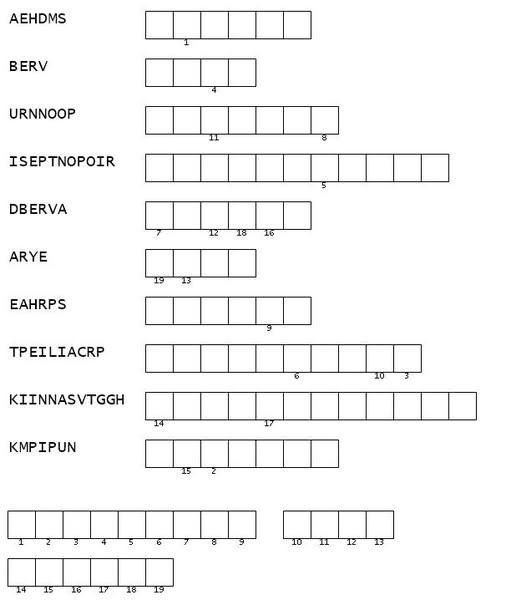
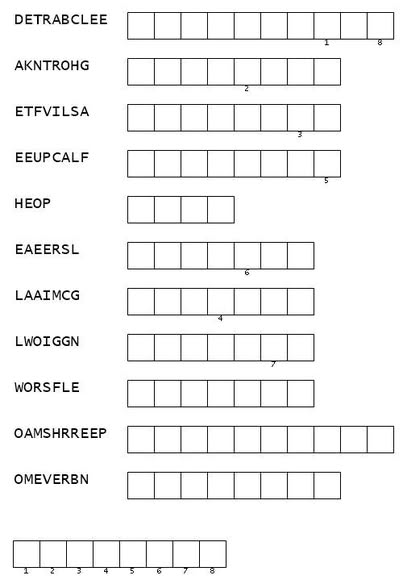
Kategorie: Shinta Mani Foundation

  • 4th Angkor Appreciaton Festival

    celebrating the importance of Angkor

    You work at a *****hotel in Siem Reap. You have to answer an email requesting information on the >4th Angkor Appreciaton Festival<.
    You can use these pieces of information given below.

    Imagine you’d have to answer the email, max 100 words, what would the email be like?
    ______________________
    The 4th Angkor Appreciation Festival will be held from December 14 to 16, 2024, to celebrate the importance of Angkor. This festival marks the anniversary of Angkor becoming a UNESCO World Heritage site and honors the kings, ancestors, and people who have worked to protect and preserve Angkor.

    During the festival, there will be religious ceremonies, cultural performances, and exhibitions. These activities focus on the efforts of the APSARA Authority, which helps restore and care for the Angkor temples. Visitors will be able to see and learn about the ongoing conservation work at the temples. The festival is also a chance to learn about the cultural history of Angkor and its importance to Cambodia.

    – – – – – – – – – – – – – – – – – – – –

    The event encourages people to remember how important Angkor is, both to the past and to the future. It reminds everyone to continue protecting this treasure for future generations. This celebration is a special time to appreciate the beauty and history of Angkor and to show respect for those who have worked hard to keep it safe.

    ################################
    Some definitions (paragraph 1 and 2):

    • Celebrate: To do something special to show happiness about an event or achievement.
    • Anniversary: The yearly celebration of a special event or date.
    • To honor: To show respect or admiration for someone or something.
    • Ancestors: People from your family who lived long ago, like grandparents or great-grandparents.
    • Protect: To keep something safe from harm or danger.
    • Performances: Shows or acts that are done for an audience, like plays, dances, or music.
    • Exhibitions: Displays or shows of art, objects, or information, usually for people to look at and learn about.
    • To focus: To pay close attention to something, or to make it the main point of interest.
    • Restore: To fix something and make it like new again, especially something old.
    • Importance: The quality of being valuable or needed; something that matters a lot.

    ###############################
    The event _____________ people to remember how important Angkor is, both to the past and to the future. It ______________ everyone to continue _____________ this treasure for future generations. This celebration is a special time to _____________ the beauty and history of Angkor and to show ______________ for those who have worked hard to keep it _____________.

    FILL IN:

    • Safe: Not in danger; protected from harm.
    • Appreciate: To feel thankful or to recognize something as good or important.
    • Protecting: To keep something safe from harm or danger.
    • Encourages (3rd person): To give support or confidence to someone to do something.
    • Reminds (3rd person): To make someone remember something.
    • Respect: To treat someone or something with care and admiration.

    ################################

    Here are 10 sentences based, with 5 of them being incorrect – which?

    1. The festival will feature sports competitions and races.
    2. Visitors can learn about the conservation efforts at Angkor’s temples.
    3. The 4th Angkor Appreciation Festival will take place from December 14 to 16, 2024.
    4. The festival is only for Cambodians, and tourists are not allowed to attend.
    5. The APSARA Authority helps restore and protect the Angkor temples.
    6. The main focus of the festival is on Angkor’s future development plans.
    7. The event will feature cultural performances and religious ceremonies.
    8. There will be a large parade through the streets of Siem Reap during the festival.
    9. The festival honors the ancestors and kings who contributed to the Angkor temples.
    10. The festival is held every year to celebrate Angkor’listing as a UNESCO World Heritage site.

    ################################

    Here are 10 multiple-choice questions based on the text, more than 1 answer may be correct:

    1. When will the 4th Angkor Appreciation Festival take place?
      a) December 10 to 12, 2024
      b) December 14 to 16, 2024
      c) January 14 to 16, 2024
      d) December 1 to 3, 2024
    2. What is the main purpose of the Angkor Appreciation Festival?
      a) To honor the kings and ancestors
      b) To celebrate Angkor’s UNESCO World Heritage listing
      c) To focus on modern development of Angkor
      d) To raise money for temple restoration
    3. What activities are included in the festival?
      a) Cultural performances
      b) Religious ceremonies
      c) Sports competitions
      d) Exhibitions on conservation
    4. Who is responsible for the restoration of the Angkor temples?
      a) The Cambodian government
      b) The APSARA Authority
      c) UNESCO
      d) The local community
    5. What will visitors learn about during the festival?
      a) Conservation efforts at Angkor
      b) The history of the Khmer Empire
      c) Modern technology used at Angkor
      d) Restoration work at the temples
    6. How often is the Angkor Appreciation Festival held?
      a) Every two years
      b) Annually
      c) Every five years
      d) Only once
    7. Which of the following is part of the festival’program?
      a) Community parades
      b) Cultural exhibitions
      c) Art performances
      d) Sports tournaments
    8. What is the festival’s main goal?
      a) To raise awareness about Angkor’s history
      b) To encourage tourism to Angkor
      c) To celebrate the achievements of APSARA Authority
      d) To help with temple restoration funding
    9. What kind of heritage does the festival celebrate?
      a) Angkor’s cultural and historical importance
      b) Modern Cambodian art
      c) The history of Cambodia’s kings
      d) The significance of UNESCO World Heritage
    10. What kind of performances can visitors expect at the festival?
      a) Traditional dances
      b) Religious ceremonies
      c) Music and art shows
      d) Sports events

    ################################

    041224
  • Experience the ‚real life‘ in the countryside (B1)

    countryside rocks

    You work at the frontdesk of a ***** resort in Siem Reap.
    A group of guests asks you for a recommendation to experience the ‚real life‘ in the countryside this coming Saturday.
    You recommend Bakong village


    Rice Harvesting Festival in Bakong Village – December 7, 2025

    In three days, on December 7, 2025, Bakong village near Siem Reap will __________ the rice harvesting season. This special day invites __________ to join local farmers in the rice fields and experience the traditional way of cutting and __________ rice by hand. Villagers will teach guests how rice is harvested using simple tools like sickles.

    After working in the fields, everyone can enjoy delicious local food made from fresh rice. Visitors will see how Khmer __________ are cooked and can taste sticky rice desserts, curries, and other treats.

    The celebration will also include traditional music and dance. Beautiful Apsara dancers and cheerful folk __________ by children will tell the story of the rice harvest.

    Workshops will show how rice __________ is used to make mats and baskets. Guests can try making their own handicrafts and take home a small souvenir.

    The festival is a __________ way to experience Cambodian culture and daily life. It is a time for locals and visitors to come together, celebrate the harvest, and enjoy the beauty of the __________. Don’t miss this wonderful event in Bakong village!

    FILL IN: straw – celebrate – countryside – performances – bundling – dishes – joyful – visitors

    ################################

    Vocabulary

    0.Celebrate: To do something special and have fun for a happy occasion.

    1. To Experience: To try something and learn what it feels like.
    2. Harvest: The time when farmers collect crops like rice or vegetables from the fields.
    3. Sickle: A tool with a curved blade used to cut plants like rice or grass.
    4. Delicious: Very tasty and enjoyable to eat.
    5. Treats: Special foods or snacks that are sweet or nice to eat.
    6. Cheerful: Feeling happy and full of joy.
    7. Performance: A show with dancing, singing, or acting for people to watch.
    8. Basket: A container made from woven materials like straw, used to carry things.
    9. Locals: People who live in a specific area or village.
    10. Event: A planned activity or gathering for people to enjoy together.

    ################################

    10 sentences, with 4 incorrect ones in random order

    1. Visitors will learn how to harvest rice using traditional tools like sickles.
    2. After working in the fields, guests will taste fresh seafood from the local river.
    3. The celebration includes traditional music, dancing, and handicraft workshops.
    4. The festival takes place in the bustling city of Siem Reap.
    5. Cheerful children will perform folk dances for the guests.
    6. Visitors can make their own baskets from rice straw during the workshops.
    7. The event is mainly about exploring ancient temples.
    8. Local cooks will prepare delicious Khmer dishes for everyone to enjoy.
    9. Guests will join farmers in the fields to cut rice stalks by hand.
    10. The rice is harvested in the summer heat.

    ################################

    Here are 10 multiple-choice questions, more than one answer may be correct:

    1. What activities will visitors participate in during the rice harvest festival?
      a) Learning to harvest rice by hand
      b) Watching a cooking show
      c) Cutting rice stalks with a sickle
      d) Swimming in the river
    2. What will visitors taste at the event?
      a) Fresh seafood from the river
      b) Sticky rice desserts
      c) Local Khmer dishes
      d) Ice cream and cakes
    3. Where does the rice harvesting festival take place?
      a) In Bakong village
      b) In Siem Reap city
      c) In the countryside
      d) In Phnom Penh
    4. What type of performances will be featured during the festival?
      a) Apsara dance
      b) Folk dances by children
      c) Modern dance performances
      d) Traditional music and singing
    5. What materials will visitors use in the workshops?
      a) Rice straw
      b) Bamboo
      c) Plastic and metal
      d) Wood and fabric
    6. What can visitors do at the workshops?
      a) Learn to harvest rice
      b) Make baskets
      c) Cook Khmer dishes
      d) Create handicrafts from rice straw
    7. What is the main focus of the rice harvest festival?
      a) Exploring ancient temples
      b) Learning about rice harvesting
      c) Celebrating the harvest season
      d) Watching modern dance performances
    8. What will visitors learn about during the festival?
      a) Khmer history
      b) Traditional rice harvesting techniques
      c) Making modern crafts
      d) Cooking traditional dishes
    9. When does the rice harvesting festival take place?
      a) In December
      b) In summer
      c) In the spring
      d) In the winter
    10. What will be the atmosphere like during the rice harvest festival?
      a) Quiet and peaceful
      b) Energetic and joyful
      c) Relaxing and calm
      d) Busy and crowded

    ##############################

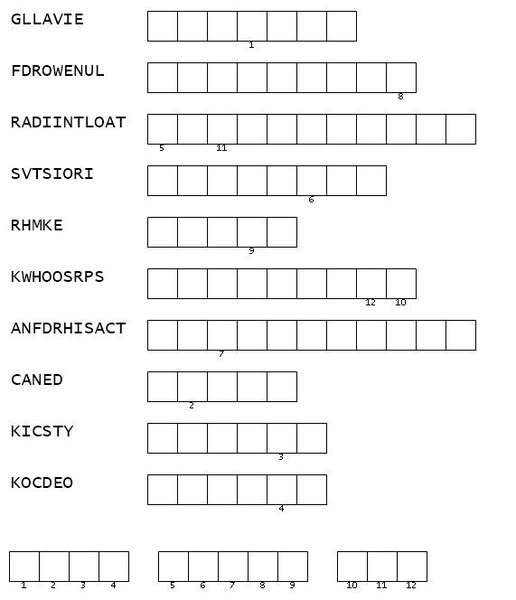
    What do the messed up words stand for, find them in the text.

    Which 3 words are we looking for?

    041224

  • Thanksgiving

    making a guest happy

    You work at the frontdesk of a *****hotel in Siem Reap.
    An American guest is about to check in. You welcome him/her with ‚Happy Thanksgiving‘.

    You’ve made the guest happy, he/she didn’t expect that.

    _______________________________________

    DIALOGUE

    As the guest approaches the front desk, I greet him warmly with a smile:

    „Good afternoon, sir! Happy Thanksgiving! We’re so glad to have you here at our hotel. I hope you’re having a wonderful time in Siem Reap.“

    The guest looks pleasantly surprised, a smile spreading across his face.

    „Wow, I didn’t expect that! Thank you so much for the warm welcome. That’s a nice touch,“ he responds.

    I continue, „It’s our pleasure! We want to make sure you feel at home here. If there’s anything you need, please don’t hesitate to ask.“

    His eyes light up with appreciation as he checks in, and it’s clear he’s already having a better experience than expected, feeling welcomed not just by the hotel but by the thoughtful gesture on a holiday far from home.

    #########################

    Some information on Thanksgiving

    Thanksgiving is a holiday celebrated in the United States on the fourth Thursday of November every year. It is a time for people to come together with their families and friends to give thanks for the good things in their lives. The holiday started many years ago, in 1621, when the Pilgrims and Native Americans shared a meal to celebrate their good harvest.

    On Thanksgiving, families usually gather to have a big meal. The most common food is turkey, but people also eat stuffing, mashed potatoes, cranberry sauce, and pumpkin pie. It’s a day to show gratitude and spend time with loved ones. Many people also watch parades on TV or sports like American football.

    In addition to spending time with family, Thanksgiving is a time when people help others. Many charities provide meals to those who don’t have enough to eat. Overall, Thanksgiving is a time for reflection, gratitude, and sharing good moments with the people we care about. It is a special holiday that brings people together.

    #########################

    Find the word defined in the ‚Some information on Thanksgiving‘ text:

    • _______Feeling thankful for something good that has happened or for something someone has done for you.
    • ______To do something special to show happiness or appreciation, often for an important event or holiday.
    • ________A small, red fruit that is often used in sauces or drinks.
    • _______Thinking about something, especially to understand it better or remember it.
    • ________Food that is squished or mashed into small pieces, like mashed potatoes.
    • __________The time when crops are collected from the fields, or the crops themselves.
    • ________A large bird that is commonly eaten, especially at Thanksgiving.
    • _________Organizations that help people who are in need, often by giving food, money, or other support.
    • _________A mixture of food, like bread and spices, that is often cooked inside a turkey.
    • ________A large, round orange fruit that is used in many foods, especially pies.
    • ________To give part of what you have to someone else.

    ###########################

    Here are 10 statements based on the text, with correct and incorrect statements –

    which are correct?

    1. Thanksgiving is celebrated on the first Thursday of November.
    2. The Pilgrims and Native Americans shared a meal to celebrate Thanksgiving in 1621.
    3. On Thanksgiving, people usually eat pizza and hamburgers.
    4. The holiday is about giving thanks for good things in life.
    5. People usually spend Thanksgiving alone without family or friends.
    6. The main food on Thanksgiving is turkey.
    7. Thanksgiving is only celebrated in the United States.
    8. Charities help by providing meals to those in need during Thanksgiving.
    9. People often celebrate Thanksgiving by watching basketball.
    10. People reflect on their lives and feel gratitude during Thanksgiving.

    ############################

    Here are the 10 multiple-choice questions based on the Thanksgiving text, more than one answer may be correct:

    1. When is Thanksgiving celebrated?
      A) The first Thursday of November
      B) The second Thursday of November
      C) The fourth Thursday of November
      D) The first Wednesday of November
    2. Who shared a meal to celebrate Thanksgiving in 1621?
      A) The Pilgrims and Native Americans
      B) The Pilgrims and British
      C) Native Americans and Africans
      D) Native Americans and Europeans
    3. What is the most common food eaten on Thanksgiving?
      A) Chicken
      B) Turkey
      C) Fish
      D) Beef
    4. What other foods are commonly eaten on Thanksgiving?
      A) Stuffing
      B) Mashed potatoes
      C) Pizza
      D) Cranberry sauce
    5. What do people usually do on Thanksgiving besides eating?
      A) Watch parades
      B) Watch sports like American football
      C) Go on a vacation
      D) Attend a concert
    6. What is one of the main purposes of Thanksgiving?
      A) To travel
      B) To give thanks for the good things in life
      C) To buy gifts for others
      D) To decorate homes
    7. Which of the following is NOT typically part of a Thanksgiving meal?
      A) Turkey
      B) Pumpkin pie
      C) Ice cream
      D) Mashed potatoes
    8. What is a common activity during Thanksgiving aside from the meal?
      A) Watching movies
      B) Reflecting on life
      C) Shopping for Black Friday deals
      D) Playing video games
    9. How do many people help others on Thanksgiving?
      A) By giving them presents
      B) By providing meals to those in need
      C) By visiting hospitals
      D) By donating money to charities
    10. What is Thanksgiving mainly a time for?
      A) Reflection and gratitude
      B) Resting at home
      C) Celebrating birthdays
      D) Spending time with loved ones

    ###############################

    Complete the sentences:

    1. Thanksgiving is a __________ celebrated in the United States.
    2. It is a time for people to come together with their families and __________.
    3. The holiday started in __________, when the Pilgrims and Native Americans shared a meal.
    4. On Thanksgiving, families usually gather to have a big __________.
    5. The most common __________ eaten on Thanksgiving is turkey.
    6. People also eat stuffing, mashed potatoes, cranberry __________, and pumpkin pie.
    7. It’s a day to show __________ and spend time with loved ones.
    8. Many people watch __________ on TV or sports like American football.
    9. Many __________ provide meals to those who don’t have enough to eat.
    10. Thanksgiving is a time for __________, gratitude, and sharing good moments.

    #############################

    Which phrase are we looking for?
    Find the word in the text.

  • MIXLOGIST – learned a new vocabulary

    Mixologist versus bartender.
    As I learned a new word today – MIXOLOGIST – I immersed myself into the topic:


    The terms bartender and mixologist describe roles in the beverage and hospitality industry, but their focus and responsibilities differ.

    A bartender is primarily responsible for serving drinks efficiently and ensuring customers have a great experience. They work in various settings, from casual pubs to busy nightclubs, preparing standard cocktails, pouring beer, and serving wine or non-alcoholic beverages. Bartenders excel at multitasking, maintaining a clean bar area, and engaging with guests. Their emphasis is on speed, customer service, and keeping the bar running smoothly.

    A mixologist, on the other hand, specializes in the art and craft of creating cocktails. They are drink innovators, focusing on developing unique and high-quality beverages. Mixologists experiment with flavors, ingredients, and advanced techniques, such as infusions or molecular gastronomy, to craft visually appealing and sophisticated drinks. They are often found in upscale bars, consulting on menus, or showcasing their creations in specialty events.

    Key Differences:
    • Bartenders prioritize efficiency, customer interaction, and operational tasks.
    • Mixologists focus on creativity, drink innovation, and perfecting the cocktail experience.

    While the roles overlap, mixologists bring a creative flair to cocktail-making, whereas bartenders ensure smooth service and customer satisfaction. Many professionals blend both roles, depending on the setting.

    281124

  • Body language – more important than the spoken word?

    You work at the front desk of a ***** hotel, you want to improve your service by improving your body language.
    Improving your body language at the front desk helps guests feel welcome and comfortable.

    1. **Stand Tall**

    – Keep your back straight and stand confidently.

    – Don’t slouch or lean on the desk.

    2. **Smile Genuinely**

    – A warm smile makes guests feel welcome.

    – Smile naturally, not forced.

    3. **Make Eye Contact**

    – Look at guests when you talk to them.

    – Don’t stare, but don’t avoid eye contact either.

    4. **Use Open Hand Gestures**

    – Use your hands to guide or explain things.

    – Avoid crossing your arms or putting your hands in your pockets.

    5. **Face the Guest**

    – Turn your body toward the guest when speaking.

    – Don’t turn your back or look distracted.

    6. **Nod to Show Understanding**

    – Nod slightly to show you are listening.

    – This makes guests feel heard.

    7. **Avoid Fidgeting**

    – Don’t play with pens, phones, or your hair.

    – Stay calm and focused.

    8. **Be Polite with Your Movements**

    – Move smoothly, not too fast or too slow.

    – Avoid pointing with one finger—use your whole hand.

    9. **Stay Relaxed**

    – Keep your shoulders relaxed, not tense.

    – Take a deep breath if you feel nervous.

    10. **Mirror the Guest’s Mood**

    – If the guest is cheerful, smile more.

    – If the guest is serious, be calm and respectful.

    Practicing these tips will make you look confident, friendly, and professional!

    191124

  • Service at front desk

    you want to Improve your service as a front desk staff member to create an even greater guest experience for guests

    You work at the front desk of a ***** hotel, and you want to Improve your service as a front desk staff member to create an even greater guest experience. Here are some simple tips:

    1. **Smile and Be Friendly**

    – Always greet guests with a warm smile.

    – Use polite words like „Good morning,“ „Please,“ and „Thank you.“

    2. **Listen Carefully**

    – Pay full attention when guests are speaking.

    – Repeat their request to make sure you understand it correctly.

    3. **Be Quick and Efficient**

    – Handle check-ins and check-outs smoothly.

    – Try to solve problems or answer questions quickly.

    4. **Know Your Hotel Well**

    – Learn about all the hotel facilities (restaurants, spa, pool).

    – Know the local attractions and give good recommendations.

    5. **Be Patient and Calm**

    – Stay calm, even if a guest is upset.

    – Apologize if something went wrong and find a solution.

    6. **Remember Guest Preferences**

    – If a guest has a special request or likes something, remember it for next time.

    7. **Offer Extra Help**

    – Help guests with luggage or directions.

    – Suggest things that will make their stay better (events, activities).

    8. **Keep Your Area Neat**

    – Make sure the front desk is clean and organized.

    9. **Be Professional**

    – Dress well and keep a positive attitude.

    – Speak clearly and politely at all times.

    10. **Learn More**

    – Improve your English and learn common phrases in other languages.

    – Attend training programs if your hotel offers them.

    These small steps can make a big difference!
    Guests will appreciate your effort and kindness
    .

  • Improving Service For Guests

    prepare a leaflet for a presentation

    Your GM has asked you to prepare a leaflet for a presentation of some simple ways of improving your service for guests in your ***** hotel, you come up with:

    ### **1. Communicate Well**
    – Listen carefully to what your guests need or ask for.
    – Use their names and offer ideas that fit their interests.
    – Respect their culture and be polite to everyone.

    ### **2. Learn More**
    – Stay updated about places, events, and schedules.
    – Learn basic phrases in different languages to help more people.
    – Take training to improve your hospitality skills.

    ### **3. Make Things Easy**
    – Keep bookings and questions simple for guests.
    – Ask for feedback and use it to improve your service.
    – Use technology like apps to share maps, plans, or details easily.

    ### **4. Offer More**
    – Work with locals to create unique experiences for your guests.
    – Be ready to help in emergencies, like lost items or health issues.
    – Offer eco-friendly options like tours that support the environment.

    ### **5. Add a Personal Touch**
    – Greet guests warmly with small gestures like a drink or a thank-you note.
    – Surprise them with something extra, like an upgrade or a free activity.

    ### **6. Keep Learning**
    – Learn what’s new and popular in travel, like adventure or relaxing trips.
    – Talk to others in tourism to share ideas and improve.

    By being friendly, helpful, and thoughtful, you’ll make guests feel special and create great memories for them.

    ###############################

    How to improve your service for guests in tourism:

    First, good communication is very important. Listen carefully to what your guests want, use their names, and suggest activities they might enjoy. Always be polite and respect different cultures.

    Second, learn as much as you can. Keep up-to-date with local events, places, and schedules. Knowing a few words in other languages can also help you communicate better. Take training to improve your skills in hospitality.

    Third, make things easy for your guests. Keep bookings simple and ask for feedback to improve. Use tools like apps to share maps or plans quickly.

    Next, offer more to make their stay special. Work with locals to create unique experiences and be ready to assist in emergencies, like lost items. Provide eco-friendly options to support the environment.

    Adding a personal touch is also important. Greet guests warmly and surprise them with small gestures, like a free upgrade or a thank-you note.

    Finally, keep learning. Stay updated on new travel trends and share ideas with others in tourism.

    By being friendly, helpful, and thoughtful, you’ll make guests feel welcome and create great memories for them.

    ##############################

    Vocabulary:

    1. **Communication**: Talking or sharing information with someone.
    2. **Suggest**: To give an idea or advice about what to do.
    3. **Enjoy**: To feel happy or have fun doing something.
    4. **Schedule**: A plan for when things will happen.
    5. **Improve**: To make something better.
    6. **Hospitality**: Being kind and welcoming to guests.
    7. **Tools**: Things that help you do a job, like apps or maps.
    8. **Share**: To give or show something to someone else.
    9. **Unique**: Something special and one of a kind.
    10. **Assist**: To help someone.
    11. **Emergency**: A sudden problem that needs quick help, like losing something or feeling sick.
    12. **Option**: A choice or different thing you can pick.
    13. **Environment**: The world around us, like nature, air, and water.
    14. **Gesture**: A small action to show kindness or care.
    15. **Thoughtful**: Thinking about others and being kind or caring.

    ################################

    Here are 10 sentences with one word missing – fill in:

    1. Good _______ is very important when serving guests.
    2. Always listen carefully to what your _______ want or need.
    3. Respect different _______ and be polite to everyone.
    4. Learn about local events, places, and _______ to help guests better.
    5. Knowing a few _______ in other languages can make communication easier.
    6. Use tools like _______ to share maps or plans with guests quickly.
    7. Work with _______ people to create unique experiences for your guests.
    8. Be ready to assist in emergencies, such as _______ items or health problems.
    9. Greet guests warmly and surprise them with a small _______ like a thank-you note.
    10. Stay updated on new _______ trends and ideas to improve your service.

    ################################

    Here are 10 sentences, with 5 being incorrect – find them:

    1. Good communication includes using the guest’s name and respecting their culture.
    2. You should avoid listening to guest feedback because it is not helpful.
    3. Learning basic phrases in different languages helps you connect with guests.
    4. Keeping bookings and questions complicated makes the service more professional.
    5. Using tools like apps can help share maps and plans quickly with guests.
    6. Guests do not appreciate small gestures like thank-you notes or upgrades.
    7. It is helpful to work with locals to create unique and eco-friendly experiences.
    8. Offering eco-friendly tours is unnecessary because guests only care about luxury.
    9. Staying updated on new travel trends helps improve your service.
    10. Always be polite and respectful, no matter where the guest comes from.

    ################################

    Here are 12 multiple-choice questions based on the text, each with 4 possible answers. More than one answer may be correct:


    1. **What is important for good communication with guests?**
    a) Listening carefully
    b) Using their names
    c) Ignoring their needs
    d) Respecting their culture

    2. **How can you improve your knowledge for better service?**
    a) Learn about local events and places
    b) Take training in hospitality
    c) Stay away from learning new skills
    d) Learn basic phrases in other languages

    3. **What can make bookings easier for guests?**
    a) Complicated forms
    b) Simple booking processes
    c) Using helpful apps
    d) Asking for feedback

    4. **Why is feedback from guests useful?**
    a) It helps improve services
    b) It should be ignored
    c) It gives insight into what guests like
    d) It is only for decoration

    5. **How can you use technology to help guests?**
    a) Share maps using apps
    b) Send information quickly
    c) Avoid using any technology
    d) Use apps for detailed plans

    6. **What should you do during emergencies?**
    a) Stay calm
    b) Assist with lost items
    c) Ignore the guest’s needs
    d) Help with health issues

    7. **Why should you work with local people?**
    a) To offer unique experiences
    b) To support the community
    c) To create eco-friendly tours
    d) To avoid involving outsiders

    8. **What small gestures can make guests feel special?**
    a) A warm greeting
    b) Offering a free activity
    c) Ignoring them
    d) Writing a thank-you note

    9. **How can eco-friendly tours benefit tourism?**
    a) They support the environment
    b) Guests enjoy learning about nature
    c) They make tourism more sustainable
    d) They waste time and money

    10. **What are the benefits of staying updated on travel trends?**
    a) It helps improve your service
    b) It keeps your knowledge fresh
    c) It is unnecessary in tourism
    d) It helps you attract more guests

    11. **What attitude should you always have toward guests?**
    a) Polite
    b) Friendly
    c) Rude
    d) Respectful

    12. **What can help make the guest’s visit special?**
    a) Complicated plans
    b) Personal touches like upgrades
    c) Being attentive to their needs
    d) Ignoring their feedback

    ################################

    Which words are we looking for?

    181124

  • Amazing Stay at Shinta Mani in Siem Reap

    a guest’s review

    A Perfect Holiday

    I stayed at Shinta Mani in Siem Reap for three nights, and everything was perfect! From the moment I arrived, the staff made me feel so welcome. They greeted me with big smiles and helped me with everything I needed.

    The room was beautiful, clean, and very comfortable. I loved the design—it felt modern but also had a touch of local Cambodian style. Every day, the housekeeping team kept it spotless, and they even left little surprises like fresh flowers.

    The location is great. It’s close to Angkor Wat and the town center, so it was easy to explore. The staff also arranged a tuk-tuk for me, and the driver was so kind and helpful.

    Breakfast was delicious, with many choices of local and international food. I loved sitting in the garden while enjoying my meal—it was so peaceful.

    What I liked most was how kind and attentive the staff were. They always remembered my name and made me feel like a special guest.

    I highly recommend Shinta Mani to anyone visiting Siem Reap. It’s not just a hotel—it’s an experience! I can’t wait to come back.

    Mr. W.K.

    ################################

    Find the words defined in the text:

    – _____________Something you do, see, or feel that you learn from or enjoy.
    – _____________Something very special or wonderful.
    – _____________Watching carefully and helping quickly when needed.
    – _____________People who work at a place like a hotel, shop, or office.
    – _____________Very quiet and calm, with no stress or noise.
    – _____________Very, very clean, with no dirt or mess.
    – _____________To go and look around a new place to see what’s there.
    – _____________To say something is good and that someone else should try it.

    ################################

    Here are 10 multiple-choice questions based on the text – more than 1 answer might be correct:

    **1. What made the guest feel welcome at Shinta Mani?**
    – a) Friendly staff
    – b) Free gifts
    – c) Big smiles
    – d) Free breakfast

    **2. What did the guest like about the room?**
    – a) It was very clean.
    – b) It had a pool.
    – c) It had local Cambodian style.
    – d) It was big.

    **3. What did the housekeeping team do every day?**
    – a) Decorated the room with flowers
    – b) Cleaned the room perfectly
    – c) Left gifts for the guest
    – d) Cooked meals for the guest

    **4. Why was the location of Shinta Mani good?**
    – a) It was close to Angkor Wat.
    – b) It was easy to explore the town center.
    – c) It was next to a river.
    – d) It was very quiet.

    **5. How did the guest travel to Angkor Wat?**
    – a) By car
    – b) By tuk-tuk
    – c) On foot
    – d) By bicycle

    **6. What did the guest enjoy about breakfast?**
    – a) It had local food.
    – b) It had international food.
    – c) It was served in the garden.
    – d) It was free.

    **7. What was the guest’s favorite thing about the hotel?**
    – a) The staff’s kindness
    – b) The big pool
    – c) The staff remembered their name.
    – d) The free surprises.

    **8. Why does the guest recommend Shinta Mani?**
    – a) It’s more than just a hotel—it’s an experience.
    – b) The rooms are big.
    – c) It’s very clean.
    – d) It’s close to famous sights.

    **9. What does the word “spotless” mean in the review?**
    – a) Very clean
    – b) No mess
    – c) Perfectly arranged
    – d) A little dirty

    **10. What does the guest plan to do after this visit?**
    – a) Visit again in the future
    – b) Tell friends about the hotel
    – c) Stay longer next time
    – d) Explore Siem Reap more

    ################################

    Complete the sentences:

    1. The staff greeted me with big _______ when I arrived.
    2. The room was beautiful, clean, and very _______.
    3. I loved the design because it had a touch of local _______ style.
    4. Every day, the housekeeping team kept the room _______.
    5. The hotel is close to Angkor Wat and the _______ center.
    6. The staff arranged a _______ for me to travel easily.
    7. Breakfast was delicious, with both local and _______ food.
    8. I enjoyed eating in the _______ because it was so peaceful.
    9. The staff always remembered my _______ and made me feel special.
    10. I highly _______ Shinta Mani to anyone visiting Siem Reap.

    ################################

    Which statements are incorrect?

    1. The guest said the staff greeted them with big smiles and made them feel welcome.
    2. The room had a pool where the guest enjoyed swimming every morning.
    3. The hotel was close to both Angkor Wat and the town center, making it easy to explore.
    4. The guest complained that the housekeeping team didn’t clean the room properly.
    5. The design of the room combined modern style with Cambodian touches.
    6. Breakfast was served on the rooftop with views of Angkor Wat.
    7. The guest enjoyed sitting in the garden while having breakfast, calling it peaceful.
    8. The staff arranged a tuk-tuk for the guest, and the driver was helpful and kind.
    9. The guest said the hotel was noisy and not peaceful at all.
    10. The guest highly recommended Shinta Mani, calling it more than just a hotel.

    ################################

    At home a journalist of a local newspaper interviewed you on your experiences at the Shinta Mani

    **Journalist:** Can you tell me about your stay at Shinta Mani?

    **You:** It was amazing! The staff made me feel really welcome from the moment I arrived.

    **Journalist:** What did you like about the room?

    **You:** The room was beautiful and very clean. It also had a nice Cambodian style, which I really liked.

    **Journalist:** How was the service from the staff?

    **You:** The staff were really kind and helpful. They always remembered my name and made me feel special.

    **Journalist:** What did you think of the hotel’s location?

    **You:** The hotel is in a great spot. It’s close to Angkor Wat and the town center, so it was easy to explore.

    **Journalist:** How did you travel to see the sights?

    **You:** The staff arranged a tuk-tuk for me, and the driver was very friendly and helpful.

    **Journalist:** What was your favorite part of the stay?

    **You:** I loved having breakfast in the garden. It was peaceful, and the food was delicious.

    **Journalist:** How was the breakfast?

    **You:** The breakfast had a good mix of local and international foods. It was always fresh and tasty.

    **Journalist:** Would you recommend Shinta Mani to other travelers?

    **You:** Absolutely! I would recommend it to anyone visiting Siem Reap. It’s more than just a hotel; it’s an experience.

    **Journalist:** What do you plan to do next time you visit?

    **You:** I can’t wait to come back again and stay at Shinta Mani. It was a wonderful experience!

    ################################

    Form questions to which the word/s underlined is/are the answer – past tense!

    1. I stayed at the Shinta Mani for three nights.

    2. The staff greeted me with big smiles.

    3. I loved the design of the room.

    4. The housekeeping kept the room spotless.

    5. The staff also arranged a tuk-tuk for me.

    6. I loved sitting in the garden.

    7. They always remembered my name.

    ############################
    PS: you can either post questions here, or send me your questions via SMFrockZ(at)gmx(dot)com
    i’ll have a look at them, give feedback.

    ############################

    171124

  • English, Communication, Tourism

    Some arguments why it is of importance to work on one’s English when having a job in tourism

    ### 1. **Communication with International Guests**

    – Hotels often serve guests from various countries, and English is widely used as a common language for international communication.

    – Being able to communicate in English ensures that guests feel welcomed and understood, enhancing their overall experience.

    ### 2. **Professional Image**

    – Good English skills reflect professionalism and competence, which helps build the hotel’s reputation.

    – It reassures guests that their needs and concerns will be addressed effectively.

    ### 3. **Understanding Guest Needs**

    – English proficiency enables staff to understand and respond to specific guest requests, inquiries, and complaints.

    – Miscommunication can lead to dissatisfaction or negative reviews, so clear communication is critical.

    ### 4. **Handling Emergency Situations**

    – In emergencies, clear communication is vital for ensuring the safety and comfort of guests. English is often the language used in such situations, especially in international hotels.

    ### 5. **Coordinating with Colleagues and Vendors**

    – English is frequently used as the working language among hotel staff and with external vendors, tour operators, and other partners.

    – It helps in smooth coordination and efficient teamwork.

    ### 6. **Access to Training and Resources**

    – Many training materials, hospitality courses, and industry updates are available primarily in English.

    – Being proficient in English allows hotel staff to learn, grow, and stay competitive in their roles.

    ### 7. **Cultural Sensitivity**

    – Knowing English enables hotel staff to interact with guests from diverse cultural backgrounds respectfully and effectively.

    – This fosters a welcoming environment and positive guest experiences.

    ### 8. **Upselling and Promoting Services**

    – English skills help in promoting hotel amenities, services, and packages to guests, contributing to increased revenue.

    ### 9. **Career Advancement**

    – Proficiency in English opens up opportunities for promotions, international placements, and roles in high-end establishments.

    In summary, English is a bridge that connects hotel staff with guests, colleagues, and opportunities, making it an essential skill in the hospitality industry.

    ###########
    ###########

    A bit simpler version

    Knowing English is important when working in a hotel because:

    1. **Talking to Guests**

    – Many guests come from different countries and speak English, so it helps to communicate with them.

    2. **Professional Image**

    – Speaking English well makes you look professional and builds the hotel’s good reputation.

    3. **Understanding Needs**

    – You can easily understand and help guests with their requests or problems.

    4. **Handling Emergencies**

    – In emergencies, you need to explain things clearly, and English is often used in such situations.

    5. **Working with Others**

    – English helps you work smoothly with your team and other partners like tour companies.

    6. **Learning and Growing**

    – Many training programs and hotel industry materials are in English, so it helps you improve your skills.

    7. **Being Friendly to Everyone**

    – Knowing English helps you talk to people from different cultures and make them feel welcome.

    8. **Selling Services**

    – You can explain and promote hotel services better, which can bring in more money for the hotel.

    9. **Career Growth**

    – Good English opens up chances for promotions or working in bigger and better hotels.

    In short, English helps you do your job better and makes guests happy!

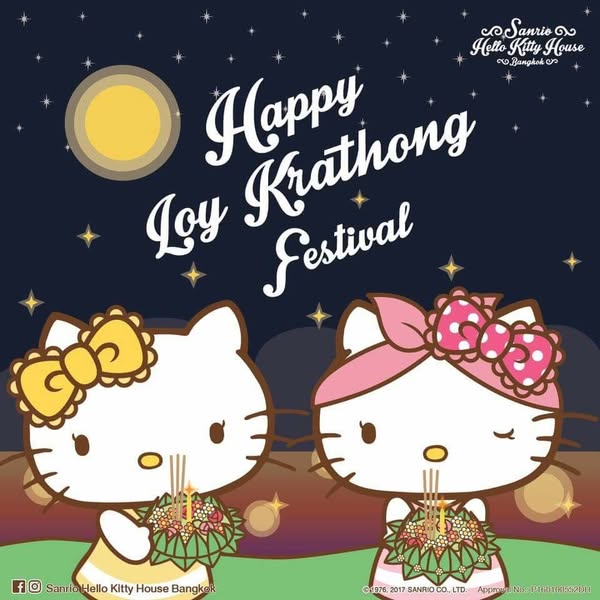
  • Loy Krathong

    You work at the front-desk of a *****hotel in Siem Reap. A guest approaches you and asks you what the Loy Krathong is about.


    Loy Krathong, known as Thailand’s Water Festival, is celebrated each year on the night of the full moon in November.
    This year, it takes place on November 15. During the festival, people gather by rivers, lakes, and canals to release “krathongs”—small, handmade floats crafted from banana leaves and decorated with flowers, candles, and incense. As people place their krathongs on the water, they make a wish and hope for a fresh start, letting go of any bad thoughts or worries.

    Loy Krathong is a beautiful, peaceful celebration where families and friends come together to enjoy the lights and sights. In cities like Chiang Mai, another festival called Yi Peng takes place at the same time. Here, people release paper lanterns into the sky, creating a magical display of thousands of glowing lights floating above. Both the water floats and sky lanterns make this time of year very special in Thailand. You’ll often see traditional dances, parades, and fireworks adding to the joyful atmosphere. For Thai people, Loy Krathong is a time of beauty, reflection, and celebration.

    ###############################

    Which is which – join proper word and definition

    celebrate, joyful, gather, lanterns, release, float, incense, parades, worries, display, release

    1. _______________To do something fun and special for a happy event.
    2. _______________Feeling very happy.
    3. _______________To come together in one place.
    4. _______________Lighted decorations, often made of paper, that can be carried or hung.
    5. _______________To let something go.
    6. _______________To stay on the surface of water or in the air without sinking.
    7. _______________Something that smells nice when burned, often used in ceremonies.
    8. _______________A line of people walking or marching to celebrate something, often with music.
    9. _______________Things that make you feel nervous or scared.
    10. _______________To show something for people to look at.

    ################################

    Here are 12 sentences with one missing word – complete:

    1. People gather together to _________ special events.
    2. A birthday is a time to feel _________ and have fun.
    3. Friends and family _________ around the table to eat together.
    4. At night, we light colorful _________ and hang them outside.
    5. They will _________ balloons into the sky during the festival.
    6. The paper boat will _________ on the river in the moonlight.
    7. _________ is burned in temples to create a nice smell.
    8. There are many dancers in the _________ during the festival.
    9. I write down my _________ and let them go in the water.
    10. We make a beautiful _________ of flowers for everyone to see.
    11. People _________ lanterns and watch them rise into the sky.
    12. We feel _________ when we spend time with loved ones.

    ################################

    Here are 10 sentences, 6 of them incorrect – which?

    1. People gather to celebrate special events with friends and family.
    2. They release balloons into the sky to make them heavier.
    3. Joyful is a time when people are feeling very sad.
    4. The paper boat will float on the river without sinking.
    5. We light fireworks, and they stay underwater.
    6. Incense is something that burns and gives off a nice smell.
    7. People gather to release their worries into the water.
    8. A parade is when everyone sits quietly alone.
    9. The display of flowers was beautiful at the festival.
    10. Lanterns are decorations that usually stay underground.

    ################################

    Complete:

    1. People gather to _________ special events with family and friends.
    a) celebrate
    b) ignore
    c) forget
    d) hide

    2. At night, we light _________ and hang them outside.
    a) fireworks
    b) lanterns
    c) candles
    d) torches

    3. When people feel _________, they often smile and laugh.
    a) joyful
    b) worried
    c) tired
    d) sad

    4. During the ceremony, people release _________ into the sky.
    a) flowers
    b) lanterns
    c) boats
    d) incense

    5. A boat will _________ on the water without sinking.
    a) float
    b) dive
    c) spin
    d) jump

    6. Many festivals have _________ where people march in lines.
    a) displays
    b) parades
    c) games
    d) dances

    7. Burning _________ makes a nice smell during ceremonies.
    a) wood
    b) water
    c) incense
    d) paper

    8. People might write down their _________ and let them go in the water.
    a) worries
    b) names
    c) dreams
    d) secrets

    9. We create a _________ of lights for everyone to see.
    a) picture
    b) display
    c) wall
    d) game

    10. People _________ lanterns and watch them rise in the air.
    a) throw
    b) drop
    c) release
    d) break

    ################################

    Here are 12 multiple-choice questions with 4 answer options each. More than one answer may be correct.

    1. Why do people gather together during special events?
    a) To celebrate
    b) To have fun
    c) To feel sad
    d) To share happiness

    2. What might people release into the sky during a festival?
    a) Balloons
    b) Flowers
    c) Lanterns
    d) Fireworks

    3. How do people feel when they are joyful?
    a) Happy
    b) Sad
    c) Excited
    d) Worried

    4. Where might people hang lanterns during a celebration?
    a) Outside
    b) Inside
    c) On the roof
    d) In the kitchen

    5. What floats on the water during a ceremony?
    a) Paper boats
    b) Flowers
    c) Incense
    d) Balloons

    6. What might be burned to create a nice smell?
    a) Incense
    b) Wood
    c) Water
    d) Flowers

    7. What do people do in a parade?
    a) Dance
    b) Walk in a line
    c) Sing songs
    d) Sit quietly

    8. Why might people write down their worries?
    a) To let them go
    b) To remember them
    c) To share with others
    d) To feel lighter

    9. What kinds of things might people display for others to see?
    a) Lights
    b) Flowers
    c) Books
    d) Decorations

    10. What happens to lanterns when people release them?
    a) They float in the air
    b) They rise up
    c) They stay on the ground
    d) They fall down

    11. When do people feel joyful?
    a) At celebrations
    b) During sad times
    c) When with friends
    d) When feeling worried

    12. What might be part of a festival celebration?
    a) Parades
    b) Food
    c) Fireworks
    d) Flowers

    ################################Find the words, all in the text.

    141124