- at the reception:
“Thank you for asking about Vassa. I am happy to give you some information about this important Buddhist festival in Cambodia and help you understand this special time during your stay.”
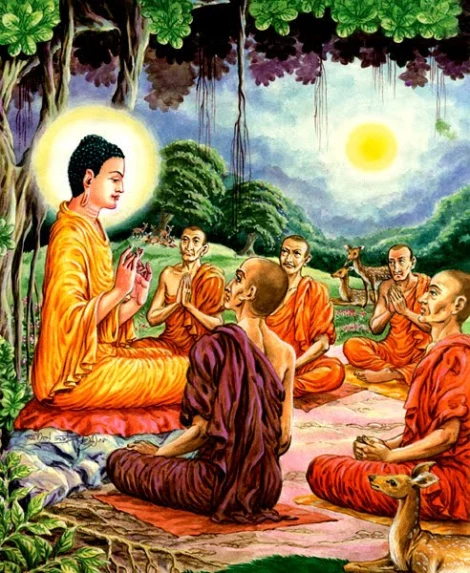
Welcome to Cambodia. As a guest at our five-star hotel, you may see special activities during the Vassa period. Vassa is an important Buddhist festival in Cambodia. It usually starts in July and continues for about three months during the rainy season.
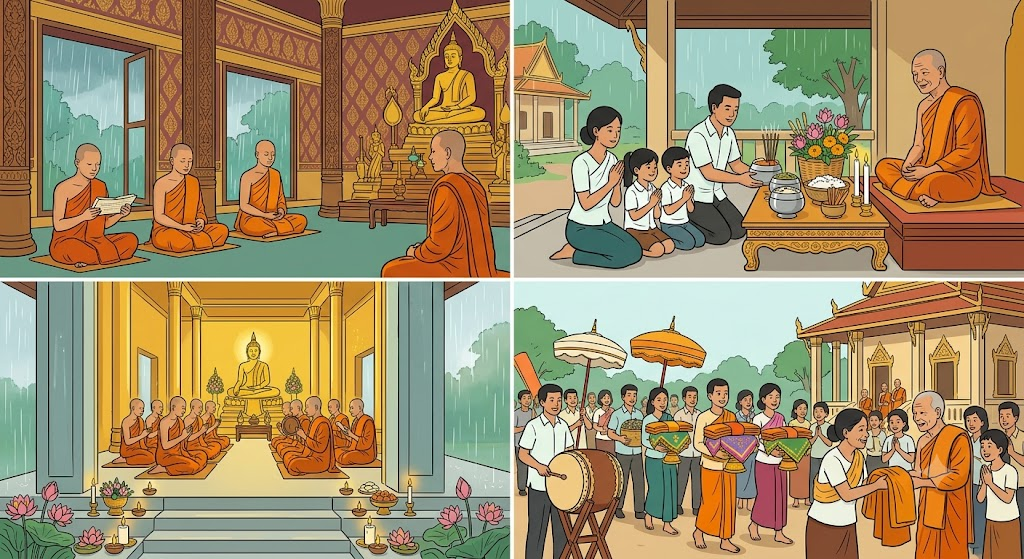
During Vassa, Buddhist monks stay in their temples, which are called wats. They do not travel long distances. They spend more time inside the temple. They pray, study Buddhist teachings, and meditate every day. This period is a quiet and peaceful time for monks.
Many Cambodian people visit temples during Vassa. They bring food, fruit, flowers, candles, and other gifts for the monks. They show respect and kindness. Some families go to the temple together. They pray, listen to monks, and take part in special activities.
For our hotel guests, Vassa is a good opportunity to learn about Cambodian culture. You can visit a local temple and see monks wearing orange robes. You can watch people bring offerings and join respectful ceremonies. Please remember to dress politely when you visit a temple. Your shoulders and knees should be covered. Please speak quietly and follow the temple rules.
During Vassa, some roads near temples can be busy because many local people visit. Our reception team can help you with information about nearby temples, opening times, and transportation. We are happy to help you plan your visit.
The end of Vassa is also an important time. People celebrate with special ceremonies and offer new robes to monks. Families, friends, and local communities come together.
Vassa is a peaceful and meaningful time in Cambodia. We hope you enjoy this special part of Cambodian culture during your stay with us.
Vocabulary:
| Word / Phrase | Simple A1 Definition |
|---|---|
| a lent | a time when people give up something or do special religious activities |
| to continue | to keep doing something; to go on |
| a season | a time of the year, like summer or winter |
| to study something | to learn about something by reading or practicing |
| Buddhist teachings | ideas and lessons from Buddhism |
| to meditate | to sit quietly and think deeply |
| peaceful | calm and quiet; without problems |
| a monk | a religious person who lives a simple life and prays |
| a candle | a stick of wax that gives light when it burns |
| a gift | something you give to another person |
| to show kindness | to be nice and helpful to someone |
| to take part in an activity | to join and do something with other people |
| an opportunity | a good chance to do something |
| a robe | a long piece of clothing worn by some people |
| an offering | a gift given to a temple, god, or religious place |
| to join | to become part of a group or activity |
| to be respectful | to show care [help and kindness for someone] and good manners to others |
| to dress politely | to wear clean and suitable [right or good for a person, place, or situation] clothes |
| to follow the rules | to do what the rules say |
| to celebrate | to do something special for an important day or event |
| a meaningful time | a time that is important and special |
| to enjoy | to like something and have a good time |
###################
Match the words with the definitions
Words
- a lent
- to continue
- a season
- to study something
- Buddhist teachings
- to meditate
- peaceful
- a monk
- a candle
- a gift
- to show kindness
- to take part in an activity
- an opportunity
- a robe
- an offering
- to join
- to be respectful
- to dress politely
- to follow the rules
- to celebrate
- a meaningful time
- to enjoy
- suitable
- care
Definitions
A. to like something and have a good time
B. a long piece of clothing worn by some people
C. a time of the year, like summer or winter
D. to show care and good manners to other people
E. a gift given to a temple or religious place
F. to learn about something by reading or practicing
G. calm and quiet; without problems
H. something you give to another person
I. to become part of a group or activity
J. to do what the rules say
K. a good chance to do something
L. a person who lives a religious life and prays
M. a time that is important and special
N. to sit quietly and think deeply
O. a stick of wax that gives light when it burns
P. to do something special for an important day or event
Q. help and kindness for someone or something
R. ideas and lessons from Buddhism
S. to join and do something with other people
T. right or good for a person, place, or situation
U. a time when people give up something or do special religious activities
V. to keep doing something; to go on
W. to be nice and helpful to someone
X. to wear clean and suitable clothes
____________________________
Answers:
1-U, 2-V, 3-C, 4-F, 5-R, 6-N, 7-G,
8-L, 9-O, 10-H, 11-W, 12-S, 13-K, 14-B,
15-E, 16-I, 17-D, 18-X, 19-J, 20-P, 21-M, 22-A, 23-T, 24-Q
####################
True or false:
- Vassa is an important Buddhist period in Cambodia.
- Monks travel to different countries during Vassa.
- Vassa usually starts in July.
- Monks stay in temples called wats.
- Vassa continues for about three months.
- Monks study Buddhist teachings during this time.
- Visitors should dress politely when they visit temples.
- Vassa happens during the dry season.
- Monks stop praying during Vassa.
- People should ignore temple rules during Vassa.
- Vassa is only a celebration for tourists.
- Monks spend time inside temples during Vassa.
- People can show kindness by bringing offerings.
- Vassa is a peaceful and meaningful time.
____________________________
False: 2,8,9,10,11
___________________________
Correct version:
- Vassa is an important Buddhist period in Cambodia.
- Monks travel to different countries during Vassa. True is: Monks stay inside their temples during Vassa.
- Vassa usually starts in July.
- Monks stay in temples called wats.
- Vassa continues for about three months.
- Monks study Buddhist teachings during this time.
- Visitors should dress politely when they visit temples.
- Vassa happens during the dry season. True is: Vassa happens during the rainy season.
- Monks stop praying during Vassa. True is: Monks continue praying during Vassa.
- People should ignore temple rules during Vassa. True is: People should follow temple rules during Vassa.
- Vassa is only a celebration for tourists. True is: Vassa is an important Buddhist time for Cambodian people.
- Monks spend time inside temples during Vassa.
- People can show kindness by bringing offerings.
- Vassa is a peaceful and meaningful time.
###################
Find the word or Phrase in the text:
- to wear the right clothes for a place
→ _______________________ - a person who lives a religious life in a temple
→ _______________________ - to be calm and quiet
→ _______________________ - to keep doing something
→ _______________________ - to sit quietly and think deeply
→ _______________________ - a special gift for a temple
→ _______________________ - to be nice and helpful to other people
→ _______________________ - a good chance to do something
→ _______________________ - to become part of an activity
→ _______________________ - to learn about something
→ _______________________ - to do what the rules say
→ _______________________ - ideas and lessons from Buddhism
→ _______________________ - a long piece of clothing worn by monks
→ _______________________ - an important and special time
→ _______________________ - to like something and have a good time
→ _______________________
—————————————
Answers:
A. robe
B. continue
C. show kindness
D. Buddhist teachings
E. monk
F. offering
G. enjoy
H. follow the rules
I. meaningful time
J. study
K. peaceful
L. join
M. dress politely
N. opportunity
O. meditate
___________________________
Answers:
1-M, 2-E, 3-K, 4-B, 5-O, 6-F,
7-C, 8-N, 9-L, 10-J, 11-H, 12-D,
13-A, 14-I, 15-G
###################
Find the sentence in the text that matches each idea.
- This tradition takes place in the seventh month of the year.
→ ___________________________ - Buddhist religious men remain in their sacred buildings.
→ ___________________________ - They avoid travelling far away from their homes.
→ ___________________________ - The monks spend extra time indoors.
→ ___________________________ - They learn more about Buddhist beliefs and ideas.
→ ___________________________ - They practise a quiet activity to relax the mind.
→ ___________________________ - Hotel guests might observe special events during this period.
→ ___________________________ - People give items to temples as a sign of respect.
→ ___________________________ - Visitors need to wear appropriate clothing in holy places.
→ ___________________________ - Guests should respect the instructions of the temple.
→ ___________________________ - Visitors have a chance to participate in temple events.
→ ___________________________ - This occasion has great importance for Cambodian Buddhists.
→ ___________________________ - The period happens when the weather is wet.
→ ___________________________ - Many people see this period as calm and valuable.
→ ___________________________ - Guests can discover more about local beliefs and traditions.
→ ___________________________
———————————————
Answers:
1-G, 2-L, 3-D, 4-B, 5-N, 6-O, 7-K, 8-F, 9-J,
10-A, 11-I, 12-H, 13-M, 14-E, 15-C
____________________________
Full version:
- This tradition takes place in the seventh month of the year. – G: It usually starts in July and continues for about three months during the rainy season.
- Buddhist religious men remain in their sacred buildings. – L: During Vassa, Buddhist monks stay in their temples, which are called wats.
- They avoid travelling far away from their homes. – D: They do not travel long distances.
- The monks spend extra time indoors. – B: They spend more time inside the temple.
- They learn more about Buddhist beliefs and ideas. – N: They study Buddhist teachings during this special period.
- They practise a quiet activity to relax the mind. – O: They meditate every day during this important time.
- Hotel guests might observe special events during this period. – K: As a guest at our five-star hotel, you may see special activities during the Vassa period.
- People give items to temples as a sign of respect. – F: People often bring candles, robes, food, and other gifts as offerings.
- Visitors need to wear appropriate clothing in holy places. – J: Please dress politely when you visit a temple.
- Guests should respect the instructions of the temple. – A: Please follow the temple rules.
- Visitors have a chance to participate in temple events. – I: You may also have the opportunity to take part in some temple activities.
- This occasion has great importance for Cambodian Buddhists. – H: Vassa is an important Buddhist festival in Cambodia.
- The period happens when the weather is wet. – M: It usually starts in July and continues for about three months during the rainy season.
- Many people see this period as calm and valuable. – E: Vassa is a peaceful and meaningful time.
- Guests can discover more about local beliefs and traditions. – C: It is a wonderful opportunity to learn about Cambodian culture and Buddhism.
##################
Find the word in the text
- A person who lives a religious life and stays in a temple → ________
- A Buddhist place where monks live → ________
- A time of the year with a special weather pattern → ________
- To keep doing something and not stop → ________
- To learn about a subject → ________
- To sit quietly and think deeply → ________
- Calm and quiet, without noise or problems → ________
- A gift given to a temple → ________
- A chance to do something → ________
- To join an activity with other people → ________
- To be nice and helpful to others → ________
- To wear the right clothes for a place → ________
- To do what instructions say → ________
- A long piece of clothing worn by monks → ________
- A time that is important and special → ________
——————————————-
Answers:
monk, 2. wat, 3. season, 4. continue, 5. study, 6. meditate, 7. peaceful, 8. offering, 9. opportunity, 10. take part in an activity, 11. show kindness, 12. dress politely, 13. follow the rules, 14. robe, 15. meaningful time.
####################
Match the questions with the answers :
Questions
- Where do you stay during Vassa?
- When does Vassa begin?
- How long does this period continue?
- What do you do every day?
- Why is meditation important?
- Who studies Buddhist teachings during this time?
- How do you spend your time inside the temple?
- What do people bring as offerings?
- What clothes do monks wear?
- What should visitors do when they visit temples?
- Why do people take part in temple activities?
- What can guests learn about during Vassa?
- How many months does Vassa continue?
- What makes Vassa a special time?
Answers
A. It gives people a peaceful and meaningful time.
B. People join these activities because they want to show kindness and respect.
C. A temple called a wat is my home during this period.
D. Guests can discover Cambodian culture and Buddhism.
E. July is the month when this period starts.
F. About three months are part of this special time.
G. My daily life includes prayer, Buddhist lessons, and meditation.
H. Food, candles, robes, and gifts are common offerings from visitors.
I. A robe is the clothing of a monk.
J. Visitors need to be polite and follow the temple rules.
K. Meditation gives me a calm mind.
L. Monks receive Buddhist teachings during this time.
M. I use my time for prayer, learning, and quiet activities.
N. Vassa creates a peaceful time for monks and visitors.
_______________________
Answers:
1-C, 2-E, 3-F, 4-G, 5-K, 6-L, 7-M, 8-H,
9-I, 10-J, 11-B, 12-D, 13-F, 14-N
______________________
Full version:
Guest: Good morning. Can I ask you some questions about Vassa?
Monk: Of course. I am happy to talk about this special time.
Guest: Where do you stay during Vassa?
Monk: A temple called a wat is my home during this period.
Guest: When does Vassa begin?
Monk: July is the month when this period starts.
Guest: How long does this period continue?
Monk: About three months are part of this special time.
Guest: What do you do every day?
Monk: My daily life includes prayer, Buddhist lessons, and meditation.
Guest: Why is meditation important?
Monk: Meditation gives me a calm mind and helps me feel peaceful.
Guest: Who studies Buddhist teachings during this time?
Monk: Monks receive Buddhist teachings during this time.
Guest: How do you spend your time inside the temple?
Monk: I use my time for prayer, learning, and quiet activities.
Guest: What do people bring as offerings?
Monk: Food, candles, robes, and gifts are common offerings from visitors.
Guest: What clothes do monks wear?
Monk: A robe is the clothing of a monk.
Guest: What should visitors do when they visit temples?
Monk: Visitors need to be polite and follow the temple rules.
Guest: Why do people take part in temple activities?
Monk: People join these activities because they want to show kindness and respect.
Guest: What can guests learn about during Vassa?
Monk: Guests can learn about Cambodian culture and Buddhism.
Guest: How many months does Vassa continue?
Monk: It lasts for about three months.
Guest: What makes Vassa a special time?
Monk: Vassa creates a peaceful and meaningful time for monks and visitors.
###################
##################
##################
##################
Please use the box below
to write your feedback.
Only I can read it.
It is not public.
Please tell me:
- Are the texts and exercises OK?
- Are the topics OK?
- Is the level OK?
- Is it too easy or too difficult?
- Do you want texts about other topics?
Thank you! I appreciate your feedback.
##################
##################
##################
Remember how babies learn a language:
Babies learn a language by listening.
They use their ears to hear sounds.
Their brain remembers these sounds.
Babies connect sounds with people and things.
They listen to their parents.
Then they copy the sounds they hear. They imitate words.
Slowly, babies learn to speak.
So,
LISTEN, LISTEN, LISTEN, LISTEN………………
Schreibe einen Kommentar