- my visit
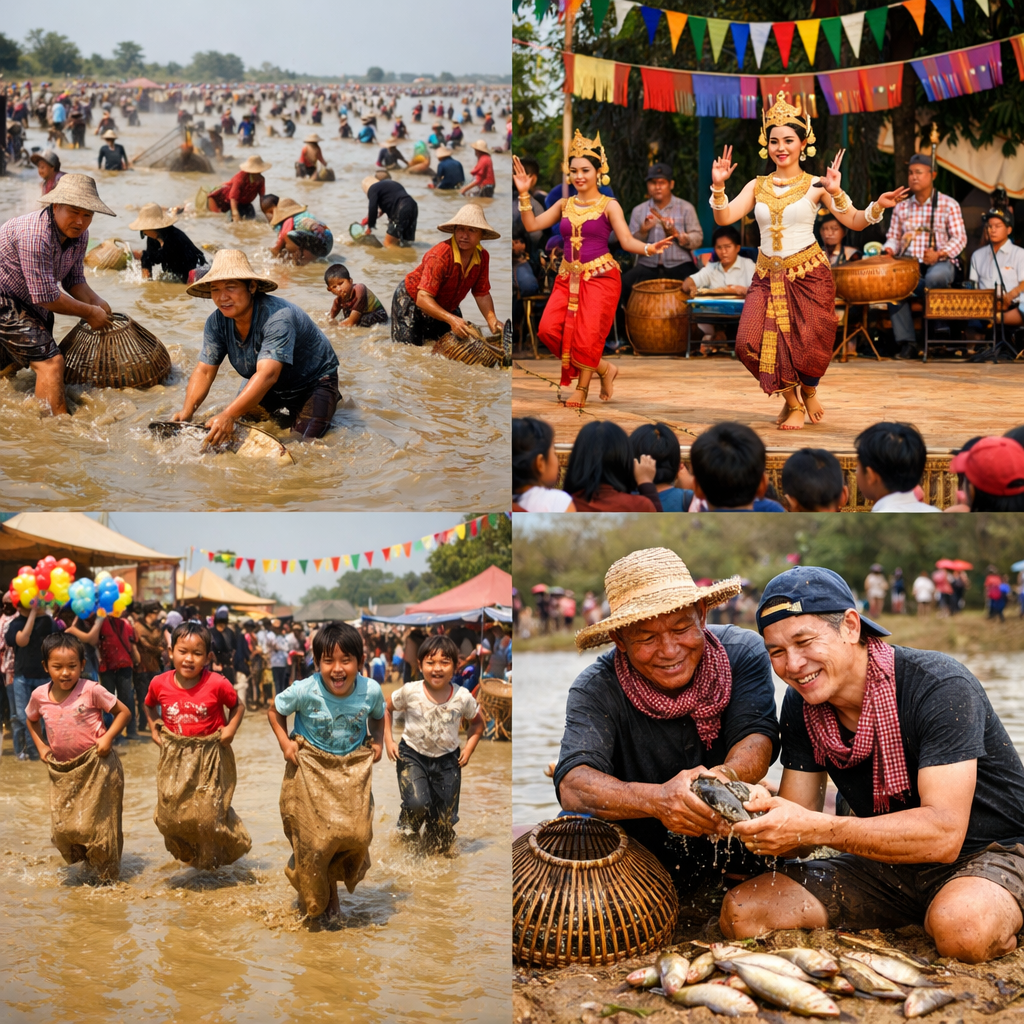
I visited the Traditional Fishing Festival at Boeung Trapeang Krom in Satum village, Thbong Khmum Province. It was on 14 February 2026. The festival showed old Cambodian fishing traditions and local culture.
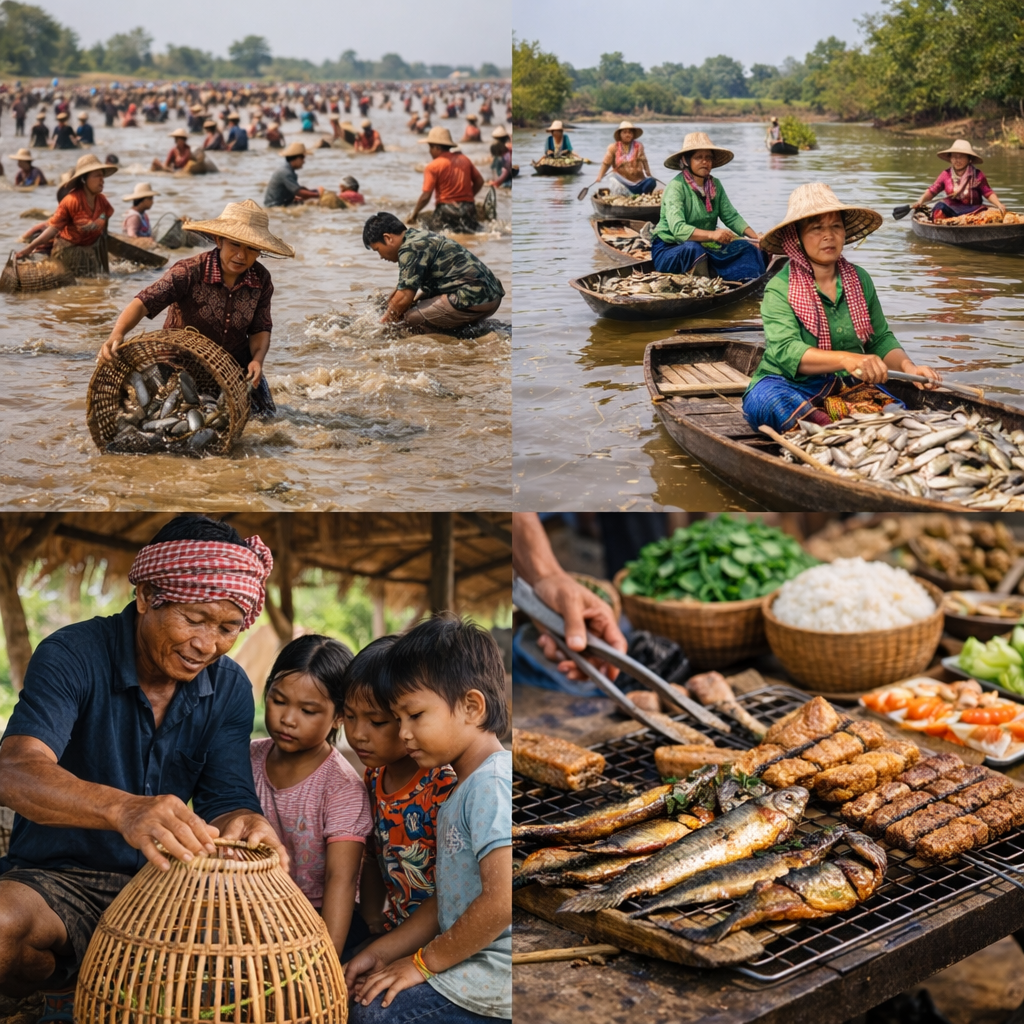
After the rice harvest, the water in the rivers and lakes was lower. I saw people from the village and nearby areas come together to catch fish. They used nets, traps, and sometimes their hands. Everyone worked together to catch a lot of fish. It was interesting to see how they celebrated friendship and community while fishing.
During the festival, I watched many cultural activities. I saw traditional music and dancing. There were games for children and local food for everyone. I learned how local people caught fish. I even tried fishing a little myself.
The festival was very colorful and lively. I enjoyed the fish, the celebrations, and the friendly atmosphere. It was a good way to see Cambodian traditions and daily life. Families, children, and tourists were happy and excited. Visiting the Traditional Fishing Festival at Boeung Trapeang Krom helped me understand Cambodian culture and old customs. I will remember this festival for a long time.
_______________________-
Vocabulary:
- a harvest – the time when people collect crops, like rice or vegetables, from the fields.
- nearby areas – places close to where you are.
- to catch fish – to get fish from a river, lake, or sea.
- a trap – something to catch animals or fish.
- to celebrate – to do something special to show happiness, like a party or festival.
- friendship – the feeling between good friends.
- a community – a group of people who live in the same place or share something.
- to try fishing – to do fishing, even if you are not an expert.
- a little – a small amount.
- to be colorful – to have many colors.
- to be lively – to be full of energy and fun.
- to enjoy – to feel happy because you like something.
- a celebration – a happy event for a special reason, like a holiday or festival.
- daily life – what people do every day.
- to be excited – to feel very happy and full of energy.
- old customs – traditional ways of doing things from the past.
- to remember – to keep information or experiences in your mind.
- for a long time – for many hours, days, or years.
#####################
| Infinitive / Base | Past Tense |
|---|---|
| to visit | visited |
| to be | was / were |
| to show | showed |
| to see | saw |
| to come | come |
| to catch | catch |
| to use | used |
| to work | worked |
| to celebrate | celebrated |
| to watch | watched |
| to learn | learned |
| to try | tried |
| to enjoy | enjoyed |
| to help | helped |
| to understand | understand |
| to remember | remember |
#################
Match the Word to Its Definition
Words:
- a harvest
- nearby areas
- to catch fish
- a trap
- to celebrate
- friendship
- a community
- to try fishing
- a little
- to be colorful
- to be lively
- to enjoy
- a celebration
- daily life
- to be excited
- old customs
- to remember
- for a long time
Definitions:
A. to feel very happy and full of energy
B. a happy event for a special reason, like a holiday or festival
C. something to catch animals or fish
D. to do fishing, even if you are not an expert
E. a small amount
F. to get fish from a river, lake, or sea
G. what people do every day
H. to keep information or experiences in your mind
I. traditional ways of doing things from the past
J. the feeling between good friends
K. for many hours, days, or years
L. to have many colors
M. to do something special to show happiness, like a party or festival
N. a group of people who live in the same place or share something
O. the time when people collect crops, like rice or vegetables, from the fields
P. to feel happy because you like something
Q. to be full of energy and fun
R. places close to where you are
Answers:
1–O, 2–R, 3–F, 4–C, 5–M, 6–J,
7–N, 8–D, 9–E, 10–L, 11–Q, 12–P,
13–B, 14–G, 15–A, 16–I, 17–H, 18–K
________________________
Correct version:
- a harvest – the time when people collect crops, like rice or vegetables, from the fields
- nearby areas – places close to where you are
- to catch fish – to get fish from a river, lake, or sea
- a trap – something to catch animals or fish
- to celebrate – to do something special to show happiness, like a party or festival
- friendship – the feeling between good friends
- a community – a group of people who live in the same place or share something
- to try fishing – to do fishing, even if you are not an expert
- a little – a small amount
- to be colorful – to have many colors
- to be lively – to be full of energy and fun
- to enjoy – to feel happy because you like something
- a celebration – a happy event for a special reason, like a holiday or festival
- daily life – what people do every day
- to be excited – to feel very happy and full of energy
- old customs – traditional ways of doing things from the past
- to remember – to keep information or experiences in your mind
- for a long time – for many hours, days, or years
#################
Basics in past simple:
Past Simple – Regular Verbs
Rules:
- Most verbs: add -ed
play → played - Verbs ending in -e: add -d
live → lived - Verbs ending in consonant + y: change y to i and add -ed
study → studied - Short verbs ending in vowel + consonant: double the final consonant and add -ed
stop → stopped - List of irregular verbs => LINK
#################
Fill in past tense form:
- I __________ (visit) the traditional Fishing Festival.
- It__________ (be) very interesting.
- The festival __________ (show) old fishing traditions.
- I __________ (see) people working together.
- Many people __________ (come) to join the event.
- They __________ (catch) fish using nets.
- Some people __________ (use) traps, and everyone __________ (work) together.
- They __________ (celebrate) the festival with music and dance.
- I __________ (watch) all the activities and learned how they __________ (catch) fish.
- I __________ (try) fishing a little.
- I __________ (enjoy) the experience very much.
- The villagers __________ (help) me and __________ (explain) everything.
- I __________ (understand) how important the festival __________ (be) for them.
_______________________
Correct version:
- I visited the traditional Fishing Festival.
- It was very interesting.
- The festival showed old fishing traditions.
- I saw people working together.
- Many people came to join the event.
- They caught fish using nets.
- Some people used traps, and everyone worked together.
- They celebrated the festival with music and dance.
- I watched all the activities and learned how they caught fish.
- I tried fishing a little.
- I enjoyed the experience very much.
- The villagers helped me and explained everything.
- I understood how important the festival was for them.
#################
Basics in past simple:
| Personal Pronoun | Verb (Past) | Object |
|---|---|---|
| I | ate | apples |
| You | ate | apples |
| He | ate | apples |
| She | ate | apples |
| It | ate | apples |
| We | ate | apples |
| You (plural) | ate | apples |
| They | ate | apples |
| I | played | football |
| You | played | football |
| He | played | football |
| She | played | football |
| It | played | football |
| We | played | football |
| You (plural) | played | football |
| They | played | football |
| Personal Pronoun | Verb (Past Negative) | Object |
|---|---|---|
| I | did not eat | apples |
| You | did not eat | apples |
| He | did not eat | apples |
| She | did not eat | apples |
| It | did not eat | apples |
| We | did not eat | apples |
| You (plural) | did not eat | apples |
| They | did not eat | apples |
| I | did not play | football |
| You | did not play | football |
| He | did not play | football |
| She | did not play | football |
| It | did not play | football |
| We | did not play | football |
| You (plural) | did not play | football |
| They | did not play | football |
| Did + Pronoun | Verb | Object |
|---|---|---|
| Did I | eat | apples? |
| Did you | eat | apples? |
| Did he | eat | apples? |
| Did she | eat | apples? |
| Did it | eat | apples? |
| Did we | eat | apples? |
| Did you | eat | apples? |
| Did they | eat | apples? |
| Did I | play | football? |
| Did you | play | football? |
| Did he | play | football? |
| Did she | play | football? |
| Did it | play | football? |
| Did we | play | football? |
| Did you | play | football? |
| Did they | play | football? |
| Didn’t + Pronoun | Verb | Object |
|---|---|---|
| Didn’t I | eat | apples? |
| Didn’t you | eat | apples? |
| Didn’t he | eat | apples? |
| Didn’t she | eat | apples? |
| Didn’t it | eat | apples? |
| Didn’t we | eat | apples? |
| Didn’t you | eat | apples? |
| Didn’t they | eat | apples? |
| Didn’t I | play | football? |
| Didn’t you | play | football? |
| Didn’t he | play | football? |
| Didn’t she | play | football? |
| Didn’t it | play | football? |
| Didn’t we | play | football? |
| Didn’t you | play | football? |
| Didn’t they | play | football? |
##################
Past simple forms of ‚to be‘:
| Person | Past |
|---|---|
| I | was |
| You | were |
| He/She/It | was |
| We | were |
| You (pl) | were |
| They | were |
| Person | Question |
|---|---|
| I | Was I …? |
| You | Were you …? |
| He/She/It | Was he/she/it …? |
| We | Were we …? |
| You (pl) | Were you …? |
| They | Were they …? |
| Person | Negative |
|---|---|
| I | I was not (I wasn’t) |
| You | You were not (You weren’t) |
| He/She/It | He/She/It was not (He/She/It wasn’t) |
| We | We were not (We weren’t) |
| You (pl) | You were not (You weren’t) |
| They | They were not (They weren’t) |
| Person | Negative Question |
|---|---|
| I | Wasn’t I …? |
| You | Weren’t you …? |
| He/She/It | Wasn’t he/she/it …? |
| We | Weren’t we …? |
| You (pl) | Weren’t you …? |
| They | Weren’t they …? |
##################
Rewrite as shown in #1:
1. I visited the Traditional Fishing Festival.
- Negative: I did not visit the Traditional Fishing Festival.
- Question: Did I visit the Traditional Fishing Festival?
- Negative Question: Didn’t I visit the Traditional Fishing Festival?
2. It was very interesting.
3. The festival showed old fishing traditions.
4. I saw people working together.
5. Many people came to join the event.
6. They caught fish using nets.
7. Some people used traps, and everyone worked together.
8. They celebrated the festival with music and dance.
9. I watched all the activities and learned how they caught fish.
10. I tried fishing a little.
11. I enjoyed the experience very much.
12. The villagers helped me and explained everything.
13. I understood how important the festival is for them.
__________________________
Correct answers:
1-9:
10-13:
1. I visited the Traditional Fishing Festival.
- Negative: I did not visit the Traditional Fishing Festival.
- Question: Did I visit the Traditional Fishing Festival?
- Negative Question: Didn’t I visit the Traditional Fishing Festival?
2. It was very interesting.
- Negative: It was not very interesting.
- Question: Was it very interesting?
- Negative Question: Wasn’t it very interesting?
3. The festival showed old fishing traditions.
- Negative: The festival did not show old fishing traditions.
- Question: Did the festival show old fishing traditions?
- Negative Question: Didn’t the festival show old fishing traditions?
4. I saw people working together.
- Negative: I did not see people working together.
- Question: Did I see people working together?
- Negative Question: Didn’t I see people working together?
5. Many people came to join the event.
- Negative: Many people did not come to join the event.
- Question: Did many people come to join the event?
- Negative Question: Didn’t many people come to join the event?
6. They caught fish using nets.
- Negative: They did not catch fish using nets.
- Question: Did they catch fish using nets?
- Negative Question: Didn’t they catch fish using nets?
7. Some people used traps, and everyone worked together.
- Negative: Some people did not use traps, and not everyone worked together.
- Question: Did some people use traps, and did everyone work together?
- Negative Question: Didn’t some people use traps, and didn’t everyone work together?
8. They celebrated the festival with music and dance.
- Negative: They did not celebrate the festival with music and dance.
- Question: Did they celebrate the festival with music and dance?
- Negative Question: Didn’t they celebrate the festival with music and dance?
9. I watched all the activities and learned how they caught fish.
- Negative: I did not watch all the activities and did not learn how they caught fish.
- Question: Did I watch all the activities and learn how they caught fish?
- Negative Question: Didn’t I watch all the activities and learn how they caught fish?
_______________________
10. I tried fishing a little.
- Negative: I did not try fishing a little.
- Question: Did I try fishing a little?
- Negative Question: Didn’t I try fishing a little?
11. I enjoyed the experience very much.
- Negative: I did not enjoy the experience very much.
- Question: Did I enjoy the experience very much?
- Negative Question: Didn’t I enjoy the experience very much?
12. The villagers helped me and explained everything.
- Negative: The villagers did not help me and did not explain everything.
- Question: Did the villagers help me and explain everything?
- Negative Question: Didn’t the villagers help me and explain everything?
13. I understood how important the festival is for them.
- Negative: I did not understand how important the festival is for them.
- Question: Did I understand how important the festival is for them?
- Negative Question: Didn’t I understand how important the festival is for them?
##################
Correct is…………..
- Did he visit the festival in Boeung Trapeang Krom or in Battambang?
YOU WRITE:
He visited the festival in Boeung Trapeang Krom - Was the festival very interesting or boring?
- Did the festival show old fishing traditions or new games?
- Did he see people working together or playing alone?
- Did many people come to join the event or stay at home?
- Did they catch fish using nets or traps?
- Did some people use traps or nets?
- Did everyone work together or separately?
- Did they celebrate the festival with music and dance or quietly?
- Did he watch all the activities or just some?
- Did he try fishing a little or a lot?
- Did the villagers help him and explain everything or ignore him?
- Did he understand how important the festival was for them or not?
_________________________
Correct version:
- Did he visit the festival in Boeung Trapeang Krom or in Battambang?
- He visited the festival in Boeung Trapeang Krom.
- Was the festival very interesting or boring?
- The festival was very interesting.
- Did the festival show old fishing traditions or new games?
- The festival showed old fishing traditions.
- Did he see people working together or playing alone?
- He saw people working together.
- Did many people come to join the event or stay at home?
- Many people came to join the event.
- Did they catch fish using nets or traps?
- They caught fish using nets.
- Did some people use traps or nets?
- Some people used traps.
- Did everyone work together or separately?
- Everyone worked together.
- Did they celebrate the festival with music and dance or quietly?
- They celebrated the festival with music and dance.
- Did he watch all the activities or just some?
- He watched all the activities.
- Did he try fishing a little or a lot?
- He tried fishing a little.
- Did the villagers help him and explain everything or ignore him?
- The villagers helped him and explained everything.
- Did he understand how important the festival was for them or not?
- He understood how important the festival was for them.
##################
Short answers in past simple:
| Question | Short Answer (Yes/Positive) | Short Answer (No/Negative) |
|---|---|---|
| Did she check reservations? | Yes, she did. | No, she didn’t. |
| Did she give keys to guests? | Yes, she did. | No, she didn’t. |
| Did she talk to many guests? | Yes, she did. | No, she didn’t. |
| Was she happy? | Yes, she was. | No, she wasn’t. |
| Were the guests satisfied? | Yes, they were. | No, they weren’t. |
##################
Short answers,and, if negative, add correct statement:
- The festival showed new games.
YOU WRITE:
No, it didn’t. The festival showed old Cambodian fishing traditions and local culture. - He visited the Traditional Fishing Festival.
- He saw people working together.
- The festival took place in Battambang.
- Many people came to join the event.
- He tried fishing a lot.
- The villagers helped him and explained everything.
- The festival was very boring.
- Some people used traps to catch fish.
- Everyone worked separately.
- He learned how people caught fish.
- They celebrated the festival quietly.
- The festival was very interesting.
- The festival showed old fishing traditions.
__________________________
True → 1,3,5,7,9,11,13 = 7
__________________________
Full version:
The festival showed new games.
No, it didn’t. The festival showed old Cambodian fishing traditions and local culture.
He visited the Traditional Fishing Festival.
Yes, he did.
He saw people working together.
Yes, he did.
The festival took place in Battambang.
No, it didn’t. The festival took place in Boeung Trapeang Krom.
Many people came to join the event.
Yes, they did.
He tried fishing a lot.
No, he didn’t. He tried fishing a little.
The villagers helped him and explained everything.
Yes, they did.
The festival was very boring.
No, it wasn’t. The festival was very interesting.
Some people used traps to catch fish.
Yes, they did.
Everyone worked separately.
No, they didn’t. Everyone worked together.
He learned how people caught fish.
Yes, he did.
They celebrated the festival quietly.
No, they didn’t. They celebrated the festival with music and dance.
The festival was very interesting.
Yes, it was.
The festival showed old fishing traditions.
Yes, it did.
##################
Complete, fill in, words below:
nets – villagers – friends – people – festival – customs – take place – colorful – traditions – try – caught
Interviewer: Hello, Bong Samney! Thank you for speaking with us.
Bong Samney: Hello! I’m happy to share.
1. Interviewer: Who did you go to the festival with?
Bong Samney: I went with some __________ from my village.
2. Interviewer: Where did the festival __________?
Bong Samney: It was at Boeung Trapeang Krom, in Thbong Khmum Province.
3. Interviewer: When did you visit the __________ ?
Bong Samney: I visited it on February 14th, 2026.
4. Interviewer: What did you see at the festival?
Bong Samney: I saw people working together and catching fish using __________.
5. Interviewer: Why did people celebrate the festival?
Bong Samney: They celebrated it to remember old Cambodian fishing __________ and local culture.
6. Interviewer: How did you __________ fishing?
Bong Samney: I tried fishing a little with a net, just like the villagers.
7. Interviewer: Who helped you at the festival?
Bong Samney: The __________ helped me and explained everything.
8. Interviewer: What did you learn at the festival?
Bong Samney: I learned how people __________ fish in the traditional way.
9. Interviewer: How was the atmosphere at the festival?
Bong Samney: It was lively, __________, and full of music and dance.
10. Interviewer: Why was this festival important for the community?
Bong Samney: It brought people together and showed old __________ to the younger generation.
11. Interviewer: Who joined the festival?
Bong Samney: Many __________ from nearby areas came to join the event.
—————————————-
Full version:
Interviewer: Hello, Bong Samney! Thank you for speaking with us.
Bong Samney: Hello! I’m happy to share.
1. Interviewer: Who did you go to the festival with?
Bong Samney: I went with some friends from my village.
2. Interviewer: Where did the festival take place?
Bong Samney: It was at Boeung Trapeang Krom, in Thbong Khmum Province.
3. Interviewer: When did you visit the festival?
Bong Samney: I visited it on February 14th, 2026.
4. Interviewer: What did you see at the festival?
Bong Samney: I saw people working together and catching fish using nets.
5. Interviewer: Why did people celebrate the festival?
Bong Samney: They celebrated it to remember old Cambodian fishing traditions and local culture.
6. Interviewer: How did you try fishing?
Bong Samney: I tried fishing a little with a net, just like the villagers.
7. Interviewer: Who helped you at the festival?
Bong Samney: The villagers helped me and explained everything.
8. Interviewer: What did you learn at the festival?
Bong Samney: I learned how people caught fish in the traditional way.
9. Interviewer: How was the atmosphere at the festival?
Bong Samney: It was lively, colorful, and full of music and dance.
10. Interviewer: Why was this festival important for the community?
Bong Samney: It brought people together and showed old customs to the younger generation.
11. Interviewer: Who joined the festival?
Bong Samney: Many people from nearby areas came to join the event.
###################
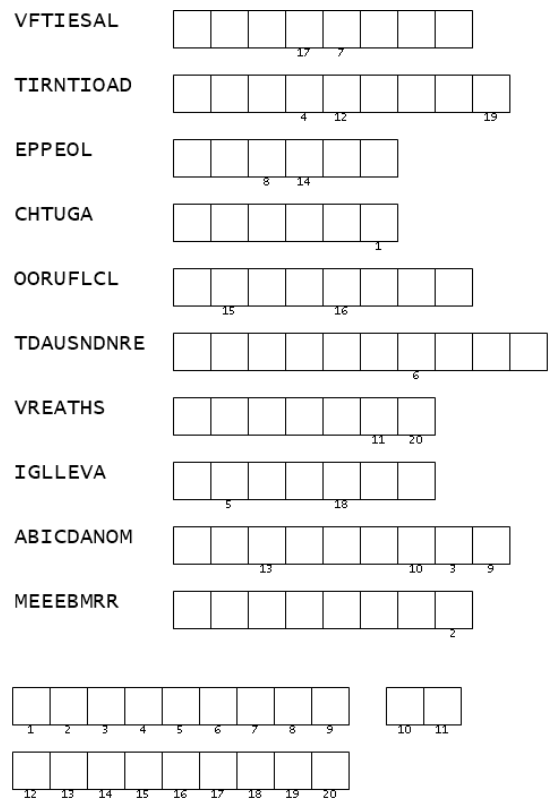
Words got mixed up, unscamble them, find the phrase at the end.
Schreibe einen Kommentar