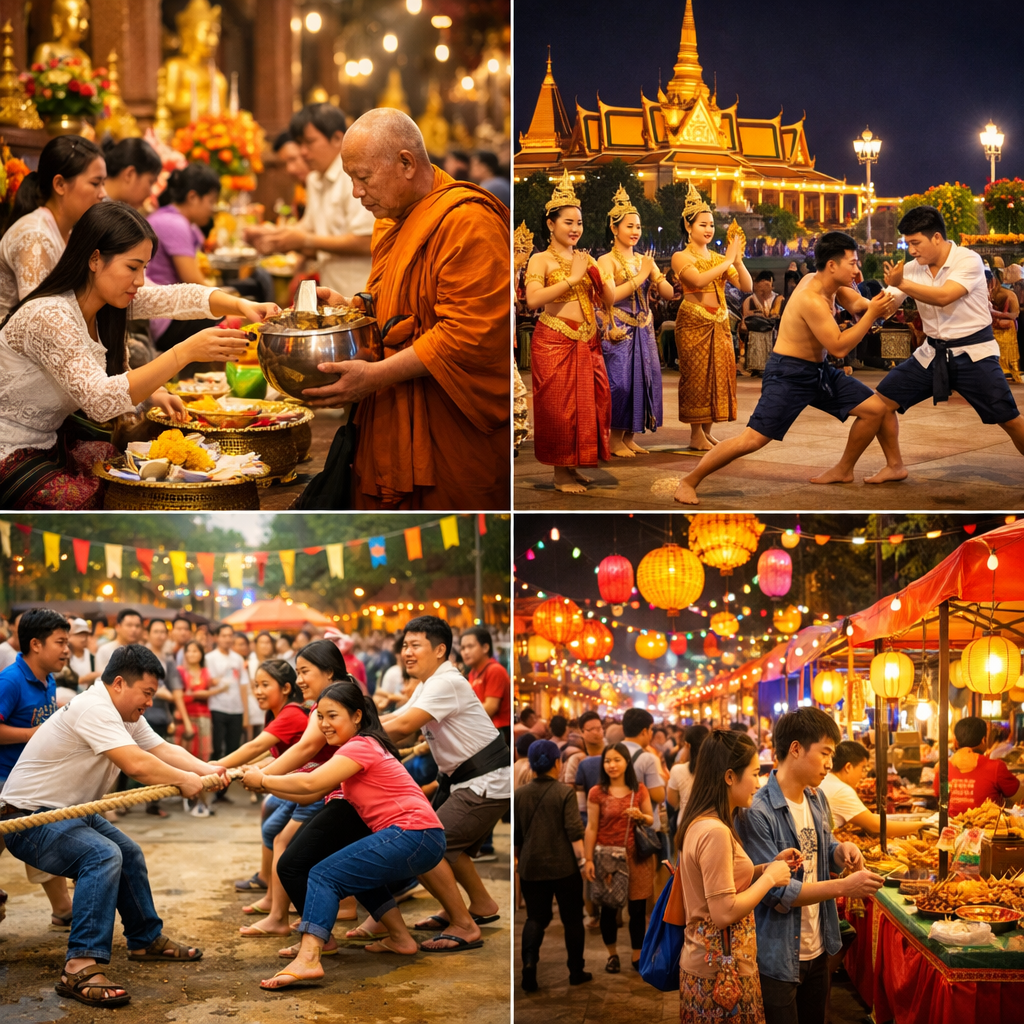
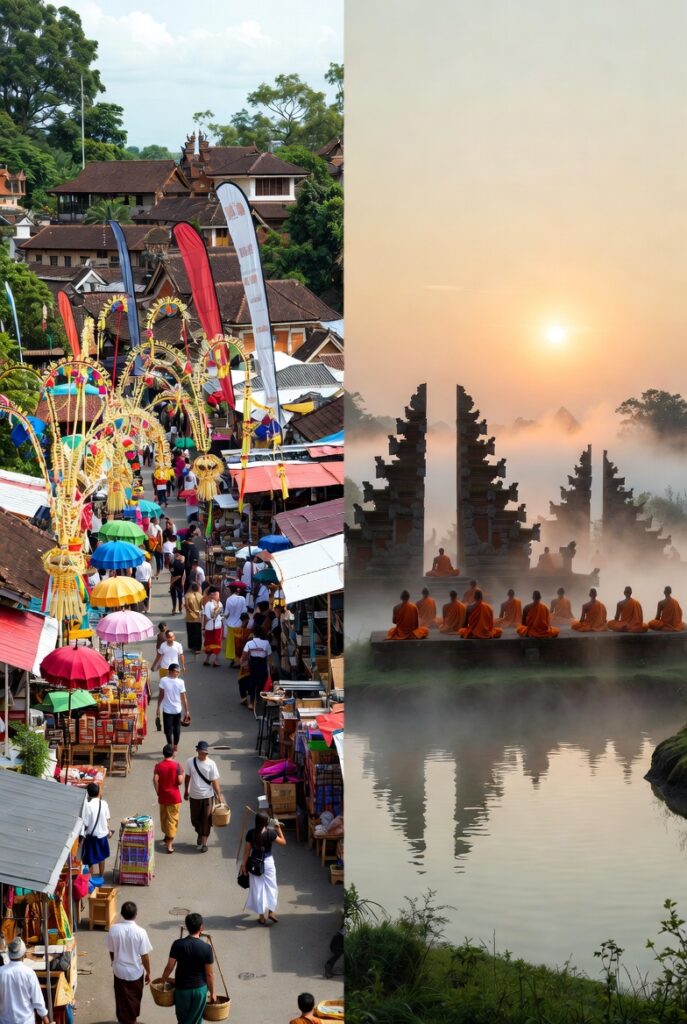
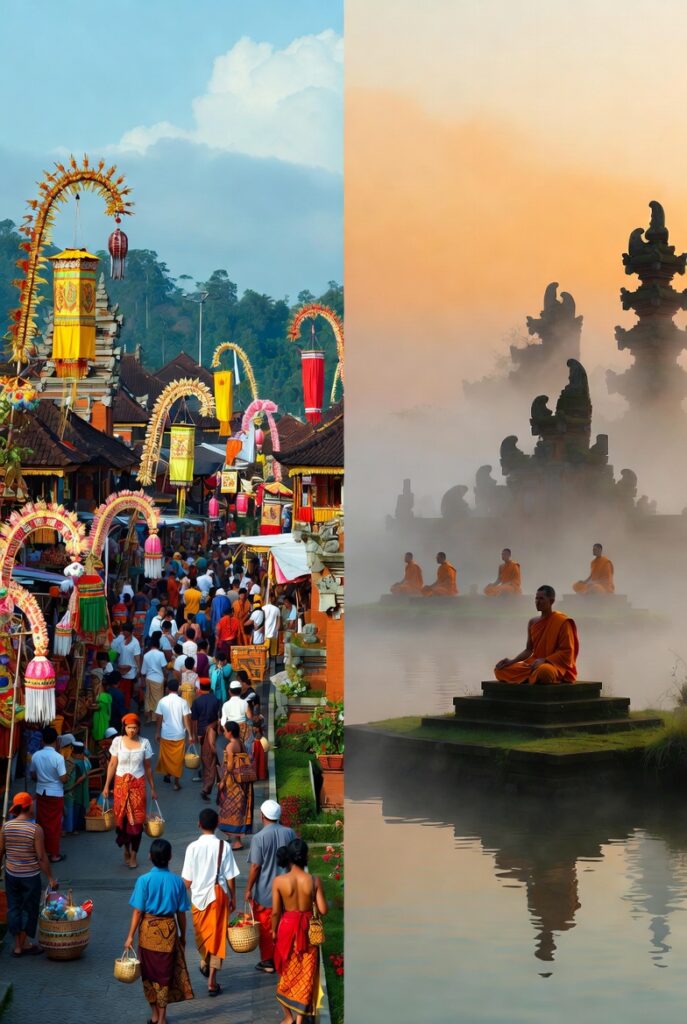
real stories from Cambodia, Thailand, and Indonesia on community, culture, and sustainability
1. Cambodia: Village Tourism near Siem Reap
Near Siem Reap, some villages have opened their doors to tourists seeking authentic experiences beyond the temples. At Preah Dak village, visitors can join local farmers in their fields, learn traditional weaving, or participate in a rice planting demonstration.
Mr. Sok, a village guide, explains: “Tourists are curious about how we live. They enjoy learning, and it helps our community earn a living without leaving home.” The initiative strengthens local culture, provides income, and creates opportunities for young people.
However, the community must manage the number of visitors carefully to avoid disturbing daily life. Educating tourists about local customs, such as respecting sacred sites, is also important.
Discussion Questions:
How does village tourism benefit local communities?
What challenges might arise when hosting tourists in rural areas?
How can tourists ensure they are respectful and responsible visitors?
2. Thailand: Homestays in Chiang Mai
In Northern Thailand, small families offer homestays for tourists who want a real taste of rural life. Guests may cook traditional dishes, plant rice, or join festivals with their hosts.
Mrs. Somchai, who runs a homestay, says: “We provide simple accommodations and real experiences. Guests often learn more than they expect—they see the hard work and daily life behind our culture.”
Homestays give visitors personal interactions, cultural immersion, and memorable experiences while supporting local economies. Hotels and larger resorts can also adopt lessons from these small operations, emphasizing authenticity and guest engagement.
Discussion Questions:
What makes a homestay experience authentic?
How can tourists respect local traditions while staying with a family?
What can large hotels learn from homestay models?
3. Indonesia: Eco-Tourism in Bali
In Bali, some resorts focus on sustainability while offering luxury experiences. At Green Leaf Eco-Resort, tourists can help in organic gardens, attend workshops on Balinese culture, or join conservation projects for local wildlife.
Manager Ketut explains: “Guests love comfort, but they also care about the environment. By combining the two, we create a meaningful experience.” The resort reduces energy use, recycles waste, and educates visitors about responsible tourism.
Eco-tourism not only protects the environment but also attracts travelers seeking unique, memorable stays. Staff play a crucial role in balancing guest satisfaction with sustainability practices.
Discussion Questions:
How can resorts combine luxury with eco-friendly practices?
Why is eco-tourism growing in popularity?
What challenges might hotels face in implementing sustainable practices?
##################### Cheat sheet:
Cambodia: Village Tourism
Thailand: Homestays
Indonesia: Eco-Tourism
Villages near Siem Reap open homes to tourists.
Families in Chiang Mai host guests in homestays.
Some resorts in Bali focus on sustainability.
Tourists help farmers in fields, plant rice, or learn weaving.
Guests cook traditional food, plant rice, or join festivals.
Guests work in organic gardens or join conservation projects.
Village guides explain life and culture to visitors.
Hosts show daily life and local culture.
Staff educate guests about local environment and culture.
Tourism helps the community earn money and preserve traditions.
Homestays support local economy and give personal experiences.
Eco-resorts attract tourists and protect nature.
Communities must manage visitors and teach customs.
Tourists should respect family traditions and local customs.
Resorts balance luxury, guest comfort, and sustainability.
Tourists learn about rural life beyond temples.
Tourists experience real rural life, not just city sights.
Tourists enjoy meaningful stays, not only luxury services.
Extra skills can make guests happy, your team strong, and your hotel successful.
Working in a hotel is not only about doing your daily tasks. Good hotel staff also try to make the manager, their colleagues, and the guests happy. But there are also many extra things that staff can learn or do to be even better. These things can make the hotel more successful, the guests more satisfied, and the staff more confident in their work.
One important skill is customer service. Staff can learn how to greet guests warmly, use polite words, help with requests, and solve small problems quickly. This makes guests happy and managers proud. Another useful skill is languages and communication. Staff can learn new languages, speak clearly, and listen carefully. This helps them talk to more guests and work well with the team.
Conflict and problem-solving is also very useful. Staff can learn to stay calm during problems and find fair solutions. This makes the hotel calm and smooth. Leadership and teamwork are important too. Staff can guide new colleagues, help their team, and organize tasks. Managers see that staff are responsible, and the team works better.
Event and banquet planning is another skill. Staff can learn to organize rooms and decorations for events. Technology and software skills are useful too. Staff can use hotel systems for faster check-in and fewer mistakes. Health, safety, and first aid training helps staff protect guests in emergencies. Cultural awareness and etiquette help staff respect all guests.
These extra skills make staff stronger, guests happier, and the hotel more successful.
____________________
Vocabulary:
to shine – to do very well
a skill – something you can do well
successful – doing well or reaching a goal
a task – something you have to do
to be satisfied – to feel happy with something
to be confident – to feel sure about yourself
customer service – helping guests or customers
to greet warmly – to say hello in a friendly way
to be polite – to use kind and good words
a request – something someone asks you to do
to solve problems – to find a good answer to a problem
communication – talking or giving information
to speak clearly – to talk so people can understand you
conflict solving – finding a way to fix a fight or problem
to stay calm – not to be angry or worried
a fair solution – a good answer that is good for everyone
smooth – easy and without problems
to organize a task – to plan a job or activity
to be responsible – to do your job well and take care of things
banquet planning – planning a big meal or event
decoration – things you use to make a place look nice
an event – a special activity or party
software skills – knowing how to use a computer program
a mistake – something done wrong
health training – learning how to stay healthy
safety training – learning how to be safe
an emergency – a sudden problem that needs fast action
cultural awareness – knowing about other people’s traditions and ways
etiquette – polite behavior
to respect guests – to treat guests kindly and politely
#################
Multiple-choice, one answer correct:
What does to shine mean? a) To do very well at your work b) To walk slowly on the street today c) To eat food quickly with a fork
What is a skill? a) Something you can do well each day b) Something you find in a store nearby c) Something you forget sometimes at home
What does successful mean? a) Feeling very tired after long working hours b) Doing well and reaching your main goals c) Losing a game or competition very badly
What is a task? a) Something you can watch on your phone b) Something you have to do and finish c) Something you can eat for your lunch
What does to be satisfied mean? a) To feel very hungry and want food b) To feel very cold in the morning c) To feel happy with something you do
What does to be confident mean? a) To feel sleepy and want to rest b) To feel sure about yourself and actions c) To feel very scared of new things
What is customer service? a) Playing sports in the park every day b) Helping guests or customers in a hotel c) Cleaning the street with a broom outside
What does to greet warmly mean? a) To run very fast in the morning b) To shout loudly at someone nearby c) To say hello in a friendly way
What does to be polite mean? a) To speak very quietly without making noise b) To use kind and good words always c) To work alone without asking anyone
What is a request? a) Something someone asks you to do kindly b) Something you throw away in the bin c) Something you find in a shop today
What does to solve problems mean? a) To sleep for a long time at night b) To find a good answer to a problem c) To play a game with your friends today
What is communication? a) Talking or giving information to someone b) Reading a book quietly at the table c) Cooking food in the kitchen every day
What does to speak clearly mean? a) To write a letter quickly and neatly b) To run very fast in the park c) To talk so people can understand you
What is conflict solving? a) Cleaning a room carefully every morning b) Finding a way to fix a fight c) Eating a meal with your friends today
What does to stay calm mean? a) To dance loudly in the party room b) To sleep all day on the sofa c) Not to be angry or worried at all
What is a fair solution? a) A wrong answer that is not correct b) A very fast answer to a problem c) A good answer that is good for everyone
What does smooth mean? a) Rough and difficult to do or handle b) Easy and without problems or mistakes c) Slow and tired after a long day
What does to organize a task mean? a) To plan a job or activity carefully b) To forget something important at home c) To run outside without any reason today
What does to be responsible mean? a) To eat too much and feel full b) To do your job well and take care c) To sleep too long every single day
What is banquet planning? a) Planning a big meal or event properly b) Writing a short note to a friend c) Walking to school early in the morning
What is decoration? a) Things you put in your pocket today b) Things you use to make a place look nice c) Things you throw away in the bin later
What is an event? a) A small snack for your morning break b) A special activity or party for people c) A bag of clothes left at school
What are software skills? a) Knowing how to use a computer program b) Knowing how to cook food properly at home c) Knowing how to drive a car safely today
What is a mistake? a) Something done wrong by a person b) Something very good you did yesterday c) Something you can eat for breakfast
What is health training? a) Learning a new song to sing today b) Learning to dance at the party tonight c) Learning how to stay healthy every day
What is safety training? a) Learning how to be safe in places b) Learning to swim fast in the pool c) Learning to play games with friends
What is an emergency? a) A normal day at school or work b) A long holiday with your family today c) A sudden problem that needs fast action
What is cultural awareness? a) Knowing how to cook rice at home b) Knowing how to play football outside c) Knowing about other people’s traditions and ways
What is etiquette? a) Polite behavior with others in daily life b) Running very fast to catch a bus c) Eating a lot during a party today
What does to respect guests mean? a) To shout at guests loudly in the room b) To treat guests kindly and politely always c) To ignore guests when they ask something
What does to shine mean? – It means to do very well at your work.
What is a skill? – It is something you can do well each day.
What does successful mean? – It means doing well and reaching your main goals.
What is a task? – It is something you have to do and finish.
What does to be satisfied mean? – It means to feel happy with something you do.
What does to be confident mean? – It means to feel sure about yourself and your actions.
What is customer service? – It is helping guests or customers in a hotel.
What does to greet warmly mean? – It means to say hello in a friendly way.
What does to be polite mean? – It means to use kind and good words always.
What is a request? – It is something someone asks you to do kindly.
What does to solve problems mean? – It means to find a good answer to a problem.
What is communication? – It is talking or giving information to someone.
What does to speak clearly mean? – It means to talk so people can understand you.
What is conflict solving? – It is finding a way to fix a fight.
What does to stay calm mean? – It means not to be angry or worried at all.
What is a fair solution? – It is a good answer that is good for everyone.
What does smooth mean? – It means easy and without problems or mistakes.
What does to organize a task mean? – It means to plan a job or activity carefully.
What does to be responsible mean? – It means to do your job well and take care.
What is banquet planning? – It is planning a big meal or event properly.
What is decoration? – It is things you use to make a place look nice.
What is an event? – It is a special activity or party for people.
What are software skills? – They are knowing how to use a computer program.
What is a mistake? – It is something done wrong by a person.
What is health training? – It is learning how to stay healthy every day.
What is safety training? – It is learning how to be safe in places.
What is an emergency? – It is a sudden problem that needs fast action.
What is cultural awareness? – It is knowing about other people’s traditions and ways.
What is etiquette? – It is polite behavior with others in daily life.
What does to respect guests mean? – It means to treat guests kindly and politely always.
##############
Match the word to its definition:
Words:
to shine
a skill
successful
a task
to be confident
customer service
to greet warmly
a request
to solve problems
communication
to stay calm
a fair solution
decoration
an emergency
Definitions:
A. Talking or giving information to someone B. Something you have to do and finish C. A sudden problem that needs fast action D. Helping guests or customers in a hotel E. Something someone asks you to do kindly F. To do very well at your work G. To feel sure about yourself and your actions H. Polite behavior with others in daily life I. Things you use to make a place look nice J. To find a good answer to a problem K. To say hello in a friendly way L. Doing well and reaching your main goals M. A good answer that is good for everyone N. Something you can do well each day
Staff can learn extra skills to feel more confident in their work.
Decorations are not important for hotel events. True is: Decorations are important for hotel events to make them look nice.
Good hotel staff try to make the manager, staff, and guests happy.
Staff should ignore requests from guests to focus on their tasks. True is: Staff should listen to requests from guests and help them.
Cultural awareness helps staff understand different guests better.
Working in a hotel is only about doing your daily tasks. True is: Working in a hotel is not only about daily tasks, staff also try to make guests and managers happy.
Learning to stay calm helps staff solve problems more easily.
Communication skills help staff talk clearly to guests and colleagues.
A fair solution is only necessary when the manager is unhappy. True is: A fair solution is important for everyone involved, not just the manager.
Health and safety training can improve staff performance.
Staff do not need to be polite to colleagues or guests. True is: Staff should always be polite to colleagues and guests.
Customer service includes helping guests with their needs.
Staff should always shout to get attention quickly. True is: Staff should speak politely and clearly to get attention.
Banquet planning is an example of an extra skill staff can learn.
Good hotel staff try to make the manager, staff, and guests happy and ________.
A hotel employee can ________ by doing their work very well.
Learning a new ________ can help staff be better at their job.
Every day, staff have a different ________ to complete.
Staff feel ________ when guests are happy with their service.
To speak clearly and help guests, staff must be ________.
Helping guests with their questions or needs is called ________.
When guests arrive, staff should always ________ warmly.
Staff should be ________ to guests and colleagues at all times.
Good employees know how to ________ problems quickly.
———————— Correct version:
Good hotel staff try to make the manager, staff, and guests happy and shine.
A hotel employee can be successful by doing their work very well.
Learning a new skill can help staff be better at their job.
Every day, staff have a different task to complete.
Staff feel satisfied when guests are happy with their service.
To speak clearly and help guests, staff must be confident.
Helping guests with their questions or needs is called customer service.
When guests arrive, staff should always greet warmly.
Staff should be polite to guests and colleagues at all times.
Good employees know how to solve problems quickly.
#############
Sequencing Exercise :
The sentences below are in the wrong order. Put them in the correct order (1–8).
a) Greet the guest warmly at the door. b) Check the booking at the reception. c) Smile and say “Welcome to our hotel.” d) Ask for the guest’s name and details. e) Help the guest with their luggage if needed. f) Show the guest their room. g) Ask if the guest is satisfied with the room. h) Say goodbye politely and wish them a nice stay.
h) Say goodbye politely and wish them a nice stay.
#############
Cheat sheet:
Skill / Training
What Staff Learn
Main Benefit
Customer Service
Learn to greet guests warmly, learn to speak politely, learn to listen to guest requests, learn to solve small problems quickly, learn to stay friendly even if guests are unhappy
Guests feel welcome and happy, managers see staff care about service
Languages & Communication
Learn to speak new languages, learn to pronounce words clearly, learn to listen carefully, learn to ask questions politely, learn to understand guest needs
Staff can talk to more guests, teamwork improves, international guests feel comfortable
Conflict & Problem Solving
Learn to stay calm during problems, learn to find fair solutions, learn to talk politely to angry guests, learn to think quickly, learn to solve problems without stress
Fewer conflicts, smoother hotel operations, guests feel their problems are solved
Leadership & Teamwork
Learn to guide new staff, learn to help colleagues, learn to organize tasks, learn to motivate the team, learn to give good examples
Stronger team, less stress for managers, staff feel responsible and confident
Event & Banquet Planning
Learn to set up tables and chairs, learn to organize decorations, learn to prepare small events, learn to check details carefully, learn to help guests enjoy the event
Guests enjoy well-organized events, hotel looks professional, staff gain organizing skills
Technology & Software
Learn to use hotel computers, learn to manage bookings, learn to check in and check out guests fast, learn to use online tools, learn to keep records correctly
Work becomes faster and smoother, fewer mistakes, managers see efficient staff
Health, Safety & First Aid
Learn first aid, learn to help sick or injured guests, learn fire safety, learn emergency procedures, learn to stay calm in danger
Hotel is safer, staff feel confident in emergencies, guests feel secure
Cultural Awareness & Etiquette
Learn about different cultures, learn polite greetings, learn table manners, learn small customs, learn to respect all guests
Guests feel respected, staff can adapt to different needs, hotel gains a positive reputation
####################
Hotel Staff Self-Assessment Sheet
Instructions: Read each skill. Tick the box that shows how confident you are. Use this scale:
I give you easy texts and exercises in English. They are for A1, A2, and B1 levels. Most texts are about tourism and hospitality. You can learn new words and grammar. Every text has sound. You can read and listen at the same time.
There is also a more difficult way to learn: Just listen to the text (maybe many times), then do the exercises and answer the questions. Try this “hardcore” way — it will help you learn faster and better!
######################
A2:
I offer interesting texts and exercises to help you improve your English. They are for A1, A2, and B1 levels. Most of the texts are about tourism and hospitality. You can learn new words, build your vocabulary, and practice grammar. Each text comes with a sound file, so you can read and listen at the same time.
There is also a more challenging way to study: First, listen to the text — you can do this several times if needed. Then answer the questions and complete the exercises without reading. Try this “hardcore” version to train your listening skills and learn faster!
######################
B1:
We provide a variety of texts and exercises designed to help you improve your English skills. They are available at A1, A2, and B1 levels. Most of the texts focus on tourism and hospitality, so you can expand your vocabulary and strengthen your grammar in a practical way. Each text includes a sound file, which allows you to read and listen at the same time and improve your pronunciation and listening skills.
There is also a more challenging way to learn: Instead of reading, try listening to the text first — as many times as you need — and then answer the questions and complete the exercises. This “hardcore” method is an excellent way to train your listening skills, build confidence, and learn more effectively.
######################
B2:
I offer a wide range of texts and exercises specifically designed to help you develop your English skills and increase your language confidence. They are available at A1, A2, and B1 levels, and most of them focus on topics related to tourism and hospitality. Through these texts, you can expand your vocabulary, strengthen your grammar, and improve your overall language competence. Each text is accompanied by an audio file, which allows you to read and listen simultaneously, enhancing both your listening and pronunciation skills.
For those who want a more demanding challenge, there’s an alternative way to study: Listen to the text without reading it, repeat it as many times as necessary, and then answer the questions and complete the exercises. This “hardcore” learning method is an excellent way to sharpen your listening comprehension, train your memory, and build greater fluency.
I think English is a very important language. Many people in the world speak English. When we work in tourism, we meet many tourists. Many tourists speak English. When we speak English, we can talk with them. We can help them find a room. We can help them take a car or a bus. Tourists feel happy when they understand us. When we speak English, we can get a better job. We can work in hotels, restaurants, and travel places. We can also work in other countries. We can get more money. English helps us every day at work. English is good for us and for the tourists. This is why I want to learn English. And so does her friend, Rina. _________________________ Vocabulary:
a friend – a person you like and spend time with.
important – very good to know or do.
a thought – something you have in your head.
an advanced beginner – someone who knows a little more than a beginner.
to meet somebody – to see and talk to a person for the first time.
to talk with tourists – to speak to people who visit your country.
to find a room – to look for and get a room to stay in.
to take a car – to go somewhere in a car.
to understand – to know what someone says or means.
a better job – a job that gives more money or is nicer.
a travel place – a place for tourists to visit.
a country (countries) – a big part of the world, like Cambodia or Indonesia.
to get money – to receive money.
#################
Multiple choice, one answer correct:
Mira works in a… a) travel place b) car c) friend
Her job is… a) friend b) important c) country
Every morning she… a) meets somebody b) talks with tourists c) countries
She talks with… a) money b) a better job c) tourists
Tourists feel good when they… a) understand b) car c) find a room
She is… a) a friend b) an advanced beginner c) a thought
She wants… a) a better job b) to take a car c) a travel place
She wants to get… a) a friend b) a room c) money
She wants to make… a) a friend b) a thought c) a car
She has… a) a car b) a thought c) a friend
——————————– Answers: 1 a, 2 b, 3 b, 4 c, 5 a, 6 b, 7 a, 8 c, 9 a, 10 c
——————————– Correct version:
Mira works in a travel place.
Her job is important.
Every morning she meets somebody.
She talks with tourists.
Tourists feel good when they understand.
She is an advanced beginner.
She wants a better job.
She wants to get money.
She wants to make a friend.
She has a friend.
###############
Negate the following sentences:
Mira lives in a big country.
YOU WRITE:
Mira does not live in a big country.
She works in a travel place. ________________________
Her job is very important to her. ________________________
Every morning, she meets somebody new. ________________________
She talks with tourists from many countries. ________________________
She helps them find a room and take a car. ________________________
Tourists are happy when they understand her English. ________________________
She is an advanced beginner. ________________________
She has a thought: “If I speak English well, I can get a better job.” ________________________
Mira wants to travel to other countries and make a friend in each one. ________________________
——————————— Correct answers:
Mira does not live in a big country.
She does not work in a travel place.
Her job is not very important to her.
Every morning, she does not meet somebody new.
She does not talk with tourists from many countries.
She does not help them find a room and take a car.
Tourists are not happy when they understand her English.
She is not an advanced beginner.
She does not have a thought: “If I speak English well, I can get a better job.”
Mira does not want to travel to other countries and does not want to make a friend in each one.
######################
Rewrite as questions:
Mira lives in a big country.
>>>>>YOU WRITE:
>>>>>Mia does not live in a big country.
Mira works in a travel place. __________________________
Her job is important. __________________________
Every morning she meets somebody. __________________________
She talks with tourists. __________________________
Tourists feel good when they understand. __________________________
She is an advanced beginner. __________________________
She wants a better job. __________________________
She wants to get money. __________________________
She wants to make a friend. __________________________
She has a friend. __________________________
———————————– Correct answers:
Does Mira work in a travel place? Is her job important? Does she meet somebody every morning? Does she talk with tourists? Do tourists feel good when they understand? Is she an advanced beginner? Does she want a better job? Does she want to get money? Does she want to make a friend? Does she have a friend?
#####################
Form questions to which word/s given is/are the answer:
She works in a travel place.
a) She: Who works in a travel place? b) works in a travel place: What does she do? c) ain a travel place: Where does she work?
2. She likes her job a lot.
a) She: b) likes her job a lot: c) her job: d) a lot:
3. Every morning, she meets somebody new.
a) Every morning: b) she: c) meets somebody new: d) somebody new
4. She talks with tourists every day.
a) She b) talks witk tourists: c) every day
5. She helps them every Saturday.
a) She: b) helps them: c) them: d) every Saturday
———————— Correct answers:
She likes her job a lot. a) Who likes her job a lot? b) What does she do? c) What does she like? d) How much does she like her job?
Every morning, she meets somebody new. a) When does she meet somebody new? b) Who meets somebody new every morning? c) What does she do every morning? d) Who does she meet?
She talks with tourists every day. a) Who talks with tourists every day? b) What does she do? c) How often does she talk with tourists?
She helps them every Saturday. a) Who helps them every Saturday? b) What does she do every Saturday? c) Who does she help? d) When does she help them?
Mira lives in a big country. She works in a travel place. She likes her job a lot. Every morning, she meets somebody new. She talks with tourists. She wants to help people. She wants to get money. Her job is very important. She wants to make a friend. She meets somebody new every morning.
################
Matching exercise – answer in a complete sentences:
Who lives in a big country?
Where does Mira work?
What does she like a lot?
When does she meet somebody new?
Who does she talk with every day?
What does she want to do for people?
What does she want to get?
How is her job?
What does she want to make?
Who does she meet every morning?
Answers :
a) Money b) Somebody new c) Help d) Important e) Her job f) Tourists g) Friend h) Travel place i) Mira j) Every morning
_______________ Answers: 1 i, 2 h, 3 e, 4 j, 5 f, 6 c, 7 a, 8 d, 9 g, 10 b
_______________
Correct answers:
Who lives in a big country? → Mira lives in a big country.
Where does Mira work? → She works in a travel place.
What does she like a lot? → She likes her job a lot.
When does she meet somebody new? → She meets somebody new every morning.
Who does she talk with every day? → She talks with tourists every day.
What does she want to do for people? → She wants to help people.
What does she want to get? → She wants to get money.
How is her job? → Her job is important.
What does she want to make? → She wants to make a friend.
Who does she meet every morning? → She meets somebody new every morning.
#############
Unscramble the sentences:
lives / country / Mira / in / a / big
works / travel place / in / a / She
job / her / likes / She / a lot
meets / morning / somebody / Every / new / she
talks / with / day /tourists / She / every
wants / She / friend / to / make / a /
get / wants / She / to / money
_______________ Correct sentences:
Mira lives in a big country.
She works in a travel place.
She likes her job a lot.
Every morning she meets somebody new.
She talks with tourists every day.
She wants to make a friend.
She wants to get money.
#############
Interview, fill in, words below:
better – world – friend – tourists – happy – money. – tourism – find – travel places – every day
———————————
Why does Mira think English is important? Because many people in the __________ speak English.
Who does Mira meet when she works in __________? She meets many tourists.
Do many tourists speak English? Yes, many tourists speak English.
What can Mira do when she speaks English? She can talk with __________.
How can Mira help tourists? She can help them _________ a room and take a car or a bus.
How do tourists feel when they understand Mira? They feel __________.
What can Mira get when she speaks English? She can get a __________ job.
Where can she work if she speaks English? She can work in hotels, restaurants, and __________.
Can she work in other countries? Yes, she can work in other countries.
What can she get by working in other countries? She can get more __________
How does English help Mira? It helps her __________ at work.
Who else wants to learn English? Her __________ Rina, also wants to learn English.
—————————————
Correct version:
Why does Mira think English is important? Because many people in the world speak English.
Who does Mira meet when she works in tourism? She meets many tourists.
Do many tourists speak English? Yes, many tourists speak English.
What can Mira do when she speaks English? She can talk with tourists.
How can Mira help tourists? She can help them find a room and take a car or a bus.
How do tourists feel when they understand Mira? They feel happy.
What can Mira get when she speaks English? She can get a better job.
Where can she work if she speaks English? She can work in hotels, restaurants, and travel places.
Can she work in other countries? Yes, she can work in other countries.
What can she get by working in other countries? She can get more money.
How does English help Mira? It helps her every day at work.
Who else wants to learn English? Her friend, Rina, also wants to learn English.
##################
Read the following story:
I think English is a very important language. Many people in the world speak English. When I work in tourism, I meet many tourists. Many tourists speak English. When I speak English, I can talk with them. I can help them find a room. I can help them take a car or a bus. Tourists feel happy when they understand me. When I speak English, I can get a better job. I can work in hotels, restaurants, and travel places. I can also work in other countries. I can get more money. English helps me every day at work, and it is good for me and for the tourists. This is why I want to learn English. My friend Rina wants to learn English too. ———— Rewrite the story starting with
>>>>>>>>>Mira thinks English is a very important……… >>>>>>>>>…………………………………..When she works……..
and make all changes necessary.
_______________________
Correct version:
Mira thinks English is a very important language. Many people in the world speak English. When she works in tourism, she meets many tourists. Many tourists speak English. When she speaks English, she can talk with them. She can help them find a room. She can help them take a car or a bus. Tourists feel happy when they understand her. When she speaks English, she can get a better job. She can work in hotels, restaurants, and travel places. She can also work in other countries. She can get more money. English helps her every day at work. English is good for her and for the tourists. This is why she wants to learn English. And so does her friend, Rina.
###############
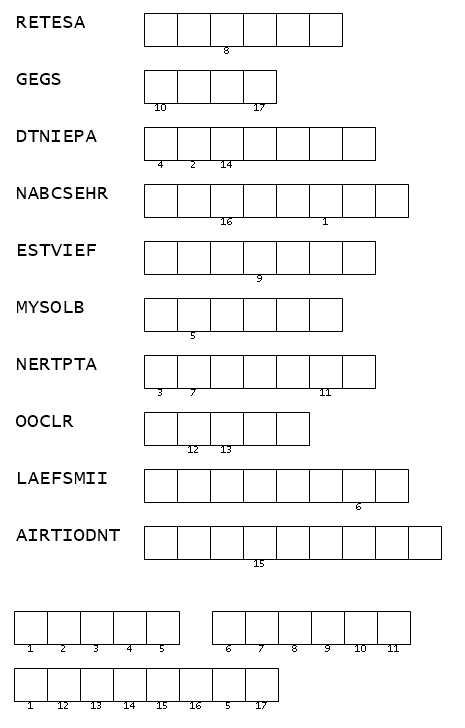
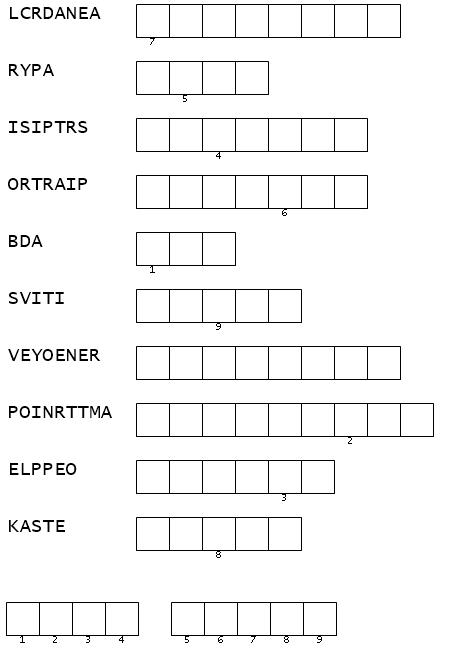
Words got srambled – find the words. Which phrase are we looking for?
Today, the most important topic in tourism and hospitality is Wellness and Sustainable Travel. This kind of travel helps people feel healthy and happy while also protecting nature and local life. Many people around the world are now choosing this way of traveling.
Wellness travel means traveling to relax and take care of your body and mind. Sustainable travel means traveling in a way that helps people and the planet. After the COVID-19 pandemic, health, nature, and a peaceful lifestyle became more important for everyone. People want to reduce stress, breathe clean air, and enjoy quiet, natural places.
There are many examples of wellness and sustainable travel. Some tourists join yoga or meditation retreats. Others stay in eco-friendly hotels that save energy and use less plastic. Many people like to visit local villages, walk in forests, or eat healthy local food. These activities help them feel good and also support local communities.
Hotels today also care more about the planet. They use solar energy, recycle materials, and offer spa or relaxation programs. They often buy products from local farmers and teach guests how to travel responsibly.
The goal of wellness and sustainable travel is simple: to make travel good for people, good for nature, and good for the world.
___________________
Vocabulary:
wellness – feeling good and healthy in your body and mind. sustainable travel – traveling in a way that helps nature and local people. healthy – having a strong body and feeling well. to protect nature – to keep the environment safe and clean. to choose – to pick something you want. to relax – to rest and feel calm. to take care of your body and mind – to do things that help you stay healthy and happy. a pandemic – when a sickness spreads all over the world. peaceful – quiet and calm, without noise or stress. to reduce stress – to make yourself feel less worried or tired. to breathe – to take air in and out of your lungs. to enjoy something – to like something and feel happy doing it. to join retreats – to go to a quiet place to rest or learn new things. meditation – sitting quietly and thinking calmly to feel peaceful. eco-friendly – good for nature and not bad for the environment. to save energy – to use less electricity, water, or fuel. to support local communities – to help people who live in a place. a relaxation program – activities that help people feel calm and rested. to travel responsibly – to travel in a way that is good for people and nature. a goal – something you want to do or reach.
#######################
Multiple choice, one answer correct:
audio 1:
audio 2:
1. What is wellness? A) Eating fast food every day and doing nothing B) Feeling good and healthy in your body and mind C) Running fast and never resting all the time
2. What is sustainable travel? A) Traveling in a way that helps nature and local people B) Using cars and buses every day without thinking C) Visiting cities quickly and never thinking about nature
3. What does healthy mean? A) Eating many sweets and fast food all the time B) Having a strong body and feeling well every day C) Sleeping less and working very hard every day
4. What does it mean to protect nature? A) To throw garbage everywhere and never clean anything B) To cut all trees quickly and build roads everywhere C) To keep the environment safe and clean for all people
5. What does it mean to choose? A) To pick something you want from many different things B) To do the first thing that comes to your mind fast C) To take things quickly and never think about choices
6. What does it mean to relax? A) To stay awake all night and never sleep at home B) To rest and feel calm and quiet in your body and mind C) To run very fast and work hard without stopping
7. What does it mean to take care of your body and mind? A) To work very hard and never eat or sleep at all B) To do things that help you stay healthy and happy always C) To spend all your time playing games and watching TV
8. What is a pandemic? A) When people play games or sports together every day B) When a sickness spreads all over the world very quickly C) When it rains every day and floods happen everywhere
9. What does peaceful mean? A) Loud and busy with many people everywhere around you B) Quiet and calm, without noise or stress in your mind C) Fast and noisy without resting or sleeping at night
10. What does it mean to reduce stress? A) To make yourself feel less worried or tired every day B) To run and shout and never sit quietly at home alone C) To work very hard and never rest or sleep at all times ——-end of audio 1————
11. What does it mean to breathe? A) To take air in and out of your lungs slowly and calmly B) To run fast and hold your breath while working very hard C) To drink water quickly and eat very fast every single day
12. What does it mean to enjoy something? A) To ignore it and do nothing with your time every day B) To like something and feel happy doing it every moment C) To work very hard and never smile or have any fun
13. What does it mean to join retreats? A) To stay at home and never leave your room or sleep late B) To go outside and play very fast with many people today C) To go to a quiet place to rest or learn new things there
14. What is meditation? A) Watching TV and playing games all day at home always B) Talking loudly with friends and running fast everywhere now C) Sitting quietly and thinking calmly to feel peaceful inside
15. What does eco-friendly mean? A) Good for nature and not bad for the environment anywhere B) Using electricity, water, and cars very fast every single day C) Throwing trash in rivers and streets and never cleaning anything
16. What does it mean to save energy? A) To leave lights on, water running, and machines working all day B) To spend all energy quickly and never think about saving it C) To use less electricity, water, or fuel every single day always
17. What does it mean to support local communities? A) To ignore local people and never give help or buy anything B) To help people who live in a place and need support always C) To leave villages and never visit or talk to local people
18. What is a relaxation program? A) Activities that make people tired and busy all the time now B) Activities that help people feel calm and rested every day C) Activities that make people work fast and never stop at all
19. What does it mean to travel responsibly? A) To visit many places without thinking about nature or people B) To travel fast and spend all your money quickly every trip C) To travel in a way that is good for people and nature always ——————end of audio 2——————
20. What is a goal? A) Something you always lose or forget to do every single day B) Something very heavy to carry every day for many hours C) Something you want to do or reach in your life every day
I go to the park every morning because I want to feel healthy.
It is important to protect nature by not cutting trees or throwing garbage in rivers.
After work, I like to relax at home and listening to music.
Every day I do 10 minutes of meditation to feel calm and quiet.
I always choose hotels that are eco-friendly and save water and electricity.
I switch off the lights when I leave the room because I want to save energy.
The library is a very peaceful place.
Exercise can help you to reduce stress after a stressful day.
When I go on holiday, I try to travel responsibly and not harm nature.
During the COVID-19 a problem, people stayed at home to be safe.
I eat fruits and vegetables because I want to be healthy.
I go to yoga classes because I want wellness.
My teacher says it is important to have a goal in life.
I try to take care of your body and mind every day by sleeping well and eating healthy food.
#######################
Match the word to the definition:
Words:
wellness
sustainable travel
healthy
to protect nature
to choose
to relax
to take care of your body and mind
a pandemic
peaceful
to reduce stress
to breathe
to enjoy something
to join retreats
meditation
Definitions:
a) a sickness that spreads all over the world b) sitting quietly and thinking calmly to feel peaceful c) to pick something you want d) to make yourself feel less worried or tired e) to do things that help you stay happy and healthy f) quiet and calm, without noise or stress g) to go to a quiet place to rest or learn new things h) traveling in a way that helps nature and local people i) to take air in and out of your lungs j) activities that help you feel good in body and mind k) liking something and feeling happy doing it l) to rest and feel calm m) traveling to feel healthy and happy n) to keep the environment safe and clean
1. Who usually goes on wellness travel? People who want to feel __________ and happy go on wellness travel.
2. Where can tourists find eco-friendly hotels? They can find eco-friendly hotels in cities and __________ areas.
3. Why is wellness travel popular now? It is popular because people want to __________ and reduce stress.
4. How does sustainable travel help nature? It __________ forests, rivers, and animals from harm.
5. When should travelers join a meditation retreat? They can join a meditation retreat during their __________.
6. Which activities are good for wellness? Yoga, nature walks, and _________are good activities.
7. What do hotels do to __________ local communities? Hotels buy local products and help local people with jobs.
8. How can tourists travel responsibly? They can avoid plastic, respect culture, and __________ energy.
9. Who benefits from sustainable travel? Local people, __________, and tourists all benefit.
10. Where can people enjoy nature and wellness together? They can enjoy it in forests, parks, and quiet __________.
11. Why is reducing stress important in travel? It helps people feel healthy, __________, and peaceful.
12. Which foods are good for wellness travel? Healthy local food, fruits, and __________ are good.
13. How can travelers protect the environment? They can not throw garbage and avoid __________ energy.
14. What is the main goal of wellness and sustainable travel? The main goal is to make travel good for people and the ________________________
Correct version:
1. Who usually goes on wellness travel? People who want to feel healthy and happy go on wellness travel.
2. Where can tourists find eco-friendly hotels? They can find eco-friendly hotels in cities and countryside areas.
3. Why is wellness travel popular now? It is popular because people want to relax and reduce stress.
4. How does sustainable travel help nature? It protects forests, rivers, and animals from harm.
5. When should travelers join a meditation retreat? They can join a meditation retreat during their holidays.
6. Which activities are good for wellness? Yoga, nature walks, and meditation are good activities.
7. What do hotels do to support local communities? Hotels buy local products and help local people with jobs.
8. How can tourists travel responsibly? They can avoid plastic, respect culture, and save energy.
9. Who benefits from sustainable travel? Local people, nature, and tourists all benefit.
10. Where can people enjoy nature and wellness together? They can enjoy it in forests, parks, and quiet villages.
11. Why is reducing stress important in travel? It helps people feel healthy, happy, and peaceful.
12. Which foods are good for wellness travel? Healthy local food, fruits, and vegetables are good.
13. How can travelers protect the environment? They can not throw garbage and avoid wasting energy.
14. What is the main goal of wellness and sustainable travel? The main goal is to make travel good for people and the planet.
#######################
Summary:
The most important topic in tourism and hospitality today is wellness and sustainable travel. This means that people want to travel in a healthy and responsible way.
💚 What Is Wellness and Sustainable Travel?
Wellness travel is when people travel to feel good in their body and mind. They want to relax, rest, and improve their health. Sustainable travel means traveling in a way that does not harm nature or local people. Tourists want to protect the environment and help local communities.
🌍 Why It Is So Popular
After the COVID-19 pandemic, many people think more about their health. They want calm, clean, and safe places. People also care more about the Earth. They choose hotels that save energy, use less plastic, and support local farmers and workers. Tourists like to meet local people, learn about their culture, and join in village or nature activities.
🧘 Examples
Going to a yoga or meditation retreat in the mountains or near the sea.
Staying in an eco-friendly hotel made from natural materials.
Joining a tour that shows local farming or traditional crafts.
Taking a walk in nature to relax and breathe fresh air.
Eating healthy food made from local ingredients.
🏨 What Hotels and Travel Companies Do
Many hotels now offer spa treatments, yoga classes, and quiet relaxation areas. They recycle waste, use solar power, and buy products from local people. Travel companies promote tours that show real village life and help local families earn money.
💬 In Short
Wellness and sustainable travel is the number one topic in tourism and hospitality today. People want to feel healthy, relaxed, and happy while also taking care of nature and local communities.
In a luxury hotel, every guest wants to feel welcome and special. Good service is very important. One staff member can be a role model for others by showing how to work well every day.
A role model always comes to work on time and wears a clean uniform. They smile and say hello to guests and coworkers. When guests ask for help, they listen carefully and answer politely. They stay calm, even when the hotel is busy or when a guest is not happy.
A good staff member helps the team. When someone has too much work, they offer to help. They share ideas and show respect to everyone. When new staff arrive, they can teach them how to do things the right way. This makes the whole team stronger and happier.
A role model also tries to learn new things. They ask questions, learn about the hotel, and try to give better service every day. They care about people, not only about work. They show kindness and respect to guests, managers, and other staff.
When one person works with a good heart and a positive attitude, others see it and want to do the same. Step by step, one staff member can change the atmosphere in the hotel. This person helps everyone give better service and makes the hotel a wonderful place for both guests and staff.
____________________
Vocabulary:
a role model – a person who shows a good example for others. to be on time – to arrive at the right time, not late. to wear a uniform – to put on special clothes for work. a coworker – a person who works with you in the same place. to answer politely – to speak in a nice and respectful way. to stay calm – to not get angry or afraid; to be quiet inside. to offer help – to tell someone you can help them. to share ideas – to tell other people what you think. to show respect – to be kind and listen to other people. to do something the right way – to do something correctly or properly. to care about people – to think about others and want them to be happy. to show kindness – to do or say something nice to help or make someone feel good. a positive attitude – to think in a happy and hopeful way. step by step – to do something slowly, one small part at a time. to change the atmosphere in a hotel – to make the hotel feel different, for example more happy, calm, or friendly.
#####################
Multiple choice:
A role model is a person who a) likes to help others and shows good examples b) works only in one department every day c) always wears clean and nice clothes
When you are on time, you a) arrive late but say sorry quickly b) arrive at the right time, not late c) start work when you feel ready
To wear a uniform means a) to put on special clothes for work b) to change clothes many times every day c) to choose clothes that look nice at home
A coworker is a) a person who works alone in the hotel b) a person who works with you in the same place c) a manager who checks many reports
To answer politely means a) to speak nicely and with respect b) to speak loudly and fast all the time c) to ask many personal questions
To stay calm means a) to talk about your problems with friends b) to run fast when something happens c) to be quiet inside and not get angry
To offer help means a) to wait until someone asks for help b) to tell someone you can help them c) to ask someone to do your work
To share ideas means a) to copy what others are doing b) to write a long report about guests c) to tell other people what you think
To show respect means a) to only speak to friends and ignore others b) to tell people exactly what to do c) to be kind and listen to other people
To do something the right way means a) to try something new without rules b) to do something correctly or properly c) to finish quickly without thinking
To care about people means a) to talk only about yourself b) to tell others what they must do c) to think about others and want them happy
To show kindness means a) to wait until someone helps you b) to keep quiet and not speak to anyone c) to do or say something nice to help someone
A positive attitude means a) to think in a happy and hopeful way b) to talk about bad things all the time c) to feel bored and complain about work
Step by step means a) to do something very fast without stopping b) to do something slowly, one small part at a time c) to wait until someone else starts first
To change the atmosphere in a hotel means a) to buy new furniture for all rooms b) to move the hotel to another place c) to make the hotel feel different, for example more friendly
A good employee can be __________ for new staff because they show how to work well. a) a role model b) a manager c) a coworker
It is important __________ every day so the team can start work on time. a) to share ideas b) to be on time c) to wear a uniform
All hotel staff must __________ to look professional. a) a positive attitude b) do something the right way c) wear a uniform
I asked my __________ to help me move the boxes to the storage room. a) coworker b) guest c) manager
When a guest asks a question, you should always __________. a) answer politely b) step by step c) stay calm
Even if a guest is upset, it is important __________ and not get angry. a) to offer help b) to care about people c) to stay calm
If you see someone carrying heavy bags, you should __________. a) wear a uniform b) offer help c) answer politely
During the meeting, I like __________ to help improve our service. a) to be on time b) to share ideas c) a role model
We must always __________ to everyone, no matter their job. a) step by step b) a role model c) show respect
You need __________ when preparing the room to make sure everything is correct. a) to care about people b) to do something the right way c) to change the atmosphere in a hotel
Good employees always __________ and think about the happiness of others. a) care about people b) a coworker c) a positive attitude
Small actions, like helping a guest with their bag, can __________. a) share ideas b) step by step c) show kindness
A person with __________ tries to stay happy and positive at work. a) stay calm b) a positive attitude c) on time
Learning a new task is easier if you do it __________, one step at a time. a) step by step b) to wear a uniform c) to show respect
A friendly smile and kind words can help __________ and make guests feel welcome. a) answer politely b) change the atmosphere in a hotel c) offer help
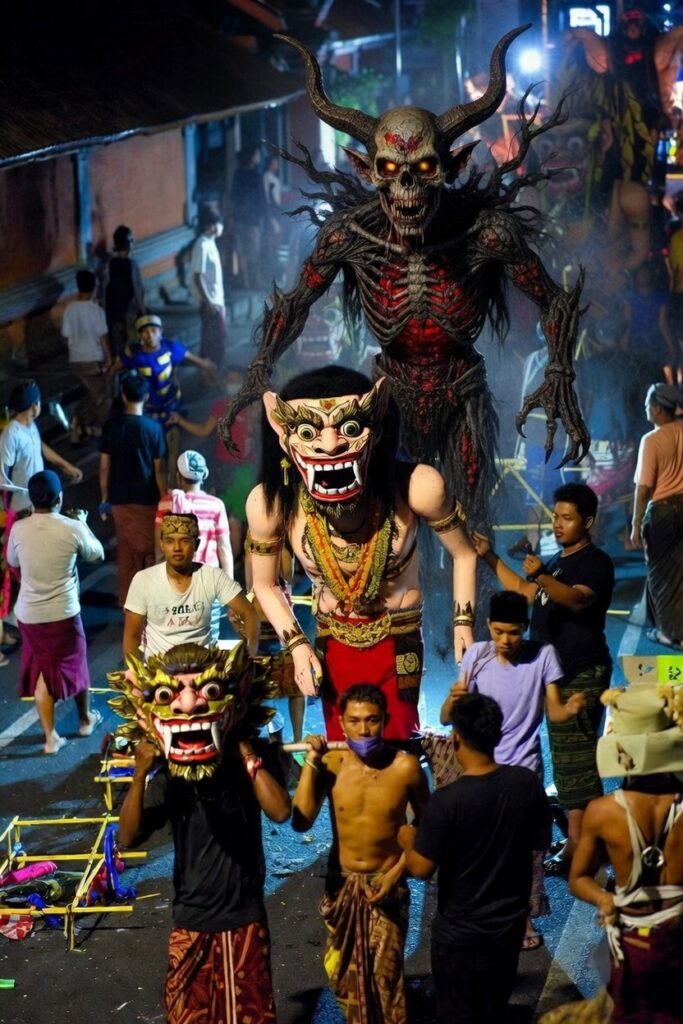
A good employee can be a role model for new staff because they show how to work well.
It is important to be on time every day so the team can start work on time.
All hotel staff must to wear a uniform to look professional.
I asked my a coworker to help me move the boxes to the storage room.
When a guest asks a question, you should always to answer politely.
Even if a guest is upset, it is important to stay calm and not get angry.
If you see someone carrying heavy bags, you should to offer help.
During the meeting, I like to share ideas to help improve our service.
We must always to show respect to everyone, no matter their job.
You need to do something the right way when preparing the room to make sure everything is correct.
Good employees always to care about people and think about the happiness of others.
Small actions, like helping a guest with their bag, can to show kindness.
A person with a positive attitude tries to stay happy and positive at work.
Learning a new task is easier if you do it step by step, one step at a time.
A friendly smile and kind words can help to change the atmosphere in a hotel and make guests feel welcome.
#####################
Match the word to its definition:
Words:
a role model
to be on time
to wear a uniform
a coworker
to answer politely
to stay calm
to offer help
to share ideas
to show respect
to do something the right way
to care about people
to show kindness
a positive attitude
step by step
to change the atmosphere in a hotel
Definitions:
A. To think in a happy and hopeful way. B. To tell other people what you think. C. To arrive at the right time, not late. D. To put on special clothes for work. E. To do something slowly, one small part at a time. F. To be kind and listen to other people. G. To tell someone you can help them. H. A person who works with you in the same place. I. To do something correctly or properly. J. To show a good example for others. K. To not get angry or afraid; to be quiet inside. L. To do or say something nice to help someone. M. To make the hotel feel different, for example more friendly. N. To speak in a nice and respectful way. O. To think about others and want them to be happy.
Interviewer: Who are you? Staff: My name is Alex, and I work as a staff member in this hotel.
Interviewer: Where do you work? Staff: I work in a luxury hotel where every guest wants to feel __________ and special.
Interviewer: How long have you worked in this hotel? Staff: I have worked here for five years, and I __________ helping guests and the team.
Interviewer: Why do you want to be a role model? Staff: I want to show other __________ how to work well every day and make the hotel a happy place.
Interviewer: What do you do to help guests? Staff: I smile, say hello, listen carefully, and always answer __________ when guests ask for help.
Interviewer: When do you stay calm? Staff: I stay calm when the hotel is __________ or when a guest is not happy, because it is important to give good service.
Interviewer: How do you help your team? Staff: I offer help when someone has too much work, and I __________ ideas to improve our service.
Interviewer: Which ideas do you share with the team? Staff: I share ideas about how to do__________the right way and make the team stronger and happier.
Interviewer: Who do you show respect to? Staff: I show respect to guests, __________, and other staff every day.
Interviewer: Why is it __________ to do things the right way? Staff: Doing things the right way helps new staff learn and helps the team work better together.
Interviewer: How do you learn new things? Staff: I ask questions, watch carefully, and try to learn about the hotel and give better __________ every day.
Interviewer: What do you do to care about people? Staff: I show kindness and respect, and I think about the happiness of __________ and staff.
Interviewer: Can one staff member change the hotel? Staff: Yes, step by step, one person with a positive __________ can change the atmosphere in the hotel.
Interviewer: What do you want other staff to do? Staff: I want them to work well, be __________, help the team, and make the hotel a wonderful place for everyone.
——————————- Correct version:
Interviewer: Who are you? Staff: My name is Alex, and I work as a staff member in this hotel.
Interviewer: Where do you work? Staff: I work in a luxury hotel where every guest wants to feel welcome and special.
Interviewer: How long have you worked in this hotel? Staff: I have worked here for five years, and I enjoy helping guests and the team.
Interviewer: Why do you want to be a role model? Staff: I want to show other staff how to work well every day and make the hotel a happy place.
Interviewer: What do you do to help guests? Staff: I smile, say hello, listen carefully, and always answer politely when guests ask for help.
Interviewer: When do you stay calm? Staff: I stay calm when the hotel is busy or when a guest is not happy, because it is important to give good service.
Interviewer: How do you help your team? Staff: I offer help when someone has too much work, and I share ideas to improve our service.
Interviewer: Which ideas do you share with the team? Staff: I share ideas about how to do tasks the right way and make the team stronger and happier.
Interviewer: Who do you show respect to? Staff: I show respect to guests, managers, and other staff every day.
Interviewer: Why is it important to do things the right way? Staff: Doing things the right way helps new staff learn and helps the team work better together.
Interviewer: How do you learn new things? Staff: I ask questions, watch carefully, and try to learn about the hotel and give better service every day.
Interviewer: What do you do to care about people? Staff: I show kindness and respect, and I think about the happiness of guests and staff.
Interviewer: Can one staff member change the hotel? Staff: Yes, step by step, one person with a positive attitude can change the atmosphere in the hotel.
Interviewer: What do you want other staff to do? Staff: I want them to work well, be kind, help the team, and make the hotel a wonderful place for everyone.
#####################
Fill in, words below:
step by step – politely – share – teaches – kindness – on time – welcome – service
———————-
In a luxury hotel, every guest wants to feel __________ and special. Good __________ is very important. A role model always comes to work __________and wears a clean uniform. They smile, say hello, answer__________ and stay calm, even when the hotel is busy. They offer help, __________ideas, and show respect to everyone. A role model __________ new staff to do things the right way. They care about people, show __________, and have a positive attitude. __________, one staff member can change the atmosphere in the hotel.
__________________
Correct version:
In a luxury hotel, every guest wants to feel welcome and special. Good service is very important. A role model always comes to work on time and wears a clean uniform. They smile, say hello, answer politely, and stay calm, even when the hotel is busy. They offer help, share ideas, and show respect to everyone. A role model teaches new staff to do things the right way. They care about people, show kindness, and have a positive attitude. Step by step, one staff member can change the atmosphere in the hotel.
############
🌟 A summary:
What the Staff Can Do
How to Do It
Why It Is Good
1. Work well every day
Come on time. Keep uniform clean. Do your job carefully. Always smile.
Other staff see your good work and want to do the same.
2. Help your team
Help when someone is busy. Say kind words. Share small tasks.
Teamwork makes work faster and happier.
3. Be polite to everyone
Say “Good morning” and “Thank you.” Speak calmly to guests and staff. Listen when people talk.
Politeness shows respect and makes the hotel feel friendly.
4. Stay calm in problems
When a guest is angry, listen first. Speak slowly and kindly. Ask a supervisor if you need help.
Staying calm helps solve problems and shows good control.
5. Learn new things
Ask questions. Watch how others work. Learn about the hotel and the city.
Learning helps you do your job better and makes you more confident.
6. Care for guests
Remember guest names. Smile and ask how they are. Try to make them happy.
Guests feel special and remember good service.
7. Respect all jobs
Say thank you to housekeeping, kitchen, and security staff.
Respect makes everyone feel important in the team.
8. Keep good attitude
Be positive, even when tired. Say “We can do it!” to others.
A happy attitude gives energy to the team.
9. Follow hotel rules
Know the service standards. Follow safety and hygiene rules.
This keeps the hotel safe and professional.
10. Be proud of your work
Love what you do. Show guests that you are happy to serve them.
Anika, a general manager at a ***** luxury resort remembers:
I remember when I worked at the front desk of a hotel. I liked my job very much. I met many people from different countries. Every day was new and interesting.
In the morning, I checked the reservations. I prepared the front desk. When guests arrived, I welcomed them with a smile. I helped them check in and gave them keys to their rooms. I told them about the hotel and the city. I answered questions and gave advice for sightseeing.
During the day, I talked to many guests. Some guests needed help with rooms or taxis. Some guests asked about tickets. I liked to help them fast. I also solved problems when something was wrong.
I liked my job because I could make people happy. I tried to remember their names. Sometimes I wrote a welcome note or gave a small gift. Guests felt happy when I helped them.
In the evening, I checked reservations for the next day. I prepared the front desk again. I felt good when guests smiled and said thank you. My job was not easy, but it was very nice. I liked to meet people, help them, and make their stay special.
meet – met be – was give – gave tell – told say – said feel – felt write – wrote
################ Fill in the correct form of the verb in past simple:
Anika __________ (work) at the front desk of a hotel. She __________ (like) her job and __________ (meet) many people from different countries. Every morning, she __________ (check) reservations and __________ (prepare) the desk. When guests __________ (arrive), she __________ (welcome) them, __________ (help) them check in, __________ (give) them keys, and __________ (tell) them about the hotel and the city. She __________ (answer) questions and __________ (give) advice. During the day, she __________ (talk) to guests, __________ (help) with rooms and taxis, and __________ (solve) problems. She __________ (try) to remember names, __________ (write) welcome notes, and __________ (give) small gifts. In the evening, she __________ (check) reservations again, __________ (prepar) everything, __________ (feel) proud, and __________ (enjoy) making guests happy.
————————
Correct version:
Anika worked at the front desk of a hotel. She liked her job and met many people from different countries. Every morning, she checked reservations and prepared the desk. When guests arrived, she welcomed them, helped them check in, gave them keys, and told them about the hotel and the city. She answered questions and gave advice. During the day, she talked to guests, helped with rooms and taxis, and solved problems. She tried to remember names, wrote welcome notes, and gave small gifts. In the evening, she checked reservations again, prepared everything, felt proud, and enjoyed making guests happy.
#############
Correct the following statements:
1. Did Anika work in the restaurant of the hotel?
>>>>>>>>YOU WRITE:
No, Anika did not work in the restaurant of the hotel.
2. Did she work in the kitchen? _________________________
3. Did she meet one person from one country only? _________________________
4. Did she check the reservations at night? _________________________
5. Did she give tickets to the guests? _________________________
6. Did she tell them about her life? _________________________
7. Did she talk to one guest only? _________________________
8. Did she take care of the garden? _________________________
9. Did she feel bad when guests said thank you? _________________________
10. Did she forget names of guest? _________________________
————————– Corrrect version:
Did Anika work in the restaurant of the hotel? No, Anika did not work in the restaurant of the hotel.
Did she work in the kitchen? No, she did not work in the kitchen.
Did she meet one person from one country only? No, she did not meet one person from one country only.
Did she check the reservations at night? No, she did not check the reservations at night.
Did she give tickets to the guests? No, she did not give tickets to the guests.
Did she tell them about her life? No, she did not tell them about her life.
Did she talk to one guest only? No, she did not talk to one guest only.
Did she take care of the garden? No, she did not take care of the garden.
Did she feel bad when guests said thank you? No, she did not feel bad when guests said thank you.
Did she forget names of guests? No, she did not forget names of guests. #################
True or false:
She felt good when guests said thank you.
2. Anika worked in the restaurant of the hotel.
3. She helped guests check in and gave them keys.
4. She told guests about the park.
5. She met many people from different countries.
6. She worked in the kitchen.
7. She liked her job very much.
8. She forgot the names of guests.
9.Anika worked at the front desk of a hotel.
10. She gave tickets to the guests.
11. She answered questions from guests.
12. She wrote welcome notes for guests.
13. She prepared the front desk in the morning.
14. She cooked food for guests.
___________________
True: 1,3,5,7,9,11,12,13
___________________ Correct version:
She felt good when guests said thank you.
Anika worked in the restaurant of the hotel. True is: Anika worked at the front desk of the hotel.
She helped guests check in and gave them keys.
She told guests about the park. True is: She told guests about the hotel and the city.
She met many people from different countries.
She worked in the kitchen. True is: She worked at the front desk of the hotel.
She liked her job very much.
She forgot the names of guests. True is: She tried to remember the names of guests.
Anika worked at the front desk of a hotel.
She gave tickets to the guests. True is: She gave keys to the guests.
She answered questions from guests.
She wrote welcome notes for guests.
She prepared the front desk in the morning.
She cooked food for guests. True is: She prepared the front desk.
###############
Give answer:
Did she like or hate her job?
YOU WRITE:
She liked her job.
Did she work in the restaurant or at the front desk? _________________________________
Did she meet many people or only one person? _________________________________
Did she check reservations in the morning or at night? _________________________________
Did she give keys or tickets to guests? _________________________________
Did she tell guests about the hotel or the park? _________________________________
Did she talk to many guests or only one guest? _________________________________
Did she solve problems or ignore them? _________________________________
Did she write welcome notes or letters to her family? _________________________________
Did she feel good or bad when guests said thank you? _________________________________
———————————
Correct answers:
Did she like or hate her job? – She liked her job.
Did she work in the restaurant or at the front desk? – She worked at the front desk.
Did she meet many people or only one person? – She met many people.
Did she check reservations in the morning or at night? – She checked reservations in the morning.
Did she give keys or tickets to guests? – She gave keys to guests.
Did she tell guests about the hotel or the park? – She told guests about the hotel.
Did she talk to many guests or only one guest? – She talked to many guests.
Did she solve problems or ignore them? – She solved problems.
Did she write welcome notes or letters to her family? – She wrote welcome notes.
Did she feel good or bad when guests said thank you? – She felt good.
#####################
Use phrases, write full sentences in past simple:
Give keys to guests
YOU WRITE: She gave keys to guests.
Check reservations in the morning ________________________________
Welcome guests with a smile ________________________________
Talk to many guests ________________________________
Write a welcome note ________________________________
Prepare the front desk ________________________________
Answer questions about the hotel and city ________________________________
Help guests check in ________________________________
Solve problems when something is wrong ________________________________
Feel good when guests say thank you ________________________________
—————————— Correct answers:
She gave keys to guests.
She checked reservations in the morning.
She welcomed guests with a smile.
She talked to many guests.
She wrote a welcome note.
She prepared the front desk.
She answered questions about the hotel and city.
She helped guests check in.
She solved problems when something was wrong.
She felt good when guests said thank you.
____________________
Rewirte the sentences above as questions:
She gave keys to the guests.
YOU WRITE:
Did she give keys to the guests.
She checked reservations in the morning. ___________________________
She welcomed guests with a smile. ___________________________
She talked to many guests. ___________________________
She wrote a welcome note. ___________________________
She prepared the front desk. ___________________________
She answered questions about the hotel and city. ___________________________
She helped guests check in. ___________________________
She solved problems when something was wrong. ___________________________
She felt good when guests said thank you. ___________________________
——————————–
Correct version:
Did she give keys to guests?
Did she check reservations in the morning?
Did she welcome guests with a smile?
Did she talk to many guests?
Did she write a welcome note?
Did she prepare the front desk?
Did she answer questions about the hotel and city?
Did she help guests check in?
Did she solve problems when something was wrong?
Did she feel good when guests said thank you?
#######################
Short answers in past simple:
Question
Short Answer (Yes/Positive)
Short Answer (No/Negative)
Did she check reservations?
Yes, she did.
No, she didn’t.
Did she give keys to guests?
Yes, she did.
No, she didn’t.
Did she talk to many guests?
Yes, she did.
No, she didn’t.
Was she happy?
Yes, she was.
No, she wasn’t.
Were the guests satisfied?
Yes, they were.
No, they weren’t.
Notes:
For “be,” use was/were directly.
Use did for all verbs except “be.”
The main verb stays in base form in short answers.
Did not can be shortened to didn’t.
#######################
Give short answers:
Did she answer questions about the hotel and city?
YOU WRITE:
Yes, she did.
Did she give tickets to the guests?
Did she talk to many guests?
Did she write a letter to her family?
Did she help guests check in?
Did she welcome guests with a frown?
Did she check reservations at night?
Did she feel good when guests said thank you?
Did she prepare the front desk?
Did she ignore problems when something was wrong?
Did she give keys to guests?
Did she talk to one guest only?
Did she write a welcome note?
Did she check reservations in the morning?
Did she welcome guests with a smile?
Did she prepare the kitchen?
Did she help guests check out only?
Did she feel bad when guests said thank you?
Did she solve problems when something was wrong?
Did she answer questions about the park?
______________________________
Correct answers:
Did she answer questions about the hotel and city? – Yes, she did.
Did she give tickets to the guests? – No, she didn’t.
Did she talk to many guests? – Yes, she did.
Did she write a letter to her family? – No, she didn’t.
Did she help guests check in? – Yes, she did.
Did she welcome guests with a frown? – No, she didn’t.
Did she check reservations at night? – No, she didn’t.
Did she feel good when guests said thank you? – Yes, she did.
Did she prepare the front desk? – Yes, she did.
Did she ignore problems when something was wrong? – No, she didn’t.
Did she give keys to guests? – Yes, she did.
Did she talk to one guest only? – No, she didn’t.
Did she write a welcome note? – Yes, she did.
Did she check reservations in the morning? – Yes, she did.
Did she welcome guests with a smile? – Yes, she did.
Did she prepare the kitchen? – No, she didn’t.
Did she help guests check out only? – No, she didn’t.
Did she feel bad when guests said thank you? – No, she didn’t.
Did she solve problems when something was wrong? – Yes, she did.
Did she answer questions about the park? – No, she didn’t.
######################
Unscramble words, which phrase are we looking for?:
A hotel does a self-assessment to check how well it is working. It helps the hotel understand what is good and what needs improvement. For example, the hotel can see if guests are happy, if the staff works well, if the hotel uses new technology, and if it cares for the environment. A self-assessment helps the hotel plan for the future and stay better than other hotels.
How to do a self-assessment:
Look at different areas: For example, guest experience, technology, staff, sustainability, and safety.
Give a score: Rate each area from 1 (needs a lot of improvement) to 5 (excellent).
Write notes: Explain why you gave the score. Give examples and ideas to improve.
Make an action plan: Write short-term and long-term actions to improve the hotel.
Consequences and benefits:
Guests will have a better experience and may return or recommend the hotel.
Staff will understand their responsibilities and can improve their work.
The hotel can save money by using energy and resources carefully.
The hotel can attract more visitors and grow, especially with trends like wellness, eco-tourism, and local experiences.
The hotel can stay modern and competitive, using technology and offering new services.
_______________________________ Vocabulary:
self-assessment – checking your own work or skills.
an improvement – making something better.
to care for the environment – to protect nature.
guest experience – how visitors feel and enjoy their stay.
sustainability – using things in a way that is good for the future.
safety – being free from danger.
to rate something – to give a score or opinion.
a score – a number or grade for something.
short-term actions – small things you do now, not later.
a benefit – something good you get.
to recommend something – to say something is good for someone.
a responsibility – something you must do.
to save money – not spend too much money.
to use resources carefully – not waste things like water, energy, or materials.
to attract visitors – to make people want to come.
eco-tourism – traveling in a way that helps nature and local people.
to be competitive – to be as good as or better than others.
######################
Instructions:
Fill in the scores for each area from 1 (Poor) to 5 (Excellent). Use the notes column to provide evidence, examples, or explanations.
Category / Sub-Area
Score (1–5)
Notes / Evidence / Suggested Actions
Action Plan – Short Term (6–12 months)
Summarize immediate actions (e.g., implement mobile check-in, train staff on local experiences)
Tourism in Asia is growing very fast. Many people want to travel for holidays or work. Hotels and businesses have many opportunities. They can make travel better for tourists and also help local communities.
First, hotels can use simple and smart technology. For example, mobile booking, digital keys, and smart rooms help guests. Technology makes travel faster and easier.
Second, hotels should work with local people. Tourists like authentic experiences. They want to see real life, culture, and local traditions. Hotels can organise village visits, craft workshops, or cultural shows. This helps tourists and also helps local communities.
Third, hotels must care for the environment. They can save water and energy, recycle, and reduce plastic. Eco-friendly hotels are very important for the future. Tourists like to stay in places that protect nature.
Fourth, hotels should train their staff well. Friendly and helpful staff make guests happy and comfortable.
Fifth, hotels can offer different types of travel. Some tourists want wellness trips with yoga or spa. Others want to work while travelling. Cultural tours and adventure trips are also popular.
Finally, hotels can choose less crowded places. Smaller towns and rural areas are interesting for tourists and better for nature.
In conclusion, hotels and businesses can make tourism in Asia better by using technology, helping locals, protecting the environment, and offering different travel experiences.
__________________________ Vocabulary:
to grow fast – To become bigger or more quickly. an opportunity – A good chance to do something. a local community – People who live in the same town or area. a digital key – A key on a phone or computer to open a door. an authentic experience – A real and true experience, not fake. real life – The normal life of people, not in stories or movies. a craft workshop – A class where you make things with your hands. environment – Nature, the world around us, like trees, water, and animals. to save water – To use less water and not waste it. to recycle – To use old things again to make new things. eco-friendly – Good for nature, not harmful to the environment. to protect nature – To keep animals, plants, and nature safe. to train staff – To teach workers how to do their jobs well. a cultural tour – A visit to see traditions, history, or art of a place. an adventure trip – A journey with exciting or unusual activities. finally – At the end, the last point. a crowded place – A place with many people. a rural area – A place in the countryside, not a city. in conclusion – To finish and give the final idea. to offer an experience – To give someone a chance to see or do something.
##################
Aspect
Explanation & Example
Benefits [Something good or helpful that you get from something]
Use simple and smart technology
Hotels can use digital tools to make travel easier and faster for guests.
Examples: mobile booking, digital keys, smart rooms, contactless payment.
Faster check-in/out, convenient experience, more satisfied guests.
Work with local communities
Hotels cooperate with local people to give tourists authentic experiences.
Examples: village visits, craft workshops, cultural shows, local tours.
Supports local economy, real experiences for tourists, strengthens community connections.
Care for the environment
Hotels adopt eco-friendly practices to protect nature.
Examples: save water and energy, recycle, reduce plastic, use solar energy.
Protects the environment, attracts eco-conscious tourists, sustainable tourism.
Train staff well
Staff are trained to provide good service and help guests.
Examples: language skills, hospitality training, cultural knowledge.
Tourism in Asia is growing very fast. More people have money and time to travel. They travel for holidays, work, and new experiences. Hotels and businesses have many opportunities, but they must also work hard to meet the needs of tourists.
First, hotels can use simple and smart technology. Technology makes travel easier and faster. For example, guests can use mobile booking to reserve a room, digital keys to open doors, and contactless payment to pay without cash. Smart rooms can control lights, air conditioning, or entertainment with a phone. These technologies help tourists feel comfortable and save time.
Second, hotels should work with local communities. Tourists want real experiences. Hotels can organize visits to villages, craft workshops, or cultural shows. Guests can see local life, learn about traditions, and meet local people. At the same time, the community earns money and preserves its culture. This is good for everyone.
Third, hotels must care for the environment. They can save water and energy, recycle, reduce plastic, and use solar energy. Eco-friendly hotels protect nature, and tourists like to stay in places that respect the environment. Combining technology and sustainability is also possible, for example, using apps to guide eco-friendly tours.
Fourth, hotels should train their staff well. Friendly and helpful staff give good service and answer guests’ questions. Staff can learn languages and cultural knowledge. This makes guests feel welcome and enjoy their stay.
Fifth, hotels can offer different types of travel. Some tourists want wellness trips with yoga, meditation, or spa treatments. Others want to work while traveling, called “digital nomads” or “workation” travelers. Cultural tours, adventure trips, and family tourism are also popular.
——end of audio file———
Finally, hotels can choose less crowded places. Smaller towns, villages, or rural areas are interesting for tourists and better for nature. These places give authentic experiences, avoid overcrowding, and help local communities.
In conclusion, the future of hotels and tourism in Asia is bright. Hotels and businesses that use technology, work with local communities, protect the environment, train staff, and offer different types of travel will be successful. Tourists will enjoy safe, comfortable, real, and eco-friendly trips.
Tourism in Asia has a very bright future. More people will travel than before COVID-19. Many families will explore new places for work and holidays. Tourists will not only visit famous cities but also smaller towns and rural areas.
Travelers want more than just a hotel room. They look for special and unique experiences. Hotels will offer local tours, cultural shows, and food experiences. This will help guests learn more about real life and traditions.
Sustainability will be very important. Tourists care more about nature and the environment. They will choose hotels that save water and energy and reduce plastic. This is good for both nature and local communities.
Digital tools and smart hotels will become normal. Guests will use mobile check-in, online booking, and smart rooms to make their stay easy and comfortable.
In the future, tourism in Asia will focus on quality, culture, and green travel. Small towns and villages will also benefit from more visitors. Hotels and businesses that use smart technology and care for the environment will be very successful.
👉 The future of tourism is not only about travel. It is about real experiences, sustainability, and connection with local life.
################
🚀 What the Future Will Look Like
Digital tools and smart hotels will become normal.
Tourism in Asia will grow more than before COVID-19.
People will want quality and unique experiences.
Hotels will offer more than rooms — local tours, food, and cultural activities.
Smaller cities and rural areas will get more visitors.
Sustainability will be very important.
Digital tools and smart hotels will become normal.
################
Aspect
Details
Tourism Growth
Tourism in Asia will grow more than before COVID-19. More people will travel both for work and holidays, including domestic and international trips.
Traveler Preferences
Tourists will look for quality and unique experiences. They will want to explore local culture, traditions, and lifestyle, not just visit popular attractions.
Hotel Services
Hotels will offer more than rooms. They will provide local tours, cultural activities, food experiences, wellness programs, and work-friendly facilities for long stays.
Destinations
Smaller cities, towns, and rural areas will attract more visitors, spreading tourism beyond major cities and helping local communities benefit.
Sustainability
Environmental responsibility will be very important. Hotels and travel providers will focus on saving energy and water, reducing plastic, and supporting local communities.
Technology
Digital tools and smart hotels will become standard. Mobile check-in, online booking, smart rooms, and other tech solutions will make travel easier and more comfortable.
#################
A detailed summary:
The Future of Tourism and Hospitality in Asia
Tourism in Asia is growing very fast. More people travel for holidays and work. Many Asian countries have more money, so people can travel inside their country or abroad. Domestic travel is already very popular. Travel is easier now because countries make visas simple and there are more flights between cities.
Tourists want more than a hotel room. They want real experiences. Many travelers like to see culture, traditions, local life, and food. Wellness and health trips, like yoga or spa, are popular. People also care more about the environment. They choose hotels that save energy, reduce plastic, and help local communities.
Hotels and businesses have big opportunities. Luxury travel is growing because people can spend more money. Small towns and villages are becoming new destinations, not only big cities. Work and travel is another trend. Many people work online, so they stay longer in hotels. Hotels will offer local tours, cultural activities, and food experiences.
There are also challenges. Some places do not have good infrastructure or trained staff. Popular cities are crowded. Prices are rising, and small hotels may not have modern technology. Tourism can hurt nature and culture if it is not managed well.
The future of tourism in Asia is exciting. Travelers want unique experiences, sustainability, and digital services. Hotels will use smart technology, work with local communities, and provide cultural and wellness activities. Smaller cities and rural areas will get more visitors. Tourism will be responsible, green, and more connected to real life.