Autor: wolfgang kugler

  • Meet Sophea 1a (A1, present simple, her family, revised version)

    part 1 – for beginners

    Sophea is a young girl. She is 10 years old. She lives with her family.

    Her family is small but happy. Sophea has a mother, a father, and a little brother. Her mother’s name is Anna. Anna is kind and loves to cook. Her father’s name is Tom. Tom is strong and works hard.

    Sophea’s little brother is Ben. Ben is 4 years old. He is funny and loves to play with toys. Sophea and Ben like to laugh together.

    Sophea loves her family. They love her too. They are always happy when they are together.
    __________________________________
    Vocabulary:

    1. young – not old; a child or little person
    2. a small family – a family with few people
    3. a mother – a woman who has children
    4. a father – a man who has children
    5. a brother – a boy who has the same parents as you
    6. to be kind – to be nice and help people
    7. to cook – to make food
    8. to be strong – to have a strong body; not weak
    9. to work hard – to do a lot of work and try your best
    10. to be funny – to make people laugh
    11. a toy – something children play with
    12. to laugh – to make a happy sound; smile and make sound
    13. to be together – to be with other people; not alone


    #########################

    Multiple-choice exercise, one answer correct:


    1. What does young mean?
      A) not old
      B) very big
      C) a lot of toys
    2. What is a mother?
      A) a man who has children
      B) a woman who has children
      C) a child
    3. What is a father?
      A) a woman who has children
      B) a man who has children
      C) a toy
    4. What is a brother?
      A) a girl in your family
      B) a boy who has the same parents as you
      C) a happy sound
    5. What is a small family?
      A) a family with many people
      B) a strong person
      C) a family with few people
    6. What does it mean to be kind?
      A) to be funny
      B) to cook food
      C) to be nice and help people
    7. What does to cook mean?
      A) to eat
      B) to make food
      C) to play
    8. What does it mean to be strong?
      A) to be weak
      B) to be small
      C) to have a strong body; not weak
    9. What does to work hard mean?
      A) to sleep
      B) to do a lot of work and try your best
      C) to laugh
    10. What does to be funny mean?
      A) to be kind
      B) to cook
      C) to make people laugh
    11. What is a toy?
      A) to laugh
      B) a strong person
      C) something children play with
    12. What does to laugh mean?
      A) to be with other people
      B) to make a happy sound; smile and make sound
      C) to cook
    13. What does to be together mean?
      A) to be alone
      B) to work hard
      C) to be with other people; not alone
    14. What is a brother?
      A) a boy who has the same parents as you
      B) a man who has children
      C) a happy sound
    15. What is a mother?
      A) a woman who has children
      B) a toy
      C) a child

    Answers:

    1:A 2:B 3:B 4:B 5:C 6:C 7:B 8:C 9:B 10:C 11:C 12:B 13:C 14:A 15:A


    #########################

    True or false?

    1. Sophea is 10 years old.
    2. Sophea has a big family.
    3. Her mother’s name is Anna.
    4. Anna likes to cook.
    5. Sophea’s father is Tom.
    6. Tom is strong.
    7. Tom is lazy.
    8. Ben is Sophea’s little brother.
    9. Ben is 6 years old.
    10. Ben plays with toys.
    11. Sophea and Ben laugh together.
    12. Sophea does not like her family.
    13. The family is happy together.
    14. Sophea has one brother.
    15. Sophea has a sister.

    _______________________-

    True: 1,3,4,5,6,8,10,11,13,14

    #########################

    Fill the gap:


    1. Sophea is very ____.
      a) young
      b) old
      c) funny
    2. Anna is kind and loves to ____.
      a) laugh
      b) cook
      c) play
    3. A ____ is a woman who has children.
      a) father
      b) mother
      c) brother
    4. Tom is strong and works ____.
      a) hard
      b) funny
      c) together
    5. Sophea and Ben like to ____.
      a) play
      b) laugh
      c) cook
    6. Ben is Sophea’s little ____.
      a) brother
      b) mother
      c) father
    7. A ____ is a boy in the family.
      a) mother
      b) brother
      c) toy
    8. To be ____ means to help and be nice.
      a) laugh
      b) cook
      c) kind
    9. Sophea and Ben are always happy when they are ____.
      a) together
      b) funny
      c) kind
    10. Children play with a ____.
      a) laugh
      b) toy
      c) strong
    11. A ____ family has few people.
      a) strong
      b) funny
      c) small
    12. A ____ is a man who has children.
      a) brother
      b) father
      c) toy
    13. To ____ means to make food.
      a) cook
      b) laugh
      c) play
    14. To ____ means to make a happy sound.
      a) laugh
      b) be kind
      c) play
    15. Tom works hard and is very ____.
      a) young
      b) funny
      c) strong

    __________________
    Answers:

    1:A 2:B 3:B 4:A 5:B 6:A 7:B 8:C 9:A 10:B 11:C 12:B 13:A 14:A 15:C

    __________________
    Answers:

    1. Sophea is very young.
    2. Anna is kind and loves to cook.
    3. A mother is a woman who has children.
    4. Tom is strong and works hard.
    5. Sophea and Ben like to laugh.
    6. Ben is Sophea’s little brother.
    7. A brother is a boy in the family.
    8. To be kind means to help and be nice.
    9. Sophea and Ben are always happy when they are together.
    10. Children play with a toy.
    11. A small family has few people.
    12. A father is a man who has children.
    13. To cook means to make food.
    14. To laugh means to make a happy sound.
    15. Tom works hard and is very strong.

    #########################


    Multiple-choice, one answer correct:


    1. How old is Sophea?
      a) 10
      b) 12
      c) 8
    2. What is Sophea’s mother’s name?
      a) Tom
      b) Ben
      c) Anna
    3. What does Anna love to do?
      a) Play
      b) Cook
      c) Laugh
    4. What is Sophea’s father’s name?
      a) Tom
      b) Ben
      c) Anna
    5. What is Tom like?
      a) Small
      b) Funny
      c) Strong
    6. How old is Ben?
      a) 6
      b) 4
      c) 10
    7. What does Ben love to play with?
      a) Toys
      b) Food
      c) Books
    8. Who is funny in the family?
      a) Tom
      b) Ben
      c) Anna
    9. What do Sophea and Ben like to do together?
      a) Laugh
      b) Cook
      c) Sleep
    10. How is Sophea’s family?
      a) Weak
      b) Big and sad
      c) Small but happy
    11. Who is kind in the family?
      a) Anna
      b) Tom
      c) Ben
    12. Who works hard in the family?
      a) Tom
      b) Ben
      c) Sophea
    13. How do they feel when they are together?
      a) Happy
      b) Angry
      c) Tired
    14. What is Ben’s relation to Sophea?
      a) Father
      b) Little brother
      c) Uncle
    15. Who loves Sophea?
      a) Her family
      b) Only Ben
      c) Only Tom

    ______________________

    Answers:
    1:A 2:C 3:B 4:A 5:C 6:B 7:A 8:B
    9:A 10:C 11:A 12:A 13:A 14:B 15:A

    1. Sophea is 10 years old.
    2. Sophea’s mother’s name is Anna.
    3. Anna loves to cook.
    4. Sophea’s father’s name is Tom.
    5. Tom is strong.
    6. Ben is 4 years old.
    7. Ben loves to play with toys.
    8. Tom is funny.
    9. Sophea and Ben like to laugh together.
    10. Sophea’s family is small but happy.
    11. Anna is kind in the family.
    12. Tom works hard in the family.
    13. They feel happy when they are together.
    14. Ben is Sophea’s little brother.
    15. Her family loves Sophea.

    #########################

    What is correct?

    1. Is Sophea 10 years old or 12 years old?
    2. Is Sophea’s mother named Anna or Sara?
    3. Does Anna love to cook or to play?
    4. Is Sophea’s father named Tom or Ben?
    5. Is Tom strong or weak?
    6. Is Ben 4 years old or 6 years old?
    7. Does Ben love to play with toys or books?
    8. Is Tom funny or serious?
    9. Do Sophea and Ben like to laugh or sleep together?
    10. Is Sophea’s family small but happy or big and sad?
    11. Is Anna kind or lazy?
    12. Does Tom work hard or play all day?
    13. Are they happy or angry when they are together?
    14. Is Ben Sophea’s little brother or uncle?
    15. Does Sophea’s family love her or not love her?

    _________________
    Answers:

    Sophea is 10 years old.

    Sophea’s mother is named Anna.

    Anna loves to cook.

    Sophea’s father is named Tom.

    Tom is strong.

    Ben is 4 years old.

    Ben loves to play with toys.

    Tom is funny.

    Sophea and Ben like to laugh together.

    Sophea’s family is small but happy.

    Anna is kind.

    Tom works hard.

    They are happy when they are together.

    Ben is Sophea’s little brother.

    Sophea’s family loves her.

    #########################

    Interview with Sochea – which answers to which questions?


    1.Interviewer: Who do you live with?
    Sophea: _____________

    2. Interviewer: What is your name?
    Sophea: ______________

    3. Interviewer: How old are you?
    Sophea: _______________

    4. Interviewer: What is your mother’s name?
    Sophea: __________________

    5. Interviewer: What does your mother like to do?
    Sophea: ____________

    6. Interviewer: What is your father’s name?
    Sophea: _______________

    7. Interviewer: How is your father?
    Sophea: ___________________

    8. Interviewer: Who is your little brother?
    Sophea: _______________

    9. Interviewer: How old is Ben?
    Sophea: ________________

    10. Interviewer: What do you like to do with Ben?
    Sophea:_________________

    11. Interviewer: How is your family?
    Sophea: _________________


    ___________________

    a – My mother’s name is Anna.

    b – He is strong and works hard.

    c – My family is small but happy.

    d – My father’s name is Tom.

    e – My little brother is Ben.

    f – My name is Sophea.

    g – I live with my family.

    h – I like to laugh with Ben.

    i – He is 4 years old.

    j – I am 10 years old.

    k – She likes to cook.
    __________________
    1 g

    2 f

    3 j

    4 a

    5 k

    6 d

    7 b

    8 e

    9 i

    10 h

    11 c


    __________________

    Correct version:


    Interviewer: Who do you live with?
    Sophea: I live with my family.

    Interviewer: What is your name?
    Sophea: My name is Sophea.

    Interviewer: How old are you?
    Sophea: I am 10 years old.

    Interviewer: What is your mother’s name?
    Sophea: My mother’s name is Anna.

    Interviewer: What does your mother like to do?
    Sophea: She likes to cook.

    Interviewer: What is your father’s name?
    Sophea: My father’s name is Tom.

    Interviewer: How is your father?
    Sophea: He is strong and works hard.

    Interviewer: Who is your little brother?
    Sophea: My little brother is Ben.

    Interviewer: How old is Ben?
    Sophea: He is 4 years old.

    Interviewer: What do you like to do with Ben?
    Sophea: I like to laugh with Ben.

    Interviewer: How is your family?
    Sophea: My family is small but happy.


    ————————————–

  • Teamwork in a hotel, Sochea looking back at a great time (A2, past simple)

    • Her career and the power of teamwork

    #################

    >>>>IMPORTANT:
    >>>>>>>>>>before you start that exercise

    >>>>>>>>>>>>>>>>#do this one
    >>>>>>>>>>>>>>>># and the one on past simple

    #################

    My name is Sochea. I was an excellent manager in a five-star hotel in Cambodia. I retired in May 2025. Looking back, I remember my career and how important teamwork was.

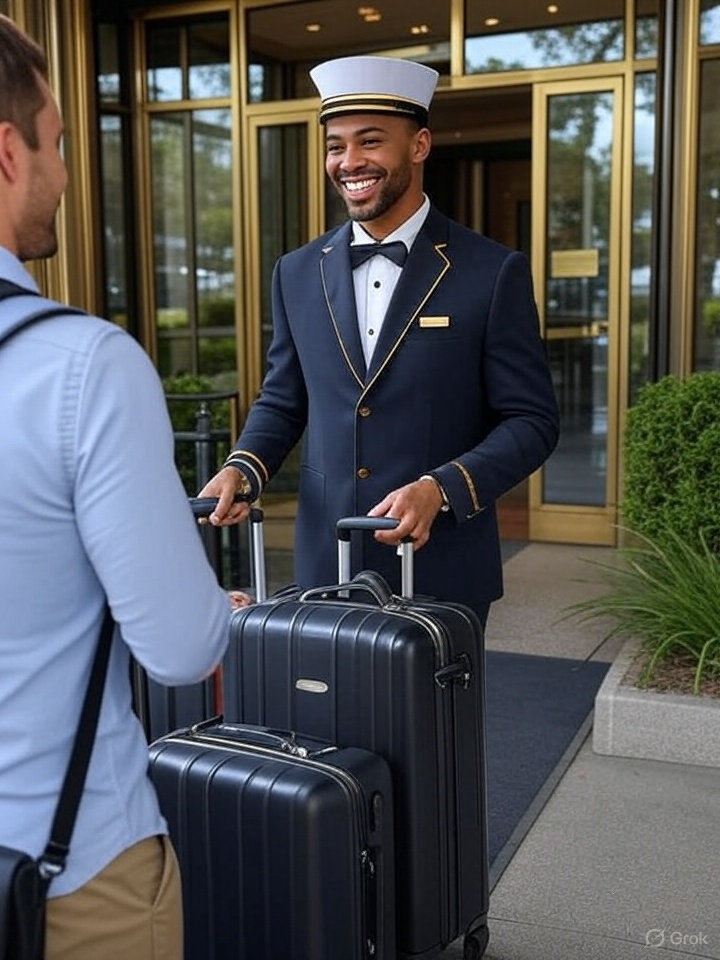
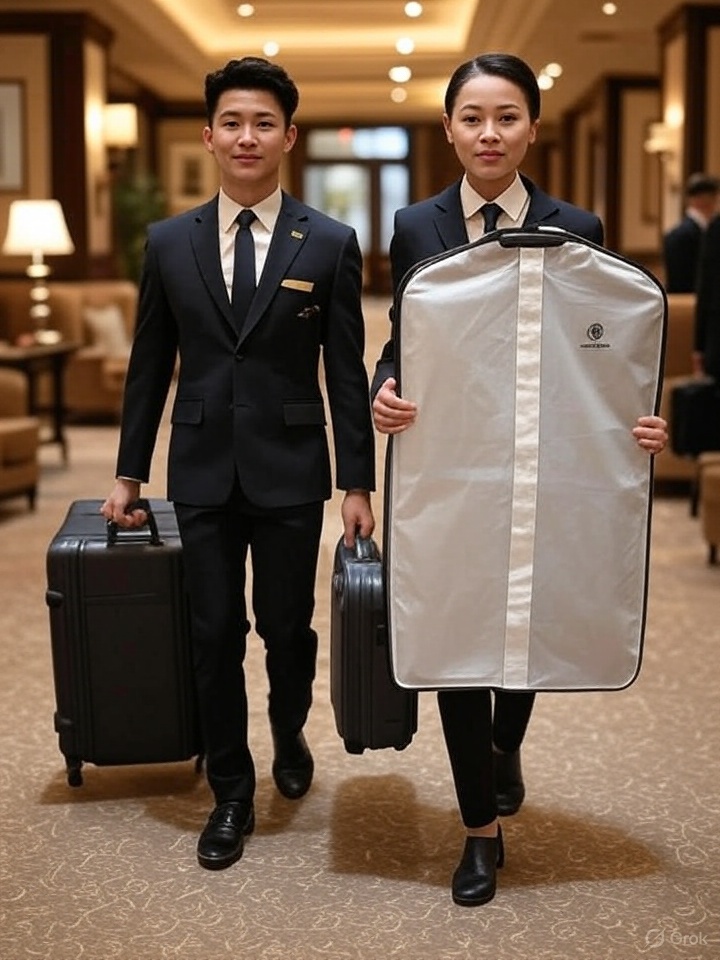
    In the hotel, many people worked together every day. The reception, housekeeping, restaurant, and maintenance teams all had different jobs, but we needed to cooperate to make guests happy. Good teamwork was very important.

    At the reception, staff welcomed guests, gave information, and answered questions. But the reception team could not work alone. When a guest checked in, the room had to be clean. Housekeeping did this job. If housekeeping did not finish on time, the guest had to wait, and this was not good service.

    The restaurant team also had an important role. They prepared meals for the guests. When they worked well, guests enjoyed their food and felt comfortable. Sometimes the restaurant and reception teams had to communicate, for example, when a guest asked for breakfast in the room.

    Maintenance was another important team. They fixed problems, like broken lights or air conditioners. Without them, the hotel did not run smoothly.

    I learned that good teamwork meant respect, clear communication, and helping each other. When everybody worked together, guests were happy, and the hotel was successful. I feel proud that I led such a team.

    ####################


    Verbs, infinitive and past simple forms:

    to be (was/[=slash] were) : to exist or to have a state or condition
    to have (had) : to own, possess, or experience
    to retire (retired) : to stop working after a career
    to look (looked) : to think about or examine
    to remember (remembered) : to have a memory of something
    to work (worked) : to perform tasks or a job
    to cooperate (cooperated) : to work together with others
    to make (made) : to create or cause something
    to welcome (welcomed) : to greet someone in a friendly way
    to give (gave) : to provide something to someone
    to answer (answered) : to reply to a question
    to check in (checked in) : to register upon arrival at a hotel
    to finish (finished) : to complete something
    to wait (waited) : to stay until something happens
    to prepare (prepared) : to make ready
    to enjoy (enjoyed) : to feel pleasure from something
    to feel (felt) : to experience an emotion or sensation
    to communicate (communicated) : to exchange information
    to ask (asked) : to request information
    to fix (fixed) : to repair something
    to run (ran) : to operate or function
    to learn (learned) : to gain knowledge or understanding
    to help (helped) : to assist someone

    ###################


    Fill in the blanks – past simple

    1. I ________ (be) an excellent manager in a five-star hotel.
    2. I ________ (have) many responsibilities every day.
    3. The receptionist ________ (give) information to the guests.
    4. Housekeeping ________ (come) early to clean the rooms.
    5. Some guests ________ (take) breakfast in their rooms.
    6. The restaurant staff ________ (make) breakfast and lunch for the guests.
    7. Sometimes the maintenance team ________ (find) broken lights in the rooms.
    8. I ________ (learn) that teamwork was very important.
    9. The guests ________ (feel) happy when all teams worked together.
    10. I ________ (leave) the hotel after many years of work.
    11. The staff ________ (work) very hard every day.
    12. Housekeeping ________ (finish) the cleaning on time.
    13. I ________ (look) back and remember many moments.
    14. The teams ________ (help) each other during busy days.
    15. Everyone ________ (communicate) to make guests happy.

    ——————————————-

    Full version:


    1. I was an excellent manager in a five-star hotel.
    2. I had many responsibilities every day.
    3. The receptionist gave information to the guests.
    4. Housekeeping came early to clean the rooms.
    5. Some guests took breakfast in their rooms.
    6. The restaurant staff made breakfast and lunch for the guests.
    7. Sometimes the maintenance team found broken lights in the rooms.
    8. I learned that teamwork was very important.
    9. The guests felt happy when all teams worked together.
    10. I left the hotel after many years of work.
    11. The staff worked very hard every day.
    12. Housekeeping finished the cleaning on time.
    13. I looked back and remembered many moments.
    14. The teams helped each other during busy days.
    15. Everyone communicated to make guests happy.

    ####################


    Make the following sentences negative:


    1. I was an excellent manager in a five-star hotel.
    2. I had many responsibilities every day.
    3. The receptionist gave information to the guests.
    4. Housekeeping came early to clean the rooms.
    5. Some guests took breakfast in their rooms.
    6. The restaurant staff made breakfast and lunch for the guests.
    7. Sometimes the maintenance team found broken lights in the rooms.
    8. I learned that teamwork was very important.
    9. The guests felt happy when all teams worked together.
    10. I left the hotel after many years of work.
    11. The staff worked very hard every day.
    12. Housekeeping finished the cleaning on time.
    13. I looked back and remembered many moments.
    14. The teams helped each other during busy days.
    15. Everyone communicated to make guests happy.

    ______________________________

    Correct version:


    1. I was not an excellent manager in a five-star hotel.
    2. I did not have many responsibilities every day.
    3. The receptionist did not give information to the guests.
    4. Housekeeping did not come early to clean the rooms.
    5. Some guests did not take breakfast in their rooms.
    6. The restaurant staff did not make breakfast and lunch for the guests.
    7. Sometimes the maintenance team did not find broken lights in the rooms.
    8. I did not learn that teamwork was very important.
    9. The guests did not feel happy when all teams worked together.
    10. I did not leave the hotel after many years of work.
    11. The staff did not work very hard every day.
    12. Housekeeping did not finish the cleaning on time.
    13. I did not look back and remember many moments.
    14. The teams did not help each other during busy days.
    15. Everyone did not communicate to make guests happy.

    ###################

    Turn the following statements into questions:


    1. I was an excellent manager in a five-star hotel.
    2. I had many responsibilities every day.
    3. The receptionist gave information to the guests.
    4. Housekeeping came early to clean the rooms.
    5. Some guests took breakfast in their rooms.
    6. The restaurant staff made breakfast and lunch for the guests.
    7. Sometimes the maintenance team found broken lights in the rooms.
    8. I learned that teamwork was very important.
    9. The guests felt happy when all teams worked together.
    10. I left the hotel after many years of work.
    11. The staff worked very hard every day.
    12. Housekeeping finished the cleaning on time.
    13. I looked back and remembered many moments.
    14. The teams helped each other during busy days.
    15. Everyone communicated to make guests happy.

    _____________________________

    Correct version:


    1. Was I an excellent manager in a five-star hotel?
    2. Did I have many responsibilities every day?
    3. Did the receptionist give information to the guests?
    4. Did housekeeping come early to clean the rooms?
    5. Did some guests take breakfast in their rooms?
    6. Did the restaurant staff make breakfast and lunch for the guests?
    7. Did the maintenance team find broken lights in the rooms?
    8. Did I learn that teamwork was very important?
    9. Did the guests feel happy when all teams worked together?
    10. Did I leave the hotel after many years of work?
    11. Did the staff work very hard every day?
    12. Did housekeeping finish the cleaning on time?
    13. Did I look back and remember many moments?
    14. Did the teams help each other during busy days?
    15. Did everyone communicate to make guests happy?

    ######################

    Yes, she/they did! or No, she/they didn’t.


    1. Did the maintenance team paint the walls?
      – No, they didn’t, the maintenance team fixed broken lights.
    2. Did the receptionist welcome the guests?
      – Yes, they did.
    3. Did Sochea work in a school?

      _________________________
    4. Did housekeeping clean the rooms on time?

      _________________________
    5. Did the restaurant staff serve breakfast in the rooms?

      _________________________
    6. Did the restaurant staff clean the windows?

      _________________________
    7. Did Sochea retire in May 2025?

      _________________________
    8. Did the guests feel happy when all teams worked together?

      _________________________
    9. Did Sochea forget about teamwork?

      _________________________
    10. Did the teams help each other during busy days?

      _________________________
    11. Did the staff work very hard every day?

      _________________________
    12. Did housekeeping ignore the rooms?

      _________________________
    13. Did the maintenance team fix broken lights?

      _________________________
    14. Did Sochea learn that teamwork was very important?

      _________________________
    15. Did Sochea work in a five-star hotel?

      _________________________
    16. Did the restaurant staff prepare breakfast?

      _________________________
    17. Did the receptionist cook the meals?

      _________________________
    18. Did the maintenance team paint the walls?

      _________________________

    —————————————————

    Correct version:


    1. Did the maintenance team paint the walls? – No, they didn’t, the maintenance team fixed broken lights.
    2. Did the receptionist welcome the guests? – Yes, they did.
    3. Did Sochea work in a school? – No, she didn’t, she worked in a five-star hotel.
    4. Did housekeeping clean the rooms on time? – Yes, they did.
    5. Did the restaurant staff serve breakfast in the rooms? – Yes, they did.
    6. Did the restaurant staff clean the windows? – No, they didn’t, the restaurant staff prepared breakfast and lunch.
    7. Did Sochea retire in May 2025? – Yes, she did.
    8. Did the guests feel happy when all teams worked together? – Yes, they did.
    9. Did Sochea forget about teamwork? – No, she didn’t, she learned that teamwork was very important.
    10. Did the teams help each other during busy days? – Yes, they did.
    11. Did the staff work very hard every day? – Yes, they did.
    12. Did housekeeping ignore the rooms? – No, they didn’t, housekeeping cleaned the rooms on time.
    13. Did the maintenance team fix broken lights? – Yes, they did.
    14. Did Sochea learn that teamwork was very important? – Yes, she did.
    15. Did Sochea work in a five-star hotel? – Yes, she did.
    16. Did the restaurant staff prepare breakfast? – Yes, they did.
    17. Did the receptionist cook the meals? – No, they didn’t, the receptionist gave information and answered questions.
    18. Did the maintenance team paint the walls? – No, they didn’t, the maintenance team fixed broken lights.

    #####################


    Interview with Sochea – fill in

    welcomed – broken lights – retired – worked – a lot –
    teamwork – was – helped – star – prepared – did – very

    ___________________________

    1. Interviewer: Where did you work?
    Sochea: I worked in a five-__________ hotel in Cambodia.

    2. Interviewer: When did you retire?
    Sochea: I __________ in May 2025.

    3. Interviewer: What job did you do in the hotel?
    Sochea: I __________ the manager of the hotel.

    4. Interviewer: Did you work every day?
    Sochea: Yes, I worked __________ every day.

    5. Interviewer: Who worked at the reception?
    Sochea: The reception staff __________ the guests and answered questions.

    6. Interviewer: Did housekeeping clean the rooms on time?
    Sochea: Yes, they __________.

    7. Interviewer: What did the restaurant staff do?
    Sochea: They __________ breakfast, lunch, and dinner.

    8. Interviewer: Did the maintenance team fix problems?
    Sochea: Yes, they fixed __________ and air conditioners.

    9. Interviewer: Was teamwork important in the hotel?
    Sochea: Yes, teamwork was __________ important.

    10. Interviewer: Did the teams help each other?
    Sochea: Yes, they __________each other every day.

    11. Interviewer: Did guests enjoy their stay?
    Sochea: Yes, they felt happy when all teams __________ together.

    12. Interviewer: What did you learn from your career?
    Sochea: I learned that good __________ and communication are very important.
    ————————————–


    Correct version:


    1. Interviewer: Where did you work?
    Sochea: I worked in a five-star hotel in Cambodia.

    2. Interviewer: When did you retire?
    Sochea: I retired in May 2025.

    3. Interviewer: What job did you do in the hotel?
    Sochea: I was the manager of the hotel.

    4. Interviewer: Did you work every day?
    Sochea: Yes, I worked every day.

    5. Interviewer: Who worked at the reception?
    Sochea: The reception staff welcomed the guests and answered questions.

    6. Interviewer: Did housekeeping clean the rooms on time?
    Sochea: Yes, they did.

    7. Interviewer: What did the restaurant staff do?
    Sochea: They prepared breakfast, lunch, and dinner.

    8. Interviewer: Did the maintenance team fix problems?
    Sochea: Yes, they fixed broken lights and air conditioners.

    9. Interviewer: Was teamwork important in the hotel?
    Sochea: Yes, teamwork was very important.

    10. Interviewer: Did the teams help each other?
    Sochea: Yes, they helped each other every day.

    11. Interviewer: Did guests enjoy their stay?
    Sochea: Yes, they felt happy when all teams worked together.

    12. Interviewer: What did you learn from your career?
    Sochea: I learned that good teamwork and communication are very important.


  • Teamwork in a hotel (A2, present simple)

    -how working together makes guests happy and the hotel successful


    In a hotel, many people work together every day. The reception, housekeeping, restaurant, and maintenance teams all have different jobs, but they must cooperate to make guests happy. Good teamwork is very important.

    At the reception, staff welcome the guests, give information, and answer questions. But the receptionist cannot work alone. When a guest checks in, the room must already be clean. That is the job of housekeeping. If the housekeeping team does not finish on time, the guest will have to wait, and this is not good service.

    The restaurant team also plays a big part. They prepare breakfast, lunch, and dinner. If they work well, guests enjoy the food and feel comfortable. Sometimes the restaurant and reception must communicate, for example, when a guest asks for breakfast in the room.

    Maintenance is another important team. They fix problems, like a broken light or an air conditioner that does not work. Without them, the hotel cannot run smoothly.

    Good teamwork means respect, clear communication, and helping each other. When everybody works together, guests are happy, and the hotel is successful.


    ______________________

    Vocabulary:


    • to be successful (was/(=slash) were successful): to do a good job, to have good results
    • reception (hotel): the front desk where guests check in and ask questions
    • housekeeping: the hotel team that cleans rooms
    • maintenance (hotel): the team that repairs things in the hotel
    • to cooperate (cooperated): to work together with other people
    • staff: all the people who work in a hotel
    • to welcome guests (welcomed): to say hello and be friendly when guests arrive
    • to finish on time (finished): to complete a job before the deadline
    • to play a big part (played): to be very important in something
    • to prepare breakfast (prepared): to make the food in the morning
    • to enjoy food (enjoyed): to like the taste of the food
    • to feel comfortable (felt): to be relaxed and happy
    • to communicate (communicated): to talk and give information to each other
    • to fix problems (fixed): to repair something that is broken
    • a broken light: a lamp that does not work
    • to run smoothly (ran): to work well, without problems
    • to mean (meant): to show or explain the idea of something
    • respect: to be polite and show that you value other people
    • clear communication: easy and simple information that everyone can understand

    ###############

    Multiple-choice test, one answer correct:

    Soundfile 1-17 only:


    1. To be successful means…
    A) to start a new job
    B) to try but not finish
    C) to do something well and get good results

    2. Reception in a hotel is…
    A) the front desk where guests check in
    B) the swimming pool
    C) the place where the food is cooked

    3. Housekeeping is…
    A) the people who drive the buses
    B) the people who clean the rooms
    C) the people who work in the bank

    4. Maintenance in a hotel is…
    A) the team that serves drinks
    B) the team that cooks breakfast
    C) the team that repairs things

    5. To cooperate means…
    A) to work together with other people
    B) to shout at other people
    C) to leave the team

    6. Staff means…
    A) the guests who stay in the hotel
    B) the furniture in the hotel
    C) all the people who work in the hotel

    7. To welcome guests means…
    A) to say hello and be friendly
    B) to ask the guest to leave
    C) to clean the guest’s clothes

    8. To finish on time means…
    A) to leave the work for tomorrow
    B) to complete the work before the deadline
    C) to never do the work

    9. To play a big part means…
    A) to be very important in something
    B) to play music in a band
    C) to watch a football game

    10. To prepare breakfast means…
    A) to eat breakfast in a café
    B) to buy fruit in the market
    C) to make the morning meal

    11. To enjoy food means…
    A) to like the food
    B) to not eat the food
    C) to throw the food away

    12. To feel comfortable means…
    A) to be relaxed and happy
    B) to be very tired and angry
    C) to feel hungry

    13. To communicate means…
    A) to sleep in a hotel room
    B) to walk in the city
    C) to talk and share information

    14. To fix problems means…
    A) to repair something that is broken
    B) to make more problems
    C) to ask someone else to do it

    15. A broken light is…
    A) a very bright light
    B) a lamp that does not work
    C) a new light in the shop

    16. To run smoothly means…
    A) to run very fast
    B) to close the hotel
    C) to work well, without problems

    17. To mean is…
    A) to sing a song
    B) to explain an idea or word
    C) to clean the floor

    18. Respect means…
    A) to be polite and value other people
    B) to laugh at other people
    C) to forget about other people

    19. Clear communication is…
    A) talking very fast so nobody understands
    B) not giving any information
    C) easy and simple information that everyone understands


    Answer Key (one line):
    1C, 2A, 3B, 4C, 5A, 6C, 7A, 8B,
    9A, 10C, 11A, 12A, 13C, 14A,
    15B, 16C, 17B, 18A, 19C


    #################

    Correct statements:


    1. To be successful means to do something well and get good results.
    2. Reception in a hotel is the front desk where guests check in.
    3. Housekeeping is the team of people who clean the rooms in a hotel.
    4. Maintenance in a hotel is the team that repairs things that are broken.
    5. To cooperate means to work together with other people.
    6. Staff means all the people who work in the hotel.
    7. To welcome guests means to say hello and be friendly when they arrive.
    8. To finish on time means to complete the work before the deadline.
    9. To play a big part means to be very important in something.
    10. To prepare breakfast means to make the food in the morning for guests.
    11. To enjoy food means to like the taste of the food.
    12. To feel comfortable means to be relaxed and happy.
    13. To communicate means to talk and share information with other people.
    14. To fix problems means to repair something that is broken.
    15. A broken light is a lamp that does not work.
    16. To run smoothly means that everything works well without problems.
    17. To mean is to show or explain the idea of something.
    18. Respect means to be polite and value other people.
    19. Clear communication is easy and simple information that everyone can understand.

    ###############

    Match each word or phrase with the correct definition


    Words/Phrases

    1. to be successful
    2. reception (hotel)
    3. housekeeping
    4. maintenance (hotel)
    5. to cooperate
    6. staff
    7. to welcome guests
    8. to finish on time
    9. to play a big part
    10. to prepare breakfast
    11. to enjoy food
    12. to feel comfortable
    13. to communicate
    14. to fix problems
    15. a broken light
    16. to run smoothly
    17. to mean
    18. respect
    19. clear communication

    Definitions

    A. to like the taste of the food
    B. the front desk where guests check in
    C. easy and simple information that everyone can understand
    D. to repair something that is broken
    E. the people who clean the rooms in a hotel
    F. a lamp that does not work
    G. to do something well, to have good results
    H. to show or explain the idea of something
    I. to make the morning meal for guests
    J. to be very important in something
    K. to be relaxed and happy
    L. all the people who work in the hotel
    M. to work together with other people
    N. to say hello and be friendly when guests arrive
    O. to complete a job before the deadline
    P. to talk and share information with other people
    Q. to be polite and value other people
    R. the team that repairs things in the hotel
    S. everything works well without problems


    ______________________

    Answers:

    1G, 2B, 3E, 4R, 5M, 6L, 7N, 8O,
    9J, 10I, 11A, 12K, 13P, 14D,
    15F, 16S, 17H, 18Q, 19C
    ______________________

    Complete version:


    1. To be successful means to do something well and have good results.
    2. Reception in a hotel is the front desk where guests check in.
    3. Housekeeping is the team of people who clean the rooms in a hotel.
    4. Maintenance in a hotel is the team that repairs things that are broken.
    5. To cooperate means to work together with other people.
    6. Staff means all the people who work in the hotel.
    7. To welcome guests means to say hello and be friendly when they arrive.
    8. To finish on time means to complete a job before the deadline.
    9. To play a big part means to be very important in something.
    10. To prepare breakfast means to make the food in the morning for guests.
    11. To enjoy food means to like the taste of the food.
    12. To feel comfortable means to be relaxed and happy.
    13. To communicate means to talk and share information with other people.
    14. To fix problems means to repair something that is broken.
    15. A broken light is a lamp that does not work.
    16. To run smoothly means that everything works well without problems.
    17. To mean is to show or explain the idea of something.
    18. Respect means to be polite and value other people.
    19. Clear communication means easy and simple information that everyone can understand.

    ################

    Gap-fill exercise:


    1. The _______ is the front desk where guests check in.
      A) reception
      B) housekeeping
      C) maintenance
    2. Housekeeping cleans the rooms to make guests feel _______.
      A) comfortable
      B) polite
      C) broken
    3. To _______ means to work together with other people.
      A) fix
      B) enjoy
      C) cooperate
    4. Staff are all the people who _______ in the hotel.
      A) sleep
      B) work
      C) eat
    5. To welcome guests means to _______ them when they arrive.
      A) greet
      B) ignore
      C) fix
    6. To be successful means to do something well and get good _______.
      A) lights
      B) results
      C) breakfast
    7. To finish on time means to complete a job before the _______.
      A) day
      B) pool
      C) deadline
    8. To prepare breakfast means to _______ the food in the morning.
      A) cook
      B) clean
      C) give away
    9. To play a big part means to be very _______ in something.
      A) small
      B) important
      C) broken
    10. To enjoy food means to _______ the taste of the meal.
      A) like
      B) repair
      C) greet
    11. A broken light is a lamp that does not _______.
      A) talk
      B) work
      C) shine
    12. To run smoothly means that everything _______ well without problems.
      A) goes
      B) breaks
      C) sleeps
    13. To communicate means to talk and _______ information.
      A) cook
      B) hide
      C) share
    14. Respect means to be polite and _______ other people.
      A) ignore
      B) value
      C) clean
    15. Clear communication means giving easy and _______ information.
      A) simple
      B) broken
      C) fast
    16. Maintenance in a hotel is the team that _______ things.
      A) cleans
      B) repairs
      C) serves
    17. Staff in the restaurant _______ breakfast, lunch, and dinner.
      A) fix
      B) prepare
      C) greet
    18. Guests feel comfortable when the hotel staff are _______ and friendly.
      A) polite
      B) noisy
      C) broken
    19. Cooperation between teams helps the hotel _______ smoothly.
      A) run
      B) break
      C) ignore
    20. A receptionist needs to _______ guests politely at the desk.
      A) repair
      B) ignore
      C) welcome
    21. Playing a big part in a project means you are very _______ to its success.
      A) important
      B) broken
      C) small

    Answer Key (fully randomized, 7 A, 7 B, 7 C, no repeated sequences):
    1A, 2A, 3C, 4B, 5A, 6B, 7C, 8A, 9B, 10A, 11B, 12A, 13C, 14B, 15A, 16B, 17A, 18A, 19A, 20C, 21A


    ____________________________

    Full version:


    1. The reception is the front desk where guests check in.
    2. Housekeeping cleans the rooms to make guests feel comfortable.
    3. To cooperate means to work together with other people.
    4. Staff are all the people who work in the hotel.
    5. To welcome guests means to greet them when they arrive.
    6. To be successful means to do something well and get good results.
    7. To finish on time means to complete a job before the day ends.
    8. To prepare breakfast means to cook the food in the morning.
    9. To play a big part means to be very important in something.
    10. To enjoy food means to like the taste of the meal.
    11. A broken light is a lamp that does not work.
    12. To run smoothly means that everything goes well without problems.
    13. To communicate means to talk and share information.
    14. Respect means to be polite and value other people.
    15. Clear communication means giving easy and simple information.
    16. Maintenance in a hotel is the team that repairs things.
    17. Staff in the restaurant prepare breakfast, lunch, and dinner.
    18. Guests feel comfortable when the hotel staff are polite and friendly.
    19. Cooperation between teams helps the hotel run smoothly.
    20. A receptionist needs to welcome guests politely at the desk.
    21. Playing a big part in a project means you are very important to its success.

    ###################

    True or false :


    1. Housekeeping helps guests feel comfortable in their rooms.
    2. Reception staff do not need to greet guests.
    3. Communication between staff is important for the hotel to run smoothly.
    4. Maintenance staff cook breakfast for the guests.
    5. Being successful in a hotel job means doing your work well.
    6. Preparing breakfast is part of the restaurant staff’s responsibilities.
    7. Cooperation between teams has no effect on the hotel’s performance.
    8. Staff are all the people who work in the hotel.
    9. Clear communication helps staff understand each other easily.
    10. Respect means ignoring the opinions of other people.
    11. Playing a big part in a project means you are very important to it.
    12. Guests feel comfortable when staff are polite and friendly.
    13. Housekeeping is responsible for fixing broken lights.
    14. A receptionist needs to welcome guests politely.
    15. To enjoy food means to clean the dishes after a meal.
      ___________________________

    True: 1, 3, 5, 6, 8, 9, 11, 12, 14
    #####################
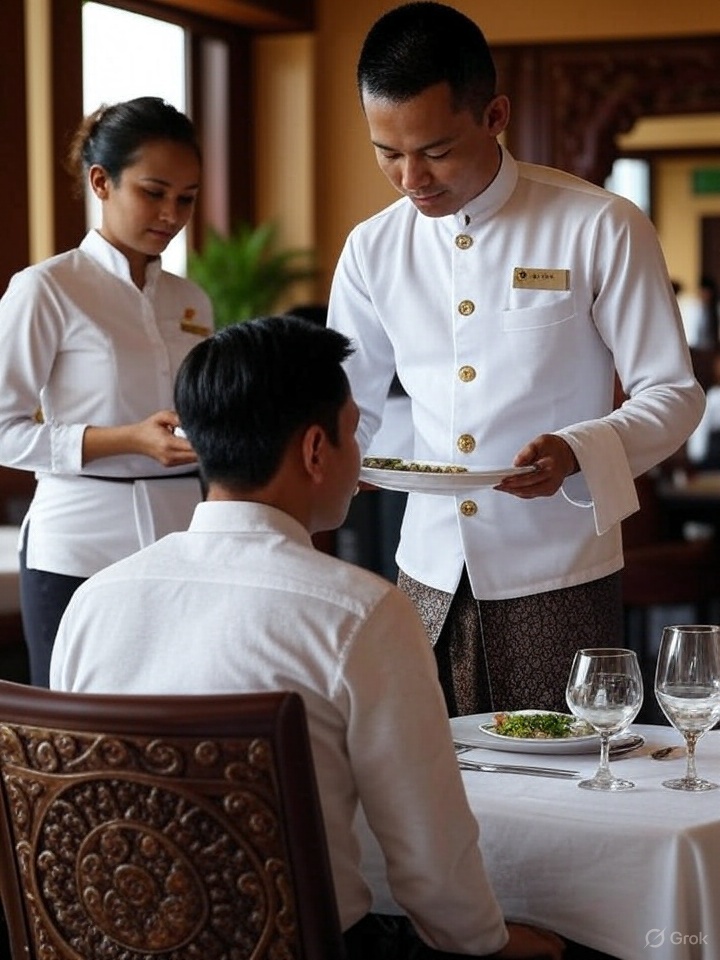
    Interview with staff in a hotel – fill in:

    staff – on time – receptionist – polite – cleans –
    maintenance – finish – reception –
    work – run – share information
    ____________________________


    Interviewer: Who works in the hotel?
    Staff: All the people who __________ here are staff.

    Interviewer: Who welcomes guests?
    Staff: The __________ welcomes guests.

    Interviewer: Who cleans the rooms?
    Staff: Housekeeping __________ the rooms.

    Interviewer: Who prepares breakfast?
    Staff: The restaurant __________ prepares breakfast.

    Interviewer: Who fixes problems?
    Staff: The __________ team fixes problems.

    Interviewer: How do staff cooperate?
    Staff: Staff cooperate and communicate to help the hotel __________ smoothly.

    Interviewer: Why is communication important?
    Staff: Communication helps staff work together and __________ on time.

    Interviewer: How do staff make guests feel comfortable?
    Staff: Staff are __________ and friendly, and they help guests.

    Interviewer: Where do guests check in?
    Staff: Guests check in at the __________.

    Interviewer: When do staff finish their work?
    Staff: Staff finish their work __________.

    Interviewer: What is clear communication?
    Staff: Clear communication means staff __________ simply.

    Interviewer: Who plays a big part in the hotel?
    Staff: All the staff play a big part in the hotel.


    ______________________

    Full version:


    Interview with Hotel Staff

    Interviewer: Who works in the hotel?
    Staff: All the people who work here are staff.

    Interviewer: Who welcomes guests?
    Staff: The receptionist welcomes guests.

    Interviewer: Who cleans the rooms?
    Staff: Housekeeping cleans the rooms.

    Interviewer: Who prepares breakfast?
    Staff: The restaurant staff prepares breakfast.

    Interviewer: Who fixes problems?
    Staff: The maintenance team fixes problems.

    Interviewer: How do staff cooperate?
    Staff: Staff cooperate and communicate to help the hotel run smoothly.

    Interviewer: Why is communication important?
    Staff: Communication helps staff work together and finish on time.

    Interviewer: How do staff make guests feel comfortable?
    Staff: Staff are polite and friendly, and they help guests.

    Interviewer: Where do guests check in?
    Staff: Guests check in at the reception.

    Interviewer: When do staff finish their work?
    Staff: Staff finish their work on time.

    Interviewer: What is clear communication?
    Staff: Clear communication means staff share information simply.

    Interviewer: Who plays a big part in the hotel?
    Staff: All the staff play a big part in the hotel.


    ###############

  • Visit the National Museum in Siem Reap (A2, some A2+, present simple)

    -see old statues, art, and learn about Cambodia’s history

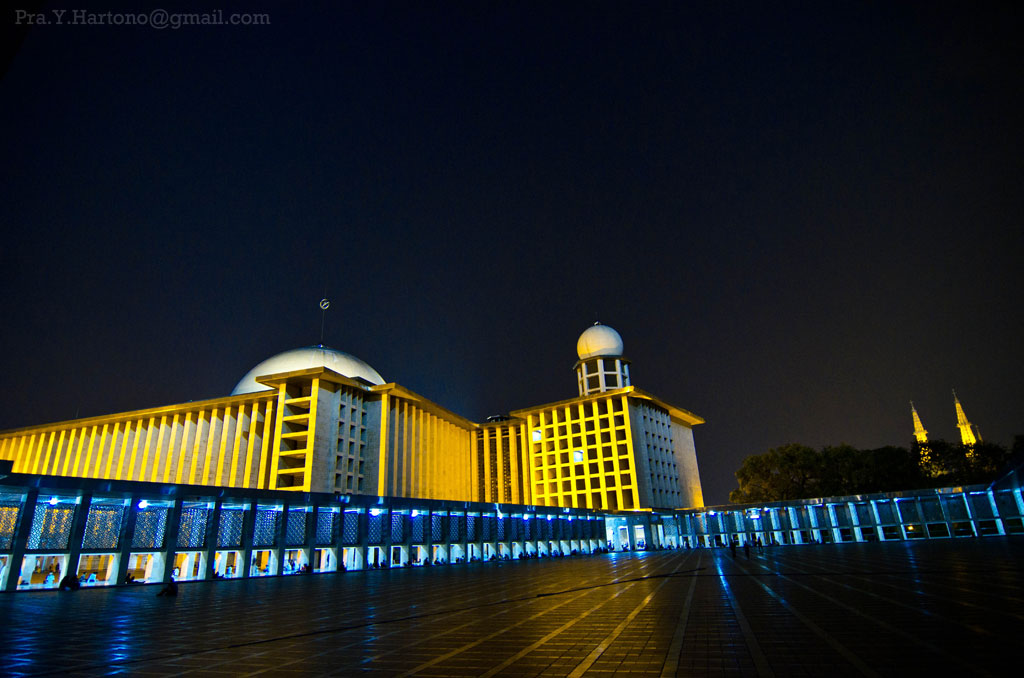
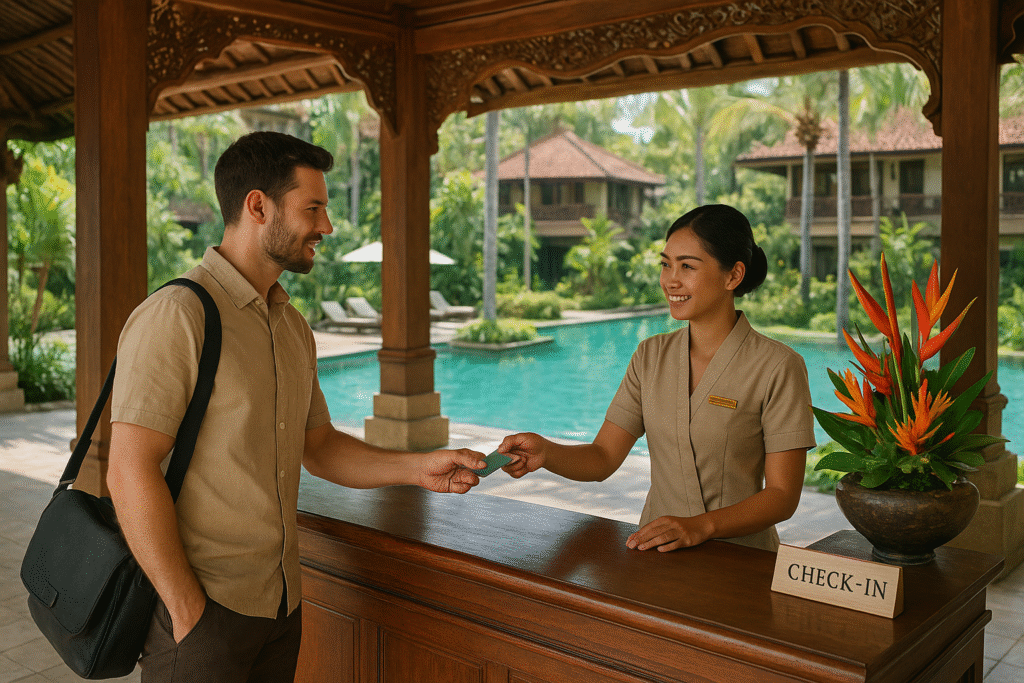
    You work at the front desk of a five star hotel in Siem Reap. A guest approaches you and asks for information on the National Museum in Siem Reap; his question: is it wort going there?

    Voice 1:

    Voice 2:

    Voice 3:


    The National Museum in Siem Reap is a very interesting place to visit. It is not very big, so you can see everything in one or two hours. The museum has many beautiful sculptures, statues, and objects from Cambodia’s past. Most of them are from the Angkor period, which is very famous.

    When you visit the museum, you can learn a lot about Khmer history and culture. You can see how people lived a long time ago and how they built the temples. There are also information signs and guides, so it is easy to understand the exhibits. The museum is clean and quiet, and it is not very crowded, so it is easy to walk around and enjoy everything.

    Visiting the National Museum is a good choice if you want to understand more about Cambodia before going to the temples. You can see art, statues, and old objects that show the life of Cambodian people in the past. It is also a nice place to take photos and remember your visit.

    In my opinion, if you like history, art, and culture, the National Museum in Siem Reap is definitely worth visiting. It helps you know more about Cambodia and makes your trip more interesting.


    _______________

    Vocabulary:

    • front desk – the place in a hotel where guests ask questions and get help
    • to approach – to go near someone or something
    • to be worth – to be good enough to spend time or money on
    • a sculpture – a piece of art made from stone, metal, or wood
    • a statue – a sculpture of a person or animal
    • an object – a thing you can see or touch
    • cambodia’s past – the history of Cambodia
    • a period (of time) – a length of time
    • to be famous – to be well known by many people
    • culture – the way people live, their traditions, and art
    • an information sign – a sign that gives facts or details
    • a guide – a person who explains things to visitors
    • an exhibit – something shown in a museum
    • to be clean – to be free of dirt
    • to be quiet – to have little or no noise
    • to be crowded – to have many people in one place
    • to enjoy – to feel happy or pleased with something
    • art – things people make to show beauty or feelings, like paintings or sculptures
    • the past – time that has already happened
    • to remember – to keep information or experiences in your mind
    • in my opinion – what you think or feel about something
    • definitely – certainly; without any doubt

    #################

    Multiple-choice, one answer correct:

    Listen: 1-21


    1. Where do guests go in a hotel to ask questions and get help?
    a) front desk
    b) a guide
    c) an exhibit

    2. What does it mean to go near someone or something?
    a) to be famous
    b) to enjoy
    c) to approach

    3. Which word means to be good enough to spend time or money on?
    a) to remember
    b) to be worth
    c) an object

    4. A piece of art made from stone, metal, or wood is called:
    a) a guide
    b) a sculpture
    c) art

    5. A sculpture of a person or an animal is called:
    a) a statue
    b) an exhibit
    c) a period

    6. A thing you can see or touch is called:
    a) culture
    b) an object
    c) an information sign

    7. The history of Cambodia is called:
    a) Cambodia’s past
    b) the past
    c) a period

    8. A length of time is called:
    a) in my opinion
    b) culture
    c) a period

    9. To be well known by many people means:
    a) to enjoy
    b) to be famous
    c) definitely

    10. The way people live, their traditions, and art is called:
    a) art
    b) culture
    c) a guide

    11. A sign that gives facts or details is called:
    a) an exhibit
    b) a statue
    c) an information sign

    12. A person who explains things to visitors is called:
    a) a guide
    b) to be worth
    c) an object

    13. Something shown in a museum is called:
    a) an exhibit
    b) to remember
    c) art

    14. To be free of dirt means:
    a) to enjoy
    b) to be clean
    c) to be crowded

    15. To have little or no noise means:
    a) to be quiet
    b) to be famous
    c) definitely

    16. To have many people in one place means:
    a) a period
    b) in my opinion
    c) to be crowded

    17. To feel happy or pleased with something is:
    a) to enjoy
    b) to approach
    c) to remember

    18. Things people make to show beauty or feelings are called:
    a) art
    b) culture
    c) an object

    19. Time that has already happened is called:
    a) a period
    b) Cambodia’s past
    c) the past

    20. To keep information or experiences in your mind is:
    a) to be worth
    b) in my opinion
    c) to be worth

    21. The phrase “what you think or feel about something” is:
    a) in my opinion
    b) to enjoy
    c) definitely

    22. Certainly; without any doubt means:
    a) to be famous
    b) a guide
    c) definitely
    ____________________


    Answers:
    1a, 2c, 3b, 4b, 5a, 6b, 7a, 8c,
    9b, 10b, 11c, 12a, 13a, 14b, 15a,
    16c, 17a, 18a, 19c, 20c, 21a, 22c
    ##############

    (Phnom-Penh)

    Gap-fill multiple-choice test, one answer correct:


    1. In a hotel, guests ask questions at the ________.
    a) front desk
    b) a guide
    c) an exhibit

    2. When you go near someone, you ________.
    a) to enjoy
    b) to remember
    c) to approach

    3. Something is ________ if it is good enough to spend time or money on.
    a) to be famous
    b) to be worth
    c) definitely

    4. A ________ is made from stone, metal, or wood.
    a) a guide
    b) a sculpture
    c) art

    5. A ________ is a sculpture of a person or an animal.
    a) a statue
    b) an exhibit
    c) an object

    6. A thing you can see or touch is called an ________.
    a) an object
    b) a period
    c) a sculpture

    7. The history of Cambodia is called ________.
    a) Cambodia’s past
    b) the past
    c) art

    8. A length of time is called a ________.
    a) to remember
    b) culture
    c) a period

    9. To be well known by many people means to ________.
    a) to enjoy
    b) to be famous
    c) to be clean

    10. The way people live, their traditions, and art is called ________.
    a) art
    b) culture
    c) a guide

    11. A sign that gives facts or details is an ________.
    a) an exhibit
    b) a statue
    c) an information sign

    12. A person who explains things to visitors is called a ________.
    a) a guide
    b) a sculpture
    c) an object

    13. Something shown in a museum is called an ________.
    a) an exhibit
    b) to remember
    c) a period

    14. To be free of dirt means to ________.
    a) to enjoy
    b) to be clean
    c) to be quiet

    15. To have little or no noise means to ________.
    a) to be quiet
    b) to be famous
    c) to remember

    16. To have many people in one place means to ________.
    a) to be crowded
    b) in my opinion
    c) definitely

    17. To feel happy or pleased with something is to ________.
    a) to enjoy
    b) to approach
    c) a guide

    18. Things people make to show beauty or feelings are called ________.
    a) art
    b) culture
    c) an object

    19. Time that has already happened is called ________.
    a) the past
    b) Cambodia’s past
    c) a period

    20. To keep information or experiences in your mind is to ________.
    a) to remember
    b) in my opinion
    c) a sculpture

    21. The phrase “what you think or feel about something” is ________.
    a) in my opinion
    b) to enjoy
    c) a guide

    22. Certainly; without any doubt means ________.
    a) to be famous
    b) a guide
    c) definitely


    ___________________

    Answers:
    1a, 2c, 3b, 4b, 5a, 6a, 7a, 8c,
    9b, 10b, 11c, 12a, 13a, 14b, 15a,
    16c, 17a, 18a, 19b, 20a, 21a, 22c
    #################

    Match the words to the correct definitions, part 1:

    Words:

    1. front desk
    2. to approach
    3. to be worth
    4. a sculpture
    5. a statue
    6. an object
    7. Cambodia’s past
    8. a period (of time)
    9. to be famous
    10. culture
    11. an information sign

    Definitions:

    a) The way people live, their traditions, and art
    b) A thing you can see or touch
    c) The history of Cambodia
    d) To be well known by many people
    e) A piece of art made from stone, metal, or wood
    f) The place in a hotel where guests ask questions and get help
    g) A sign that gives facts or details
    h) A sculpture of a person or an animal
    i) To go near someone or something
    j) A length of time
    k) To be good enough to spend time or money on


    Answers:
    1f, 2i, 3k, 4e, 5h, 6b, 7c, 8j, 9d, 10a, 11g
    #################


    Match the words to the correct definitions, part 2:

    Words:
    12. a guide
    13. an exhibit
    14. to be clean
    15. to be quiet
    16. to be crowded
    17. to enjoy
    18. art
    19. the past
    20. to remember
    21. in my opinion
    22. definitely

    Definitions:
    a) To feel happy or pleased with something
    b) Things people make to show beauty or feelings, like paintings or sculptures
    c) Time that has already happened
    d) Certainly; without any doubt
    e) A person who explains things to visitors
    f) To keep information or experiences in your mind
    g) Something shown in a museum
    h) To have little or no noise
    i) To have many people in one place
    j) What you think or feel about something
    k) To be free of dirt


    Answers: 12e, 13g, 14k, 15h, 16i, 17a, 18b, 19c, 20f, 21j, 22d
    ##################


    True or false:

    1. The National Museum in Siem Reap is very big and takes many hours to visit.
    2. Most of the objects in the museum are from the Angkor period.
    3. The museum is often very crowded and noisy.
    4. Visitors can learn about Cambodian history and culture there.
    5. It is difficult to walk around the museum because it is very large.
    6. There are guides and information signs to help understand the exhibits.
    7. The museum is not clean and is badly maintained.
    8. Visiting the museum can help you understand more about Cambodia before going to the temples.
    9. Many tourists like the museum because it is quiet and easy to visit.
    10. The museum does not have any sculptures or statues.
    11. You can explore the museum in one or two hours.
    12. The museum is only for people who like modern art.
    13. Visitors can take photos in the museum.
    14. The museum shows how people lived in the past.
    15. The museum is located outside of Siem Reap city.
    16. The National Museum is not interesting for people who like history and culture.

    True: 2, 4, 6, 8, 9, 11, 13, 14
    ###############

    Gap-fill exercise:


    1. The National Museum is in ________.
    a) Phnom Penh
    b) Siem Reap
    c) Battambang

    2. Most objects in the museum are from the ________ period.
    a) Modern
    b) Angkor
    c) French

    3. Visitors can learn about Cambodian ________.
    a) culture
    b) sports
    c) food

    4. The museum is ________.
    a) very big
    b) not very big
    c) huge

    5. There are ________ to help visitors.
    a) objects
    b) statues
    c) guides

    6. There are also ________ signs with information.
    a) guides
    b) information
    c) sculpture

    7. Visitors can see many beautiful ________.
    a) sculptures
    b) paintings
    c) periods

    8. The museum has many ________.
    a) statues
    b) objects
    c) exhibits

    9. The museum shows how people lived in the ________.
    a) future
    b) past
    c) present

    10. The museum is usually ________ and quiet.
    a) crowded
    b) clean
    c) noisy

    11. You can explore the museum in ________.
    a) 1–2 hours
    b) 5 hours
    c) all day

    12. The museum helps visitors understand Cambodia before visiting the ________.
    a) schools
    b) markets
    c) temples

    13. Visitors can take ________ in the museum.
    a) photos
    b) tours
    c) food

    14. The museum is not for people who like only ________ art.
    a) modern
    b) ancient
    c) Cambodian

    15. Many tourists enjoy the museum because it is easy to ________.
    a) visit
    b) see the sculpture
    c) read the signs

    16. The museum is interesting for people who like ________.
    a) history
    b) sports
    c) food

    17. The museum has ________ objects from Cambodian history.
    a) many
    b) few
    c) some

    18. Visitors can learn about Cambodian ________ and traditions.
    a) paintings
    b) markets
    c) culture

    19. The museum is sometimes ________ in the morning.
    a) crowded
    b) quiet
    c) closed

    20. A guide can help visitors ________ the exhibits.
    a) touch
    b) understand
    c) ignore


    Answers (7 a, 7 b, 6 c): 1b, 2b, 3a, 4b, 5c, 6b, 7a, 8c, 9b, 10b, 11a, 12c, 13a, 14b, 15c, 16a, 17a, 18c, 19a, 20b


    _____________________

    Correct version:


    1. The National Museum is in Siem Reap.
    2. Most objects in the museum are from the Angkor period.
    3. Visitors can learn about Cambodian culture.
    4. The museum is not very big.
    5. There are guides to help visitors.
    6. There are also information signs with details.
    7. Visitors can see many beautiful sculptures.
    8. The museum has many exhibits.
    9. The museum shows how people lived in the past.
    10. The museum is usually clean and quiet.
    11. You can explore the museum in 1–2 hours.
    12. The museum helps visitors understand Cambodia before visiting the temples.
    13. Visitors can take photos in the museum.
    14. The museum is not for people who like only ancient art.
    15. Many tourists enjoy the museum because it is easy to read the signs.
    16. The museum is interesting for people who like history.
    17. The museum has many objects from Cambodian history.
    18. Visitors can learn about Cambodian paintings and traditions.
    19. The museum is often crowded in the morning.
    20. A guide can help visitors touch the exhibits.

    ################

    Fill in, words below:

    information signs – culture – past –
    objects – visiting – exhibits – clean -enjoy

    ________________________


    The National Museum is in Siem Reap.
    It shows many __________ from Cambodia’s past, mostly from the Angkor period.
    Visitors can see sculptures, statues, and other __________.
    The museum is __________, quiet, and not very big.
    Guides and __________ help visitors understand the objects.
    Many tourists __________ visiting because it is easy to explore in one or two hours.
    The museum helps people learn about Cambodian __________ and history before visiting temples.
    In my opinion, it is interesting for everyone who likes art, history, and learning about the __________.
    Definitely worth __________.


    __________________

    Complete version:


    The National Museum is in Siem Reap. It shows many objects from Cambodia’s past, mostly from the Angkor period. Visitors can see sculptures, statues, and other exhibits. The museum is clean, quiet, and not very big. Guides and information signs help visitors understand the objects. Many tourists enjoy visiting because it is easy to explore in one or two hours. The museum helps people learn about Cambodian culture and history before visiting temples. In my opinion, it is interesting for everyone who likes art, history, and learning about the past. Definitely worth visiting.


    ##############

    Coversation between guest and staff at front desk (A2) – fill in:

    statues – history – center – worth – hours –
    quiet – visitors – every – understand


    1. Guest: What is the National Museum?
    Staff: It is a museum in Siem Reap.

    2. Guest: Where is the museum?
    Staff: It is in the city __________.

    3. Guest: How long does it take to visit?
    Staff: It takes one or two __________.

    4. Guest: Why do people visit the museum?
    Staff: They visit to learn about Cambodian culture and __________.

    5. Guest: Who helps visitors in the museum?
    Staff: Guides help __________.

    6. Guest: What can I see there?
    Staff: You can see sculptures, __________, and other objects.

    7. Guest: Is the museum big?
    Staff: No, it is not very big..

    8. Guest: Is the museum clean?
    Staff: Yes, it is clean and __________.

    9. Guest: When is the museum open?
    Staff: It opens __________ day.

    10. Guest: Can I take photos?
    Staff: Yes, you can take photos.

    11. Guest: How do the information signs help?
    Staff: They help visitors __________ the objects.

    12. Guest: In your opinion, is it __________ visiting?
    Staff: Yes, definitely.
    ____________________

    Full version:


    1. Guest: What is the National Museum?
    Staff: It is the main museum in Siem Reap.

    2. Guest: Where exactly is the museum?
    Staff: It is in the city center, near many hotels.

    3. Guest: How long do visitors usually spend there?
    Staff: Most people spend about one or two hours.

    4. Guest: Why do tourists visit the museum?
    Staff: They visit to learn about Cambodian culture and history.

    5. Guest: Who can help me in the museum?
    Staff: Guides and staff members can help you.

    6. Guest: What kind of things can I see there?
    Staff: You can see sculptures, statues, and other historical objects.

    7. Guest: Is the museum very big?
    Staff: No, it is not very big, so it is easy to walk around.

    8. Guest: Is it clean?
    Staff: Yes, it is usually clean and quiet.

    9. Guest: When is the museum open for visitors?
    Staff: It is open every day, from morning to late afternoon.

    10. Guest: Can I take photos inside the museum?
    Staff: Yes, photos are allowed in most areas.

    11. Guest: How do the signs and guides help visitors?
    Staff: They explain the objects and make it easy to understand the history.

    12. Guest: In your opinion, is it worth visiting?
    Staff: Yes, definitely. It is interesting for everyone who likes art and history.


    ##############

    Conversation in A2+, fill in:

    museum – afternoon – visit – objects – restaurants – culture – questions – learn – problems – historical – walk – pleasant
    __________________


    1. Guest: What is the National Museum?
    Staff: It is the main museum in Siem Reap, and many tourists __________ it every year.

    2. Guest: Where exactly is the museum?
    Staff: It is in the city center, not far from the main hotels and __________.

    3. Guest: How long do visitors usually spend there?
    Staff: Most people spend about one or two hours exploring the __________.

    4. Guest: Why do tourists visit the museum?
    Staff: They visit because they want to__________ about Cambodian culture and history.

    5. Guest: Who can help me in the museum?
    Staff: Guides and museum staff can answer __________ and give explanations.

    6. Guest: What kind of things can I see there?
    Staff: You can see beautiful sculptures, statues, and many __________ objects.

    7. Guest: Is the museum very big?
    Staff: No, it is not very big, so visitors can __________around easily and see everything.

    8. Guest: Is it clean and quiet inside?
    Staff: Yes, it is usually very clean and quiet, which makes it ___________ to visit.

    9. Guest: When is the museum open for visitors?
    Staff: The museum opens every day, from morning until late __________.

    10. Guest: Can I take photos inside the museum?
    Staff: Yes, you can take photos in most areas without any __________.

    11. Guest: How do the signs and guides help visitors?
    Staff: The signs and guides explain the __________ and help people understand the history of Cambodia.

    12. Guest: In your opinion, is it worth visiting?
    Staff: Yes, definitely. It is interesting for everyone who likes art, __________, and history.

    ———————————————–
    Full version:


    1. Guest: What is the National Museum?
    Staff: It is the main museum in Siem Reap.

    2. Guest: Where exactly is the museum?
    Staff: It is in the city center, near many hotels.

    3. Guest: How long do visitors usually spend there?
    Staff: Most people spend about one or two hours.

    4. Guest: Why do tourists visit the museum?
    Staff: They visit to learn about Cambodian culture and history.

    5. Guest: Who can help me in the museum?
    Staff: Guides and staff members can help you.

    6. Guest: What kind of things can I see there?
    Staff: You can see sculptures, statues, and other historical objects.

    7. Guest: Is the museum very big?
    Staff: No, it is not very big, so it is easy to walk around.

    8. Guest: Is it clean and quiet inside?
    Staff: Yes, it is usually clean and quiet.

    9. Guest: When is the museum open for visitors?
    Staff: It is open every day, from morning to late afternoon.

    10. Guest: Can I take photos inside the museum?
    Staff: Yes, photos are allowed in most areas.

    11. Guest: How do the signs and guides help visitors?
    Staff: They explain the objects and make it easy to understand the history.

    12. Guest: In your opinion, is it worth visiting?
    Staff: Yes, definitely. It is interesting for everyone who likes art and history.


    ###################

  • Meet your first English sentences – Oum, a girl from Siem Reap (A1 beginners, part 6)

    Hello! My name is Oum.
    I am twelve years old.
    I am from Siem Reap.

    I like football and pizza.
    I don’t like spiders.
    I don’t like homework.

    My dream is to be a teacher.
    I want to travel to Paris one day.

    ______________


    ##########


    Exercise 1: true or false

    1. Oum is twelve years old.
    2. She is from Paris.
    3. She likes football.
    4. She likes spiders.
    5. She does not like homework.
    6. She wants to be a teacher.

    Exercise 2: answer

    1. What is her name?
    2. How old is she?
    3. Where is she from?
    4. What does she like? (2 things)
    5. What does she not like? (2 things)
    6. What is her dream?

    Exercise 3 – fill in


    football, twelve, homework, teacher, Siem Reap, Paris

    1. Oum is ______ years old.
    2. She is from ______.
    3. She likes ______.
    4. She doesn’t like ______.
    5. Her dream is to be a ______.
    6. She wants to go to ______.

    Exercise 4 – one answer correct

    1. Oum is … (ten / twelve / fifteen)
    2. She is from … (London / Siem Reap / New York)
    3. She likes … (spiders / pizza / homework)
    4. She does not like … (football / pizza / spiders)
    5. Her dream is to be … (a teacher / a doctor / a singer)
    6. She wants to travel to … (Bangkok / Paris / Rome)

    Exercise 5 – and you?

    1. My name is …
    2. I am … years old.
    3. I am from …
    4. I like …
    5. I don’t like …
    6. My dream is …

    _______________________


    ✅ Exercise 1

    1. True
    2. False
    3. True
    4. False
    5. True
    6. True

    ✅ Exercise 2

    1. Her name is Oum.
    2. She is twelve years old.
    3. She is from Siem Reap.
    4. She likes football and pizza.
    5. She does not like spiders and homework.
    6. Her dream is to be a teacher.

    ✅ Exercise 3

    1. twelve
    2. Siem Reap
    3. football
    4. homework
    5. teacher
    6. Paris

    ✅ Exercise 4

    1. twelve
    2. Siem Reap
    3. pizza
    4. spiders
    5. a teacher
    6. Paris

    ##################

    ✅ How to make sentences negative:


    Singular

    • I like pizza. / I do not like pizza.
    • You like pizza. / You do not like pizza.
    • He likes pizza. / He does not like pizza.
    • She likes pizza. / She does not like pizza.
    • It likes pizza. / It does not like pizza.

    Plural

    • We like pizza. / We do not like pizza.
    • You like pizza. / You do not like pizza.
    • They like pizza. / They do not like pizza.

    ______________________


    Like oder likes?

    1. They ______ pizza.
    2. He ______ pizza.
    3. We ______ pizza.
    4. She ______ pizza.
    5. I ______ pizza.
    6. It ______ pizza.

    Do not/ does not?

    1. She ______ like pizza.
    2. I ______ like pizza.
    3. They ______ like pizza.
    4. He ______ like pizza.
    5. You ______ like pizza.
    6. We ______ like pizza.

    ________________________


    ✅ Like oder likes?

    1. They like pizza.
    2. He likes pizza.
    3. We like pizza.
    4. She likes pizza.
    5. I like pizza.
    6. It likes pizza.

    ✅ Do not/does not

    1. She does not like pizza.
    2. I do not like pizza.
    3. They do not like pizza.
    4. He does not like pizza.
    5. You do not like pizza.
    6. We do not like pizza.
      ################


    Listen again => LINK


    [My name is Oum.
    I am twelve years old.
    I am from Siem Reap.
    I like football and pizza.
    I don’t like spiders.
    I don’t like homework.
    My dream is to be a teacher.
    I want to travel to Paris one day.]

    ____________________

    Now you talk to Oum:

    Your name is Oum.
    You are twelve years old.
    You are from Siem Reap.

    You like football and pizza.
    You don’t like spiders.
    You don’t like homework.

    Your dream is to be a teacher.
    You want to travel to Paris one day.

    ##################

    Now you talk about Oum:


    Her name is Oum.
    She is twelve years old.
    She is from Siem Reap.

    She likes football and pizza.
    She doesn’t like spiders.
    She doesn’t like homework.

    Her dream is to be a teacher.
    She wants to travel to Paris one day.
    ###############

    Simple statements:


    Singular

    • I am a teacher.
    • You are a teacher.
    • He is a teacher
    • She is a teacher.
    • It is a teacher.

    Plural

    • We are teachers.
    • You are teachers.
    • They are teachers.

    ###############


    Am, is oder are?

    1. They ______ teachers.
    2. I ______ a teacher.
    3. She ______ a teacher.
    4. You ______ teachers (plural!).
    5. He ______ a teacher.
    6. We ______ teachers.
    7. You ______ a teacher.
    8. It ______ a teacher.

    __________________


    ✅ Am, is oder are

    1. They are teachers.
    2. I am a teacher.
    3. She is a teacher.
    4. You are teachers (plural!)
    5. He is a teacher.
    6. We are teachers.
    7. You are a teacher.
    8. It is a teacher.

  • Meet your first English sentences – Ben’s morning (A1 beginners, part 5)

    EfB#5


    📘 Ben’s Morning


    I am Ben.
    I wake up at 7 o’clock.
    I wash my face and hands.
    I brush my teeth.
    I eat bread and milk for breakfast.
    I put on my clothes.
    I go to school.
    I am happy.


    Word List – simple explanations

    • to wake up = open your eyes in the morning
    • to wash = make your hands or face clean
    • face = the front part of your head
    • hands = what you use to touch things
    • to brush = clean with a brush
    • teeth = in your mouth, you brush them (singular: tooth)
    • breakfast = the first meal in the morning
    • clothes = what you wear
    • happy = not sad, you smile

    Exercises

    Exercise 1: Fill in the blanks

    1. I ______ at 7 o’clock.
    2. I wash my ______ and ______.
    3. I brush my ______.
    4. I eat ______ and milk.
    5. I put on my ______.

    Exercise 2: Answer the questions

    1. What time does Ben wake up?
    2. What does Ben wash in the morning?
    3. What does Ben brush?
    4. What does Ben eat for breakfast?
    5. Is Ben happy?

    Exercise 3: True or False

    1. Ben wakes up at 8 o’clock.
    2. Ben washes his face and hands.
    3. Ben brushes his teeth.
    4. Ben eats pizza for breakfast.
    5. Ben is happy.

    Exercise 4: Put the sentences in the correct order (1–5).

    • I eat bread and milk.
    • I put on my clothes.
    • I wake up at 7 o’clock.
    • I brush my teeth.
    • I go to school.

    Exercise 5: Match the words with definitions

    Words (numbers):

    1. brush
    2. breakfast
    3. clothes
    4. wash
    5. teeth

    Definitions (letters):

    a) what you wear
    b) the first meal in the morning
    c) clean with a brush
    d) make your hands or face clean
    e) in your mouth, you brush them


    Exercise 6: Write about YOUR morning
    Write 5 sentences.

    1. I wake up at ______.
    2. I wash my ______.
    3. I brush my ______.
    4. I eat ______ for breakfast.
    5. I put on my ______.

    Answers

    Exercise 1:
    1 → wake up
    2 → face, hands
    3 → teeth
    4 → bread
    5 → clothes

    Exercise 2:
    1 → 7 o’clock
    2 → face and hands
    3 → teeth
    4 → bread and milk
    5 → Yes, Ben is happy

    Exercise 3:
    1 → False
    2 → True
    3 → True
    4 → False
    5 → True

    Exercise 4 (order):
    1 → I wake up at 7 o’clock
    2 → I wash my face and hands
    3 → I brush my teeth
    4 → I eat bread and milk
    5 → I put on my clothes
    6 → I go to school

    Exercise 5:
    1 → c
    2 → b
    3 → a
    4 → d
    5 → e

    Exercise 6:
    (open)


    ###################
    I am Ben.
    I wake up at 7 o’clock.
    I wash my face and hands.
    I brush my teeth.
    I eat bread and milk for breakfast.
    I put on my clothes.
    I go to school.
    I am happy.
    ____________________
    Forms of the verb ‚to be‘:

    singular:
    I am
    a teacher.
    You are a teacher.
    He is a teacher.
    She is a teacher.
    It is a teacher.

    plural:
    We are teachers.
    You are teachers.
    They are teachers
    #################

    You:
    Your name is Ben.
    You wake up at 7 o’clock.
    You wash your face and hands.
    You brush your teeth.
    You eat bread and milk for breakfast.
    You put on your clothes.
    You go to school.
    You are happy.
    _______________

    He:
    His
    name is Ben.
    He wakes up at 7 o’clock.
    He washes his face and hands.
    He brushes his teeth.
    He eats bread and milk for breakfast.
    He puts on his clothes.
    He goes to school.
    He is happy
    _______________

    She:
    Her
    name is Ann.
    She wakes up at 7 o’clock.
    She washes her face and hands.
    She brushes her teeth.
    She eats bread and milk for breakfast.
    She puts on her clothes.
    She goes to school.
    She is happy.

    _______________

    We:
    Our
    names are Ben and Ann.
    We wake up at 7 o’clock.
    We wash our faces and hands.
    We brush our teeth.
    We eat bread and milk for breakfast.
    We put on our clothes.
    We go to school.
    We are happy.
    ________________

    You (plural):
    Your
    names are Ben and Ann.
    You wake up at 7 o’clock.
    You wash your faces and hands.
    You brush your teeth.
    You eat bread and milk for breakfast.
    You put on your clothes.
    You go to school.
    You are happy.

    _________________


    They:
    Their
    names are Ben and Ann.
    They wake up at 7 o’clock.
    They wash their faces and hands.
    They brush their teeth.
    They eat bread and milk for breakfast.
    They put on their clothes.
    They go to school.
    They are happy.
    #############


    Additional information:


    # How to form plurals => LINK

    ##Forms of ‚to be‘: am, is are => LINK

    ### Forms of ‚to have‘: have or has => LINK
    ____________________________

    ###Personal pronouns: my, your…… => LINK


    Examples:


    Singular

    • You have a house. It is yours. It is your house.
    • He has a house. It is his. It is his house.
    • She has a house. It is hers. It is her house.

    Plural

    • We have a house. It is ours. It is our house.
    • You have a house. It is yours. It is your house.
    • They have a house. It is theirs. It is their house.

    ___________________

    Fill in, thge first one is given:


    1. This is (we) OUR burger. No, it is not. This is (she) HER burger, and that one is (they) THEIR burger.
    2. This is (he) ________ ice cream. No, it is not. This is (I) ________ ice cream, and that one is (you) ________ ice cream.
    3. This is (they) ________ salad. No, it is not. This is (we) ________ salad, and that one is (she) ________ salad.
    4. This is (you) ________ sandwich. No, it is not. This is (he) ________ sandwich, and that one is (I) ________ sandwich.
    5. This is (I) ________ cake. No, it is not. This is (they) ________ cake, and that one is (we) ________ cake.
    6. This is (she) ________ soup. No, it is not. This is (you) ________ soup, and that one is (he) ________ soup.
    7. This is (we) ________ bread. No, it is not. This is (I) ________ bread, and that one is (they) ________ bread.
    8. This is (he) ________ pizza. No, it is not. This is (she) ________ pizza, and that one is (you) ________ pizza.
    9. This is (they) ________ coffee. No, it is not. This is (he) ________ coffee, and that one is (we) ________ coffee.
    10. This is (you) ________ milk. No, it is not. This is (they) ________ milk, and that one is (she) ________ milk.

    _________________
    Answers:

    British English


    1. This is (we) our burger. No, it is not. This is (she) her burger, and that one is (they) their burger.
    2. This is (he) his ice cream. No, it is not. This is (I) my ice cream, and that one is (you) your ice cream.
    3. This is (they) their salad. No, it is not. This is (we) our salad, and that one is (she) her salad.
    4. This is (you) your sandwich. No, it is not. This is (he) his sandwich, and that one is (I) my sandwich.
    5. This is (I) my cake. No, it is not. This is (they) their cake, and that one is (we) our cake.
    6. This is (she) her soup. No, it is not. This is (you) your soup, and that one is (he) his soup.
    7. This is (we) our bread. No, it is not. This is (I) my bread, and that one is (they) their bread.
    8. This is (he) his pizza. No, it is not. This is (she) her pizza, and that one is (you) your pizza.
    9. This is (they) their coffee. No, it is not. This is (he) his coffee, and that one is (we) our coffee.
    10. This is (you) your milk. No, it is not. This is (they) their milk, and that one is (she) her milk.

    American English:


    #####################
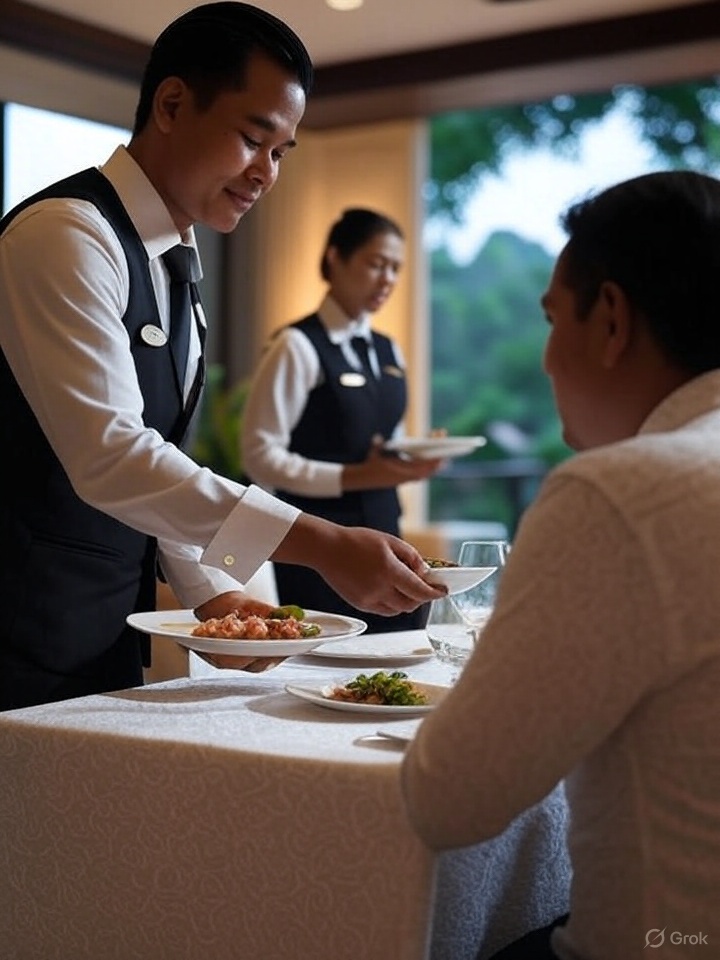

    more at =>LINK
    _______________________

    Have / has + possessive pronouns)

    1. She ______ a house. It is ______. It is ______ house.
    2. I ______ a house. It is ______. It is ______ house.
    3. They ______ a house. It is ______. It is ______ house.
    4. He ______ a house. It is ______. It is ______ house.
    5. We ______ a house. It is ______. It is ______ house.
    6. You ______ a house. It is ______. It is ______ house.
    7. He ______ a house. It is ______. It is ______ house.
    8. She ______ a house. It is ______. It is ______ house.
    9. You ______ a house. It is ______. It is ______ house.
    10. We ______ a house. It is ______. It is ______ house.

    ___________________


    Answers:

    1. She has a house. It is hers. It is her house.
    2. I have a house. It is mine. It is my house.
    3. They have a house. It is theirs. It is their house.
    4. He has a house. It is his. It is his house.
    5. We have a house. It is ours. It is our house.
    6. You have a house. It is yours. It is your house.
    7. He has a house. It is his. It is his house.
    8. She has a house. It is hers. It is her house.
    9. You have a house. It is yours. It is your house.
    10. We have a house. It is ours. It is our house.
      ______________________


      Negative sentences: fill in:

      She _doesn’t _have_ a house. It is not _hers_. It is not _her_ house.
      I ______ ______ a house. It is not ______. It is not ______ house.
      They ______ ______ a house. It is not ______. It is not ______ house.
      He ______ ______ a house. It is not ______. It is not ______ house.
      We ______ ______ a house. It is not ______. It is not ______ house.
      You ______ ______ a house. It is not ______. It is not ______ house.
      He ______ ______ a house. It is not ______. It is not ______ house.
      She ______ ______ a house. It is not ______. It is not ______ house.
      You ______ ______ a house. It is not ______. It is not ______ house.
      We ______ ______ a house. It is not ______. It is not ______ house.
      ____________________-

    Answers:

    She does not have a house. It is not hers. It is not her house.

    I do not have a house. It is not mine. It is not my house.

    They do not have a house. It is not theirs. It is not their house.

    He does not have a house. It is not his. It is not his house.

    We do not have a house. It is not ours. It is not our house.

    You do not have a house. It is not yours. It is not your house.

    He does not have a house. It is not his. It is not his house.

    She does not have a house. It is not hers. It is not her house.

    You do not have a house. It is not yours. It is not your house.

    We do not have a house. It is not ours. It is not our house.


  • Meet your first English sentences – at school(A1 beginners, part 4)

    EfB #4


    📘 At school

    I am Tom.
    I go to school.
    My teacher is kind.
    I have a bag and a book.
    I sit on a chair.
    I write with a pen.
    I like school.


    Word list

    • school = a place to learn
    • teacher = the person who helps children learn
    • kind = good and nice
    • bag = you carry it, you put books inside
    • book = many pages with words
    • chair = you sit on it
    • to write = to make words with a pen or pencil
    • pen = you write with it
    • to like = to feel good about something

    📝 Exercises

    Exercise 1: Fill in the blanks

    1. I go to ______.
    2. My ______ is kind.
    3. I have a bag and a ______.
    4. I sit on a ______.
    5. I write with a ______.

    Exercise 2: Answer the questions

    1. Who is Tom?
    2. Where does Tom go?
    3. What does Tom have?
    4. What does Tom write with?
    5. Does Tom like school?

    Exercise 3: True or False

    1. Tom goes to school.
    2. Tom’s teacher is angry.
    3. Tom has a bag and a book.
    4. Tom writes with a chair.
    5. Tom likes school.

    Exercise 4: Order the sentences

    Put the sentences in the right order (1–5).

    • I sit on a chair.
    • I am Tom.
    • I have a bag and a book.
    • My teacher is kind.
    • I write with a pen.


    Exercise 5: Write about YOU

    Write 5 sentences.

    1. My name is ______.
    2. I go to ______.
    3. My teacher is ______.
    4. I have a ______.
    5. I like ______.

    Answers

    Exercise 1:

    1. I go to school.
    2. My teacher is kind.
    3. I have a bag and a book.
    4. I sit on a chair.
    5. I write with a pen.

    Exercise 2:

    1. Tom is a boy.
    2. Tom goes to school.
    3. Tom has a bag and a book.
    4. Tom writes with a pen.
    5. Yes, Tom likes school.

    Exercise 3:

    1. True
    2. False
    3. True
    4. False
    5. True

    Exercise 4 (correct order):

    1. I am Tom.
    2. My teacher is kind.
    3. I have a bag and a book.
    4. I sit on a chair.
    5. I write with a pen.

    Exercise 5:
    (open)


  • Meet your first English sentences – Anna’s family (A1 beginners, part 3)

    EfB #3


    📘 My family

    I am Anna.
    This is my family.
    I have a mother and a father.
    I have one brother.
    I have one sister.
    We live in one home.
    We are happy.


    Word list

    • mother = my mum
    • father = my dad
    • brother = a boy in my family
    • sister = a girl in my family
    • to live = to be in a place, to stay
    • home = the place where you live
    • family = mother, father, children together
    • happy = not sad, you smile

    📝 Exercises

    Exercise 1: Fill in the blanks

    1. I have a ______ and a father.
    2. I have one ______.
    3. I have one ______.
    4. We live in one ______.
    5. We are ______.

    Exercise 2: Answer the questions

    1. Who is Anna?
    2. How many brothers does Anna have?
    3. How many sisters does Anna have?
    4. Where does Anna live?
    5. Is Anna happy?

    Exercise 3: True or False

    1. Anna has a mother and a father.
    2. Anna has two brothers.
    3. Anna has one sister.
    4. Anna and her family live in two homes.
    5. Anna is happy.

    Exercise 4: Order the sentences

    Put the sentences in the right order (1–5).

    • We live in one home.
    • I have one brother.
    • I have one sister.
    • I am Anna.
    • We are happy.


    Exercise 5: Write about YOU

    Write 5 sentences.

    1. My name is ______.
    2. I have a ______.
    3. I have a ______.
    4. We live in ______.
    5. We are ______.

    Answers

    Exercise 1:

    1. I have a mother and a father.
    2. I have one brother.
    3. I have one sister.
    4. We live in one home.
    5. We are happy.

    Exercise 2:

    1. Anna is a girl.
    2. Anna has one brother.
    3. Anna has one sister.
    4. Anna lives in one home.
    5. Yes, Anna is happy.

    Exercise 3:

    1. True
    2. False
    3. True
    4. False
    5. True

    Exercise 4 (correct order):

    1. I am Anna.
    2. I have one brother.
    3. I have one sister.
    4. We live in one home.
    5. We are happy.

    Exercise 5:
    (open answers)


  • Meet your first English sentences – Ben’s day (A1 beginners, part 2)


    📘 Ben’s day


    I am Ben.
    I wake up at 7 o’clock.
    I eat bread and milk.
    Then I go to school.
    I play football with my friends.
    After school I go home.
    I eat pizza with my family.
    I am happy.
    _________________


    to wake up = open your eyes in the morning

    to eat = put food in your mouth

    bread = food, white or brown, you can eat it with butter

    milk = white drink from a cow

    to play football = kick a ball with your feet, with friends

    a friend = a person you like

    home = the place where you live

    a family = mother, father, sister, brother … people who live together

    happy = not sad, you smile
    ##################


    Exercise 1: Fill in the blanks

    1. I wake up at ______ o’clock.
    2. I eat ______ and milk.
    3. I play ______ with my friends.
    4. I eat ______ with my family.
    5. I am ______.

    Exercise 2: Answer the questions

    1. What time does Ben wake up?
    2. What does Ben eat in the morning?
    3. Where does Ben go after breakfast?
    4. What does Ben play with his friends?
    5. Is Ben happy?

    Exercise 3: True or False

    1. Ben wakes up at 6 o’clock.
    2. Ben eats bread and milk.
    3. Ben goes to school.
    4. Ben eats pizza with his friends.
    5. Ben is happy.

    Exercise 4: Order the sentences

    Put the sentences in the correct order (1–5).

    • I eat pizza with my family.
    • I go to school.
    • I wake up at 7 o’clock.
    • I eat bread and milk.
    • I play football with my friends.

    Exercise 5: Who / What questions

    Answer in one sentence.

    1. Who eats pizza with Ben?
    2. What does Ben play?
    3. Who is happy?
    4. What does Ben eat in the morning?
    5. Who goes to school?

    Exercise 6: Write about YOU

    Write 5 sentences about your day.

    1. I wake up at ______.
    2. I eat ______.
    3. I go to ______.
    4. I play ______.
    5. I am ______.

    Answers

    Exercise 1:

    1. I wake up at 7 o’clock.
    2. I eat bread and milk.
    3. I play football with my friends.
    4. I eat pizza with my family.
    5. I am happy.

    Exercise 2:

    1. Ben wakes up at 7 o’clock.
    2. Ben eats bread and milk in the morning.
    3. After breakfast Ben goes to school.
    4. Ben plays football with his friends.
    5. Yes, Ben is happy.

    Exercise 3:

    1. False
    2. True
    3. True
    4. False
    5. True

    Exercise 4 (correct order):

    1. I wake up at 7 o’clock.
    2. I eat bread and milk.
    3. I go to school.
    4. I play football with my friends.
    5. I eat pizza with my family.

    Exercise 5:

    1. Ben eats pizza with his family.
    2. Ben plays football.
    3. Ben is happy.
    4. Ben eats bread and milk in the morning.
    5. Ben goes to school.

    Exercise 6:
    (open answers)