Autor: wolfgang kugler

  • Visiting temples, do’s and dont’s (A1+, present simple)

    • some appropriate behaviour


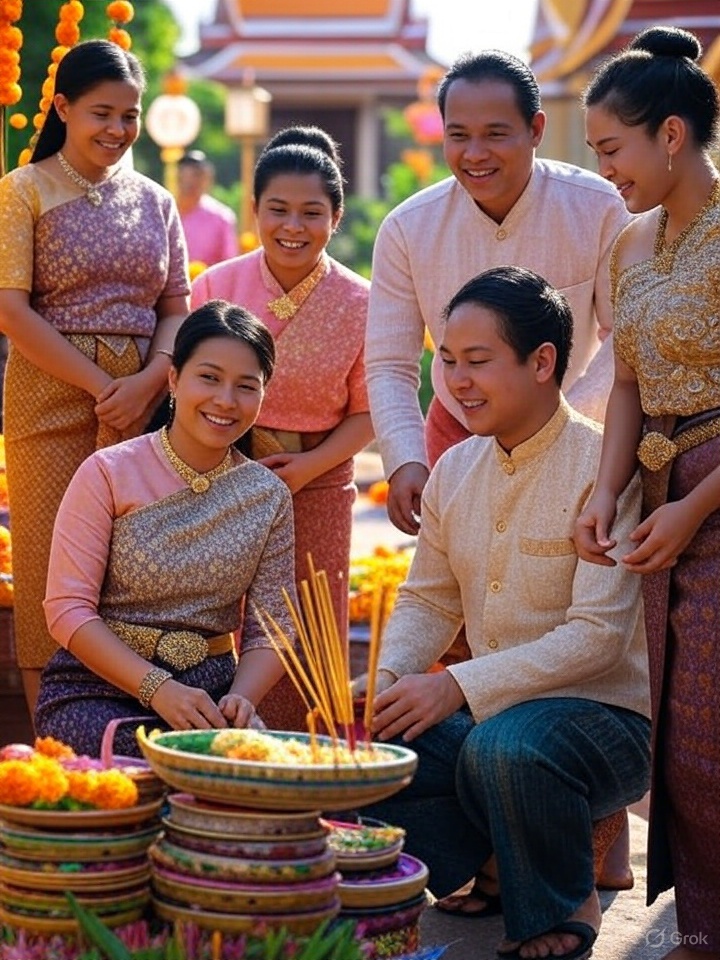
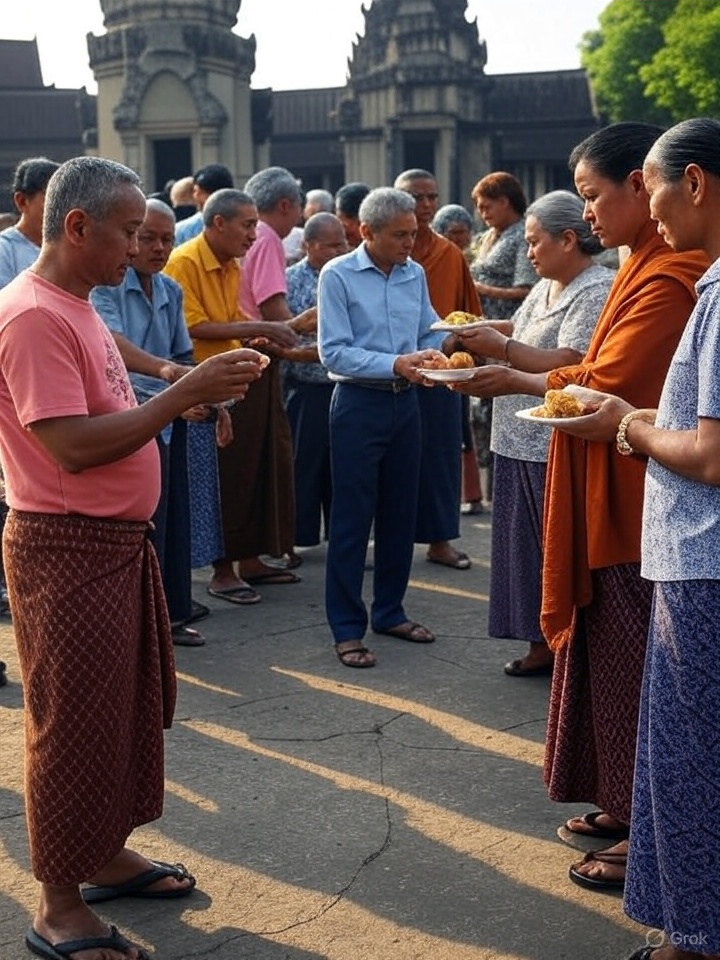
    Visiting temples and other holy places is a special activity. These places are important for religion, tradition, and daily life. When tourists go there, they should remember that temples are not only for looking but also for prayer and worship.

    It is important to be quiet and respectful. Visitors should not speak loudly or laugh. Before entering the main hall, people often need to take off their shoes. Clothes should cover shoulders and legs, and hats are usually not allowed inside. During ceremonies, visitors may need to sit or stand in a special place.

    Tourists must also be careful with photos. In many temples, pictures are allowed only in some areas. Flash or tripods are often not allowed. Visitors should never block monks, nuns, or local people who are praying.

    Other rules are also important. People should walk slowly, not touch holy objects, and keep enough distance from others. Watching how local people behave can help visitors learn about the culture. Being patient and polite is always good, especially during prayers or festivals.

    In conclusion, visiting temples can be interesting and educational. If tourists follow the rules and respect traditions, the visit will be safe, peaceful, and meaningful.


    _____________________

    Vocabulary:


    • Do’s and Don’ts → what you should and should not do
    • Appropriate behaviour → good and correct way to act
    • A holy place → a special place for religion
    • Tradition → old habits or customs people follow
    • To remember → not to forget something
    • Worship → to pray or show respect to a god
    • Quiet → not loud, calm
    • Respectful → polite and careful to others
    • Speak loudly → talk with a strong voice
    • To laugh → make a happy sound with your mouth
    • To take shoes off → remove shoes before entering
    • Clothes → what you wear on your body
    • To cover shoulders → wear something on your shoulders
    • To be allowed → can do something, it is okay
    • A ceremony (in a temple) → a special religious event
    • To be careful → pay attention and avoid mistakes
    • A flashlight → a small light you can hold (for seeing in dark)
    • A tripod → a stand with three legs for a camera
    • To block monks → stop monks from walking or moving
    • A rule → something you must do or not do
    • To touch → put your hand on something
    • To keep a distance → stay far from other people
    • To be patient → wait calmly, not angry
    • To be polite → use good manners
    • In conclusion → at the end, finally
    • To be educational → teach or help people learn
    • To follow rules → do what the rules say
    • To respect traditions → be polite to old customs
    • A safe visit → a visit without danger or problems
    • Peaceful → calm and quiet
    • Meaningful → important and useful

    ###############


    Multiple-choice, one answer only

    audio 1: 1-12

    audio 2: 13-23

    audio 3: 24-31

    1. What are “do’s and don’ts”?
      a) A small light you carry to see in the dark
      b) Things you wear every day on your body
      c) Rules about what you should or should not do
    2. Appropriate behaviour is…
      a) The good and correct way to act with people
      b) A bright light used to see in the dark
      c) A special event in a temple with people
    3. A holy place is…
      a) A park where children play and run around
      b) A small light you carry to see in the dark
      c) A special place for people to pray to gods
    4. Tradition means…
      a) Old habits or customs people follow often
      b) Take shoes off before entering a building
      c) Walk slowly and be careful in a temple
    5. To remember means…
      a) Not to forget something important to do
      b) Cover shoulders with proper clothing always
      c) Talk loudly so everyone can hear clearly
    6. To worship is…
      a) Follow rules carefully during a visit
      b) To pray or show respect to a god or gods
      c) Make a happy sound with your mouth and voice
    7. Quiet means…
      a) Polite and careful when you are near someone
      b) Not loud, calm, and peaceful around people
      c) A small light you carry to see in the dark
    8. Respectful means…
      a) Polite and careful to others in your words
      b) Stop monks from walking or moving freely
      c) Walk slowly and keep a safe distance from people
    9. Speak loudly means…
      a) Cover your shoulders and legs with clothes
      b) Take shoes off before entering a temple hall
      c) Talk with a strong voice that can be heard clearly
    10. To laugh is…
      a) A special ceremony in a temple with rules
      b) Make a happy sound with your mouth and voice
      c) Something you wear to cover your shoulders
    11. To take shoes off means…
      a) Follow rules and respect traditions carefully
      b) Walk slowly and carefully inside a temple hall
      c) Put your shoes in a safe place outside
    12. Clothes are…
      a) Things you wear on your body every day or event
      b) A tool used to hold a camera steady and straight
      c) Old customs or habits that people follow often

      ——————–end of audio 1—————
    13. To cover shoulders means…
      a) Wear something so your shoulders are not visible
      b) Keep distance from other people in a safe way
      c) A special place where people pray to a god
    14. To be allowed means…
      a) You can do something because it is okay to do
      b) Walk calmly and wait patiently without anger
      c) Put your hand on something carefully and politely
    15. A ceremony in a temple is…
      a) A small light you carry to see in the dark
      b) A special religious event with rules and rituals
      c) A stand with three legs for holding a camera
    16. To be careful means…
      a) A rule that tells you what to do in a place
      b) Pay attention and avoid mistakes or accidents
      c) Make a happy sound with your mouth and voice
    17. A flashlight is…
      a) A tool to hold a camera steady and straight
      b) A small light you can hold to see in the dark
      c) A habit people follow every day in life
    18. A tripod is…
      a) A bright light used in dark places at night
      b) A calm and quiet way to walk in a temple
      c) A stand with three legs for a camera to keep still
    19. To block monks means…
      a) Walk slowly and keep distance from other people
      b) Stop monks from walking or moving inside a temple
      c) Show respect to old customs and traditions
    20. A rule is…
      a) Something you must do or must not do anywhere
      b) A small light you carry to see in the dark safely
      c) Walk calmly and follow instructions in a temple
    21. To touch means…
      a) Put your hand on something or someone carefully
      b) Wait calmly without being angry or upset at all
      c) Make a happy sound with your mouth and voice
    22. To keep a distance means…
      a) A special place where people pray to gods
      b) Stay far from other people to be safe and polite
      c) Cover your shoulders and legs with clothes properly
    23. To be patient means…
      a) Talk with a strong voice so everyone can hear clearly
      b) Wait calmly without getting angry or upset easily
      c) Follow the rules and respect traditions carefully

      ———————-end of audio 2—————-
    24. To be polite means…
      a) Use good manners and speak or act nicely to others
      b) A habit that people follow every day in their life
      c) A small light you carry in the dark to see things
    25. In conclusion means…
      a) Stop monks from walking or moving inside a temple
      b) At the end, finally, or to finish something clearly
      c) Walk slowly and keep distance from other people
    26. To be educational means…
      a) Teach people or help them learn new things clearly
      b) Make a happy sound with your mouth and voice
      c) Take your shoes off before entering a holy place
    27. To follow rules means…
      a) Do what the rules say in a place or situation well
      b) Wear something so that your shoulders are covered
      c) Talk with a loud voice that everyone can hear
    28. To respect traditions means…
      a) Put your hand on something without permission at all
      b) Walk slowly and keep a safe distance from people
      c) Be polite and careful to old customs and habits
    29. A safe visit means…
      a) Something you wear to cover your shoulders and legs
      b) A visit without danger or problems anywhere at all
      c) A small light you carry to see in the dark clearly
    30. Peaceful means…
      a) Put your hand on something without permission carefully
      b) Make a happy sound with your mouth and your voice
      c) Calm, quiet, and safe without problems or noise
    31. Meaningful means…
      a) Important, useful, or having a strong purpose for people
      b) Talk with a loud voice that everyone can hear
      c) A rule that tells you what you must do carefully

      —————end of audio 3—————-

    Answers:

    1-c, 2-a, 3-c, 4-a, 5-a, 6-b,
    7-b, 8-a, 9-c, 10-b, 11-c, 12-a,
    13-a, 14-a, 15-b, 16-b, 17-b, 18-c,
    19-b, 20-a, 21-a, 22-b, 23-b, 24-a,
    25-b, 26-a, 27-a, 28-c, 29-b, 30-c, 31-a

    ____________________

    Correct version:


    1. What are “do’s and don’ts”? — Rules about what you should or should not do
    2. Appropriate behaviour is… — The good and correct way to act with people
    3. A holy place is… — A special place for people to pray to gods
    4. Tradition means… — Old habits or customs people follow often
    5. To remember means… — Not to forget something important to do
    6. To worship is… — To pray or show respect to a god or gods
    7. Quiet means… — Not loud, calm, and peaceful around people
    8. Respectful means… — Polite and careful to others in your words
    9. Speak loudly means… — Talk with a strong voice that can be heard clearly
    10. To laugh is… — Make a happy sound with your mouth and voice
    11. To take shoes off means… — Put your shoes in a safe place outside
    12. Clothes are… — Things you wear on your body every day or event
    13. To cover shoulders means… — Wear something so your shoulders are not visible
    14. To be allowed means… — You can do something because it is okay to do
    15. A ceremony in a temple is… — A special religious event with rules and rituals
    16. To be careful means… — Pay attention and avoid mistakes or accidents
    17. A flashlight is… — A small light you can hold to see in the dark
    18. A tripod is… — A stand with three legs for a camera to keep still
    19. To block monks means… — Stop monks from walking or moving inside a temple
    20. A rule is… — Something you must do or must not do anywhere
    21. To touch means… — Put your hand on something or someone carefully
    22. To keep a distance means… — Stay far from other people to be safe and polite
    23. To be patient means… — Wait calmly without getting angry or upset easily
    24. To be polite means… — Use good manners and speak or act nicely to others
    25. In conclusion means… — At the end, finally, or to finish something clearly
    26. To be educational means… — Teach people or help them learn new things clearly
    27. To follow rules means… — Do what the rules say in a place or situation well
    28. To respect traditions means… — Be polite and careful to old customs and habits
      ——————end of audio—————-
    29. A safe visit means… — A visit without danger or problems anywhere at all
    30. Peaceful means… — Calm, quiet, and safe without problems or noise
    31. Meaningful means… — Important, useful, or having a strong purpose for people


    ###############


    True or false:

    1. Visitors should speak loudly in a temple.
    2. You must often take your shoes off before entering the main hall.
    3. A holy place is only for sightseeing.
    4. Quiet behaviour is important when people are praying.
    5. To worship means to show respect to a god.
    6. Covering shoulders and legs is usually required in temples.
    7. Walking quickly and touching religious objects is polite.
    8. A flashlight can be used in the dark in a temple if needed.
    9. Traditions are old customs that people follow.
    10. It is polite to block monks while they are moving.
    11. Respectful behaviour includes being patient and calm.
    12. Taking photos is always allowed everywhere in a temple.
    13. A ceremony in a temple is a special religious event.
    14. You should keep a distance from worshippers to be polite.
    15. Being educational means helping people to learn.
    16. In conclusion, respecting rules is not important in temples.
    17. A tripod is a stand with three legs for a camera.
    18. To remember means to forget important things.
    19. Peaceful means calm, quiet, and safe.
    20. Being polite includes using good manners.

    _____________________
    True: 2,4,5,6,8,9,11,13,14,15,17,19
    _____________________

    Correct version:


    1. Visitors should speak loudly in a temple. True is: Visitors should speak quietly in a temple.
    2. You must often take your shoes off before entering the main hall.
    3. A holy place is only for sightseeing. True is: A holy place is for prayer and worship, not only sightseeing.
    4. Quiet behaviour is important when people are praying.
    5. To worship means to show respect to a god.
    6. Covering shoulders and legs is usually required in temples.
    7. Walking quickly and touching religious objects is polite. True is: Walking slowly and not touching religious objects is polite.
    8. A flashlight can be used in the dark in a temple if needed.
    9. Traditions are old customs that people follow.
    10. It is polite to block monks while they are moving. True is: It is polite to let monks pass and not block their way.
    11. Respectful behaviour includes being patient and calm.
    12. Taking photos is always allowed everywhere in a temple. True is: Taking photos is allowed only in some areas, not everywhere.
    13. A ceremony in a temple is a special religious event.
    14. You should keep a distance from worshippers to be polite.
    15. Being educational means helping people to learn.
    16. In conclusion, respecting rules is not important in temples. True is: Respecting rules is very important in temples.
    17. A tripod is a stand with three legs for a camera.
    18. To remember means to forget important things. True is: To remember means not to forget something important.
    19. Peaceful means calm, quiet, and safe.
    20. Being polite includes using good manners.

    I##############


    Interview with a monk – fill in, words below:

    take – allowed – respect – holy – loudly –
    rules – enter – shoulders –
    worship – monks –
    respectful –
    tourists – important

    _______________________________


    Interviewer: Hello, thank you for talking with me today. Can you tell us why it is __________ to follow rules in a temple?

    Monk: Hello. Yes, it is very important. Temples are __________ places. People come here to pray and __________. Visitors must respect the place and the people.

    Interviewer: What should visitors do when they __________ a temple?

    Monk: Visitors should __________ their shoes off before entering. They should cover their __________ and legs. It is important to walk quietly and slowly.

    Interviewer: Are there things visitors should not do?

    Monk: Yes. Visitors should not speak__________ or laugh inside the temple. They should not touch religious objects. Also, do not block __________ or worshippers when they walk.

    Interviewer: What about taking photos?

    Monk: Taking photos is sometimes __________, but only in certain areas. Visitors should never use flash or tripods in the main hall.

    Interviewer: How should visitors behave during a ceremony?

    Monk: Visitors should be patient and __________. They should sit or stand in the correct area. Do not disturb the people who are praying.

    Interviewer: Can children visit temples? What should they know?

    Monk: Yes, children can visit. They should be quiet and follow the __________. Parents should help them to be respectful and polite.

    Interviewer: What is the most important advice for __________?

    Monk: Always be careful and polite. Observe the people and traditions._________ is more important than taking photos or talking.

    Interviewer: Thank you very much for your advice.

    Monk: You are welcome. I hope everyone can enjoy the temple and respect the rules.


    _____________________

    Correct version:


    Interviewer: Hello, thank you for talking with me today. Can you tell us why it is important to follow rules in a temple?

    Monk: Hello. Yes, it is very important. Temples are holy places. People come here to pray and worship. Visitors must respect the place and the people.

    Interviewer: What should visitors do when they enter a temple?

    Monk: Visitors should take their shoes off before entering. They should cover their shoulders and legs. It is important to walk quietly and slowly.

    Interviewer: Are there things visitors should not do?

    Monk: Yes. Visitors should not speak loudly or laugh inside the temple. They should not touch religious objects. Also, do not block monks or worshippers when they walk.

    Interviewer: What about taking photos?

    Monk: Taking photos is sometimes allowed, but only in certain areas. Visitors should never use flash or tripods in the main hall.

    Interviewer: How should visitors behave during a ceremony?

    Monk: Visitors should be patient and respectful. They should sit or stand in the correct area. Do not disturb the people who are praying.

    Interviewer: Can children visit temples? What should they know?

    Monk: Yes, children can visit. They should be quiet and follow the rules. Parents should help them to be respectful and polite.

    Interviewer: What is the most important advice for tourists?

    Monk: Always be careful and polite. Observe the people and traditions. Respect is more important than taking photos or talking.

    Interviewer: Thank you very much for your advice.

    Monk: You are welcome. I hope everyone can enjoy the temple and respect the rules.


    ###############


    Read or listen to the interview again, try to answer the questions:

    1. Why is it important to follow rules in a temple?
    2. What should visitors do before entering a temple?
    3. What should visitors wear in a temple?
    4. How should visitors walk inside a temple?
    5. What should visitors not do inside a temple?
    6. Are visitors allowed to take photos everywhere in the temple?
    7. What should visitors do with monks and worshippers while they are moving?
    8. How should visitors behave during a ceremony?
    9. Can children visit temples? What should they do?
    10. What is the most important advice the monk gives to tourists?

    _______________________
    Answers:


    1. Why is it important to follow rules in a temple? — Because temples are holy places and people come to pray and worship.
    2. What should visitors do before entering a temple? — Take their shoes off before entering.
    3. What should visitors wear in a temple? — Cover their shoulders and legs.
    4. How should visitors walk inside a temple? — Walk quietly and slowly.
    5. What should visitors not do inside a temple? — Do not speak loudly, laugh, touch religious objects, or block monks or worshippers.
    6. Are visitors allowed to take photos everywhere in the temple? — No, taking photos is allowed only in some areas, and flash or tripods are not allowed.
    7. What should visitors do with monks and worshippers while they are moving? — Visitors should not block them and let them pass.
    8. How should visitors behave during a ceremony? — Be patient, respectful, sit or stand in the correct area, and not disturb people praying.
    9. Can children visit temples? What should they do? — Yes, children can visit; they should be quiet and polite, and parents should help them follow the rules.
    10. What is the most important advice the monk gives to tourists? — Always be careful and polite, respect the people and traditions, and observe the rules.


    ##############

    Use these bullet points and give a speech to a friend, or, to yourself, record it, and listen to your speech =>


    Visiting Temples and Holy Places – Key Points

    🔹 Why Important

    • Temples = religion, prayer, tradition, community
    • Not just sightseeing → also worship

    🔹 Respectful Behavior

    • Be quiet, no loud voices/laughter
    • Take off shoes before entering main hall
    • Cover shoulders + legs; no hats inside
    • Follow instructions during ceremonies (sit/stand)

    🔹 Photography

    • Allowed only in some areas
    • No flash, no tripods
    • Do not block monks or worshippers

    🔹 Other Rules

    • Walk slowly and calmly
    • Do not touch holy objects
    • Keep distance/personal space
    • Watch locals → copy their behavior

    🔹 Conclusion

    • Visiting = interesting + educational
    • Respect rules + traditions → safe, meaningful visit

    ###################

  • A visit to the Baduy people – a guest needs information (A2, present simple)

    • a strenous, but great trip

    You work at the frontdesk of the Wyndham Casablanca in Jakarta. A guest approaches you and requests information on a trip to the Baduy people, for some great experience.


    Your provide some information on the Baduy people and the trip:

    The Baduy are a traditional tribe in West Java, near Lebak, Banten. They live simply and follow old customs. They do not use modern technology. The men usually wear dark blue clothes, and the women wear white.

    There are two groups: the Inner Baduy and the Outer Baduy. The Inner Baduy are very strict, and visitors cannot enter their villages. The Outer Baduy are more open. You can visit their villages with a guide and permission. Visitors must respect their traditions: do not take pictures without asking, and do not bring modern items or try to change their life.

    The easiest way to visit is by car, and our hotel can provide this transport. The drive from Jakarta takes about 3–4 hours to Rangkasbitung. We suggest spending the night there. This way, you can start your walk in the morning, enjoy the visit, and not feel rushed. From Rangkasbitung, you will walk to the Outer Baduy villages. The walk can be a little strenuous because it is in the mountains. You should be ready to walk up and down for about 5 hours. Comfortable shoes and water are important.

    Even if it is tiring, the visit is a great experience. You will see beautiful rice fields, rivers, and forests. You can meet the Baduy people, learn about their farming, handicrafts, and daily life. It is a special chance to see traditional life in Indonesia.

    At Wyndham Casablanca, we can help you arrange a day trip to visit the Outer Baduy with a hotel car and a local guide, including staying in Rangkasbitung. Visiting the Baduy is unforgettable and also helps support their community while preserving their culture.


    ______________________

    Vocabulary:


    Front desk – the place in a hotel where guests can ask for help and information.
    To approach somebody – to go near someone to speak to them.
    To request information – to ask for information or details.
    An experience – something you do or see that you remember.
    To provide information – to give information to someone.
    A tribe – a group of people who live together and share the same culture.
    To follow old customs – to do things in the traditional way of a group of people.
    To be strict – to have many rules and follow them carefully.
    To enter a village – to go into a village.
    A guide – a person who shows visitors around and explains things.
    Permission – agreement from someone to do something.
    To respect traditions – to be polite and careful with the customs of a group.
    An item – a thing or object.
    To provide transport – to give a way for someone to travel, like a car or bus.
    It takes 3 hours – the time needed for a journey is 3 hours.
    To suggest – to give an idea or advice to someone.
    To enjoy – to have a good time or like something.
    To feel rushed – to feel you have little time to do something.
    Strenuous – needing a lot of physical effort or energy.
    A mountain – a very high hill.
    To be tiring – to make you feel tired.
    A forest – a large area full of trees.
    A handicraft – something made by hand, like art or tools.
    Traditional life – the way people live following old customs.
    To arrange a trip – to plan a journey or tour for someone.
    To be unforgettable – very special; you will remember it always.
    To support a community – to help a group of people who live together.
    To preserve culture – to keep old customs, traditions, and culture safe for the future.


    ################

    Multiple choice test, one answer correct:

    audio 1-9

    audio 10-18

    audio 19-27


    1. Where do guests ask for help in a hotel?
    a) The place outside where people can sit and enjoy the garden
    b) The place where guests go to ask questions and get keys
    c) The place where cooks prepare food for everyone in the hotel

    2. What does it mean to approach somebody?
    a) To write a note to someone and give it to them later
    b) To go far away from someone so they cannot see you
    c) To go near a person politely to ask questions or speak

    3. If you request information, you…
    a) Ask someone for details about something you want to know
    b) Sit quietly at home and do not talk to anyone today
    c) Buy something in a shop for yourself or for a friend

    4. What is an experience?
    a) Something you do or see that you will remember for a long time
    b) Something you eat or drink that is prepared for your meal
    c) Something you use at work or school to help complete tasks

    5. To provide information means…
    a) To sleep for a long time in your room
    b) To give someone facts or details about a subject they ask
    c) To keep a secret from someone so they do not know it

    6. A tribe is…
    a) A group of people who live together and share the same culture
    b) A small town with houses and shops where people live nearby
    c) A type of tree that grows in a forest or in the open land

    7. To follow old customs means…
    a) To run and play outside with friends in the village
    b) To do things in the traditional way that people used long ago
    c) To use new machines and technology every day in your life

    8. If someone is strict, they…
    a) Have many rules and make sure everyone follows them carefully
    b) Always laugh and tell jokes to everyone they meet today
    c) Never follow rules or instructions given by other people

    9. To enter a village means…
    a) To go inside the village and walk around the houses or streets
    b) To stay outside and look at the village from a safe place
    c) To leave the village and go to another town far away quickly

    —————–end of audio 1—————

    10. A guide is…
    a) A map or book that gives information about a place you visit
    b) A friend you meet for a short time and walk with them today
    c) A person who shows visitors around and explains what they see

    11. Permission means…
    a) A loud sound that happens suddenly and can scare people nearby
    b) Agreement from someone to do an action or visit a place safely
    c) A gift or present that you give to a friend or family member

    12. To respect traditions means…
    a) To ignore rules and do whatever you want without thinking
    b) To follow the old customs and act politely in the culture
    c) To travel to another country and not ask anyone for advice

    13. An item is…
    a) A thing or object that you can see, touch, or use in your life
    b) A special place where people sleep or eat during the day
    c) A small animal that lives in the forest or in a garden

    14. To provide transport means…
    a) To run quickly to a place so you can arrive before anyone
    b) To give a way for someone to move from one place to another
    c) To sleep at night in a safe bed and rest for many hours

    15. “It takes 3 hours” means…
    a) You will wait for three friends to arrive at your house soon
    b) You must cook three different meals in the kitchen today
    c) The journey or activity needs about three hours to finish

    16. To suggest means…
    a) To drive a car carefully on the road to reach a safe place
    b) To give an idea or advice for someone to think about or use
    c) To shout loudly to get attention from everyone around you

    17. To enjoy means…
    a) To cry quietly when you feel sad about a certain problem
    b) To have a good time and feel happy while doing something
    c) To run very fast to reach a place before other people arrive

    18. To feel rushed means…
    a) To sleep during the day when you feel tired or sleepy now
    b) To have very little time to do something properly
    c) To feel relaxed and calm without thinking about any hurry

    ———–end of audio 2—————-

    19. Strenuous means…
    a) Very easy to do without using much energy or effort today
    b) Very slow and quiet when doing something without movement
    c) Needing a lot of energy or physical effort to complete a task

    20. A mountain is…
    a) A small house where people live near a village or town today
    b) A very high hill that is taller than normal hills around it
    c) A large river that flows through land and sometimes cities

    21. To be tiring means…
    a) To make your body feel weak or full of fatigue after work
    b) To make someone feel happy and excited about what happens
    c) To run fast around a playground or field for fun with friends

    22. A forest is…
    a) A large area full of trees, plants, and animals living there
    b) A desert with very little water, sand, and few plants around
    c) A house or building where people cook and eat their food

    23. A handicraft is…
    a) A type of simple object used for work in a home or school
    b) Something made carefully by hand like art or small useful tools
    c) A machine or tool used in factories to make things quickly

    24. Traditional life means…
    a) Using modern technology and machines every day in life now
    b) Running and playing outside every day with friends nearby
    c) Living in the way people did long ago following old customs

    25. To arrange a trip means…
    a) To sleep and rest all day after finishing some difficult work
    b) To plan a journey for someone including travel and stay
    c) To cook a meal and serve it to friends or family at home

    26. To be unforgettable means…
    a) Something very special that you will remember for a long time
    b) Something very loud or noisy that happens for a short time
    c) Something very boring that you want to forget immediately

    27. To support a community means…
    a) To build a car or machine for people to use every day
    b) To run quickly around a playground or a park with friends
    c) To help a group of people who live together in one area

    ————-end of audio 3————-

    28. To preserve culture means…
    a) To keep old customs and traditions safe for future people
    b) To throw away old objects and do not keep them anymore
    c) To break old rules and traditions without thinking carefully


    _______________________
    Answers:
    1-b, 2-c, 3-a, 4-a, 5-b, 6-a, 7-b,
    8-a, 9-a, 10-c, 11-b, 12-b, 13-a,
    14-b, 15-c, 16-b, 17-b, 18-b, 19-c,
    20-b, 21-a, 22-a, 23-b, 24-c,
    25-b, 26-a, 27-c, 28-a

    _______________________

    Full version:

    audio 1-23:

    audio 24-28:


    1. Where do guests ask for help in a hotel? — The place where guests go to ask questions and get keys
    2. What does it mean to approach somebody? — To go near a person politely to ask questions or speak
    3. If you request information, you… — Ask someone for details about something you want to know
    4. What is an experience? — Something you do or see that you will remember for a long time
    5. To provide information means… — To give someone facts or details about a subject they ask
    6. A tribe is… — A group of people who live together and share the same culture
    7. To follow old customs means… — To do things in the traditional way that people used long ago
    8. If someone is strict, they… — Have many rules and make sure everyone follows them carefully
    9. To enter a village means… — To go inside the village and walk around the houses or streets
    10. A guide is… — A person who shows visitors around and explains what they see
    11. Permission means… — Agreement from someone to do an action or visit a place safely
    12. To respect traditions means… — To follow the old customs and act politely in the culture
    13. An item is… — A thing or object that you can see, touch, or use in your life
    14. To provide transport means… — To give a way for someone to move from one place to another
    15. “It takes 3 hours” means… — The journey or activity needs about three hours to finish
    16. To suggest means… — To give an idea or advice for someone to think about or use
    17. To enjoy means… — To have a good time and feel happy while doing something
    18. To feel rushed means… — To have very little time to do something properly
    19. Strenuous means… — Needing a lot of energy or physical effort to complete a task
    20. A mountain is… — A very high hill that is taller than normal hills around it
    21. To be tiring means… — To make your body feel weak or full of fatigue after work
    22. A forest is… — A large area full of trees, plants, and animals living there
    23. A handicraft is… — Something made carefully by hand like art or small useful tools
      ————————end of audio 1—————–
    24. Traditional life means… — Living in the way people did long ago following old customs
    25. To arrange a trip means… — To plan a journey for someone including travel and stay
    26. To be unforgettable means… — Something very special that you will remember for a long time
    27. To support a community means… — To help a group of people who live together in one area
    28. To preserve culture means… — To keep old customs and traditions safe for future people
      ———————–end of audio 2———————–


    ################

    True or false:


    1. The Baduy live in West Java, near Lebak, Banten.
    2. Visitors can freely enter the Inner Baduy villages.
    3. The Baduy men usually wear dark blue clothes.
    4. The Outer Baduy are very strict and do not allow visitors.
    5. Visitors must respect Baduy traditions.
    6. The Baduy use modern technology in their daily life.
    7. The easiest way to visit the Baduy is by car.
    8. The walk to the Outer Baduy villages can take around 5 hours.
    9. Staying in Rangkasbitung before visiting is suggested.
    10. The Baduy grow rice and have handicrafts.
    11. The Baduy women wear dark blue clothes.
    12. The visit is usually tiring but a great experience.
    13. The Inner Baduy villages are more open to tourists.
    14. The hotel can arrange transport to visit the Baduy.
    15. Visitors should bring modern items to show the Baduy new ways.
    16. The countryside around the Baduy has rivers, forests, and rice fields.
    17. The Baduy have abandoned all their traditions recently.
    18. The visit helps support the Baduy community.
    19. Walking to the Baduy villages is very easy with no hills.
    20. A visit to the Outer Baduy gives a chance to see traditional life.

    True: 1,3,5,7,8,9,10,12,14,16,18,20
    _____________________

    Correct version:


    The Baduy live in West Java, near Lebak, Banten.

    Visitors can freely enter the Inner Baduy villages. True is: Visitors cannot enter the Inner Baduy villages.

    The Baduy men usually wear dark blue clothes.

    The Outer Baduy are very strict and do not allow visitors. True is: The Outer Baduy are more open and allow visitors with permission.

    Visitors must respect Baduy traditions.

    The Baduy use modern technology in their daily life. True is: The Baduy do not use modern technology.

    The easiest way to visit the Baduy is by car.

    The walk to the Outer Baduy villages can take around 5 hours.

    Staying in Rangkasbitung before visiting is suggested.

    The Baduy grow rice and have handicrafts.

    The Baduy women wear dark blue clothes. True is: The Baduy women wear white clothes.

    The visit is usually tiring but a great experience.

    The Inner Baduy villages are more open to tourists. True is: The Inner Baduy villages are very strict and do not allow visitors.

    The hotel can arrange transport to visit the Baduy.

    Visitors should bring modern items to show the Baduy new ways. True is: Visitors should not bring modern items or try to change their life.

    The countryside around the Baduy has rivers, forests, and rice fields.

    The Baduy have abandoned all their traditions recently. True is: The Baduy still follow old customs and live simply.

    The visit helps support the Baduy community.

    Walking to the Baduy villages is very easy with no hills. True is: Walking can be a little strenuous because it is in the mountains.

    A visit to the Outer Baduy gives a chance to see traditional life.


    ################


    Match the word with its definition:

    Words:

    1. Frontdesk
    2. To approach somebody
    3. To request information
    4. A tribe
    5. To follow old customs
    6. To be strict
    7. Permission
    8. To respect traditions
    9. To provide transport
    10. Strenuous
    11. A mountain
    12. A forest
    13. A handicraft
    14. Traditional life
    15. To be unforgettable
    16. To support a community

    Definitions:
    a. A large area full of trees, plants, and animals
    b. To give a way for someone to move from one place to another
    c. Agreement from someone to do an action or visit a place
    d. A group of people who live together and share the same culture
    e. Something very special that you will remember for a long time
    f. To do things in the traditional way that people used long ago
    g. A place where guests ask questions and get keys at a hotel
    h. To help a group of people who live together in one area
    i. Needing a lot of energy or physical effort to complete a task
    j. To go near a person politely to ask questions or speak
    k. To follow the old customs and act politely in the culture
    l. A very high hill that is taller than normal hills around it
    m. To ask someone for details about something you want to know
    n. A thing made carefully by hand like art or small useful tools
    o. Living in the way people did long ago following old customs
    p. Have many rules and make sure everyone follows them carefully


    Answers:
    1-g, 2-j, 3-m, 4-d, 5-f, 6-p,
    7-c, 8-k, 9-b, 10-i, 11-l, 12-a,
    13-n, 14-o, 15-e, 16-h

    __________________


    Correct version:

    Frontdesk — A place where guests ask questions and get keys at a hotel
    To approach somebody — To go near a person politely to ask questions or speak
    To request information — To ask someone for details about something you want to know
    A tribe — A group of people who live together and share the same culture
    To follow old customs — To do things in the traditional way that people used long ago
    To be strict — Have many rules and make sure everyone follows them carefully
    Permission — Agreement from someone to do an action or visit a place
    To respect traditions — To follow the old customs and act politely in the culture
    To provide transport — To give a way for someone to move from one place to another
    Strenuous — Needing a lot of energy or physical effort to complete a task
    A mountain — A very high hill that is taller than normal hills around it
    A forest — A large area full of trees, plants, and animals
    A handicraft — A thing made carefully by hand like art or small useful tools
    Traditional life — Living in the way people did long ago following old customs
    To be unforgettable — Something very special that you will remember for a long time
    To support a community — To help a group of people who live together in one area


    ################

    Dialogue – fill in, words below:

    comfortable – wear – unforgettable – tribe –
    strict – handicrafts – customs –
    guide – takes –
    different – permission –
    enjoy – fields

    __________________________


    Guest: Excuse me. Can you tell me about the Baduy people?

    Staff: Yes, of course. The Baduy are a traditional _________ in West Java, near Lebak, Banten. They live simply and follow old __________. They do not use modern technology.

    Guest: How do they dress?

    Staff: The men wear dark blue clothes, and the women __________ white. They wear simple sandals and do not use modern items.

    Guest: Do they have __________ groups?

    Staff: Yes. There are two groups: the Inner Baduy and the Outer Baduy. The Inner Baduy are very __________. Visitors cannot go there. The Outer Baduy are more open, and visitors can go with a guide and __________.

    Guest: How do I get there from Jakarta?

    Staff: The easiest way is by car. Our hotel can provide a car and driver. It _________ about 3–4 hours to Rangkasbitung.

    Guest: Can I walk in the villages?

    Staff: Yes. From Rangkasbitung, you walk to the Outer Baduy villages. The walk is about 5 hours, up and down hills. It can be a little tiring. __________ shoes and water are important.

    Guest: Should I go early?

    Staff: Yes. We suggest staying one night in Rangkasbitung. Then you can start your walk in the morning and __________ the visit without rushing.

    Guest: What will I see there?

    Staff: You will see rice __________, rivers, forests, and the Baduy people working on farming and making _________. You can also learn about their traditional life and customs.

    Guest: Can the hotel arrange everything?

    Staff: Yes. We can arrange the hotel car, a local __________, and the stay in Rangkasbitung. Visiting the Baduy is safe, comfortable, and __________.

    Guest: Thank you! That sounds wonderful.

    Staff: You are welcome!


    —————————-

    [I love AI, 3 hands………..]

    ######################

    My strenuous but amazing Baduy trip in 2023

    I visited the Baduy people in West Java. The trip was very exciting, but also very difficult. I walked for about five hours. The path was wet, and I got soaking wet. The walking was hard because the surface was wet and the paving stones were irregular in size. Some parts were steep up, and some parts were steep down. It was very strenuous and exhausting. Even though it was tiring, I loved the trip. I saw the Baduy villages, the rice fields, and the forests. Meeting the Baduy people and learning about their life was a very special experience. I will never forget this trip.

  • Making a guest happy, from airport to his room in resort/hotel (A2, a summary, present simple)

    • some ideas, step by step, including an SOP

    When a guest comes to the hotel from the airport, the hotel wants to make the guest feel welcome and comfortable. First, the driver goes to the airport. He has a sign with the guest’s name. He greets the guest with a smile, helps with the luggage, and gives water or a cold towel if the guest wants. Then, the driver takes the guest to the hotel. The car is clean and comfortable. The driver can talk to the guest and give some information about the city or the hotel.

    When the guest arrives at the hotel, the bell staff opens the car door and carries the luggage. They greet the guest by name and offer a welcome drink. The staff takes the guest to the reception desk or a lounge for check-in. At check-in, the front desk asks for the guest’s ID or passport, confirms the room, and explains the hotel services and facilities. They also make sure the room is ready and prepared for the guest.

    After check-in, a bell staff member or guest relations person takes the guest to the room. They show the guest the room, including the air conditioning, TV, safe, Wi-Fi, and minibar. They also show any welcome gifts or notes and ask if the guest needs help. Later, the staff can call the room to check that the guest is happy and comfortable.


    ______________________

    Vocabulary:

    • a resort – a place where people go on holiday, often with hotels, pools, and activities
    • to feel welcome – to feel happy and comfortable when you arrive somewhere
    • to be comfortable – to feel relaxed and at ease
    • a sign with a name – a piece of paper or board with someone’s name on it
    • to greet – to say hello to someone
    • luggage – bags or suitcases you take when you travel
    • a towel – a piece of cloth to dry your body or hands
    • to be clean – to have no dirt
    • bell staff – hotel workers who help with your bags and show you your room
    • to carry the luggage – to take someone’s bags and bring them somewhere
    • staff – people who work in a hotel, company, or place
    • a reception desk – the place in a hotel where you check in and get information
    • a lounge – a comfortable room to sit and wait
    • to check-in – to give your name and ID at the hotel to get your room
    • to confirm the room – to make sure the room is ready for the guest
    • to explain – to give information so someone understands
    • a facility (hotel) – something in the hotel for guests, like a pool or gym
    • guest relations – hotel staff who help guests and answer questions
    • including – with something else; for example, “The room is big, including a bathroom.”
    • a welcome gift – a small present for a guest when they arrive
    • a welcome note – a short message for a guest when they arrive
    • to check – to look at something to make sure it is okay

    ################

    Multiple choice, one answer correct:

    version 1-11

    version 12-20

    version 21-22


    ________________________


    1. What is a resort?
      a) A bag for carrying clothes when travelling
      b) A place for holidays with hotels and activities for guests
      c) A small place to sleep or rest
    2. To feel welcome means:
      a) To arrive at a hotel and be happy and comfortable
      b) To carry your luggage to your room
      c) To make your bed and clean the room
    3. To be comfortable means:
      a) To sit or lie and feel relaxed and at ease
      b) To check your ID at the reception desk
      c) To greet the staff when you enter
    4. A sign with a name is:
      a) A towel for drying your hands or body after a shower
      b) A small note showing hotel rules and instructions
      c) A piece of paper or board showing someone’s name clearly
    5. To greet someone means:
      a) To take the luggage to the guest’s room quickly
      b) To explain how the hotel facilities can be used
      c) To greet the guest politely and welcome them with a smile
    6. Luggage is:
      a) A small gift given to the guest on arrival
      b) The bags and suitcases that a guest carries when travelling
      c) The items provided to clean the room every day
    7. A towel is:
      a) A piece of cloth used to dry your body or hands after washing
      b) A desk where the receptionist works and checks in guests
      c) A place in the hotel where guests can sit and wait comfortably
    8. To be clean means:
      a) To greet a guest with a smile when they arrive
      b) To have no dirt or stains and be tidy and fresh
      c) To carry luggage from the car to the room carefully
    9. Bell staff are:
      a) Staff who clean towels and prepare the rooms daily
      b) Hotel workers who help guests with their luggage and rooms
      c) Guests who arrive early in the morning to check-in
    10. To carry the luggage means:
      a) To take all the guest’s bags and suitcases to their room
      b) To greet the guest politely at the reception desk
      c) To check the room and see if everything is ready
    11. Staff are:
      a) Pieces of paper used for notes or signs in the hotel
      b) People who work in a hotel or business and help the guests
      c) Small gifts or items left for the guest in the room

      —————-end of file 1—————-
    12. A reception desk is:
      a) A small lounge with chairs for waiting comfortably
      b) The place at the hotel where guests check-in and get information
      c) A place where towels and linens are stored and cleaned
    13. A lounge is:
      a) A comfortable room in a hotel where guests can sit and wait
      b) A desk where the receptionist checks in the guests daily
      c) A piece of cloth used for drying hands or body after washing
    14. To check-in means:
      a) To take luggage to the guest’s room carefully and politely
      b) To give your ID and name at the reception to get your room
      c) To greet the guest and show them around the hotel facilities
    15. To confirm the room means:
      a) To make sure that the guest’s room is ready and prepared properly
      b) To clean the room and replace all towels and sheets carefully
      c) To explain the hotel services and facilities to the guest clearly
    16. To explain means:
      a) To give information so that someone understands something clearly
      b) To greet a guest politely when they arrive at the hotel
      c) To take luggage to the guest’s room and help them settle in
    17. A facility (hotel) is:
      a) A desk where the receptionist works to check-in guests daily
      b) A small gift or note given to welcome the guest
      c) Something in a hotel for guests to use, like a pool or gym
    18. Guest relations are:
      a) Guests who arrive early and wait in the lounge comfortably
      b) Hotel staff who help guests and answer questions politely
      c) People who clean the rooms and replace towels for guests
    19. Including means:
      a) To check-in at the reception desk before going to your room
      b) Together with something else or as part of a group
      c) To make sure the room is ready and clean for the guest
    20. A welcome gift is:
      a) A towel or piece of cloth provided in the guest’s room
      b) A piece of paper showing the guest’s name and room number
      c) A small present given to the guest when they arrive at the hotel

      —————–end version 2—————-
    21. A welcome note is:
      a) A short message left for the guest to greet them politely
      b) A room facility like a pool or lounge for the guest to enjoy
      c) A towel or cloth provided in the guest’s room for drying
    22. To check means:
      a) To greet a guest politely when they arrive at the hotel
      b) To give a small gift or present to the guest on arrival
      c) To look at something carefully to make sure it is okay or ready

    Answers:
    1b 2a 3a 4c 5c 6b 7a 8b
    9b 10a 11b 12b 13a 14b 15a
    16a 17c 18b 19b 20c 21a 22c


    __________________________

    Full version:


    Resort – A place for holidays with hotels and activities for guests
    Feel welcome – To arrive at a hotel and be happy and comfortable
    Be comfortable – To sit or lie and feel relaxed and at ease
    Sign with a name – A piece of paper or board showing someone’s name clearly
    Greet – To greet the guest politely and welcome them with a smile
    Luggage – The bags and suitcases that a guest carries when travelling
    Towel – A piece of cloth used to dry your body or hands after washing
    Be clean – To have no dirt or stains and be tidy and fresh
    Bell staff – Hotel workers who help guests with their luggage and rooms
    Carry the luggage – To take all the guest’s bags and suitcases to their room
    Staff – People who work in a hotel or business and help the guests
    Reception desk – The place at the hotel where guests check-in and get information
    Lounge – A comfortable room in a hotel where guests can sit and wait
    Check-in – To give your ID and name at the reception to get your room
    Confirm the room – To make sure that the guest’s room is ready and prepared properly
    Explain – To give information so that someone understands something clearly
    Facility (hotel) – Something in a hotel for guests to use, like a pool or gym
    Guest relations – Hotel staff who help guests and answer questions politely
    Including – Together with something else or as part of a group
    Welcome gift – A small present given to the guest when they arrive at the hotel
    Welcome note – A short message left for the guest to greet them politely
    Check – To look at something carefully to make sure it is okay or ready

    ##################


    [love the picture created by AI, the driver, though the window 😉 ]


    Matching Exercise – Words

    1. Bell staff
    2. Check-in
    3. Towel
    4. Lounge
    5. Welcome gift
    6. Luggage
    7. Reception desk
    8. Greet
    9. Facility (hotel)
    10. Guest relations
    11. Sign with a name
    12. Confirm the room
    13. Be comfortable
    14. Including

    Definitions

    a) A small present given to the guest when they arrive at the hotel
    b) To give your ID and name at the reception to get your room
    c) A piece of cloth used to dry your body or hands after washing
    d) Hotel staff who help guests with their luggage and rooms
    e) The place at the hotel where guests check-in and get information
    f) To say hello and welcome a guest politely
    g) Together with something else or as part of a group
    h) A comfortable room in a hotel where guests can sit and wait
    i) To make sure the guest’s room is ready and prepared properly
    j) Staff who help guests and answer questions politely
    k) Something in a hotel for guests to use, like a pool or gym
    l) A piece of paper or board showing someone’s name clearly
    m) To sit or lie and feel relaxed and at ease
    n) To take all the guest’s bags and suitcases to their room


    Answers

    1d 2b 3c 4h 5a 6n 7e 8f 9k 10j 11l 12i 13m 14g
    ____________________________

    Full version:

    1. Bell staff help guests with their luggage and rooms.
    2. Check-in means giving your ID and name at the reception to get your room.
    3. Towel is a piece of cloth used to dry your body or hands after washing.
    4. Lounge is a comfortable room in a hotel where guests can sit and wait.
    5. Welcome gift is a small present given to the guest when they arrive at the hotel.
    6. Luggage refers to all the guest’s bags and suitcases taken to their room.
    7. Reception desk is the place at the hotel where guests check-in and get information.
    8. Greet means to say hello and welcome a guest politely.
    9. Facility (hotel) is something in a hotel for guests to use, like a pool or gym.
    10. Guest relations are staff who help guests and answer questions politely.
    11. Sign with a name is a piece of paper or board showing someone’s name clearly.
    12. Confirm the room means to make sure the guest’s room is ready and prepared properly.
    13. Be comfortable means to sit or lie and feel relaxed and at ease.
    14. Including means together with something else or as part of a group.

    ###############


    Gap-fill exercise:

    1. When a guest arrives from the airport, the hotel wants them to feel __________.
      a) welcome
      b) tired
      c) bored
    2. The driver waits at the airport with a __________ showing the guest’s name.
      a) bag
      b) sign
      c) ticket
    3. The driver helps the guest with their __________.
      a) luggage
      b) keys
      c) map
    4. If the guest wants, the driver can give water or a cold __________.
      a) towel
      b) bag
      c) pen
    5. The car should be clean and __________ for the guest.
      a) fast
      b) comfortable
      c) small
    6. The driver can talk to the guest and give __________ about the city or hotel.
      a) money
      b) information
      c) pens
    7. When arriving at the hotel, bell staff open the __________ door.
      a) car
      b) office
      c) hotel
    8. Bell staff carry the guest’s __________ to the reception.
      a) luggage
      b) bag
      c) documents
    9. Bell staff greet the guest by __________.
      a) name
      b) ID
      c) phone
    10. Guests are offered a __________ when they arrive.
      a) towel
      b) welcome drink
      c) pen
    11. Staff take the guest to the __________ desk or lounge for check-in.
      a) bedroom
      b) reception
      c) taxi
    12. At check-in, the front desk asks for the guest’s ID or __________.
      a) passport
      b) wallet
      c) bag
    13. The front desk confirms the __________.
      a) luggage
      b) room
      c) car
    14. Staff explain the hotel services and __________.
      a) streets
      b) shops
      c) facilities
    15. Staff make sure the room is ready and __________ for the guest.
      a) prepared
      b) empty
      c) far
    16. After check-in, a staff member takes the guest to their __________.
      a) room
      b) car
      c) office
    17. Staff show the guest the air conditioning, TV, safe, Wi-Fi, and __________.
      a) elevator
      b) stairs
      c) minibar
    18. Any welcome gifts or notes are shown and the guest is asked if they need __________.
      a) help
      b) keys
      c) money
    19. Later, staff can call the room to check that the guest is happy and __________.
      a) ready
      b) tired
      c) comfortable
    20. The hotel wants the guest to feel at __________ and enjoy their stay.
      a) home
      b) work
      c) school

    Answers:

    1a 2b 3a 4a 5b 6b 7c 8a
    9a 10b 11b 12a 13b 14c
    15a 16a 17c 18a 19c 20b


    ______________________


    Full version:

    1. When a guest arrives from the airport, the hotel wants them to feel welcome.
    2. The driver waits at the airport with a sign showing the guest’s name.
    3. The driver helps the guest with their luggage.
    4. If the guest wants, the driver can give water or a cold towel.
    5. The car should be clean and comfortable for the guest.
    6. The driver can talk to the guest and give information about the city or hotel.
    7. When arriving at the hotel, bell staff open the office door.
    8. Bell staff carry the guest’s luggage to the reception.
    9. Bell staff greet the guest by ID.
    10. Guests are offered a pen when they arrive.
    11. Staff take the guest to the reception desk or lounge for check-in.
    12. At check-in, the front desk asks for the guest’s ID or passport.
    13. The front desk confirms the room.
    14. Staff explain the hotel services and shops.
    15. Staff make sure the room is ready and prepared for the guest.
    16. After check-in, a staff member takes the guest to their car.
    17. Staff show the guest the air conditioning, TV, safe, Wi-Fi, and garden.
    18. Any welcome gifts or notes are shown and the guest is asked if they need help.
    19. Later, staff can call the room to check that the guest is happy and ready.
    20. The hotel wants the guest to feel at home and enjoy their stay.

    ################


    True or false:

    1. The driver greets the guest with a smile.
    2. Guests must carry their own luggage from the car.
    3. Bell staff open the car door for guests.
    4. The driver can offer water or a cold towel.
    5. The car should be dirty to feel realistic.
    6. Staff explain hotel services and facilities.
    7. The reception desk is where guests check-in.
    8. Guests are never offered a welcome drink.
    9. Staff take guests to their room after check-in.
    10. Guests’ rooms are checked to make sure they are ready.
    11. Bell staff can talk to the guest about the hotel.
    12. The driver usually waits at the hotel, not the airport.
    13. Staff show the air conditioning, TV, safe, Wi-Fi, and minibar.
    14. The hotel wants guests to feel uncomfortable.
    15. Guest relations staff may call to check if the guest is happy.
    16. Guests’ IDs or passports are checked at check-in.
    17. Staff ignore welcome gifts or notes in the room.
    18. The driver can provide information about the city.
    19. Bell staff greet the guest by name.
    20. The car should be clean and comfortable.

    ________________

    True: 1,3,4,6,7,9,10,13,15,16,19
    ________________


    Answers:


    1. The driver greets the guest with a smile.
    2. Guests must carry their own luggage from the car. True is: Bell staff carry the luggage.
    3. Bell staff open the car door for guests.
    4. The driver can offer water or a cold towel.
    5. The car should be dirty to feel realistic. True is: The car should be clean and comfortable.
    6. Staff explain hotel services and facilities.
    7. The reception desk is where guests check-in.
    8. Guests are never offered a welcome drink. True is: Guests are offered a welcome drink.
    9. Staff take guests to their room after check-in.
    10. Guests’ rooms are checked to make sure they are ready.
    11. Bell staff can talk to the guest about the hotel. True is: The driver can talk to the guest about the hotel.
    12. The driver usually waits at the hotel, not the airport. True is: The driver waits at the airport.
    13. Staff show the air conditioning, TV, safe, Wi-Fi, and minibar.
    14. The hotel wants guests to feel uncomfortable. True is: The hotel wants guests to feel welcome and comfortable.
    15. Guest relations staff may call to check if the guest is happy.
    16. Guests’ IDs or passports are checked at check-in.
    17. Staff ignore welcome gifts or notes in the room. True is: Staff show welcome gifts or notes to the guest.
    18. The driver can provide information about the city. True is: The driver can provide information about the city or hotel.
    19. Bell staff greet the guest by name.
    20. The car should be clean and comfortable.

    ################


    How to…….., a summary

    1. Airport Arrival & Pickup

    • Arrange a driver or hotel shuttle to meet the guest at the airport with a name sign.
    • Assist with luggage and offer a bottle of water or a refreshing towel.
    • Provide Wi-Fi access or information about the ride and estimated time to the hotel.

    2. Transfer to the Hotel

    • Driver engages politely, shares useful local information.
    • Vehicle should be clean, comfortable, possibly offering amenities (water, charger, magazines).

      ————————-
    • Arrange for a driver or hotel shuttle to meet the guest at the airport with a name sign. Help with luggage and offer water or a refreshing towel. Give information about the ride and estimated time to the hotel. Make Wi-Fi or hotspot information available.
    • During the transfer, the driver should be polite and friendly, sharing simple local tips. The vehicle must be clean and comfortable. Offer small amenities like water, a charger, or magazines. Ensure a smooth, safe ride so the guest can relax after their journey.

    ——————————
    3. Arrival at the Hotel

    • Bell staff greets the guest, opens the car door, and handles luggage.
    • A warm welcome (by name, if known) from the front desk or guest relations staff.
    • Offer of a welcome drink or cool towel.

    4. Check-In Process

    • Guest is escorted to reception or directly to the lounge for seated check-in.
    • Passport/ID is collected for registration.
    • Booking details are confirmed (room type, dates, preferences).
    • Hotel facilities and services are briefly explained.
    • Credit card or deposit is secured smoothly.
      ————————

      ———————–

    5. Escort to Room

    • A staff member (usually a bellboy or guest relations officer) escorts the guest.
    • Luggage is carried or delivered to the room.
    • On the way, staff may point out key facilities (restaurant, pool, spa).

    6. Room Introduction

    • In the room, staff briefly demonstrates main features: air-conditioning, lighting, safe, TV, Wi-Fi access, minibar.
    • Any special amenities (welcome fruit, handwritten note, local snack) are highlighted.
    • Guest is asked if they need anything else before staff politely departs.

      ———————————-

      When the guest arrives, bell staff greet them, open the car door, and handle luggage. Front desk or guest relations staff welcome the guest warmly, offering a drink or cool towel.
      Guests are escorted to reception or a lounge for check-in. Passport or ID is collected, and booking details like room type, dates, and preferences are confirmed. Staff explain hotel facilities and services, and secure payment or a deposit smoothly.
      A staff member escorts the guest to the room, carrying luggage. On the way, they may point out key facilities like the restaurant, pool, or spa. In the room, staff show the main features and any special amenities, then ask if anything else is needed before politely leaving.

    ######################


    Guest arrival checklist
    (airport → room)

    1. Airport Pickup (Driver/Concierge)

    ☐ Confirm flight & arrival details
    ☐ Meet guest with name sign & smile
    ☐ Assist with luggage
    ☐ Offer water/towel/Wi-Fi (if available)
    ☐ Escort to clean, prepared vehicle

    2. Transfer to Hotel (Driver)

    ☐ Provide safe & comfortable ride
    ☐ Share brief local/hotel info if guest is interested
    ☐ Notify hotel of arrival time (10–15 min before)

    3. Hotel Arrival (Bell Staff / Guest Relations)

    ☐ Open car door, greet warmly, handle luggage
    ☐ Welcome guest by name
    ☐ Offer welcome drink & towel
    ☐ Escort to reception or lounge for check-in
    ———————–


    Driver meets guest at airport:

    Driver: “Hello, Mr. Smith! Welcome to [City]. My name is John. I will take you to your hotel.”
    Guest: “Hello, thank you.”
    Driver: “Let me help with your luggage.”
    Guest: “Thanks.”
    Driver: “Here is some water and a towel. Wi-Fi is available if you need.”
    Guest: “That’s great, thank you.”

    During transfer to hotel:
    Driver: “Your hotel is about 30 minutes from the airport.”
    Guest: “Okay, sounds good.”
    Driver: “If you want, I can tell you a little about the city or hotel.”
    Guest: “Yes, please.”
    Driver: “There is a nice restaurant in the hotel and a swimming pool.”

    Driver notifies hotel:
    Driver (on phone): “Hello, Mr. Smith is arriving in 10 minutes.”

    ———————–

    4. Check-In (Front Desk)

    ☐ Collect passport/ID
    ☐ Confirm booking & preferences
    ☐ Process deposit/payment authorization
    ☐ Provide short hotel/facility orientation
    ☐ Ensure room amenities are ready

    5. Escort to Room (Bell Staff / Guest Relations)

    ☐ Escort guest to room & carry luggage
    ☐ Point out key facilities en route
    ☐ Open room & place luggage inside
    ☐ Demonstrate main features (AC, Wi-Fi, TV, safe, minibar)
    ☐ Highlight welcome amenities
    ☐ Ask if guest needs anything else

    6. Follow-Up (Front Desk / Guest Relations)

    ☐ Call room within 15–30 minutes
    ☐ Confirm guest satisfaction
    ☐ Offer further assistance (dining, tours, transport)

    —————————-


    Hotel Arrival – Bell Staff / Guest Relations
    Bell Staff: “Good afternoon, Mr. Smith! Welcome to [Hotel Name]. Let me help with your luggage.”
    Guest: “Thank you.”
    Bell Staff: “Would you like a welcome drink or a cool towel?”
    Guest: “A towel, please.”
    Bell Staff: “Of course. Please follow me to the reception.”

    Check-In – Front Desk
    Front Desk: “May I have your passport, please?”
    Guest: “Here you go.”
    Front Desk: “Thank you. I will confirm your booking. You have a deluxe room for three nights, correct?”
    Guest: “Yes, that’s correct.”
    Front Desk: “We have noted your preferences. Your room is ready, and the deposit is processed. The hotel has a pool, gym, and restaurant. Enjoy your stay!”

    Escort to Room – Bell Staff
    Bell Staff: “I will show you to your room. Here is the pool and the restaurant on the way.”
    Guest: “Thank you.”
    Bell Staff: “Here is your room. The AC, TV, Wi-Fi, safe, and minibar are all ready. We also have a welcome fruit basket for you.”
    Guest: “Great, thank you.”
    Bell Staff: “Do you need anything else?”
    Guest: “No, I’m fine.”

    Follow-Up – Front Desk / Guest Relations (call 15–30 min later)
    Front Desk: “Hello, Mr. Smith. This is the front desk. Is everything okay in your room?”
    Guest: “Yes, everything is perfect, thank you.”
    Front Desk: “Great! If you need anything—dining, tours, or transport—please call us anytime.”
    Guest: “Will do, thanks.”


    ################

  • Restaurant English – ordering food and recommending Khmer dishes (B1, present simple)


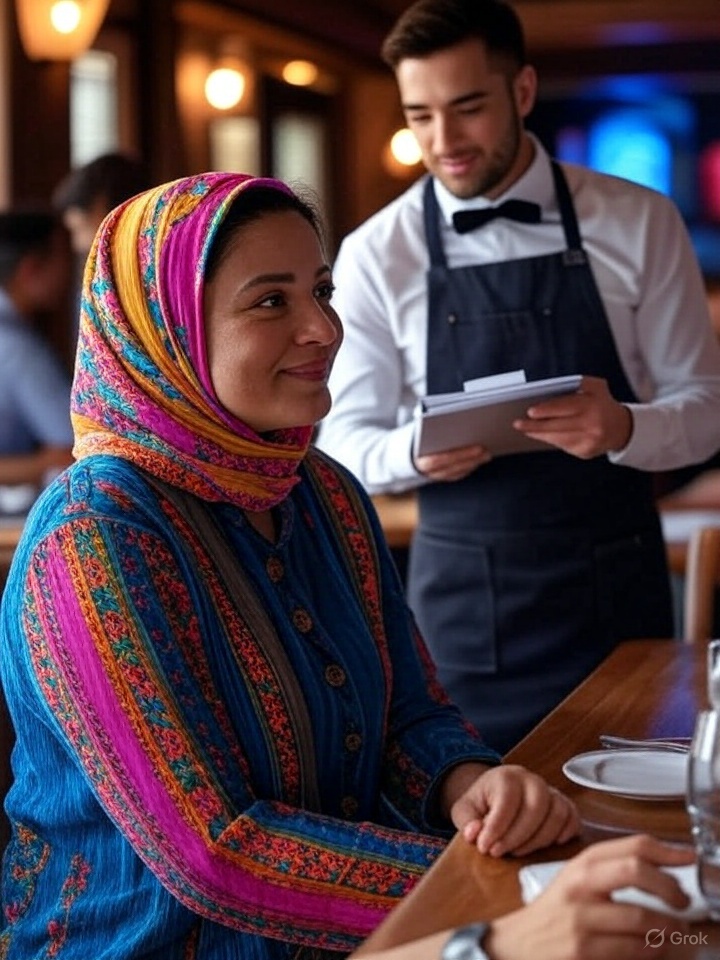
    In a restaurant, staff need to speak English clearly to take orders and help customers. First, they should greet customers politely and ask if they are ready to order. When a customer asks for a recommendation, staff can suggest popular Khmer dishes such as Fish Amok, Beef Lok Lak, or Khmer Curry. It is helpful to describe the dishes briefly. For example, Fish Amok is a steamed fish curry with coconut milk and spices, and Beef Lok Lak is stir-fried beef served with rice and vegetables.

    Handling dietary requests is very important. Customers may ask for vegetarian, vegan, or gluten-free options or may have allergies. Staff should listen carefully, repeat the order to confirm, and make sure the kitchen prepares it correctly. For example, they can say: “You would like the Fish Amok without chili. Is that correct?”

    Polite phrases like “Would you like…?”, “Can I recommend…?”, and “Is that okay for you?” help create a friendly atmosphere. Staff should also be ready to explain the menu clearly and answer simple questions about ingredients or spice levels.

    Learning Restaurant English helps staff provide better service, recommend Khmer food confidently, and handle all customer requests professionally. It improves the dining experience for customers and makes the restaurant welcoming and enjoyable.


    #####################


    Waiter – guest – dialogue:

    Waiter: Good evening. Welcome to our restaurant. Here is the menu.
    Customer: Thank you. What do you recommend today?
    Waiter: May I suggest a traditional Khmer dish? Our Fish Amok is very popular. It is steamed fish cooked with coconut milk, curry, and fresh herbs. It is soft and not very spicy.
    Customer: That sounds interesting. Is it served with rice?
    Waiter: Yes, it comes with steamed rice. Another good choice is Beef Lok Lak. It is stir-fried beef with vegetables, rice, and a tasty pepper sauce.
    Customer: Hmm. Is the Beef Lok Lak spicy?
    Waiter: No, it is not spicy, unless you add the pepper sauce. Would you like to try it?
    Customer: Yes, I will have the Beef Lok Lak, please.
    Waiter: Very good. Would you like a drink with your meal?
    Customer: Just water, please.
    Waiter: Thank you. So your order is one Beef Lok Lak with rice, and water. Is that correct?
    Customer: Yes, that’s correct.
    Waiter: Perfect. I will bring your order soon.


    ############


    Waiter – guest – dialogue:

    Waiter: Hello, welcome! May I take your order?
    Customer: I am not sure yet. Can you recommend a Khmer dish?
    Waiter: Of course. Many guests enjoy our Khmer Chicken Curry. It is cooked with coconut milk, potatoes, carrots, and mild spices. It is softer than Thai curry and not very hot.
    Customer: That sounds nice. Is it good for people who don’t like spicy food?
    Waiter: Yes, it is very mild. Another option is Prahok Ktis, a pork and coconut dip served with fresh vegetables. It is a special Cambodian taste.
    Customer: Hmm, maybe I will try the chicken curry. Does it come with rice?
    Waiter: Yes, it is served with steamed rice. Would you like white rice or jasmine rice?
    Customer: Jasmine rice, please. And can I also have a salad?
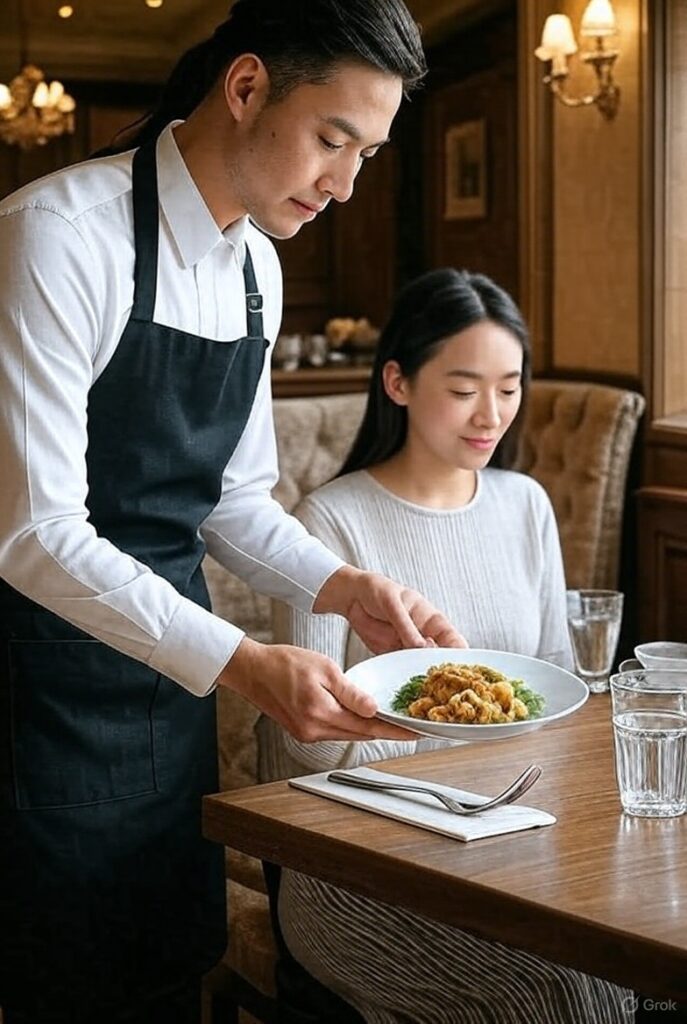
    Waiter: Certainly. So, one Khmer Chicken Curry with jasmine rice and a salad. Would you like something to drink?
    Customer: Yes, I’ll take an iced tea.
    Waiter: Very good. I will bring your order shortly. Enjoy your meal!
    Customer: Thank you.


    ###################

    Waiter – guest – dialogue:


    Waiter: Good afternoon. Here is the menu. Are you ready to order?
    Customer: Not yet. Can you recommend a Khmer dish?
    Waiter: Certainly. Our most famous dish is Fish Amok. It is a steamed fish curry with coconut milk, lemongrass, and herbs. The texture is soft and creamy, and it is not very spicy.
    Customer: That sounds good. Is it a large portion?
    Waiter: Yes, it is enough for one person, and it comes with rice. Many visitors say it is the best way to taste traditional Cambodian food.
    Customer: Okay, I think I will try the Fish Amok.
    Waiter: Excellent choice. Would you like to add a side dish, maybe vegetables or soup?
    Customer: Yes, some fried vegetables, please.
    Waiter: Very good. And for your drink?
    Customer: Just a fresh coconut water.
    Waiter: Perfect. So your order is one Fish Amok with rice, fried vegetables, and coconut water. Is that correct?
    Customer: Yes, that’s correct.
    Waiter: Thank you. I will bring your meal soon. Please enjoy!
    Customer: Thank you very much.


    ################
    Waiter – guest – dialogue:
    Ordering food and recommending Khmer dishes – key words:


    1. Greeting & Menu

    • Welcome / Hello / Good morning – evening
    • “Here is the menu.”
    • “Are you ready to order?”
    • “Can I take your order?”

    2. Recommendations

    • Khmer dishes:
      • Fish Amok → steamed fish curry, coconut milk, herbs, soft, not spicy
      • Beef Lok Lak → stir-fried beef, rice, vegetables, pepper sauce, mild
      • Khmer Curry → chicken/vegetables, coconut milk, potatoes, carrots, mild
      • Prahok Ktis → pork + coconut dip, vegetables, traditional taste
    • Phrases:
      • “May I recommend…?”
      • “Would you like to try…?”
      • “This dish is not spicy.”

    3. Customer Questions

    • “Is it spicy?”
    • “Is it served with rice?”
    • “Is the portion big?”
    • “Can I add a side dish/salad?”
    • “What drink do you recommend?”

    4. Confirming the Order

    • Repeat order: “So your order is…”
    • “Is that correct?”
    • “Would you like rice with that?”

    5. Polite Closing

    • “Thank you.”
    • “I will bring your meal soon.”
    • “Please enjoy your food.”


    ################


    Dialogue: after the meal + dessert recommendation

    Waiter: Good evening. I see you have finished your meal. Was everything okay?
    Customer: Yes, it was very delicious. Thank you.
    Waiter: I’m glad to hear that. Would you like anything else? Maybe a dessert or a coffee?
    Customer: Hmm, what dessert do you recommend?
    Waiter: May I suggest our Pumpkin Custard? It is a sweet Khmer dessert made with pumpkin and coconut milk. We also have Sticky Rice with Mango, very popular and not too heavy.
    Customer: The pumpkin custard sounds interesting. I will try that.
    Waiter: Very good choice. Would you like tea or coffee with it?
    Customer: Just tea, please.
    Waiter: Thank you. May I clear the plates now?
    Customer: Yes, please.
    Waiter: (clears plates) So, one pumpkin custard and one tea. Is that correct?
    Customer: Yes, that’s correct.
    Waiter: Perfect. I will bring it shortly.


    👉 Useful phrases:

    • “Was everything okay?”
    • “Would you like dessert or coffee?”
    • “May I recommend our pumpkin custard / sticky rice with mango?”
    • “May I clear the table?”
    • “So your order is … Is that correct?”

    ############


    Dialogue: after the meal

    Waiter: Good evening. I see you have finished your meal. How was everything?
    Customer: It was excellent. The Fish Amok was very tasty.
    Waiter: Thank you. I’m happy you enjoyed it. Would you like anything else? We have desserts, coffee, and tea.
    Customer: What desserts do you have?
    Waiter: Today we have Pumpkin Custard, which is sweet pumpkin with coconut milk. We also have Banana with Sticky Rice, a traditional Khmer dessert wrapped in banana leaf. Another choice is Fresh Fruit Plate with pineapple, watermelon, and mango.
    Customer: That sounds nice. Which one do you recommend?
    Waiter: The banana with sticky rice is very popular with our guests. It is sweet but not too heavy.
    Customer: Okay, I’ll try the banana with sticky rice.
    Waiter: Very good. Would you like tea or coffee with that?
    Customer: Yes, a coffee, please.
    Waiter: Perfect. May I clear your plates now?
    Customer: Yes, please.
    Waiter: Thank you. So, one banana with sticky rice and one coffee. Is that correct?
    Customer: Yes, that’s correct.
    Waiter: Wonderful. I will bring it shortly.


    ###############


    Dialogue: after dessert – bill & payment

    Waiter: I see you have finished your dessert. Did you enjoy it?
    Customer: Yes, it was very delicious. Thank you.
    Waiter: I’m glad to hear that. May I clear your plates now?
    Customer: Yes, please.
    Waiter: (clears plates) Thank you. Would you like the bill now?
    Customer: Yes, please.
    Waiter: Of course. Here is your bill. The total is 18.50 USD.
    Customer: Okay. Can I pay by card?
    Waiter: Yes, we accept Visa and Mastercard. Would you like to pay now?
    Customer: Yes, I’ll pay with Visa.
    Waiter: Thank you. Please insert your card here and follow the instructions.
    Customer: Done.
    Waiter: Perfect. Your payment is successful. Here is your receipt.
    Customer: Thank you.
    Waiter: Thank you for visiting our restaurant. We hope to see you again soon.
    Customer: Everything was wonderful. Thank you.
    Waiter: You’re welcome. Have a nice evening!


    Key phrases – after dessert & payment

    • “Did you enjoy it?”
    • “May I clear your plates?”
    • “Would you like the bill now?”
    • “The total is …”
    • “Do you want to pay by cash or card?”
    • “Please insert your card here and follow the instructions.”
    • “Thank you for visiting our restaurant.”
    • “We hope to see you again soon.”

    #############


    Restaurant English – full service summary


    1. Guest enters

    • Actions: Greet guest, welcome, offer seating.
    • Useful Phrases:
      • “Good evening. Welcome to our restaurant.”
      • “Do you have a reservation?”
      • “How many people are in your party?”
      • “Please follow me to your table.”

    2. Seating & menu

    • Actions: Show guest to table, provide menu, offer assistance.
    • Useful Phrases:
      • “Here is the menu.”
      • “Can I get you something to drink while you decide?”
      • “Please take your time.”

    3. Taking the order

    • Actions: Ask what guest wants, recommend dishes, confirm order, note drinks, special requests, allergies.
    • Useful Phrases:
      • “Are you ready to order?”
      • “May I recommend a Khmer dish?”
      • “Our Fish Amok is very popular. It is steamed fish with coconut milk and herbs.”
      • “Do you have any dietary restrictions or allergies?”
      • “Would you like rice with that?”
      • “So your order is … Is that correct?”

    4. Serving the meal

    • Actions: Bring food and drinks, check comfort, respond to requests.
    • Useful Phrases:
      • “Here is your Fish Amok.”
      • “Is everything okay?”
      • “Do you need anything else?”

    5. After the meal – dessert / drinks

    • Actions: Ask about dessert or coffee/tea, recommend, clear plates, serve dessert/drinks.
    • Useful Phrases:
      • “Did you enjoy your meal?”
      • “Would you like a dessert or coffee?”
      • “May I recommend our Banana with Sticky Rice or Pumpkin Custard?”
      • “May I clear your plates?”

    6. Paying the bill

    • Actions: Offer the bill, ask payment method, process payment, return receipt/change.
    • Useful Phrases:
      • “Would you like the bill now?”
      • “The total is …”
      • “Do you want to pay by cash or card?”
      • “Please insert your card here and follow the instructions.”
      • “Here is your receipt. Thank you.”

    7. Guest leaving

    • Actions: Thank guest, say goodbye, invite to return.
    • Useful Phrases:
      • “Thank you for visiting our restaurant.”
      • “We hope to see you again soon.”
      • “Have a nice evening!”

    Notes for Staff:

    • Use polite phrases at every step.
    • Repeat orders to confirm.
    • Observe guest comfort and respond quickly.
    • Recommend Khmer dishes confidently.
    • Handle dietary requests carefully.
    • End the service with gratitude and warmth.

  • Restaurant English – ordering food and recommending Indonesian dishes, and more (B1, present simple)

    • speak, serve, and spice up the menu!
      [“To spice up the menu” means to make the food list more interesting, exciting, or different, often by adding new dishes or new tastes.]


    In a restaurant, staff follow a clear process to provide good service. Guests are greeted politely and shown to their table. Menus and drinks are offered, and staff may mention special or popular dishes. When explaining the menu, staff describe dishes clearly and recommend suitable options. Indonesian dishes such as Nasi Goreng, Satay, Gado-Gado, and Rendang are commonly served. Dietary requests, including vegetarian, vegan, gluten-free, or halal, are checked carefully and confirmed with the kitchen if necessary.

    Orders are taken clearly, and staff repeat them to avoid mistakes. Drinks and side dishes are confirmed. Food is served carefully to the correct guests, and condiments or extra sauces are offered. Staff check if guests are satisfied and refill drinks when needed. After the main meal, dessert and coffee or tea can be offered. Staff serve desserts and drinks carefully, paying attention to requests and preferences.

    At the end of the meal, the bill is prepared, and the payment method is confirmed. Cash or card is handled politely, and any change or receipt is returned. Guests are thanked and escorted out if appropriate. Clear communication, politeness, attention to requests, and careful service help create a positive dining experience. Good service ensures that guests enjoy their meal and feel welcome.


    _____________________

    Vocabulary:


    • to order food – to tell the restaurant what you want to eat
    • to recommend – to say that something is good to choose
    • a dish (food) – a type of food served in a restaurant
    • staff – people who work in a restaurant or place of service
    • to follow a clear process – to do things step by step in the right way
    • to provide service – to help customers and give them what they need
    • politely – in a kind and respectful way
    • to show to the table – to take someone to their place to sit in a restaurant
    • to offer drinks – to ask if someone wants a drink
    • to mention – to say something so that others know about it
    • to explain – to give information so that someone understands
    • to describe dishes – to tell what the food is like
    • a suitable option – a good choice for someone
    • commonly – usually or often
    • a dietary request – a request about food, e.g., vegetarian, vegan, gluten-free
    • to confirm with the kitchen – to check with the kitchen if something is possible
    • to take an order – to write down or remember what a customer wants to eat or drink
    • to repeat – to say something again
    • to avoid mistakes – to make sure nothing goes wrong
    • a condiment – extra food you can add, like sauce or salt
    • to be satisfied – to feel happy with what you got
    • to refill drinks – to give more drink when the glass is empty
    • to pay attention to requests – to listen and do what the customer asks
    • a preference – what someone likes more than other things
    • a payment method – the way someone pays, e.g., cash or card
    • a receipt – a paper that shows you paid
    • to escort out – to show someone the way out politely
    • to be appropriate – to be correct or right in the situation
    • politeness – being kind and respectful
    • attention to requests – careful listening to what someone asks
    • an experience – something that happens to you and you notice or feel
    • to ensure – to make sure something happens
    • to enjoy – to like something and feel happy with it
    • to feel welcome – to feel happy and comfortable in a place

    #####################
    Multiple choice test, one answer correct:

    Statement 1-15:

    Statement 16-30:


    1. To order food means to:
      a) tell the restaurant what you want to eat
      b) pay for food in the restaurant
      c) prepare the meal yourself at the table
    2. To recommend something means to:
      a) refuse to suggest it to anyone
      b) forget to mention it to customers
      c) suggest it as a good choice
    3. A dish (food) is:
      a) a plate or container used for cooking
      b) a type of food offered in a restaurant
      c) a drink served with a meal
    4. Staff are:
      a) people eating in the restaurant
      b) ingredients used to make meals
      c) people working in the restaurant
    5. To follow a clear process means to:
      a) do tasks step by step in order
      b) work slowly without a plan
      c) make mistakes when serving guests
    6. To provide service means to:
      a) eat food and drinks in the restaurant
      b) clean dishes and tables only
      c) help customers and give what they need
    7. Politely means to:
      a) speaking or acting in a rude way
      b) moving or doing things quickly
      c) behaving in a kind and respectful way
    8. To show to the table means to:
      a) clean the table before seating guests
      b) order food at the table
      c) take someone to their seat
    9. To offer drinks means to:
      a) pour drinks automatically
      b) ask if the guest wants a drink
      c) make a drink by yourself
    10. To mention means to:
      a) eat slowly while speaking
      b) hide information and not say it
      c) say something so others know
    11. To explain means to:
      a) give information so someone understands
      b) cook food quickly in the kitchen
      c) serve drinks to the table
    12. To describe dishes means to:
      a) explain what the food is like
      b) take orders from customers
      c) pay for food after eating
    13. A suitable option is:
      a) something expensive or difficult
      b) a bad choice that is not recommended
      c) a choice that is good for a person
    14. Commonly means:
      a) usually or often
      b) rarely done
      c) never happening at all
    15. A dietary request is:
      a) a request about food like vegetarian or vegan
      b) a request about drinks only
      c) a complaint about food or service

      —————–end of part 1—————
    16. To confirm with the kitchen means to:
      a) cook the food yourself in the kitchen
      b) check with the kitchen to make sure it is possible
      c) ignore what the guest asked for
    17. To take an order means to:
      a) write down or remember what a customer wants
      b) serve the food immediately
      c) clean the table before serving
    18. To repeat means to:
      a) say the same thing again
      b) write something down once
      c) forget what was said
    19. To avoid mistakes means to:
      a) cause problems for yourself or others
      b) take a short break
      c) make sure nothing goes wrong
    20. A condiment is:
      a) extra food added like sauce or salt
      b) a drink served with a meal
      c) the main food served on the plate
    21. To be satisfied means to:
      a) feel happy with what you received
      b) ask for more food or drink
      c) complain about food or service
    22. To refill drinks means to:
      a) give more drink when the glass is empty
      b) take the guest’s glass away
      c) pour drinks automatically
    23. To pay attention to requests means to:
      a) ignore what the guest is asking
      b) listen carefully and do what the guest asks
      c) ask for help from staff
    24. A preference is:
      a) a special dish chosen by the chef
      b) a gift given to the guest
      c) what someone likes more than other things
    25. A payment method is:
      a) the way someone pays, like cash or card
      b) a receipt that shows the payment
      c) the bill the guest must pay
    26. A receipt is:
      a) a paper that shows the guest has paid
      b) money used to pay for the meal
      c) a menu listing all food and drinks
    27. To escort out means to:
      a) ignore guests leaving
      b) ask someone to leave angrily
      c) show the guest the way out politely
    28. To be appropriate means to:
      a) be correct or right in a situation
      b) behave in a rude way
      c) do something expensive or unusual
    29. Politeness is:
      a) being angry
      b) being kind and respectful to others
      c) moving or acting slowly
    30. Attention to requests means to:
      a) ignoring instructions or requests
      b) working quickly
      c) careful listening to what the guest asks

      ————–end of part 2————-
    31. An experience is:
      a) something that happens to you and you notice
      b) a payment made for a service
      c) a drink served in a restaurant
    32. To ensure means to:
      a) make sure something happens correctly
      b) ignore something that might happen
      c) eat quickly without thinking
    33. To enjoy means to:
      a) forget about something completely
      b) like something and feel happy about it
      c) eat food without noticing it
    34. To feel welcome means to:
      a) feel nervous or uncomfortable
      b) leave a place quickly
      c) feel happy and comfortable in a place

    ___________________________
    Answers:
    1a 2c 3b 4c 5a 6c 7c 8c
    9b 10c 11a 12a 13c 14a 15a
    16b 17a 18a 19c 20a 21a
    22a 23b 24c 25a 26a 27c
    28a 29b 30c 31a 32a 33b 34c


    _____________________________
    Correct version:

    Statement 1-32:

    1. To order food means to: tell the restaurant what you want to eat
    2. To recommend something means to: suggest it as a good choice
    3. A dish (food) is: a type of food offered in a restaurant
    4. Staff are: people working in the restaurant
    5. To follow a clear process means to: do tasks step by step in order
    6. To provide service means to: help customers and give what they need
    7. Politely means to: behaving in a kind and respectful way
    8. To show to the table means to: take someone to their seat
    9. To offer drinks means to: ask if the guest wants a drink
    10. To mention means to: say something so others know
    11. To explain means to: give information so someone understands
    12. To describe dishes means to: explain what the food is like
    13. A suitable option is: a choice that is good for a person
    14. Commonly means: usually or often
    15. A dietary request is: a request about food like vegetarian or vegan
    16. To confirm with the kitchen means to: check with the kitchen to make sure it is possible
    17. To take an order means to: write down or remember what a customer wants
    18. To repeat means to: say the same thing again
    19. To avoid mistakes means to: make sure nothing goes wrong
    20. A condiment is: extra food added like sauce or salt
    21. To be satisfied means to: feel happy with what you received
    22. To refill drinks means to: give more drink when the glass is empty
    23. To pay attention to requests means to: listen carefully and do what the guest asks
    24. A preference is: what someone likes more than other things
    25. A payment method is: the way someone pays, like cash or card
    26. A receipt is: a paper that shows the guest has paid
    27. To escort out means to: show the guest the way out politely
    28. To be appropriate means to: be correct or right in a situation
    29. Politeness is: being kind and respectful to others
    30. Attention to requests means to: careful listening to what the guest asks
    31. An experience is: something that happens to you and you notice
    32. To ensure means to: make sure something happens correctly
      —————–end of audio file———-
    33. To enjoy means to: like something and feel happy about it
    34. To feel welcome means to: feel happy and comfortable in a place


    #####################

    Word-definition matching exercise:


    Words:

    1. To recommend
    2. A condiment
    3. Staff
    4. To describe dishes
    5. To avoid mistakes
    6. To refill drinks
    7. Politeness
    8. To take an order
    9. To ensure
    10. A dietary request
    11. To feel welcome
    12. To show to the table
    13. A payment method
    14. To pay attention to requests


    Definitions:

    a. Take someone to their seat
    b. Listen carefully and do what the guest asks
    c. Suggest a good choice to someone
    d. Feel happy and comfortable in a place
    e. Give more drink when the glass is empty
    f. Extra food added like sauce or salt
    g. Make sure something happens correctly
    h. People who work in a restaurant
    i. Behaving in a kind and respectful way
    j. Write down or remember what a customer wants
    k. Make sure nothing goes wrong
    l. Explain what the food is like
    m. The way someone pays, like cash or card
    n. A request about food like vegetarian or vegan


    ___________________
    Answers:
    1c 2f 3h 4l 5k 6e 7i 8j
    9g 10n 11d 12a 13m 14b
    ___________________


    Correct version:


    1. To recommend – Suggest a good choice to someone
    2. A condiment – Extra food added like sauce or salt
    3. Staff – People who work in a restaurant
    4. To describe dishes – Explain what the food is like
    5. To avoid mistakes – Make sure nothing goes wrong
    6. To refill drinks – Give more drink when the glass is empty
    7. Politeness – Behaving in a kind and respectful way
    8. To take an order – Write down or remember what a customer wants
    9. To ensure – Make sure something happens correctly
    10. A dietary request – A request about food like vegetarian or vegan
    11. To feel welcome – Feel happy and comfortable in a place
    12. To show to the table – Take someone to their seat
    13. A payment method – The way someone pays, like cash or card
    14. To pay attention to requests – Listen carefully and do what the guest asks

    ####################


    True or false:

    1. Guests are greeted politely and shown to their table.
    2. Staff always serve food without checking orders.
    3. Menus and drinks are offered to guests.
    4. Staff may mention special or popular dishes.
    5. Dietary requests are ignored by the kitchen.
    6. Orders are repeated to avoid mistakes.
    7. Condiments or extra sauces are offered when serving food.
    8. Dessert is never offered after the main meal.
    9. Staff check if guests are satisfied and refill drinks if needed.
    10. Payment is handled politely, and change or receipt is returned.
    11. Guests are left alone without thanks at the end of the meal.
    12. Staff describe dishes clearly and recommend suitable options.
    13. Clear communication and attention to requests create a positive dining experience.
    14. Staff do not confirm dietary requirements with the kitchen.

    ______________________
    True: 1,3,4,6,7,9,12,13

    ______________________


    Correct version:

    1. Guests are greeted politely and shown to their table.
    2. Staff always serve food without checking orders. True is: Staff repeat orders to avoid mistakes and serve carefully.
    3. Menus and drinks are offered to guests.
    4. Staff may mention special or popular dishes.
    5. Dietary requests are ignored by the kitchen. True is: Dietary requests are checked carefully and confirmed with the kitchen if necessary.
    6. Orders are repeated to avoid mistakes.
    7. Condiments or extra sauces are offered when serving food.
    8. Dessert is never offered after the main meal. True is: Dessert and coffee or tea can be offered after the main meal.
    9. Staff check if guests are satisfied and refill drinks if needed.
    10. Payment is handled politely, and change or receipt is returned. True is: Payment is handled politely, and guests are thanked and escorted out if appropriate.
    11. Guests are left alone without thanks at the end of the meal. True is: Guests are thanked and escorted out if appropriate.
    12. Staff describe dishes clearly and recommend suitable options.
    13. Clear communication and attention to requests create a positive dining experience.
    14. Staff do not confirm dietary requirements with the kitchen. True is: Staff confirm dietary requests with the kitchen if necessary.


    #####################


    Gap-fill exercise:

    1. Guests are ______ politely and shown to their table.
      a) greeted
      b) ignored
      c) called
    2. Staff may ______ special or popular dishes to the guests.
      a) hide
      b) mention
      c) forget
    3. Menus and drinks are ______ to the guests.
      a) ignored
      b) offered
      c) taken
    4. Staff describe dishes clearly and ______ suitable options.
      a) recommend
      b) refuses
      c) cancel
    5. Dietary requests are ______ carefully and confirmed with the kitchen if necessary.
      a) ignored
      b) checked
      c) forgotten
    6. Orders are taken clearly and ______ to avoid mistakes.
      a) repeated
      b) forgetting
      c) ignored
    7. Drinks and side dishes are ______ before serving.
      a) skipped
      b) checked
      c) canceled
    8. Food is served carefully to the correct ______.
      a) guests
      b) room
      c) friends
    9. Staff offer ______ or extra sauces when serving food.
      a) drinks
      b) condiments
      c) chair
    10. Staff check if guests are satisfied and ______ drinks if needed.
      a) remove
      b) refill
      c) forgetting
    11. After the main meal, ______ and coffee or tea can be offered.
      a) salad
      b) appetizer
      c) dessert
    12. At the end of the meal, the bill is prepared and the ______ method is confirmed.
      a) serving
      b) payment
      c) seating
    13. Cash or card is handled ______ and any change or receipt is returned.
      a) angrily
      b) quickly
      c) politely
    14. Guests are thanked and ______ out if appropriate.
      a) called
      b) escorted
      c) ignored

    ———————————
    Answers:

    1a 2b 3b 4a 5b 6a 7b
    8a 9b 10b 11c
    12b 13c 14b

    _____________________________
    Correct version:


    1. Guests are greeted politely and shown to their table.
    2. Staff may mention special or popular dishes to the guests.
    3. Menus and drinks are offered to the guests.
    4. Staff describe dishes clearly and recommend suitable options.
    5. Dietary requests are checked carefully and confirmed with the kitchen if necessary.
    6. Orders are taken clearly and ignored to avoid mistakes.
    7. Drinks and side dishes are checked before serving.
    8. Food is served carefully to the correct guests.
    9. Staff offer condiments or extra sauces when serving food.
    10. Staff check if guests are satisfied and refill drinks if needed.
    11. After the main meal, dessert and coffee or tea can be offered.
    12. At the end of the meal, the bill is prepared and the payment method is confirmed.
    13. Cash or card is handled politely and any change or receipt is returned.
    14. Guests are thanked and escorted out if appropriate.

    #####################

    Waiter and guest dialogue: from reservation to being seated:


    Scene: Guest arrives at the restaurant with a reservation

    Waiter: Good evening. Welcome to [restaurant name]. Do you have a reservation?

    Guest: Yes, the reservation is under the name Smith.

    Waiter: Thank you, Mr. Smith. Let me check… Yes, your table is ready. Please follow me.

    Guest: Thank you.

    Waiter: Here is your table. Please have a seat. Here are the menus for you.

    Guest: Thank you very much.

    Waiter: Would you like something to drink while you look at the menu? We have water, juice, and tea.

    Guest: I would like a glass of water, please.

    Waiter: Certainly. I will bring your water immediately.

    Guest: Thank you.

    Waiter: Today, our special dishes are Nasi Goreng with shrimp and Satay with peanut sauce. You can also try Gado-Gado if you like vegetables.

    Guest: That sounds nice. Can we see the full menu first?

    Waiter: Of course. Take your time. I will come back in a few minutes to take your order.

    Guest: Thank you.

    Waiter: You are welcome. Please let me know if you have any questions about the dishes or if you have any dietary preferences.

    Guest: I am vegetarian. Could you help me choose something suitable?

    Waiter: Certainly. You can try Gado-Gado or vegetable Nasi Goreng. Both are vegetarian and very popular.

    Guest: That sounds perfect. I will decide soon.

    Waiter: No problem. I will return shortly to take your order.


    Summary:

    • Reservation handling
    • Polite greetings
    • Seating and menu offering
    • Drink suggestions
    • Explaining special dishes
    • Handling dietary preferences

      #####################


    Waiter and guest dialogue: from being seated to finishing main dish

    Scene: Guest is seated at the table

    Waiter: Here is your water. Are you ready to order, or do you need a few more minutes?

    Guest: I think we are ready.

    Waiter: Great. Do you have any dietary preferences or restrictions?

    Guest: Yes, I am vegetarian.

    Waiter: No problem. I recommend Gado-Gado, a mixed vegetable salad with peanut sauce, or vegetable Nasi Goreng.

    Guest: I will have Gado-Gado.

    Waiter: Very good. And for you, sir?

    Guest 2: I would like Satay with chicken, please.

    Waiter: Certainly. Would you like any side dishes or extra sauces?

    Guest 2: Yes, please, a little extra peanut sauce.

    Waiter: Noted. And would you like any drinks with your meal besides water?

    Guest: No, just water is fine.

    Waiter: Very well. I will bring your dishes shortly.

    [After a few minutes, the waiter serves the food]

    Waiter: Here is your Gado-Gado. And here is your Satay with extra peanut sauce. Enjoy your meal.

    Guest: Thank you.

    Waiter: Is everything okay with your dishes?

    Guest 2: Yes, it looks very good, thank you.

    Waiter: I will check again in a few minutes to see if you need anything else.

    [Guests start eating the main dishes]

    Guest: The Gado-Gado is very fresh and tasty.

    Guest 2: The Satay is excellent and the sauce is delicious.

    Waiter: I am glad you like it. Please let me know if you need more drinks or anything else while you eat.


    ___________________
    Summary:

    • Ordering after being seated
    • Handling dietary requests
    • Serving the main dishes
    • Checking guest satisfaction during the meal

    #################

    Waiter and guest dialogue: from finishing main dish to farewell


    Scene: Guests have finished their main dishes

    Waiter: How was your meal? Did you enjoy everything?

    Guest: Yes, it was very good. Thank you.

    Guest 2: The Satay was excellent.

    Waiter: I am glad you liked it. Would you like to see the dessert menu?

    Guest: Yes, please.

    Waiter: Today, we have Es Campur, a sweet mixed ice dessert, and Pisang Goreng, fried banana with honey.

    Guest 2: I would like Pisang Goreng, please.

    Guest: I will have Es Campur.

    Waiter: Very good. And would you like any coffee or tea with your dessert?

    Guest: I would like a cappuccino.

    Guest 2: I will have black coffee, please.

    Waiter: Noted. I will bring your desserts and drinks shortly.

    [After a few minutes, the waiter serves dessert and coffee]

    Waiter: Here is your Es Campur and cappuccino. And here is your Pisang Goreng with black coffee. Enjoy!

    Guest: Thank you.

    Guest 2: Looks delicious.

    Waiter: Please let me know if you need anything else while enjoying your dessert.

    [Guests finish dessert and drinks]

    Waiter: Are you ready for the bill?

    Guest: Yes, please.s

    Waiter: How would you like to pay, by cash or card?

    Guest 2: We will pay by card.

    Waiter: Very well. Here is your bill. Please insert your card here.

    Guest: Done. Thank you.

    Waiter: Thank you very much. Here is your receipt. We hope you enjoyed your meal.

    Guest: Yes, it was wonderful. Thank you for your service.

    Waiter: You are welcome. Have a great evening and we hope to see you again soon.

    Guest 2: We will. Goodbye!

    Waiter: Goodbye and thank you again for visiting [restaurant name].


    Summary:

    • Checking satisfaction after the main course
    • Offering dessert and coffee
    • Taking dessert and coffee orders
    • Serving dessert and drinks
    • Asking for the bill and handling payment
    • Politely saying goodbye

    #################


    Restaurant English – from welcoming guests to ordering

    1. Welcoming Guests

    • Smile and greet politely:
      • “Hello! Welcome to [restaurant name].”
      • “Good morning/afternoon/evening!”
    • Ask about the party size:
      • “How many people are in your group?”
    • Show them to the table:
      • “Please follow me.”
    • Give menus and offer drinks:
      • “Here is the menu. Can I get you something to drink while you decide?”

    2. Explaining the Menu & Recommending Dishes

    • Be ready to describe dishes in simple English:
      • Nasi Goreng – fried rice with chicken, shrimp, or vegetables
      • Satay – grilled meat on sticks with peanut sauce
      • Gado-Gado – mixed vegetables with peanut sauce
      • Rendang – spicy beef stew
    • Use phrases to recommend:
      • “Our specialty is Nasi Goreng. It is very tasty.”
      • “If you like spicy food, I recommend Rendang.”
      • “Gado-Gado is vegetarian.”
    • Answer questions about ingredients:
      • “This dish contains peanuts.”
      • “Yes, this is halal.”
      • “It is not spicy, but we can add chili if you like.”

    3. Handling Dietary Requests

    • Ask politely about restrictions:
      • “Do you have any dietary restrictions?”
      • “Are you vegetarian or vegan?”
      • “Do you need gluten-free food?”
    • Confirm with kitchen if necessary:
      • “Yes, we can make this dish vegetarian.”
      • “I will check with the chef to make sure it is gluten-free.”
    • Repeat dietary requests clearly when ordering:
      • “So, you want vegetarian Nasi Goreng without egg?”

    4. Taking the Order

    • Use clear phrases to take the order:
      • “What would you like to eat?”
      • “Can I take your order now?”
    • Repeat the order to confirm:
      • “So, you would like Nasi Goreng, Satay, and Gado-Gado, right?”
    • Ask about drinks or extras:
      • “Would you like water, juice, or tea?”
      • “Do you want any side dishes?”

    5. Final Polite Check & Service

    • Confirm and reassure guests:
      • “Thank you. Your order will be ready soon.”
      • “If you need anything, please let me know.”
    • Stay attentive for questions during the meal.
    • Use polite phrases:
      • “Excuse me, is everything okay?”
      • “Can I get you anything else?”

    Tips for Staff:

    • Speak clearly and slowly.
    • Smile and make eye contact.
    • Always repeat orders to avoid mistakes.
    • Be confident when explaining dishes and dietary options.

    #################


    Restaurant English – from serving the food to farewell

    1. Serving the Food

    • Carry plates carefully and politely to the table.
    • Place the dishes in front of the correct guest:
      • “Here is your Nasi Goreng.”
      • “This is the Satay for you.”
    • Offer any sauces or condiments:
      • “Would you like chili sauce or soy sauce?”
    • Check politely:
      • “Is everything okay with your meal?”
      • “Do you need anything else?”
    • Use simple phrases if a guest asks for something extra:
      • “I will bring it right away.”
      • “Yes, we can add more sauce.”

    2. Explaining & Serving Desserts

    • Introduce the dessert menu or options:
      • “Would you like to see our dessert menu?”
      • “Our special desserts today are Es Campur and Pisang Goreng.”
    • Recommend desserts:
      • “I recommend Es Campur. It is sweet and refreshing.”
      • “Pisang Goreng is fried banana with honey. Very tasty.”
    • Take dessert orders clearly:
      • “So, you would like one Es Campur and one Pisang Goreng, right?”
    • Serve desserts politely and carefully.

    3. Handling Drinks During the Meal

    • Ask politely if guests need refills:
      • “Would you like more water or juice?”
      • “Can I get you another tea?”
    • Offer extra condiments if needed:
      • “Do you need more chili or soy sauce?”

    4. Preparing the Bill

    • Ask politely when the guests are ready:
      • “Are you ready for the bill?”
      • “Can I bring the check?”
    • Confirm payment method:
      • “Do you want to pay by cash or card?”
    • Present the bill politely:
      • “Here is your bill. Thank you for coming.”

    5. Handling Payment

    • Take cash or card carefully and thank the guest:
      • “Thank you very much.”
    • Return change if needed:
      • “Here is your change. Have a nice day.”
    • Give receipt if requested:
      • “Here is your receipt. Thank you.”

    6. Farewell

    • Smile and say goodbye politely:
      • “Thank you for visiting [restaurant name].”
      • “We hope to see you again soon.”
    • Escort guests to the door if appropriate:
      • “Please come again. Have a great day!”

    Tips for Staff:

    • Always speak clearly and slowly.
    • Be polite, friendly, and patient.
    • Repeat orders and requests to avoid mistakes.
    • Offer help without being asked: refills, condiments, extra napkins.
    • Keep the table clean and organized.
    • Always thank guests before they leave.

    #############


    Summary of restaurant English – from welcoming guests to farewell, step-by-step


    audio part 1


    audio part 2

    1. Greeting Guests

    • Smile and greet politely:
      • “Hello! Welcome to [restaurant name].”
      • “Good morning/afternoon/evening!”
    • Ask about party size:
      • “How many people are in your group?”
    • Show the table:
      • “This way, please.”
    • Pull out chairs and help guests sit if needed.
    • Offer menus and drinks:
      • “Here is the menu. Would you like water, juice, or tea while you decide?”
    • Mention specials or popular dishes:
      • “Today we have special Nasi Goreng with shrimp.”

    2. Explaining & Recommending Dishes

    • Be ready to describe dishes clearly:
      • Nasi Goreng – fried rice with chicken, shrimp, or vegetables
      • Satay – grilled meat with peanut sauce
      • Gado-Gado – vegetables with peanut sauce
      • Rendang – spicy beef stew
    • Recommend politely:
      • “Our specialty is Nasi Goreng. Very tasty.”
      • “If you like spicy food, I suggest Rendang.”
    • Answer questions:
      • “This dish is vegetarian.”
      • “It is spicy, but we can make it mild.”
      • “Yes, this dish is halal.”

    3. Handling Dietary Requests

    • Ask politely:
      • “Do you have any dietary restrictions?”
      • “Are you vegetarian or vegan?”
      • “Do you need gluten-free food?”
    • Confirm with kitchen or chef:
      • “Yes, we can make this dish vegetarian.”
    • Repeat and clarify order:
      • “So, vegetarian Nasi Goreng without egg?”
    • Offer alternatives if needed:
      • “You can try Gado-Gado; it is vegetarian.”

    4. Taking the Order

    • Ask politely and clearly:
      • “What would you like to eat?”
      • “Can I take your order now?”
    • Repeat order for confirmation:
      • “So, Nasi Goreng, Satay, and Gado-Gado, right?”
    • Ask about drinks and sides:
      • “Would you like water, juice, or tea?”
      • “Do you want any extra sauces or chili?”
    • Note any special requests clearly.

    5. Serving Food & Drinks

    • Serve food carefully to the correct guest:
      • “Here is your Nasi Goreng.”
      • “This is the Satay for you.”
    • Offer condiments:
      • “Do you need chili sauce or soy sauce?”
        ——————end of part 1 audio————–

    • Check politely after serving:
      • “Is everything okay with your meal?”
      • “Do you need anything else?”
    • Refill drinks:
      • “Would you like more water or tea?”
    • Observe guests discreetly to notice if they need help.

    6. Dessert & Coffee

    • Offer dessert menu:
      • “Would you like to see our dessert menu?”
    • Recommend desserts:
      • “I suggest Es Campur. It is sweet and refreshing.”
      • “Pisang Goreng is fried banana with honey.”
    • Take dessert order clearly:
      • “So, one Es Campur and one Pisang Goreng, right?”
    • Serve desserts politely:
      • “Here is your dessert. Enjoy!”
    • Offer after-meal drinks:
      • “Would you like coffee, tea, or a hot chocolate?”
      • “We have espresso, cappuccino, or black coffee.”
    • Serve coffee/tea carefully with spoons, sugar, or milk if requested.

    7. Preparing the Bill & Payment

    • Ask politely when guests are ready:
      • “Are you ready for the bill?”
      • “Can I bring the check?”
    • Confirm payment method:
      • “Do you want to pay by cash or card?”
    • Present bill politely:
      • “Here is your bill. Thank you for dining with us.”
    • Handle cash or card carefully.
    • Return change and/or receipt politely:
      • “Here is your change. Have a nice day!”
    • Say thank you:
      • “Thank you very much for coming.”

    8. Farewell

    • Smile and say goodbye:
      • “Thank you for visiting [restaurant name].”
      • “We hope to see you again soon.”
    • Escort guests to the door if appropriate:
      • “Please come again. Have a great day!”
    • Keep table ready for next guests.

    ✅ Extra Tips for Staff

    • Speak clearly and slowly.
    • Smile and be polite at all times.
    • Repeat orders to avoid mistakes.
    • Offer help without being asked: extra napkins, condiments, or refills.
    • Keep tables clean and organized.
    • Observe guests and respond politely to requests.
    • Use simple, clear phrases for communication with customers.

    #################

    Fill in, words below:

    check – dishes – experience – coconut – bill –
    recommend – return – politely –
    allergies – desserts –
    vegetables –
    payment


    ————————-
    In a restaurant, staff greet guests __________ and guide them to their table. They offer menus, drinks, and explain __________ clearly.
    Popular Khmer dishes include Fish Amok (steamed fish with __________ milk), Beef Lok Lak (stir-fried beef with __________ and rice), and Khmer Curry (mild chicken or vegetable curry).
    Staff __________ dishes, ask about _________ or preferences, and confirm orders.
    During the meal, they __________ if everything is okay and respond to requests.
    After the meal, staff offer __________ or coffee, clear plates, and suggest popular sweets like Banana with Sticky Rice.
    Finally, they present the __________, ask about cash or card __________, thank the guest, and invite them to __________.
    Polite phrases ensure smooth service and a positive __________.
    ——————————-
    Full version:


    In a restaurant, staff greet guests politely and guide them to their table. They offer menus, drinks, and explain dishes clearly. Popular Khmer dishes include Fish Amok (steamed fish with coconut milk), Beef Lok Lak (stir-fried beef with vegetables and rice), and Khmer Curry (mild chicken or vegetable curry). Staff recommend dishes, ask about allergies or preferences, and confirm orders. During the meal, they check if everything is okay and respond to requests. After the meal, staff offer desserts or coffee, clear plates, and suggest popular sweets like Banana with Sticky Rice. Finally, they present the bill, ask about cash or card payment, thank the guest, and invite them to return. Polite phrases ensure smooth service and a positive experience.

    ##################

  • Discover Tonle Sap Lake (B1, present simple)

    • see floating villages and people’s daily life on the water

    You are a tour guide. The manager of a luxury hotel in Siem Reap calls you. He asks you to go with a guest on a sightseeing trip to Tonle Sap.
    You inform the guest what he can expect beforehand.


    Good morning! Today we go to Tonle Sap, the big lake near Siem Reap. First, we leave the hotel and drive to the lake. On the way, you see small villages and the countryside. People work in the fields. Children go to school. Farmers take care of animals. You also see small shops and temples.

    When we arrive at Tonle Sap, we take a boat on the water. The lake is very big and very beautiful. You see houses on stilts and floating villages. People live and work on the lake. You see fishermen catching fish. Families use small boats every day. You see schools, shops, and small markets on the water.

    During the boat ride, you see many birds. You also see water buffalo and sometimes cows near the shore. The water is calm. The view is very peaceful. You can take photos and enjoy the life on the lake.

    After the boat ride, we drive back to the hotel. You have a short break. Then you continue your day in Siem Reap. Today, you see real life in Cambodia and enjoy nature and culture.


    _______________________

    Vocabulary:

    • to discover – to find or see something new
    • a floating village – a village where people live on houses on the water
    • sightseeing – going to see interesting places
    • to expect – to think something will happen
    • beforehand – before something happens
    • a village – a small town in the countryside
    • countryside – land outside cities with fields, farms, and small villages
    • to take care of animals – to feed, clean, and look after animals
    • to take a boat – to travel on the water in a boat
    • houses on stilts – houses that stand on tall poles above the water
    • to catch fish – to get fish from the water
    • a boat ride – a trip on a boat
    • calm water – water that is not moving or is very quiet
    • peaceful – quiet and nice, without noise or problems
    • to enjoy – to like something and feel happy
    • to have a break – to stop working or traveling for a short time
    • to continue – to go on with something
    • real life – life as normal people live it, not for tourists

    #################
    Multiple-choice test, one answer correct:


    1. What does “to discover” mean?
    a) To find or see something new
    b) To lose something
    c) To clean something

    2. What is a “floating village”?
    a) A village on a hill
    b) A village where people live on houses on the water
    c) A very big city

    3. What is “sightseeing”?
    a) Going shopping
    b) Cleaning the house
    c) Going to see interesting places

    4. What does “to expect” mean?
    a) To forget something
    b) To think something will happen
    c) To run very fast

    5. What does “beforehand” mean?
    a) Before something happens
    b) After something happens
    c) During something

    6. What is a “village”?
    a) A big city
    b) A river
    c) A small town in the countryside

    7. What is the “countryside”?
    a) Land outside cities with fields and farms
    b) A big street in the city
    c) A school

    8. What does “to take care of animals” mean?
    a) To see animals in the zoo
    b) To feed, clean, and look after animals
    c) To buy animals

    9. What does “to take a boat” mean?
    a) To drive a car
    b) To fly in a plane
    c) To travel on the water in a boat

    10. What are “houses on stilts”?
    a) Houses that stand on tall poles above the water
    b) Houses with many rooms
    c) Houses near the market

    11. What does “to catch fish” mean?
    a) To sell fish
    b) To get fish from the water
    c) To eat fish

    12. What is a “boat ride”?
    a) A trip on a bus
    b) A walk in the park
    c) A trip on a boat

    13. What is “calm water”?
    a) Water that is very noisy
    b) Water that is not moving or is very quiet
    c) Water that is dirty

    14. What does “peaceful” mean?
    a) Quiet and nice, without noise or problems
    b) Very fast
    c) Busy and loud

    15. What does “to enjoy” mean?
    a) To feel bored
    b) To run quickly
    c) To feel happy and like something

    16. What does “to have a break” mean?
    a) To start working
    b) To stop working or traveling for a short time
    c) To sleep all day

    17. What does “to continue” mean?
    a) To stop forever
    b) To start something new
    c) To go on with something

    18. What is “real life”?
    a) Life as normal people live it
    b) Life in a movie
    c) Life only for tourists


    Answers:
    1 a, 2 b, 3 c, 4 b, 5 a, 6 c, 7 a,
    8 b, 9 c, 10 a, 11 b, 12 c, 13 b,
    14 a, 15 c, 16 b, 17 c, 18 a

    ________________

    Full version:

    1. What does “to discover” mean? That means to find or see something new
    2. What is a “floating village”? That means a village where people live on houses on the water
    3. What is “sightseeing”? That means going to see interesting places
    4. What does “to expect” mean? That means to think something will happen
    5. What does “beforehand” mean? That means before something happens
    6. What is a “village”? That means a small town in the countryside
    7. What is the “countryside”? That means land outside cities with fields and farms
    8. What does “to take care of animals” mean? That means to feed, clean, and look after animals
    9. What does “to take a boat” mean? That means to travel on the water in a boat
    10. What are “houses on stilts”? That means houses that stand on tall poles above the water
    11. What does “to catch fish” mean? That means to get fish from the water
    12. What is a “boat ride”? That means a trip on a boat
    13. What is “calm water”? That means water that is not moving or is very quiet
    14. What does “peaceful” mean? That means quiet and nice, without noise or problems
    15. What does “to enjoy” mean? That means to feel happy and like something
    16. What does “to have a break” mean? That means to stop working or traveling for a short time
    17. What does “to continue” mean? That means to go on with something
    18. What is “real life”? That means life as normal people live it.

    ######################

    Gap-fill exercise:


    1. On our trip, we want to _______ new places and people.
    a) discover
    b) enjoy
    c) continue

    2. The children go to school in the _______ every day.
    a) countryside
    b) village
    c) floating village

    3. Before the boat ride, we need to plan everything _______.
    a) peaceful
    b) sightseeing
    c) beforehand

    4. We take care of the cows and chickens. We _______ animals.
    a) catch fish
    b) take care of
    c) take a boat

    5. People live in _______ on the water in Tonle Sap.
    a) houses on stilts
    b) real life
    c) calm water

    6. When we go to Tonle Sap, we take a _______ on the lake.
    a) village
    b) boat ride
    c) sightseeing

    7. The water is quiet and smooth. It is very _______.
    a) beforehand
    b) peaceful
    c) calm water

    8. When we watch the temples and markets, we do some _______.
    a) enjoy
    b) sightseeing
    c) take care of animals

    9. Fishermen use nets to _______ in the lake.
    a) catch fish
    b) continue
    c) expect

    10. After the visit, we rest for a while. We _______.
    a) take a boat
    b) have a break
    c) discover

    11. We see how people live every day. We see _______.
    a) real life
    b) sightseeing
    c) floating village

    12. You feel happy when you like something. You _______ it.
    a) enjoy
    b) take care of
    c) discover

    13. We drive to the next village and then _______ the trip.
    a) catch fish
    b) sightseeing
    c) continue

    14. On the lake, we travel in a small boat. We _______.
    a) houses on stilts
    b) beforehand
    c) take a boat


    ________________________
    Answers:
    1 a, 2 b, 3 c, 4 b, 5 a,
    6 b, 7 c, 8 b, 9 a, 10 b,
    11 a, 12 a, 13 c, 14 c
    ________________________


    Correct version:


    1. On our trip, we want to discover new places and people.
    2. The children go to school in the village every day.
    3. Before the boat ride, we need to plan everything beforehand.
    4. We take care of the cows and chickens. We take care of animals.
    5. People live in houses on stilts on the water in Tonle Sap.
    6. When we go to Tonle Sap, we take a boat ride on the lake.
    7. The water is quiet and smooth. It is very calm water.
    8. When we watch the temples and markets, we do some sightseeing.
    9. Fishermen use nets to catch fish in the lake.
    10. After the visit, we rest for a while. We have a break.
    11. We see how people live every day. We see real life.
    12. You feel happy when you like something. You enjoy it.
    13. We drive to the next village and then continue the trip.
    14. On the lake, we travel in a small boat. We take a boat.

    ####################

    Word-definition matching exercise:


    Words:

    1. to discover
    2. a floating village
    3. sightseeing
    4. to expect
    5. beforehand
    6. a village
    7. countryside
    8. to take care of animals
    9. to take a boat
    10. houses on stilts
    11. to catch fish
    12. a boat ride
    13. calm water
    14. to enjoy


    Definitions:


    a) To get fish from the water
    b) To travel on the water in a boat
    c) A trip on a boat
    d) Land outside cities with fields and farms
    e) Quiet and smooth water
    f) To feed, clean, and look after animals
    g) To find or see something new
    h) Going to see interesting places
    i) A small town in the countryside
    j) A village where people live on houses on the water
    k) To think something will happen
    l) To feel happy and like something
    m) Before something happens
    n) Houses that stand on tall poles above the water


    ___________________
    Answers:
    1 g, 2 j, 3 h, 4 k, 5 m, 6 i,
    7 d, 8 f, 9 b, 10 n, 11 a,
    12 c, 13 e, 14 l
    ___________________

    Correct version:


    1. to discover – to find or see something new
    2. a floating village – a village where people live on houses on the water
    3. sightseeing – going to see interesting places
    4. to expect – to think something will happen
    5. beforehand – before something happens
    6. a village – a small town in the countryside
    7. countryside – land outside cities with fields and farms
    8. to take care of animals – to feed, clean, and look after animals
    9. to take a boat – to travel on the water in a boat
    10. houses on stilts – houses that stand on tall poles above the water
    11. to catch fish – to get fish from the water
    12. a boat ride – a trip on a boat
    13. calm water – quiet and smooth water
    14. to enjoy – to feel happy and like something

    ###############


    True, false:


    1. The guest will see houses on stilts in the villages.
    2. Visitors will take care of animals during the tour.
    3. Sightseeing on Tonle Sap helps visitors see real life.
    4. Everything is prepared beforehand before leaving the hotel.
    5. The floating villages are very noisy.
    6. On the trip, the guest will discover new places and people.
    7. People live in stone houses on the lake.
    8. Tourists can take a boat ride to see the lake.
    9. Villagers catch fish as part of their daily life.
    10. The villages are in the mountains.
    11. Visitors will enjoy watching people work in the villages.
    12. People live in deserts around the lake.
    13. The boat ride will be on calm water and peaceful.
    14. Visitors cannot see real life from the boat.

    __________________

    True: 1, 3, 4, 6, 8, 9, 11, 13

    __________________
    Full story:


    1. The guest will see houses on stilts in the villages.
    2. Visitors will take care of animals during the tour. True is: The guest will see villagers taking care of animals, but will not do it themselves.
    3. Sightseeing on Tonle Sap helps visitors see real life.
    4. Everything is prepared beforehand before leaving the hotel.
    5. The floating villages are very noisy. True is: The floating villages are calm and peaceful.
    6. On the trip, the guest will discover new places and people.
    7. People live in stone houses on the lake. True is: People live in wooden houses on stilts over the water.
    8. Tourists can take a boat ride to see the lake.
    9. Villagers catch fish as part of their daily life.
    10. The villages are in the mountains. True is: The villages are on the lake, not in the mountains.
    11. Visitors will enjoy watching people work in the villages.
    12. People live in deserts around the lake. True is: People live in the countryside and villages around the lake, not deserts.
    13. The boat ride will be on calm water and peaceful.
    14. Visitors cannot see real life from the boat. True is: Visitors can see real life from the boat.

    ################


    Put the statements in the correct order:

    1. Take photos and enjoy the views on the boat.
    2. Drive by car to the lake.
    3. Meet the guide at the hotel.
    4. Watch villagers fishing and taking care of animals.
    5. Take a boat to visit the floating villages.
    6. Drive back to the hotel.

    Correct order:
    3 → 2 → 5 → 4 → 1 → 6


    ___________________

    Meet the guide at the hotel.

    Drive by car to the lake.

    Take a boat to visit the floating villages.

    Watch villagers fishing and taking care of animals.

    Take photos and enjoy the views on the boat.

    Drive back to the hotel.

    ###############


    Fill in, words below:

    peaceful, boat, guide, floating,
    fish, school, villages, stilt,
    everyday, prepared,
    views, children,
    walk, countryside

    ————————

    1. We meet the _______ in the hotel lobby.
    2. We drive to the lake in a car before we take a _______.
    3. The tour visits small floating _______ on the lake.
    4. People live in houses on _______ above the water.
    5. The Tonle Sap trip shows the _______ around the lake.
    6. Villagers catch _______ as part of their daily life.
    7. The children in the villages go to _______ every day.
    8. The boat ride is calm and very _______.
    9. We stop for a short _______ in one of the villages.
    10. Visitors enjoy the beautiful _______ from the boat.
    11. Before the trip, everything is _______ at the hotel.
    12. The tour shows how people live their _______ life.
    13. The guide tells us about the _______ villages and their life.
    14. We take a _______ on the lake to see the villages closely.

    —————————–


    Correct version:

    1. We meet the guide in the hotel lobby.
    2. We drive to the lake in a car before we take a boat.
    3. The tour visits small floating villages on the lake.
    4. People live in houses on stilt above the water.
    5. The Tonle Sap trip shows the countryside around the lake.
    6. Villagers catch fish as part of their daily life.
    7. The children in the villages go to school every day.
    8. The boat ride is calm and very peaceful.
    9. We stop for a short walk in one of the villages.
    10. Visitors enjoy the beautiful views from the boat.
    11. Before the trip, everything is prepared at the hotel.
    12. The tour shows how people live their everyday life.
    13. The guide tells us about the floating villages and their life.
    14. We take a boat on the lake to see the villages closely.

    ##############

    Complete, words below:

    hotel, boat,
    everyday, peaceful, lake,
    countryside, stilt, fish, walk,
    children, villages, car,
    floating, views

    —————————–

    Tonle Sap is a large _______ in Cambodia. We start the tour at the _______ and meet our guide. First, we drive by _______ to reach the lake. After we arrive, we take a _______ to visit the floating villages.

    In the villages, people live in houses on _______ above the water. They catch _______ and take care of animals as part of their _______ life. Children go to _______ every day.

    The boat ride is very _______ and visitors enjoy the beautiful _______ from the water. We stop for a short _______ in one of the villages to watch people work. The guide tells us about the _______ villages and the life of the villagers. At the end of the trip, we drive back to the _______.


    ——————————


    Full version:

    Tonle Sap is a large lake in Cambodia. We start the tour at the hotel and meet our guide. First, we drive by car to reach the lake. After we arrive, we take a boat to visit the floating villages.

    In the villages, people live in houses on stilt above the water. They catch fish and take care of animals as part of their everyday life. Children go to school every day.

    The boat ride is very peaceful and visitors enjoy the beautiful views from the water. We stop for a short walk in one of the villages to watch people work. The guide tells us about the floating villages and the life of the villagers. At the end of the trip, we drive back to the hotel.


    ##############

  • Meet Sophea 5b (A2, past simple, a dream: manager)

    • from dreams to keys: Sophea’s life as a hotel manager

    before doing the following text and
    exercise, check out => link,

    as well as =>
    https://www.fluglehrer.at/?p=1800
    https://www.fluglehrer.at/?p=994
    https://www.fluglehrer.at/?p=1815

    ###################


    My name is Sophea. Now I am in my sixties.
    When I was a child, I wanted to be a hotel manager. I worked very hard in school, and my dream became true. I became the General Manager of a big luxury resort.

    Being a manager was not always easy. I had many things to do every day. I had to welcome guests, check if their rooms were perfect, and listen to their problems. When guests were happy, I felt proud. Sometimes they had complaints, and then I had to solve them fast and with a smile.

    I also had to take care of the staff. The hotel had many workers, and I had to train them, help them, and make sure they worked well together. A good team was very important. If the staff was happy, the guests were also happy.

    I used English every day. Guests came from many countries, and I had to speak clearly so they could understand me. I was glad that I studied English when I was young.

    Now I look back, and I feel thankful. Being a manager was hard work, but it was also wonderful. I met many people and lived my dream.


    ______________________

    Vocabulary:


    a key – a small metal thing you use to open or lock a door.
    sixties – the age between 60 and 69 years old.
    to work hard – to do a lot of effort, not easy, study or work a lot.
    a dream comes true – when something you really want in life becomes real.
    to be easy – not difficult.
    to welcome guests – to say hello and be kind when people arrive.
    to check rooms – to look at the rooms and see if everything is good.
    to listen to problems – to hear what is wrong for other people.
    to feel proud – to feel happy about yourself or your work.
    to have a complaint – when a person says something is wrong or not good.
    to solve a problem – to find the answer to something difficult.
    with a smile – to do something while smiling, in a friendly way.
    to take care of the staff – to help and support the people who work for you.
    to train staff – to teach workers how to do their job.
    to make sure – to check that something is correct or true.
    a country (plural: countries) – a place like France, Cambodia, or Thailand.
    to speak clearly – to talk so people can understand well.
    to be glad – to be happy about something.
    to feel thankful – to feel good because of something nice from others.
    to live a dream – to really do the thing you always wanted.


    ____________________


    Multiple choice test, one answer correct:

    1. What is a key?
      a) A small metal thing to open a door
      b) A kind of fruit
      c) A big chair
    2. What does it mean if someone is in their sixties?
      a) They are very happy
      b) They are between 60 and 69 years old
      c) They are very tall
    3. What does to work hard mean?
      a) To sleep all day
      b) To do a lot of effort
      c) To play games
    4. What happens when a dream comes true?
      a) Your dream becomes real
      b) You forget your dream
      c) You never sleep
    5. What does to be easy mean?
      a) Not difficult
      b) Very expensive
      c) Very fast
    6. What does it mean to welcome guests?
      a) To hide from people
      b) To clean the floor
      c) To say hello when people arrive
    7. What does it mean to check rooms?
      a) To build a room
      b) To look if rooms are good
      c) To close the door
    8. What does it mean to listen to problems?
      a) To tell a funny story
      b) To hear what is wrong for people
      c) To write a letter
    9. What does it mean to feel proud?
      a) To feel proud
      b) To feel sad
      c) To feel happy about yourself
    10. What does it mean to have a complaint?
      a) To ask for food
      b) To say something is not good
      c) To write a book
    11. What does it mean to solve a problem?
      a) To make the problem bigger
      b) To find the answer
      c) To play a game
    12. What does it mean with a smile?
      a) To do something in a friendly way
      b) To do something very slowly
      c) To do something very loudly
    13. What does it mean to take care of the staff?
      a) To buy new things
      b) To help the workers
      c) To go on holiday
    14. What does it mean to train staff?
      a) To call workers on the phone
      b) To teach workers
      c) To run fast with workers
    15. What does to make sure mean?
      a) To check that something is correct
      b) To guess an answer
      c) To ask for help
    16. What is a country (plural: countries)?
      a) A small village street
      b) A place like Thailand or France
      c) A type of food
    17. What does it mean to speak clearly?
      a) To sing loudly
      b) To talk so people can understand
      c) To shout at people
    18. What does it mean to be glad?
      a) To be hungry
      b) To be late
      c) To be happy
      ——————end of soundfile———
    19. What does it mean to feel thankful?
      a) To feel tired
      b) To feel angry with someone
      c) To feel good because someone was nice
    20. What does it mean to live a dream?
      a) To really do the thing you always wanted
      b) To sleep all day
      c) To read about dreams

      __________________

    Answers:

    1-a, 2-b, 3-b, 4-a, 5-a, 6-c,
    7-b, 8-b, 9-c, 10-b, 11-b, 12-a,
    13-b, 14-b, 15-a, 16-b, 17-b,
    18-c, 19-c, 20-a
    _____________________

    Correct version:


    1. What is a key? To open a door
    2. Who is in their sixties? 60–69 years old
    3. What does it mean to work hard? To do a lot of effort
    4. What happens when a dream comes true? Dream becomes real
    5. What does to be easy mean? Not difficult
    6. What does it mean to welcome guests? To say hello when they arrive
    7. What does it mean to check rooms? To look if rooms are good
    8. What does it mean to listen to problems? To hear what is wrong for people
    9. What does it mean to feel proud? To feel happy about yourself
    10. What does it mean to have a complaint? To say something is not good
    11. What does it mean to solve a problem? To find the answer
    12. What does it mean with a smile? To do something in a friendly way
    13. What does it mean to take care of the staff? To help the workers
    14. What does it mean to train staff? To teach workers
    15. What does it mean to make sure? To check that something is correct
    16. What is a country (plural: countries)? A place like Thailand or France
    17. What does it mean to speak clearly? To talk so people can understand
    18. What does it mean to be glad? To be happy
    19. What does it mean to feel thankful? To feel good because someone was nice
    20. What does it mean to live a dream? To really do the thing you always wanted

    ################

    Fill in:

    1. Sophea ______ a hotel manager when she was young. a) was b) is c) were
    2. She worked hard at school because she ______ a lot. a) read b) wanted c) ate
    3. A hotel manager ______ guests and staff every day. a) helped b) slept c) played
    4. She learned English so she ______ to guests well. a) spoke b) ran c) cooked
    5. A hotel manager made sure the hotel ______ clean. a) is b) ate c) was
    6. Guests were happy when their rooms ______ perfect. a) closed b) were c) broken
    7. Sometimes guests had problems or ______. a) slept b) complaints c) worked
    8. Sophea trained the staff so they ______ their jobs well. a) did b) do c) slept
    9. A good hotel manager always ______ hard. a) was b) played c) worked
    10. When guests were happy, Sophea felt ______. a) proud b) tired c) late
    11. Staff were happy when the manager ______ kind. a) did b) became c) was
    12. She liked to meet people from many ______. a) shops b) countries c) cars
    13. A hotel manager solved problems with a ______. a) smile b) hand c) book
    14. Sophea always dreamed of running a ______ hotel. a) school b) shop c) hotel

    ————————–
    Answers:

    1-a, 2-b, 3-a, 4-a, 5-c,
    6-b, 7-b, 8-a, 9-c, 10-a,
    11-c, 12-b, 13-a, 14-c


    ________________

    Correct version:


    Sophea was a hotel manager when she was young.

    She worked hard at school because she wanted a lot.

    A hotel manager helped guests and staff every day.

    She learned English so she spoke to guests well.

    A hotel manager made sure the hotel was clean.

    Guests were happy when their rooms were perfect.

    Sometimes guests had problems or complaints.

    Sophea trained the staff so they did their jobs well.

    A good hotel manager always worked hard.

    When guests were happy, Sophea felt proud.

    Staff were happy when the manager was kind.

    She liked to meet people from many countries.

    A hotel manager solved problems with a smile.

    Sophea always dreamed of running a hotel.


    ###############


    Match the word with the definition

    Words:

    1. key
    2. sixties
    3. to work hard
    4. a dream comes true
    5. to be easy
    6. to welcome guests
    7. to check rooms
    8. to listen to problems
    9. to feel proud
    10. to have a complaint
    11. to solve a problem
    12. with a smile
    13. to train staff
    14. a country


    Definitions:

    a) To make sure something is done correctly
    b) To greet visitors in a friendly way
    c) A small object used to open a door
    d) To teach workers how to do their jobs
    e) To do a lot of effort
    f) To hear someone’s worries or difficulties
    g) Something you really want happens
    h) A nation like France or Thailand
    i) Simple, not difficult
    j) To feel happy about what you did
    k) To find an answer to a difficulty
    l) A person says something is wrong or bad
    m) The age between 60 and 69
    n) While smiling, in a friendly way


    Answers:

    1-c, 2-m, 3-e, 4-g, 5-i, 6-b,
    7-a, 8-f, 9-j, 10-l, 11-k,
    12-n, 13-d, 14-h


    ################

    Correct version:


    1. key means a small object used to open a door
    2. sixties means the age between 60 and 69
    3. to work hard means to do a lot of effort
    4. a dream comes true means something you really want happens
    5. to be easy means simple, not difficult
    6. to welcome guests means to greet visitors in a friendly way
    7. to check rooms means to make sure something is done correctly
    8. to listen to problems means to hear someone’s worries or difficulties
    9. to feel proud means to feel happy about what you did
    10. to have a complaint means a person says something is wrong or bad
    11. to solve a problem means to find an answer to a difficulty
    12. with a smile means while smiling, in a friendly way
    13. to train staff means to teach workers how to do their jobs
    14. a country means a nation like France or Thailand

    ################

    True or false:


    1. Sophea never tried to improve her English.
    2. She worked hard at school to learn many things.
    3. A dream comes true if you give up easily.
    4. She read books and watched English videos to improve.
    5. A hotel manager only cleans rooms and does not help guests.
    6. Sophea wanted to welcome guests and make them happy.
    7. She wanted to avoid working in a big hotel.
    8. A hotel manager helps guests and makes the hotel nice.
    9. Studying hard can help make your dream come true.
    10. Sophea wanted to be a hotel manager when she was young.
    11. A good hotel manager does not need to know many things.
    12. She practiced speaking English every day.
    13. She did not like meeting people from other countries.
    14. Hotel managers never solve problems for guests.

    True: 2, 4, 6, 8, 9, 10, 12,

    ____________________
    Correct version:


    1. Sophea never tried to improve her English.
      True is: She practiced speaking English every day.
    2. She worked hard at school to learn many things.
    3. A dream comes true if you give up easily.
      True is: A dream comes true if you work hard and never give up.
    4. She read books and watched English videos to improve.
    5. A hotel manager only cleans rooms and does not help guests.
      True is: A hotel manager helps guests and makes the hotel nice.
    6. Sophea wanted to welcome guests and make them happy.
    7. She wanted to avoid working in a big hotel.
      True is: She wanted to work in a big hotel.
    8. A hotel manager helps guests and makes the hotel nice.
    9. Studying hard can help make your dream come true.
    10. Sophea wanted to be a hotel manager when she was young.
    11. A good hotel manager does not need to know many things.
      True is: A good hotel manager must know many things.
    12. She practiced speaking English every day.
    13. She did not like meeting people from other countries.
      True is: She liked meeting people from other countries.
    14. Hotel managers never solve problems for guests.
      True is: Hotel managers always solve problems for guests.

    ################

    Complete:


    1. Did she only read books to improve her English?
      No, she __________ (not read) books only. She also __________ (watch) English videos.
    2. Did she avoid meeting guests?
      No, she __________ (not avoid) meeting guests. She __________ (like) welcoming them.
    3. Did she stop studying after school?
      No, she _________ (not stop) studying. She __________ (work) hard every day.
    4. Did she ignore problems from guests?
      No, she __________ (not ignore) them. She __________ (listen) carefully.
    5. Did she only focus on cleaning rooms?
      No, she ___________ (not focus) only on cleaning. She _________ (help) guests and staff too.
    6. Did she give up on her dream?
      No, she __________ (not give) up. She __________ (work) hard to make it come true.
    7. Did she speak poorly to guests?
      No, she __________ (not speak) poorly. She __________ (practice) English to speak clearly.
    8. Did she avoid teaching staff?
      No, she _________ (not avoid) it. She ________ (train) staff to do their jobs well.
    9. Did she ignore happiness of guests?
      No, she __________ (not ignore it). She __________ (try) to make them happy.
    10. Did she only work in small hotels?
      No, she _________ (not work) only in small hotels. She __________ (want) to manage a big hotel.

    —————————–

    Full version:


    1. Did she only read books to improve her English? No, she did not read books only. She also watched English videos.
    2. Did she avoid meeting guests? No, she did not avoid meeting guests. She liked welcoming them.
    3. Did she stop studying after school? No, she did not stop studying. She worked hard every day.
    4. Did she ignore problems from guests? No, she did not ignore them. She listened carefully.
    5. Did she only focus on cleaning rooms? No, she did not focus only on cleaning. She helped guests and staff too.
    6. Did she give up on her dream? No, she did not give up. She worked hard to make it come true.
    7. Did she speak poorly to guests? No, she did not speak poorly. She practiced English to speak clearly.
    8. Did she avoid teaching staff? No, she did not avoid it. She trained staff to do their jobs well.
    9. Did she ignore happiness of guests? No, she did not ignore it. She tried to make them happy.
    10. Did she only work in small hotels? No, she did not work only in small hotels. She wanted to manage a big hotel.

    ###############


    Interview with Sophea – fill in, words below:


    solve – checked – countries – big –
    work – staff – clean –
    young – guests –
    happy –
    watched – a lot –
    well – proud


    ——————————–

    1. Who did you work with as a manager?
    I worked with many __________ and guests every day.

    2. What did you do as a hotel manager?
    I helped guests, trained staff, and ________ rooms.

    3. When did you start working as a manager?
    I started when I was a __________ adult [a person who is fully grown, not a child.].

    4. Where did you work?
    I worked in a __________ hotel.

    5. Why did you want to be a hotel manager?
    I wanted to welcome guests and make them __________.

    6. How did you practice your English?
    I read books, _________ videos, and spoke every day.

    7. What did you do when guests had problems?
    I listened to their problems and tried to __________ them.

    8. Who helped you in your work?
    My staff helped me __________.

    9. How did you train the staff?
    I taught [to teach, past taught] them how to do their jobs _________.

    10. What made you feel proud?
    I felt __________ when guests were happy and the hotel was good.

    11. When did you feel tired?
    I sometimes felt tired after a long day of __________.

    12. Why was it important to check the rooms?
    It was important to make sure the hotel was __________ and ready for guests.

    13. How did you solve problems with a smile?
    I always tried to be kind and friendly to __________.

    14. Who did you meet in the hotel?
    I met many people from different __________ every day.


    ________________

    Full version:

    1. Who did you work with as a manager?
    I worked with many staff and guests every day.

    2. What did you do as a hotel manager?
    I helped guests, trained staff, and checked rooms.

    3. When did you start working as a manager?
    I started when I was a young adult.

    4. Where did you work?
    I worked in a big hotel.

    5. Why did you want to be a hotel manager?
    I wanted to welcome guests and make them happy.

    6. How did you practice your English?
    I read books, watched videos, and spoke every day.

    7. What did you do when guests had problems?
    I listened to their problems and tried to solve them.

    8. Who helped you in your work?
    My staff helped me a lot.

    9. How did you train the staff?
    I taught them how to do their jobs well.

    10. What made you feel proud?
    I felt proud when guests were happy and the hotel was good.

    11. When did you feel tired?
    I sometimes felt tired after a long day of work.

    12. Why was it important to check the rooms?
    It was important to make sure the hotel was clean and ready for guests.

    13. How did you solve problems with a smile?
    I always tried to be kind and friendly to guests.

    14. Who did you meet in the hotel?
    I met many people from different countries every day.


    #############

    Complete, fill in:

    helped – countries –
    staff – welcome – tired –
    speaking – smile –
    proud – problems

    ____________________

    Sophea worked as a hotel manager in a big hotel.
    She helped guests, trained __________, and checked rooms every day.
    She practiced English by reading books, watching videos, and __________.
    She listened to guests’ __________ and solved them with a __________.
    Her staff ________ her a lot, and she taught them how to do their jobs well.
    She felt __________ when guests were happy and the hotel was good.
    She met many people from different ___________.
    Sometimes she felt ________, but she always wanted to __________ guests and make them happy.

    _____________________
    Full version:

    Sophea worked as a hotel manager in a big hotel. She helped guests, trained staff, and checked rooms every day. She practiced English by reading books, watching videos, and speaking. She listened to guests’ problems and solved them with a smile. Her staff helped her a lot, and she taught them how to do their jobs well. She felt proud when guests were happy and the hotel was good. She met many people from different countries. Sometimes she felt tired, but she always wanted to welcome guests and make them happy.

  • Preah Dak Community experience – get your hands dirty, heart full open (A2, present simple, revised)

    • Dive into real Khmer village life,
      meet local families, and support a thriving [doing well, or being successful] community –
      a piece of sustainable tourism

    You work at the front desk of a luxury hotel in Siem Reap.
    A guest comes to you. He says he wants to see life and meet people in the countryside. You tell him about the Preah Dak Village Experience. It is a must when you are in Siem Reap.


    Preah Dak is a small village near Siem Reap. It is a very special place. Here, visitors can see real Cambodian life. You can meet local families and learn about their daily work.

    In Preah Dak, people make traditional food and handicrafts. Visitors can try cooking Khmer snacks. You can also see how villagers make sugar from palm trees or weave mats. It is fun and interesting. You can try these things yourself. This is why we say “get your hands dirty, heart full open.” You work with your hands and learn with your heart.

    A visit to Preah Dak helps the community. When you buy snacks or handicrafts, the money goes to the families. It gives them income and supports their life. Also, by visiting, you help the village keep its culture and traditions.

    Walking in the village, you see wooden houses, small temples, and rice fields. You meet children, farmers, and friendly people. It is quiet and peaceful.

    Visiting Preah Dak is not only fun. It is a good way to learn, help, and enjoy real village life. Everyone can do something useful while seeing a beautiful and traditional place.


    ____________________

    Vocabulary:

    • an experience – something you do or see that teaches you or is interesting.
    • dirty – not clean.
    • daily work – the jobs or tasks people do every day.
    • handicrafts – things made by hand, like art or tools.
    • to cook – to make food ready to eat.
    • a snack – a small amount of food between meals.
    • to make sugar – to create sugar from plants or fruit.
    • to weave a mat – to make a flat piece of cloth or grass by crossing threads or strips.
    • to be fun – to be enjoyable or make you happy.
    • community – a group of people who live in the same place or share the same life.
    • an income – money people get for working or selling things.
    • to support – to help someone or something.
    • culture – the way people live, their ideas, art, and life.
    • a tradition – something people do for a long time in their family or country.
    • friendly – nice and kind to people.
    • quiet – with little or no noise.
    • peaceful – calm and not angry or noisy.
    • to enjoy – to like something and be happy doing it.
    • a village – a small town in the country.
    • to do something useful – to do something that helps people or makes a good result.

    ##################


    Multiple choice test:

    1. What is “an experience”?
    a) Something you carry when you go outside
    b) Something people eat to get energy for the day
    c) Something you see or do that teaches you something

    2. What does “dirty” mean?
    a) Looking new and nice in a good way
    b) Not clean and covered with dust or mud
    c) Very quiet and calm like a small garden

    3. What is “daily work”?
    a) Jobs or tasks people do every single day
    b) Fun activities people do only during holidays
    c) Games or activities people play sometimes at home

    4. What are “handicrafts”?
    a) Machines or tools that help people work faster
    b) Objects made by hand like art, tools, or decorations
    c) Objects people buy in shops to use at home

    5. What does “to cook” mean?
    a) To clean a room, a table, or a floor carefully
    b) To fix furniture or other things at home
    c) To make food ready to eat using heat or fire

    6. What is “a snack”?
    a) A small amount of food eaten between main meals
    b) A big meal that people eat with friends or family
    c) A type of drink you can have after school

    7. What does “to make sugar” mean?
    a) To wash sugar and put it into a container
    b) To prepare salt or spices to use in cooking
    c) To produce sugar from plants or fruits for eating

    8. What is “to weave a mat”?
    a) To make a flat piece using threads or grass
    b) To make a small carpet by sewing pieces together
    c) To cut grass or flowers and put them in a basket

    9. What does “to be fun” mean?
    a) To do something that is enjoyable and makes people happy
    b) To do something hard that makes people feel tired
    c) To do something quiet and calm without any movement

    10. What is “community”?
    a) A group of trees or plants growing in the same place
    b) A group of people living together sharing life and help
    c) A group of animals living together in the forest

    ————————-part 1———————–

    11. What is “an income”?
    a) Money people receive for work or selling things regularly
    b) Money people spend to buy food or clothes
    c) Money people give as a gift to friends or family

    12. What does “to support” mean?
    a) To ask someone to leave a place or situation
    b) To help or give assistance to someone or something
    c) To talk loudly to get someone’s attention quickly

    13. What is “culture”?
    a) The way people move or travel every day in a city
    b) The way people live, believe, and act in society
    c) The way people buy or sell things in the market

    14. What is “a tradition”?
    a) Something people do for a long time in families or countries
    b) Something old that people throw away because it is broken
    c) Something new that people try for the first time

    15. What does “friendly” mean?
    a) Quiet and shy and not talking to anyone
    b) Angry or not speaking to other people
    c) Being kind, helpful, and nice to other people daily

    16. What does “quiet” mean?
    a) Very fast or active with many movements
    b) Making little or no noise in a place or moment
    c) Very happy and excited like at a party

    17. What does “peaceful” mean?
    a) Calm, safe, and without noise, conflict, or problems
    b) Very busy with many things happening at once
    c) Full of problems or people fighting all the time

    18. What does “to enjoy” mean?
    a) To like something and feel happy while doing it
    b) To do something that makes you tired or bored
    c) To watch something without feeling happy or sad

    19. What is “a village”?
    a) A small town in the country where people live together
    b) A house or apartment where only one family lives
    c) A big city with many buildings and streets

    20. What does “to do something useful” mean?
    a) To make a flat piece using threads or grass
    b) Objects made by hand, like art, tools, or decorations
    c) To act in a way that helps people


    Answers:

    1-c, 2-b, 3-a, 4-b, 5-c, 6-a, 7-c,
    8-a, 9-a, 10-b, 11-a, 12-b, 13-b, 14-a,
    15-c, 16-b, 17-a, 18-a, 19-a, 20-c


    ———————-
    Full version:


    1. What is “an experience”? Something you see or do that teaches you something
    2. What does “dirty” mean? Not clean and covered with dust or mud
    3. What is “daily work”? Jobs or tasks people do every single day
    4. What are “handicrafts”? Objects made by hand like art, tools, or decorations
    5. What does “to cook” mean? To make food ready to eat using heat or fire
    6. What is “a snack”? A small amount of food eaten between main meals
    7. What does “to make sugar” mean? To produce sugar from plants or fruits for eating
    8. What is “to weave a mat”? To make a flat piece using threads or grass
    9. What does “to be fun” mean? To do something that is enjoyable and makes people happy
    10. What is “community”? A group of people living together sharing life and help
    11. What is “an income”? Money people receive for work or selling things regularly
    12. What does “to support” mean? To help or give assistance to someone or something
    13. What is “culture”? The way people live, believe, and act in society
    14. What is “a tradition”? Something people do for a long time in families or countries
    15. What does “friendly” mean? Being kind, helpful, and nice to other people daily
    16. What does “quiet” mean? Making little or no noise in a place or moment
    17. What does “peaceful” mean? Calm, safe, and without noise, conflict, or problems
    18. What does “to enjoy” mean? To like something and feel happy while doing it
    19. What is “a village”? A small town in the country where people live together
    20. What does “to do something useful” mean? To act in a way that helps people

    ################

    True or false:


    1. Making a small carpet using threads is called weaving a mat.
    2. Daily work is only done once a month.
    3. Community means a group of people living together and helping each other.
    4. Handicrafts are objects made by machines only.
    5. Cooking is preparing food using heat or fire.
    6. A snack is a small amount of food eaten between meals.
    7. Experience is something you see or do that teaches you something.
    8. To support someone means to help them or give assistance.
    9. To be fun means to make people bored or tired.
    10. Tradition is something people do regularly in families or countries.
    11. Dirty means not clean or covered with dust or mud.
    12. Culture is only about painting and music.
    13. To make sugar means to create sugar from plants or fruits.
    14. Making sugar means cooking rice in water.

    ____________________

    False: 2,4,9,12,14
    ____________________
    Full version:


    1. Making a small carpet using threads is called weaving a mat.
    2. Daily work is only done once a month. True is: Daily work is done every day.
    3. Community means a group of people living together and helping each other.
    4. Handicrafts are objects made by machines only. True is: Handicrafts are objects made by hand like art, tools, or decorations.
    5. Cooking is preparing food using heat or fire.
    6. A snack is a small amount of food eaten between meals.
    7. Experience is something you see or do that teaches you something.
    8. To support someone means to help them or give assistance.
    9. To be fun means to make people bored or tired. True is: To be fun means to do something enjoyable and make people happy.
    10. Tradition is something people do regularly in families or countries.
    11. Dirty means not clean or covered with dust or mud.
    12. Culture is only about painting and music. True is: Culture is the way people live, believe, and act in society.
    13. To make sugar means to create sugar from plants or fruits.
    14. Making sugar means cooking rice in water. True is: To make sugar means to create sugar from plants or fruits.

    ________________________
    False: 2,4,9,12,14

    ##################


    Gap-Fill Exercise – Preah Dak Community (shuffled)

    1. In Preah Dak, visitors can get their hands ______ while helping the villagers.
      a) dirty
      b) clean
      c) cooked
    2. Every morning, tourists join villagers in their daily ______.
      a) festival
      b) work
      c) game
    3. Guests can learn to make sugar from ______ in the village.
      a) rice
      b) sugar cane
      c) trees
    4. People in the village show visitors how to weave a ______.
      a) mat
      b) basket
      c) shirt
    5. Children in the village love to taste a small ______ between meals.
      a) snack
      b) festival
      c) craft
    6. Staying in Preah Dak lets visitors experience real rural ______.
      a) city
      b) music
      c) culture
    7. Helping the villagers allows tourists to ______ the community.
      a) support
      b) ignore
      c) sell
    8. Daily life in the village includes cooking, farming, and making ______.
      a) toys
      b) handicrafts
      c) books
    9. Visitors describe the experience as very ______ and enjoyable.
      a) fun
      b) boring
      c) loud
    10. Working with villagers gives them a small ______ for their help.
      a) tool
      b) income
      c) gift
    11. The village is quiet and peaceful, perfect to ______ the surroundings.
      a) enjoy
      b) ignore
      c) avoid
    12. Participating in local life allows tourists to learn about traditions and ______.
      a) traffic
      b) computers
      c) culture
    13. Guests often say the people in Preah Dak are very ______.
      a) friendly
      b) rude
      c) shy
    14. The Preah Dak experience is designed to do something ______ for the village.
      a) boring
      b) useful
      c) useless

    ——————————
    Answers:
    1-a, 2-b, 3-b, 4-a, 5-a,
    6-c, 7-a, 8-b, 9-a, 10-b,
    11-a, 12-c, 13-a, 14-b

    ——————————

    Correct version:


    1. In Preah Dak, visitors can get their hands dirty while helping the villagers.
    2. Every morning, tourists join villagers in their daily work.
    3. Guests can learn to make sugar from sugar cane in the village.
    4. People in the village show visitors how to weave a mat.
    5. Children in the village love to taste a small snack between meals.
    6. Staying in Preah Dak lets visitors experience real rural culture.
    7. Helping the villagers allows tourists to support the community.
    8. Daily life in the village includes cooking, farming, and making handicrafts.
    9. Visitors describe the experience as very fun and enjoyable.
    10. Working with villagers gives them a small income for their help.
    11. The village is quiet and peaceful, perfect to enjoy the surroundings.
    12. Participating in local life allows tourists to learn about traditions and culture.
    13. Guests often say the people in Preah Dak are very friendly.
    14. The Preah Dak experience is designed to do something useful for the village.

    ###################


    Match the words with definitions

    Words:

    1. experience
    2. dirty
    3. daily work
    4. handicrafts
    5. to cook
    6. a snack
    7. to make sugar
    8. to weave a mat
    9. to be fun
    10. community
    11. income
    12. to support
    13. culture
    14. tradition

    Definitions:

    a) Money people receive for work or selling things regularly
    b) Objects made by hand like art, tools, or decorations
    c) To act in a way that helps people
    d) To produce sugar from plants or fruits for eating
    e) Something people see or do that teaches them something
    f) To make food ready to eat using heat or fire
    g) A group of people living together sharing life and help
    h) A small amount of food eaten between main meals
    i) Being kind, helpful, and nice to other people daily
    j) To make a flat piece using threads or grass
    k) Something people do for a long time in families or countries
    l) Not clean, covered with dust, mud, or dirt
    m) Jobs or tasks people do every single day
    n) To do something that is enjoyable and makes people happy


    _______________________
    Answers:

    1-e, 2-l, 3-m, 4-b, 5-f,
    6-h, 7-d, 8-j, 9-n, 10-g,
    11-a, 12-c, 13-i, 14-k
    _______________________
    Correct version:


    1. experience – Something people see or do that teaches them something
    2. dirty – Not clean, covered with dust, mud, or dirt
    3. daily work – Jobs or tasks people do every single day
    4. handicrafts – Objects made by hand like art, tools, or decorations
    5. to cook – To make food ready to eat using heat or fire
    6. a snack – A small amount of food eaten between main meals
    7. to make sugar – To produce sugar from plants or fruits for eating
    8. to weave a mat – To make a flat piece using threads or grass
    9. to be fun – To do something that is enjoyable and makes people happy
    10. community – A group of people living together sharing life and help
    11. income – Money people receive for work or selling things regularly
    12. to support – To act in a way that helps people
    13. culture – The way people live, believe, and act in society
    14. tradition – Something people do for a long time in families or countries

    ####################

    Interview with Thorn Bun about the Preah Dak Community experience:

    enjoy – dirty – mats – skills – culture –
    traditions – food – support –
    visitors – learning –
    snack –
    village


    Interviewer: Hello, Thorn Bun! Can you tell us what the Preah Dak Community experience is?
    Thorn Bun: Yes! It is an experience where visitors can see and do things in the village that teach them about local life and __________.

    Interviewer: What can visitors do first when they arrive?
    Thorn Bun: They can get their hands __________ by helping with daily work like farming or cooking.

    Interviewer: Do visitors cook during the experience?
    Thorn Bun: Yes, they can cook __________ using local ingredients and learn how to prepare traditional dishes.

    Interviewer: Can people make handicrafts there?
    Thorn Bun: Yes, they can make handicrafts like weaving __________ or other handmade objects.

    Interviewer: Is the experience fun for visitors?
    Thorn Bun: Very fun! People enjoy helping and __________ new things in the village.

    Interviewer: Do visitors try local snacks?
    Thorn Bun: Yes, they can taste a __________ between meals and enjoy local flavors.

    Interviewer: How does the community benefit from visitors?
    Thorn Bun: Visitors __________ the community and give the people some income for their work.

    Interviewer: What do visitors learn about culture and traditions?
    Thorn Bun: They learn about the way people live, believe, and act, and about __________ in families and the village.

    Interviewer: How would you describe the people in Preah Dak?
    Thorn Bun: Very friendly! They are kind and helpful to __________ every day.

    Interviewer: Is the village quiet and peaceful?
    Thorn Bun: Yes, it is quiet and peaceful, perfect to __________ the surroundings and village life.

    Interviewer: What is the most useful thing visitors do there?
    Thorn Bun: They do something useful by helping with daily work and projects that support the __________.

    Interviewer: Why should people visit Preah Dak?
    Thorn Bun: Because it is a wonderful way to experience real village life, learn new __________, and help the community at the same time.


    _______________________

    Full version:


    Interviewer: Hello, Thorn Bun! Can you tell us what the Preah Dak Community experience is?
    Thorn Bun: Yes! It is an experience where visitors can see and do things in the village that teach them about local life and culture.

    Interviewer: What can visitors do first when they arrive?
    Thorn Bun: They can get their hands dirty by helping with daily work like farming or cooking.

    Interviewer: Do visitors cook during the experience?
    Thorn Bun: Yes, they can cook food using local ingredients and learn how to prepare traditional dishes.

    Interviewer: Can people make handicrafts there?
    Thorn Bun: Yes, they can make handicrafts like weaving mats or other handmade objects.

    Interviewer: Is the experience fun for visitors?
    Thorn Bun: Very fun! People enjoy helping and learning new things in the village.

    Interviewer: Do visitors try local snacks?
    Thorn Bun: Yes, they can taste a snack between meals and enjoy local flavors.

    Interviewer: How does the community benefit from visitors?
    Thorn Bun: Visitors support the community and give the people some income for their work.

    Interviewer: What do visitors learn about culture and traditions?
    Thorn Bun: They learn about the way people live, believe, and act, and about traditions in families and the village.

    Interviewer: How would you describe the people in Preah Dak?
    Thorn Bun: Very friendly! They are kind and helpful to visitors every day.

    Interviewer: Is the village quiet and peaceful?
    Thorn Bun: Yes, it is quiet and peaceful, perfect to enjoy the surroundings and village life.

    Interviewer: What is the most useful thing visitors do there?
    Thorn Bun: They do something useful by helping with daily work and projects that support the village.

    Interviewer: Why should people visit Preah Dak?
    Thorn Bun: Because it is a wonderful way to experience real village life, learn new skills, and help the community at the same time.


    ##############

  • Young Heroes: Helping your community (A2, present simple)

    • how youngsters can make a big difference every day

    Be a great youngster, a role model!

    Youngsters can do many things to help their community. They have energy, ideas, and skills. Even small actions can make a big difference.

    Youngsters can volunteer. They can help in schools, libraries, or community centers. They can also clean streets, parks, and rivers. This makes the community cleaner and safer.

    They can also help other children. They can read to younger kids or help them with homework. Teaching and sharing knowledge is very important.

    Youngsters can start small projects. They can plant trees, make recycling programs, or sell crafts. These projects help the community and create jobs.

    Creativity is also important. Youngsters can make art, music, or videos to show community problems like pollution or health issues.

    They can use digital skills to help too. For example, they can make social media posts or websites to promote local businesses or projects.

    Programs like the Shinta Mani Foundation help youngsters learn new skills. They give advice and support to start projects.

    In conclusion, youngsters can help their communities in many ways. They can use their time, skills, and ideas to make life better for everyone.
    ________________________

    Vocabulary:

    • Community – A group of people who live or work in the same place.
    • Skills – Things you can do well.
    • A difference – A change that makes something better.
    • To volunteer – To help others without getting money.
    • A library – A place with books to read or borrow.
    • A community center – A place where people meet and do activities together.
    • To clean – To make something tidy and not dirty.
    • Safe – Not dangerous.
    • To share knowledge – To teach or tell others what you know.
    • To plant a tree – To put a small tree in the ground so it can grow.
    • To make recycling programs – To create a system to use old things again.
    • To sell crafts – To sell things made by hand, like art or decorations.
    • To create jobs – To make work for people so they can earn money.
    • Creativity – The ability to make new and interesting ideas or things.
    • To make art – To create paintings, drawings, or other creative work.
    • Pollution – Dirt, smoke, or waste that harms the environment.
    • A health issue – A problem that can make people sick.
    • Digital skills – The ability to use computers, phones, or the internet.
    • A social media post – A message, picture, or video shared online.
    • To promote – To tell people about something to make it popular.
    • To give advice – To tell someone what you think they should do.
    • To support projects – To help plans or activities succeed.
    • In conclusion – A phrase used to show the final idea or summary.

    #################


    Multiple choice, one answer correct:

    1. What is a community?
      a) A group of people in one place
      b) A type of food
      c) A computer
    2. What are skills?
      a) A type of house
      b) Things you can do well
      c) A street
    3. What does a difference mean?
      a) A type of tree
      b) A color
      c) A change that makes something better
    4. What does it mean to volunteer?
      a) To sleep
      b) To help others without money
      c) To eat
    5. What is a library?
      a) A school bus
      b) A shop
      c) A place with books
    6. What is a community center?
      a) A farm
      b) A place where people meet and do activities
      c) A hospital
    7. What does to clean mean?
      a) To make something tidy
      b) To draw a picture
      c) To sing
    8. What does safe mean?
      a) Very big
      b) Not dangerous
      c) Very old
    9. What does to share knowledge mean?
      a) To teach others what you know
      b) To build a house
      c) To swim
    10. What does to plant a tree mean?
      a) To eat a fruit
      b) To ride a bike
      c) To put a small tree in the ground
    11. What does to make recycling programs mean?
      a) To watch TV
      b) To read a book
      c) To create a system to use old things again
    12. What does to sell crafts mean?
      a) To buy clothes
      b) To sell things made by hand
      c) To dance
    13. What does to create jobs mean?
      a) To write a story
      b) To make work for people
      c) To play music
    14. What is creativity?
      a) A kind of food
      b) The ability to make new ideas or things
      c) A type of car
    15. What does to make art mean?
      a) To run fast
      b) To sleep
      c) To create paintings, drawings, or creative work
    16. What is pollution?
      a) Dirt, smoke, or waste that harms the environment
      b) A festival
      c) A type of animal
    17. What is a health issue?
      a) A holiday
      b) A problem that can make people sick
      c) A market
    18. What are digital skills?
      a) A type of dance
      b) A kind of tree
      c) The ability to use computers, phones, or the internet
    19. What is a social media post?
      a) A type of game
      b) A kind of house
      c) A message, picture, or video shared online
    20. What does to promote mean?
      a) To tell people about something to make it popular
      b) To cook food
      c) To hide somethingo

    Answers:
    1 a, 2 b, 3 c, 4 b, 5 c, 6 b,
    7 a, 8 b, 9 a, 10 c, 11 c, 12 b,
    13 b, 14 b, 15 c, 16 a,
    17 b, 18 c, 19 c, 20 b
    ___________________


    Full version:

    1. What is a community? – A group of people in one place
    2. What are skills? – Things you can do well
    3. What does a difference mean? – A change that makes something better
    4. What does it mean to volunteer? – To help others without money
    5. What is a library? – A place with books
    6. What is a community center? – A place where people meet and do activities
    7. What does to clean mean? – To make something tidy
    8. What does safe mean? – Not dangerous
    9. What does to share knowledge mean? – To teach others what you know
    10. What does to plant a tree mean? – To put a small tree in the ground
    11. What does to make recycling programs mean? – To create a system to use old things again
    12. What does to sell crafts mean? – To sell things made by hand
    13. What does to create jobs mean? – To make work for people
    14. What is creativity? – The ability to make new ideas or things
    15. What does to make art mean? – To create paintings, drawings, or creative work
    16. What is pollution? – Dirt, smoke, or waste that harms the environment
    17. What is a health issue? – A problem that can make people sick
    18. What are digital skills? – The ability to use computers, phones, or the internet
    19. What is a social media post? – A message, picture, or video shared online
    20. What does to promote mean? – To tell people about something to make it popular

    ################

    Gap-fill exercise:

    1. Young people can help their __________ by volunteering.
      a) community
      b) car
      c) tree
    2. Reading and writing are important __________ for young people.
      a) books
      b) skills
      c) food
    3. When you help others without money, you __________.
      a) sleep
      b) volunteer
      c) eat
    4. A __________ is a place where people can borrow books.
      a) library
      b) school
      c) market
    5. Youngsters can make a __________ to teach others.
      a) song
      b) project
      c) bike
    6. Cleaning streets and parks makes the village more __________.
      a) tall
      b) safe
      c) colorful
    7. Sharing what you know with others means you __________ knowledge.
      a) share
      b) hide
      c) sell
    8. Planting a tree helps the __________.
      a) car
      b) people
      c) environment
    9. Making recycling programs helps people use __________ things again.
      a) small
      b) new
      c) old
    10. Selling handmade crafts can help people __________.
      a) create jobs
      b) sleep
      c) read
    11. Creativity means making __________ and new ideas.
      a) art
      b) boring
      c) old
    12. Digital skills are important to use __________.
      a) pencils
      b) phones and computers
      c) cars
    13. A social media post is a __________ shared online.
      a) tree
      b) shirt
      c) message, picture, or video
    14. To __________ means to tell people about something to make it popular.
      a) hide
      b) promote
      c) plant

    ——————————-

    Answers: 1 a, 2 b, 3 b, 4 a, 5 b,
    6 b, 7 a, 8 c, 9 c, 10 a,
    11 a, 12 b, 13 c, 14 b
    _____________________
    Full version:


    1. Young people can help their community by volunteering.
    2. Reading and writing are important skills for young people.
    3. When you help others without money, you volunteer.
    4. A library is a place where people can borrow books.
    5. Youngsters can make a project to teach others.
    6. Cleaning streets and parks makes the village more safe.
    7. Sharing what you know with others means you share knowledge.
    8. Planting a tree helps the environment.
    9. Making recycling programs helps people use small things again.
    10. Selling handmade crafts can help people create jobs.
    11. Creativity means making art and new ideas.
    12. Digital skills are important to use phones and computers.
    13. A social media post is a message, picture, or video shared online.
    14. To plant means to tell people about something to make it popular.

    ####################

    True or false?


    1. Young people can help their community if they volunteer.
    2. Reading and writing are not important skills for young people.
    3. When you help others for free, you volunteer.
    4. A library is a place where people buy food.
    5. Young people can make a project to teach others.
    6. Cleaning streets and parks makes the village dangerous.
    7. Sharing what you know means you help others.
    8. Planting a tree helps the environment.
    9. Making recycling programs helps people waste more things.
    10. Selling handmade crafts can help people have jobs.
    11. Creativity means making boring ideas.
    12. Digital skills are important to use phones and computers.
    13. A social media post is a tree shared online.
    14. To plant means to tell people about something to make it popular.

    ___________________
    True: 1,3,5,7,8,10,12,
    ___________________

    Correct version:


    1. Young people can help their community if they volunteer. – True
    2. Reading and writing are not important skills for young people. – False. True is: Reading and writing are important skills for young people.
    3. When you help others for free, you volunteer. – True
    4. A library is a place where people buy food. – False. True is: A library is a place where people can borrow books.
    5. Young people can make a project to teach others. – True
    6. Cleaning streets and parks makes the village dangerous. – False. True is: Cleaning streets and parks makes the village safe.
    7. Sharing what you know means you help others. – True
    8. Planting a tree helps the environment. – True
    9. Making recycling programs helps people waste more things. – False. True is: Making recycling programs helps people use old things again.
    10. Selling handmade crafts can help people have jobs. – True
    11. Creativity means making boring ideas. – False. True is: Creativity means making art and new ideas.
    12. Digital skills are important to use phones and computers. – True
    13. A social media post is a tree shared online. – False. True is: A social media post is a message, picture, or video shared online.
    14. To plant means to tell people about something to make it popular. – False. True is: To promote means to tell people about something to make it popular.

    #############

    Match the word to the definition:


    Words:

    1. community
    2. skills
    3. volunteer
    4. library
    5. community center
    6. clean
    7. safe
    8. share knowledge
    9. plant a tree
    10. recycling programs
    11. sell crafts
    12. create jobs
    13. creativity
    14. promote


    Definitions:

    A. To tell people about something to make it popular
    B. A place with books where people can borrow them
    C. To make something tidy
    D. A place where people meet and do activities
    E. Not dangerous
    F. To put a small tree in the ground
    G. A group of people living or working together
    H. Things you can do well
    I. The ability to make new ideas or art
    J. To teach others what you know
    K. To help others without money
    L. To make work for people
    M. To sell things made by hand
    N. A program to use old things again

    Answers:
    1 G, 2 H, 3 K, 4 B, 5 D, 6 C,
    7 E, 8 J, 9 F, 10 N, 11 M,
    12 L, 13 I, 14 A


    __________________


    Correct version:

    1. community – A group of people living or working together
    2. skills – Things you can do well
    3. volunteer – To help others without money
    4. library – A place with books where people can borrow them
    5. community center – A place where people meet and do activities
    6. clean – To make something tidy
    7. safe – Not dangerous
    8. share knowledge – To teach others what you know
    9. plant a tree – To put a small tree in the ground
    10. recycling programs – A program to use old things again
    11. sell crafts – To sell things made by hand
    12. create jobs – To make work for people
    13. creativity – The ability to make new ideas or art
    14. promote – To tell people about something to make it popular

    ###############

    Complete, fill in:


    Interview with the head of a foundation


    promote – projects -community –
    environment – support –
    creativity –
    plant – knowledge –
    crafts – library – protect – skills

    ——————————

    Q1: How can young people help their community?
    A1: Young people can help their __________ by volunteering, cleaning, and sharing knowledge.

    Q2: What skills do youngsters need to support the community?
    A2: They need skills like digital skills, __________, and the ability to make art.

    Q3: Can they make projects for the community?
    A3: Yes, they can make projects and __________ them to help more people.

    Q4: Why is volunteering important?
    A4: Volunteering is important because it helps the community and shares __________.

    Q5: Can young people create jobs in their community?
    A5: Yes, selling __________ or making small projects can create jobs for others.

    Q6: Where can youngsters share knowledge and learn new skills?
    A6: They can do this in a __________ or a community center.

    Q7: How can creativity help the community?
    A7: Creativity can make new ideas, art, and __________ that help people.

    Q8: What can young people do to make the community safe?
    A8: They can clean, __________ trees, and make recycling programs.

    Q9: Why are recycling programs useful?
    A9: Recycling programs are useful because they help people use old things again and __________ the environment.

    Q10: How does planting trees support the community?
    A10: Planting trees helps the __________ and makes the community healthy and safe.

    Q11: In what ways can youngsters share knowledge with others?
    A11: They can teach __________, show new ideas, and help people learn creativity.

    Q12: Why should young people promote their projects?
    A12: Promoting projects is important so more people know about them and __________ the community.


    —————————–

    Full version:

    Q1: How can young people help their community?
    A1: Young people can help their community by volunteering, cleaning, and sharing knowledge.

    Q2: What skills do youngsters need to support the community?
    A2: They need skills like digital skills, creativity, and the ability to make art.

    Q3: Can they make projects for the community?
    A3: Yes, they can make projects and promote them to help more people.

    Q4: Why is volunteering important?
    A4: Volunteering is important because it helps the community and shares knowledge.

    Q5: Can young people create jobs in their community?
    A5: Yes, selling crafts or making small projects can create jobs for others.

    Q6: Where can youngsters share knowledge and learn new skills?
    A6: They can do this in a library or a community center.

    Q7: How can creativity help the community?
    A7: Creativity can make new ideas, art, and projects that help people.

    Q8: What can young people do to make the community safe?
    A8: They can clean, plant trees, and make recycling programs.

    Q9: Why are recycling programs useful?
    A9: Recycling programs are useful because they help people use old things again and protect the environment.

    Q10: How does planting trees support the community?
    A10: Planting trees helps the environment and makes the community healthy and safe.

    Q11: In what ways can youngsters share knowledge with others?
    A11: They can teach skills, show new ideas, and help people learn creativity.

    Q12: Why should young people promote their projects?
    A12: Promoting projects is important so more people know about them and support the community.


    #################
    Fill in:

    skills – knowledge – safer – sell –
    share – community – recycling –
    community centers

    ———————————


    Young people can help their __________ in many ways.
    They can volunteer, clean streets, plant trees, and share__________.
    They can use their skills and creativity to make small projects and promote them.
    Youngsters can _________ crafts or make jobs for other people.
    Libraries and _________ are good places to learn new skills and __________ knowledge.
    __________ programs help people use old things again.
    Creativity and digital __________ can help young people make new ideas and projects.
    With these actions, young people can make their community __________, nicer, and better for everyone.

    ————————-

    Full version:


    Young people can help their community in many ways. They can volunteer, clean streets, plant trees, and share knowledge. They can use their skills and creativity to make small projects and promote them. Youngsters can sell crafts or make jobs for other people. Libraries and community centers are good places to learn new skills and share knowledge. Recycling programs help people use old things again. Creativity and digital skills can help young people make new ideas and projects. With these actions, young people can make their community safer, nicer, and better for everyone.
    ###############


    #######################
    #######################

    >What
    >>can
    >>>YOU
    >>>>do
    >>>>>for
    >>>>>>your
    >>>>>>>community?


    #######################
    #######################

  • Travel with respect, part 2 – hotels (A2, present tense)

    • How hotels can help people, culture, and nature


    ##################

    Part 1, how tourists can help people,
    culture, and nature => link

    ##################


    Hotels play a very important role in responsible tourism. They welcome thousands of visitors every year, so their actions have a big impact on people, culture, and nature. One strong argument is the environment. Hotels use a lot of water and energy, but by saving resources, recycling, and reducing plastic, they can protect nature and lower pollution.

    Another reason is the local community. If hotels buy food and products from local farmers and shops, the money stays in the area and supports local families. Hotels can also give jobs to local people, pay fair wages, and offer training. This makes life better for the community.

    Respect for culture is also important. Hotels can promote local traditions in a respectful way, for example by inviting local artists or showing traditional crafts, without changing them just for tourists.

    Finally, responsible hotels can attract more guests. Many travelers today want to stay in places that care about people and the planet. By being sustainable, hotels can improve their image, make guests happy, and even save money on energy and water.

    In short, responsible hotels help the environment, support local people, respect culture, and create a better future for tourism.


    _________________________

    Vocabulary:


    respect – to be polite and show that someone or something is important
    culture – the way people live, with their music, food, language, and traditions
    responsible tourism – tourism that helps people and nature, not harm them
    to have an impact on people – to change people’s lives in a good or bad way
    an argument – a reason why something is good or bad
    environment – nature around us: air, water, land, animals, plants
    to save resources – to use less water, energy, or materials
    to recycle – to use old things again, like paper, glass, or plastic
    to reduce plastic – to use less plastic
    to protect nature – to keep animals, plants, and land safe
    to lower pollution – to make the air, water, and land cleaner
    a reason – why something happens or why you do something
    a local community – the people who live in one town or village
    to stay in the area (e.g. money) – not to go away, to be used in the same place
    to support – to help someone or something
    to pay fair wages – to give workers the right money for their job
    to offer training – to teach people how to do a job better
    to promote traditions – to show and share old ways of life, music, dance, etc.
    respectful – polite, kind, showing respect
    crafts – things people make by hand, like clothes, baskets, or jewelry
    to change – to make something different
    finally – at the end
    to attract guests – to make people want to come
    to care about people – to think people are important and want to help them
    to be sustainable – to use resources in a way that is good for the future
    to improve – to make something better
    to save money – to spend less money
    in short – to say something in a simple way, in a few words
    to create a better future – to make tomorrow’s world better


    ___________________________


    Multiple choice test, one answer:

    1. What does respect mean?
    a) To be polite and show someone is important
    b) To make something dirty
    c) To buy many things

    2. What is culture?
    a) A big city
    b) A type of holiday
    c) The way people live, with music, food, and traditions

    3. Responsible tourism is…
    a) Tourism only for rich people
    b) Tourism without hotels
    c) Tourism that helps people and nature

    4. To have an impact on people means…
    a) To pay people money
    b) To change people’s lives
    c) To speak to people

    5. What is an argument?
    a) A big group of people
    b) A place to stay
    c) A reason why something is good or bad

    6. What is the environment?
    a) A special kind of hotel
    b) The air, water, animals, and nature around us
    c) A place to buy food

    7. To save resources means…
    a) To use less water and energy
    b) To stop working
    c) To give money to people

    8. To recycle means…
    a) To throw things away
    b) To use old things again
    c) To buy new things

    9. To reduce plastic means…
    a) To use less plastic
    b) To sell plastic to people
    c) To make plastic stronger

    10. To protect nature means…
    a) To walk in the forest
    b) To paint pictures of trees
    c) To keep animals and plants safe

    11. To lower pollution means…
    a) To eat less food
    b) To make air and water cleaner
    c) To build more houses

    12. What is a reason?
    a) Why something happens
    b) A type of job
    c) The end of something

    13. What is a local community?
    a) A street with many shops
    b) A hotel for tourists
    c) The people in one town or village

    14. Money stays in the area means…
    a) People save money in the bank
    b) People spend the money in the same place
    c) People give money to friends

    15. To support means…
    a) To write about something
    b) To help someone or something
    c) To stop something

    16. To pay fair wages means…
    a) To give workers free food
    b) To give workers holidays
    c) To give workers the right money for their job

    17. To offer training means…
    a) To show people a movie
    b) To give people clothes
    c) To teach people for a job
    ———————————

    18. To promote traditions means…
    a) To forget old ways
    b) To stop using old ideas
    c) To show and share old music, dance, etc.

    19. Respectful means…
    a) Tired and hungry
    b) Polite and kind
    c) Big and expensive

    20. What are crafts?
    a) Sports games
    b) Things people make by hand
    c) Fast trains

    21. To change means…
    a) To make something different
    b) To keep something the same
    c) To put something away

    22. Finally means…
    a) In the middle
    b) At the start
    c) At the end

    23. To attract guests means…
    a) To send people home
    b) To tell people to go away
    c) To make people want to come

    24. To care about people means…
    a) To play games with people
    b) To think people are important
    c) To give presents to people

    25. To be sustainable means…
    a) To use resources in a good way for the future
    b) To build very fast
    c) To work very hard

    26. To improve means…
    a) To make something better
    b) To make something worse
    c) To buy something new

    27. To save money means…
    a) To spend less money
    b) To make more money
    c) To give money to friends

    28. In short means…
    a) To speak for a long time
    b) To say something simply in a few words
    c) To write a big book

    29. To create a better future means…
    a) To make tomorrow’s world better
    b) To forget about tomorrow
    c) To travel in the past


    Answers:
    1a 2c 3c 4b 5c 6b 7a 8b
    9a 10c 11b 12a 13c 14b 15b
    16c 17c 18c 19b 20b 21a
    22c 23c 24b 25a 26a
    27a 28b 29a
    __________________________

    Correct answers:


    1. What does respect mean?
    To be polite and show someone is important

    2. What is culture?
    The way people live, with music, food, and traditions

    3. Responsible tourism is…
    Tourism that helps people and nature

    4. To have an impact on people means…
    To change people’s lives

    5. What is an argument?
    A reason why something is good or bad

    6. What is the environment?
    The air, water, animals, and nature around us

    7. To save resources means…
    To use less water and energy

    8. To recycle means…
    To use old things again

    9. To reduce plastic means…
    To use less plastic

    10. To protect nature means…
    To keep animals and plants safe

    11. To lower pollution means…
    To make air and water cleaner

    12. What is a reason?
    Why something happens

    13. What is a local community?
    The people in one town or village

    14. Money stays in the area means…
    People spend the money in the same place

    15. To support means…
    To help someone or something

    16. To pay fair wages means…
    To give workers the right money for their job

    17. To offer training means…
    To teach people for a job

    18. To promote traditions means…
    To show and share old music, dance, etc.

    19. Respectful means…
    Polite and kind

    20. What are crafts?
    Things people make by hand

    21. To change means…
    To make something different

    22. Finally means…
    At the end

    23. To attract guests means…
    To make people want to come

    24. To care about people means…
    To think people are important

    25. To be sustainable means…
    To use resources in a good way for the future

    26. To improve means…
    To make something better

    27. To save money means…
    To spend less money

    28. In short means…
    To say something simply in a few words

    29. To create a better future means…
    To make tomorrow’s world better


    ###################


    Gap-fill exercise:

    1. Tourists should ______ local culture and traditions.
      a) respect
      b) stay in the area
      c) care about people
    2. Hotels can ______ local people by giving them fair wages.
      a) offer training
      b) support
      c) improve
    3. It is important to ______ water and energy when travelling.
      a) save resources
      b) attract guests
      c) recycle
    4. People make beautiful ______ by hand in the village.
      a) crafts
      b) care about people
      c) environment
    5. Tourists should avoid activities that harm animals to ______ nature.
      a) finally
      b) promote traditions
      c) protect
    6. Hotels can ______ local culture in a respectful way.
      a) create a better future
      b) promote
      c) reduce plastic
    7. It is nice when hotels ______ training to their staff.
      a) respect
      b) offer
      c) change
    8. Tourists can help the community by spending money there to ______ the local area.
      a) stay
      b) improve
      c) save money
    9. Tourists can ______ their use of plastic by using reusable bottles.
      a) recycle
      b) reduce
      c) care about people
    10. People should be ______ when talking to local people.
      a) respectful
      b) responsible
      c) argument
    11. Hotels that are good for the planet are called ______.
      a) sustainable
      b) crafts
      c) reason
    12. Tourists can ______ by helping local people and buying local products.
      a) have an impact on people
      b) promote traditions
      c) save resources
    13. Tourists should try to ______ waste and energy in their hotel.
      a) improve
      b) attract guests
      c) recycle
    14. Hotels want to ______ guests by making them feel welcome.
      a) attract
      b) change
      c) support
    15. Tourists should not harm animals to ______ a better future.
      a) create
      b) lower pollution
      c) improve
    16. Local communities like it when tourists ______ their money there.
      a) have an impact on people
      b) spend
      c) offer training
    17. Hotels can help people by giving them ______ for work.
      a) training
      b) crafts
      c) reasons
    18. Tourists should ______ the environment by not leaving trash behind.
      a) change
      b) improve
      c) protect
    19. Hotels can ______ culture in a respectful way to show it to visitors.
      a) recycle
      b) care about people
      c) promote
    20. Tourists should ______ by using less energy and water.
      a) save resources
      b) stay in the area
      c) finally

    _______________________
    Answers:

    1a 2b 3a 4a 5c 6b 7b 8b
    9b 10a 11a 12b 13c 14a 15a
    16b 17a 18c 19c 20a
    _______________________


    Correct version:


    1. Tourists should respect local culture and traditions.
    2. Hotels can support local people by giving them fair wages.
    3. It is important to save resources water and energy when travelling.
    4. People make beautiful crafts by hand in the village.
    5. Tourists should avoid activities that harm animals to protect nature.
    6. Hotels can promote local culture in a respectful way.
    7. It is nice when hotels offer training to their staff.
    8. Tourists can help the community by spending money there to improve the local area.
    9. Tourists can reduce their use of plastic by using reusable bottles.
    10. People should be respectful when talking to local people.
    11. Hotels that are good for the planet are called sustainable.
    12. Tourists can promote traditions by helping local people and buying local products.
    13. Tourists should try to recycle waste and energy in their hotel.
    14. Hotels want to attract guests by making them feel welcome.
    15. Tourists should not harm animals to create a better future.
    16. Local communities like it when tourists spend their money there.
    17. Hotels can help people by giving them training for work.
    18. Tourists should protect the environment by not leaving trash behind.
    19. Hotels can promote culture in a respectful way to show it to visitors.
    20. Tourists should save resources by using less energy and water.

    ###############

    True or false:


    1. Tourists should respect local culture and traditions.
    2. Tourists should always buy souvenirs from large international stores.
    3. Hotels can support local people by giving them fair wages.
    4. Tourists should try to recycle waste and energy in their hotel.
    5. Hotels cannot promote local culture in any way.
    6. People make crafts by hand in the village.
    7. It is important to waste water and energy when travelling.
    8. Hotels want to attract guests by making them feel welcome.
    9. Tourists should harm animals to make a better future.
    10. Tourists can reduce their use of plastic by using reusable bottles.
    11. Local communities like it when tourists spend their money there.
    12. Tourists should avoid activities that harm animals to protect nature.
    13. Hotels give training to staff to help them improve their skills.
    14. Hotels that are good for the planet are called sustainable.

    __________________
    Answers:

    true: 1,3,4,6,8,10,11,12,14

    __________________

    Correct version:


    1. Tourists should respect local culture and traditions.
    2. Tourists should always buy souvenirs from large international stores.
      True is: Tourists should buy souvenirs from local stores.
    3. Hotels can support local people by giving them fair wages.
    4. Tourists should try to recycle waste and energy in their hotel.
    5. Hotels cannot promote local culture in any way.
      True is: Hotels can promote local culture in a respectful way.
    6. People make crafts by hand in the village.
    7. It is important to waste water and energy when travelling.
      True is: It is important to save water and energy when travelling.
    8. Hotels want to attract guests by making them feel welcome.
    9. Tourists should harm animals to make a better future.
      True is: Tourists should avoid harming animals to create a better future.
    10. Tourists can reduce their use of plastic by using reusable bottles.
    11. Local communities like it when tourists spend their money there.
    12. Tourists should avoid activities that harm animals to protect nature.
    13. Hotels give training to staff to help them improve their skills.
      True is: Hotels can give training to staff to help them improve their skills.
    14. Hotels that are good for the planet are called sustainable.

    ###################

    Match word/s to definition:


    Words:

    1. respect
    2. culture
    3. responsible tourism
    4. to have an impact on people
    5. environment
    6. to save resources
    7. to recycle
    8. to reduce plastic
    9. local community
    10. to support
    11. to pay fair wages
    12. crafts
    13. to attract guests
    14. sustainable


    Definitions:

    a) small group of people living in a particular area
    b) to give people money for work in a fair way
    c) to protect natural resources like water and energy
    d) to show politeness and care for someone or something
    e) a way of traveling that helps people, nature, and culture
    f) objects made by hand, often traditional
    g) the natural world, including air, water, and land
    h) to make less waste, especially plastic
    i) to make people notice and like a place, service, or hotel
    j) long-established habits, art, and way of life of a group
    k) ways that can continue without harming people or nature
    l) to give help to someone or something
    m) to do something that changes or affects people
    n) to process materials so they can be used again


    Answer key (number-letter, one line)

    1d 2j 3e 4m 5g 6c 7n 8h 9a 10l 11b 12f 13i 14k


    __________________

    Correct version:

    1. respect – to show politeness and care for someone or something
    2. culture – long-established habits, art, and way of life of a group
    3. responsible tourism – a way of traveling that helps people, nature, and culture
    4. to have an impact on people – to do something that changes or affects people
    5. environment – the natural world, including air, water, and land
    6. to save resources – to protect natural resources like water and energy
    7. to recycle – to process materials so they can be used again
    8. to reduce plastic – to make less waste, especially plastic
    9. local community – small group of people living in a particular area
    10. to support – to give help to someone or something
    11. to pay fair wages – to give people money for work in a fair way
    12. crafts – objects made by hand, often traditional
    13. to attract guests – to make people notice and like a place, service, or hotel
    14. sustainable – ways that can continue without harming people or nature


      ####################

    Interview with Oum, general manager of a luxury resort – complete, words below:

    environment – reduce – sustainable – resort –
    save – culture – support –
    fair – promote –
    respect –
    animals – economy –
    crafts

    1. Q: Hello Oum! Can you tell us your name and job?
    A: Hello! My name is Oum. I am the General Manager of a luxury __________.

    2. Q: What is responsible tourism?
    A: Responsible tourism is traveling in a way that helps people, nature, and __________

    3. Q: Why is responsible tourism important for hotels?
    A: It is important because hotels can help the __________ and local communities.

    4. Q: How can your hotel support local people?
    A: We support local people by giving __________ wages and offering training.

    5. Q: Can your hotel help protect nature?
    A: Yes. We save water and energy,__________ plastic, and recycle.

    6. Q: How does your hotel respect culture?
    A: We __________ traditions and show local culture in a respectful way.

    7. Q: Do you use local products in your hotel?
    A: Yes, we use local food and materials to support the local __________.

    8. Q: How can tourists help the local community?
    A: Tourists can stay in the area, buy local __________, and respect people.

    9. Q: Why should tourists avoid harmful activities?
    A: Because it can hurt __________, nature, and local people.

    10. Q: What is your hotel doing to be sustainable?
    A: We __________ resources, reduce pollution, and care about people.

    11. Q: Can responsible tourism attract guests?
    A: Yes, many guests like to stay in hotels that are responsible and __________.

    12. Q: How does your hotel create a better future?
    A: We help local people, protect the environment, and __________ culture.

    13. Q: What is your advice for tourists?
    A: Respect culture, __________ local communities, and care about nature.


    ——————————-


    Full version:

    1. Q: Hello Oum! Can you tell us your name and job?
    A: Hello! My name is Oum. I am the General Manager of a luxury resort.

    2. Q: What is responsible tourism?
    A: Responsible tourism is traveling in a way that helps people, nature, and culture.

    3. Q: Why is responsible tourism important for hotels?
    A: It is important because hotels can help the environment and local communities.

    4. Q: How can your hotel support local people?
    A: We support local people by giving fair wages and offering training.

    5. Q: Can your hotel help protect nature?
    A: Yes. We save water and energy, reduce plastic, and recycle.

    6. Q: How does your hotel respect culture?
    A: We promote traditions and show local culture in a respectful way.

    7. Q: Do you use local products in your hotel?
    A: Yes, we use local food and materials to support the local economy.

    8. Q: How can tourists help the local community?
    A: Tourists can stay in the area, buy local crafts, and respect people.

    9. Q: Why should tourists avoid harmful activities?
    A: Because it can hurt animals, nature, and local people.

    10. Q: What is your hotel doing to be sustainable?
    A: We save resources, reduce pollution, and care about people.

    11. Q: Can responsible tourism attract guests?
    A: Yes, many guests like to stay in hotels that are responsible and sustainable.

    12. Q: How does your hotel create a better future?
    A: We help local people, protect the environment, and respect culture.

    13. Q: What is your advice for tourists?
    A: Respect culture, support local communities, and care about nature.


    ##############
    Fill in:

    promote – environment – traveling –
    future – support – save –
    important – care –
    sustainable

    Responsible tourism means __________ in a way that helps people, culture, and nature.
    Tourists should respect traditions, buy local crafts, and __________ local businesses.
    They should __________ water and energy, reduce plastic, recycle, and never harm animals.
    Hotels also play an __________ role.
    They can protect the __________, give staff fair wages, and offer training.
    They should use local products, __________traditions respectfully, and __________ about the community.
    Many hotels today want to be __________ and attract guests who care about the future.
    In short, responsible tourism creates a better __________ for everyone.

    ——————————–

    Full version:


    Responsible tourism means traveling in a way that helps people, culture, and nature. Tourists should respect traditions, buy local crafts, and support local businesses. They should save water and energy, reduce plastic, recycle, and never harm animals. Hotels also play an important role. They can protect the environment, give staff fair wages, and offer training. They should use local products, promote traditions respectfully, and care about the community. Many hotels today want to be sustainable and attract guests who care about the future. In short, responsible tourism creates a better future for everyone.
    ####################

    Here’s a structured summary of the original text with key words only:


    Responsible Tourism – Key Points

    Tourists:

    • Respect culture & traditions
    • Support local economy: stay local, buy crafts
    • Save resources: water, energy
    • Reduce plastic, recycle
    • Avoid harmful activities: no animal abuse
    • Mind over-tourism: visit less-known places

    Hotels:

    • Environmental practices: energy-saving, waste reduction
    • Fair employment: pay fair wages, offer training
    • Community support: use local products, involve locals
    • Promote culture respectfully
    • Sustainable practices to attract guests

    Goal:

    • Protect nature, support people, create better future