- good service needs cultural knowledge
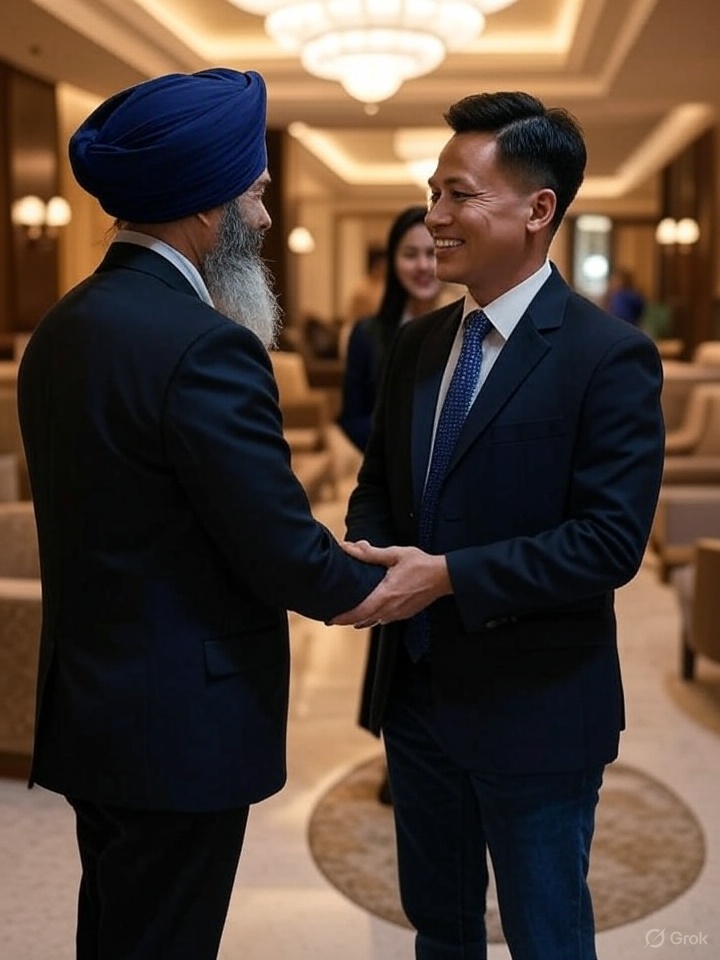
Importance of understanding guests’ cultural background
- Communication
- Different languages, accents, gestures
- Use simple and polite language
- Avoid misunderstandings
- Explain rules, services clearly
- Recognize non-verbal cues
- Respect and etiquette
- Greetings and handshakes vary by culture
- Personal space and privacy differences
- Dining habits and table manners
- Dress codes or religious customs
- Politeness and behavior expectations
- Tailored services
- Food preferences (vegetarian, halal, kosher)
- Room setup (bed type, room location)
- Special needs (allergies, accessibility)
- Preferred activities or entertainment
- Timing of services according to cultural habits
- Customer satisfaction
- Guests feel welcome and respected
- Positive feelings → good reviews
- Increased loyalty → repeat visits
- Word-of-mouth recommendation
- Guests enjoy their stay more
- Problem-solving
- Handle complaints politely and respectfully
- Use culturally appropriate solutions
- Avoid actions that may offend
- Quick and understanding response
- Build trust with guests
- Conclusion / Key point
- Understanding culture → better communication
- Show respect → increase satisfaction
- Provide services suited to guests → happy guests, successful business
################
###################
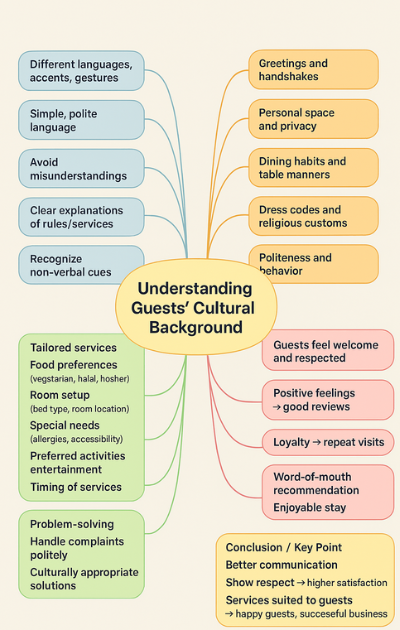
Understanding Guests’ Cultural Background
It is very important for hotels to understand the culture of their guests. First, communication is very important. Guests can speak different languages or have different accents. Staff should use simple and polite words. They should explain rules and services clearly. Staff can also watch gestures and facial expressions to understand guests.
Second, respect and good behavior are important. Staff should greet guests in the right way, for example with a handshake or a bow. They should respect personal space and privacy. Politeness is very important. Staff should also know dining habits, table manners, dress codes, and religious rules.
Third, services should fit each guest. Food preferences, like vegetarian, halal, or kosher, should be available. Rooms should match guest needs, for example bed type and room location. Special needs, like allergies or accessibility, should also be considered. Guests like it when activities, entertainment, and service times match their wishes.
Customer satisfaction comes from making guests feel welcome and respected. Happy guests leave good reviews and return to the hotel. Problems should be solved politely and quickly. Understanding guests’ culture improves communication, shows respect, and helps hotels give a happy stay and good service.
________________________
Vocabulary:
- Cultural background – the way people live, their traditions, and customs.
- Communication – talking or sending messages to other people.
- An accent – the way someone’s voice sounds when they speak a language.
- To be polite – to be nice and use good words with people.
- To explain rules – to tell people what they can or cannot do.
- To watch gestures – to look at people’s movements to understand them.
- Facial expressions – the feelings on someone’s face, like happy or sad.
- Respect – to be kind and careful about other people’s feelings and rules.
- Behaviour – the way someone acts.
- To greet guests – to say hello to people who come to visit.
- A handshake – when two people hold hands and shake them to say hello.
- A bow – when a person bends forward to show respect.
- To respect personal space – to not come too close to someone.
- Privacy – being alone or having your own space.
- Politeness – using good manners with other people.
- Dining habits – the way people eat.
- Table manners – the correct way to eat at the table.
- Dress codes – rules about what clothes you can wear.
- Religious rules – rules from a religion about how to live.
- To fit a guest – to be good or correct for a guest.
- Food preferences – the foods a person likes or does not like.
- To be available – to be ready or there for someone.
- To match needs – to be what someone wants or needs.
- Special needs – help some people need, for example, because of illness or disability.
- Accessibility – being able to enter or use a place easily.
- To consider – to think about something before making a choice.
- Entertainment – fun activities, like movies, music, or games.
- To match the guest’s wishes – to do what the guest wants.
- Customer satisfaction – when a guest is happy with the service.
- To be respected – to be treated well and kindly.
- A good review – a nice comment about a place or service.
- To solve problems politely – to fix problems in a kind way.
- To improve communication – to make talking and understanding easier.
- To show respect – to act in a kind and careful way to other people.
#####################