- Samney tells us about the Thai New Year in 2025, where people threw water, had fun, and celebrated together across the country
Text, exercises, sound files
about the Songkran Festival,
in present simple,
are available as well =>
check it out first!
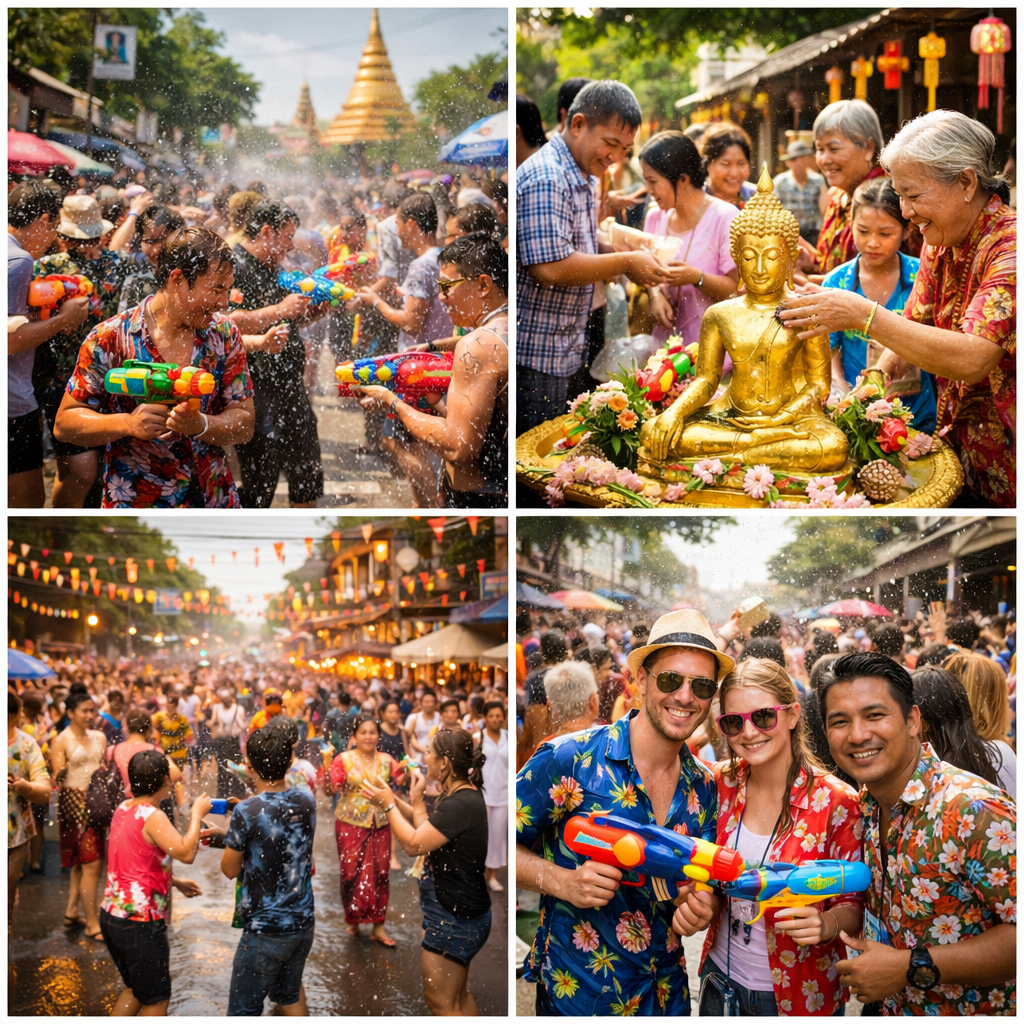
The Thai New Year, Songkran Festival, took place from 13 to 15 April 2025 in Thailand. It was an important festival for Thai people. It marked the traditional Thai New Year. People celebrated it with joy and energy. People splashed water on each other in the streets and public places. This action showed cleaning and new beginnings. It was celebrated across the country in cities and villages.
Many people traveled back to their hometowns. The streets were busy with traffic and celebrations. Music and dancing happened in many places. Tourists also joined the festival and enjoyed the fun. Shops and markets stayed open in many areas. Hotels and guesthouses were full during the festival.
Songkran showed respect for family and tradition. It brought people together in unity. Water symbolized purity and renewal in Thai culture. Communities organized events and cultural shows. People started celebrations early in the morning. Overall, Songkran was a joyful festival then that connected people and shared happiness every year in Thailand. It was one of the most important festivals in the country in 2025.
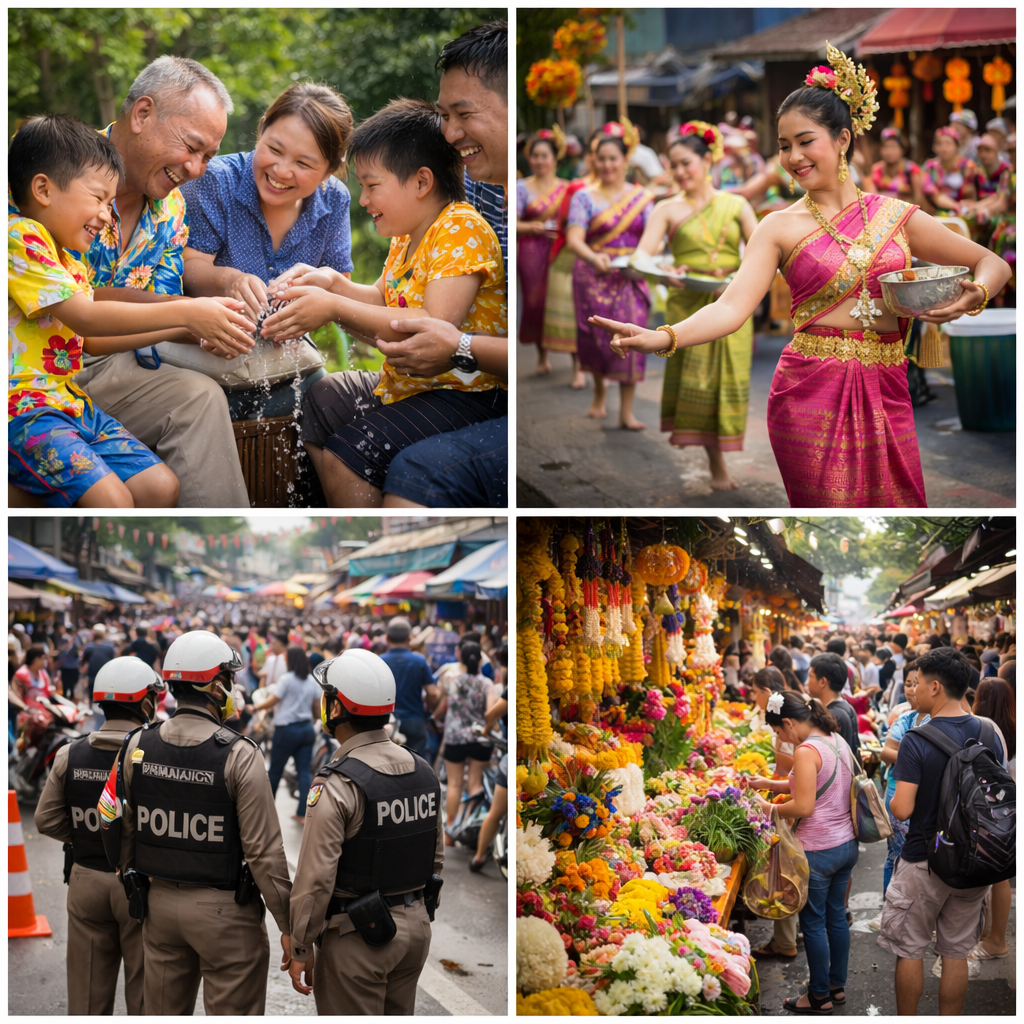
Tourists visited Thailand during Songkran. They learned about Thai culture and traditions. They took photos and joined water games. Local people welcomed visitors with smiles. The festival helped the economy and tourism. Many roads closed for safety. Police and volunteers helped control crowds. Everyone stayed careful but still enjoyed the festival together. People felt happy and celebrated with joy every day together.
I had fun.
_______________________
Vocabulary:
- a celebration: a happy event where people meet and enjoy something
- to take place: to happen
- to mark something: to show that something is important or special
- joy: a very happy feeling
- to splash water: to throw water on someone or something
- cleaning: making something clean
- to celebrate: to do something happy for a special day or event
- to make merit: to do good things in Buddhism for good luck
- a monk: a religious man who lives in a temple
- to pray for luck: to ask for good things to happen in the future
- to wear colorful clothes: to put on clothes with many bright colors
- an adult: a grown-up person
- to feel refreshing: to feel cool and nice
- a community: a group of people living in one area
- to enjoy: to like something and feel happy about it
- to spend time with one’s family: to be with family and do things together
- traffic: cars, buses, and other vehicles on the road
- to join: to take part in something with others
- to show respect for something: to act politely and honor something
- purity: being clean and pure
- renewal: a new start or becoming new again
- an event: something that happens, often special
- to be joyful: to feel very happy
- to connect people: to bring people together
- to share something: to give or enjoy something with others
- to close for safety: to stop using a road or place to keep people safe
- a volunteer: a person who helps without getting money
- to control crowds: to manage many people in a safe way
- to stay careful: to act in a safe and not risky way
################
Verbs in text – regular, irregular verbs:
| Infinitive | Past Simple |
|---|---|
| to be | was / were |
| to tell | told |
| to take place | took place |
| to celebrate | celebrated |
| to throw | threw |
| to show | showed |
| to go | went |
| to have | had |
| to come | came |
| to join | joined |
| to enjoy | enjoyed |
| to stay | stayed |
| to bring | brought |
| to mean | meant |
| to start | started |
| to help | helped |
| to visit | visited |
| to learn | learned |
| to play | played |
| to welcome | welcomed |
| to close | closed |
| to feel | felt |
###############
Basics in past simple:
Past Simple – Regular Verbs
Rules:
- Most verbs: add -ed
play → played - Verbs ending in -e: add -d
live → lived - Verbs ending in consonant + y: change y to i and add -ed
study → studied - Short verbs ending in vowel + consonant: double the final consonant and add -ed
stop → stopped - List of irregular verbs => LINK
Use:
The past simple is used to talk about finished actions in the past.
##################
Rewrite with correct form of verb in past simple:
Samney __________ (be) there and he __________ (tell) us about it.
The Songkran Festival __________ (be) from 13 to 15 April 2025 in Thailand. It __________ (be) the Thai New Year and an important festival. People __________ (be) happy and excited. People __________ (throw) water on each other in the streets. This __________ (show) a new start. The festival __________ (be) in cities and villages.
Many people __________ (go) to their hometowns. The streets __________ (be) busy with people and cars. There __________ (be) music and dancing. Tourists __________ (come) and __________ (join) the festival. They __________ (have) fun with water games. Shops __________ (stay) open and hotels __________ (be) full.
People __________ (show) respect to their families. The festival __________ (bring) people together. Water __________ (mean) a new start. People __________ (start) early in the morning. Tourists __________ (visit) Thailand and __________ (join) the festival. They __________ (take) photos. Local people __________ (be) friendly. Police __________ (help) people stay safe. Everyone __________ (be) happy and __________ (enjoy) the festival together.
——————————————
Correct version:
Samney was there and he told us about it.
The Songkran Festival was from 13 to 15 April 2025 in Thailand. It was the Thai New Year and an important festival. People were happy and excited. People threw water on each other in the streets. This showed a new start. The festival was in cities and villages.
Many people went to their hometowns. The streets were busy with people and cars. There was music and dancing. Tourists came and joined the festival. They had fun with water games. Shops stayed open and hotels were full.
People showed respect to their families. The festival brought people together. Water meant a new start. People started early in the morning. Tourists visited Thailand and joined the festival. They took photos. Local people were friendly. Police helped people stay safe. Everyone was happy and enjoyed the festival together.
###################
Short answers, past simple, basics:
| Example Sentence | Yes | No |
|---|---|---|
| I learned letters. | Yes, I did. | No, I didn’t. |
| You read signs. | Yes, you did. | No, you didn’t. |
| He spoke English. | Yes, he did. | No, he didn’t. |
| She watched TV. | Yes, she did. | No, she didn’t. |
| It helped me. | Yes, it did. | No, it didn’t. |
| We used an app. | Yes, we did. | No, we didn’t. |
| You read words. | Yes, you did. | No, you didn’t. |
| They made mistakes. | Yes, they did. | No, they didn’t. |
Questions (Past Simple)
| Question | Yes | No |
|---|---|---|
| Did I learn letters? | Yes, I did. | No, I didn’t. |
| Did you read signs? | Yes, you did. | No, you didn’t. |
| Did he speak English? | Yes, he did. | No, he didn’t. |
| Did she watch TV? | Yes, she did. | No, she didn’t. |
| Did it help me? | Yes, it did. | No, it didn’t. |
| Did we use an app? | Yes, we did. | No, we didn’t. |
| Did you read words? | Yes, you did. | No, you didn’t. |
| Did they make mistakes? | Yes, they did. | No, they didn’t. |
Was / Were
| Question | Yes | No |
|---|---|---|
| Was I happy? | Yes, I was. | No, I wasn’t. |
| Were you happy? | Yes, you were. | No, you weren’t. |
| Was he happy? | Yes, he was. | No, he wasn’t. |
| Was she happy? | Yes, she was. | No, she wasn’t. |
| Was it good? | Yes, it was. | No, it wasn’t. |
| Were we happy? | Yes, we were. | No, we weren’t. |
| Were you happy? | Yes, you were. | No, you weren’t. |
| Were they happy? | Yes, they were. | No, they weren’t. |
##################
Answer – short answers – as shown in 1:
- People threw sand on each other.
YOU WRITE:
No, they didn’t. - The festival was from 13 to 15 April 2025.
- Police helped people stay safe.
- The Songkran Festival was in Japan.
- Many people went to their hometowns.
- It was the Chinese New Year.
- The streets were busy with people.
- The festival was in Thailand.
- People threw water on each other.
- The festival was in cities and villages.
- Samney told us about it.
- The festival was only in one small town.
- Tourists came to the festival.
- The festival was in June 2025.
- People stayed in one place and did not travel.
- It was the Thai New Year.
- Police helped people stay safe.
- Samney told us about a sports game.
- Tourists stayed away from the festival.
- The streets were empty.
________________________
True: 2,3,5,7,8,9,10,11,13,16,
_________________________
- People threw sand on each other. — No, they didn’t.
- The festival was from 13 to 15 April 2025. — Yes, it was.
- Police helped people stay safe. — Yes, they did.
- The Songkran Festival was in Japan. — No, it wasn’t.
- Many people went to their hometowns. — Yes, they did.
- It was the Chinese New Year. — No, it wasn’t.
- The streets were busy with people. — Yes, they were.
- The festival was in Thailand. — Yes, it was.
- People threw water on each other. — Yes, they did.
- The festival was in cities and villages. — Yes, it was.
- Samney told us about it. — Yes, he did.
- The festival was only in one small town. — No, it wasn’t.
- Tourists came to the festival. — Yes, they did.
- The festival was in June 2025. — No, it wasn’t.
- People stayed in one place and did not travel. — No, they didn’t.
- It was the Thai New Year. — Yes, it was.
- Police helped people stay safe. — Yes, they did.
- Samney told us about a sports game. — No, he didn’t.
- Tourists stayed away from the festival. — No, they didn’t.
- The streets were empty. — No, they weren’t.
##################
Past simple – basics
| Personal Pronoun | Verb (Past) | Object |
|---|---|---|
| I | ate | apples |
| You | ate | apples |
| He | ate | apples |
| She | ate | apples |
| It | ate | apples |
| We | ate | apples |
| You (plural) | ate | apples |
| They | ate | apples |
| I | played | football |
| You | played | football |
| He | played | football |
| She | played | football |
| It | played | football |
| We | played | football |
| You (plural) | played | football |
| They | played | football |
| Personal Pronoun | Verb (Past Negative) | Object |
|---|---|---|
| I | did not eat | apples |
| You | did not eat | apples |
| He | did not eat | apples |
| She | did not eat | apples |
| It | did not eat | apples |
| We | did not eat | apples |
| You (plural) | did not eat | apples |
| They | did not eat | apples |
| I | did not play | football |
| You | did not play | football |
| He | did not play | football |
| She | did not play | football |
| It | did not play | football |
| We | did not play | football |
| You (plural) | did not play | football |
| They | did not play | football |
| Did + Pronoun | Verb | Object |
|---|---|---|
| Did I | eat | apples? |
| Did you | eat | apples? |
| Did he | eat | apples? |
| Did she | eat | apples? |
| Did it | eat | apples? |
| Did we | eat | apples? |
| Did you | eat | apples? |
| Did they | eat | apples? |
| Did I | play | football? |
| Did you | play | football? |
| Did he | play | football? |
| Did she | play | football? |
| Did it | play | football? |
| Did we | play | football? |
| Did you | play | football? |
| Did they | play | football? |
| Didn’t + Pronoun | Verb | Object |
|---|---|---|
| Didn’t I | eat | apples? |
| Didn’t you | eat | apples? |
| Didn’t he | eat | apples? |
| Didn’t she | eat | apples? |
| Didn’t it | eat | apples? |
| Didn’t we | eat | apples? |
| Didn’t you | eat | apples? |
| Didn’t they | eat | apples? |
| Didn’t I | play | football? |
| Didn’t you | play | football? |
| Didn’t he | play | football? |
| Didn’t she | play | football? |
| Didn’t it | play | football? |
| Didn’t we | play | football? |
| Didn’t you | play | football? |
| Didn’t they | play | football? |
Forms of ‚to be‘
| Personal Pronoun | Positive | Negative | Question |
|---|---|---|---|
| I | I was happy. | I was not happy. | Was I happy? |
| You (singular) | You were excited. | You were not excited. | Were you excited? |
| He | He was at home. | He was not at home. | Was he at home? |
| She | She was tired. | She was not tired. | Was she tired? |
| It | It was cold. | It was not cold. | Was it cold? |
| We | We were at the party. | We were not at the party. | Were we at the party? |
| You (plural) | You were friends. | You were not friends. | Were you friends? |
| They | They were in the garden. | They were not in the garden. | Were they in the garden? |
###################
Ten statements, correct them, as shown in 1:
- The Songkran Festival happened in Japan.
YOU WRITE:
No, it didn’t. The Songkran Festival happened in Thailand. - The festival took place in June 2025.
- People celebrated the Chinese New Year.
- Samney talked about a sports game.
- People threw sand on each other.
- The festival took place in one small town.
- People stayed in one place and did not travel.
- The streets looked empty.
- Tourists played football at the festival.
- Police organized concerts only.
__________________________
Correct answers:
- The Songkran Festival happened in Japan.
No, it didn’t. The Songkran Festival happened in Thailand. - The festival took place in June 2025.
No, it didn’t. The festival took place from 13 to 15 April 2025. - People celebrated the Chinese New Year.
No, they didn’t. People celebrated the Thai New Year. - Samney talked about a sports game.
No, he didn’t. Samney told us about the Songkran Festival. - People threw sand on each other.
No, they didn’t. People threw water on each other. - The festival took place in one small town.
No, it didn’t. The festival took place in cities and villages. - People stayed in one place and did not travel.
No, they didn’t. Many people went to their hometowns. - The streets looked empty.
No, they didn’t. The streets were busy with people. - Tourists played football at the festival.
No, they didn’t. Tourists came to the festival and joined water games. - Police organized concerts only.
No, they didn’t. Police helped people stay safe.
###################
Rewrite as shown in 1:
- The Songkran Festival happened in Vietnam.
YOU WRITE:
No, it didn’t happen in Vietnam. It happened in Thailand. - The festival took place in March 2025.
- People celebrated a harvest festival.
- Samney told us about a wedding.
- People threw flowers on each other.
- The festival took place only in Bangkok city.
- People traveled to other countries instead of hometowns.
- The streets showed no traffic or people.
- Tourists studied in classrooms during the festival.
- Police organized sports competitions.
__________________________
Correct version:
1. The Songkran Festival happened in Vietnam.
No, it didn’t happen in Vietnam. It happened in Thailand.
2. The festival took place in March 2025.
No, it didn’t take place in March 2025. It took place from 13 to 15 April 2025.
3. People celebrated a harvest festival.
No, they didn’t celebrate a harvest festival. They celebrated the Thai New Year.
4. Samney told us about a wedding.
No, he didn’t tell us about a wedding. He told us about the Songkran Festival.
5. People threw flowers on each other.
No, they didn’t throw flowers on each other. They threw water on each other.
6. The festival took place only in Bangkok city.
No, it didn’t take place only in Bangkok city. It took place in cities and villages.
7. People traveled to other countries instead of hometowns.
No, they didn’t travel to other countries. They went to their hometowns.
8. The streets showed no traffic or people.
No, they didn’t show no traffic or people. The streets were busy with people.
9. Tourists studied in classrooms during the festival.
No, they didn’t study in classrooms during the festival. They joined the festival.
10. Police organized sports competitions.
No, they didn’t organize sports competitions. They helped people stay safe.
###################
Rewrite as shown:
- Samney was there and he told us about it.
YOU WRITE:
a) Samney was not there and he did not tell us about it.
b) Was Samney there and did he tell us about it?
c) Wasn’t Samney there and didn’t he tell us about it? - The Songkran Festival was from 13 to 15 April 2025 in Thailand.
- It was the Thai New Year and an important festival.
- People were happy and excited.
- People threw water on each other in the streets.
- This showed a new start.
- The festival was in cities and villages.
- Many people went to their hometowns.
- The streets were busy with people and cars.
- There was music and dancing.
- Tourists came and joined the festival.
- They had fun with water games.
__________________________
Correct version:
1. Samney was there and he told us about it.
a) Samney was not there and he did not tell us about it.
b) Was Samney there and did he tell us about it?
c) Wasn’t Samney there and didn’t he tell us about it?
2. The Songkran Festival was from 13 to 15 April 2025 in Thailand.
a) The Songkran Festival was not from 13 to 15 April 2025 in Thailand.
b) Was the Songkran Festival from 13 to 15 April 2025 in Thailand?
c) Wasn’t the Songkran Festival from 13 to 15 April 2025 in Thailand?
3. It was the Thai New Year and an important festival.
a) It was not the Thai New Year and an important festival.
b) Was it the Thai New Year and an important festival?
c) Wasn’t it the Thai New Year and an important festival?
4. People were happy and excited.
a) People were not happy and excited.
b) Were people happy and excited?
c) Weren’t people happy and excited?
5. People threw water on each other in the streets.
a) People did not throw water on each other in the streets.
b) Did people throw water on each other in the streets?
c) Didn’t people throw water on each other in the streets?
6. This showed a new start.
a) This did not show a new start.
b) Did this show a new start?
c) Didn’t this show a new start?
7. The festival was in cities and villages.
a) The festival was not in cities and villages.
b) Was the festival in cities and villages?
c) Wasn’t the festival in cities and villages?
8. Many people went to their hometowns.
a) Many people did not go to their hometowns.
b) Did many people go to their hometowns?
c) Didn’t many people go to their hometowns?
9. The streets were busy with people and cars.
a) The streets were not busy with people and cars.
b) Were the streets busy with people and cars?
c) Weren’t the streets busy with people and cars?
10. There was music and dancing.
a) There was not music and dancing.
b) Was there music and dancing?
c) Wasn’t there music and dancing?
———end of audio———–
11. Tourists came and joined the festival.
a) Tourists did not come and join the festival.
b) Did tourists come and join the festival?
c) Didn’t tourists come and join the festival?
12. They had fun with water games.
a) They did not have fun with water games.
b) Did they have fun with water games?
c) Didn’t they have fun with water games?
###################
Matching exercise – find correct answer:
Questions
- Where did Samney spend time during Songkran 2025?
- When did the Songkran Festival happen in Thailand?
- What did people do for the Thai New Year?
- Who shared information about the festival?
- How did people enjoy the festival in the streets?
- Why did many people travel to their hometowns?
- Where did celebrations take place in Thailand?
- What did tourists experience during the festival?
- Who supported safety during the festival?
- What changed in the streets during Songkran?
- Did Samney leave Thailand during the festival?
- Did visitors avoid the festival?
Answers
A) Tourists arrived and took part in the festival.
B) The streets became full of people and activity.
C) Samney stayed in Thailand for Songkran.
D) Police worked to keep people safe.
E) People celebrated the Thai New Year with water in the streets.
F) Many people returned home for family time.
G) Celebrations happened in cities and villages.
H) Samney shared information about the festival.
I) People used water and had fun in the streets.
J) The Songkran Festival took place from 13 to 15 April 2025.
K) Samney remained in Thailand during Songkran.
L) Tourists joined water activities and enjoyed the event.
__________________________
Correct answers:
1–C, 2–J, 3–E, 4–H, 5–I, 6–F,
7–G, 8–L, 9–D, 10–B, 11–K, 12–A
__________________________
Correct version:
Where did Samney spend time during Songkran 2025?
Samney stayed in Thailand for the Songkran Festival.
When did the Songkran Festival happen in Thailand?
The Songkran Festival took place from 13 to 15 April 2025.
What did people do for the Thai New Year?
People celebrated the Thai New Year with water in the streets.
Who gave information about the festival?
Samney shared information about the festival.
How did people enjoy the festival in the streets?
People used water and had fun in the streets.
Why did many people travel to their hometowns?
Many people returned home for family time.
Where did celebrations take place in Thailand?
Celebrations happened in cities and villages.
What did tourists experience during the festival?
Tourists joined water activities and enjoyed the event.
Who supported safety during the festival?
Police worked to keep people safe.
What changed in the streets during Songkran?
The streets became full of people and activity.
Did Samney leave Thailand during the festival?
Samney remained in Thailand during Songkran.
Did visitors avoid the festival?
Tourists arrived and took part in the festival.
#################
Schreibe einen Kommentar