👤 Interviewer: Good morning. Thank you for coming. Please have a seat.
🙋♀️ Candidate: Good morning. Thank you. I’m happy to be here.
👤 Interviewer: Can you please introduce yourself?
🙋♀️ Candidate:
Yes, of course. My name is Sophea Chan. I am 26 years old and I live in Siem Reap. I studied Tourism and Hospitality at the Royal University of Phnom Penh. I have two years of experience working at the front desk of a 4-star hotel. I enjoy working with people and giving good service.
👤 Interviewer: Why do you want to work at our hotel?
🙋♀️ Candidate:
I want to work here because your hotel is one of the best in Cambodia. You have many international guests, and I would like to work in a professional, high-level environment. I also want to grow and learn more in luxury hospitality.
👤 Interviewer: What are your main duties at your current job?
🙋♀️ Candidate:
At my current job, I work at the front desk. I check guests in and out, answer phone calls, give information about the hotel and city, and help with bookings. I also handle payments and use the hotel booking system.
👤 Interviewer: What hotel system or software do you use?
🙋♀️ Candidate:
We use Opera PMS. I know how to enter guest details, make bookings, check availability, and print bills.
👤 Interviewer: How do you deal with a difficult guest?
🙋♀️ Candidate:
First, I stay calm and listen carefully. I let the guest explain the problem. Then, I try to help and solve it quickly. If I cannot fix the problem myself, I call the manager. I always stay polite and friendly.
👤 Interviewer: What languages do you speak?
🙋♀️ Candidate:
I speak Khmer and English. My English is B1 level. I also know a little French and Chinese, enough to say hello and give simple directions.
👤 Interviewer: This job includes night and weekend shifts. Is that okay for you?
🙋♀️ Candidate:
Yes, I am flexible. I can work mornings, evenings, weekends, and holidays if needed.
👤 Interviewer: What do you enjoy most about working at a hotel?
🙋♀️ Candidate:
I enjoy meeting new people from different countries. I like helping them and making sure they enjoy their stay. It makes me happy when guests say thank you or smile.
👤 Interviewer: What are your strengths?
🙋♀️ Candidate:
I am friendly, organized, and hard-working. I always try to give good service. I also learn new things quickly.
👤 Interviewer: And your weaknesses?
🙋♀️ Candidate:
Sometimes I am a little shy at first, especially with new people. But I am working on this, and I feel more confident every day.
👤 Interviewer: Do you have any questions for me?
🙋♀️ Candidate:
Yes, thank you. I would like to ask: – What training do you give new staff? – Is there a chance to grow or get promoted at the hotel?
👤 Interviewer: Good questions. We do offer training and growth opportunities. Thank you for coming today.
🙋♀️ Candidate:
Thank you very much. I hope to work with your team.
You work in the restaurant of a hotel; when serving dinner to guests at a table a guest asks you if he and his family should go to Mt. Kulen and the waterfalls. You provide information on the trip.
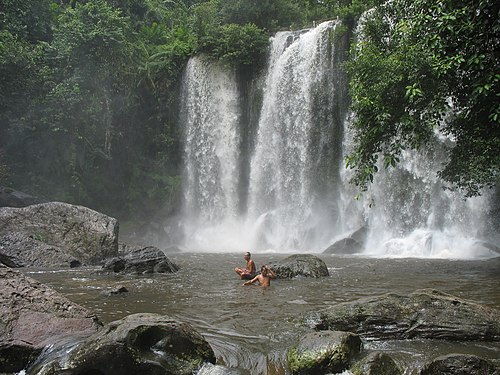
Yes, Phnom Kulen and the waterfall are worth visiting, especially if you enjoy nature and history. Phnom Kulen is a mountain about 1.5 hours from Siem Reap. It is a special place for Cambodian people because it is where the Khmer Empire began.
One of the best parts of the trip is the big waterfall. You can swim there and relax. The water is cool and fresh, and the area is very green and quiet. Many local people go there on weekends to enjoy nature with their families.
On the mountain, you can also see the “River of a Thousand Lingas.” These are old carvings in the riverbed, made hundreds of years ago. At the top of the mountain, there is a large reclining Buddha statue. From there, you can enjoy a nice view.
The road going up is a bit bumpy, and there is an entrance fee. It’s a good idea to go in the morning and bring water, sunblock, and comfortable shoes.
If you like to see something outside the city and learn more about Cambodian culture, Phnom Kulen is a great place to visit.
____________-
Vocabulary:
1. to be worth visiting – it is a good idea to go there; you will enjoy it 2. especially – more than other things; mainly 3. to enjoy – to like something and feel happy with it 4. history – the story of people and places in the past 5. an empire – a very big country or group of countries with one king or ruler 6. to relax – to rest and feel calm 7. fresh water – clean water from nature (not from the sea) 8. to be quiet – to not have much noise 9. local people – people who live in the area or village 10. a linga – a small stone that is a symbol of the god Shiva in Hindu religion 11. a carving – a picture or shape cut into stone or wood 12. a riverbed – the bottom of a river, where the water flows 13. a reclining Buddha – a statue of Buddha lying down 14. a bumpy road – a road that is not smooth; it shakes when you drive 15. an entrance fee – money you pay to go into a place 16. sunblock – cream that protects your skin from the sun 17. comfortable – easy and nice for your body; not too hard or tight
##############
Multiple-choice test , one answer correct only:
1. What does it mean if a place is worth visiting? A) It is a good place to go and see. B) It is a very quiet place. C) It is a place where people live.
2. What does especially mean? A) It means something is very expensive. B) It means something is more important or more true than other things. C) It means something is not safe.
3. What does it mean to enjoy something? A) To forget something. B) To like something and feel happy. C) To find something boring.
4. What is history? A) A type of food. B) A story about animals. C) The story of people and places in the past.
5. What is an empire? A) A small village in the mountains. B) A very big country or group of countries with one king or ruler. C) A type of clothing from Asia.
6. What does it mean to relax? A) To rest and feel calm. B) To start running quickly. C) To look for something in water.
7. What is fresh water? A) Water from the sea. B) Water from a swimming pool. C) Clean water from nature.
8. What does it mean to be quiet? A) To not have much noise. B) To sing very loudly. C) To move quickly.
9. Who are local people? A) People who travel a lot. B) People who live in the area. C) People who work in big cities.
10. What is a linga? A) A type of local fruit. B) A symbol of the god Shiva in Hindu religion. C) A long river in Cambodia.
11. What is a carving? A) A picture or shape cut into stone or wood. B) A kind of boat. C) A small hill near the river.
12. What is a riverbed? A) A place where you sleep near a river. B) The bottom of a river, where the water flows. C) A shop near the river.
13. What is a reclining Buddha? A) A statue of Buddha standing. B) A statue of Buddha lying down. C) A small temple for monks.
14. What is a bumpy road? A) A road with many people. B) A road that is not smooth and shakes when you drive. C) A road near the water.
15. What is an entrance fee? A) Money you pay to go into a place. B) A free ticket for the bus. C) A place to eat lunch.
16. What is sunblock used for? A) To help you sleep. B) To make your skin look nice. C) To protect your skin from the sun.
17. What does comfortable mean? A) Easy and nice for your body. B) Very cold and wet. C) Hard and heavy to wear.
1. Many visitors say the mountain is _______ for its beauty and history. (carving / worth visiting / relaxing)
2. The temple shows stories about the country’s _______. (sunblock / local people / history)
3. The powerful _______ ruled many lands long ago. (riverbed / empire / carving)
4. After walking, visitors like to sit and _______. (entrance fee / bumpy road / relax)
5. The river’s water is very clean and fresh, called _______. (especially / fresh water / quiet)
6. Early mornings in the forest are very _______. (local people / quiet / carving)
7. Always bring _______ to protect your skin from the sun. (comfortable / carving / sunblock)
8. The friendly _______ live near the mountain and help visitors. (carving / local people / history)
9. The road to the waterfall is rough and _______. (fresh water / bumpy road / carving)
10. A _______ is a small stone symbol important in Hindu temples. (reclining Buddha / linga / carving)
11. You pay an _______ to enter the park. (empire / carving / entrance fee)
12. A _______ is a design cut into stone or wood. (local people / carving / especially)
13. At the top of the mountain is a large _______ statue. (empire / reclining Buddha / sunblock)
14. The bottom of the river is called the _______. (comfortable / carving / riverbed)
15. These shoes are very _______ for walking long distances. (worth visiting / comfortable / especially)
16. Visitors often _______ the beauty of the nature around the waterfall. (carving / enjoy / fresh water)
17. I like this temple _______ because it is peaceful and quiet. (local people / especially / carving)
__________–
1 worth visiting 2 history 3 empire 4 relax 5 fresh water 6 quiet 7 sunblock 8 local people 9 bumpy road 10 linga 11 entrance fee 12 carving 13 reclining Buddha 14 riverbed 15 comfortable 16 enjoy 17 especially
##################
Matching exercise,match each word to its definition:
Words
carving
entrance fee
bumpy road
reclining Buddha
empire
fresh water
local people
sunblock
history
worth visiting
comfortable
relax
especially
riverbed
linga
quiet
enjoy
Definitions :
A. The bottom of a river where water flows B. To feel happy and pleased doing something C. To rest and feel calm without stress D. A small stone important in Hindu temples E. The stories and events from the past F. Friendly people who live in a certain place G. A large area ruled by a king or queen long ago H. Not noisy or loud; peaceful I. A payment needed to enter a place or event J. A statue of Buddha lying down K. Very nice and worth spending time seeing or doing L. A way of protecting your skin from the sun M. Made by cutting a design into wood or stone N. Very good for your body; giving comfort O. A road full of holes and bumps, not smooth P. Used to point out something more than usual Q. Water that is clean and not salty
_______________
1 M 2 I 3 O 4 J 5 G 6 Q 7 F 8 L 9 E 10 K 11 N 12 C 13 P 14 A 15 D 16 H 17 B
#############
Which words are we looking for?
Sure! Here are the definitions only, in randomized order:
A. Very good for your body; giving comfort:__________ B. To rest and feel calm without stress:__________ C. A small stone important in Hindu temples:__________ D. Water that is clean and not salty:__________ E. Friendly people who live in a certain place:__________ F. A payment needed to enter a place or event:__________ G. Made by cutting a design into wood or stone:__________ H. The bottom of a river where water flows:__________ I. A road full of holes and bumps, not smooth:__________ J. The stories and events from the past:__________ K. A statue of Buddha lying down:__________ L. To feel happy and pleased doing something:__________ M. Very nice and worth spending time seeing or doing:__________ N. Not noisy or loud; peaceful:__________ O. Used to point out something more than usual:__________ P. A large area ruled by a king or queen long ago:__________ Q. A way of protecting your skin from the sun:__________
________________________
comfortable relax linga fresh water local people bumpy road carving riverbed especially history reclining Buddha enjoy worth visiting quiet empire entrance fee sunblock
#####################
Dialogue between a waiter and guests about Mt. Kulen and the waterfall – fill in the missing words, given below:
Guest 1: Excuse me, can you tell us about Mt. Kulen? Waiter: Of course! Mt. Kulen is a famous __________ near here, known for its beautiful nature and history.
Guest 2: Is it worth visiting? Waiter: Yes, definitely. It is especially worth visiting if you like __________ and peaceful places.
Guest 1: What can we see there? Waiter: You can see the waterfall, many __________, and ancient temples with lingas.
Guest 2: How is the road to Mt. Kulen? Waiter: The road is a bit __________, so it’s good to be prepared.
Guest 1: Is there an entrance fee? Waiter: Yes, there is a small __________ fee to help keep the area clean.
Guest 2: Can we relax there? Waiter: Absolutely. It is quiet and perfect to __________ in fresh water by the waterfall.
Guest 1: What about local people? Can we meet them? Waiter: Yes, there are local people living nearby who are __________ and welcoming.
Guest 2: Should we bring anything special? Waiter: I recommend bringing __________ and comfortable shoes for walking.
Guest 1: Is it easy to enjoy the place? Waiter: Yes, you will enjoy the nature, history, and the __________ atmosphere.
Guest 2: Thank you! We will visit Mt. Kulen and the __________ for sure. Waiter: You’re welcome! I’m sure you will have a wonderful time.
Guest 1: Excuse me, can you tell us about Mt. Kulen? Waiter: Of course! Mt. Kulen is a famous mountain near here, known for its beautiful nature and history.
Guest 2: Is it worth visiting? Waiter: Yes, definitely. It is especially worth visiting if you like nature and peaceful places.
Guest 1: What can we see there? Waiter: You can see the waterfall, many carvings, and ancient temples with lingas.
Guest 2: How is the road to Mt. Kulen? Waiter: The road is a bit bumpy, so it’s good to be prepared.
Guest 1: Is there an entrance fee? Waiter: Yes, there is a small entrance fee to help keep the area clean.
Guest 2: Can we relax there? Waiter: Absolutely. It is quiet and perfect to relax in fresh water by the waterfall.
Guest 1: What about local people? Can we meet them? Waiter: Yes, there are local people living nearby who are friendly and welcoming.
Guest 2: Should we bring anything special? Waiter: I recommend bringing sunblock and comfortable shoes for walking.
Guest 1: Is it easy to enjoy the place? Waiter: Yes, you will enjoy the nature, history, and the calm atmosphere.
Guest 2: Thank you! We will visit Mt. Kulen and the waterfall for sure. Waiter: You’re welcome! I’m sure you will have a wonderful time.
####################
A guide tells you about a tour:
I often visit Mt. Kulen because it is a beautiful and peaceful place. When I go there, I drive on a bumpy road through the countryside. The road is not smooth, but the views are amazing.
When I arrive, I pay a small entrance fee. Then, I walk to the waterfall. The water is fresh and cool. I like to relax there because it is quiet and calm. I enjoy listening to the sound of the water.
Near the waterfall, I see old carvings and lingas on the stones. These are part of the history of the Khmer empire. I also visit the big reclining Buddha statue. It is very impressive.
I meet local people who live nearby. They are friendly and often tell me stories about the area. I always use sunblock and wear comfortable shoes during my visit.
________________ Rewrite the story in 3rd person singular, present simple, make all changes necessary:
He often visits Mt. Kulen.………………….When he goes there…….
________________
Answer:
He often visits Mt. Kulen because it is a beautiful and peaceful place. When he goes there, he drives on a bumpy road through the countryside. The road is not smooth, but the views are amazing.
When he arrives, he pays a small entrance fee. Then, he walks to the waterfall. The water is fresh and cool. He likes to relax there because it is quiet and calm. He enjoys listening to the sound of the water.
Near the waterfall, he sees old carvings and lingas on the stones. These are part of the history of the Khmer empire. He also visits the big reclining Buddha statue. It is very impressive.
He meets local people who live nearby. They are friendly and often tell him stories about the area. He always uses sunblock and wears comfortable shoes during his visit.
You work in the restaurant of a hotel; when serving dinner to guests at a table a guest asks you if he and his family should go to Mt. Kulen and the waterfalls. You provide information on the trip.
„Yes sir, Mt. Kulen and the waterfalls are a very nice place to visit. It is about 1.5 to 2 hours drive from Siem Reap. Many families go there for a day trip. You can see a big reclining Buddha on the mountain, and many people go there to pray. There is also a river with carvings in the stone under the water – it is called the „River of a Thousand Lingas.“
The waterfalls are beautiful. You can swim there if you like. The water is fresh and cool. Many local people go there on weekends, so it is better to go on a weekday. It is more quiet.
You can go by car or tuk-tuk. Some roads are a little bumpy, but it is not too bad. You can bring your own food or buy food there. There are small shops at the top of the mountain.
It is a good place for families, with nature, history, and culture. Just be careful near the rocks at the waterfall – they can be slippery.
If you like nature and want to relax outside the city, Mt. Kulen is a good idea. I think your family will enjoy it very much.“
__________________ Vocabulary:
1. a reclining buddha – a big statue of buddha lying down.
2. a mountain – a very high hill with land that goes up.
3. to pray – to speak to god or a spirit.
4. carvings – pictures or words cut into stone or wood.
5. a linga – a special stone for praying in the hindu religion.
6. a waterfall – water that falls down from a high place, like a river falling down a rock.
7. fresh water – clean water that is not salty.
8. local people – people who live in the area.
9. a weekend – saturday and sunday.
10. a weekday – monday to friday.
11. quiet – not noisy.
12. a bumpy road – a road that is not smooth, with many small jumps or holes.
13. the top of a mountain – the highest part of a mountain.
14. history – things that happened a long time ago.
15. to be careful – to move slowly and think, so you don’t fall or get hurt.
16. a rock – a big piece of hard stone.
17. slippery – easy to fall on because it is wet or smooth.
18. to relax – to rest and feel calm.
19. to enjoy – to feel happy about something.
##################
Multiple-choice exercise, only one answer is correct:
1. What is a waterfall? a) a road with holes b) water falling from a high place c) a big tree in the forest
2. What does it mean to relax? a) to rest and feel calm b) to run very fast c) to work very hard
3. What is a linga? a) a stone used for prayer in Hindu religion b) a type of animal c) a fruit from a tree
4. What is a weekday? a) a rainy day b) monday to friday c) saturday or sunday
5. What is a mountain? a) a kind of food b) a big hill c) a small house
6. What does it mean to pray? a) to drive a car b) to eat dinner c) to talk to god
7. What are carvings? a) clothes made from cotton b) pictures cut in stone or wood c) drawings on paper
8. What is fresh water? a) clean water, not from the sea b) water with sugar c) salty water
9. What does quiet mean? a) very big b) not noisy c) very loud
10. Who are local people? a) people who live in the area b) people on TV c) tourists from other countries
11. What does it mean to be careful? a) to move slowly and think b) to play fast games c) to jump and shout
12. What is a bumpy road? a) a smooth road b) a road with water c) a road with many small holes or jumps
13. What is a reclining buddha? a) a statue of buddha lying down b) a statue of buddha standing c) a statue of buddha sitting
14. What is history? a) animals in the jungle b) things to eat c) things from the past
15. What is a rock? a) big leaf b) hard stone c) soft pillow
16. What is the top of a mountain? a) the highest part b) the bottom part c) the middle part
17. What does slippery mean? a) hot and dry b) clean and soft c) easy to fall on
18. What does enjoy mean? a) to feel tired b) to feel happy c) to feel sick
6. Many people ___ at the temple. (pray / run / watch)
7. The wall ___ many carvings of animals. (has / jumps / makes)
8. She ___ fresh water from the spring. (drinks / eats / walks)
9. The park ___ quiet on weekdays. (is / runs / watches)
10. Local people ___ in this small village. (live / visit / swim)
11. He ___ careful on the wet rocks. (is / eats / takes)
12. The car ___ slowly on the bumpy road. (drives / talks / sings)
13. The statue ___ the reclining Buddha. (shows / dances / climbs)
14. The guide ___ the history of the temple. (tells / builds / closes)
15. She ___ on a rock and watches the river. (sits / jumps / walks)
16. We ___ the top of the mountain at 9 AM. (reach / fall / cook)
17. This stone ___ very slippery. (is / runs / flies)
18. Many people ___ this place with their family. (enjoy / lose / forget)
____________________
1 falls, 2 relax, 3 shows, 4 goes, 5 is, 6 pray, 7 has, 8 drinks, 9 is, 10 live, 11 is, 12 drives, 13 shows, 14 tells, 15 sits, 16 reach, 17 is, 18 enjoy
###########################
True/false ?
A waterfall is water falling from a high place.
Weekdays are Saturday and Sunday.
The reclining Buddha is a statue lying down.
Fresh water is salty.
Local people live in the village.
A bumpy road is smooth and flat.
To relax means to rest and feel calm.
History tells us about things from the past.
People climb mountains to find fresh water.
Carvings are pictures cut into stone or wood.
You must be careful on slippery rocks.
The top of a mountain is the lowest part.
Many people enjoy spending time with their family.
Quiet means not noisy.
A linga is a special stone used in prayer.
False: 2,4,6,9,12
######################
Matching exercise – words, definitions:
Words:
reclining Buddha
mountain
to pray
carvings
linga
waterfall
fresh water
local people
weekend
weekday
quiet
bumpy road
the top of a mountain
history
to be careful
rock
slippery
to relax
to enjoy
Definitions:
a. A place where water falls down from high rocks or a mountain b. To ask or talk to God or gods c. Not noisy d. The highest part of a mountain e. Water that is clean and not salty f. The days from Monday to Friday g. Stones or shapes cut into wood or stone h. A special stone used in Hindu prayer i. People who live in a place or village j. To rest and feel calm k. A road with many bumps and holes l. A big, high area of land higher than a hill m. To take care so you do not get hurt n. The story of the past and old times o. To like something very much p. A stone or hard piece of the earth q. The days Saturday and Sunday r. The statue of a lying Buddha s. Easy to fall on because it is wet or smooth
_________________—
1 r, 2 l, 3 b, 4 g, 5 h, 6 a, 7 e, 8 i, 9 q, 10 f, 11 c, 12 k, 13 d, 14 n, 15 m, 16 p, 17 s, 18 j, 19 o
###############
Complete – words given below:
Guest: Excuse me, can you tell me __________ Mt. Kulen?
You: Of course! What do you want to know?
Guest: __________ is Mt. Kulen?
You: It is about 50 kilometers from here, __________ of Siem Reap.
Guest: How do we get there?
You: You can go by car or motorbike. The road is a bit __________
Guest: What can we see there?
You: You can see a big __________ Buddha statue and beautiful waterfalls.
Guest: Who lives near Mt. Kulen?
You: Local people live in small __________ around the mountain.
Guest: When is the best time to visit?
You: The weekend is __________, but weekdays are quiet and nice.
Guest: Why should we visit Mt. Kulen?
You: Because it is a beautiful place to __________ and enjoy nature.
Guest: Is it safe to climb the mountain?
You: Yes, but be careful. Some rocks are __________.
Guest: Thank you for the information!
You: You’re welcome! __________ your trip!
>>>>>>>>>
slippery – busy – reclining – about – relax – where – enjoy – villages – bumpy. – north
________________ Correct version:
Guest: Excuse me, can you tell me about Mt. Kulen?
You: Of course! What do you want to know?
Guest: Where is Mt. Kulen?
You: It is about 50 kilometers from here, north of Siem Reap.
Guest: How do we get there?
You: You can go by car or motorbike. The road is a bit bumpy.
Guest: What can we see there?
You: You can see a big reclining Buddha statue and beautiful waterfalls.
Guest: Who lives near Mt. Kulen?
You: Local people live in small villages around the mountain.
Guest: When is the best time to visit?
You: The weekend is busy, but weekdays are quiet and nice.
Guest: Why should we visit Mt. Kulen?
You: Because it is a beautiful place to relax and enjoy nature.
Guest: Is it safe to climb the mountain?
You: Yes, but be careful. Some rocks are slippery.
Guest: Thank you for the information!
You: You’re welcome! Enjoy your trip!
####################
A guide tells about Mt. Kulen:
I go to Mt. Kulen twice every week. I drive there from the city. First, I show visitors the big reclining Buddha statue. It is very old and beautiful. Then, I take them to see the waterfalls. The water is fresh and cool. People like to take pictures there. After that, I walk a little to see the carvings on the rocks. I explain the history of the place. Sometimes, visitors pray near the linga, a special stone. I tell them to be careful because the rocks can be slippery. At the end, people relax and enjoy the quiet nature. _______________________
Rewrite the story in the third person singular present tense simple, make all changes necessary:
He goes to M Kulen………
________________
Correct version:
He goes to Mt. Kulen twice every week. He drives there from the city. First, he shows visitors the big reclining Buddha statue. It is very old and beautiful. Then, he takes them to see the waterfalls. The water is fresh and cool. People like to take pictures there. After that, he walks a little with the visitors to see the carvings on the rocks. He explains the history of the place. Sometimes, visitors pray near the linga, a special stone. He tells them to be careful because the rocks can be slippery. At the end, people relax and enjoy the quiet nature.
#####################
Words got scrambled – find the word:
gnilcenir
lfwtearal
vnargics
ypar
pilsrpely
ryhtois
axrel
_____________________
reclining waterfall carvings pray slippery history relax
Munny is the Head Naturalist at Shinta Mani Wild, a unique eco-resort in Cambodia. His main job is to protect the wildlife and the forest around the resort. Shinta Mani Wild is located in the Southern Cardamom Mountains, an area with many rare and endangered animals.
Every day, Munny checks camera traps that take photos of wild animals like clouded leopards, pangolins, and sun bears. These cameras help him learn about animals that are difficult to see. Munny also walks through the forest, looking for animal tracks and signs. He works closely with rangers who protect the area from illegal logging and poaching.
The team at Shinta Mani Wild includes local people trained to help with conservation. Some used to hunt or cut trees but now work to protect the forest. The resort also educates visitors about the environment and wildlife.
Munny and his team are very important because they help save endangered animals and keep the forest safe. Their work shows how people can live together with nature and protect it for future generations.
______________________ Vocabulary:
The Head Naturalist: The main person who takes care of animals and plants.
Unique: One of a kind, special.
An eco-resort: A hotel that cares about nature and the environment.
To protect: To keep safe from harm.
To be located: To be in a place.
Rare: Not easy to find, very few.
Endangered animals: Animals that can disappear forever if people do not help.
A camera trap: A camera that takes pictures of animals without a person there.
A clouded leopard: A wild cat with spots, lives in the forest.
A pangolin: A small animal with scales, looks like a little armadillo.
A sun bear: A small bear that lives in the forest.
Animal tracks: Marks or footprints left by animals.
Illegal logging: Cutting down trees when it is not allowed.
To poach: To catch or kill animals when it is not allowed.
Conservation: Helping to save nature and animals.
To educate: To teach people.
A visitor: A person who comes to see a place.
The environment: Nature, including animals, plants, water, and air.
To save endangered animals: To help animals that are in danger not disappear.
To keep safe: To protect and not let something get hurt.
######################
Which answer is correct?
1. What does “The Head Naturalist” do? a) Builds houses b) Takes care of animals and plants c) Teaches people in school
2. What does “Unique” mean? a) Very big b) One of a kind, special c) Easy to find
3. What is “An eco-resort”? a) A hotel that cares about nature b) A restaurant in the city c) A school for animals
4. What does “To protect” mean? a) To find something b) To keep safe from harm c) To take a photo
5. What does “To be located” mean? a) To be very small b) To be in a place c) To be very old
6. What does “Rare” mean? a) Very big and heavy b) Not easy to find, very few c) Very noisy
7. What are “Endangered animals”? a) Animals that eat a lot of food b) Animals that live in the city c) Animals that can disappear forever if no one helps
8. What is “A camera trap”? a) A camera that takes pictures of animals without a person there b) A trap to catch animals c) A tool to measure trees
9. What is “A clouded leopard”? a) A small bird in the city b) A type of tree c) A wild cat with spots that lives in the forest
10. What is “A pangolin”? a) A big bear in the forest b) A small animal with scales, like a little armadillo c) A type of fish
11. What is “A sun bear”? a) A small bear that lives in the forest b) A big cat with stripes c) A kind of bird
12. What are “Animal tracks”? a) Marks or footprints left by animals b) Places where animals sleep c) Animals that run fast
13. What is “Illegal logging”? a) Building a house b) Cutting down trees when it is not allowed c) Planting new trees
14. What does “To poach” mean? a) To feed animals b) To catch or kill animals when it is not allowed c) To clean the forest
15. What is “Conservation”? a) Helping to save nature and animals b) Visiting a city c) Building roads
16. What does “To educate” mean? a) To teach people b) To protect animals c) To take photos
17. Who is “A visitor”? a) A person who lives in a village b) An animal in the forest c) A person who comes to see a place
18. What is “The environment”? a) Nature, including animals, plants, water, and air b) A building or house c) A type of food
19. What does “To save endangered animals” mean? a) To help animals that are in danger not disappear b) To feed animals every day c) To make animals run faster
20. What does “To keep safe” mean? a) To build a new house b) To take a photo of something c) To protect and not let something get hurt
a) A small bear that lives in the forest b) The marks or footprints left by animals c) A hotel that cares about nature d) To teach people e) To catch or kill animals when it is not allowed f) One of a kind, special g) To keep safe from harm h) A person who comes to see a place i) Animals that can disappear forever if no one helps j) Nature, including animals, plants, water, and air k) The person who takes care of animals and plants in a nature area l) To be in a certain place m) Helping to save nature and animals n) A camera that takes pictures of animals without a person there o) To help animals that are in danger not disappear p) A wild cat with spots that lives in the forest q) Cutting down trees when it is not allowed r) A small animal with scales, like a little armadillo s) To protect and not let something get hurt t) Not easy to find, very few
Illegal logging means cutting trees without permission.
People who poach animals do it secretly.
Conservation is important to keep nature safe.
###################
Interview with Munny – fill in, words below:
1. Q: What is your job here? A: I am the head naturalist. I take care of the forest and study __________.
2. Q: Why is this forest special? A: It’s home to many rare and __________ animals that need protection.
3. Q: What animals can be found here? A: We have clouded leopards, __________, sun bears, and many birds and insects.
4. Q: How do you observe the animals? A: I use camera traps. They take photos when __________ walk by.
5. Q: What does a normal day look like for you? A: I walk through the forest, check camera traps, look for animal __________, and watch for signs of danger.
6. Q: What dangers do the animals face? A: The biggest problems are __________ logging and poaching. These harm the forest and the animals.
7. Q: How do you fight these problems? A: I report illegal activity, and I help teach people why __________ is important.
8. Q: What is conservation to you? A: It means protecting nature so __________ generations can enjoy it too.
9. Q: Do you talk to __________? A: Yes, I guide them through the forest and explain how we protect it.
10. Q: What is your hope for the future? A: I hope we can keep this __________ safe and save all the endangered animals.
1. Q: What is your job here? A: I am the head naturalist. I take care of the forest and study wildlife.
2. Q: Why is this forest special? A: It’s home to many rare and endangered animals that need protection.
3. Q: What animals can be found here? A: We have clouded leopards, pangolins, sun bears, and many birds and insects.
4. Q: How do you observe the animals? A: I use camera traps. They take photos when animals walk by.
5. Q: What does a normal day look like for you? A: I walk through the forest, check camera traps, look for animal tracks, and watch for signs of danger.
6. Q: What dangers do the animals face? A: The biggest problems are illegal logging and poaching. These harm the forest and the animals.
7. Q: How do you fight these problems? A: I report illegal activity, and I help teach people why conservation is important.
8. Q: What is conservation to you? A: It means protecting nature so future generations can enjoy it too.
9. Q: Do you talk to visitors? A: Yes, I guide them through the forest and explain how we protect it.
10. Q: What is your hope for the future? A: I hope we can keep this forest safe and save all the endangered animals.
###############
A tyical day:
Every morning, I wake up early and prepare my tools. I walk into the forest with my notebook and GPS. First, I check the camera traps to see if they have captured any animals. Sometimes I find pictures of rare wildlife, like a clouded leopard or a sun bear. Then, I look for animal tracks and signs of illegal logging or poaching. I take notes and sometimes measure footprints or trees. In the afternoon, I return to the station and upload the camera data. I also speak with visitors and explain our work. My job is not easy, but I love it. Every day, I help protect nature and keep the forest safe for the animals that live here.
________________ Rewrite the story – make all changes necessary – starting with:
Every morning, he wakes up and prepares his………….
____________________________ Answer: Every morning, Munny wakes up early and prepares his tools. He walks into the forest with his notebook and GPS. First, he checks the camera traps to see if they capture any animals. Sometimes he finds pictures of rare wildlife, like a clouded leopard or a sun bear. Then, he looks for animal tracks and signs of illegal logging or poaching. He takes notes and sometimes measures footprints or trees. In the afternoon, he returns to the station and uploads the camera data. He also speaks with visitors and explains their work. His job is not easy, but he loves it. Every day, he helps protect nature and keeps the forest safe for the animals that live there. ####################
Munny is a kind and brave man. He works at Shinta Mani Wild in Cambodia. This is a special place in the jungle. It is home to many wild animals like elephants, bears, and leopards. Munny is the Head Naturalist. He helps to protect the forest and the animals.
Every day, Munny walks in the forest. He wears boots and carries tools. He puts camera traps on trees. These cameras take pictures of animals when they walk by. Munny watches the photos to learn where the animals live and move.
Munny also works with forest rangers. Together, they stop bad people from cutting trees or hurting animals. Sometimes it is hard work. Munny gets dirty, wet, and tired. But he is happy because he loves nature.
Munny also talks to visitors. He teaches them about the forest and animals. He shows them how to care for nature. Munny’s work is very important.
Shinta Mani Wild is not just a hotel. It is a place that helps the forest. People like Munny protect the future. He is a real hero of the jungle.
__________________
Vocabulary:
1. Kind – a person who is nice and helps other people or animals. 2. Brave – a person who is not afraid and does difficult things. 3. A jungle – a big, wild place with many trees, plants, and animals. 4. A head naturalist – the main person who knows about animals and plants in nature. 5. To protect – to keep something safe. 6. A forest – a place with many trees. 7. To wear boots – to have big shoes on your feet for walking in nature. 8. To carry – to take something in your hand or bag when you go somewhere. 9. A tool – something you use to do work (like a knife, hammer, or ruler). 10. A camera trap – a camera that takes pictures when an animal walks in front of it. 11. To walk by – to walk near something. 12. To move – to go from one place to another. 13. A forest ranger – a person who works in the forest to help it and the animals. 14. To cut trees – to take down trees with a tool. 15. To hurt animals – to do something bad to animals so they feel pain. 16. To get dirty – to become not clean. 17. To get wet – to become full of water. 18. To get tired – to feel like you need to rest or sleep. 19. A visitor – a person who comes to a place to see it. 20. To care for something – to help and love something. 21. To protect – to stop bad things from happening to something.
###################
Multiple choice test, only 1 answer is correct:
1. What does “kind” mean? A. nice and helpful B. very fast C. not friendly
2. What does “brave” mean? A. afraid of danger B. not afraid and strong C. not strong
3. What is a “jungle”? A. a small park B. a place with many buildings C. a big wild place with many trees and animals
4. What is a “head naturalist”? A. the person who cooks at a camp B. the main person who knows about animals and plants C. a tourist in the jungle
5. What does “protect” mean? A. keep something safe B. take something C. make dirty
6. What is a “forest”? A. a city with houses B. a place with many trees C. a place with many people
7. What does “wear boots” mean? A. wash your feet B. take off shoes C. have big shoes on your feet
8. What does “carry” mean? A. look at something B. take something with you C. write something
9. What is a “tool”? A. something you use to do work B. something you eat C. something you play with
10. What is a “camera trap”? A. a toy B. a camera that takes pictures of animals C. a phone
11. What does “walk by” mean? A. run fast B. sleep C. walk near something
12. What does “move” mean? A. jump up and down B. go from one place to another C. stay in one place
13. What is a “forest ranger”? A. a person who works in a school B. a person who helps the forest and animals C. a person who lives in the city
14. What does “cut trees” mean? A. draw a picture of trees B. take down trees with a tool C. plant trees
15. What does “hurt animals” mean? A. do something bad to animals B. play with animals C. give animals food
16. What does “get dirty” mean? A. become not clean B. become happy C. become big
17. What does “get wet” mean? A. become very dry B. become very tall C. become full of water
18. What does “get tired” mean? A. feel like you need to rest B. want to run C. want to play
19. What is a “visitor”? A. a person who works in a shop B. a person who stays at home C. a person who comes to a place to see it
20. What does “care for something” mean? A. help and love something B. break something C. take something
21. What does “protect” mean? A. throw away B. keep safe C. make noise
A. A person who visits a place to see it. B. To keep something safe from harm. C. A large wild area with many trees and animals. D. To take something with you when you go somewhere. E. A person who works in the forest to help nature and animals. F. To become not clean. G. A camera that takes pictures when animals pass by. H. To have big shoes on your feet for walking outside. I. The main person who knows about animals and plants. J. To move from one place to another. K. A person who is nice and helps others. L. To do something bad to animals that causes pain. M. To walk near something without stopping. N. A place with many trees. O. To feel like you need to rest. P. A thing used to help do work. Q. To cut down trees with a tool. R. Not afraid and ready to do difficult things. S. To become full of water. T. To love and help something or someone. U. To protect something from danger or damage.
3. When do you start work? I start work early in the __________.
4. How do you protect animals? I watch them and use camera __________.
5. Why do you wear boots? Because the jungle is _________ and muddy.
6. Who do you work with? I work with other __________ rangers.
7. Do you like your job? Yes, I like my job very __________.
8. How often do you check the cameras? I check the cameras __________ day.
9. What tools do you carry? I carry a __________ and measuring tools.
10. Where do the animals live? The animals __________ in the forest.
Fill in: forest, morning, head, every, live, work, traps, much, wet, camera ______________________
Correct version:
1. What is your job? I am a head naturalist.
2. Where do you work? I work in the jungle.
3. When do you start work? I start work early in the morning.
4. How do you protect animals? I watch them and use camera traps.
5. Why do you wear boots? Because the jungle is wet and muddy.
6. Who do you work with? I work with other forest rangers.
7. Do you like your job? Yes, I like my job very much.
8. How often do you check the cameras? I check the cameras every day.
9. What tools do you carry? I carry a camera and measuring tools.
10. Where do the animals live? The animals live in the forest.
########################
Munny describing a typical day:
I start work early in the morning. I wear boots and carry my camera and tools. I walk in the forest to check camera traps. The cameras take photos of animals. I look at the photos and write notes. I measure trees and plants every day. I work with other rangers to protect the forest. Sometimes I get dirty and wet because the jungle is muddy. I like my job because I help animals and nature. In the afternoon, I watch animals in the jungle. Then, I go home tired but happy. This is my day. _______________ Complete the story, make all changes necessary:
He starts early in the morning. He wears…………..
#######################
Answer:
Munny starts work early in the morning. He wears boots and carries his camera and tools. He walks in the forest to check camera traps. The cameras take photos of animals. He looks at the photos and writes notes. He measures trees and plants every day. He works with other rangers to protect the forest. Sometimes he gets dirty and wet because the jungle is muddy. He likes his job because he helps animals and nature. In the afternoon, he watches animals in the jungle. Then, he goes home tired but happy. This is his day.
one major step: a foreign language, if possible more.
C1:
Paving your way for a successful career in tourism requires a combination of education, skills development, networking, and gaining relevant experience. Here are some steps you can take:
1. **Education**: Obtain a relevant degree or certification in tourism, hospitality management, travel and tourism management, or a related field. This will provide you with a foundational knowledge of the industry and its various aspects.
2. **Specialize**: Consider specializing in a particular area within the tourism industry, such as ecotourism, adventure tourism, event management, or sustainable tourism. Specialization can help you stand out in a competitive job market and cater to specific interests and trends.
3. **Gain Experience**: Seek internships, part-time jobs, or volunteer opportunities in the tourism sector. This hands-on experience will not only enhance your resume but also provide valuable insights into the workings of the industry and help you develop practical skills.
4. **Develop Language Skills**: Tourism often involves interacting with people from different cultures and backgrounds. Having proficiency in one or more foreign languages can greatly enhance your ability to communicate with tourists and clients from around the world.
5. **Stay Informed**: Keep yourself updated with the latest trends, technologies, and developments in the tourism industry. Subscribe to industry publications, attend conferences, and participate in relevant workshops and seminars.
6. **Networking**: Build a strong professional network by connecting with industry professionals, attending networking events, and joining relevant associations or organizations. Networking can open doors to job opportunities, mentorship, and valuable advice.
7. **Customer Service Skills**: Excellent customer service skills are essential in the tourism industry. Focus on developing interpersonal skills, problem-solving abilities, and a positive attitude to ensure customer satisfaction and repeat business.
8. **Digital Literacy**: In today’s digital age, having basic knowledge of digital marketing, social media management, and online booking systems can be advantageous. Familiarize yourself with relevant software and platforms used in the tourism sector.
9. **Cultural Awareness**: Develop cultural sensitivity and awareness to effectively interact with tourists from diverse backgrounds. Understanding cultural differences and customs can help you provide a more personalized and enriching experience for travelers.
10. **Be Flexible and Adaptable**: The tourism industry can be unpredictable, with seasonal fluctuations, changing consumer preferences, and unforeseen events impacting business. Stay flexible, adaptable, and willing to take on new challenges to succeed in this dynamic field.
By following these steps and continuously investing in your education and skills development, you can pave the way for a successful and rewarding career in the tourism industry.
#################
A1: How to Start a Good Career in Tourism
Be Ready for Change Tourism can change quickly. Be ready to learn new things and try new jobs.
Study Tourism Go to school and learn about tourism or hotels. A diploma or certificate helps you understand the work better.
Choose Your Area Pick what you like—maybe nature tours, city tours, or helping with events. This can help you find the right job.
Get Experience Work part-time, help as a volunteer, or get an internship. You will learn how the job works.
Learn Languages Tourists come from many countries. If you speak more than one language, it is a big help.
Read About Tourism Read news and articles about travel. Know what is new in tourism.
Meet People Go to events and talk to people who work in tourism. They can help you find jobs.
Be Friendly Good service is very important. Smile, listen, and help tourists. They will be happy.
Use Computers Learn how to use websites and social media. Many tourists use the internet to book trips.
Know Cultures Learn about different countries and how people live. This helps you understand tourists better.
##################
A2: How to Start a Good Career in Tourism
Study Tourism It’s a good idea to study tourism, hospitality, or hotel management. A diploma or certificate will help you learn the basics of the industry.
Choose a Special Area You can choose one part of tourism to focus on, like nature tours, adventure travel, or cultural tourism. This will help you become an expert in that area.
Get Work Experience Try to find a part-time job, internship, or volunteer work. It will give you useful experience and help you understand how the industry works.
Learn Foreign Languages Tourism involves meeting people from many countries. Speaking one or more foreign languages will help you a lot.
Stay Informed Read travel news, follow websites, and watch videos to learn about new trends in tourism. This will help you stay up to date.
Make Connections Meet people who work in tourism. You can join groups, go to events, or take part in workshops. These contacts may help you find jobs.
Improve Customer Service Skills Being friendly and helpful is very important. Try to listen carefully, solve problems, and always be polite.
Use Technology Many travel companies use websites, social media, and booking apps. Learn how to use these tools to help with your work.
Understand Other Cultures It’s important to respect different cultures. Learn about other ways of life to make tourists feel welcome.
Be Flexible and Open Tourism can change quickly. Be ready to learn new things, travel, or do different jobs when needed.
######################
B1: How to Start a Good Career in Tourism
Get a Good Education Studying tourism, hospitality, or travel management will give you useful knowledge about how the industry works. A diploma or degree can also help you get better job opportunities.
Choose an Area to Focus On The tourism industry is wide. You can specialize in areas like ecotourism, cultural tourism, adventure travel, or event planning. Specializing can help you stand out and find jobs that match your interests.
Gain Work Experience Try to get some experience through part-time jobs, internships, or volunteering. This will help you learn practical skills, understand customer needs, and improve your confidence.
Learn Foreign Languages Being able to speak more than one language is a great advantage in tourism. It helps you communicate with international tourists and employers.
Keep Learning About the Industry Tourism changes all the time. Read articles, follow travel blogs, and attend seminars or workshops to stay up to date with the latest trends.
Build a Professional Network Meeting and talking to other people in the tourism industry is very useful. They can give you advice, support, and sometimes even help you find a job.
Develop Customer Service Skills Working in tourism means working with people. You need to be polite, helpful, and able to solve problems quickly and calmly to keep customers happy.
Improve Your Digital Skills Technology is very important in modern tourism. Learn how to use social media, booking systems, and basic digital marketing to help you in your job.
Be Culturally Aware You will meet people from many different backgrounds. Understanding and respecting other cultures will help you give tourists a better experience.
Stay Flexible and Open to Change Tourism can be unpredictable. Be ready to adapt, take on new tasks, and work in different environments when needed.
####################
B2: How to Start a Good Career in Tourism
Pursue Relevant Education Start by obtaining a degree or certification in tourism, hospitality management, or a related field. Formal education provides a strong foundation in industry knowledge and essential business practices.
Find Your Niche Tourism offers a wide range of career paths. Consider specializing in a specific area, such as sustainable tourism, adventure travel, cultural tourism, or event management. A clear focus can help you develop expertise and stand out to employers.
Gain Practical Experience Experience is key. Look for internships, part-time jobs, or volunteer opportunities in travel agencies, hotels, tour companies, or visitor centers. These experiences will help you build practical skills and understand the daily realities of the industry.
Improve Your Language Skills Speaking one or more foreign languages is a major advantage in tourism. It enables better communication with international guests and opens doors to more job opportunities.
Stay Informed About Industry Trends The tourism industry is constantly evolving. Follow travel blogs, subscribe to industry newsletters, and attend webinars or trade fairs to keep up with new developments, technologies, and consumer trends.
Network with Industry Professionals Building a strong professional network is essential. Join tourism associations, attend networking events, and connect with others on platforms like LinkedIn. Networking can lead to job leads, mentorship, and valuable industry insights.
Master Customer Service Excellent customer service is at the heart of tourism. Work on your interpersonal skills, problem-solving abilities, and emotional intelligence to ensure every guest has a positive experience.
Develop Digital Competencies Modern tourism is highly digital. Learn to use booking platforms, social media, customer management software, and basic digital marketing tools. These skills can significantly boost your employability.
Enhance Cultural Awareness Tourism professionals often work with people from diverse backgrounds. Being culturally sensitive and aware of different customs and traditions allows you to provide a respectful and personalized service.
Be Adaptable and Resilient The tourism industry is influenced by many factors, including seasons, global events, and trends. Stay flexible, be willing to learn new things, and adapt to changing circumstances to remain competitive and effective in your role.
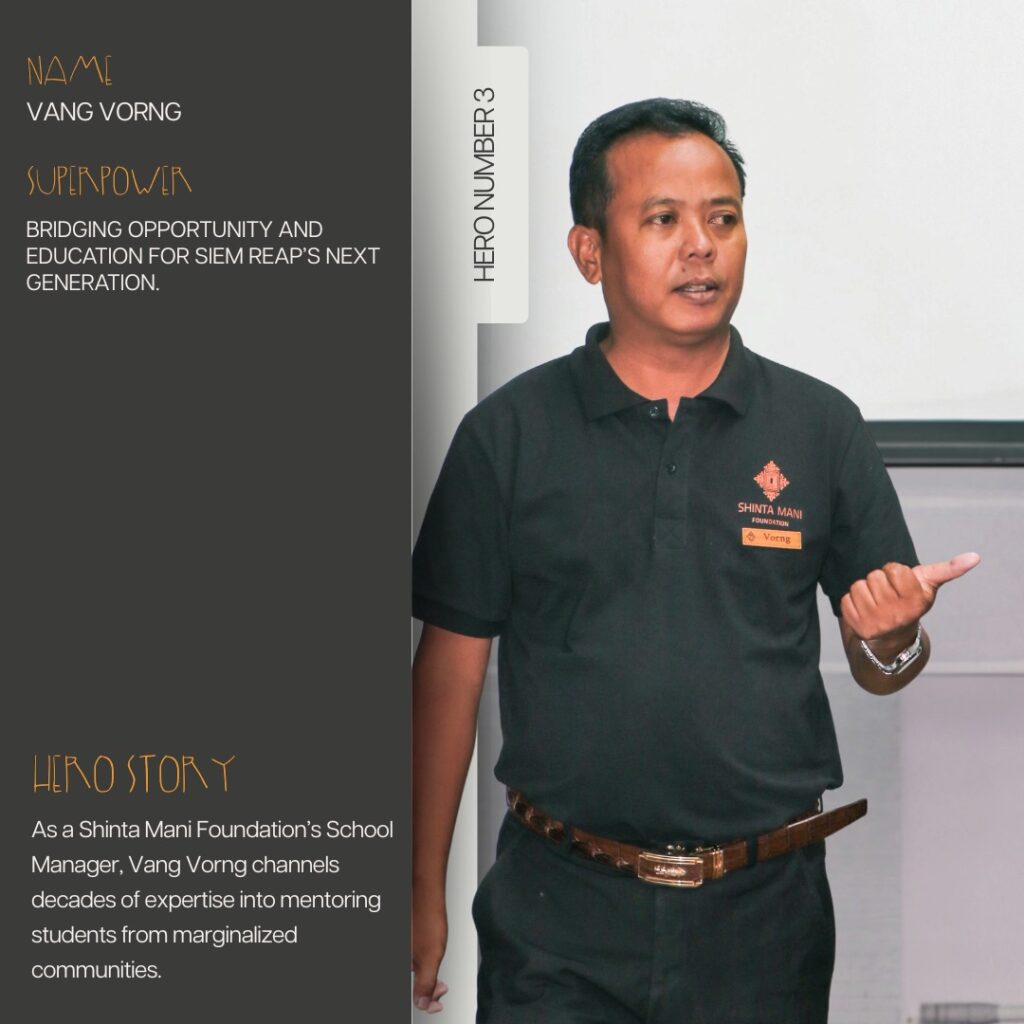
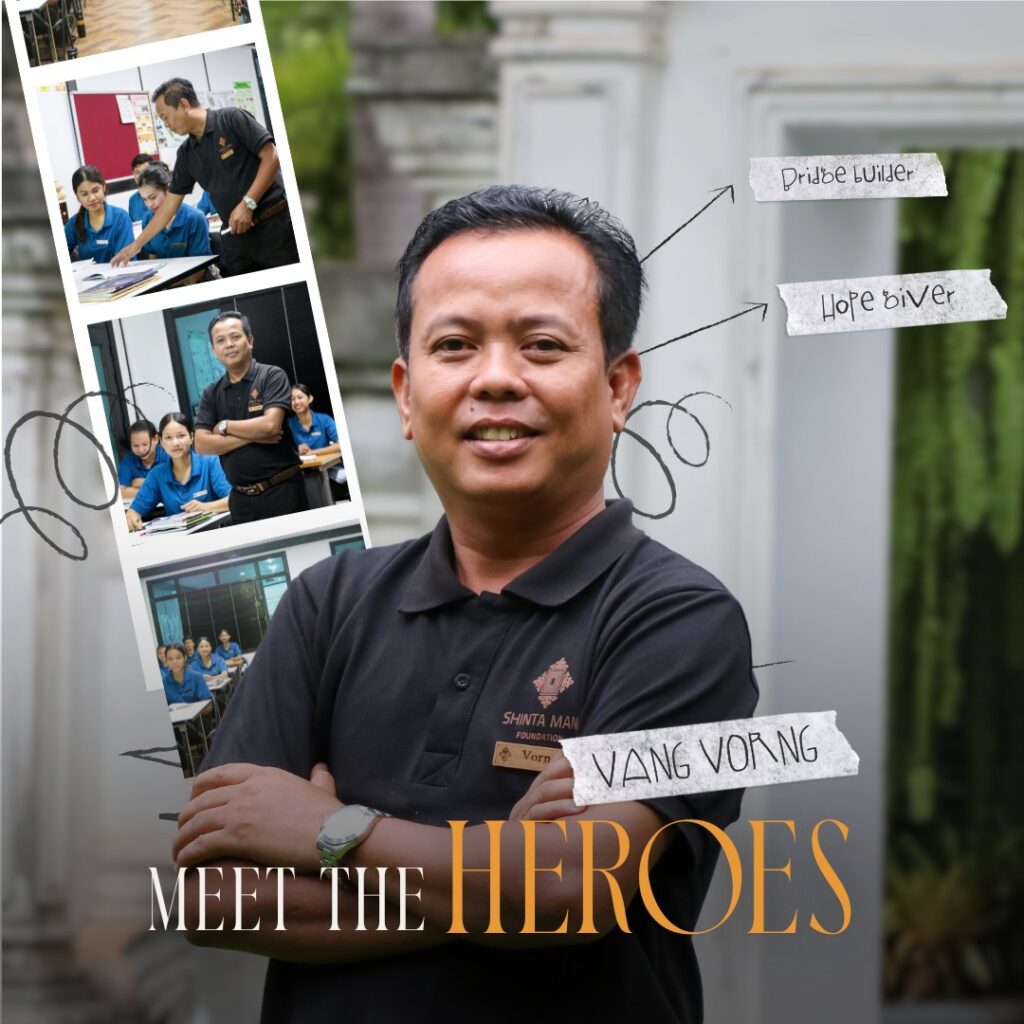
Vang Vorng is the School Manager at the Shinta Mani Foundation’s Hospitality Training School in Siem Reap, Cambodia. He comes from a poor village and knows how hard life is for many young people. His goal is to help these young people learn skills and find good jobs in hotels.
Every year, Vorng goes to faraway schools to find students who want to learn but cannot pay for school. He gives them a chance to study at his training school. There, he teaches them English, hotel work, and life skills. Students also work at the Shinta Mani Angkor hotel to learn by doing.
Since 2023, about 30 students finish the school every year. Many find jobs in hotels. Some work at the front desk, and others want to become managers. Vorng helps students feel confident and believe they can help their families.
Vorng cares about his students like a mentor and friend. His work shows how the Shinta Mani Foundation uses money from hotels to help local people. He helps young Cambodians build better lives and hope for the future. ___________________________
Vocabulary:
Hospitality training school: A place where people learn how to work in hotels and restaurants.
Village: A small town in the countryside where people live.
Goal: Something you want to do or achieve.
To learn skills: To get new abilities or know how to do something.
Faraway: A long way from here; very far.
To pay for school: To give money so you can go to school.
Life skills: Important things you need to know to live well, like how to talk to people or manage money.
To learn by doing: To practice something to understand it better.
Front desk: The place in a hotel where guests check in and ask for help.
To feel confident: To feel sure about yourself and your abilities.
To believe: To think something is true or to have trust in something or someone.
To care about a person: To feel love or concern for someone.
A mentor: A person who helps and teaches you, like a guide or teacher.
To build a better life: To make your life good and happy by working hard and learning. ################
Multiple choice – one answer only:
1. What is a hospitality training school? a) A school for car drivers b) A place to learn hotel and restaurant work c) A market for food
2. What is a village? a) A tall building b) A small town in the countryside c) A big supermarket
3. What is a goal? a) Something you want to reach or do b) A part of a book c) A kind of shoe
4. What does it mean to learn skills? a) To get new abilities b) To forget something c) To sleep during class
5. What does faraway mean? a) Easy to carry b) Very near c) Very far from here
6. What does it mean to pay for school? a) To give money for education b) To eat lunch at school c) To run to school
7. What are life skills? a) Playing football b) Important things for daily life, like speaking and using money c) Reading fairy tales
8. What does it mean to learn by doing? a) To read a book only b) To ask someone else to work c) To practice something and learn from it
9. What is the front desk? a) A tree in front of a hotel b) A place in a hotel where guests get help c) A kitchen table
10. What does it mean to feel confident? a) To feel sure about yourself b) To feel angry c) To feel hungry
11. What does it mean to believe? a) To think something is true b) To jump high c) To eat quickly
12. What does it mean to care about a person? a) To feel love or worry for someone b) To make fun of someone c) To close the door
13. What is a mentor? a) A strong animal b) A toy for children c) A person who helps and teaches you
14. What does it mean to build a better life? a) To learn and work hard for a good future b) To play video games all day c) To stay in bed
a. To think something is true b. A place where people learn how to work in hotels and restaurants c. A small town in the countryside d. Important abilities for daily life, like speaking and managing money e. To give money to go to school f. A place in a hotel where guests get help g. To feel sure about yourself h. To want to do or achieve something i. To practice something and learn from it j. To feel love or worry for someone k. To get new abilities l. A person who teaches and helps you m. To work and learn to improve your life n. Very far from here
A. To have trust or faith in something B. A small community or group of houses in the countryside C. To give money to attend classes or school D. To understand or practice new abilities E. A place where students train to work in hotels and restaurants F. To be sure about yourself and your abilities G. Important abilities to live and work well in the world H. To learn by practicing and working, not only by reading I. The person who helps and advises you in your learning or work J. To want to reach or achieve something K. To work to make life better L. The first place guests go to in a hotel to get help M. To feel love or concern for someone N. A place far away, not near
Interview with Vang Vorng -complete(not easy, try hard)
1. Where do you work and what is your role there? I work at the Shinta Mani Foundation’s __________ training school in Siem Reap. I am the school manager, and I help run the program for young __________.
2. What is your main goal for the students at the school? My goal is to give students the chance to build a better __________ through education and __________ in the hospitality industry.
3. How do you find students who want to join the school? I travel to villages __________from the city, visiting high schools to find students who want to learn but may not have the chance to __________for school.
4. What kind of skills do students learn at the school? Students learn both hospitality skills, like __________ in hotels, and important life skills that __________ them in their daily lives.
5. How do students learn these skills? They __________. We teach in the classroom, but they also work in hotels for hands-on experience.
6. What kind of jobs do students get after they finish training? Many students __________ at the front desk in hotels or become assistants. Some even move into supervisor roles.
7. Why is it important for students to feel confident? Feeling confident helps __________ do their jobs well and believe that they can succeed in life.
8. How do you support and guide the students during their training? I care about each student and act as a __________, helping them with advice and support.
9. What do you believe about the power of education? I believe education is a bridge from poverty to a better life. It can change a person’s __________.
10. How does the hospitality training school help the wider community? The school helps young people get good __________, which supports their families and inspires others in their villages to work hard and dream big.
___________________
1. Where do you work and what is your role there? I work at the Shinta Mani Foundation’s hospitality training school in Siem Reap. I am the school manager, and I help run the program for young people.
2. What is your main goal for the students at the school? My goal is to give students the chance to build a better life through education and work in the hospitality industry.
3. How do you find students who want to join the school? I travel to villages faraway from the city, visiting high schools to find students who want to learn but may not have the chance to pay for school.
4. What kind of skills do students learn at the school? Students learn both hospitality skills, like working in hotels, and important life skills that help them in their daily lives.
5. How do students learn these skills? They learn by doing. We teach in the classroom, but they also work in hotels for hands-on experience.
6. What kind of jobs do students get after they finish training? Many students work at the front desk in hotels or become assistants. Some even move into supervisor roles.
7. Why is it important for students to feel confident? Feeling confident helps students do their jobs well and believe that they can succeed in life.
8. How do you support and guide the students during their training? I care about each student and act as a mentor, helping them with advice and support.
9. What do you believe about the power of education? I believe education is a bridge from poverty to a better life. It can change a person’s future.
10. How does the hospitality training school help the wider community? The school helps young people get good jobs, which supports their families and inspires others in their villages to work hard and dream big.
#################
Rewrite the following text in 3rd person singular and make all changes necessary:
I work as the school manager at a hospitality training school in Siem Reap. My job is to find young students from villages far away. I help them learn skills to work in hotels. They study English, hospitality, and life skills. I also teach them how to learn by doing, with practice in hotels. I guide and support the students like a mentor. I want them to feel confident and believe in themselves. My goal is to help them build a better life and find good jobs in the hotel industry. This work helps many young people and their families. ________________
YOU WRITE:
Vang Vorng works as the school manager…………………….
……………………..manager at a hospitality training school in Siem Reap. His job is to find young students from villages far away. He helps them learn skills to work in hotels. They study English, hospitality, and life skills. He also teaches them how to learn by doing, with practice in hotels. He guides and supports the students like a mentor. He wants them to feel confident and believe in themselves. His goal is to help them build a better life and find good jobs in the hotel industry. This work helps many young people and their families.
Vang Vorng is from Cambodia. He is a kind and helpful man. He works at a school in Siem Reap. The school is part of the Shinta Mani Foundation. It is a hotel school. Poor students can study there for free.
Vorng helps students from small villages. Their families do not have much money. He goes to visit schools in the countryside. He talks to students and their parents. He says, “Do you want to study?” If they say yes, he helps them come to the hotel school.
At the school, students learn English. They learn how to speak to guests. They also learn how to work in hotels. They clean rooms, serve food, and work at the front desk. They study in class and practice in a real hotel. Vorng is their teacher. He helps them every day. He is friendly and patient.
Since 2023, more than 60 students finished the program. Now, they have good jobs in hotels. They are happy. They can help their families.
Vorng is proud of his students. He says, “I want to help more young people.” He is a hero in his community. He gives students hope and a better future.
___________________
Vocabulary:
kind – a person who is nice and cares about other people helpful – a person who wants to help others for free – you do not need to pay money a village – a small town in the countryside countryside – land with farms, fields, and villages (not a city) to clean a room – to make a room tidy and not dirty to serve food – to give food to someone at a table or in a restaurant front desk – the place in a hotel where people check in or ask questions to study in class – to learn with a teacher in a school or classroom to practice – to do something again and again to get better to be patient – to stay calm and not get angry when things are slow to finish a program – to do all the classes and work in a course or school to be proud – to feel happy about something you or someone else did well a hero – a person who helps others and does good things a community – the people who live in the same place to give somebody hope – to help someone believe that good things can happen a better future – a life that is happier and easier than before
#################
Vocabulary Multiple Choice Test – only one answer is correct
1. What does „kind“ mean? A) A person who is nice and cares about others B) A person who runs fast C) A person who works in a kitchen
2. What does „helpful“ mean? A) A person who wants to help others B) A person who sleeps a lot C) A person who eats quickly
3. What does „for free“ mean? A) You pay with coins B) You do not need to pay money C) You get a ticket
4. What is „a village“? A) A very big city B) A place with many buses C) A small town in the countryside
5. What is „the countryside“? A) A place with farms and small villages B) A street with many cars C) A building in the city
6. What does „to clean a room“ mean? A) To make the room tidy and not dirty B) To paint the walls C) To bring food
7. What does „to serve food“ mean? A) To take food to someone at a table B) To throw food in the bin C) To cook rice and vegetables
8. What is the „front desk“ in a hotel? A) The kitchen where food is made B) The place where people check in and ask questions C) The room where people sleep
9. What does „to study in class“ mean? A) To sleep in a chair B) To learn with a teacher C) To clean the classroom
10. What does „to practice“ mean? A) To do something again and again to get better B) To stop doing something C) To go to the market
11. What does „to be patient“ mean? A) To speak fast and loudly B) To stay calm and not get angry C) To run to school
12. What does „to finish a program“ mean? A) To do all the classes in a school B) To go home early C) To start work late
13. What does „to be proud“ mean? A) To feel good about a job well done B) To feel hungry after work C) To sleep after dinner
14. What is a „hero“? A) A person who helps others and does good things B) A person who sells food C) A person who likes to play games
15. What is a „community“? A) The people who live in the same place B) The workers in a hotel C) A group of students in a class
16. What does „to give somebody hope“ mean? A) To make them happy and believe good things can happen B) To show them a movie C) To ask them to sing a song
17. What is „a better future“? A) A life that is happier and easier B) A new pair of shoes C) A big meal at home
A. To stay calm and not get angry B. A person who helps others and does good things C. A small town in the countryside D. A person who wants to help others E. A place in a hotel where people check in or ask questions F. A person who is nice and cares about others G. To feel good about something you did H. To carry food to someone at a table I. A place with farms and fields J. To make someone believe good things will come K. To do something again and again to get better L. To do all the classes in a course M. No money is needed N. To learn in a classroom with a teacher O. To make a place tidy and not dirty P. A group of people living in one area Q. A life that is easier and happier _____________________
1. Q: Where do you live and where do your students come from? A: I live in a small ________, and my students come from the __________ around Siem Reap.
2. Q: What is your job at the school and what do you do every day? A: I am the school __________. I visit high schools, help __________, and teach life skills every day.
3. Q: How do you help students with their future and their jobs? A: I help students find their first __________ in tourism and give them hope for a better __________.
4. Q: What kind of program do you have, and do students pay __________? A: The program is free. Students do not __________ money to study or learn life skills.
5. Q: How many students do you help every __________ and where do they come from? A: I help more than 30 students every year. Most come from poor __________ around Siem Reap.
6. Q: What do students learn in your __________ and how do you teach them? A: Students learn to serve __________ clean rooms, and practice __________. I teach life skills and design the curriculum.
7. Q: Why do you like your job and how do you feel about your students? A: I like my job because I help young __________. I am proud of all the students who finish the program.
__________________________
1. Q: Where do you live and where do your students come from? A: I live in a small village, and my students come from the countryside around Siem Reap.
2. Q: What is your job at the school and what do you do every day? A: I am the school manager. I visit high schools, help students, and teach life skills every day.
3. Q: How do you help students with their future and their jobs? A: I help students find their first job in tourism and give them hope for a better future.
4. Q: What kind of program do you have, and do students pay money? A: The program is free. Students do not pay money to study or learn life skills.
5. Q: How many students do you help every year and where do they come from? A: I help more than 30 students every year. Most come from poor communities around Siem Reap.
6. Q: What do students learn in your school and how do you teach them? A: Students learn to serve food, clean rooms, and practice English. I teach life skills and design the curriculum.
7. Q: Why do you like your job and how do you feel about your students? A: I like my job because I help young people. I am proud of all the students who finish the program.
##############
Mr. Vang Vorng’s story:
I am Mr. Vang Vorng. I come from a small village in Cambodia. I work as a school manager at Shinta Mani Foundation. I visit high schools to find students who want to learn. I teach them life skills and help design their learning. The program is free. I also help students find their first job in tourism. I am proud when students finish the program and start a better life. I want to help many more young people.
Rewrite the story in the 3rd person singular, make all changes necessary:
His name is Mr. Vang Vorng. He comes from a small…..
________________________ Answer: ………… from a small village in Cambodia. He works as a school manager at Shinta Mani Foundation. He visits high schools to find students who want to learn. He teaches them life skills and helps design their learning. The program is free. He also helps students find their first job in tourism. He is proud when students finish the program and start a better life. He wants to help many more young people.
A great waiter in a 5-star hotel is not just someone who serves food well — they are an ambassador of luxury, professionalism, and exceptional service. Here’s what sets them apart:
1. Impeccable Appearance
Always well-groomed and perfectly dressed according to hotel standards.
Clean hands, trimmed nails, polished shoes — every detail matters.
2. Exceptional Etiquette and Manners
Polite, respectful, and discreet.
Uses formal and appropriate language (e.g., “Sir/Madam” or the guest’s name when known).
Knows how to serve from the left, clear from the right, and follow fine dining protocols.
3. Strong Product Knowledge
Knows every item on the menu — ingredients, preparation, taste, and dietary restrictions.
Can recommend dishes and wine pairings confidently.
Keeps up with seasonal changes or daily specials.
4. Anticipation of Guest Needs
Notices when a glass is nearly empty or a guest looks uncertain — and acts before being asked.
Remembers repeat guests’ preferences and makes them feel recognized and special.
5. Flawless Communication(in foreign language, as well)
Speaks clearly, confidently, and in a calm tone.
Listens actively and repeats orders back to avoid mistakes.
Handles special requests or complaints with grace and professionalism.
6. Efficiency and Timing
Ensures courses arrive in the right order and at the right pace.
Coordinates seamlessly with kitchen and other staff — without guests noticing.
7. Discretion and Confidentiality
Never gossips or comments on guests.
Understands when to approach and when to step back.
8. Calm Under Pressure
Handles difficult guests, sudden changes, or peak hours without showing stress.
Keeps a positive attitude even when things go wrong.
9. Teamwork
Supports colleagues and maintains harmony in the restaurant.
Communicates effectively with chefs, hosts, and managers.
10. Genuine Hospitality
Shows warmth, sincerity, and pride in service.
Makes guests feel welcomed, valued, and cared for — not just served.
Bonus: 💡 Examples of Excellence
Guest spills a drink? A great waiter cleans it quickly, replaces it without being asked, and checks if the guest needs anything else.
VIP guest returns? They are greeted by name, seated at their favorite table, and offered their usual drink — without needing to ask.
In short: A great 5-star hotel waiter blends professionalism with personal warmth. They don’t just serve — they elevate the dining experience into something memorable.
A suggested priority order for the qualities of a great waiter /waitress in a 5-star hotel, based on what most luxury hotels value most in terms of guest experience and service standards:
🔝 Top Priority (Essential Qualities)
Genuine Hospitality → Guests feel welcome, cared for, and important.
Exceptional Etiquette and Manners → Shows respect, professionalism, and refinement.
Anticipation of Guest Needs → Proactive service creates a seamless, luxury experience.
Flawless Communication → Avoids mistakes, builds trust, and ensures clarity.
Strong Product Knowledge → Ability to answer guest questions, make recommendations, and show confidence.
🥈 Second Priority (Important Support Skills)
Impeccable Appearance → First impressions matter in a luxury environment.
Calm Under Pressure → Keeps service smooth even in stressful situations.
Efficiency and Timing → Ensures smooth pacing and flow of the meal.
🥉 Third Priority (Professional Standards)
Teamwork → Ensures consistency and harmony in service.
Discretion and Confidentiality → Important, especially with VIP guests, but situational.
This order may vary slightly depending on the specific hotel or guest type, but hospitality, etiquette, anticipation, and communication are universally considered top priorities in 5-star service.
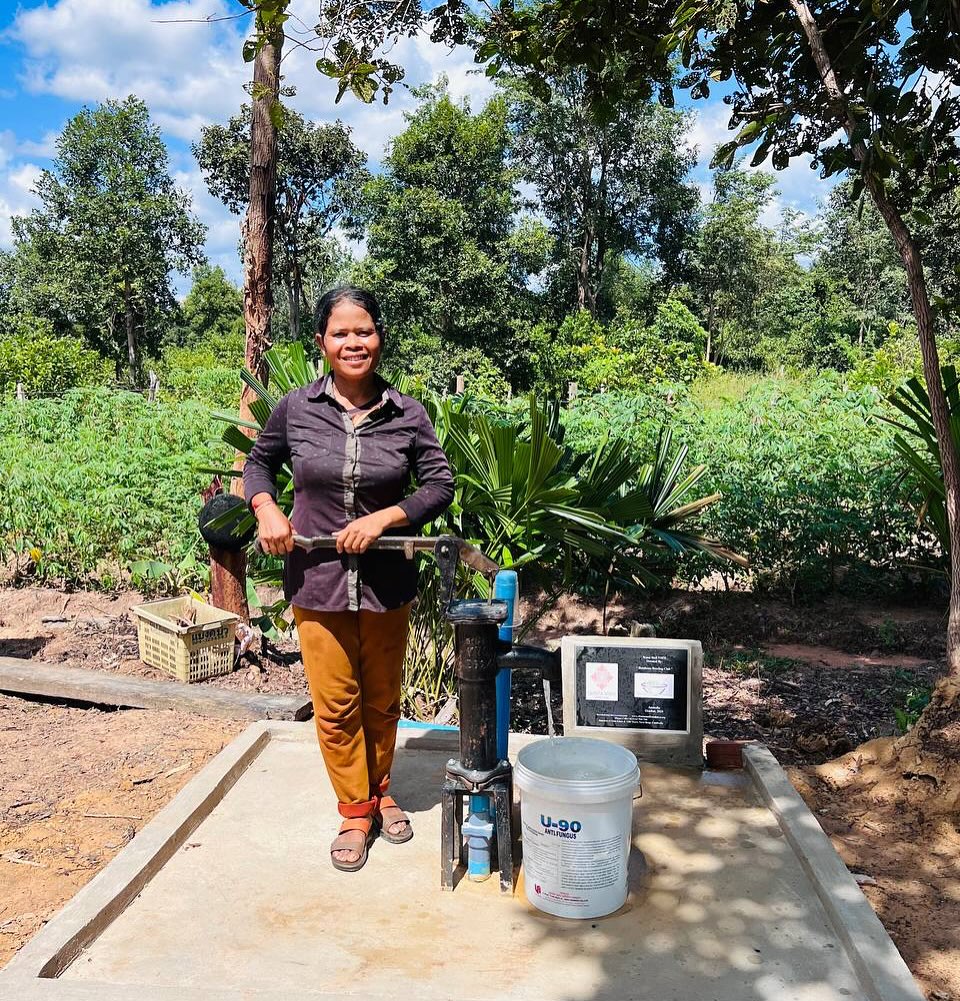
Clean water and good sanitation are very important for health. With help from partners around 1,200 water wells have been dug in Cambodian villages. These wells give people clean drinking water close to their homes.
To improve hygiene, toilets and handwashing areas have been built in schools and villages. Children and families can now use clean toilets, which helps stop the spread of disease. Sanitation blocks and clean water stations also help people stay healthy.
In some places, small playgrounds were built for children to play safely. Canning buildings were also added to help families keep food fresh for longer. To support farming and daily life, families received chicken coops and vegetable gardens. These help them grow food and earn some money.
Houses have also been built for families who had no safe place to live. These strong houses give children and parents better protection and a more hopeful future.
This support helps improve life in the countryside. Clean water, better toilets, food gardens, and safe homes all make life healthier and stronger for families in rural areas.
____________________
Vocabulary:
Sanitation – Having clean places to wash, go to the toilet, and remove waste so people stay healthy.
Health – The condition of your body and mind; being free from illness or feeling well.
A water well – A deep hole in the ground where people can get water.
To dig (dug, dug) – To make a hole in the ground using your hands or a tool.
To improve hygiene – To make habits and conditions cleaner so people don’t get sick.
Clean – Not dirty; free from dust, germs, or waste.
To spread – To move from one place or person to another.
A disease – An illness that makes people or animals sick.
A sanitation block – A small building with toilets and places to wash for many people to use.
To stay healthy – To continue feeling well and not get sick.
A playground – An outdoor area where children can play.
To play safely – To enjoy games or activities without getting hurt.
A canning building – A place where people put food in jars or cans to keep it for a long time.
To keep food fresh – To stop food from going bad too quickly.
To support farming – To help people grow food or take care of animals.
To receive – To get something that is given to you.
A coop – A small house where chickens or other animals live.
Vegetables – Plants like carrots, tomatoes, and beans that people eat.
To earn money – To get money by working or doing something useful.
Protection – Being safe from danger, illness, or bad weather.
A hopeful future – A good life that may come later; believing life will be better.
A rural area – The countryside; a place far from cities, with farms and small villages.
###################
Multiple choice questions, with only one correct answer
What is a water well used for? A) To store food B) To get clean water from the ground C) To play games
What does to dig mean? A) To build a house B) To make a hole in the ground C) To carry heavy things
What is sanitation about? A) Growing vegetables B) Playing safely C) Having clean toilets and washing areas
Why do people want to improve hygiene? A) To cook faster B) To stay healthy C) To walk to school
What is the meaning of clean? A) New and cheap B) Not dirty C) Very big
What does to spread mean? A) To give something to many people or places B) To hide something C) To stop something quickly
A disease is: A) A type of plant B) A game children play C) An illness that makes people sick
Where do many people use toilets and wash their hands together? A) In a playground B) In a sanitation block C) In a vegetable garden
Why is it important to stay healthy? A) To play more games B) To avoid getting sick C) To build new houses
What do children do in a playground? A) Wash clothes B) Learn to read C) Play and have fun
What does it mean to play safely? A) To play without getting hurt B) To play in the rain C) To play at night
A canning building is a place where people: A) Cook fresh meals B) Put food in jars or cans C) Grow rice and corn
Why do people keep food fresh? A) To make it taste bad B) To throw it away later C) To eat it later without it going bad
What does to support farming mean? A) To help grow food and take care of animals B) To play on the farm C) To clean the house
What does it mean to receive something? A) To give something B) To get something C) To buy something
What is a coop used for? A) For growing flowers B) For washing vegetables C) For keeping chickens
Which of these is a vegetable? A) Carrot B) Cookie C) Chicken
What does to earn money mean? A) To lose money B) To get money by working C) To hide money
What is protection? A) Something that keeps you safe B) A kind of game C) A way to cook food
What is a rural area? A) A big city B) A place with many shops C) The countryside, with farms and small villages
_____________________
Answers: 1 B, 2 B, 3 C, 4 B, 5 B, 6 A, 7 C, 8 B, 9 B, 10 C, 11 A, 12 B, 13 C, 14 A, 15 B, 16 C, 17 A, 18 B, 19 A, 20 C
######################
Match the word with Its definition
Words:
Sanitation
Health
Water well
To dig
Hygiene
Clean
Disease
Sanitation block
Playground
Canning building
Vegetable
Coop
To earn money
Protection
Rural area
Definitions:
A. A deep hole where people get water from the ground B. A small house where chickens live C. The condition of being free from illness D. The countryside with farms and small villages E. To make a hole in the ground F. A place for children to play safely outside G. Having clean toilets and washing places to keep people healthy H. To get money by working I. Not dirty or full of germs J. A type of food like carrots and tomatoes K. A building to put food in jars or cans to keep it fresh L. An illness that makes people sick M. Something that keeps people safe from harm N. The practice of keeping clean to avoid sickness O. A small building with toilets and washing places
Answers: 1 G, 2 C, 3 A, 4 E, 5 N, 6 I, 7 L, 8 O, 9 F, 10 K, 11 J, 12 B, 13 H, 14 M, 15 D
###################
Gap-Fill Exercise
Good _______ means having clean toilets and washing places. a) protection b) sanitation c) digging
When people feel well and do not get sick, they have good _______. a) health b) disease c) playground
A _______ is a deep hole people dig to get clean water. a) vegetable b) coop c) water well
Farmers _______ the ground to plant crops or find water. a) dig b) spread c) receive
To _______ hygiene means to make cleaning habits better. a) improve b) earn c) keep
If something is _______ it is not dirty or full of germs. a) clean b) healthy c) safe
A _______ can move quickly from one person or place to another. a) disease b) vegetable c) protection
A _______ is a building with toilets and washing places for many people. a) sanitation block b) playground c) coop
To _______ healthy means to avoid getting sick. a) stay b) dig c) spread
A safe place outside where children can play is called a _______. a) vegetable b) playground c) sanitation block
A _______ is a building to keep food fresh in jars or cans. a) sanitation block b) canning building c) coop
Farmers grow _______ like carrots, beans, and tomatoes to eat. a) diseases b) vegetables c) protections
A small house where chickens live is called a _______. a) garden b) coop c) well
People work to _______ money to buy things they need. a) spread b) keep c) earn
When someone gives you something, you _______ it. a) receive b) improve c) dig
_______ means being safe from danger or harm. a) Hygiene b) Protection c) Digging
When you believe in a better life ahead, you have a _______ future. a) hopeful b) dirty c) small
A _______ area is the countryside with farms and few buildings. a) clean b) healthy c) rural
_______________________ 1 b, 2 a, 3 c, 4 a, 5 a, 6 a, 7 a, 8 a, 9 a, 10 b, 11 b, 12 b, 13 b, 14 c, 15 a, 16 b, 17 a, 18 c
#####################
Gap-Fill Exercise – no words given
Clean water and good _______ are very important for health.
Around 1,200 water _______ have been dug in Cambodian villages.
These wells give people clean drinking water close to their _______.
To improve _______, toilets and handwashing areas have been built.
Clean toilets help stop the spread of _______.
Sanitation blocks and clean water stations help people stay _______.
Small _______ were built for children to play safely.
_______ buildings help families keep food fresh for longer.
Families received chicken _______ and vegetable gardens to support farming.
These help families grow food and _______ some money.
Houses have been built for families who had no safe _______ to live.
Strong houses give better protection and a more _______ future.
Clean water, better toilets, food gardens, and safe homes improve life in _______ areas.