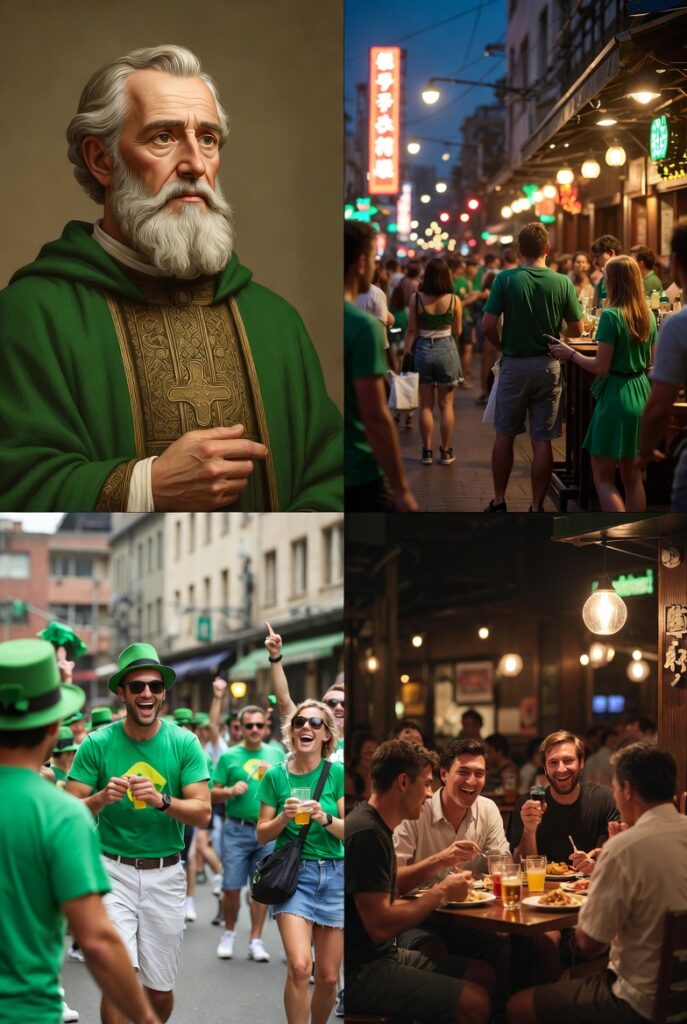
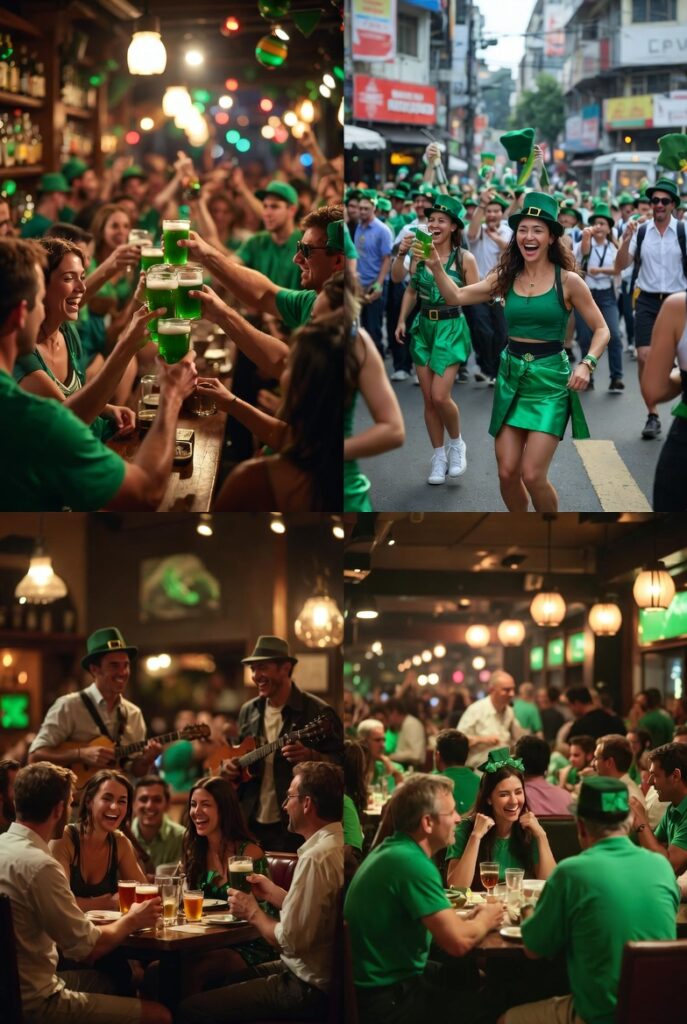
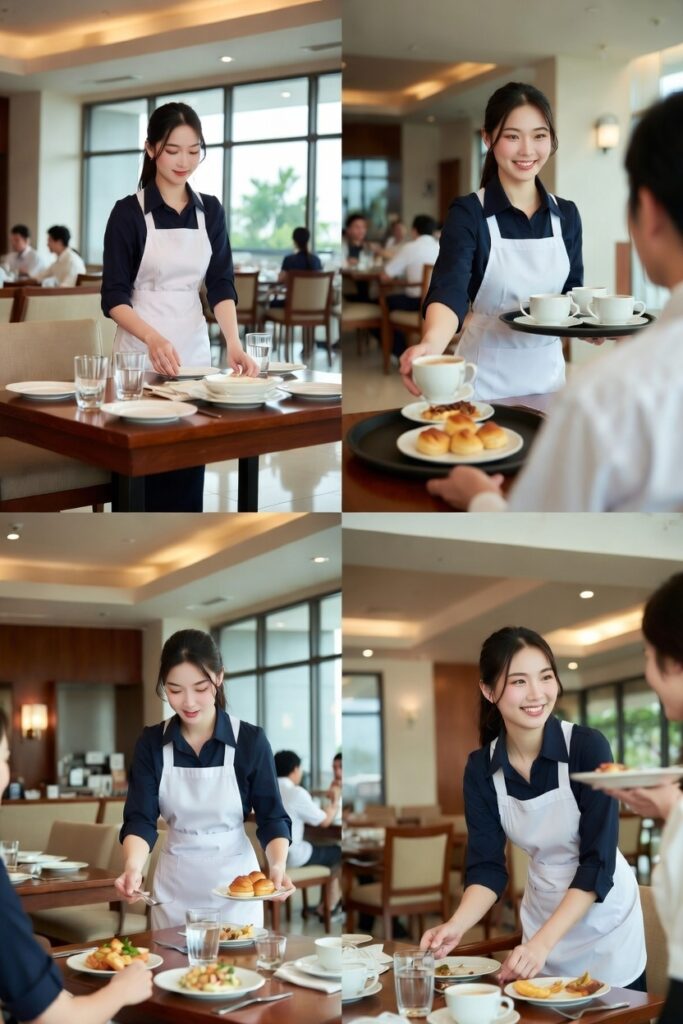
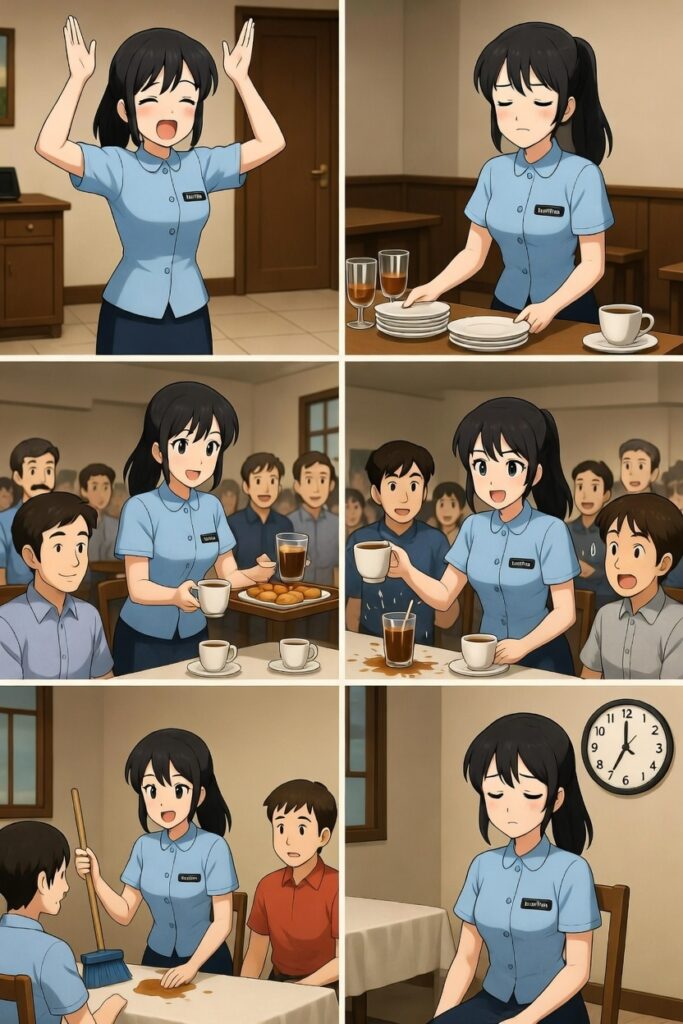
Why using, collecting, and recycling plastic is important for the environment and for saving resources
Today, the Iran war affects oil supply in the world. Oil prices go up, and plastic becomes more expensive because it is made from oil. Because of this, it is important to reduce and recycle plastic.
In hotels and tourism businesses, plastic use is very high. Hotels use plastic bottles, cups, and packaging every day. This creates a lot of waste. Hotels can reduce plastic by using refillable bottles for shampoo and soap. They can use glass cups instead of plastic cups and stop using plastic straws. Hotels should also collect plastic waste and recycle it. Recycling helps use plastic again and reduces waste.
At home, people can also reduce plastic. We can use reusable bags instead of plastic bags. We can carry a reusable water bottle and avoid buying plastic bottles. We can choose products with less plastic packaging. It is also important to reuse items and not throw them away quickly.
People should collect and recycle plastic at home. We can separate plastic waste and put it in recycling bins. This helps reduce pollution and saves resources.
If hotels and people work together, we can reduce plastic waste. Small actions in daily life can make a big difference for the environment.
_________________
Vocabulary:
to collect: to bring things together
to recycle: to use something again
environment: the world around us (air, water, nature)
to save resources: to use less water, energy, or oil
to affect supply: to change how much of something we have
to reduce: to make something less
packaging: material that wraps a product
waste: things we do not use and throw away
a refillable bottle: a bottle you can fill again
a plastic straw: a small plastic tube for drinking
reusable: can be used again
instead of: in place of
to avoid: to not use or do something
to choose a product: to pick a product
to reuse: to use something again
an item: a thing
to throw away: to put something in the trash
################
Match the word with its definition:
Words: A. to collect B. to recycle C. environment D. to save resources E. to affect supply F. to reduce G. packaging H. waste I. a refillable bottle J. a plastic straw K. reusable L. instead of M. to avoid N. to choose a product O. to reuse P. to throw away
In the morning, at 6:30 a.m., I woke up when my alarm rang. I quickly got ready and had breakfast with my family. Then, I went to school, walking with my friends.
At school, I attended classes like Khmer Literature, Math, English, and History. During breaks, I chatted with my friends and ate snacks.
After school, I did activities like dancing or playing volleyball. When I got home, I relaxed, did my homework, and spent time with my family.
In the evening, we had dinner together and talked about our day. After finishing any remaining homework, I got ready for bed.
I brushed my teeth, changed into pajamas, and went to sleep, ready for another day at school the next day.
________________________
Vocabulary:
to wake up → to stop sleeping
to get ready → to prepare (put on clothes, wash, etc.)
to attend classes → to go to lessons at school
a break → a short rest time
to chat → to talk in a friendly way
to eat snacks → to eat small food between meals
to do activities → to do things (like sports or games)
to relax → to rest and feel calm
to finish remaining homework → to complete the homework you still have
to get ready for bed → to prepare to sleep
to brush one’s teeth → to clean your teeth with a toothbrush
to change into pajamas → to put on sleep clothes
##################
Infinitive
Past simple
Definition
wake up
woke up
to stop sleeping
ring
rang
to make a sound like an alarm
get ready
got ready
to prepare yourself
have
had
to eat or drink something
go
went
to move from one place to another
walk
walked
to move on foot
attend
attended
to go to a class or school
chat
chatted
to talk with friends
eat
ate
to take food into the body
do
did
to perform an action or activity
relax
relaxed
to rest and feel calm
spend
spent
to use time doing something
have (dinner)
had
to eat a meal
talk
talked
to speak with someone
finish
finished
to complete something
brush
brushed
to clean using a brush
change
changed
to put on different clothes
go (to sleep)
went
to move somewhere (to bed/sleep)
sleep
slept
to rest your body at night
####################
True or false:
Oum woke up at 6:30 a.m.
She went to school by car alone.
Oum had breakfast with her family.
She attended classes like Math and English.
Oum studied Science at school.
During breaks, she talked with her friends.
She ate snacks during school breaks.
After school, Oum went to the cinema every day.
She sometimes did activities like dancing or playing volleyball.
When she got home, she relaxed and did her homework.
Oum spent time only on her phone after school.
In the evening, she had dinner with her family.
After dinner, she went to sleep immediately without doing homework.
She brushed her teeth and changed into pajamas before going to bed.
Use: The past simple is used to talk about finished actions in the past.
####################
Personal Pronoun
Verb (Past)
Object
I
ate
apples
You
ate
apples
He
ate
apples
She
ate
apples
It
ate
apples
We
ate
apples
You (plural)
ate
apples
They
ate
apples
I
played
football
You
played
football
He
played
football
She
played
football
It
played
football
We
played
football
You (plural)
played
football
They
played
football
Personal Pronoun
Verb (Past Negative)
Object
I
did not eat
apples
You
did not eat
apples
He
did not eat
apples
She
did not eat
apples
It
did not eat
apples
We
did not eat
apples
You (plural)
did not eat
apples
They
did not eat
apples
I
did not play
football
You
did not play
football
He
did not play
football
She
did not play
football
It
did not play
football
We
did not play
football
You (plural)
did not play
football
They
did not play
football
Did + Pronoun
Verb
Object
Did I
eat
apples?
Did you
eat
apples?
Did he
eat
apples?
Did she
eat
apples?
Did it
eat
apples?
Did we
eat
apples?
Did you
eat
apples?
Did they
eat
apples?
Did I
play
football?
Did you
play
football?
Did he
play
football?
Did she
play
football?
Did it
play
football?
Did we
play
football?
Did you
play
football?
Did they
play
football?
Didn’t + Pronoun
Verb
Object
Didn’t I
eat
apples?
Didn’t you
eat
apples?
Didn’t he
eat
apples?
Didn’t she
eat
apples?
Didn’t it
eat
apples?
Didn’t we
eat
apples?
Didn’t you
eat
apples?
Didn’t they
eat
apples?
Didn’t I
play
football?
Didn’t you
play
football?
Didn’t he
play
football?
Didn’t she
play
football?
Didn’t it
play
football?
Didn’t we
play
football?
Didn’t you
play
football?
Didn’t they
play
football?
##################
Past simple forms of ‚to be‘:
Person
Past
I
was
You
were
He/She/It
was
We
were
You (pl)
were
They
were
Person
Question
I
Was I …?
You
Were you …?
He/She/It
Was he/she/it …?
We
Were we …?
You (pl)
Were you …?
They
Were they …?
Person
Negative
I
I was not (I wasn’t)
You
You were not (You weren’t)
He/She/It
He/She/It was not (He/She/It wasn’t)
We
We were not (We weren’t)
You (pl)
You were not (You weren’t)
They
They were not (They weren’t)
Person
Negative Question
I
Wasn’t I …?
You
Weren’t you …?
He/She/It
Wasn’t he/she/it …?
We
Weren’t we …?
You (pl)
Weren’t you …?
They
Weren’t they …?
##################
Short answers in past simple:
Question
Short Answer (Yes/Positive)
Short Answer (No/Negative)
Did she check reservations?
Yes, she did.
No, she didn’t.
Did she give keys to guests?
Yes, she did.
No, she didn’t.
Did she talk to many guests?
Yes, she did.
No, she didn’t.
Was she happy?
Yes, she was.
No, she wasn’t.
Were the guests satisfied?
Yes, they were.
No, they weren’t.
##################
Fill in, past simple:
Oum ______ up at 6:30 a.m. (wake)
She ______ ready and had breakfast with her family. (get)
She ______ to school with her friends. (go)
Oum ______ classes like Khmer Literature, Math, English, and History. (attend)
During breaks, she ______ with her friends. (chat)
She ______ snacks during school breaks. (eat)
After school, she ______ activities like dancing or playing volleyball. (do)
When she got home, she ______ and did her homework. (relax)
She ______ time with her family. (spend)
In the evening, they ______ dinner together. (have)
They ______ about their day. (talk)
Oum ______ any remaining homework. (finish)
She ______ her teeth before bed. (brush)
She ______ into pajamas and went to sleep. (change)
—————————————
Correct version:
Oum woke up at 6:30 a.m.
She got ready and had breakfast with her family.
She went to school with her friends.
Oum attended classes like Khmer Literature, Math, English, and History.
During breaks, she chatted with her friends.
She ate snacks during school breaks.
After school, she did activities like dancing or playing volleyball.
When she got home, she relaxed and did her homework.
She spent time with her family.
In the evening, they had dinner together.
They talked about their day.
Oum finished any remaining homework.
She brushed her teeth before bed.
She changed into pajamas and went to sleep.
###################
Answer as shown in sentence 1:
Oum woke up at 8:30 a.m. YOU WRITE: No, she didn’t, she woke up at 6.40 a.h.
She stayed in bed while her alarm rang.
Oum had breakfast at a restaurant with her friends only.
She went to school alone by bus.
At school, she studied only Science and Art.
She skipped classes like Math and English.
During breaks, she stayed in the classroom and ignored her friends.
She ate no snacks at school.
After school, she went shopping instead of doing activities.
She spent the afternoon without sports or dancing.
When she got home, she watched TV all afternoon and avoided homework.
She spent the evening away from her family.
She ate dinner alone and stayed silent.
She went to bed without brushing her teeth or changing clothes.
_________________________
Correct answers:
No, she didn’t, she woke up at 6:30 a.m.
No, she didn’t, she got up when her alarm rang.
No, she didn’t, she had breakfast with her family at home.
No, she didn’t, she went to school walking with her friends.
No, she didn’t, she studied Khmer Literature, Math, English, and History.
No, she didn’t, she attended her classes.
No, she didn’t, she chatted with her friends during breaks.
No, she didn’t, she ate snacks during school breaks.
No, she didn’t, she did activities like dancing or playing volleyball after school.
No, she didn’t, she spent time relaxing, doing homework, and being with her family.
No, she didn’t, she spent time with her family in the evening.
No, she didn’t, she had dinner with her family.
No, she didn’t, she talked with her family about their day.
No, she didn’t, she brushed her teeth, changed into pajamas, and went to sleep.
#####################
Provide answer in a full sentence:
Did Oum wake up at 8:30 a.m. or at 6:30 a.m.?
Did she stay in bed or get up when her alarm rang?
Did Oum have breakfast at a restaurant with friends only or with her family?
Did she go to school alone by bus or walk with her friends?
Did she study only Science and Art or Khmer Literature, Math, English, and History?
Did she skip classes or attend her classes?
During breaks, did she stay in the classroom or chat with her friends?
Did she eat no snacks or eat snacks during school breaks?
After school, did she go shopping or do activities like dancing or playing volleyball?
When she got home, did she watch TV all afternoon or relax and do homework?
Did she spend the evening away from her family or with her family?
In the evening, did she eat dinner alone or with her family?
After dinner, did she stay silent or talk with her family about their day?
Before bed, did she go to sleep without brushing her teeth or brush her teeth and change into pajamas?
____________________________
Correct version:
Did Oum wake up at 8:30 a.m. or at 6:30 a.m.? — She woke up at 6:30 a.m.
Did she stay in bed or get up when her alarm rang? — She got up when her alarm rang.
Did Oum have breakfast at a restaurant with friends only or with her family? — She had breakfast with her family.
Did she go to school alone by bus or walk with her friends? — She walked to school with her friends.
Did she study only Science and Art or Khmer Literature, Math, English, and History? — She studied Khmer Literature, Math, English, and History.
Did she skip classes or attend her classes? — She attended her classes.
During breaks, did she stay in the classroom or chat with her friends? — She chatted with her friends during breaks.
Did she eat no snacks or eat snacks during school breaks? — She ate snacks during school breaks.
After school, did she go shopping or do activities like dancing or playing volleyball? — She did activities like dancing or playing volleyball.
When she got home, did she watch TV all afternoon or relax and do homework? — She relaxed, did her homework, and spent time with her family.
Did she spend the evening away from her family or with her family? — She spent the evening with her family.
In the evening, did she eat dinner alone or with her family? — She had dinner with her family.
After dinner, did she stay silent or talk with her family about their day? — She talked with her family about their day.
Before bed, did she go to sleep without brushing her teeth or brush her teeth and change into pajamas? — She brushed her teeth, changed into pajamas, and went to sleep.
#################
Complete as shown in 1:
1. What time __________________ (you wake up)? I __________ at 6:30 a.m.
YOU WRITE: What time did you wake up? I woke up at 6:30 a.m.
2. When __________________ (you get ready) in the morning? I __________ ready after waking up.
3. How __________________ (you travel) to school? I went to school walking with my friends.
4. Which subjects __________________ (you study) at school? I __________ Khmer Literature, Math, English, and History.
5. Who __________________ (you talk to) during breaks? I __________ to my friends during breaks.
6. What __________________ (you eat) during school breaks? I __________ snacks during school breaks.
7. What activities __________________ (you do) after school? I __________ activities like dancing or playing volleyball.
8. Where __________________ (you go) after school? I __________ home after school.
9. How __________________ (you spend) your time at home? I relaxed, did my homework, and __________ time with my family.
10. With whom __________________ (you have) dinner? I __________ dinner with my family.
11. What __________________ (you do) after dinner? I __________ (talk) with my family and __________ (finish) my homework.
12. When __________________ (you go) to bed at night? I __________ to bed after brushing my teeth and changing into pajamas.
————————————- Correct version:
Interviewer: What time did you wake up? Oum: I woke up at 6:30 a.m.
Interviewer: When did you get ready in the morning? Oum: I got ready after waking up and had breakfast with my family.
Interviewer: How did you travel to school? Oum: I walked to school with my friends.
Interviewer: Which subjects did you study at school? Oum: I studied Khmer Literature, Math, English, and History.
Interviewer: Who did you talk to during breaks? Oum: I talked to my friends during breaks.
Interviewer: What did you usually eat during school breaks? Oum: I ate snacks during school breaks.
Interviewer: What activities did you do after school? Oum: I did activities like dancing or playing volleyball.
Interviewer: Where did you go after school? Oum: I went home after school.
Interviewer: How did you spend your time at home? Oum: I relaxed, did my homework, and spent time with my family.
Interviewer: With whom did you have dinner? Oum: I had dinner with my family.
Interviewer: What did you do after dinner? Oum: I talked with my family and finished any remaining homework.
Interviewer: When did you go to bed at night? Oum: I went to bed after brushing my teeth and changing into pajamas, ready for the next day.
a colorful Khmer New Year celebration in Phnom Penh filled with traditions, food, and fun
Subject: My Visit to Nokor Sangkranta festival
Dear Salas,
I hope you are fine. I want to tell you about a festival I visited last year in Phnom Penh. It is called Nokor Sangkranta. It is part of the Khmer New Year, Chaul Chnam Thmey. The festival is very big and it is from April 14 to April 19.
I went to the festival with my family. First, we visited a temple. The temple was very beautiful. There were many flowers and candles. We gave food to the monks and prayed for health and happiness. I felt very calm and happy in the temple.
After that, we watched traditional dances and music. There were also martial arts shows. Children played games like tug-of-war and other competitions. I joined some games too, and it was fun.
We also visited the markets. There were many food stalls and local crafts. I tried some Cambodian dishes. They were very delicious! I bought small gifts and souvenirs for my friends.
The festival was very colorful. People were happy and smiling. Families and friends were together. I enjoyed the festival very much. I learned a lot about Cambodian culture and traditions.
I hope you can visit Nokor Sangkranta one day. It is a very special and happy festival.
Best wishes, Char
_________________________
Vocabulary:
a celebration – a happy event with people, music, or food.
a candle – a stick that you can light to make light.
a monk – a man who lives in a temple and prays to God.
to pray – to speak to God or a spirit for help or thanks.
health – the state of being well and not sick.
to feel calm – to feel relaxed and quiet.
traditional dance – a dance from a country long ago, done by many people.
martial arts – sports like fighting, using hands or feet, with rules.
tug-of-war – a game where two teams pull a rope in opposite directions.
a competition – a game or event where people try to win.
to join a game – to play a game with other people.
a food stall – a small shop or table that sells food.
a local craft – things made by people in a country, like art or tools.
cambodian dishes – food from Cambodia.
to be delicious – to taste very good.
a gift – something you give to someone to make them happy.
to enjoy – to feel happy with an activity.
a tradition – something people do for a long time, usually at special times.
###################
Infinitive
Past simple
Definition
to hope
hoped
to want something to happen
to tell
told
to say something to someone
to call
called
to say someone’s name or speak on the phone
to be
was/were
to exist or to have a state
to go
went
to move from one place to another
to visit
visited
to go to a place
to pray
prayed
to speak to God or a spirit
to give
gave
to give something to someone
to feel
felt
to experience a feeling
to watch
watched
to look at something
to join
joined
to take part in something
to enjoy
enjoyed
to feel happy with an activity
to try
tried
to do something to see if it works
to buy
bought
to get something by paying money
to celebrate
celebrated
to enjoy a special event
to learn
learned
to get knowledge
to play
played
to do a game or fun activity
####################
Basics in past simple:
Past Simple –
Regular Verbs:
Most verbs: add -ed play → played
Verbs ending in -e: add -d live → lived
Verbs ending in consonant + y: change y to i and add -ed study → studied
Short verbs ending in vowel + consonant: double the final consonant and add -ed stop → stopped
Use: The past simple is used to talk about finished actions in the past.
####################
Personal Pronoun
Verb (Past)
Object
I
ate
apples
You
ate
apples
He
ate
apples
She
ate
apples
It
ate
apples
We
ate
apples
You (plural)
ate
apples
They
ate
apples
I
played
football
You
played
football
He
played
football
She
played
football
It
played
football
We
played
football
You (plural)
played
football
They
played
football
Personal Pronoun
Verb (Past Negative)
Object
I
did not eat
apples
You
did not eat
apples
He
did not eat
apples
She
did not eat
apples
It
did not eat
apples
We
did not eat
apples
You (plural)
did not eat
apples
They
did not eat
apples
I
did not play
football
You
did not play
football
He
did not play
football
She
did not play
football
It
did not play
football
We
did not play
football
You (plural)
did not play
football
They
did not play
football
Did + Pronoun
Verb
Object
Did I
eat
apples?
Did you
eat
apples?
Did he
eat
apples?
Did she
eat
apples?
Did it
eat
apples?
Did we
eat
apples?
Did you
eat
apples?
Did they
eat
apples?
Did I
play
football?
Did you
play
football?
Did he
play
football?
Did she
play
football?
Did it
play
football?
Did we
play
football?
Did you
play
football?
Did they
play
football?
Didn’t + Pronoun
Verb
Object
Didn’t I
eat
apples?
Didn’t you
eat
apples?
Didn’t he
eat
apples?
Didn’t she
eat
apples?
Didn’t it
eat
apples?
Didn’t we
eat
apples?
Didn’t you
eat
apples?
Didn’t they
eat
apples?
Didn’t I
play
football?
Didn’t you
play
football?
Didn’t he
play
football?
Didn’t she
play
football?
Didn’t it
play
football?
Didn’t we
play
football?
Didn’t you
play
football?
Didn’t they
play
football?
##################
Past simple forms of ‚to be‘:
Person
Past
I
was
You
were
He/She/It
was
We
were
You (pl)
were
They
were
Person
Question
I
Was I …?
You
Were you …?
He/She/It
Was he/she/it …?
We
Were we …?
You (pl)
Were you …?
They
Were they …?
Person
Negative
I
I was not (I wasn’t)
You
You were not (You weren’t)
He/She/It
He/She/It was not (He/She/It wasn’t)
We
We were not (We weren’t)
You (pl)
You were not (You weren’t)
They
They were not (They weren’t)
Person
Negative Question
I
Wasn’t I …?
You
Weren’t you …?
He/She/It
Wasn’t he/she/it …?
We
Weren’t we …?
You (pl)
Weren’t you …?
They
Weren’t they …?
##################
Short answers in past simple:
Question
Short Answer (Yes/Positive)
Short Answer (No/Negative)
Did she check reservations?
Yes, she did.
No, she didn’t.
Did she give keys to guests?
Yes, she did.
No, she didn’t.
Did she talk to many guests?
Yes, she did.
No, she didn’t.
Was she happy?
Yes, she was.
No, she wasn’t.
Were the guests satisfied?
Yes, they were.
No, they weren’t.
##################
##################
Fill in, past simple:
Char __________ (go) to the festival with her family.
YOU FILL IN: went
They __________ (visit) a temple.
They __________ (give) food to the monks.
Char __________ (pray) for health and happiness.
She __________ (watch) traditional dances.
She __________ (join) some games.
Char __________ (try) Cambodian dishes.
She __________ (buy) souvenirs for her friends.
She __________ (enjoy) the festival very much.
She __________ (feel) happy and calm in the temple.
Families __________ (celebrate) the Khmer New Year together.
Children __________ (play) tug-of-war at the festival.
People __________ (decorate) the temples with flowers and candles.
Visitors __________ (learn) about Cambodian traditions.
Tourists __________ (take) many photos.
They __________ (call) their friends to join the festival.
Everyone __________ (say) “Happy New Year!” to each other.
People __________ (share) food and drinks at the market.
Monks __________ (bless) the visitors at the temple.
Char __________ (hope) to come again next year.
———————————–
Correct version:
Char went to the festival with her family.
They visited a temple.
They gave food to the monks.
Char prayed for health and happiness.
She watched traditional dances.
She joined some games.
Char tried Cambodian dishes.
She bought souvenirs for her friends.
She enjoyed the festival very much.
She felt happy and calm in the temple.
Families celebrated the Khmer New Year together.
Children played tug-of-war at the festival.
People decorated the temples with flowers and candles.
Visitors learned about Cambodian traditions.
Tourists took many photos.
They called their friends to join the festival.
Everyone said “Happy New Year!” to each other.
People shared food and drinks at the market.
Monks blessed the visitors at the temple.
Char hoped to come again next year.
##################
Complete as shown in 1., a) negation, b) question, c) negative question.
Char went to the festival with her family. a) Char did not go to the festival with her family. b) Did Char go to the festival with her family? c) Didn’t Char go to the festival with her family?
They visited a temple.
They gave food to the monks.
Char prayed for health and happiness.
She bought souvenirs for her friends.
Char hoped to come again.
She enjoyed the festival very much.
Tourists took many photos.
____________________________
Correct answers:
Char went to the festival with her family. a) Char did not go to the festival with her family. b) Did Char go to the festival with her family? c) Didn’t Char go to the festival with her family?
They visited a temple. a) They did not visit a temple. b) Did they visit a temple? c) Didn’t they visit a temple?
They gave food to the monks. a) They did not give food to the monks. b) Did they give food to the monks? c) Didn’t they give food to the monks?
Char prayed for health and happiness. a) Char did not pray for health and happiness. b) Did Char pray for health and happiness? c) Didn’t Char pray for health and happiness?
She bought souvenirs for her friends. a) She did not buy souvenirs for her friends. b) Did she buy souvenirs for her friends? c) Didn’t she buy souvenirs for her friends?
Char hoped to come again. a) Char did not hope to come again. b) Did Char hope to come again? c) Didn’t Char hope to come again?
She enjoyed the festival very much. a) She did not enjoy the festival very much. b) Did she enjoy the festival very much? c) Didn’t she enjoy the festival very much?
Tourists took many photos. a) Tourists did not take many photos. b) Did tourists take many photos? c) Didn’t tourists take many photos?
##################
True or false:
The festival had no food stalls.
People prayed for health and happiness.
Cambodian dishes were only for monks.
Children and adults played games like tug-of-war.
Everyone ignored the monks during the festival.
The temples were decorated with flowers and candles.
The festival did not have any traditional dances.
Visitors bought local crafts and souvenirs.
Monks celebrated by playing martial arts.
Char felt calm when she visited the temple.
The festival was a big celebration of Cambodian culture.
People did not join any games at the festival.
Children played tug-of-war at the festival.
People gave food and gifts to monks and the poor.
_____________________
True: 2,4,6,8,10,11,13,14
_____________________
Correct version:
The festival had no food stalls. True is: The festival had many food stalls.
People prayed for health and happiness.
Cambodian dishes were only for monks. True is: Cambodian dishes were for visitors and families at the festival.
Children and adults played games like tug-of-war.
Everyone ignored the monks during the festival. True is: People visited the monks and gave them food.
The temples were decorated with flowers and candles.
The festival did not have any traditional dances. True is: The festival had traditional dances.
Visitors bought local crafts and souvenirs.
Monks celebrated by playing martial arts. True is: People watched martial arts performances at the festival.
Char felt calm when she visited the temple.
The festival was a big celebration of Cambodian culture.
People did not join any games at the festival. True is: People joined games and competitions at the festival.
Children played tug-of-war at the festival.
People gave food and gifts to monks and the poor.
###################
Short answers, rewrite as shown in 1.:
Char traveled to the festival alone.
YOU WRITE: No, she didn’t. She traveled with her family.
The visitors gave money to the monks in the market.
People decorated the temples with balloons and flags.
Children studied mathematics during the festival games.
The festival lasted only one day in March.
People ate only foreign food at the market.
Tourists watched a football match at the temple.
The monks played tug-of-war with the tourists.
Char cooked Cambodian dishes for everyone at the temple.
Families slept in the market during the festival.
__________________________
Correct version:
Char traveled to the festival alone. No, she didn’t. She traveled with her family.
The visitors gave money to the monks in the market. No, they didn’t. They gave food and gifts to monks at the temple.
People decorated the temples with balloons and flags. No, they didn’t. They decorated the temples with flowers and candles.
Children studied mathematics during the festival games. No, they didn’t. They played games and competitions.
The festival lasted only one day in March. No, it didn’t. It lasted from April 14 to April 19.
People ate only foreign food at the market. No, they didn’t. They ate Cambodian dishes.
Tourists watched a football match at the temple. No, they didn’t. They watched traditional dances and martial arts.
The monks played tug-of-war with the tourists. No, they didn’t. Children and adults played tug-of-war.
Char cooked Cambodian dishes for everyone at the temple. No, she didn’t. She tried Cambodian dishes at the market.
Families slept in the market during the festival. No, they didn’t. They enjoyed the festival together.
################
Short answers:
Did Char go to the festival with her family?
YOU WRITE: Yes, she did.
Did the festival happen in December?
No, it didn’t. The festival happened from April 14 to April 19.
Did people visit temples during the festival?
Were the temples decorated with flowers and candles?
Was Nokor Sangkranta part of the Khmer New Year?
Did Char cook food for the monks at the temple?
Was the festival only for tourists?
Did the festival last only one day?
Did visitors buy souvenirs and local crafts?
Did children study in school during the festival games?
Did the festival have swimming competitions?
Were families and friends together at the festival?
Did people play football during the festival?
Were there food stalls at the market?
____________________
Correct answers:
Did Char go to the festival with her family? Yes, she did.
Did the festival happen in December? No, it didn’t. The festival happened from April 14 to April 19.
Did people visit temples during the festival? Yes, they did.
Were the temples decorated with flowers and candles? Yes, they were.
Was Nokor Sangkranta part of the Khmer New Year? Yes, it was.
Did Char cook food for the monks at the temple? No, she didn’t. She tried Cambodian dishes at the market.
Was the festival only for tourists? No, it wasn’t. The festival was for families, locals, and tourists.
Did the festival last only one day? No, it didn’t. The festival lasted several days, from April 14 to April 19.
Did visitors buy souvenirs and local crafts? Yes, they did.
Did children study in school during the festival games? No, they didn’t. Children played games and competitions during the festival.
Did the festival have swimming competitions? No, it didn’t. There were traditional dances, music, and martial arts performances.
Were families and friends together at the festival? Yes, they were.
Did people play football during the festival? No, they didn’t. People played games like tug-of-war and other traditional competitions.
Were there food stalls at the market? Yes, there were.
#################
Form questions to which word/s given is/are the answer:
Char went to the festival with her family. a) Char: b) went to the festival: c)to the festival: d) with her family:
They visited a temple. a) They: b) visited a temple: c) a temple:
People gave food and gifts to monks. a) People: b) gave food and gifts to monks: c) food and gifts: d) to monks:
Children played tug-of-war at the festival. a) Children: b) played tug-of-war at the festival: c) tug-of-war: d) at the festival:
Char enjoyed Cambodian dishes at the market. a) Char: b) enjoyed Cambodian dishes at the market: c) Cambodian dishes: d) Cambodian: e) at the market:
_________________________
Correct answers:
1. Char went to the festival with her family. a) Char – Who went to the festival with her family? b) went to the festival – What did Char do? c) to the festival – Where did Char go? d) with her family – Who did Char go with to the festival?
2. They visited a temple. a) They – Who visited a temple? b) visited a temple – What did they do? c) a temple – What did they visit?
3. People gave food and gifts to monks. a) People – Who gave food and gifts to monks? b) gave food and gifts to monks – What did people do? c) food and gifts – What did they give to monks? d) to monks – Who did they give food and gifts?
4. Children played tug-of-war at the festival. a) Children – Who played tug-of-war at the festival? b) played tug-of-war at the festival – What did children do? c) tug-of-war – What did they play at the festival? d) at the festival – Where did they play tug-of-war?
5. Char enjoyed Cambodian dishes at the market. a) Char – Who enjoyed Cambodian dishes at the market? b) enjoyed Cambodian dishes at the market – What did Char do? c) Cambodian dishes – What did Char enjoy at the market? d) Cambodian – What kind of dishes did she enjoy? e) at the market – Where did she enjoy the dishes?
#################
Find answer to question:
Questions:
Who visited the festival last year?
Did you plan to return next year?
How did you spend time at the temple?
Where did you enjoy the performances?
Did your family make pictures during the festival?
When did you share food with monks?
Who tasted the food at the market?
Where did you go first on the first day?
Did you choose anything at the market?
What games did you see at the festival?
Was the festival exciting for you?
Were many people present at the festival?
Answers (shuffled)
A. I felt calm and happy. B. We visited a temple first. C. Yes, I bought souvenirs and local crafts. D. I watched traditional dances and martial arts at the temple. E. Yes, we took many photos. F. Yes, I hope to go again next year. G. I played tug-of-war and competitions. H. I went to the festival last year. I. Yes, I enjoyed the festival very much. J. We gave food and gifts to the monks. K. Many people joined the festival. L. I tried Cambodian dishes.
_______________________
Correct dialogue:
Q: Who visited the festival last year? A: I went to the festival last year.
Q: What games did you see at the festival? A: I played tug-of-war and competitions.
Q: Where did you enjoy the performances? A: I watched traditional dances and martial arts at the temple.
Q: When did you share food with monks? A: We gave food and gifts to the monks.
Q: How did you spend time at the temple? A: I felt calm and happy.
Q: Did you choose anything at the market? A: Yes, I bought souvenirs and local crafts.
Q: Was the festival exciting for you? A: Yes, I enjoyed the festival very much.
Q: Who tasted the food at the market? A: I tried Cambodian dishes.
Q: Did your family make pictures during the festival? A: Yes, we took many photos.
Q: Where did you go first on the first day? A: We visited a temple first.
Q: Were many people present at the festival? A: Yes, many people joined the festival.
Q: Did you plan to return next year? A: Yes, I hope to go again next year.
##################
Fill in, words below:
prayed – crafts – traditional – enjoy – dishes – competition – celebration – activities – gifts – family
Char went to the Nokor Sangkranta festival with her __________. They visited a temple and gave food and _________ to the monks. Char __________ for health and felt calm. She watched __________ dances and martial arts. She joined a tug-of-war __________. Children and adults could join a game and enjoy many __________. At the food stalls, they tried Cambodian __________ which were delicious. Visitors also bought local __________as souvenirs. The festival is an important __________ and a special tradition in Cambodia. Everyone can __________ the colors, music, and happiness together.
———————————- Correct version: Char went to the Nokor Sangkranta festival with her family. They visited a temple and gave food and gifts to the monks. Char prayed for health and felt calm. She watched traditional dances and martial arts. She joined a tug-of-war competition. Children and adults could join a game and enjoy many activities. At the food stalls, they tried Cambodian dishes, which were delicious. Visitors also bought local crafts as souvenirs. The festival is an important celebration and a special tradition in Cambodia. Everyone can enjoy the colors, music, and happiness together.
In the morning, at 6:30am, Oum wakes up when her alarm rings. She quickly gets ready and has breakfast with her family. Then, she goes to school, walking with her friends.
At school, Oum attends classes like Khmer Literature, Math, English, and History. During breaks, she chats with her friends and eats snacks.
After school, Oum may do activities like dancing or playing volleyball. When she gets home, she relaxes, does homework, and spends time with her family.
In the evening, they have dinner together and talk about their day. After finishing any remaining homework, Oum gets ready for bed.
She brushes her teeth, changes into pajamas, and goes to sleep, ready for another day at school tomorrow.
##################
Vocabulary:
to wake up → to stop sleeping
to get ready → to prepare (put on clothes, wash, etc.)
to attend classes → to go to lessons at school
a break → a short rest time
to chat → to talk in a friendly way
to eat snacks → to eat small food between meals
to do activities → to do things (like sports or games)
to relax → to rest and feel calm
to finish remaining homework → to complete the homework you still have
to get ready for bed → to prepare to sleep
to brush one’s teeth → to clean your teeth with a toothbrush
to change into pajamas → to put on sleep clothes
##################
Matching exercise:
Words
to wake up
to get ready
to attend classes
a break
to chat
to eat snacks
to do activities
to relax
to finish remaining homework
to get ready for bed
to brush one’s teeth
to change into pajamas
Definitions
A. to clean your teeth with a toothbrush B. to rest and feel calm C. to go to lessons at school D. to stop sleeping E. to prepare to sleep F. to eat small food between meals G. to talk in a friendly way H. to put on sleep clothes I. to prepare (put on clothes, wash, etc.) J. a short rest time K. to do things like sports or games L. to complete the homework you still have
to wake up – to stop sleeping to get ready – to prepare (put on clothes, wash, etc.) to attend classes – to go to lessons at school a break – a short rest time to chat – to talk in a friendly way to eat snacks – to eat small food between meals to do activities – to do things like sports or games to relax – to rest and feel calm to finish remaining homework – to complete the homework you still have to get ready for bed – to prepare to sleep to brush one’s teeth – to clean your teeth with a toothbrush to change into pajamas – to put on sleep clothes
##################
Which words are we looking for?
to prepare to sleep: _____________ to talk in a friendly way: _____________ to do things like sports or games: _____________ to stop sleeping: _____________ to clean your teeth with a toothbrush: _____________ to go to lessons at school: _____________ to rest and feel calm: _____________ to put on sleep clothes: _____________ to eat small food between meals: _____________ to prepare (put on clothes, wash, etc.): _____________ a short rest time: _____________ to complete the homework you still have: _____________
_____________________
Correct matches:
to prepare to sleep: to get ready for bed to talk in a friendly way: to chat to do things like sports or games: to do activities to stop sleeping: to wake up to clean your teeth with a toothbrush: to brush one’s teeth to go to lessons at school: to attend classes to rest and feel calm: to relax to put on sleep clothes: to change into pajamas to eat small food between meals: to eat snacks to prepare (put on clothes, wash, etc.): to get ready a short rest time: a break to complete the homework you still have: to finish remaining homework
##################
True or false:
Oum wakes up at 6:30am when her alarm rings.
Oum goes to school by bicycle.
At school, she attends classes like Khmer Literature, Math, English, and History.
Oum eats lunch at school with her family.
During breaks, she chats with friends and eats snacks.
After school, Oum always goes shopping with her friends.
Oum sometimes does dancing or plays volleyball after school.
When she gets home, she watches TV all evening.
In the evening, Oum has dinner with her family and they talk about their day.
Before bed, she brushes her teeth, she changes into pajamas, and goes to sleep.
_______________________
False: 2,4,6,8.
################
Here are 10 multiple choice questions based on the text. Each has 4 answer options, and more than one may be correct.
1. What time does Oum wake up? A. 5:00am B. 6:30am C. 7:00am D. 6:00am
2. What does Oum do after waking up? A. She goes to school right away B. She eats breakfast C. She gets ready D. She goes back to sleep
3. How does Oum go to school? A. By bus B. By bicycle C. Walking with friends D. In a car
4. What subjects does Oum study? A. Science B. Khmer literature C. Math D. History
5. What does Oum do during breaks? A. Sleeps B. Eats snacks C. Plays video games D. Chats with friends
6. What activities might Oum do after school? A. Swimming B. Dancing C. Playing volleyball D. Cooking dinner
7. What does Oum do when she gets home? A. Does homework B. Watches movies all night C. Relaxes D. Goes to sleep right away
8. What does Oum do with her family in the evening? A. Has dinner B. Plays games C. Talks about their day D. Goes shopping
9. What does Oum do before bed? A. Brushes her teeth B. Does exercise C. Changes into pajamas D. Eats dinner
10. When does Oum sleep? A. In the morning B. After doing homework C. After dinner D. At school
Here are 10 question-style statements, what is correct?
Does she get up at 6:30 or 6:45? She gets _____________
Does she eat breakfast with her family or with her friends? She eats _____________
Does she walk to school or go by bicycle? She walks _____________
Does she study English or Chinese? She studies _____________
Does she chat with friends or study during breaks? She chats_____________
Does she eat snacks or full meals at school? She eats _____________
Does she go dancing or swimming after school? She goes_____________
Does she do homework or watch TV when she gets home? She does _____________
Does she have dinner alone or with her family? She has _____________
Does she brush her teeth before bed or in the morning only? She brushes_____________
———————————————————–
Correct version:
Does she get up at 6:30 or 6:45? She gets up at 6:30
Does she eat breakfast with her family or with her friends? She eats with her family
Does she walk to school or go by bicycle? She walks to school
Does she study English or Chinese? She studies English
Does she chat with friends or study during breaks? She chats with friends
Does she eat snacks or full meals at school? She eats snacks
Does she go dancing or swimming after school? She goes dancing
Does she do homework or watch TV when she gets home? She does homework
Does she have dinner alone or with her family? She has dinner with her family
Does she brush her teeth before bed or in the morning only? She brushes her teeth before bed
###########################
Complete the interview with Oum:
Interviewer: Hello, Oum! Can I ask you some questions about your day? Oum: Yes, of course!
1. What time do you wake up in the morning? Oum:
2. What do you do after you wake up? Oum:
3. How do you go to school? Oum:
4. What subjects do you study at school? Oum:
5. What do you do during break time? Oum:
6. Do you do any activities after school? Oum:
7. What do you do when you get home? Oum:
8. What do you do in the evening? Oum:
9. Do you do homework at night too? Oum:
10. What do you do before going to bed? Oum:
———————————————-
Answers:
Interviewer: Hello, Oum! Can I ask you some questions about your day? Oum: Yes, of course!
1. Oum: I wake up at 6:30 in the morning.
2. Oum: I get ready and eat breakfast with my family.
3. Oum: I walk to school with my friends.
4. Oum: I study Khmer literature, math, English, and history.
5. Oum: I chat with my friends and eat snacks.
6. Oum: Yes, sometimes I dance or play volleyball.
7. Oum: I relax, do my homework, and spend time with my family.
8. Oum: We eat dinner together and talk about our day.
9. Oum: Yes, I finish any homework I still have.
10. Oum: I brush my teeth, put on my pajamas, and go to sleep.
####################
If you want, describe your typical day, you can send the text to me via SMFrockZ@gmx.at, I’ll have a look at it, and then send it back with some info, comments, if necessary.
Even in a good hotel, nothing escapes his eyes – a hair in the soup, every time – the nagging guest?
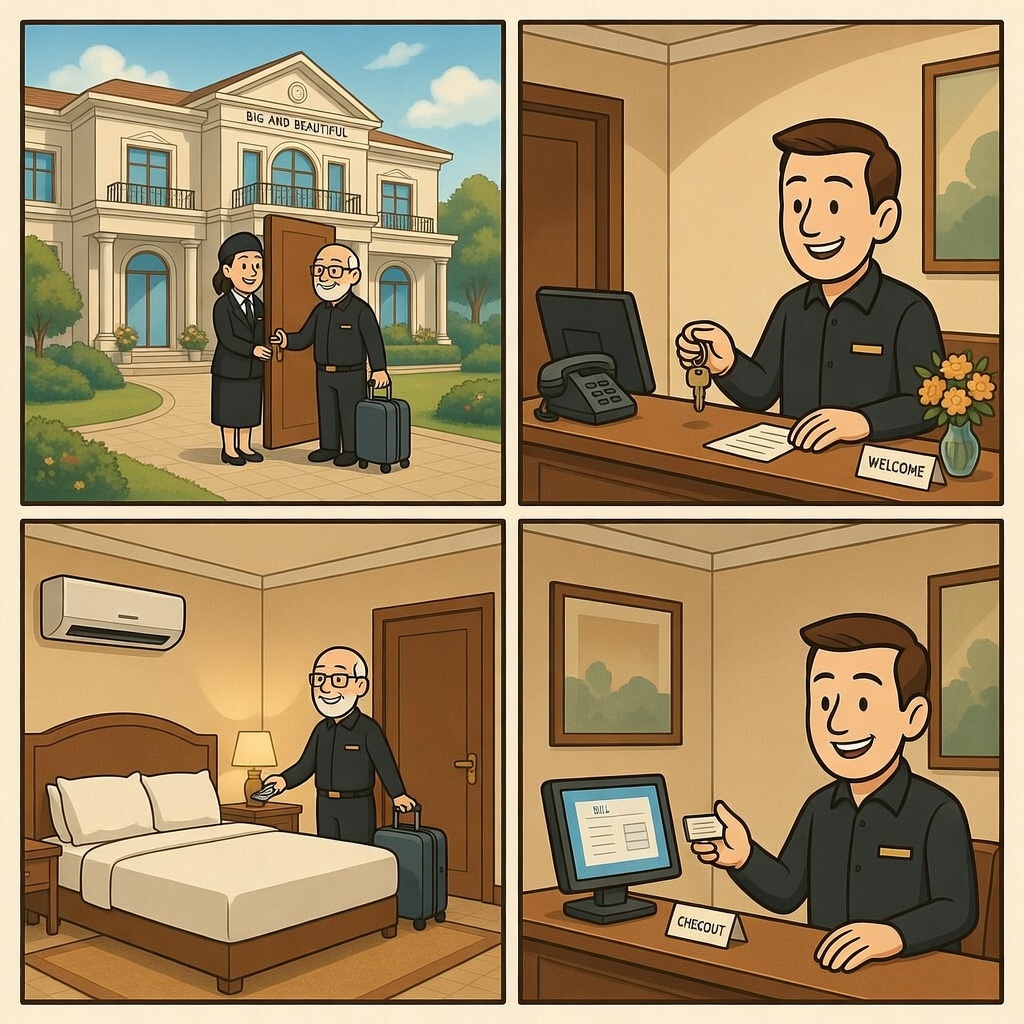
I arrived at the hotel in the afternoon. The building was big and beautiful. A staff member opened the door and smiled. I felt welcome. But my suitcase was heavy. No one helped me at first, and I thought, “Oh no, already a problem!”
At the reception, the receptionist was polite and kind. She checked my name and gave me my room key. This was good. But she did not explain all the hotel services. I felt a little confused. I thought, “Hmm, I will have to ask later.”
A staff member helped me with my luggage. He showed me my room. The room was clean and quiet. The bed was big and soft. I felt relaxed. But the air conditioning was too cold. I could not change it easily. “Why is it always too cold?” I thought.
During my stay, the staff was friendly and helpful. The food in the restaurant was very good. I also enjoyed the spa. But one time I waited a long time for my food. I thought, “A hair in the soup! Not perfect again.”
Every day, my room was cleaned. Everything was tidy and fresh. I felt comfortable. But one day they forgot new towels. I had to call the reception. “Really? Again a small mistake,” I thought.
On the last day, I went to check out. The receptionist was polite. The check-out was fast and simple. This was great. But there was a small mistake on my bill. I had to wait to fix it. I thought, “Even the last moment is not perfect!”
When I left, the staff said goodbye and wished me a nice day. I felt happy and satisfied. But no one asked me about my stay. “No one cares about my small complaints,” I thought.
_____________________
Vocabulary:
to smile – to make your mouth curve up because you are happy or friendly
a suitcase – a bag you use to carry your clothes when you travel
to be polite – to use good manners and speak in a kind way to others
to be kind – to help or care for other people
to check one’s name – to look at a list to see if your name is there
a room key – a small object you use to open your hotel room
to explain – to tell someone about something so they understand
to feel confused – to not understand something and feel unsure
a soft bed – a bed that is comfortable to lie on
to feel relaxed – to feel calm and happy, not worried
easily – without difficulty, in a simple way
to enjoy – to like something and feel happy when you do it
to be tidy – to be clean and organized, with everything in its place
to feel comfortable – to feel good and relaxed in a place or situation
a towel – a piece of cloth you use to dry your body or hands
to check out – to leave a hotel and pay for your stay
a mistake – something that is not correct or is done wrong
a bill – a paper with the money you must pay for something, like a hotel or food
to feel satisfied – to feel happy because something is good or complete
a complaint – when you tell someone that you are not happy with something
###############
Verbs in text, and their past simple, irregular ones in bold letters:
Infinitive
Past Tense
Definition
be
was / were
to exist; to be somewhere
arrive
arrived
to get to a place
open
opened
to make something not closed
smile
smiled
to show happiness with your mouth
feel
felt
to have a feeling
help
helped
to give support or assistance
think
thought
to have an idea in your mind
be able to
could, or, was/were able to
to have the ability to do something
check
checked
to look at something to be sure
give
gave
to give something to someone
explain
explained
to make something clear
ask
asked
to request information
show
showed
to let someone see something
relax
relaxed
to rest and be calm
change
changed
to make something different
wait
waited
to stay somewhere until something happens
enjoy
enjoyed
to feel happy about something
clean
cleaned
to make something tidy
forget
forgot
to not remember
call
called
to phone someone
go
went
to move from one place to another
leave
left
to go away from a place
wish
wished
to hope something good for someone
care
cared
to show that something is important
have
had
to own or hold something
do
did
to perform an action
say
said
to speak words
want
wanted
to desire something
stay
stayed
to remain in a place
be able
could not, or, was/were not able to
to not have the ability to do something
###############
Go through text again, listen again, what was a plus, what a minus? Keywords, fill in:
Plus
Minus
Paragraph 1
Paragraph 2
Paragraph 3
Paragraph 4
Paragraph 5
Paragraph 6
Paragraph 7
____________________
Answers:
Plus
Minus
Paragraph 1
The building was big and beautiful; staff smiled; felt welcome.
Suitcase was heavy; no one helped at first.
Paragraph 2
Receptionist was polite and kind; check-in was fast.
Did not explain all hotel services; felt confused.
Paragraph 3
Room was clean and quiet; bed was big and soft; felt relaxed.
Air conditioning was too cold; could not change it easily.
Paragraph 4
Staff was friendly and helpful; food was very good; enjoyed the spa.
Waited a long time for food once.
Paragraph 5
Room was cleaned every day; tidy and fresh; felt comfortable.
One day forgot new towels; had to call reception.
Paragraph 6
Check-out was fast and simple; receptionist was polite.
Small mistake on bill; had to wait to fix it.
Paragraph 7
Staff said goodbye and wished me a nice day; felt happy and satisfied.
No one asked about my stay; thought they could improve.
################
The much better version?
Paragraph
Hints to improve situation next time
Paragraph 1
The hotel provides a staff member at the entrance to help guests with heavy luggage. Staff always smiles and greets every guest. This makes the guest feel welcome immediately. The hotel can assign a bellboy or doorman for every check-in, especially in the afternoon when many guests arrive.
Paragraph 2
The receptionist explains all hotel services clearly at check-in. She gives a short introduction about the restaurant, spa, pool, and other facilities. She also provides a small map or leaflet with information. This helps guests understand everything quickly and feel comfortable.
Paragraph 3
The staff checks the room temperature before the guest arrives. They make sure the air conditioning or heating works well. They leave simple instructions for controlling it in the room. Guests can adjust it easily and feel comfortable.
Paragraph 4
The restaurant staff prepares food quickly and communicates with the kitchen to avoid long waiting times. If a guest waits, the staff offers small snacks or drinks. This keeps guests happy and shows good service.
Paragraph 5
Housekeeping staff follows a daily checklist. They check towels, toiletries, and other essentials every day. They replace everything that is missing. This makes sure the room is always tidy and guests have what they need.
Paragraph 6
The staff checks every bill before giving it to the guest. They correct mistakes immediately. If a problem appears, staff explains it politely and solves it fast. This makes check-out smooth and stress-free for the guest.
Paragraph 7
At check-out, staff asks the guest about their stay and listens to feedback. They write down comments to improve the service. This shows care and makes the guest feel valued.
####################
Picky-guest improvement plan for the hotel –fill in, words below:
Luggage Help The hotel provides a staff member at the entrance. Staff helps guests with heavy luggage. They smile and greet every guest. Guests feel __________ immediately.
Reception and Information The receptionist explains all hotel services at check-in. She talks about the restaurant, spa, pool, and other_________. She gives a small map or paper with information. Guests understand everything and feel comfortable.
Room Temperature Staff checks the room temperature before the guest arrives. They make sure the air conditioning and heating work well. They put simple __________ in the room. Guests can adjust it easily and feel comfortable.
Restaurant and Food The restaurant staff prepares food quickly. They talk with the kitchen to avoid long __________. If a guest waits, staff gives a small snack or drink. Guests feel happy and cared for.
Housekeeping Housekeeping staff uses a daily checklist. They check towels, __________, and other essentials every day. They replace anything that is missing. Guests have everything they need and rooms stay tidy.
Billing and Check-Out Staff checks every bill before giving it to the guest. They fix __________ immediately. Staff explains politely if there is a problem. Check-out is fast and easy.
Feedback At check-out, staff asks the guest about their stay. They listen carefully to comments. They write down ideas to __________ the service. Guests feel valued and happy.
_______________________
Full version:
Luggage Help The hotel provides a staff member at the entrance. Staff helps guests with heavy luggage. They smile and greet every guest. Guests feel welcome immediately.
Reception and Information The receptionist explains all hotel services at check-in. She talks about the restaurant, spa, pool, and other facilities. She gives a small map or paper with information. Guests understand everything and feel comfortable.
Room Temperature Staff checks the room temperature before the guest arrives. They make sure the air conditioning and heating work well. They put simple instructions in the room. Guests can adjust it easily and feel comfortable.
Restaurant and Food The restaurant staff prepares food quickly. They talk with the kitchen to avoid long waiting times. If a guest waits, staff gives a small snack or drink. Guests feel happy and cared for.
Housekeeping Housekeeping staff uses a daily checklist. They check towels, toiletries, and other essentials every day. They replace anything that is missing. Guests have everything they need and rooms stay tidy.
Billing and Check-Out Staff checks every bill before giving it to the guest. They fix mistakes immediately. Staff explains politely if there is a problem. Check-out is fast and easy.
Feedback At check-out, staff asks the guest about their stay. They listen carefully to comments. They write down ideas to improve the service. Guests feel valued and happy.
I arrived at the hotel in the afternoon. The building was big and beautiful. A staff member opened the door, smiled, and helped me with my heavy __________. I felt very welcome and relaxed.
At the reception, the receptionist was __________ and kind. She checked my name, gave me my room key, and explained all the hotel services. I felt comfortable and confident about everything in the hotel.
A staff member showed me my room and helped with my luggage. The room was clean and quiet. The bed was big and soft. The air conditioning worked perfectly, and I could change it easily. I felt very __________ and happy.
During my stay, the __________ was always friendly and helpful. The food in the restaurant was very good, and I enjoyed the spa and the pool. Every service was fast and pleasant, and I never had to wait long.
Every day, my room was cleaned. Everything was __________ and fresh. The towels and toiletries were always replaced. I felt comfortable and cared for every day.
On the last day, I went to __________. The receptionist was polite. The check-out was fast and simple, and my bill was correct. I felt satisfied and everything was smooth.
When I left, the staff said goodbye and wished me a nice day. I felt happy and appreciated. I enjoyed my __________ very much and wanted to come back again.
_________________________
Correct version:
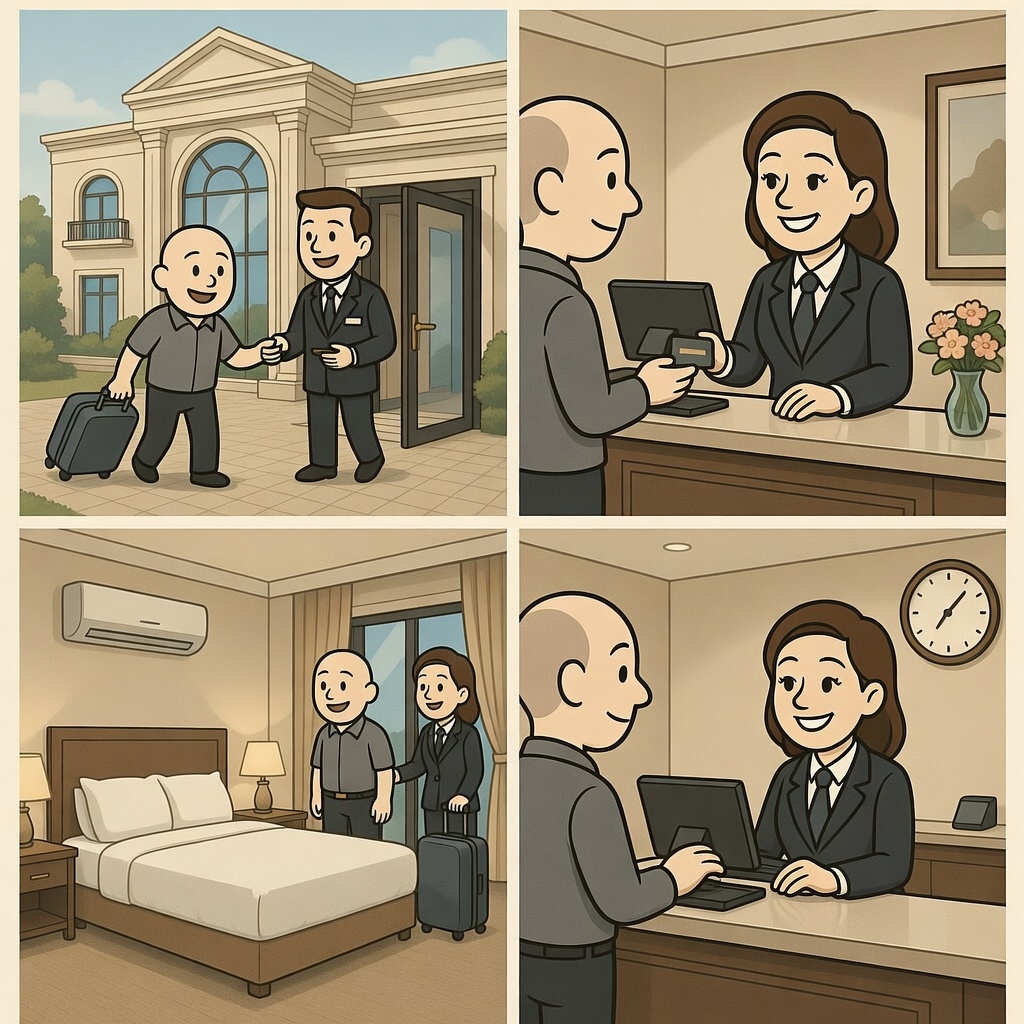
I arrived at the hotel in the afternoon. The building was big and beautiful. A staff member opened the door, smiled, and helped me with my heavy suitcase. I felt very welcome and relaxed.
At the reception, the receptionist was polite and kind. She checked my name, gave me my room key, and explained all the hotel services. I felt comfortable and confident about everything in the hotel.
A staff member showed me my room and helped with my luggage. The room was clean and quiet. The bed was big and soft. The air conditioning worked perfectly, and I could change it easily. I felt very relaxed and happy.
During my stay, the staff was always friendly and helpful. The food in the restaurant was very good, and I enjoyed the spa and the pool. Every service was fast and pleasant, and I never had to wait long.
Every day, my room was cleaned. Everything was tidy and fresh. The towels and toiletries were always replaced. I felt comfortable and cared for every day.
On the last day, I went to check out. The receptionist was polite. The check-out was fast and simple, and my bill was correct. I felt satisfied and everything was smooth.
When I left, the staff said goodbye and wished me a nice day. I felt happy and appreciated. I enjoyed my stay very much and wanted to come back again.
################## True of false -the perfect version?
The guest arrived at the hotel in the morning.
The hotel building was big and beautiful.
A staff member helped the narrator with their suitcase.
The guest felt unwelcome upon arrival.
The receptionist was polite and kind.
The receptionist gave the narrator the room key.
The receptionist did not explain the hotel services.
The room was noisy and uncomfortable.
The bed in the room was big and soft.
The air conditioning did not work properly.
The staff was unfriendly during the stay.
The food in the hotel restaurant was very good.
The guest enjoyed the spa and the pool.
The hotel services were slow, and the narrator had to wait a long time.
The room was cleaned every day.
Towels and toiletries were replaced regularly.
The check-out process was complicated.
The bill at check-out was incorrect.
The staff said goodbye and wished the narrator a nice day.
The guest wanted to return to the hotel in the future.
________________________
True: 2,3,5,6,9,12,13,15,16,19,20
________________________
Correct version:
1. The guest arrived at the hotel in the morning. True is: The guest arrived at the hotel in the afternoon.
The hotel building was big and beautiful.
3. A staff member helped the guest with their suitcase.
The guest felt unwelcome upon arrival. True is: The guest felt very welcome and relaxed upon arrival.
5. The receptionist was polite and kind.
The receptionist gave the guest the room key.
7. The receptionist did not explain the hotel services. True is: The receptionist explained all the hotel services.
The room was noisy and uncomfortable. True is: The room was clean and quiet.
9. The bed in the room was big and soft.
The air conditioning did not work properly. True is: The air conditioning worked perfectly.
11. The staff was unfriendly during the stay. True is: The staff was always friendly and helpful during the stay.
The food in the hotel restaurant was very good.
13.The guest enjoyed the spa and the pool.
The hotel services were slow, and the guest had to wait a long time. True is: Every service was fast and pleasant, and the guest never had to wait long.
15. The room was cleaned every day.
Towels and toiletries were replaced regularly.
17. The check-out process was complicated. True is: The check-out was fast and simple.
The bill at check-out was incorrect. True is: The bill at check-out was correct.
19. The staff said goodbye and wished the guest a nice day.
The guest wanted to return to the hotel in the future.
###################
Now, that went wrong……….
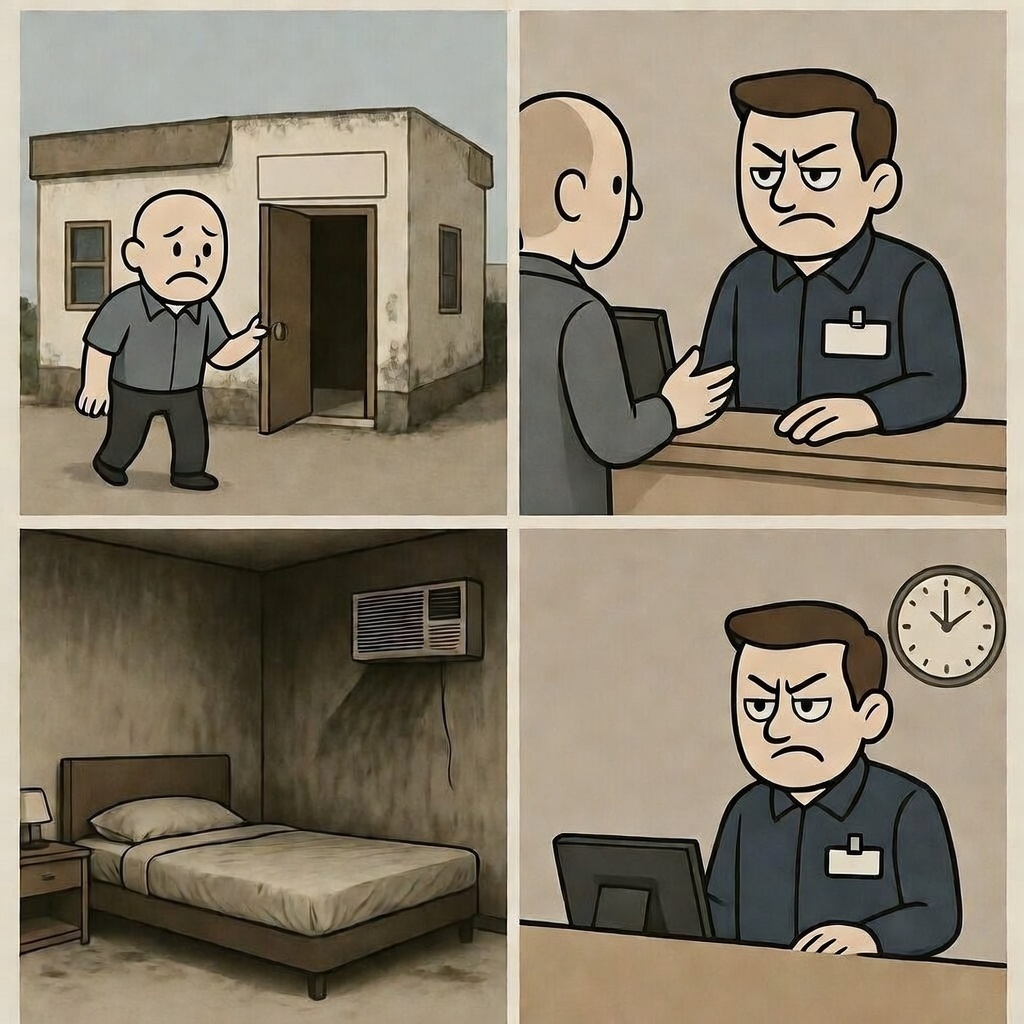
I arrived at the hotel in the afternoon. The building was small and ugly. A staff member opened the door and looked unhappy. I felt unwelcome. My suitcase was light. No one helped me at first, and I thought, “Oh no, already a problem!”
At the reception, the receptionist was rude and unfriendly. She checked my name but did not give me my room key quickly. This was bad. She did not explain the hotel services at all. I felt confused. I thought, “Hmm, I will have to find out later.”
A staff member refused to help me with my luggage. He did not show me my room. The room was dirty and noisy. The bed was small and hard. I felt tense. The air conditioning was too hot. I could not change it easily. “Why is it always too hot?” I thought.
During my stay, the staff was unfriendly and unhelpful. The food in the restaurant was very bad. I did not enjoy the spa. One time I waited a long time for my food. I thought, “A hair in the soup! Everything is wrong again.”
Every day, my room was messy. Everything was untidy and old. I felt uncomfortable. One day they forgot to bring clean towels. I had to call the reception. “Really? Another small mistake,” I thought.
On the last day, I went to check out. The receptionist was rude. The check-out was slow and difficult. This was terrible. There was a small mistake on my bill. I had to wait to fix it. I thought, “Even the last moment is bad!”
When I left, the staff said nothing and left quickly. I felt unhappy and ignored. No one asked me about my stay. “No one cares about my small complaints,” I thought.
_____________________
Vocabulary:
to be ugly – to look very bad or unpleasant
to feel unwelcome – to feel that people do not want you there
to be rude – to behave in a bad or impolite way
to feel confused – to not understand what is happening
to refuse to help – to decide not to help someone
to feel tense – to feel worried or nervous
to enjoy – to feel happy or have fun with something
to be messy – to be dirty or in disorder
to be untidy – to be messy; things are not in order
to fix a problem – to solve a problem or make it better
to feel ignored – to feel that people do not pay attention to you
to care about something – to think something is important
a complaint – a statement about something that is wrong or bad
#################
Match questions and answers:
Questions:
When did you arrive at the hotel?
What did you think about the hotel building?
Who opened the door for you?
How did you feel at that moment?
Did you have any problem at the beginning?
What happened at the reception?
How was the receptionist?
Why were you a little confused?
Who helped you later?
What was your room like?
Was there anything not good in the room?
What did you do during your stay?
Were there any problems during your stay?
How was your check-out and departure?
Answers:
a. It had a clean and quiet space with a big, soft bed.
b. It was fast, but there was a mistake on the bill, and nobody asked about my stay.
c. The receptionist checked my name and gave me a key.
d. I felt very welcome and happy.
e. One staff member greeted me and smiled.
f. Yes, one time I waited long for food, and one day there were no new towels.
g. Another staff member carried my luggage and showed the room.
h. It looked big and beautiful.
i. She seemed polite and kind.
j. I ate in the restaurant and visited the spa.
k. Yes, my suitcase was very heavy and nobody helped me first.
l. I came in the afternoon.
m. She did not give information about all hotel services.
n. Yes, the air conditioning felt too cold and I could not change it easily.
Last year, I celebrated St. Patrick’s Day in Southeast Asia. We celebrated it on March 17. It was a new and fun experience for me.
St. Patrick’s Day came from Ireland. It was about Saint Patrick. He lived a long time ago. He helped people and taught them about religion. People liked him very much. After he died, people celebrated his life every year on March 17.
I was in Bangkok at that time. The weather was very hot, but the city was busy and exciting. Many people went outside in the evening. Some bars and restaurants played Irish music and had special drinks.
I went out with my friends. We wore green shirts and hats. We walked in the street and saw many happy people. There was a small parade. People danced and smiled. Some people took photos together.
We sat in a small restaurant and ate food. We listened to music and talked. I felt relaxed and happy. It was interesting to celebrate this Irish holiday far from Ireland.
That day was special. I learned new things and enjoyed time with my friends. It was a great memory for me.
######################
Exercise 1 Listen to the story, then find out if a statement is true or false:
St. Patrick’s Day is on March 17.
The author was in Bangkok during the holiday.
People wear green clothes on St. Patrick’s Day.
Saint Patrick taught people a long time ago.
The author ate food with friends.
Saint Patrick is a famous singer.
The holiday is only celebrated in Ireland.
People danced and smiled during the parade.
The author felt relaxed and happy that day.
Bars and restaurants played Irish music.
The author wore a red shirt.
People remembered Saint Patrick after he died.
The city was busy and exciting.
The author went swimming during the holiday.
Friends took photos together.
The holiday is about having fun and learning history.
The parade was very big and long.
The author learned new things and enjoyed time with friends.
Saint Patrick helped people and taught religion.
The author stayed home alone during the holiday.
######################
Exercise 2
a) or b)?
Was he in (a) Southeast Asia or (b) East Asia?
Did he celebrate St. Patrick’s Day on (a) March 17 or (b) March 1?
Did he go to (a) Dublin or (b) Bangkok?
Did he wear (a) red clothes or (b) green clothes?
Did he eat food with (a) alone or (b) friends?
Was the parade (a) very big or (b) small?
Did people (a) dance and smile or (b) sit quietly?
Did bars and restaurants play (a) Irish music or (b) Chinese music?
Did he (a) go swimming or (b) see the parade?
Was Saint Patrick a (a) singer or (b) religious teacher?
Did Saint Patrick teach people (a) a long time ago or (b) yesterday?
Is St. Patrick’s Day celebrated (a) only in Ireland or (b) in many countries?
Did he feel (a) relaxed and happy or (b) tired and sad?
Did he take photos with (a) friends or (b) strangers?
Did people remember Saint Patrick (a) after he died or (b) before he died?
Is St. Patrick’s Day about (a) fun and history or (b) only studying?
Was the city (a) busy and exciting or (b) quiet and boring?
Did he (a) learn new things and enjoy time with friends or (b) stay at home?
Did Saint Patrick (a) play games or (b) help people and teach religion?
Did he (a) stay home alone or (b) go out with friends?
######################
Exercise 3
multiple choice, one answer correct
Where did he celebrate St. Patrick’s Day? (a) Southeast Asia (b) East Asia (c) South America
What day is St. Patrick’s Day? (a) March 17 (b) March 1 (c) April 17
Which city did he visit? (a) Dublin (b) Bangkok (c) Hanoi
What color clothes did he wear? (a) Red (b) Blue (c) Green
Who did he eat with? (a) Alone (b) Friends (c) Family
How was the parade? (a) Very big (b) Long (c) Small
What did people do in the parade? (a) Dance and smile (b) Sit quietly (c) Stand in line
What music did bars and restaurants play? (a) Irish (b) Chinese (c) Thai
Did he go swimming or see the parade? (a) Go swimming (b) Take a nap (c) Watch the parade
Who was Saint Patrick? (a) Singer (b) Teacher (c) Dancer
When did Saint Patrick teach people? (a) A long time ago (b) Last week (c) Yesterday
Where is St. Patrick’s Day celebrated? (a) Only in Ireland (b) In many countries (c) Only in Asia
How did he feel that day? (a) Relaxed and happy (b) Angry and tired (c) Sad and worried
Who did he take photos with? (a) Friends (b) Strangers (c) Family
When did people remember Saint Patrick? (a) Before he died (b) During the parade (c) After he died
What is St. Patrick’s Day about? (a) Only studying (b) Work and homework (c) Fun and history
How was the city? (a) Quiet and boring (b) Dark and empty (c) Busy and exciting
What did he do with friends? (a) Stay at home (b) Go out and enjoy (c) Watch TV
#####################
✅ Green = regular verbs 🟧 Orange = irregular verbs
Infinitive
Past Tense
A1 Definition (A1)
celebrate ✅
celebrated ✅
to do something happy for a special day
be 🟧
was / were 🟧
to exist or to have a state
come 🟧
came 🟧
to go to a place
live ✅
lived ✅
to have life in a place or be alive
help ✅
helped ✅
to do something good for someone
teach 🟧
taught 🟧
to help someone learn something
like ✅
liked ✅
to feel happy or enjoy something
die ✅
died ✅
to stop living
remember ✅
remembered ✅
to keep something in your mind
go 🟧
went 🟧
to move to a place
play ✅
played ✅
to do a game or music
have 🟧
had 🟧
to own or eat something
wear 🟧
wore 🟧
to put clothes on your body
walk ✅
walked ✅
to move with your feet
see 🟧
saw 🟧
to look at something
smile ✅
smiled ✅
to make a happy face
dance ✅
danced ✅
to move your body with music
take 🟧
took 🟧
to get something or a photo
sit 🟧
sat 🟧
to be on a chair or place
eat 🟧
ate 🟧
to put food in your mouth
listen ✅
listened ✅
to hear something carefully
talk ✅
talked ✅
to speak
feel 🟧
felt 🟧
to have a feeling
learn ✅
learned ✅
to get knowledge or information
enjoy ✅
enjoyed ✅
to be happy with something
###################
Vocabulary:
to celebrate – to do something happy for a special day
a fun experience – something you do that is happy and nice
a long time ago – many years before now
to teach – to help someone learn something
to be busy – to do many things, not free
to be exciting – to make you feel happy and interested
to wear a shirt – to put a shirt on your body
to take photos – to make pictures with a camera or phone
to feel relaxed – to feel calm and not worried
from Ireland – something or someone comes from the country Ireland
to enjoy time with friends – to have happy moments with friends
memory – something you remember from the past
###################
Answers
Exercise 1
False: 2,6,7,11,14,17,20
St. Patrick’s Day is on March 17.
The author was in Dublin during the holiday. True is: The author was in Bangkok during the holiday.
People wear green clothes on St. Patrick’s Day.
Saint Patrick taught people a long time ago.
The author ate food with friends.
Saint Patrick is a famous singer. True is: Saint Patrick was a religious teacher, not a famous singer.
The holiday is only celebrated in Ireland. True is: The holiday is celebrated in many countries, not only in Ireland.
People danced and smiled during the parade.
The author felt relaxed and happy that day.
Bars and restaurants played Irish music.
The author wore a red shirt. True is: The author wore green clothes, not a red shirt.
People remembered Saint Patrick after he died.
The city was busy and exciting.
The author went swimming during the holiday. True is: The author went out with friends and saw a parade, not swimming.
Friends took photos together.
The holiday is about having fun and learning history.
The parade was very big and long. True is: The parade was small, not very big and long.
The author learned new things and enjoyed time with friends.
Saint Patrick helped people and taught religion.
The author stayed home alone during the holiday. True is: The author went out with friends, not stayed home alone.
My name is Kunthea. I am a young woman from Cambodia. I work in a big hotel. I am a waitress. I like my job, but some days are very busy.
My work starts at 7 a.m. I put on my uniform and go to the restaurant. I clean the tables and put plates and glasses on them. Everything must look nice for the guests.
Many guests come for breakfast. They say “Good morning” and “Thank you.” I bring coffee and food. Sometimes many guests need help. I must work fast.
Sometimes guests are unhappy. I say “Sorry” and try to help. In the afternoon it is quiet. I clean and talk with my friends. At the end of the day, I am tired but happy.
_____________________
Vocabulary:
young – not old; a small age
a waitress – a woman who gives food and drinks in a restaurant
a waiter – a man who gives food and drinks in a restaurant
to be busy – to have a lot of work or things to do
to start at 7 – to begin work or an activity at 7 o’clock
to put on a uniform – to wear special clothes for work
to clean a table – to make the table free from dirt or food
to put glasses on a table – to put cups for drinks on the table
to look nice – to be clean and good to see
to work fast – to do work quickly
unhappy – not happy; feeling sad or angry
to try to help – to do your best to make someone better or comfortable
to be quiet – to make no noise; to be calm
to be tired – to feel weak or need rest
##################
Match the word with the correct definition:
Words:
young
a waitress
a waiter
to be busy
to start at 7
to put on a uniform
to clean a table
to put glasses on a table
to look nice
to work fast
unhappy
to try to help
to be quiet
to be tired
Definitions (shuffled): A. to do work quickly B. not happy; feeling sad or angry C. to put cups for drinks on the table D. to begin work or an activity at 7 o’clock E. a woman who gives food and drinks in a restaurant F. not old; a small age G. to make no noise; to be calm H. a man who gives food and drinks in a restaurant I. to wear special clothes for work J. to feel weak or need rest K. to have a lot of work or things to do L. to do your best to make someone better or comfortable M. to be clean and good to see N. to make the table free from dirt or food
A waitress is a woman who gives food and drinks in a restaurant. (T)
To be busy means to have a lot of work or things to do. (T)
To put on a uniform means to wear pajamas at work. (F) True is: To put on a uniform means to wear special clothes for work.
Unhappy means feeling very happy and excited. (F) True is: Unhappy means not happy; feeling sad or angry.
To clean a table means to make the table free from dirt or food. (T)
To work fast means to do work slowly. (F) True is: To work fast means to do work quickly.
Young means not old; a small age. (T)
To start at 7 means to begin work or an activity at 7 o’clock. (T)
To be tired means to feel weak or need rest. (T)
To look nice means to be dirty and messy. (F) True is: To look nice means to be clean and good to see.
A waiter is a man who gives food and drinks in a restaurant. (T)
To try to help means to do your best to make someone better or comfortable. (T)
#################
True or false:
Kunthea is a young woman from Cambodia.
She works as a chef in a hotel.
Her work day starts at 7 a.m.
She puts on pajamas before going to work.
She cleans the tables and puts plates and glasses on them.
Many guests come in the evening for breakfast.
Some guests are very friendly and say “Good morning.”
She walks a little when the restaurant is busy.
Sometimes guests are unhappy with the food or service.
She ignores guests when they are unhappy.
In the afternoon, the restaurant is quiet.
At the end of the day, she feels proud and happy.
She does not talk with her colleagues at work.
She never carries plates or drinks to the tables.
_______________________
False: 2,4,6,8,10,13,14
_______________________
Correct answers:
Kunthea is a young woman from Cambodia. (T)
She works as a chef in a hotel. (F) True is: She works as a waitress in a hotel.
Her work day starts at 7 a.m. (T)
She puts on pajamas before going to work. (F) True is: She puts on her uniform before going to work.
She cleans the tables and puts plates and glasses on them. (T)
Many guests come in the evening for breakfast. (F) True is: Many guests come in the morning for breakfast.
Some guests are very friendly and say “Good morning.” (T)
She walks a little when the restaurant is busy. (F) True is: She walks a lot when the restaurant is busy.
Sometimes guests are unhappy with the food or service. (T)
She ignores guests when they are unhappy. (F) True is: She listens and tries to help guests when they are unhappy.
In the afternoon, the restaurant is quiet. (T)
At the end of the day, she feels proud and happy. (T)
She does not talk with her colleagues at work. (F) True is: She talks with her colleagues in the afternoon.
She never carries plates or drinks to the tables. (F) True is: She carries plates and drinks to the tables.
##############
Answer in a complete sentence:
Is her name Sochea or Kunthea?
YOU WRITE: Her name is Kunthea.
Does she work in a small hotel or a big hotel?
Is she a waitress or a chef?
Does her work start at 7 a.m. or 9 a.m.?
Does she put on a uniform or pajamas?
Does she clean the tables or the floors first?
Does she put glasses and plates on the tables or on the floor?
Do guests come in the morning or in the afternoon for breakfast?
Do some guests say “Good morning” or “Good night”?
Does she walk a little or a lot when the restaurant is busy?
Does she ignore unhappy guests or try to help them?
Is the restaurant quiet in the afternoon or in the morning?
Does she talk with her colleagues or sit alone?
At the end of the day, does she feel tired but happy or bored?
________________________
Correct answers:
Is her name Sochea or Kunthea? Her name is Kunthea.
Does she work in a small hotel or a big hotel? She works in a big hotel.
Is she a waitress or a chef? She is a waitress.
Does her work start at 7 a.m. or 9 a.m.? Her work starts at 7 a.m.
Does she put on a uniform or pajamas? She puts on a uniform.
Does she clean the tables or the floors first? She cleans the tables first.
Does she put glasses and plates on the tables or on the floor? She puts glasses and plates on the tables.
Do guests come in the morning or in the afternoon for breakfast? Guests come in the morning for breakfast.
Do some guests say “Good morning” or “Good night”? Some guests say “Good morning.”
Does she walk a little or a lot when the restaurant is busy? She walks a lot when the restaurant is busy.
Does she ignore unhappy guests or try to help them? She tries to help unhappy guests.
Is the restaurant quiet in the afternoon or in the morning? The restaurant is quiet in the afternoon.
Does she talk with her colleagues or sit alone? She talks with her colleagues.
At the end of the day, does she feel tired but happy or bored? At the end of the day, she feels tired but happy.
#################
Fill in, use proper form of verb:
Kunthea __________ (be) a young woman from Cambodia.
She __________ (work) as a waitress in a big hotel.
Her work day __________ (start) at 7 a.m.
She __________ (put) on a uniform before going to the restaurant.
She __________ (clean) the tables and puts plates and glasses on them.
Many guests__________ (come) in the morning for breakfast.
Some guests __________ (be) very friendly and say “Good morning.”
She __________ (carry) plates and drinks to the tables when it is busy.
Sometimes guests __________ (be) unhappy with the food or service.
She __________ (talk) with her colleagues in the afternoon.
At the end of the day, she __________ (feel) tired but proud and happy.
She never __________ (help) guests when they have problems.
_____________________
Correct version:
Kunthea is a young woman from Cambodia.
She works as a waitress in a big hotel.
Her work day starts at 7 a.m.
She puts on a uniform before going to the restaurant.
She cleans the tables and puts plates and glasses on them.
Many guests come in the morning for breakfast.
Some guests are very friendly and say “Good morning.”
She carries plates and drinks to the tables when it is busy.
Sometimes guests are unhappy with the food or service.
She talks with her colleagues in the afternoon.
At the end of the day, she feels tired but proud and happy.
She never helps guests when they have problems.
#################
Basics of present simple:
Personal Pronoun
am / is / are
I
am
8 years old
You
are
8 years old
He
is
8 years old
She
is
8 years old
It
is
8 years old
We
are
8 years old
You (plural)
are
8 years old
They
are
8 years old
Personal Pronoun
am not / is not / are not
I
am not
8 years old
You
are not
8 years old
He
is not
8 years old
She
is not
8 years old
It
is not
8 years old
We
are not
8 years old
You (plural)
are not
8 years old
They
are not
8 years old
Question:
Question Word
Personal Pronoun
Am
I
8 years old?
Are
you
8 years old?
Is
he
8 years old?
Is
she
8 years old?
Is
it
8 years old?
Are
we
8 years old?
Are
you (plural)
8 years old?
Are
they
8 years old?
Statement:
Personal Pronoun
Verb
I
like
ice cream
You
like
ice cream
He
likes
ice cream
She
likes
ice cream
It
likes
ice cream
We
like
ice cream
You (plural)
like
ice cream
They
like
ice cream
Negation:
Personal Pronoun
Verb (negative)
I
do not like
ice cream
You
do not like
ice cream
He
does not like
ice cream
She
does not like
ice cream
It
does not like
ice cream
We
do not like
ice cream
You (plural)
do not like
ice cream
They
do not like
ice cream
Question:
Do / Does
Personal Pronoun
Verb
Sugar?
Do
I
like
sugar?
Do
you
like
sugar?
Does
he
like
sugar?
Does
she
like
sugar?
Does
it
like
sugar?
Do
we
like
sugar?
Do
you (plural)
like
sugar?
Do
they
like
sugar?
################
Form a) negation b) question c) negative question as shown in sentence 1:
She talks with colleagues in the afternoon.
a) She doesn’t talk with colleagues in the afternoon. b) Does she talk with colleagues in the afternoon? c) Doesn’t she talk with colleagues in the afternoon?
She wears a uniform.
Some guests are unhappy.
Kunthea is from Cambodia.
Guests come in the morning for breakfast.
She carries plates and drinks.
She feels tired but happy at the end of the day.
Some guests say “Good morning.”
Her work starts at 7 a.m.
She cleans the tables.
She is a waitress in a big hotel.
She helps guests when they have problems.
______________________
Correct version:
She talks with colleagues in the afternoon. a) She doesn’t talk with colleagues in the afternoon. b) Does she talk with colleagues in the afternoon? c) Doesn’t she talk with colleagues in the afternoon?
She wears a uniform. a) She doesn’t wear a uniform. b) Does she wear a uniform? c) Doesn’t she wear a uniform?
Some guests are unhappy. a) Some guests are not unhappy. b) Are some guests unhappy? c) Aren’t some guests unhappy?
Kunthea is from Cambodia. a) Kunthea is not from Cambodia. b) Is Kunthea from Cambodia? c) Isn’t Kunthea from Cambodia?
Guests come in the morning for breakfast. a) Guests do not come in the morning for breakfast. b) Do guests come in the morning for breakfast? c) Don’t guests come in the morning for breakfast?
She carries plates and drinks. a) She doesn’t carry plates and drinks. b) Does she carry plates and drinks? c) Doesn’t she carry plates and drinks?
She feels tired but happy at the end of the day. a) She doesn’t feel tired but happy at the end of the day. b) Does she feel tired but happy at the end of the day? c) Doesn’t she feel tired but happy at the end of the day?
Some guests say “Good morning.” a) Some guests don’t say “Good morning.” b) Do some guests say “Good morning”? c) Don’t some guests say “Good morning”?
Her work starts at 7 a.m. a) Her work does not start at 7 a.m. b) Does her work start at 7 a.m.? c) Doesn’t her work start at 7 a.m.?
She cleans the tables. a) She doesn’t clean the tables. b) Does she clean the tables? c) Doesn’t she clean the tables?
She is a waitress in a big hotel. a) She is not a waitress in a big hotel. b) Is she a waitress in a big hotel? c) Isn’t she a waitress in a big hotel?
She helps guests when they have problems. a) She doesn’t help guests when they have problems. b) Does she help guests when they have problems? c) Doesn’t she help guests when they have problems?
################
Short answers, basics:
Example Sentence
Yes
No
I learn the alphabet.
Yes, I do.
No, I don’t.
You read signs.
Yes, you do.
No, you don’t.
He practices speaking.
Yes, he does.
No, he doesn’t.
She watches cartoons.
Yes, she does.
No, she doesn’t.
It helps us learn English.
Yes, it does.
No, it doesn’t.
We use apps like Duolingo.
Yes, we do.
No, we don’t.
You read labels.
Yes, you do.
No, you don’t.
They make mistakes sometimes.
Yes, they do.
No, they don’t.
Question
Yes
No
Do I learn the alphabet?
Yes, I do.
No, I don’t.
Do you read signs?
Yes, you do.
No, you don’t.
Does he practice speaking?
Yes, he does.
No, he doesn’t.
Does she watch cartoons?
Yes, she does.
No, she doesn’t.
Does it help us learn English?
Yes, it does.
No, it doesn’t.
Do we use apps like Duolingo?
Yes, we do.
No, we don’t.
Do you read labels?
Yes, you do.
No, you don’t.
Do they make mistakes sometimes?
Yes, they do.
No, they don’t.
Question
Yes
No
Am I big?
Yes, I am.
No, I am not.
Are you big?
Yes, you are.
No, you aren’t.
Is he big?
Yes, he is.
No, he isn’t.
Is she big?
Yes, she is.
No, she isn’t.
Is it big?
Yes, it is.
No, it isn’t.
Are we big?
Yes, we are.
No, we aren’t.
Are you big?
Yes, you are.
No, you aren’t.
Are they big?
Yes, they are.
No, they aren’t.
####################
Give short answers:
She puts plates and glasses on the tables.
YOU WRITE: Yes, she does.
Guests eat dinner in the restaurant.
Kunthea is from Cambodia.
She wears pajamas to work.
She talks with her colleagues in the afternoon.
She carries coffee and food to the guests.
Guests come in the evening for breakfast.
She is a waitress.
She cleans the tables.
She goes to the supermarket for work.
Guests come in the afternoon for breakfast.
She carries plates and drinks to the tables.
Her work starts at 7 a.m.
Some guests say “Good morning.”
She is a chef in a hotel.
Guests drink coffee in the morning.
She puts plates and glasses on the floor.
She puts on a uniform.
Guests say “Thank you.”
Some guests are unhappy with the food.
_________________________
Correct version:
She puts plates and glasses on the tables. – Yes, she does.
Guests eat dinner in the restaurant. – No, they don’t.
Kunthea is from Cambodia. – Yes, she is.
She wears pajamas to work. – No, she doesn’t.
She talks with her colleagues in the afternoon. – Yes, she does.
She carries coffee and food to the guests. – Yes, she does.
Guests come in the evening for breakfast. – No, they don’t.
She is a waitress. – Yes, she is.
She cleans the tables. – Yes, she does.
She goes to the supermarket for work. – No, she doesn’t.
Guests come in the afternoon for breakfast. – No, they don’t.
She carries plates and drinks to the tables. – Yes, she does.
Her work starts at 7 a.m. – Yes, it does.
Some guests say “Good morning.” – Yes, they do.
She is a chef in a hotel. – No, she isn’t.
Guests drink coffee in the morning. – No, they don’t.
She puts plates and glasses on the floor. – No, she doesn’t.
She puts on a uniform. – Yes, she does.
Guests say “Thank you.” – Yes, they do.
Some guests are unhappy with the food. – No, they aren’t.
################
Rewrite as shown in 1.:
Do guests eat dinner in the restaurant?
YOU WRITE: No, they don’t. They eat breakfast in the restaurant.
Does she wear pajamas to work?
Does she work in a small restaurant?
Does she go to the supermarket for work?
Do guests come in the evening for breakfast?
Do guests come in the afternoon for breakfast?
Is she a chef in a hotel?
Does she put plates and glasses on the floor?
Are some guests always unhappy?
Does she carry food only in the morning?
________________________
Correct version:
Do guests eat dinner in the restaurant? – No, they don’t. They eat breakfast in the restaurant.
Does she wear pajamas to work? – No, she doesn’t. She wears a uniform.
Does she work in a small restaurant? – No, she doesn’t. She works in a big hotel.
Does she go to the supermarket for work? – No, she doesn’t. She goes to the restaurant.
Do guests come in the evening for breakfast? – No, they don’t. They come in the morning.
Do guests come in the afternoon for breakfast? – No, they don’t. They come in the morning.
Is she a chef in a hotel? – No, she isn’t. She is a waitress.
Does she put plates and glasses on the floor? – No, she doesn’t. She puts them on the tables.
Are some guests always unhappy? – No, they aren’t. Sometimes a guest is unhappy.
Does she carry food only in the morning? – No, she doesn’t. She carries food all day when the restaurant is busy.
#################
Interview with Kunthea
1. Q: Who are you? A: I am Kunthea.
2. Q: Where do you come from? A: I come from Cambodia.
3. Q: What job do you do? A: I am a waitress.
4. Q: Where do you work? A: I work in a big hotel.
5. Q: When does your work start? A: My work starts at 7 a.m.
6. Q: Why do you like your job? A: I like my job because I meet friendly guests.
7. Q: How do you go to work? A: I go to work by walking.
8. Q: What do you do first at work? A: I put on my uniform and clean the tables.
9. Q: What do you put on the tables? A: I put plates, glasses, and cutlery on the tables.
10. Q: How do guests greet you? A: Guests say “Good morning” and “Thank you.”
11. Q: What do you do when guests need help? A: I listen and bring them food or drinks.
12. Q: When is the restaurant quiet? A: The restaurant is quiet in the afternoon.
13. Q: Who do you talk to at work? A: I talk to my colleagues.
14. Q: How do you feel at the end of the day? A: I feel tired, but I feel proud and happy.
##################
Interview with her friend, about Kunthea, fill in:
1. Q: Who is she? A: She is Kunthea.
2. Q: Where does she come from? A: She __________ (come) from Cambodia.
3. Q: What job does she do? A: She __________ (be) a waitress.
4. Q: Where does she work? A: She __________ (work) in a big hotel.
5. Q: When does her work start? A: Her work __________ (start) at 7 a.m.
6. Q: Why does she like her job? A: She __________ (like) her job because she __________ (meet) friendly guests.
7. Q: How does she go to work? A: She __________ (go) to work by walking.
8. Q: What does she do first at work? A: She __________ (put) on her uniform and __________ (clean) the tables.
9. Q: What does she put on the tables? A: She __________ (put) plates, glasses, and cutlery [the knives, forks, and spoons that you use to eat] on the tables.
10. Q: How do guests greet her? A: Guests __________ (say) “Good morning” and “Thank you.”
11. Q: What does she do when guests need help? A: She __________ (listen) and __________ (bring) them food or drinks.
12. Q: When is the restaurant quiet? A: The restaurant __________ (be) quiet in the afternoon.
13. Q: Who does she talk to at work? A: She __________ (talk) to her colleagues.
14. Q: How does she feel at the end of the day? A: She __________ (feel) tired, but she __________ (feel) proud and happy.
###################
Correct version:
1. Q: Who is she? A: She is Kunthea.
2. Q: Where does she come from? A: She comes from Cambodia.
3. Q: What job does she do? A: She is a waitress.
4. Q: Where does she work? A: She works in a big hotel.
5. Q: When does her work start? A: Her work starts at 7 a.m.
6. Q: Why does she like her job? A: She likes her job because she meets friendly guests.
7. Q: How does she go to work? A: She goes to work by walking.
8. Q: What does she do first at work? A: She puts on her uniform and cleans the tables.
9. Q: What does she put on the tables? A: She puts plates, glasses, and cutlery on the tables.
10. Q: How do guests greet her? A: Guests say “Good morning” and “Thank you.”
11. Q: What does she do when guests need help? A: She listens and brings them food or drinks.
12. Q: When is the restaurant quiet? A: The restaurant is quiet in the afternoon.
13. Q: Who does she talk to at work? A: She talks to her colleagues.
14. Q: How does she feel at the end of the day? A: She feels tired, but she feels proud and happy.
###################
Rewrite the sentences in the 3rd person singular, as shown, make all changes necessary:
My name is Kunthea.
YOU WRITE: Her name is Kunthea.
I am a young woman from Cambodia.
I work in a big hotel.
I am a waitress.
I like my job, but some days are busy.
My work starts at 7 a.m.
I put on my uniform and clean the tables.
I put plates and glasses on the tables.
Many guests come for breakfast and say “Good morning” and “Thank you.”
Sometimes guests are unhappy, and I try to help them.
At the end of the day, I am tired but happy.
_______________________
Correct version:
Her name is Kunthea.
She is a young woman from Cambodia.
She works in a big hotel.
She is a waitress.
She likes her job, but some days are busy.
Her work starts at 7 a.m.
She puts on her uniform and cleans the tables.
She puts plates and glasses on the tables.
Many guests come for breakfast and say “Good morning” and “Thank you.”
Sometimes guests are unhappy, and she tries to help them.
Kunthea talks about her work, her guests, and the busy and happy moments in the restaurant.
Listen to the story
My name is Kunthea. I am a young woman from Cambodia. I work as a waitress in the restaurant of a five-star hotel. I like my job, but some days are very busy.
My work day starts at 7 a.m. I put on my uniform and go to the restaurant. First, I check the tables. I clean them and put glasses and plates on the tables. Everything must look nice for the guests.
In the morning many guests come for breakfast. Some guests are very friendly. They smile and say “Good morning.” They say “thank you” when I bring their coffee or food. I like these moments because they make me happy.
When the restaurant is busy, I walk a lot. I carry plates and bring food and drinks to the tables. Sometimes many guests need help at the same time. One guest wants more coffee. Another guest asks for the bill. I must work fast.
Sometimes a guest is not happy. Maybe the food is cold or the order is wrong. I listen and say sorry. Then I talk to the kitchen and try to help the guest.
In the afternoon the restaurant is quiet. I clean the tables and talk with my colleagues.
At the end of the day I feel tired, but I feel proud because I work hard every day.
###########
A. Listen to the story again and answer:
A man who brings food and drinks in a restaurant is a __________.
A woman who brings food and drinks in a restaurant is a __________.
A flat dish for food is a __________.
To make something not dirty is to __________.
To show happiness with your face is to __________.
A paper that shows how much money you must pay is a __________.
A person who works with you is a __________.
To hold something and take it somewhere is to __________.
To have little energy and want to rest is to __________.
Very much or many times is __________.
###########
B. Listen to the story again and answer: true or false:
A busy moment is a time when many things happen and there is a lot of work.
To put on a uniform means to wear your normal clothes at home.
To check the tables means to look at the tables to see if everything is ready.
To look nice means to look bad and dirty.
To be friendly means to be kind and nice to people.
To make somebody happy means to do something that makes a person feel bad.
Sometimes means not always, but at some times.
At the same time means together, in one moment.
A wrong order is food or drinks that are exactly what the guest asked for.
A kitchen is the place where people cook food in a restaurant or house.
To be quiet means to have little or no noise.
To feel proud means to feel happy because you did something well.
###########
C. Listen to the story again and answer:
Questions:
What is Kunthea’s job?
Where is the restaurant?
What time does her work day start?
What does she put on first in the morning?
What does she check when she arrives?
What does she put on the tables?
How are some guests in the morning?
What do guests say when she brings coffee or food?
What does Kunthea carry when the restaurant is busy?
What does a guest sometimes ask for?
Where does Kunthea go if the order is wrong?
How does she feel at the end of the day?
###########
ANSWERS
_______________
A. Listen to the story and answer
waiter
waitress
plate
clean
smile
bill
colleague
carry
feel tired
a lot
###########
B. True or false
False: 2,4,6,9
A busy moment is a time when many things happen and there is a lot of work.
To put on a uniform means to wear your normal clothes at home. True is: To put on a uniform means to wear special work clothes.
To check the tables means to look at the tables to see if everything is ready.
To look nice means to look bad and dirty. True is: To look nice means to look good and clean.
To be friendly means to be kind and nice to people.
To make somebody happy means to do something that makes a person feel bad. True is: To make somebody happy means to do something that makes a person feel good.
Sometimes means not always, but at some times.
At the same time means together, in one moment.
A wrong order is food or drinks that are exactly what the guest asked for. True is: A wrong order is food or drinks that are not what the guest asked for.
A kitchen is the place where people cook food in a restaurant or house.
To be quiet means to have little or no noise.
To feel proud means to feel happy because you did something well.
###########
C. Answers
What is Kunthea’s job? – waitress
Where is the restaurant? – Cambodia
What time does her work day start? – 7 a.m.
What does she put on first in the morning? – uniform
What does she check when she arrives? – tables
What does she put on the tables? – glasses, plates
How are some guests in the morning? – friendly
What do guests say when she brings coffee or food? – thank you
What does Kunthea carry when the restaurant is busy? – plates
What does a guest sometimes ask for? – coffee, bill
Where does Kunthea go if the order is wrong? – kitchen
How does she feel at the end of the day? – tired, proud
###########
Vocabulary:
a waiter: a man who brings food and drinks to people in a restaurant
a waitress: a woman who brings food and drinks to people in a restaurant
a busy moment: a time when many things happen and there is a lot of work
to put on a uniform: to wear special work clothes
to check the tables: to look at the tables to see if everything is ready
to clean: to make something not dirty
a plate: a flat dish for food
to look nice: to look good and clean
to be friendly: to be kind and nice to people
to smile: to show happiness with your face
to make somebody happy: to do something that makes a person feel good
a lot: very much / many times
to carry something: to hold something and take it somewhere
sometimes: not always, but at some times
at the same time: together, in one moment
a bill: a paper that shows how much money you must pay
a wrong order: food or drinks that are not what the guest asked for
a kitchen: the place where people cook food in a restaurant or house
to be quiet: to have little or no noise
a colleague: a person who works with you
to feel tired: to have little energy and want to rest
to feel proud: to feel happy because you did something well
Water is very important for life. People, animals, and plants need water every day. We drink water to live and stay healthy. Our bodies need water.
We use water for many things. We drink it and cook with it. We wash our hands with water. We wash food, clothes, and our homes with water.
Water is also important for animals and plants. Fish live in rivers and lakes. Plants need water to grow.
We must keep water clean. Dirty water can make people and animals sick. We should not throw trash in rivers or lakes. We should use water carefully.
Clean water helps people, animals, and plants live. We must take care of water every day.
__________________________
Vocabulary:
to be important – something is needed or very useful
an animal – a living thing that is not a person or a plant
a plant – a living thing that grows in the ground, like a tree or flower
to drink – to put water or another liquid in your mouth and swallow
to stay healthy – to be strong and not get sick
to cook – to make food ready to eat with heat
to wash hands – to clean your hands with water and soap
food – something we eat to live
clothes – what we wear on our body
a river – a long line of water that moves on the ground
a lake – a big area of water that does not move much
to need – to want something to live or be okay
to grow – to become bigger or taller
to keep water clean – to stop water from being dirty
dirty water – water that is not clean
to make sick – to make someone feel bad or ill
to throw trash into a river – to put rubbish in the river
to use carefully – to not waste or break something
to take care of water – to keep water clean and safe
#############
Word-definition match exercise:
Words:
to be important
an animal
a plant
to drink
to stay healthy
to cook
to wash hands
food
clothes
a river
Definitions:
A. A living thing that grows in the ground, like a tree or flower B. Something we eat to live C. To clean your hands with water and soap D. What we wear on our body E. To put water or another liquid in your mouth and swallow F. Something is needed or very useful G. To be strong and not get sick H. A living thing that is not a person or a plant I. To make food ready to eat with heat J. A long line of water that moves on the ground
Water is important for people, animals, and plants.
We only need water for cooking.
Dirty water can make people and animals sick.
Clothes grow in rivers.
We should keep water clean.
We can drink water to stay healthy.
Rivers and lakes are homes for animals and plants.
We should throw trash into rivers.
Water is not needed for plants to grow.
We use water to wash hands, food, and clothes.
_______________________
True: 1,3,5,6,7,10
#################
Basics – present simple
Negation:
Personal Pronoun
Verb (negative)
I
do not like
ice cream
You
do not like
ice cream
He
does not like
ice cream
She
does not like
ice cream
It
does not like
ice cream
We
do not like
ice cream
You (plural)
do not like
ice cream
They
do not like
ice cream
Questions:
Do / Does
Personal Pronoun
Verb
Sugar?
Do
I
like
sugar?
Do
you
like
sugar?
Does
he
like
sugar?
Does
she
like
sugar?
Does
it
like
sugar?
Do
we
like
sugar?
Do
you (plural)
like
sugar?
Do
they
like
sugar?
‚to be‘ – basics:
Personal Pronoun
am / is / are
I
am
8 years old
You
are
8 years old
He
is
8 years old
She
is
8 years old
It
is
8 years old
We
are
8 years old
You (plural)
are
8 years old
They
are
8 years old
Negation:
Personal Pronoun
am not / is not / are not
I
am not
8 years old
You
are not
8 years old
He
is not
8 years old
She
is not
8 years old
It
is not
8 years old
We
are not
8 years old
You (plural)
are not
8 years old
They
are not
8 years old
Questions:
Question Word
Personal Pronoun
Am
I
8 years old?
Are
you
8 years old?
Is
he
8 years old?
Is
she
8 years old?
Is
it
8 years old?
Are
we
8 years old?
Are
you (plural)
8 years old?
Are
they
8 years old?
Make the following statements negative:
People live without water.
Animals live without water.
Plants grow without water.
We use water only for drinking.
Dirty water is healthy for people.
Throw trash into rivers and lakes.
Clothes grow in rivers.
Rivers and lakes have no animals or plants.
Water is unimportant for life.
Keep water dirty is good.
______________________________
Correct answer:
People do not live without water.
Animals do not live without water.
Plants do not grow without water.
We do not use water only for drinking.
Dirty water does not make people healthy.
We do not throw trash into rivers and lakes.
Clothes do not grow in rivers.
Rivers and lakes do not have no animals or plants.
Water does not become unimportant for life.
We do not keep water dirty.
################
Rewrite as a question:
Water helps life.
YOU WRITE: Does water help life?
People want water every day.
Animals drink water to live.
Plants grow with water.
We drink water to feel strong.
We make food with water.
We clean our hands with water.
Rivers and lakes have fish and plants.
Dirty water can make people ill.
We take care of water.
______________________
Correct version:
Does water help life?
Do people want water every day?
Do animals drink water to live?
Do plants grow with water?
Do we drink water to feel strong?
Do we make food with water?
Do we clean our hands with water?
Do rivers and lakes have fish and plants?
Can dirty water make people ill?
Do we take care of water?
################
Fill in, verb in correct form:
Water __________ (be) important for people.
An animal __________ (need) water to live.
Plants __________ (grow) with water.
A child __________ (drink) water every day.
Farmers __________ (use) water to cook food.
We __________ (wash) our hands with water.
Rivers __________ (have) fish and animals.
A tree __________ (grow) with water.
Dirty water __________ (can) make people sick.
Families __________ (keep) water clean.
______________________ Correct version:
Water is important for people.
An animal needs water to live.
Plants grow with water.
A child drinks water every day.
Farmers use water to cook food.
We wash our hands with water.
Rivers have fish and animals.
A tree grows with water.
Dirty water can make people sick.
Families keep water clean.
################
Fill in, words below:
clothes – full of – people – carefully – grow – drink – live – fish – cook – dirty
Water is needed by all __________.
Animals drink water to__________.
Plants need water to __________ tall.
We use water to ___________ food every day.
People wash __________ with water.
Rivers have many animals and __________.
Lakes are __________ water.
__________ water can make animals sick.
We __________ water to stay strong.
Families use water ___________.
——————————–
Correct version:
Water is needed by all people.
Animals drink water to live.
Plants need water to grow tall.
We use water to cook food every day.
People wash clothes with water.
Rivers have many animals and fish.
Lakes are full of water.
Dirty water can make animals sick.
We drink water to stay strong.
Families use water carefully.
################
What is the full sentence?
1. life / important / water / for / very / is 2. cook / we / food / use / water / to 3. to / healthy / water / stay / people / drink 4. wash / clothes / and / with / hands / we / water 5. lakes / have / and / animals / rivers / fish / and 6. grow / with / plants / water 7. can / make / water / people / dirty / sick 8. keep / families / water / clean / should 9. drink / live / to / animals / water 10. need / day / water / every / people
_______________________
Correct sentences:
Water is very important for life.
We use water to cook food.
People drink water to stay healthy.
We wash hands and clothes with water.
Rivers and lakes have animals and fish.
Plants grow with water.
Dirty water can make people sick.
Families should keep water clean.
Animals drink water to live.
People need water every day.
##################
Dialogue:
1. Q: What is very important for life? A: Water is very important for life.
2. Q: Who needs water every day? A: People need water every day.
Helping people, learning skills, and speaking English along the way
WARNING: NOT EASY
My name is Ly, and I am 15 years old. I want to work at the front desk in the future because I like meeting new people and helping them. I enjoy talking to guests and making sure they have a good experience. I think it is very important to be friendly, polite, and organized in this job.
I know I need some qualifications to work at the front desk. First, I need good communication skills to speak clearly with guests and answer their questions. Second, I need basic computer skills to use booking systems and manage reservations. Some hotels or businesses also ask for a short course or certificate in customer service. To get these skills, I practice speaking politely with my teachers, friends, and family. I also learn computer programs and try online tutorials about hotel or booking systems.
English is very important for this job because many guests speak English. If I can speak English well, I can help more people and make them feel welcome. I study English at school and practice by reading, watching shows, and speaking with friends.
Working at the front desk is exciting because I can meet different people, use my skills, and learn new things every day. I hope I can do this job in the future.
_____________________________
Vocabulary:
to enjoy – to like something or feel happy when you do it
to make sure – to check or do something so it is correct or safe
an experience – something you do or see that teaches you or gives you feelings
to be polite – to say and do nice things to show respect to people
to be organized – to keep things in order and plan well
a qualification – a skill, course, or certificate that shows you can do a job
communication skills – the ability to speak, listen, and write clearly to other people
to manage reservations – to organize bookings or appointments for people
a course – a class or program where you learn something
a certificate – a paper that shows you finished a course or learned a skill
customer service – helping and supporting people who buy or use something
to speak politely – to use nice words and a good tone when talking to people
a tutorial – a lesson or guide that teaches you how to do something
to be exciting – to make you feel happy, interested, or full of energy
##################
Match the word with the correct definition.
Words:
to enjoy
to make sure
an experience
to be polite
to be organized
a qualification
communication skills
to manage reservations
a course
a certificate
customer service
to speak politely
a tutorial
to be exciting
Definitions:
A. a paper that shows you finished a course or learned a skill B. helping and supporting people who buy or use something C. something you do or see that teaches you or gives you feelings D. to like something or feel happy when you do it E. a lesson or guide that teaches you how to do something F. the ability to speak, listen, and write clearly to other people G. to organize bookings or appointments for people H. to check or do something so it is correct or safe I. to keep things in order and plan well J. to say and do nice things to show respect to people K. a class or program where you learn something L. to use nice words and a good tone when talking to people M. to make you feel happy, interested, or full of energy N. a skill, course, or certificate that shows you can do a job