A great waiter in a 5-star hotel is not just someone who serves food well — they are an ambassador of luxury, professionalism, and exceptional service. Here’s what sets them apart:
1. Impeccable Appearance
Always well-groomed and perfectly dressed according to hotel standards.
Clean hands, trimmed nails, polished shoes — every detail matters.
2. Exceptional Etiquette and Manners
Polite, respectful, and discreet.
Uses formal and appropriate language (e.g., “Sir/Madam” or the guest’s name when known).
Knows how to serve from the left, clear from the right, and follow fine dining protocols.
3. Strong Product Knowledge
Knows every item on the menu — ingredients, preparation, taste, and dietary restrictions.
Can recommend dishes and wine pairings confidently.
Keeps up with seasonal changes or daily specials.
4. Anticipation of Guest Needs
Notices when a glass is nearly empty or a guest looks uncertain — and acts before being asked.
Remembers repeat guests’ preferences and makes them feel recognized and special.
5. Flawless Communication(in foreign language, as well)
Speaks clearly, confidently, and in a calm tone.
Listens actively and repeats orders back to avoid mistakes.
Handles special requests or complaints with grace and professionalism.
6. Efficiency and Timing
Ensures courses arrive in the right order and at the right pace.
Coordinates seamlessly with kitchen and other staff — without guests noticing.
7. Discretion and Confidentiality
Never gossips or comments on guests.
Understands when to approach and when to step back.
8. Calm Under Pressure
Handles difficult guests, sudden changes, or peak hours without showing stress.
Keeps a positive attitude even when things go wrong.
9. Teamwork
Supports colleagues and maintains harmony in the restaurant.
Communicates effectively with chefs, hosts, and managers.
10. Genuine Hospitality
Shows warmth, sincerity, and pride in service.
Makes guests feel welcomed, valued, and cared for — not just served.
Bonus: 💡 Examples of Excellence
Guest spills a drink? A great waiter cleans it quickly, replaces it without being asked, and checks if the guest needs anything else.
VIP guest returns? They are greeted by name, seated at their favorite table, and offered their usual drink — without needing to ask.
In short: A great 5-star hotel waiter blends professionalism with personal warmth. They don’t just serve — they elevate the dining experience into something memorable.
A suggested priority order for the qualities of a great waiter /waitress in a 5-star hotel, based on what most luxury hotels value most in terms of guest experience and service standards:
🔝 Top Priority (Essential Qualities)
Genuine Hospitality → Guests feel welcome, cared for, and important.
Exceptional Etiquette and Manners → Shows respect, professionalism, and refinement.
Anticipation of Guest Needs → Proactive service creates a seamless, luxury experience.
Flawless Communication → Avoids mistakes, builds trust, and ensures clarity.
Strong Product Knowledge → Ability to answer guest questions, make recommendations, and show confidence.
🥈 Second Priority (Important Support Skills)
Impeccable Appearance → First impressions matter in a luxury environment.
Calm Under Pressure → Keeps service smooth even in stressful situations.
Efficiency and Timing → Ensures smooth pacing and flow of the meal.
🥉 Third Priority (Professional Standards)
Teamwork → Ensures consistency and harmony in service.
Discretion and Confidentiality → Important, especially with VIP guests, but situational.
This order may vary slightly depending on the specific hotel or guest type, but hospitality, etiquette, anticipation, and communication are universally considered top priorities in 5-star service.
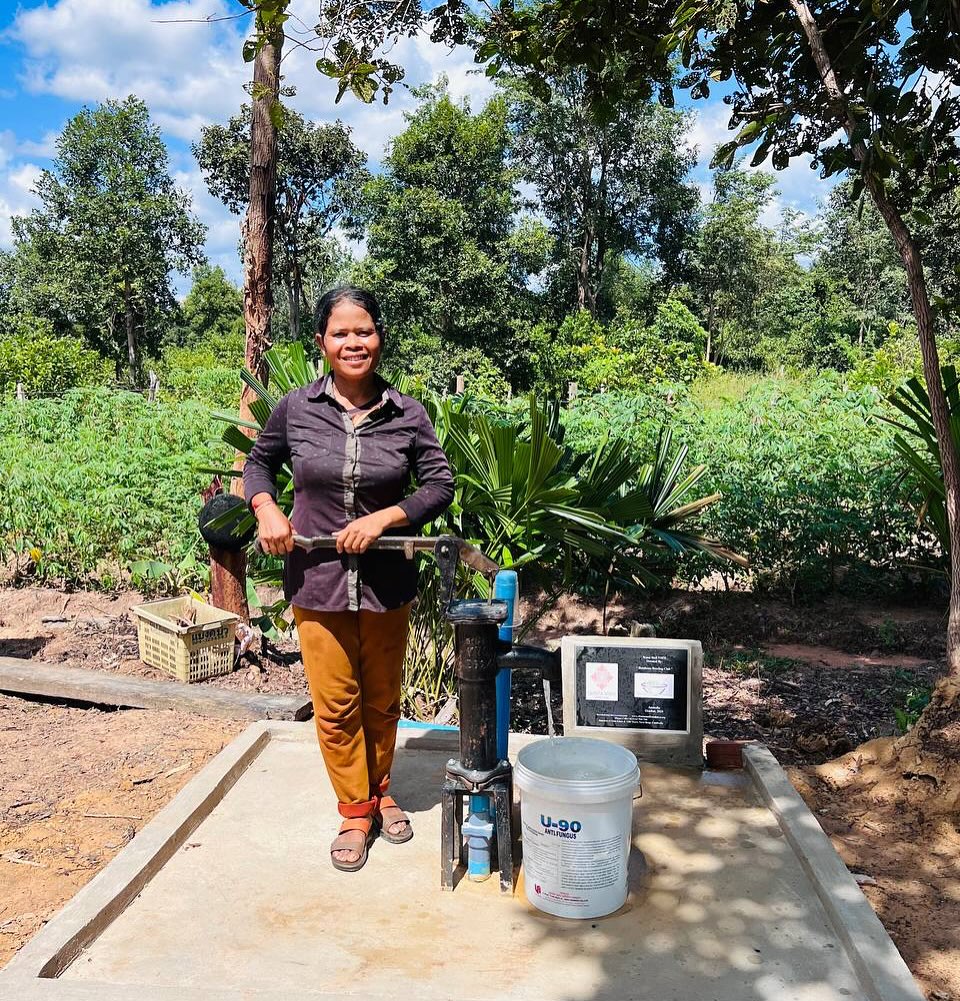
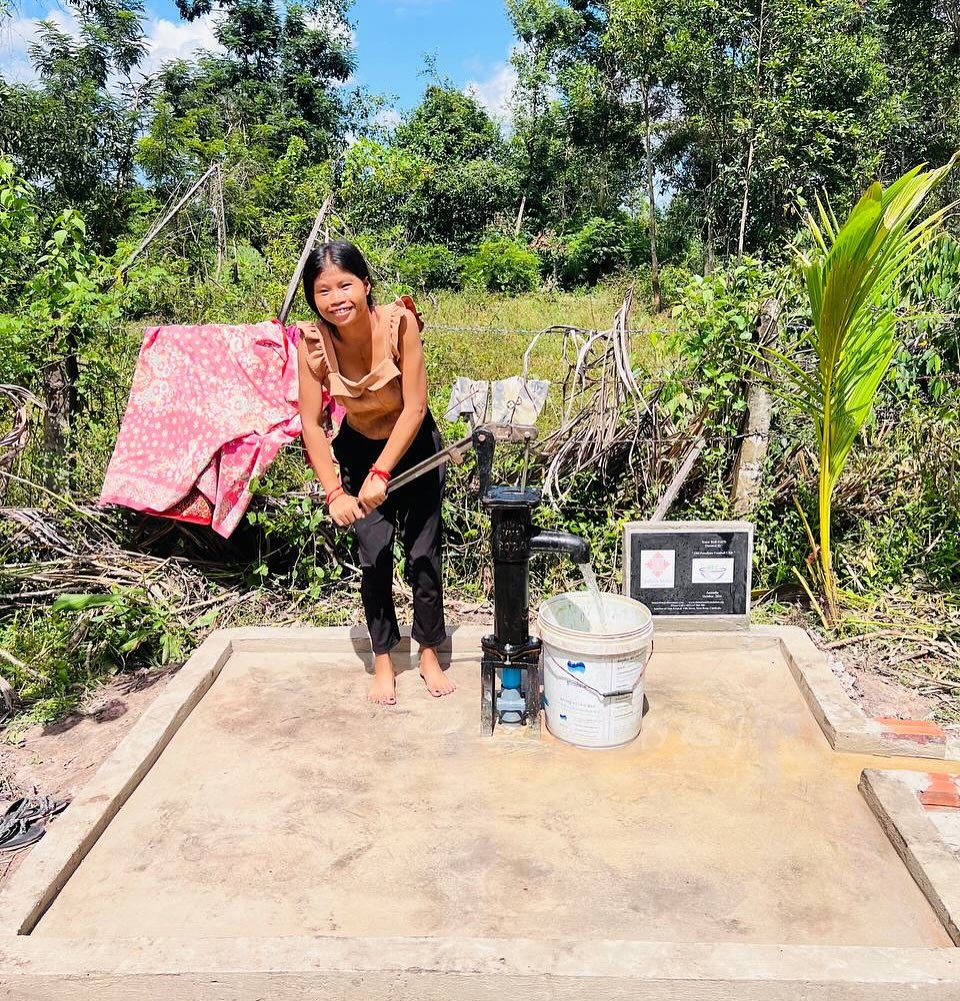
Clean water and good sanitation are very important for health. With help from partners around 1,200 water wells have been dug in Cambodian villages. These wells give people clean drinking water close to their homes.
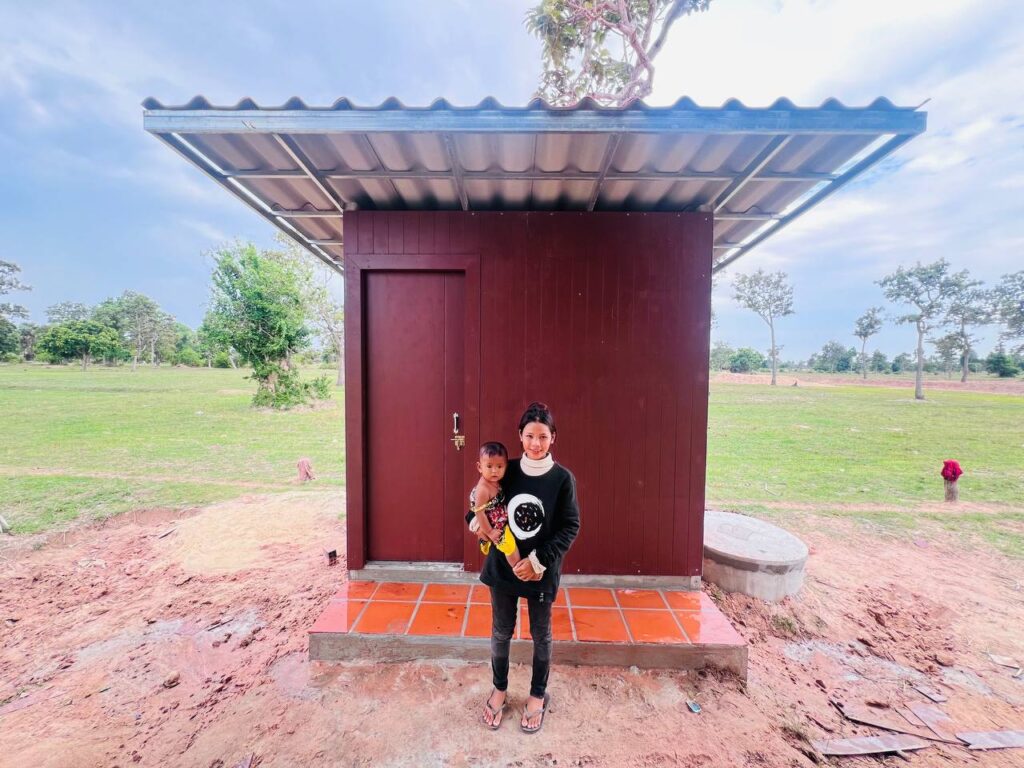
To improve hygiene, toilets and handwashing areas have been built in schools and villages. Children and families can now use clean toilets, which helps stop the spread of disease. Sanitation blocks and clean water stations also help people stay healthy.
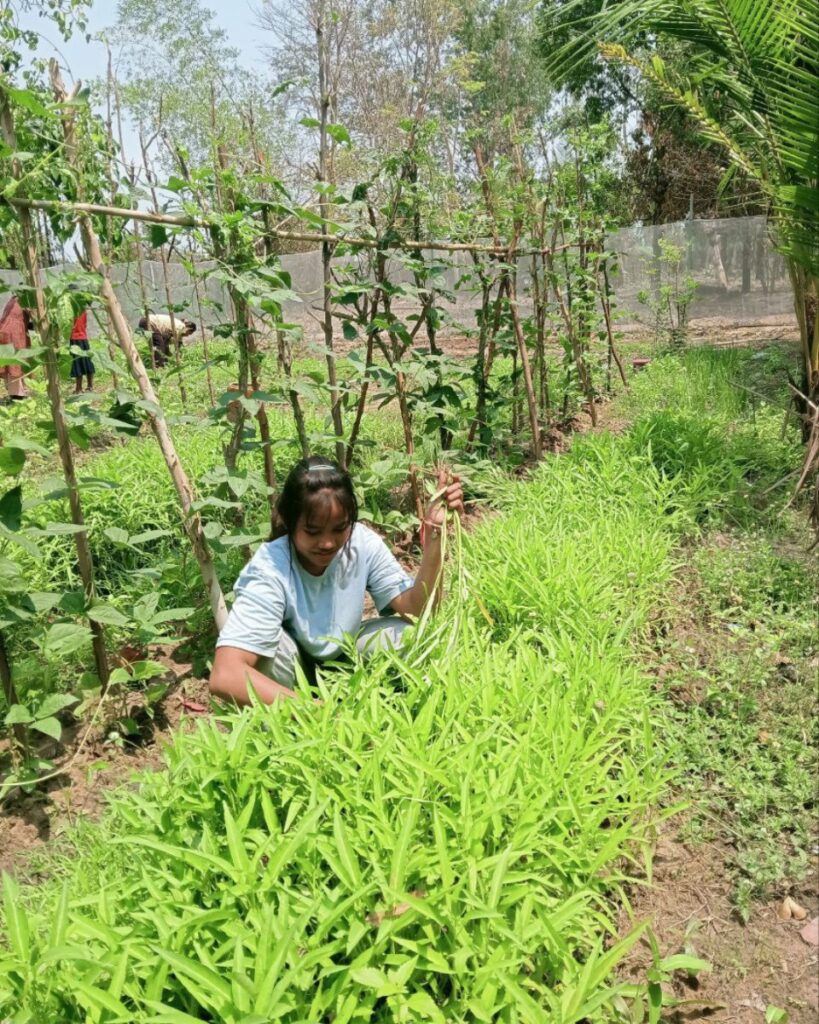
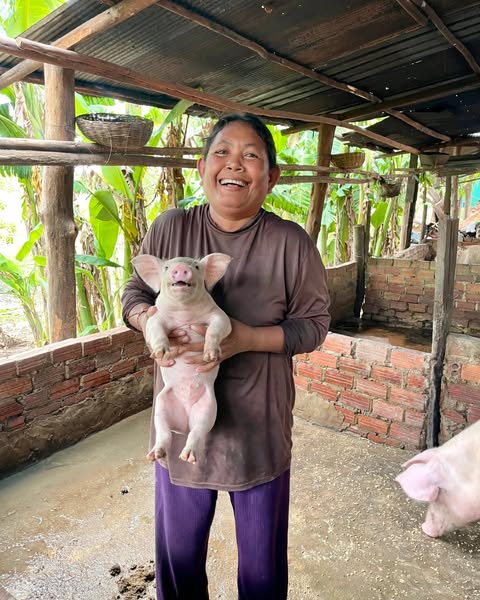
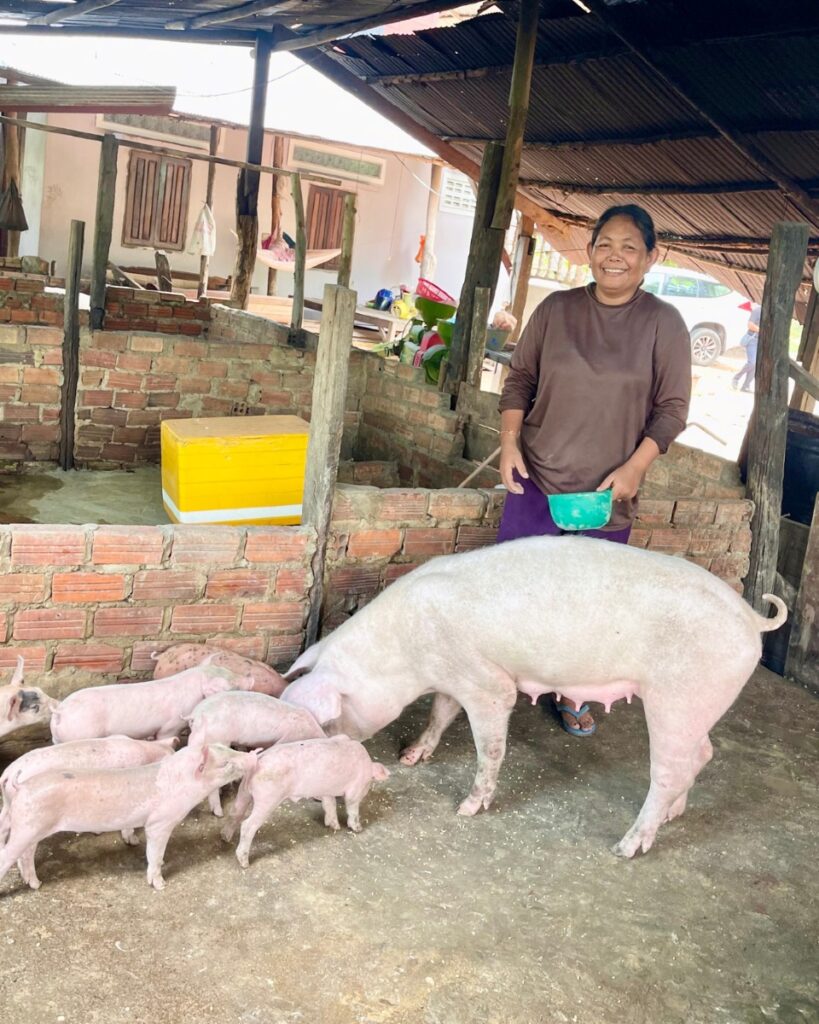
In some places, small playgrounds were built for children to play safely. Canning buildings were also added to help families keep food fresh for longer. To support farming and daily life, families received chicken coops and vegetable gardens. These help them grow food and earn some money.
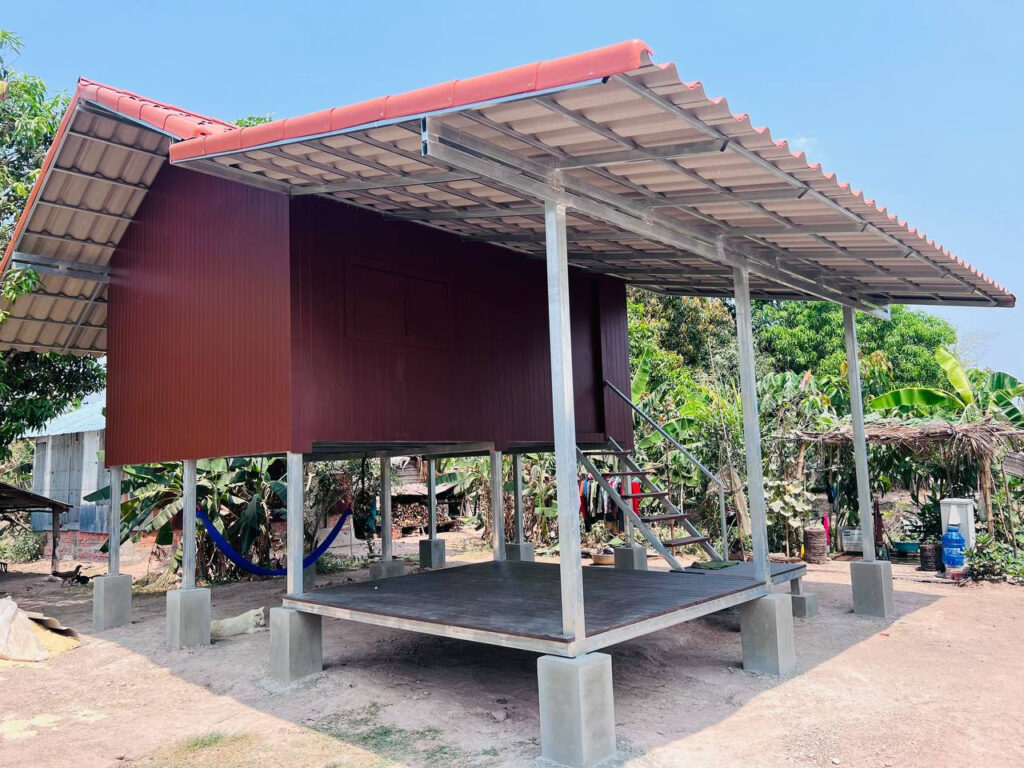
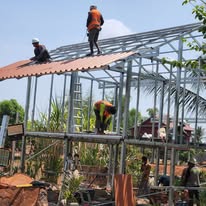
Houses have also been built for families who had no safe place to live. These strong houses give children and parents better protection and a more hopeful future.
This support helps improve life in the countryside. Clean water, better toilets, food gardens, and safe homes all make life healthier and stronger for families in rural areas.
____________________
Vocabulary:
Sanitation – Having clean places to wash, go to the toilet, and remove waste so people stay healthy.
Health – The condition of your body and mind; being free from illness or feeling well.
A water well – A deep hole in the ground where people can get water.
To dig (dug, dug) – To make a hole in the ground using your hands or a tool.
To improve hygiene – To make habits and conditions cleaner so people don’t get sick.
Clean – Not dirty; free from dust, germs, or waste.
To spread – To move from one place or person to another.
A disease – An illness that makes people or animals sick.
A sanitation block – A small building with toilets and places to wash for many people to use.
To stay healthy – To continue feeling well and not get sick.
A playground – An outdoor area where children can play.
To play safely – To enjoy games or activities without getting hurt.
A canning building – A place where people put food in jars or cans to keep it for a long time.
To keep food fresh – To stop food from going bad too quickly.
To support farming – To help people grow food or take care of animals.
To receive – To get something that is given to you.
A coop – A small house where chickens or other animals live.
Vegetables – Plants like carrots, tomatoes, and beans that people eat.
To earn money – To get money by working or doing something useful.
Protection – Being safe from danger, illness, or bad weather.
A hopeful future – A good life that may come later; believing life will be better.
A rural area – The countryside; a place far from cities, with farms and small villages.
###################
Multiple choice questions, with only one correct answer
What is a water well used for? A) To store food B) To get clean water from the ground C) To play games
What does to dig mean? A) To build a house B) To make a hole in the ground C) To carry heavy things
What is sanitation about? A) Growing vegetables B) Playing safely C) Having clean toilets and washing areas
Why do people want to improve hygiene? A) To cook faster B) To stay healthy C) To walk to school
What is the meaning of clean? A) New and cheap B) Not dirty C) Very big
What does to spread mean? A) To give something to many people or places B) To hide something C) To stop something quickly
A disease is: A) A type of plant B) A game children play C) An illness that makes people sick
Where do many people use toilets and wash their hands together? A) In a playground B) In a sanitation block C) In a vegetable garden
Why is it important to stay healthy? A) To play more games B) To avoid getting sick C) To build new houses
What do children do in a playground? A) Wash clothes B) Learn to read C) Play and have fun
What does it mean to play safely? A) To play without getting hurt B) To play in the rain C) To play at night
A canning building is a place where people: A) Cook fresh meals B) Put food in jars or cans C) Grow rice and corn
Why do people keep food fresh? A) To make it taste bad B) To throw it away later C) To eat it later without it going bad
What does to support farming mean? A) To help grow food and take care of animals B) To play on the farm C) To clean the house
What does it mean to receive something? A) To give something B) To get something C) To buy something
What is a coop used for? A) For growing flowers B) For washing vegetables C) For keeping chickens
Which of these is a vegetable? A) Carrot B) Cookie C) Chicken
What does to earn money mean? A) To lose money B) To get money by working C) To hide money
What is protection? A) Something that keeps you safe B) A kind of game C) A way to cook food
What is a rural area? A) A big city B) A place with many shops C) The countryside, with farms and small villages
_____________________
Answers: 1 B, 2 B, 3 C, 4 B, 5 B, 6 A, 7 C, 8 B, 9 B, 10 C, 11 A, 12 B, 13 C, 14 A, 15 B, 16 C, 17 A, 18 B, 19 A, 20 C
######################
Match the word with Its definition
Words:
Sanitation
Health
Water well
To dig
Hygiene
Clean
Disease
Sanitation block
Playground
Canning building
Vegetable
Coop
To earn money
Protection
Rural area
Definitions:
A. A deep hole where people get water from the ground B. A small house where chickens live C. The condition of being free from illness D. The countryside with farms and small villages E. To make a hole in the ground F. A place for children to play safely outside G. Having clean toilets and washing places to keep people healthy H. To get money by working I. Not dirty or full of germs J. A type of food like carrots and tomatoes K. A building to put food in jars or cans to keep it fresh L. An illness that makes people sick M. Something that keeps people safe from harm N. The practice of keeping clean to avoid sickness O. A small building with toilets and washing places
Answers: 1 G, 2 C, 3 A, 4 E, 5 N, 6 I, 7 L, 8 O, 9 F, 10 K, 11 J, 12 B, 13 H, 14 M, 15 D
###################
Gap-Fill Exercise
Good _______ means having clean toilets and washing places. a) protection b) sanitation c) digging
When people feel well and do not get sick, they have good _______. a) health b) disease c) playground
A _______ is a deep hole people dig to get clean water. a) vegetable b) coop c) water well
Farmers _______ the ground to plant crops or find water. a) dig b) spread c) receive
To _______ hygiene means to make cleaning habits better. a) improve b) earn c) keep
If something is _______ it is not dirty or full of germs. a) clean b) healthy c) safe
A _______ can move quickly from one person or place to another. a) disease b) vegetable c) protection
A _______ is a building with toilets and washing places for many people. a) sanitation block b) playground c) coop
To _______ healthy means to avoid getting sick. a) stay b) dig c) spread
A safe place outside where children can play is called a _______. a) vegetable b) playground c) sanitation block
A _______ is a building to keep food fresh in jars or cans. a) sanitation block b) canning building c) coop
Farmers grow _______ like carrots, beans, and tomatoes to eat. a) diseases b) vegetables c) protections
A small house where chickens live is called a _______. a) garden b) coop c) well
People work to _______ money to buy things they need. a) spread b) keep c) earn
When someone gives you something, you _______ it. a) receive b) improve c) dig
_______ means being safe from danger or harm. a) Hygiene b) Protection c) Digging
When you believe in a better life ahead, you have a _______ future. a) hopeful b) dirty c) small
A _______ area is the countryside with farms and few buildings. a) clean b) healthy c) rural
_______________________ 1 b, 2 a, 3 c, 4 a, 5 a, 6 a, 7 a, 8 a, 9 a, 10 b, 11 b, 12 b, 13 b, 14 c, 15 a, 16 b, 17 a, 18 c
#####################
Gap-Fill Exercise – no words given
Clean water and good _______ are very important for health.
Around 1,200 water _______ have been dug in Cambodian villages.
These wells give people clean drinking water close to their _______.
To improve _______, toilets and handwashing areas have been built.
Clean toilets help stop the spread of _______.
Sanitation blocks and clean water stations help people stay _______.
Small _______ were built for children to play safely.
_______ buildings help families keep food fresh for longer.
Families received chicken _______ and vegetable gardens to support farming.
These help families grow food and _______ some money.
Houses have been built for families who had no safe _______ to live.
Strong houses give better protection and a more _______ future.
Clean water, better toilets, food gardens, and safe homes improve life in _______ areas.
The Shinta Mani Foundation helps poor villages in Cambodia. One important part of their work is giving people clean water and toilets. They have built more than 1,200 water wells in the countryside. These wells give families clean water for drinking and cooking.
They also build toilets in homes, schools, and health centers. In areas with floods, they make special high toilets called „Sky Latrines.“ These toilets stay dry and safe, even during floods.
At schools, the foundation builds toilets, clean kitchens, and playgrounds. This helps children stay healthy and happy. They also help health centers by building bathrooms and family waiting rooms.
The Shinta Mani Foundation also helps families grow food. They build vegetable gardens and small chicken farms. Families can eat the food or sell it to earn money.a cooking area,
Very poor families get new homes with toilets and cooking areas. Local workers build these homes. This gives jobs to people in the village.
The foundation works with local groups like Rice for Cambodia. Their goal is to make life better for families in the countryside. Clean water, good toilets, safe homes, and healthy food help people live better, safer lives. Everything is built with love and care for the community.
_________________________
Vocabulary:
A village: A small group of houses where people live, smaller than a town. Example: She lives in a quiet village with her family.
Clean water: Water that is safe to drink and use. Example: We need clean water to stay healthy.
A water well: A deep hole in the ground that gives water. Example: The people get water from the village well.
Countryside: Land with farms, fields, and small villages, not a city. Example: The countryside is quiet and green.
A health center: A small place where people go to see a doctor or nurse. Example: The health center gives medicine to sick people.
A flood: When there is too much water on the land, usually after heavy rain. Example: The flood made the road very wet.
To stay dry: To not get wet. Example: I used an umbrella to stay dry in the rain.
A playground: A place where children play, often with swings and slides. Example: The school has a new playground.
To stay healthy: To not get sick and feel well. Example: We eat fruit and vegetables to stay healthy.
To grow food: To plant and take care of food like rice or vegetables. Example: Farmers grow food in the fields.
Vegetables: Plants like carrots, tomatoes, or beans that we eat. Example: I eat vegetables every day.
A chicken: A farm bird that gives eggs or meat. Example: The chicken is in the yard.
To earn money: To get money for doing work. Example: She earns money by selling eggs.
A cooking area: A place where people make food. Example: The cooking area has a stove and pots.
A goal: Something you want to do or make happen. Example: My goal is to help my family.
Love and care: Being kind and helping others. Example: She takes care of her baby with love.
A community: A group of people who live in the same place and help each other. Example: Our village is a strong community.
################
Vocabulary :
1. What is a village? A. A big city with many cars B. A small place where people live C. A tall building in the city
2. What is clean water? A. Water from the sea B. Water that is safe to drink C. Dirty water from the street
3. What is a water well? A. A toy for children B. A machine that makes food C. A hole in the ground to get water
4. What is the countryside? A. A busy street in the city B. A place with farms and fields C. A shopping mall
5. What is a health center? A. A place to see a doctor or nurse B. A school for children C. A place to buy clothes
6. What is a flood? A. A kind of food B. A lot of water on the land C. A sunny day
7. What does “to stay dry” mean? A. To not get wet B. To run in the rain C. To drink juice
8. What is a playground? A. A farm for animals B. A room for cooking C. A place where children play
9. What does “to stay healthy” mean? A. To sleep all day B. To eat good food and not get sick C. To play video games all day
10. What does “to grow food” mean? A. To eat fast food B. To plant food like rice or vegetables C. To cook food
11. What are vegetables? A. Plants like carrots or beans B. Sweet cakes C. Drinks with sugar
12. What is a chicken? A. A kind of tree B. A bird that gives eggs or meat C. A fish from the sea
13. What does “to earn money” mean? A. To sleep at home B. To get money from work C. To watch TV
14. What is a cooking area? A. A place to make food B. A place to play C. A place to take a bath
15. What is a goal? A. Something you want to do B. A food you eat C. A place to sit
16. What is love and care? A. Being kind and helping people B. Running and jumping C. Buying new clothes
17. What is a community? A. A group of people who live and help together B. A store for food C. A kind of toy
The Shinta Mani Foundation helps villages in Cambodia.
They build water wells for clean water.
People get clean water to drink and cook.
They build toilets in homes and schools.
Some toilets are high to stay dry in floods.
Children play in the playground at school.
The foundation helps families grow vegetables.
They build small chicken farms for families.
Families can eat food from their gardens.
Some families get new homes with toilets.
###################
Match the word with its correct definition
Words:
village
water well
flood
playground
healthy
vegetables
chicken
earn money
cooking area
goal
love and care
community
Definitions:
A. A place where children play outside B. A group of people living and working together C. A hole dug to get water from the ground D. To get money by working E. A place in the home where food is made F. When too much water covers the land G. Feeling good and not sick H. Small plants people grow to eat, like carrots I. A small town in the countryside J. To want to do or achieve something K. A bird kept for eggs and meat L. Helping others with kindness and care
A village is a small place where many people live together.
Clean water is not good for cooking or drinking.
A water well is a hole that gives clean water to people.
Children do not like to play in playgrounds near their schools.
A flood happens when water covers the land after heavy rain.
Vegetables are fruits that grow on trees.
Chickens give us eggs and meat to eat.
People earn money by playing all day.
A cooking area is where people prepare food in a house.
A goal is something you want to do or finish in the future.
False: 2, 4, 6, 8
######################
Fill in the blanks:
Many people live together in a small __________.
Families need __________ to drink and cook safely.
A __________ gives water from the ground to the people.
A __________ happens when too much water covers the land.
Children like to play outside in the __________.
Eating good food helps you stay __________.
Farmers grow __________ like carrots and beans.
A __________ is a bird that gives eggs and meat.
People work hard to __________ and support their family.
The __________ is the place in the home where food is made.
A __________ is something you want to do or achieve.
A __________ is a group of people living and working together.
clean water / playground / chicken / earn money / community / water well / flood / healthy / cooking area /village / goal / vegetables
___________________________
Correct order:
village / clean water / water well / flood / playground / healthy / vegetables / chicken / earn money / cooking area / goal / community
###############
Interview with a Shinta Mani Foundation Representative – complete, words below
Interviewer: Hello! What does the Shinta Mani Foundation do? Representative: Hello! We help poor __________ in Cambodia. We build clean water __________ and toilets.
Interviewer: How many wells have you built? Representative: We built about 1,200 __________. They give clean water for drinking and cooking.
Interviewer: What kinds of toilets do you build? Representative: We build toilets in homes, schools, and __________. In flood areas, we build high toilets called „Sky Latrines.“
Interviewer: Do you help schools? Representative: Yes. We build toilets, clean kitchens, and playgrounds for __________.
Interviewer: How do you help families? Representative: We help families grow __________ and keep chickens. They can eat or sell the food.
Interviewer: Do you help with homes? Representative: Yes. Very poor families get __________ homes with toilets and __________ areas. Local workers build the houses.
Interviewer: Who do you work with? Representative: We work with local __________ like Rice for Cambodia.
Interviewer: What is your goal? Representative: Our goal is to help families live __________ and safer lives.
________________ groups – health centers – villages – cooking – wells – vegetables – better – children – new – wells ________________
Correct version:
Interview with a Shinta Mani Foundation Representative
Interviewer: Hello! What does the Shinta Mani Foundation do? Representative: Hello! We help poor villages in Cambodia. We build clean water wells and toilets.
Interviewer: How many wells have you built? Representative: We built about 1,200 wells. They give clean water for drinking and cooking.
Interviewer: What kinds of toilets do you build? Representative: We build toilets in homes, schools, and health centers. In flood areas, we build high toilets called „Sky Latrines.“
Interviewer: Do you help schools? Representative: Yes. We build toilets, clean kitchens, and playgrounds for children.
Interviewer: How do you help families? Representative: We help families grow vegetables and keep chickens. They can eat or sell the food.
Interviewer: Do you help with homes? Representative: Yes. Very poor families get new homes with toilets and cooking areas. Local workers build the houses.
Interviewer: Who do you work with? Representative: We work with local groups like Rice for Cambodia.
Interviewer: What is your goal? Representative: Our goal is to help families live better and safer lives.
A statement about the Shinta Mani Foundation by a villager – after having done all the exercises above, understanding shouldn’t be a problem.
The Shinta Mani Foundation helps our village in many ways. They build clean water wells so people have safe water to drink and cook. They also build toilets in homes, schools, and health centers. In places where floods happen, they build special toilets that stay dry.
The foundation helps schools by building playgrounds and clean kitchens. They support families to grow vegetables and raise chickens. This helps families eat healthy food and earn money by selling extra food.
They also build new houses for very poor families. Local people help build the houses, so many people get jobs. The foundation’s work makes our village a better place. We are very thankful for their help.
In rural Cambodia, many families are poor and lack access to education, healthcare, and jobs. The Shinta Mani Foundation helps by offering micro loans—small, interest-free loans to people who cannot get money from banks. These loans help villagers start or grow small businesses.
For example, some people use the money to buy animals like cows or chickens, which give them food and income. Others open small shops, buy sewing machines, or make crafts. Some use the loan to buy bicycles or motorbikes so they can travel to work or markets more easily.
The programme is different from normal charity because people must pay the loan back, even though they don’t pay interest. This makes people feel proud and responsible. When one person pays back their loan, the money is used to help someone else. This keeps the programme going without needing new money.
The loans improve many parts of life. Families earn more money, send children to school, eat better, and get healthcare. The whole village becomes stronger.
The Shinta Mani Foundation’s micro loan programme gives people the chance to help themselves. It respects their dignity and helps them build a better future—one small loan at a time.
___________________
Vocabulary:
Rural – a place in the countryside, not in a city or town. Example: She lives in a small rural village.
To lack access – to not have a way to use or get something. Example: Many people in rural areas lack access to clean water.
Healthcare – services to keep people healthy, like hospitals, doctors, and medicine. Example: Good healthcare helps people live longer.
To offer – to give or provide something. Example: The school offers free English classes.
An interest-free loan – money you borrow and do not have to pay extra for. Example: He got an interest-free loan to start his business.
A villager – a person who lives in a village. Example: The villagers grow rice and vegetables.
To grow a business – to make a business bigger or better. Example: She used the money to grow her small shop.
A chicken – a farm bird that gives eggs and meat. Example: They keep chickens in their yard.
An income – the money someone earns from work or business. Example: His income comes from selling fruit.
A sewing machine – a machine used to make or fix clothes. Example: She makes clothes with her sewing machine.
To make a craft – to create things by hand, like baskets or jewelry. Example: He makes crafts from wood.
Charity – help given to people in need, often with money or food. Example: The charity gives clothes to poor families.
To pay back – to return money you borrowed. Example: I will pay back the loan next month.
To feel proud – to feel happy about something you or someone did well. Example: She felt proud of her work.
Responsible – someone who does what they need to do and takes care of things. Example: He is responsible for feeding the animals.
To keep something going – to make something continue. Example: The teacher worked hard to keep the project going.
To improve – to make something better. Example: He wants to improve his English.
To earn money – to get money by working. Example: She earns money by selling vegetables.
To help oneself – to do something without waiting for others to do it. Example: With the loan, he can help himself and start a business.
To respect dignity – to treat someone in a way that shows they are important and valuable. Example: We should respect the dignity of all people.
####################
Multiple-choice exercise, one correct answer:
1. What does „respect dignity“ mean? a) Treat someone as important and valuable b) Ignore someone’s feelings c) Make fun of others
2. To „earn money“ means to: a) Spend money on shopping b) Get money by working c) Save money in the bank
3. What is a „chicken“? a) A farm bird that gives eggs and meat b) A type of vegetable c) A small tool for sewing
4. If someone „feels proud,“ they: a) Feel tired after work b) Feel happy about something good they did c) Feel sad about a mistake
5. To „improve“ something means to: a) Break it b) Ignore it c) Make it better
6. Which is the best definition of „charity“? a) Help given to people in need b) A loan with interest c) A type of business
7. „To keep something going“ means to: a) Forget about it b) Stop it suddenly c) Make it continue
8. A „villager“ is: a) Someone who lives in a city b) Someone who lives in a village c) Someone who works in an office
9. If you „lack access“ to something, you: a) Have many options to use it b) Do not have a way to use or get it c) Choose not to use it
10. What does „to help oneself“ mean? a) To wait for help from others b) To do something without waiting for others c) To ask someone else to do it for you
11. An „interest-free loan“ is: a) Money you borrow and pay extra fees on b) Money you borrow without paying extra fees c) Money you receive as a gift
12. What is a „sewing machine“ used for? a) Cooking meals b) Cleaning floors c) Making or fixing clothes
13. To „pay back“ means to: a) Borrow money again b) Lose money in a business c) Return money you borrowed
14. What does „responsible“ mean? a) Someone who avoids work b) Someone who ignores their tasks c) Someone who does their duties and takes care of things
15. To „offer“ something means to: a) Take it away b) Give or provide it c) Hide it
16. What is „healthcare“? a) Education in schools b) Services to keep people healthy like doctors and medicine c) Places where people work
17. If you „grow a business,“ you: a) Make the business bigger or better b) Close the business for a while c) Start a new hobby
18. „Rural“ means: a) In the countryside, not in the city b) In a busy city center c) On the coast by the sea
Interviewer: What is the Shinta Mani Foundation? Representative: It is an organization that helps people in __________ Cambodia.
Interviewer: How does your foundation help people? Representative: We give small loans without __________ to villagers.
Interviewer: What is a micro loan? Representative: It is a small amount of money that people borrow to start or __________ a business.
Interviewer: Why do you not charge interest on the loans? Representative: Because many villagers cannot pay extra money. We want to help them __________.
Interviewer: What kinds of __________ do people start with these loans? Representative: They buy animals like cows and chickens or open small shops.
Interviewer: How do these loans help families? Representative: Families can earn more __________ and improve their lives.
Interviewer: What does it mean to repay the loan? Representative: It means to give the money back after some __________.
Interviewer: Why is repaying important? Representative: It helps the foundation give loans to other __________ too.
Interviewer: How do micro loans affect children? Representative: When families have more money, children can go to __________.
Interviewer: Does the program help people feel proud? Representative: Yes, because they work hard and __________their own lives.
Interviewer: What is the goal of your micro loan program? Representative: To help people __________ independent and strong.
Interviewer: How can people learn more about your work? Representative: They can visit our __________ or contact us directly.
________________
businesses – improve – money – rural – school – website – interest – villagers – grow – become – time – succeed ################## Correct version:
Interviewer: What is the Shinta Mani Foundation? Representative: It is an organization that helps people in rural Cambodia.
Interviewer: How does your foundation help people? Representative: We give small loans without interest to villagers.
Interviewer: What is a micro loan? Representative: It is a small amount of money that people borrow to start or grow a business.
Interviewer: Why do you not charge interest on the loans? Representative: Because many villagers cannot pay extra money. We want to help them succeed.
Interviewer: What kinds of businesses do people start with these loans? Representative: They buy animals like cows and chickens or open small shops.
Interviewer: How do these loans help families? Representative: Families can earn more money and improve their lives.
Interviewer: What does it mean to repay the loan? Representative: It means to give the money back after some time.
Interviewer: Why is repaying important? Representative: It helps the foundation give loans to other villagers too.
Interviewer: How do micro loans affect children? Representative: When families have more money, children can go to school.
Interviewer: Does the program help people feel proud? Representative: Yes, because they work hard and improve their own lives.
Interviewer: What is the goal of your micro loan program? Representative: To help people become independent and strong.
Interviewer: How can people learn more about your work? Representative: They can visit our website or contact us directly.
In rural Cambodia, many families are poor. They have little education, healthcare, or jobs. Giving only charity does not fix the problem for a long time. People need a way to improve their lives by themselves. The Shinta Mani Foundation helps by giving small loans without interest. These loans are called micro loans.
Normal banks often ask for something valuable or charge high fees. But the Foundation gives loans to villagers who cannot get money from banks. They believe a little help and trust can help people succeed.
The loans are usually a few hundred dollars. People use the money to start or grow small businesses. Some buy animals like cows, buffaloes, or chickens. These animals give money and food. Others open small shops, buy sewing machines, or make crafts. Some buy bicycles or motorbikes to travel easier.
People must pay back the loans, but without extra money. This helps them feel proud and responsible. When loans are paid back, the money helps others in the village.
Because of these loans, families earn more money. They can send children to school, eat better food, and get healthcare. Small businesses help the whole community. The micro loans help people change their lives step by step, with respect and hope.
___________________________ Vocabulary:
Rural: A place in the countryside, not a city or town.
Education: Learning at school or from teachers.
Healthcare: Help from doctors and nurses when people are sick.
A charity: A group that helps people who need support.
To improve: To make something better.
A loan without interest: Money you borrow and pay back without extra money added.
Valuable: Something worth a lot or important.
To charge a fee: To ask for money to pay for a service.
To believe: To think something is true.
To trust people: To feel sure that people will do what they say.
To succeed: To do well or reach a goal.
To grow a business: To make a business bigger or better.
A chicken: A bird people keep for eggs or meat.
A sewing machine: A machine to make or fix clothes.
To make a craft: To create something by hand, like art or useful things.
To travel: To go from one place to another.
To pay back: To return money you borrowed.
To feel proud: To feel happy because you did something good.
To be responsible: To do what you should and take care of things.
To earn money: To get money by working or selling things.
A community: A group of people living in the same place or sharing things.
Step by step: Doing something little by little, slowly.
Hope: Feeling that good things can happen in the future.
###################
Match the word with the correct definition
Words:
Rural
Education
Charity
To improve
Loan without interest
Valuable
To charge a fee
To trust people
To succeed
To grow a business
To pay back
To feel proud
To be responsible
Community
Hope
Definitions:
a) A place in the countryside, not a city or town.
b) Learning at school or from teachers.
c) A group that helps people who need support.
d) To make something better.
e) Money you borrow and pay back without extra money added.
f) Something important or worth a lot.
g) To ask for money for a service.
h) To feel sure that people will do what they say.
i) To do well or reach a goal.
j) To make a business bigger or better.
k) To return money you borrowed.
l) To feel happy because you did something good.
m) To do what you should and take care of things.
n) A group of people living in the same place or sharing things.
o) Feeling that good things can happen in the future.
Interviewer: Hello! Can you tell us about your foundation? Representative: Yes! We are the Shinta Mani Foundation. We help people in the __________ of Cambodia.
Interviewer: What kind of help do you give? Representative: We give small loans with no interest. People use them to start small __________.
Interviewer: What is a loan without interest? Representative: It means people __________ money, but they do not pay extra money back.
Interviewer: Who can get these loans? Representative: People in rural areas who need help to grow their business or earn __________.
Interviewer: What do people do with the loan? Representative: Some buy animals like __________ or cows. Some open small shops or buy sewing machines.
Interviewer: Do people pay the loan back? Representative: Yes, they pay it back __________. Then we give the money to someone else.
Interviewer: Why is this better than giving free money? Representative: Because people feel proud. They are responsible and work __________ for success.
Interviewer: Does this help the community? Representative: Yes! When people earn more money, their families live better, and the __________ grows.
Interviewer: What is your hope for the future? Representative: We hope more people can __________ and help each other, step by step.
step by step – countryside – succeed – borrow – hard – businesses – community – chickens – money
______________________
Correct version:
Interviewer: Hello! Can you tell us about your foundation? Representative: Yes! We are the Shinta Mani Foundation. We help people in the countryside of Cambodia.
Interviewer: What kind of help do you give? Representative: We give small loans with no interest. People use them to start small businesses.
Interviewer: What is a loan without interest? Representative: It means people borrow money, but they do not pay extra money back.
Interviewer: Who can get these loans? Representative: People in rural areas who need help to grow their business or earn money.
Interviewer: What do people do with the loan? Representative: Some buy animals like chickens or cows. Some open small shops or buy sewing machines.
Interviewer: Do people pay the loan back? Representative: Yes, they pay it back step by step. Then we give the money to someone else.
Interviewer: Why is this better than giving free money? Representative: Because people feel proud. They are responsible and work hard for success.
Interviewer: Does this help the community? Representative: Yes! When people earn more money, their families live better, and the community grows.
Interviewer: What is your hope for the future? Representative: We hope more people can succeed and help each other, step by step.
In Cambodia, many families live in poor villages. They do not have enough money for school, doctors, or good jobs. Giving just money for help is not enough. People need a way to help themselves.
The Shinta Mani Foundation gives small loans without interest to people in these villages. Banks usually want big money or something to keep if people cannot pay back. But the Foundation trusts people and gives small loans to help.
These loans are often a few hundred dollars. People use the money to start or grow small jobs. Some buy animals like cows, buffaloes, or chickens. These animals give food and money. Others open small shops, buy sewing machines, or make crafts to sell. Some families buy bicycles or motorbikes to go to markets or jobs.
People must pay back the loans, but they do not pay extra money. Paying back the loans makes people proud. When the loans are paid back, the money is used to help other people.
Because of the loans, families have more money. They can send their children to school. They eat better and go to the doctor when sick. Small businesses help the whole village.
The Shinta Mani Foundation helps people to help themselves. Small loans can change lives and build a better future.
_____________________
Vocabulary:
Village: A small place where people live, like a small town or home area.
To be enough: When you have what you need, not too little or too much.
To help oneself: To do things by yourself, without waiting for others.
A loan without interest: Money you borrow that you must pay back, but you do not pay extra money for borrowing.
Big money: A lot of money.
To pay back: To give money back to the person who lent it to you.
To trust somebody: To believe someone will do what they say.
To start a job: To begin working.
To grow a job: To make your work or business bigger.
A sewing machine: A machine that helps you make clothes by joining pieces of cloth.
To make crafts: To make things by hand, like art or useful objects.
To sell: To give something to someone for money.
A market: A place where people buy and sell things.
To be proud: To feel happy because you did something good.
To be sick: To feel bad in your body or have a disease.
The whole village: All the people and homes in the village.
To change lives: To make people’s lives better.
To build a future: To work and plan for a better life later.
#####################
Multiple-choice test, each question has only one correct answer:
1. What is a village? A) A big city B) A small place where people live C) A kind of food
2. What does “to be enough” mean? A) To have what you need B) To want more things C) To lose something
3. What does “to help oneself” mean? A) To do things by yourself B) To wait for others to help C) To take things without asking
4. What is a loan without interest? A) Money you borrow and pay back with extra money B) Money you borrow but do not pay back C) Money you borrow and pay back without extra money
5. What is “big money”? A) A little money B) A lot of money C) Free money
6. What does “to pay back” mean? A) To give money to someone else B) To give money back to the person who lent it C) To keep money
7. What does it mean “to trust somebody”? A) To believe they will do what they say B) To not know someone C) To be angry at someone
8. What does “to start a job” mean? A) To finish work B) To begin working C) To stop working
9. What does “to grow a job” mean? A) To make your work bigger B) To lose your job C) To take a break from work
10. What is a sewing machine? A) A machine that makes food B) A machine that helps make clothes C) A machine that cleans houses
11. What does “to make crafts” mean? A) To make things by hand B) To watch TV C) To play sports
12. What does “to sell” mean? A) To give something for money B) To buy something C) To throw something away
13. What is a market? A) A place to buy and sell things B) A type of car C) A big school
14. What does “to be proud” mean? A) To feel happy because you did something good B) To feel tired C) To feel sad
15. What does “to be sick” mean? A) To feel bad in your body B) To feel happy C) To feel hungry
16. What is “the whole village”? A) Some people in the village B) All the people and homes in the village C) A city far away
17. What does “to change lives” mean? A) To make people’s lives better B) To break things C) To sleep all day
18. What does “to build a future” mean? A) To work and plan for a better life later B) To eat food C) To watch a movie
__________________
1-B 2-A 3-A 4-C 5-B 6-B 7-A 8-B 9-A 10-B 11-A 12-A 13-A 14-A 15-A 16-B 17-A 18-A #####################
Match the Words with Their Meanings
Words/Phrases
A. A loan without interest B. To sell C. A market D. To help oneself E. To grow a job F. To trust somebody G. To be enough H. A sewing machine I. To build a future J. To start a job K. A village L. Big money M. To change lives N. To pay back O. To be proud P. To be sick Q. To make crafts R. The whole village
Multiple-choice test, 3 answer choices , one only correct
1. What is a loan without interest? A) Money you borrow and pay back with extra money B) Money you borrow and do not pay back C) Money you borrow and pay back with no extra money
2. What does it mean to sell something? A) To give something for money B) To throw something away C) To take something for free
3. What is a market? A) A place where people buy and sell things B) A place to go to school C) A house for animals
4. What does it mean to help oneself? A) To wait for help B) To do things by yourself C) To sleep early
5. What does it mean to grow a job? A) To stop working B) To make your work or business bigger C) To move to another village
6. What does it mean to trust somebody? A) To believe someone will do what they say B) To not talk to someone C) To take money from someone
7. What does it mean to be enough? A) To have what you need B) To have too much C) To ask for more
8. What is a sewing machine used for? A) To make clothes B) To cook food C) To wash hands
9. What does it mean to build a future? A) To think about the past B) To plan and work for a better life C) To go to the market
10. What does it mean to start a job? A) To begin working B) To stop working C) To sleep at work
11. What is a village? A) A small place where people live B) A very big city C) A shopping mall
12. What does big money mean? A) A little money B) A lot of money C) Old money
13. What does it mean to change lives? A) To help people have a better life B) To forget your name C) To go to sleep early
14. What does it mean to pay back money? A) To lose the money B) To give money back C) To hide the money
15. What does it mean to be proud? A) To feel happy because you did something good B) To be hungry C) To be tired
16. What does it mean to be sick? A) To feel good B) To be busy C) To feel bad in your body
17. What does it mean to make crafts? A) To build a house B) To make things by hand C) To drive a car
18. What is the whole village? A) A part of the village B) One family in the village C) All the people and homes in the village
A1: I write short texts about hospitality. Each text has one topic. After the text, there are many exercises. The exercises help you learn new words. When you finish the text and exercises, you know more English words.
A2: I write short texts about hospitality topics. Each text focuses on one topic. After reading the text, there are different exercises. These exercises help you learn and remember new vocabulary. When you finish the text and the exercises, you will know more words and understand the topic better.
B1: I create short texts about different topics related to hospitality. Each text focuses on one specific topic. After the reading, there are several exercises designed to help learners improve their vocabulary. These exercises include different types of tasks to practice and remember new words. By completing the text and exercises, learners can expand their vocabulary and improve their understanding of the topic.
B2: I develop a series of texts covering various topics within the field of hospitality. Each text concentrates on a specific subject and is followed by a range of exercises aimed at enhancing vocabulary. The activities are designed to help learners understand, practice, and retain new words and expressions. By working through the texts and exercises, learners can systematically build a broader and more precise vocabulary related to hospitality.
C1: I produce a collection of texts focused on a wide range of topics within the hospitality industry. Each text explores a specific theme in depth and is accompanied by a variety of vocabulary-building exercises. These tasks are carefully designed to reinforce understanding, encourage active usage, and support long-term retention of new language. The aim is to equip learners with a richer and more nuanced vocabulary, enabling them to communicate more effectively and confidently within the context of hospitality.
C2: I curate a series of thematically rich texts that delve into various aspects of the hospitality industry. Each piece offers an in-depth exploration of a particular subject and is complemented by a comprehensive set of exercises designed to expand lexical range and deepen linguistic competence. The activities promote critical engagement with the language, fostering both passive recognition and active mastery of advanced vocabulary. This structured approach supports the development of precise, context-sensitive language use, empowering learners to express themselves with clarity and sophistication in professional hospitality settings.
a charity, great support for the Shinta Mani Foundation – a guest approaches you at the front desk and shows interest, you provide information
Rice for Cambodia is a charity. It is from Australia. It helps poor families in Cambodia. Many people in the countryside are very poor. They need food, water, and help for their children.
Rice for Cambodia gives rice to families every month. They give food packs, mosquito nets, and baby kits. This is very important for health. Mosquito nets help protect people from sickness. Baby kits help mothers with new babies.
Children also get help. They get school uniforms, books, and bags. This helps them go to school. Some children also get bicycles to ride to school.
Rice for Cambodia works with the Shinta Mani Foundation. This foundation is in Cambodia. They help build small houses for families. They also make toilets, water wells, and vegetable gardens. These things make life better.
The two groups work together. Rice for Cambodia gives money and support. The Shinta Mani Foundation does the work in the villages. Together, they help many people.
Rice for Cambodia wants to give people a better life. They want to help families, mothers, and children. Their work is kind and important.
Many people say thank you. Life is still hard, but now it is a little better.
________________
Vocabulary:
A charity – A group that helps poor or sick people. To support – To help someone with money, things, or care. To show interest – To want to know more or to care about something. Countryside – A place with farms and small houses, not a city. A food pack – A bag or box with food inside. A mosquito net – A net that goes over a bed to stop mosquito bites. A baby kit – A small bag with things a mother needs for her baby. Health – When your body feels good and strong. To protect – To keep someone safe from danger or sickness. Sickness – When someone is not healthy or feels bad. A bag – A thing to carry books, food, or clothes. To ride a bicycle – To move on a bike with your feet on the pedals. A foundation – A group that helps people, like a charity. A water well – A deep hole in the ground where people get water. Vegetables – Healthy food like carrots, tomatoes, and beans. A village – A small place where people live, smaller than a town. To be kind – To be nice and to care about others.
#####################
Multiple-choice quiz, one answer is correct.
1. What is a charity? A) A shop to buy clothes B) A group that helps poor or sick people C) A kind of fruit
2. What does it mean to support someone? A) To give help or money B) To play with someone C) To walk away
3. What does it mean to show interest? A) To sleep at home B) To want to know more C) To close your eyes
4. What is the countryside? A) A big city B) A beach with hotels C) A place with farms and small houses
5. What is a food pack? A) A book about food B) A bag with food inside C) A box for shoes
6. What is a mosquito net used for? A) To stop mosquito bites B) To carry water C) To catch fish
7. What is in a baby kit? A) Food for dogs B) Books for school C) Things for a baby and mother
8. What is health? A) Feeling good and strong B) Feeling tired C) Watching TV
9. What does it mean to protect someone? A) To make someone laugh B) To keep someone safe C) To cook for someone
10. What is sickness? A) When you feel bad or are not healthy B) A kind of sport C) A happy feeling
11. What is a bag used for? A) To carry things B) To sit on C) To drink water
12. What do you do when you ride a bicycle? A) You eat lunch B) You sit in a car C) You move on a bike
13. What is a foundation? A) A type of game B) A group that helps people C) A place for animals
14. What is a water well? A) A place to get water from the ground B) A cup of tea C) A toy box
15. What are vegetables? A) Things you wear B) Healthy food like carrots C) Things you read
16. What is a village? A) A big airport B) A small place where people live C) A kind of car
17. What does it mean to be kind? A) To be nice and care about others B) To run very fast C) To sing songs
Where do people live outside the city, in small houses?
What do you use to stop mosquito bites when you sleep?
What do you carry your books in?
What do you call the land with farms and few houses?
What do you feel when you are not healthy?
How do you move on a bicycle?
What do you do when you help someone with money or care?
What do you call a small bag with food for a family?
How do you keep someone safe from sickness or danger?
What kind of person helps others and is nice?
What is the small place with families and houses called?
What is the word for healthy food like carrots and beans?
What do you call the deep hole where people get water?
_________________________
1 charity 2 mother 3 village 4 mosquito net 5 bag 6 countryside 7 sickness 8 ride 9 support 10 food pack 11 protect 12 kind 13 village 14 vegetables 15 well ###############
Read the story, then rewrite it starting with His name is Sokha. He works…………
and make all changes necessary.
My name is Sokha. I work at Rice for Cambodia. Every day, I help poor families. I give food packs and baby kits to mothers and children. I teach people how to protect themselves from sickness. I help build water wells in villages. I ride my bicycle to visit the countryside. I support the community and show kindness to everyone. My work helps people live better and stay healthy.
__________________________
His name is Sokha. He works at Rice for Cambodia. Every day, he helps poor families. He gives food packs and baby kits to mothers and children. He teaches people how to protect themselves from sickness. He helps build water wells in villages. He rides his bicycle to visit the countryside. He supports the community and shows kindness to everyone. His work helps people live better and stay healthy.
###############
Complete the interview – words below
Interviewer: What is your name? Sokha: My name is Sokha.
Interviewer: Where do you work? Sokha: I __________ at Rice for Cambodia and the Shinta Mani Foundation.
Interviewer: What do you do every day? Sokha: I help poor families and __________.
Interviewer: How do you help people? Sokha: I give them food packs and __________.
Interviewer: Do you teach people something? Sokha: Yes, I teach them how to __________themselves from sickness.
Interviewer: Where do you go to help people? Sokha: I go to __________ and the countryside.
Interviewer: How do you travel? Sokha: I __________ a bicycle.
Interviewer: Do you help build things? Sokha: Yes, I help build __________ wells.
Interviewer: Is your work important? Sokha: Yes, my work helps them live _________.
Interviewer: What is most important for you? Sokha: To be kind and to __________ the community.
______________________
ride – protect – water – work – better – children – villages – support – baby kits
At the Shinta Mani Foundation, I learn about hotels, hospitality, and tourism. To learn well, I must stay focused. This can be hard because there are many distractions.
But I am trying to follow these tips to……:
Have a goal – Know what you want to do. Make small steps to reach your goal.
Make a plan – Use a simple schedule. Study at the same time every day.
Find a quiet place – Turn off your phone or music. Tell people not to disturb you.
Take short breaks – Work for 25 minutes. Then rest for 5 minutes. This helps your brain.
Keep your desk clean – A tidy place helps you think better.
Be healthy – Eat good food, sleep well, and move your body. This helps you stay strong and think clearly.
Think positive – Remember why you study. Think about your future and your dreams.
Everyone is different. Try these tips and see what works for you. If you practice every day, staying focused will get easier.
_________________________________
Vocabulary:
Hospitality – Work in hotels, restaurants, or with guests.
To stay focused – To think only about one thing.
To be hard – Not easy.
A distraction – Something that stops you from focusing.
To follow something – To do what someone says or to do a plan.
To have a goal – To know what you want to do.
A step – A small part of doing something big.
To reach a goal – To finish something you wanted to do.
A schedule – A plan for your time.
To turn off – To stop something from working (like a phone or light).
To disturb somebody – To stop someone from working or resting.
To take a break – To stop working for a short time.
To rest for some time – To relax and not work for a little while.
A brain – The part of your body that helps you think.
A tidy place – A clean and organized space.
To stay strong – To feel good in your body and mind.
To think clearly – To understand things well.
To think positive – To be happy and hope for good things.
To remember – To keep something in your mind.
To see what works – To try and know what is good.
To practice – To do something again and again to get better.
###########################
Only one answer is correct:
Vocabulary Multiple Choice Test – A1 Level
1. What is hospitality? a) A place where you keep animals b) Work with guests in hotels or restaurants c) A sport you play in a hotel
2. What does to stay focused mean? a) To think about one thing only b) To sleep for a long time c) To look at many things at once
3. What is a distraction? a) A clean place to work b) Something that stops you from focusing c) A kind of computer
4. What does to be hard mean? a) Not easy b) Very fast c) A lot of fun
5. What does to follow something mean? a) To do what a plan or person says b) To run away c) To close something
6. What is a goal? a) A kind of food b) A new phone c) Something you want to do
7. What is a step? a) A small part of a big job b) A fast car c) A type of bag
8. What does to reach a goal mean? a) To stop learning b) To finish something you wanted to do c) To leave your home
9. What is a schedule? a) A plan for your time b) A school subject c) A kind of music
10. What does to turn off mean? a) To open a book b) To write something c) To stop something from working
11. What does to disturb somebody mean? a) To stop someone from working or resting b) To make food for someone c) To say “hello” nicely
12. What does to take a break mean? a) To clean your room b) To stop working for a short time c) To study more
13. What does to rest for some time mean? a) To move fast b) To sleep the whole day c) To relax and not work for a little while
14. What is a brain? a) The part of your body that helps you think b) A type of fruit c) A kind of computer
15. What is a tidy place? a) A big classroom b) A clean and organized space c) A loud and busy room
16. What does to stay strong mean? a) To feel good in your body and mind b) To sleep all day c) To eat only candy
17. What does to think clearly mean? a) To forget many things b) To be tired c) To understand things well
18. What does to think positive mean? a) To hope for good things b) To worry all the time c) To forget your goal
19. What does to remember mean? a) To keep something in your mind b) To look at something c) To go to school
20. What does to see what works mean? a) To play a game b) To try and know what is good c) To stop working forever
21. What does to practice mean? a) To do something again and again to get better b) To listen to music c) To buy something new
A. A plan for when you do things each day B. To stop something from working or making noise C. A clean and organized place D. To stop working for a short time to rest E. To keep your attention on one thing F. Something that stops your attention or work G. To understand or make good decisions H. The way you treat guests in a hotel or restaurant I. One small part of a bigger task J. Something you want to do or achieve
1H, 2E, 3F, 4J, 5A, 6D, 7I, 8B, 9G, 10C
######################
Interview with Dara – fill in the missing words given below
Interviewer: Hi Dara! Do you know what it means to stay focused? Dara: Yes, it means to __________ about one thing and not stop.
Interviewer: Why is it hard to stay focused today? Dara: Because there are many __________, like phones and noise.
Interviewer: How can you stay focused? Dara: I set a clear __________ and make a plan.
Interviewer: What do you do with your phone? Dara: I __________ my phone to stop distractions.
Interviewer: What is a schedule? Dara: A schedule is a __________ for when I work and rest.
Interviewer: Do you take breaks? Dara: Yes, I take breaks to __________ for some time.
Interviewer: How do you make a big task easy? Dara: I break it into small __________.
Interviewer: Why is a tidy place important? Dara: Because it helps me think __________.
Interviewer: How do you feel when you stay __________? Dara: I feel happy and can work better.
Interviewer: What is the best way to learn __________? Dara: I practice every day and find what works for me.
___________________________
strong – rest – goal – think – steps – distractions – focus – turn off – clearly – plan
___________________________
Correct version:
Interviewer: Hi Dara! Do you know what it means to stay focused? Dara: Yes, it means to think about one thing and not stop.
Interviewer: Why is it hard to stay focused today? Dara: Because there are many distractions, like phones and noise.
Interviewer: How can you stay focused? Dara: I set a clear goal and make a plan.
Interviewer: What do you do with your phone? Dara: I turn off my phone to stop distractions.
Interviewer: What is a schedule? Dara: A schedule is a plan for when I work and rest.
Interviewer: Do you take breaks? Dara: Yes, I take breaks to rest for some time.
Interviewer: How do you make a big task easy? Dara: I break it into small steps.
Interviewer: Why is a tidy place important? Dara: Because it helps me think clearly.
Interviewer: How do you feel when you stay strong? Dara: I feel happy and can work better.
Interviewer: What is the best way to learn focus? Dara: I practice every day and find what works for me.
Thorn Bun Thoeng used to work as a butler at a luxury hotel in Siem Reap called Shinta Mani. There, he learned many things—how to serve guests, how to make people feel special, and how to care for others. He also learned about the importance of helping people and supporting communities.
Thorn comes from a small village called Preah Dak, not far from Siem Reap. One day, he goes back to visit his grandmother. He sees the peaceful village life again. Children play under palm trees, old people cook traditional food, and monks sing in the pagoda. Thorn feels happy to be home. He also feels sad because tourists only visit the temples near the village. They do not see the real life of the people.
That night, Thorn has an idea. He wants to share the true life of Preah Dak with visitors. He decides to stay in the village and work with the community. Together, they create “The Preah Dak Experience.”
Guests can visit the local market, help plant rice, learn to make crafts, and eat meals with local families. It is not just sightseeing—it is about real connection.
Now, Thorn is no longer a hotel butler. He is a guide, a leader, and a proud son of Preah Dak. He feels at home, and his community is growing strong.
___________________________
Vocabulary:
To serve guests – To help people who visit (for example, in a hotel or restaurant) by giving them food, drinks, or anything they need.
To care for others – To help people and be kind to them when they need support or love.
Importance – When something is important or has a big meaning.
To support a community – To help the people who live in your village, town, or group so life becomes better for everyone.
Peaceful – Quiet and calm; there is no noise or trouble.
Village – A small place where people live, smaller than a town.
Traditional food – Food that comes from old recipes and is cooked the same way for many years in a culture.
A monk – A man who lives in a temple and follows religious rules, often wearing orange or brown clothes.
To feel sad – To feel unhappy or want to cry.
To share something – To let other people see, use, or enjoy something you have.
To decide – To choose what to do after thinking.
An experience – Something you do or live through, like a trip or special day.
To plant rice – To put small rice plants into wet fields so they can grow.
To make crafts – To create things with your hands, like baskets, bags, or decorations.
A connection (with people) – When you feel close to others and understand them.
A guide – A person who shows you a place and gives you information.
To be proud – To feel good and happy about something you did or where you come from.
To grow strong – To become better, more powerful, or more successful over time.
#####################
Multiple-choice vocabulary test, three options, with only one correct answer.
1. What does it mean to serve guests? A) To help visitors by giving them food or drinks B) To teach people in a classroom C) To clean your own room
2. What does to care for others mean? A) To take toys from friends B) To help and be kind to people C) To run in a race
3. What is importance? A) A kind of food B) Something with a big meaning C) A loud noise
4. What does to support a community mean? A) To help people in your village or town B) To play games at school C) To travel to another country
5. What does peaceful mean? A) Noisy and fast B) Exciting and fun C) Quiet and calm
6. What is a village? A) A small place where people live B) A large building C) A kind of food
7. What is traditional food? A) Food that comes from family or culture B) Food from the supermarket C) Fast food from a shop
8. Who is a monk? A) A man who drives a car B) A man who lives in a temple and prays C) A person who sells clothes
9. What does to feel sad mean? A) To feel good B) To feel unhappy C) To feel strong
10. What does to share something mean? A) To show or give something to others B) To eat it all by yourself C) To throw it away
11. What does to decide mean? A) To make a choice B) To lose something C) To fix something
12. What is an experience? A) A new game B) Something you do or live through C) A school test
13. What does to plant rice mean? A) To put rice plants into the field B) To cook rice C) To eat rice
14. What does to make crafts mean? A) To read a book B) To write a letter C) To create things with your hands
15. What is a connection (with people)? A) Feeling close and understanding others B) A phone number C) A map
16. Who is a guide? A) A person who shows and explains places B) A person who sells fruit C) A person who cooks in a kitchen
17. What does to be proud mean? A) To feel good about something you did B) To feel bored C) To feel tired
18. What does to grow strong mean? A) To become better and powerful B) To fall down C) To go to sleep
Fill-in-the-gap sentences, three possible answers each, only one correct, which?
Thorn learned how __________ guests politely and quickly. (to serve / to eat / to watch)
It is very important __________ for others when they need help. (to care / to ignore / to run)
The __________ of education is to help people have better lives. (importance / food / noise)
We should always try __________ the community where we live. (to support / to leave / to hide)
The village is very __________ at night, with no loud noise. (peaceful / noisy / dirty)
Many people live in a small __________ near the river. (village / city / school)
Every Sunday, the family eats __________ food made from old recipes. (traditional / fast / modern)
A __________ often lives in a temple and follows special religious rules. (monk / driver / teacher)
When I lose my favorite toy, I __________ sad. (feel / jump / sing)
It is kind __________ your toys with your friends. (to share / to break / to hide)
Before traveling, you need __________ where to go and what to do. (to decide / to sleep / to cook)
Visiting the village was a new __________ for the city children. (experience / game / book)
Farmers __________ rice in the fields during the rainy season. (plant / eat / buy)
The village women like __________ crafts like baskets and bags. (making / eating / throwing)
A good __________ helps tourists understand a new place. (guide / chef / driver)
______________________ 1 to serve 2 to care 3 importance 4 to support 5 peaceful 6 village 7 traditional 8 monk 9 feel 10 to share 11 to decide 12 experience 13 plant 14 making 15 guide
#########################
Matchword/s and their definition:
Words:
Serve guests
Care for others
Importance
Support a community
Peaceful
Village
Traditional food
Monk
Feel sad
Share
Decide
Guide
Definitions:
A. To help and be kind to people B. A small place where people live together C. To show or give something to others D. A person who shows tourists around and explains things E. Quiet and calm, without noise or problems F. To make a choice G. A man who lives in a temple and prays H. To help people in your town or village I. To work for visitors by giving them food or drinks J. Food made using old family or cultural recipes K. To feel unhappy L. Something with a big meaning or value
_________________________ 1 I 2 A 3 L 4 H 5 E 6 B 7 J 8 G 9 K 10 C 11 F 12 D
###################
True/false:
To serve guests means to help visitors by giving them food or drinks. (True/False)
Caring for others means ignoring people when they need help. (True/False)
Importance means something with a big meaning or value. (True/False)
Supporting a community means helping the people who live there. (True/False)
Peaceful means loud and noisy. (True/False)
A village is a large city with many buildings. (True/False)
Traditional food is food made using old family or cultural recipes. (True/False)
A monk is a person who works in a market. (True/False)
To feel sad means to feel unhappy. (True/False)
To share something means to give or show it to others. (True/False)
To decide means to make a choice. (True/False)
A guide is someone who cooks food for tourists. (True/False)
________________________ false: 2 5 6 8 12
######################
Jumbled sentences – what is the correct sentence? Not easy, but try!
guests / Thorn / to / learned / serve / how / politely
He / the / returned / village / to / Preah Dak
Thorn / rice / fields / plants / in / the
The / with / shared / grandmother / food / him
tourists / understand / guide / A / good / helps /
______________________
Answers:
A good guide helps tourists understand.
Thorn learned how to serve guests politely.
He returned to the village Preah Dak.
Thorn plants rice in the fields.
The grandmother shared food with him.
#######################
Complete the interview – questions/answers to be filled in below:
__________ Thorn is a young man who comes from the village of Preah Dak.
Where did Thorn work before? __________
What job did Thorn have at Shinta Mani? He served guests and helped them during their stay at the hotel.
__________ He wanted to visit his family and the village where he was born.
Who did Thorn visit first in the village? He visited his grandmother, Mae Sary, who welcomed him warmly.
__________ She gave him a bowl of traditional Cambodian food called amok.
What did Thorn decide to do for the village? __________
What activities do guests do in the Preah Dak Experience? __________
Does Thorn still work as a butler? __________
__________ Visitors feel happy and connected to the village and its people.
_____________________________ a) He decided to create a special experience for visitors to see real village life. b) How do visitors feel after the Preah Dak Experience? c) He worked as a butler at the Shinta Mani hotel in Siem Reap. d) What did Thorn’s grandmother give him? e) Why did Thorn return to Preah Dak? f) No, Thorn stopped working as a butler and now focuses on his village project. g) Who is Thorn Bun Thoeng? h) Guests visit the market, plant rice, weave baskets, and eat meals with villagers. ######################
_____________________________
Complete dialogue:
Who is Thorn Bun Thoeng? Thorn is a young man who comes from the village of Preah Dak.
Where did Thorn work before? He worked as a butler at the Shinta Mani hotel in Siem Reap.
What job did Thorn have at Shinta Mani? He served guests and helped them during their stay at the hotel.
Why did Thorn return to Preah Dak? He wanted to visit his family and the village where he was born.
Who did Thorn visit first in the village? He visited his grandmother, Mae Sary, who welcomed him warmly.
What did Thorn’s grandmother give him? She gave him a bowl of traditional Cambodian food called amok.
What did Thorn decide to do for the village? He decided to create a special experience for visitors to see real village life.
What activities do guests do in the Preah Dak Experience? Guests visit the market, plant rice, weave baskets, and eat meals with villagers.
Does Thorn still work as a butler? No, Thorn stopped working as a butler and now focuses on his village project.
How do visitors feel after the Preah Dak Experience? Visitors feel happy and connected to the village and its people.
#################
Bong Thorn:
“Do not give up. Stay focused and have a clear plan. When you help others and support your community, good things happen. Together we grow strong. Believe in yourself and keep working hard. Your dream can come true if you never stop trying.”