Autor: wolfgang kugler

  • Cooperation between a university and a community organization (A2)

    • making young people feel confident and ready for their future.

    A university and a community organization work together to help young people. They want to give students good education and teach important life skills. These skills help students make good decisions and prepare for their future.

    People from the university visit the community organization to talk with the students. They give advice about how to think clearly, communicate well, and plan goals. This helps the students to be ready for college and work.

    The university shares knowledge and helps with training. The community organization gives a place where students can learn and practice new skills. Both groups support each other to make a positive difference in young people’s lives.

    They want to keep working together in the future. They plan to do more workshops, talks, and mentoring sessions. Sometimes, they may offer internships or scholarships to help students more.

    This cooperation helps young people feel confident and ready for their future. It shows how schools and community groups can join hands to support education and personal growth. Together, they help young people build better lives.


    _______________________

    Vocabulary:


    Cooperation
    Working together with other people.

    Community
    A group of people who live or work near each other.

    Confident
    Feeling sure about yourself.

    Education
    Learning at school or from teachers.

    Skills
    Things you can do well.

    A decision
    Choosing what to do.

    To prepare for the future
    Getting ready for what will happen later.

    To give advice
    To help someone by telling them what to do.

    To think clearly
    To understand and decide without confusion.

    To communicate
    To talk or share ideas with others.

    A goal
    Something you want to do or achieve.

    To share knowledge
    To give information or teach others.

    To practice
    To do something many times to get better.

    To support
    To help someone.

    A difference in life
    A change that makes life better.

    A workshop
    A class where you learn by doing.

    A talk
    Someone speaking to teach or explain something.

    A mentoring session
    A meeting where an older person helps and advises a younger person.

    An internship
    A short job to learn work skills.

    A scholarship
    Money to help pay for school or study.

    To join hands
    To work together with other people.

    Personal growth
    Getting better and learning new things about yourself.


    ###################

    Multiple-choice test – one answer correct:


    1. What is “cooperation”?
    a) Working together with others
    b) Working alone
    c) Playing games

    2. What is a “community”?
    a) A single person
    b) A group of people who live or work near each other
    c) A city far away

    3. What does “confident” mean?
    a) Feeling tired
    b) Feeling unsure about yourself
    c) Feeling sure about yourself

    4. What is “education”?
    a) Learning at school or from teachers
    b) Sleeping at home
    c) Eating food

    5. What are “skills”?
    a) Things you can do well
    b) Things you don’t like
    c) Things you buy

    6. What is “a decision”?
    a) Doing nothing
    b) Choosing what to do
    c) Sleeping

    7. What does “to prepare for the future” mean?
    a) Getting ready for what will happen later
    b) Forgetting what to do
    c) Watching TV

    8. What does “to give advice” mean?
    a) To help someone by telling what to do
    b) To ignore someone
    c) To ask questions

    9. What does “to think clearly” mean?
    a) To talk loudly
    b) To be very tired
    c) To decide without confusion

    10. What does “to communicate” mean?
    a) To keep secrets
    b) To share ideas with others
    c) To run fast

    11. What is “a goal”?
    a) Something you want to do or achieve
    b) Something you want to eat
    c) Something you want to forget

    12. What does “to share knowledge” mean?
    a) To play games with friends
    b) To keep information only to yourself
    c) To teach others or give information

    13. What does “to practice” mean?
    a) To sleep all day
    b) To do something many times to get better
    c) To do something once and stop

    14. What does “to support” mean?
    a) To leave someone
    b) To help someone
    c) To ignore someone

    15. What is “a difference in life”?
    a) A day without school
    b) A change that makes life better
    c) A place far away

    16. What is “a workshop”?
    a) A class where you learn by doing
    b) A park to play
    c) A place to watch movies

    17. What is “a talk”?
    a) Someone running
    b) Someone speaking to teach or explain
    c) Someone singing a song

    18. What is “a mentoring session”?
    a) A meeting where an older person helps a younger person
    b) A sports game
    c) A party with friends

    19. What is “an internship”?
    a) A short job to learn work skills
    b) A holiday trip
    c) A movie to watch

    20. What is “a scholarship”?
    a) Money to buy clothes
    b) Money to help pay for school or study
    c) Money to buy food

    21. What does “to join hands” mean?
    a) To work together with other people
    b) To fight with others
    c) To run alone

    22. What is “personal growth”?
    a) Getting better and learning new things about yourself
    b) Playing games all day
    c) Staying the same all the time


    _______________________
    Answers:
    1 a 2 b 3 c 4 a 5 a 6 b 7 a 8 a 9 c 10 b 11 a
    12 c 13 b 14 b 15 b 16 a 17 b 18 a 19 a 20 b 21 a 22 a

    ###############

    Gap-fill test, one answer correct:


    1. Cooperation means working __________ with others. (together / alone / slowly)
    2. A community is a group of people who live __________ each other. (far / near / inside)
    3. If you feel confident, you feel __________ about yourself. (afraid / sure / sad)
    4. Education happens at __________ or from teachers. (school / home / market)
    5. Skills are things you can do __________. (badly / well / never)
    6. A decision is when you choose what to __________. (eat / do / sleep)
    7. To prepare for the future means to get ready for what will __________ later. (stop / happen / fall)
    8. To give advice means to help someone by telling what to __________. (buy / do / run)
    9. To think clearly means to decide without __________. (noise / confusion / time)
    10. To communicate means to share ideas with __________. (yourself / others / animals)
    11. A goal is something you want to __________ or do. (forget / have / achieve)
    12. To share knowledge means to __________ what you know with others. (keep / teach / hide)
    13. To practice means to do something many times to get __________. (tired / better / lost)
    14. To support someone means to help or __________ them. (leave / help / ignore)
    15. An internship is a short job to learn __________ skills. (play / work / sleep)

    Answers:
    1 together
    2 near
    3 sure
    4 school
    5 badly
    6 do
    7 happen
    8 run
    9 confusion
    10 others
    11 achieve
    12 teach
    13 lost
    14 help
    15 sleep


    ################

    True or false?

    1. The visit gives students advice to improve their life skills.
    2. No students join the visit.
    3. The cooperation helps students make good decisions for their future.
    4. Only teachers attend the visit.
    5. Students receive practical help during the visit.
    6. The visit comes from a partner university.
    7. The visit does not inspire the students.
    8. Students learn how to prepare for their future during the visit.
    9. The cooperation focuses only on sports and games.
    10. Clear thinking is part of the lessons in the visit.
    11. Students share what they learn with others.
    12. The cooperation gives only money for studies.
    13. The visit supports students’ personal growth.
    14. No talks or mentoring sessions happen during the visit.
    15. The cooperation helps students improve their communication skills.

    _______________
    True: 1, 3, 5, 6, 8, 10, 11, 13, 15
    #################

    Match word/s and definition:

    Words:

    1. cooperation
    2. community
    3. confident
    4. education
    5. skills
    6. decision
    7. prepare for the future
    8. give advice
    9. think clearly
    10. communicate
    11. goal
    12. share knowledge
    13. practice
    14. support
    15. difference
    16. workshop
    17. talk
    18. mentoring session

    Definitions:


    a. to help someone or give help
    b. a group of people living or working together
    c. to get ready for what will happen later
    d. to do something many times to improve
    e. a meeting to learn or do a particular activity
    f. to say or show ideas to others
    g. the ability to do something well
    h. to give ideas to help someone make a choice
    i. to speak with someone to give advice or information
    j. being sure about yourself
    k. a choice you make
    l. to work with others for a common purpose
    m. to teach or tell others what you know
    n. something you want to achieve
    o. to understand and decide without confusion
    p. a talk where an experienced person helps another
    q. a change that affects life
    r. the process of learning at school or elsewhere

    ________________

    Answers: 1 l 2 b 3 j 4 r 5 g 6 k 7 c 8 h
    9 o 10 f 11 n 12 m 13 d 14 a
    15 q 16 e 17 i 18 p

    #############

    Which goes with which?

    Sentence starts:

    1. Cooperation helps students …
    2. A community is …
    3. Giving advice means …
    4. Students learn skills to …
    5. To prepare for the future means …
    6. A decision is …
    7. To think clearly helps you …
    8. Sharing knowledge means …
    9. Support means …
    10. A workshop is …

    Sentence endings:

    a. a meeting to learn new things.
    b. a place where people live or work together.
    c. to get ready for what will happen later.
    d. to help someone.
    e. to tell others what you know.
    f. to understand and decide well.
    g. to learn important life skills.
    h. to help people grow and improve.
    i. to work well with others.
    j. to make good choices.

    ___________________
    Answers: 1 i 2 b 3 d 4 g 5 c 6 j 7 f 8 e 9 h 10 a

    ####################

    Fill in, words below:

    1. Students visit the university to learn new __________.
    2. The visit helps students __________ good decisions.
    3. __________give advice to the students.
    4. Students __________ thinking clearly.
    5. The cooperation helps ___________ prepare for the future.
    6. Students share _________ with each other.
    7. The community __________ learning and growth.
    8. Students feel __________ after the visit.
    9. The workshop __________ important life skills.
    10. A talk helps students understand their __________.
    11. The mentoring session gives personal __________.
    12. Students join hands to work __________

    _________________

    supports – skills – together – teachers – teaches – students – help – goals – make – confident – knowledge – practice

    _________________

    Correct answers:

    1. skills

    2. make

    3. teachers

    4. practice

    5. students

    6. knowledge

    7. supports

    8. confident

    9. teaches

    10. goals

    11. help

    12. together.

    #################

    At the meeting, I learn many important life skills. I get advice that helps me make good decisions. I learn how to think clearly and stay confident. I practice sharing my ideas with others. The workshops teach me how to work well with people. The talks help me understand my goals. I also get support to grow and prepare for my future. This meeting helps me feel ready and strong for what comes next in my life.

    ______________

    Rewrite the story, starting with

    At the meeting, he learns…..

    and make all changes necessary.

    ________________

    At the meeting, he learns many important life skills. He gets advice that helps him make good decisions. He learns how to think clearly and stay confident. He practices sharing his ideas with others. The workshops teach him how to work well with people. The talks help him understand his goals. He also gets support to grow and prepare for his future. This meeting helps him feel ready and strong for what comes next in his life.

    ################
    Complete, fill in:
    meeting – skills – teach – well – mentors – goal – good – after – grow


    1. Q: Do you like the meeting?
    A: Yes, I like the meeting very much.

    2. Q: What do you learn at the meeting?
    A: I learn important life __________.

    3. Q: Who gives you advice?
    A: The teachers and __________ give me advice.

    4. Q: How does the advice help you?
    A: It helps me make __________ decisions.

    5. Q: What do you practice at the __________?
    A: I practice thinking clearly and sharing knowledge.

    6. Q: Do you feel more confident _________ the meeting?
    A: Yes, I feel more confident.

    7. Q: What do workshops do?
    A: Workshops __________ me new skills.

    8. Q: How does the community help you?
    A: The community supports me to ___________ and learn.

    9. Q: What is your goal after the meeting?
    A: My __________ is to prepare for the future.

    10. Q: Do you think cooperation is important?
    A: Yes, cooperation helps me work __________ with others.


    ____________________

    Correct version:


    1. Q: Do you like the meeting?
    A: Yes, I like the meeting very much.

    2. Q: What do you learn at the meeting?
    A: I learn important life skills.

    3. Q: Who gives you advice?
    A: The teachers and mentors give me advice.

    4. Q: How does the advice help you?
    A: It helps me make good decisions.

    5. Q: What do you practice at the meeting?
    A: I practice thinking clearly and sharing knowledge.

    6. Q: Do you feel more confident after the meeting?
    A: Yes, I feel more confident.

    7. Q: What do workshops do?
    A: Workshops teach me new skills.

    8. Q: How does the community help you?
    A: The community supports me to grow and learn.

    9. Q: What is your goal after the meeting?
    A: My goal is to prepare for the future.

    10. Q: Do you think cooperation is important?
    A: Yes, cooperation helps me work well with others.


    ################
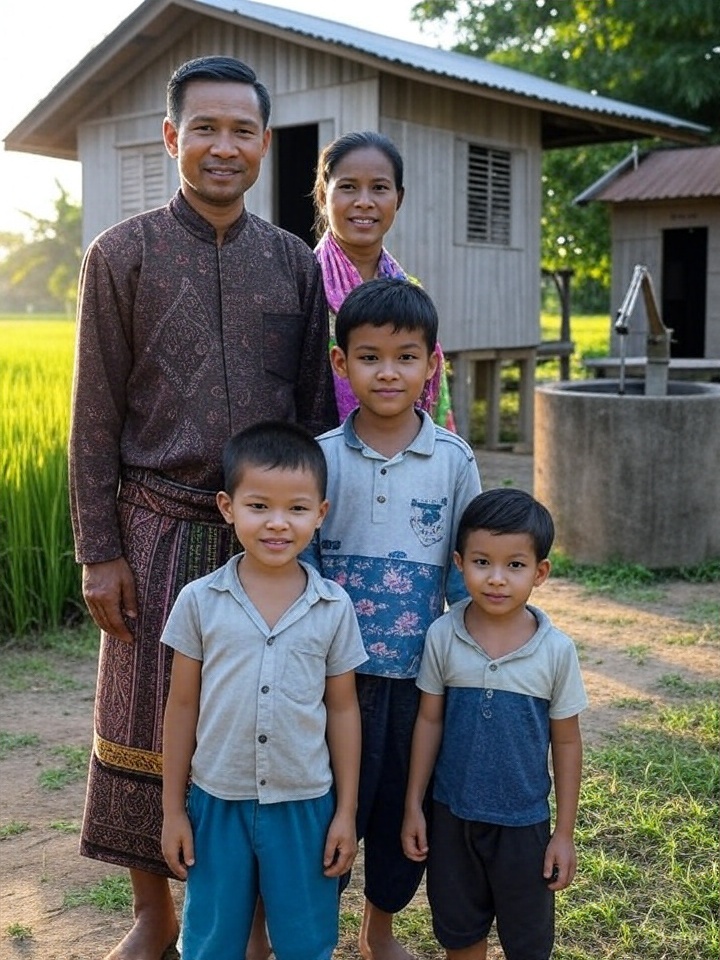
  • Offering tours to show the simple life in the Cambodian countryside (A2) –

    – some important points ,
    e.g. Preah Dak Community Experience, a great project


    1. Real Experience
      Show the real life of people in the countryside. Let tourists meet local people in their homes and villages, not in places made to look special.
    2. Work with the Community
      Work together with local people to plan and run the tours. This helps local families and gives them extra income. You can also support village projects.
    3. Daily Activities
      Let tourists join in everyday life. They can visit local markets, help with farming, try making crafts, or eat meals with local families.
    4. Learn About Culture
      Help tourists learn about Cambodian culture. They can visit pagodas, watch or join ceremonies, and enjoy traditional music or dancing.
    5. Teach About the Countryside
      Tour guides should talk about Cambodian history, farming, and how people live. They should be ready to answer questions.
    6. Be a Good Tourist
      Ask tourists to respect nature, local people, and traditions. They should not take or damage anything and should always be polite.
    7. Speak Clearly
      Tour guides should speak English or the language of the visitors. Good speaking helps tourists feel happy and understand everything.
    8. Safety and Comfort
      Keep tourists safe and comfortable. Give easy instructions, especially for new or unusual activities.
    9. Think About the Future
      Make sure the tours do not hurt nature or village life. Try to help the community and protect the culture for the future.

    _____________________

    Vocabulary:


    1. to offer a tour – to give people the chance to go on a trip or visit a place with a guide.

    2. countryside – land outside the city with farms, fields, and small villages.

    3. an experience – something you do or see that helps you learn or remember.

    4. local people – the people who live in a place.

    5. a village – a small group of houses where people live, smaller than a town.

    6. a community – a group of people living in the same place or area.

    7. to run a tour – to plan and guide a trip for visitors.

    8. an income – money you get from working or selling something.

    9. to support – to help someone or something.

    10. an activity – something people do for fun or learning.

    11. to join – to take part in something.

    12. farming – working with animals or plants to get food.

    13. to make crafts – to create things with your hands, like baskets or clothes.

    14. a meal – food you eat at one time (for example, lunch or dinner).

    15. to watch a ceremony – to look at a special event like a wedding or religious activity.

    16. to answer a question – to say something when someone asks you something.

    17. to respect nature – to care for the earth, animals, and plants.

    18. to damage – to break or hurt something.

    19. to be polite – to be nice and show good manners.

    20. to feel happy – to have a good feeling or be glad.

    21. safety – being free from danger or harm.

    22. comfort – feeling good, warm, or relaxed.

    23. easy instructions – simple steps that are not hard to follow.

    24. to hurt somebody – to cause pain or injury to someone.

    25. to protect something – to keep something safe from harm.


    ################
    Multiple-choice test, one answer correct


    1. What does to offer a tour mean?
    a) To give people the chance to go on a trip with a guide
    b) To buy food for a visitor
    c) To take care of a hotel room

    2. What is the countryside?
    a) A place with many big shops
    b) A busy street in a city
    c) A quiet place with farms and small villages

    3. What is an experience?
    a) A food you eat once
    b) A thing you buy at the market
    c) Something you do and learn from

    4. Who are local people?
    a) People who come from other countries
    b) People who live in the area
    c) People who teach in schools

    5. What is a village?
    a) A large town with many buses
    b) A place with many tall buildings
    c) A small group of homes in the countryside

    6. What does a community mean?
    a) A group of people living in the same area
    b) A meal eaten in a restaurant
    c) A sport you play with friends

    7. What does it mean to run a tour?
    a) To sleep during the day
    b) To organize and lead a visit for people
    c) To write about a place

    8. What is an income?
    a) A letter from a friend
    b) A gift from a tourist
    c) Money earned from work

    9. What does to support mean?
    a) To help someone or a group
    b) To clean a house
    c) To sell drinks to visitors

    10. What is an activity?
    a) Something you do like making or learning
    b) A shop where people buy clothes
    c) A car for driving tourists

    11. What does to join mean?
    a) To leave early
    b) To become part of a group or activity
    c) To sit and wait

    12. What is farming?
    a) Working with animals and crops
    b) Eating food with a family
    c) Drawing pictures of trees

    13. What does to make crafts mean?
    a) To talk to a group of people
    b) To build houses with machines
    c) To create things with your hands

    14. What is a meal?
    a) A plan for traveling
    b) Food you eat at one time
    c) A tool for farming

    15. What does to watch a ceremony mean?
    a) To look at a special event
    b) To cook a traditional food
    c) To clean a village

    16. What does to answer a question mean?
    a) To say something after someone asks
    b) To sit in a group
    c) To wait for a guide

    17. What does to respect nature mean?
    a) To throw trash on the ground
    b) To keep the environment clean
    c) To take photos of animals

    18. What does to damage mean?
    a) To break or hurt something
    b) To fix something
    c) To share something

    19. What does to be polite mean?
    a) To speak nicely and show good manners
    b) To walk slowly in the sun
    c) To run through a village

    20. What does to feel happy mean?
    a) To cry a lot
    b) To feel tired after walking
    c) To enjoy and smile

    21. What is safety?
    a) A way to make friends
    b) Being away from danger
    c) Having a job

    22. What is comfort?
    a) Feeling good and relaxed
    b) Getting ready to travel
    c) Playing a game with others

    23. What are easy instructions?
    a) Steps that are simple to follow
    b) Questions about a place
    c) A short story about a person

    24. What does to hurt somebody mean?
    a) To make someone feel better
    b) To cause pain
    c) To give someone a tour

    25. What does to protect something mean?
    a) To break it by mistake
    b) To give it away
    c) To keep it safe


    ____________________

    1a 2c 3c 4b 5c 6a 7b 8c 9a 10a 11b
    12a 13c 14b 15a 16a 17b 18a 19a
    20c 21b 22a 23a 24b 25c

    ###################
    Gap-fill exercise, one answer correct only


    1. The group leader was proud to __________ the village tour.
      a) run
      b) join
      c) answer
    2. The villagers cook a meal and __________ it with guests.
      a) join
      b) run
      c) share
    3. Visitors can __________ a traditional ceremony if they want.
      a) feel
      b) watch
      c) protect
    4. The local people like to __________ crafts to sell at the market.
      a) comfort
      b) run
      c) make
    5. The guide gave clear and __________ instructions.
      a) hurt
      b) easy
      c) damage
    6. The guide answered every __________ from the tourists.
      a) join
      b) activity
      c) question
    7. You must never __________ anyone during the tour.
      a) answer
      b) hurt
      c) join
    8. Visitors should __________ nature and local animals.
      a) protect
      b) hurt
      c) support
    9. The villagers earn an __________ from the tours.
      a) income
      b) experience
      c) comfort
    10. Tour guides need to __________ local customs carefully.
      a) answer
      b) respect
      c) join
    11. The village is a small __________ where many families live.
      a) community
      b) countryside
      c) village
    12. The children joined a fun __________ with the farmers.
      a) village
      b) meal
      c) activity
    13. The family offered us a delicious home-cooked __________.
      a) answer
      b) income
      c) meal
    14. The goal is to __________ nature and not cause harm.
      a) protect
      b) watch
      c) damage
    15. The guide showed how to __________ baskets made of bamboo.
      a) protect
      b) run
      c) make
    16. The guide is responsible for the visitors’ __________ and comfort.
      a) farming
      b) damage
      c) safety
    17. Tourists feel __________ after spending time with villagers.
      a) hurt
      b) happy
      c) watch
    18. The village __________ helps everyone to work together.
      a) community
      b) experience
      c) farming
    19. The children enjoyed the farming __________ very much.
      a) income
      b) meal
      c) activity
    20. The guide gave __________ instructions before starting the activity.
      a) farming
      b) easy
      c) protect
    21. We want to __________ tours that show real village life.
      a) respect
      b) offer
      c) hurt
    22. The tour helps the local __________ by giving money and work.
      a) farming
      b) answer
      c) community
    23. The village is in the quiet __________ of Cambodia.
      a) countryside
      b) answer
      c) community
    24. You can __________ a farm activity like planting rice.
      a) join
      b) protect
      c) support
    25. Please be __________ when you visit local families.
      a) feel
      b) answer
      c) polite

    _____________________________

    1 a, 2 c, 3 b, 4 c, 5 b, 6 c, 7 b, 8 a, 9 a,
    10 b, 11 a, 12 c, 13 c, 14 a, 15 c, 16 c, 17 b, 18 a,
    19 c, 20 b, 21 b, 22 c, 23 a, 24 a, 25 c

    ###############

    True or false statements:

    1. The tours help local communities earn income.
    2. Tour guides should avoid answering tourists’ questions.
    3. Visitors can watch traditional ceremonies during the tours.
    4. It is important to protect nature and not cause damage.
    5. Tourists should be polite when visiting local families.
    6. The village tours show fake and staged scenarios.
    7. Tour guides do not need to speak English.
    8. Comfort and safety are important for tourists on the tours.
    9. The tours do not help the local economy.
    10. Visitors can join farming activities in the countryside.
    11. Tour guides should give easy instructions for activities.
    12. Tourists should disrespect local customs to learn more.
    13. The tours allow tourists to learn about Cambodian culture.
    14. Visitors should try to hurt animals to protect them.
    15. The tours are planned with the help of the local community

      _________________________

    True: 1,3,4,5,8,10,11,13,15

    #######################

    Match the word to its definition:

    Words:

    1. Community
    2. Activity
    3. Income
    4. Polite
    5. Comfort
    6. Experience
    7. Village
    8. Protect
    9. Safety
    10. Respect
    11. Farming
    12. Tradition
    13. Guide
    14. Ceremony
    15. Craft
    16. Support
    17. Nature
    18. Instruction#

    Definitions:


    a) A small group of houses in the countryside
    b) To keep someone or something safe from harm
    c) The natural world, including plants and animals
    d) A task or event that people do for fun or learning
    e) Showing good manners toward others
    f) Help or assistance given to someone or something
    g) Money earned from work or business
    h) A person who helps others understand or do something
    i) Rules or directions given to explain how to do something
    j) The way of life or customs passed down from older generations
    k) A special event or celebration with rituals
    l) A handmade object made with skill
    m) The feeling of being relaxed and free from pain
    n) The act of growing crops and raising animals for food
    o) The act of honoring or valuing someone or something
    p) The feeling or knowledge gained from doing something
    q) Being free from danger or harm
    r) A group of people living in the same area

    _______________________

    Answers:

    1 r, 2 d, 3 g, 4 e, 5 m, 6 p, 7 a, 8 b, 9 q, 10 o,
    11 n, 12 j, 13 h, 14 k, 15 l, 16 f, 17 c, 18 i#

    #################

    Fill in, words below:

    1. The tour shows the life of __________ people.
    2. Visitors join activities in the __________
    3. Tour __________ answer questions in English.
    4. People make crafts in the __________.
    5. Tourists watch a ceremony in the __________.
    6. The __________ supports the local community.
    7. Visitors __________ a meal with local families.
    8. It is important to respect __________
    9. Safety and comfort are __________ on tours.
    10. The __________ helps to run the tour.
    11. Visitors __________ about farming and crafts.
    12. Tourists must be __________ and kind.

    ________________

    community – guides – eat – local – polite – pagoda – village – nature.- learn – important – tour – countryside

    ________________

    1. local

    2. village

    3. guides

    4. countryside

    5. pagoda

    6. tour

    7. eat

    8. nature.

    9. important

    10. community

    11. learn

    12. polite

    ##################

    You talk to Thorn Bun Thoeng, who offers the Preah Dak Village Experience tour; he has got lots of useful information on that topic – complete, words below:

    1. What is the tour about?
    • It shows local people and their life in the __________.
    1. Who do you work with?
    • We work with the village __________ and local families.
    1. What activities do tourists do?
    • Tourists join farming, make __________, and visit markets.
    1. Can tourists eat local food?
    • Yes, tourists eat meals with local __________.
    1. Why is respect important?
    • Respect keeps traditions safe and makes __________ happy.
    1. Do guides speak English?
    • Yes, guides speak English to _________ tourists understand.
    1. How do you keep tourists safe?
    • We give clear __________ and watch activities carefully.
    1. What should tourists not do?
    • Tourists should not hurt people, animals, or __________
    1. Are tours fake [not real or not true]or real?
    • Tours are real, not __________ or staged.
    1. How does the village benefit [something good that you get from something]?
    • The village earns __________ and support from tours.
    1. Can tourists watch ceremonies?
    • Yes, tourists watch local ceremonies like in _________.
    1. What is comfort on a tour?
    • Comfort means feeling __________ and relaxed during the tour.
    1. Who answers questions?
    • The tour guide __________ questions from tourists.
    1. Why is language important?
    • Language helps tourists __________ and enjoy the tour.
    1. What is responsible tourism?
    • It means __________ the village and respecting local customs.

    ________________

    understand – money – village – answers – help – pagodas – families – fake – helping – people – safe – nature. – crafts – instructions

    ________________

    1. village

    2. community

    3. crafts

    4. families

    5. people

    6. help

    7. instructions

    8. nature.

    9. fake

    10. money

    11. pagodas

    12. safe

    13. answers

    14. understand

    15. helping

    ###############

    A tour-guide:

    I start the tour by going to the local market. I see fresh fruits and vegetables there. Then, I visit a farm where I help with farming activities like planting or picking crops. After that, I go to a family home and eat a home-cooked meal with them. I watch a traditional ceremony at the village pagoda. I listen to stories about local customs and ask questions when I want. I feel safe and comfortable during the tour. This tour shows real village life and how local people live.

    Rewrite the story, starting with

    He starts the tour by going to….

    and make all chages necessary!

    ________________

    Correct version:

    He starts the tour by going to the local market. He sees fresh fruits and vegetables there. Then, he visits a farm where he helps with farming activities like planting or picking crops. After that, he goes to a family home and eats a home-cooked meal with them. He watches a traditional ceremony at the village pagoda. He listens to stories about local customs and asks questions when he wants. He feels safe and comfortable during the tour. This tour shows real village life and how local people live.

  • Shinta Mani Foundation, no-interest loan – a happy family (A1)

    • before Pov received support, life was a daily struggle.

    Pov lives in a small village in Cambodia. He has a wife and two children. His wife waits for a baby. Life is hard. Pov has no job. He has no money. He feels worried and sad. He wants to help his family, but he does not know how.

    Then, the Shinta Mani Foundation gives him a small loan. He does not pay interest. Pov feels happy. He starts a small business. He sells dried fish.

    Every day, Pov works hard. He buys fish. He cleans the fish. He dries the fish in the sun. Then he goes to the market. Many people like his fish. Some shops ask for big orders. His business grows.

    Now, Pov makes money. He builds a strong house for his family. They feel safe. He buys a tuk-tuk. He uses it for work. He also drives his children to school.

    Pov feels proud. He helps his family. He has a job. He has a good home. He smiles more. He feels strong. His wife is happy. His children are happy. Pov has hope. He makes his life better, step by step.
    ___________________

    Vocabularies:


    1. to receive support – to get help
    2. a struggle – something that is very hard to do
    3. to wait for a baby – to be pregnant (a baby is growing inside the mother)
    4. to feel worried – to think something bad may happen
    5. to be sad – to feel not happy
    6. a loan – money someone gives you, and you give it back later
    7. to pay interest – to pay extra money for a loan
    8. dried fish – fish with no water inside, kept in the sun to make it dry
    9. to clean something – to make something not dirty
    10. to dry something – to take water away from something
    11. a big order – when a person or shop asks for many things to buy
    12. to grow – to become bigger or better
    13. to make money – to get money from working
    14. to feel safe – to feel okay and not in danger
    15. to feel proud – to feel good about what you do
    16. to smile – to move your mouth to show you are happy
    17. to have hope – to believe something good can happen
    18. step by step – slowly, one part at a time


    ##################

    Multiple-choice test, one answer correct:

    1. What does „to smile“ mean?
    A. to jump
    B. to run
    C. to show you are happy with your mouth

    2. What does „to feel proud“ mean?
    A. to feel good about what you do
    B. to feel sick
    C. to feel bored

    3. What does „to dry something“ mean?
    A. to cut it
    B. to take water away
    C. to make it wet

    4. What is „support“?
    A. a story
    B. help from someone
    C. a school

    5. What does „to wait for a baby“ mean?
    A. to cry for a baby
    B. to want a baby
    C. to be pregnant

    6. What does „to feel safe“ mean?
    A. to feel cold
    B. to feel tired
    C. to feel okay and not in danger

    7. What does „to pay interest“ mean?
    A. to pay extra money on a loan
    B. to get free money
    C. to read a book

    8. What does „step by step“ mean?
    A. very fast
    B. without shoes
    C. slowly, one part at a time

    9. What does „to feel worried“ mean?
    A. to think something bad may happen
    B. to sleep
    C. to be tired

    10. What is „a big order“?
    A. a short walk
    B. one small thing
    C. when someone wants many things

    11. What does „to grow“ mean?
    A. to become bigger
    B. to go away
    C. to play outside

    12. What does „to clean something“ mean?
    A. to make something big
    B. to hide something
    C. to make something not dirty

    13. What is „dried fish“?
    A. fish in the river
    B. fish that sings
    C. fish with no water inside

    14. What does „to be sad“ mean?
    A. to be loud
    B. to dance
    C. to feel not happy

    15. What does „to make money“ mean?
    A. to lose money
    B. to give money
    C. to get money from work

    16. What does „to receive support“ mean?
    A. to read a letter
    B. to get help
    C. to give a gift

    17. What is „a loan“?
    A. a kind of food
    B. money you get and give back later
    C. a tool

    18. What is „a struggle“?
    A. something you buy
    B. something that is very hard
    C. something that is easy


    _____________________

    1 C, 2 A, 3 B, 4 B, 5 C, 6 C, 7 A, 8 C, 9 A,
    10 C, 11 A, 12 C, 13 C, 14 C, 15 C, 16 B, 17 B, 18 B
    ##################

    Gap-fill test, one answer correct:


    1. She feels ______ because she is safe at home. (cold, tired, safe)
    2. I ______ clean my hands before I eat. (must, can, will)
    3. The family buys a ______ to take the children to school. (car, bike, tuk-tuk)
    4. I want to ______ money to buy toys. (make, break, run)
    5. Pov takes a ______ from the bank to start a business. (house, loan, car)
    6. I ______ sad when I lose my toy. (dance, sing, feel)
    7. When it rains, clothes take time to ______. (play, swim, dry)
    8. You pay ______ on money you borrow from the bank. (food, interest, water)
    9. She needs to ______ her room every day. (eat, clean, sleep)
    10. I ______ smile when I am happy. (will, do, can)
    11. The baby smiles when she is ______. (tired, happy, sad)
    12. The plant ______ bigger every day. (eats, sleeps, grows)
    13. I ______ for my baby to be born. (run, wait, jump)
    14. A ______ order means someone buys many things. (small, long, big)
    15. I ______ support from my teacher with my homework. (drink, wash, receive)
    16. He ______ safe at home with his family. (runs, cooks, feels)
    17. A struggle is something that is very ______. (fast, easy, hard)
    18. The man pays ______ for borrowing money. (water, interest, food)
    19. We get ______ from our friends when we need help. (sleep, support, water)
    20. I ______ clean my room before I sleep. (can, must, will)
    21. We take the bus step by ______ to get to school. (jump, run, step)
    22. She ______ proud when she finishes her work. (jumps, feels, walks)
    23. A ______ is money you borrow and give back later. (loan, car, phone)
    24. I ______ worried when I don’t find my keys. (write, feel, dance)
    25. It is hard work. It is a big ______. (game, party, struggle)

    _____________________

    Answers:

    1 safe, 2 must, 3 tuk-tuk, 4 make, 5 loan, 6 feel, 7 dry, 8 interest, 9 clean, 10 will, 11 happy, 12 grows, 13 wait, 14 big, 15 receive, 16 feels, 17 hard, 18 interest, 19 support, 20 can, 21 step, 22 feels, 23 loan, 24 feel, 25 struggle
    ###############


    Match the word to its correct definition

    Words:

    1. loan
    2. interest
    3. support
    4. struggle
    5. worried
    6. sad
    7. dried fish
    8. clean
    9. dry
    10. big order
    11. grow
    12. make money
    13. safe
    14. proud
    15. smile
    16. hope
    17. wait
    18. step by step
    19. baby
    20. tuk-tuk

    Definitions:

    A. A small vehicle used for transport
    B. To feel unhappy
    C. To become bigger
    D. To give help to someone
    E. To remove dirt
    F. To borrow money that you must pay back
    G. To look happy with your mouth turned up
    H. To have patience before something happens
    I. Fish that has no water inside because it dries
    J. To produce money by working or selling
    K. Feeling nervous about something bad
    L. To be safe from danger or harm
    M. A young child who is not yet able to walk
    N. Something that you buy in large amounts
    O. To lose water or become not wet
    P. To feel good about what you do or have
    Q. A hard time or difficulty doing something
    R. To wait and do things slowly, one after another
    S. The money you pay to borrow money
    T. To move your foot in walking


    _____________________

    1 F, 2 S, 3 D, 4 Q, 5 K, 6 B, 7 I, 8 E, 9 O, 10 N,
    11 C, 12 J, 13 L, 14 P, 15 G, 16 H, 17 H, 18 R, 19 M, 20 A
    ################

    Fill in, words below:

    1. Pov has a small __________ with children.
    2. He is __________ for a new baby to come.
    3. Pov does not have a stable __________ now.
    4. Life is very _________ for Pov every day.
    5. He feels worried about the __________.
    6. Pov gets a __________ without paying interest.
    7. The loan helps him _________ a new business.
    8. Pov dries fish to __________ in the market.
    9. He cleans and __________the fish carefully.
    10. Many people buy his __________ fish every week.
    11. Pov works hard and makes more __________ now.
    12. With money, Pov builds a safe _________ house.
    13. He also __________ a tuk-tuk for his family.
    14. Pov __________the tuk-tuk to go to work.
    15. He __________ his children to school every day safely.

    ______________________

    uses – start – family – dries – hard – takes – dried – waiting – money – job – new – future – buys – sell – loan

    ______________________

    1. family

    2. waiting

    3. job

    4. hard

    5. future

    6. loan

    7. start

    8. sell

    9. dries

    10. dried

    11. money

    12. new

    13. buys

    14. uses

    15. takes
    ###################

    True or false?

    1. Pov has a baby already.
    2. Pov does not have a job at first.
    3. Pov gets a loan with a lot of interest.
    4. Pov starts a dried fish business.
    5. Pov cleans fish before he dries them.
    6. Many people buy Pov’s fish now.
    7. Pov’s business does not grow.
    8. Pov builds a new house for his family.
    9. Pov buys a car to go to work.
    10. Pov uses a tuk-tuk to take his children to school.
    11. Pov feels safe at home.
    12. Pov does not make money from his business.

    __________________

    True: 2, 4, 5, 6, 8, 10, 11

    #################

    Complete, words below:


    Interviewer: Who is in your family?
    Pov: I have a wife and __________.

    Interviewer: What job do you do?
    Pov: I sell __________ fish.

    Interviewer: Where do you sell your fish?
    Pov: I sell fish at the __________.

    Interviewer: When do you start your __________?
    Pov: I start after I get the loan.

    Interviewer: Why do you need a __________?
    Pov: I need money to start my business.

    Interviewer: How do you dry the fish?
    Pov: I __________ the fish and leave it in the sun.

    Interviewer: Who helps you with your family?
    Pov: My __________ helps me.

    Interviewer: What do you buy with your money?
    Pov: I buy a safe __________ and a tuk-tuk.

    Interviewer: Where do you take your children?
    Pov: I take them to __________ with the tuk-tuk.

    Interviewer: How do you feel about your life now?
    Pov: I feel __________ and proud.


    _________________

    house – loan – children – wife – school – dried – happy – clean – market – business

    _________________


    Interviewer: Who is in your family?
    Pov: I have a wife and children.

    Interviewer: What job do you do?
    Pov: I sell dried fish.

    Interviewer: Where do you sell your fish?
    Pov: I sell fish at the market.

    Interviewer: When do you start your business?
    Pov: I start after I get the loan.

    Interviewer: Why do you need a loan?
    Pov: I need money to start my business.

    Interviewer: How do you dry the fish?
    Pov: I clean the fish and leave it in the sun.

    Interviewer: Who helps you with your family?
    Pov: My wife helps me.

    Interviewer: What do you buy with your money?
    Pov: I buy a safe house and a tuk-tuk.

    Interviewer: Where do you take your children?
    Pov: I take them to school with the tuk-tuk.

    Interviewer: How do you feel about your life now?
    Pov: I feel happy and proud.


    #################

    Pov tells about his life:


    I wake up early every day. I clean the fish and dry them in the sun. I work hard to make good dried fish. After drying, I sell fish at the market. Many people buy my fish. I use the money to help my family. I drive my tuk-tuk to take my children to school. I feel happy when my family is safe. I build a new house for them. In the evening, I spend time with my wife and children. I smile and feel proud of my work. I have hope for the future.


    _______________

    Rewrite the story starting with

    He wakes up earyl every day. He cleans…..

    and make all changes necessary!
    _____________________

    Correct version:

    He wakes up early every day. He cleans the fish and dries them in the sun. He works hard to make good dried fish. After drying, he sells fish at the market. Many people buy his fish. He uses the money to help his family. He drives his tuk-tuk to take his children to school. He feels happy when his family is safe. He builds a new house for them. In the evening, he spends time with his wife and children. He smiles and feels proud of his work. He has hope for the future.

  • Apsara Show – a guest needs information (A2)

    a guest approaches the front desk of a *****hotel;
    he wants to book a ticket for an apsara show in the Apsara Theatre in Siem Reap; however, he doesn’t have much information on what apsara is.
    So you, member of the front desk team, explain to him.


    An Apsara show is a traditional Cambodian dance performance. It is very famous in Cambodia and many visitors enjoy watching it. The Apsara dance is slow, graceful, and beautiful. The dancers wear long, colorful dresses, golden crowns, and special jewelry. They move their hands, arms, and fingers in a soft and elegant way. Every movement has meaning and tells a story from old legends, nature, or daily life.

    Apsara dancers are usually women, and they start training when they are very young. The dance is part of Cambodia’s ancient culture. You can even see Apsara dancers carved on the walls of Angkor Wat, the famous temple near Siem Reap. The stories in the dance are often about gods, love, animals, and the natural world.

    The music during the show is also traditional. It is played with Cambodian instruments like drums, flutes, and gongs. The music is soft and matches the slow movements of the dancers.

    In Siem Reap, one of the best places to watch the show is the Apsara Theatre. It is a comfortable place with a beautiful stage. Some shows also offer a Khmer dinner before the performance.

    Watching an Apsara show is a wonderful way to enjoy Cambodian culture. It is peaceful, artistic, and very special.

    ______________________________

    Vocabulary:


    1. to approach – to come near to someone or something
    2. to explain – to say something so another person can understand
    3. a performance – a show with music, dancing, or acting
    4. to enjoy watching something – to like looking at something (like a show or movie)
    5. graceful – moving in a beautiful and smooth way
    6. a colorful dress – a dress with many bright colors
    7. jewelry – things like rings, necklaces, and bracelets that people wear
    8. a soft movement – a light and gentle action or move
    9. a meaning – what something wants to say or show
    10. a legend – an old story, often about gods or heroes
    11. ancient – very, very old
    12. to carve on walls – to cut shapes or pictures into stone walls
    13. traditional – something old that people in a country still do
    14. a drum – a round instrument you hit to make sound
    15. a flute – a long musical instrument you blow into
    16. soft music – quiet and gentle music
    17. to match something – to go well with something
    18. comfortable – nice to sit in or be in; not hurting or difficult
    19. a stage – the place where people sing, dance, or act in a show
    20. peaceful – quiet and calm
    21. artistic – full of art or showing creativity

    ################

    Multiple-choice test, only one answer correct:


    1. What does „to approach“ mean?
    a) to come near to someone or something
    b) to run away from something
    c) to sit down quickly

    2. What does „to explain“ mean?
    a) to play a game
    b) to make something easy to understand
    c) to write a letter

    3. What is „a performance“?
    a) a place to sleep
    b) a kind of food
    c) a show with dancing, music, or acting

    4. What does „to enjoy watching something“ mean?
    a) to not look at it
    b) to feel tired while watching
    c) to like looking at a show or movie

    5. What does „graceful“ mean?
    a) moving in a slow and nice way
    b) speaking very loudly
    c) jumping quickly

    6. What is „a colorful dress“?
    a) a dress for sleeping
    b) a dress with many bright colors
    c) a dress that is only black

    7. What is „jewelry“?
    a) bags and books
    b) things people wear like rings or necklaces
    c) shoes and socks

    8. What is „a soft movement“?
    a) a loud sound
    b) a light and gentle move
    c) a strong and fast move

    9. What is „a meaning“?
    a) what something wants to say or show
    b) a kind of animal
    c) the price of something

    10. What is „a legend“?
    a) a new phone
    b) an old story about heroes or gods
    c) a type of food

    11. What does „ancient“ mean?
    a) very big
    b) very fast
    c) very, very old

    12. What does „to carve on walls“ mean?
    a) to cut shapes or pictures into a wall
    b) to draw with a pen
    c) to paint with water

    13. What does „traditional“ mean?
    a) something from a new movie
    b) something used for driving
    c) something people in a country always do

    14. What is „a drum“?
    a) a drink
    b) a round instrument you hit to make sound
    c) a kind of fruit

    15. What is „a flute“?
    a) a small animal
    b) a toy for babies
    c) a long thing you blow to make music

    16. What is „soft music“?
    a) music that is quiet and gentle
    b) music that is loud and fast
    c) music with no instruments

    17. What does „to match something“ mean?
    a) to clean it
    b) to break it
    c) to go well with something

    18. What does „comfortable“ mean?
    a) very strong
    b) cold and wet
    c) easy and nice to sit in

    19. What is „a stage“?
    a) a bed for sleeping
    b) a place for cooking
    c) the place where people dance or sing

    20. What does „peaceful“ mean?
    a) very noisy
    b) quiet and calm
    c) very exciting

    21. What does „artistic“ mean?
    a) good at sports
    b) fast at running
    c) full of art or creativity


    ____________________

    Answers:

    1 a 2 b 3 c 4 c 5 a 6 b 7 b 8 b 9 a 10 b
    11 c 12 a 13 c 14 b 15 c 16 a 17 c 18 c
    19 c 20 b 21 c

    ####################

    Gap fill exercise – only 1 answer correct:


    1. When you want to come near someone, you ______ them. (approach, run from, jump over)
    2. If I don’t understand, please ______ it to me again. (hide, explain, forget)
    3. The dancers gave a beautiful ______ on the stage. (performance, kitchen, car)
    4. I like to ______ watching movies in the evening. (enjoy, avoid, hate)
    5. The ballerina moves very slowly and ______. (fast, gracefully, noisy)
    6. She wore a ______ dress with many bright colors. (colorful, small, empty)
    7. People wear ______ like rings and necklaces. (books, jewelry, shoes)
    8. The bird’s wings move in a ______ way. (soft, hard, loud)
    9. Every word has a ______ or something it means. (sound, meaning, size)
    10. A ______ is a very old story about heroes or gods. (movie, legend, game)
    11. Angkor Wat is an ______ temple, very old. (new, modern, ancient)
    12. Artists ______ pictures on stone walls. (swim, write, carve)
    13. Khmer dancing is a ______ art in Cambodia. (broken, small, traditional)
    14. You play a ______ by hitting it with your hands. (flute, drum, guitar)
    15. A ______ is a long instrument that you blow into. (chair, flute, car)

    Answer key
    1 approach 2 explain 3 performance 4 enjoy 5 gracefully 6 colorful 7 jewelry 8 soft 9 meaning 10 legend 11 ancient 12 carve 13 traditional 14 drum 15 flute
    ###################

    Match the word to its definition:


    Words:

    1. Graceful
    2. Ancient
    3. Jewelry
    4. Flute
    5. Performance
    6. Traditional
    7. Legend
    8. Drum
    9. Carve
    10. Meaning
    11. Approach
    12. Soft
    13. Explain
    14. Colorful
    15. Stage

    Definitions:
    a) A show with music, dance, or acting
    b) To come near to someone or something
    c) Very old, from a long time ago
    d) A place where people sing or dance
    e) Moving in a smooth and nice way
    f) Things like rings or necklaces worn for decoration
    g) A story about heroes or gods from the past
    h) To cut shapes or pictures into a surface
    i) A long musical instrument you blow into
    j) Quiet and gentle, not loud or hard
    k) To make something clear or easy to understand
    l) A round musical instrument you hit
    m) Something with many bright colors
    n) Something people do the same way for a long time
    o) What a word or action means


    _________________

    Answers:
    1 e 2 c 3 f 4 i 5 a 6 n 7 g 8 l 9 h 10 o 11 b 12 j 13 k 14 m 15 d

    ##############

    True or false ?


    1. The guest wants to see an Apsara show.
    2. Apsara is a modern Cambodian dance.
    3. Apsara dancers wear colorful dresses and jewelry.
    4. The Apsara dance tells an old legend.
    5. The show happens in a big museum.
    6. Dancers move with soft hands and arms.
    7. The music is very loud and fast.
    8. People play drums and flutes during the show.
    9. The Apsara dance is part of Cambodian tradition.
    10. Apsaras were women from the sea.
    11. Apsara dances can be seen on old temple walls.
    12. The Apsara Theatre is in Siem Reap.

    ____________________

    True: 1,3,4,6,8,9,11,12

    ##################

    Fill in, words below:

    1. A guest came to the __________ and asked about the Apsara show.
    2. He did not __________ much about what Apsara means.
    3. The front desk staff was happy to __________ the Apsara show to him.
    4. Apsara is a beautiful __________ Cambodian dance.
    5. The dancers wear __________ dresses and special jewelry.
    6. They move their hands and arms slowly and __________
    7. The dance tells old __________ from Cambodian history.
    8. You can see pictures of Apsara dancers __________ on temple walls.
    9. The music is soft and uses __________ and flutes.
    10. Each movement in the dance has a special __________.
    11. The Apsara show takes place on a peaceful and artistic __________.
    12. Many visitors __________ watching the show during their stay in Siem Reap.

    ___________________________
    carved – colorful – enjoy – front desk – explain – meaning – drums – know – stage – gracefully – traditional – legends
    ___________________________
    1 front desk

    2 know

    3 explain

    4 legends

    5 colorful

    6 gracefully

    7 traditional

    8 carved

    9 drums

    10 meaning

    11 stage

    12 enjoy

    ################

    Dialogue between a guest and a front desk staff member on the apsara show – complete, no words given, try!


    Guest: Hello, I heard about an Apsara show. Can you tell me what it is?

    Staff: Of course! Apsara is a __________ Cambodian dance. It is very beautiful and artistic.

    Guest: What do the dancers wear in the show?

    Staff: The dancers wear colorful __________ and special jewelry. They look very elegant.

    Guest: How do they move in the show?

    Staff: They move slowly with soft and __________hands and arms. Every movement is important.

    Guest: Does the dance have a meaning?

    Staff: Yes, it does. The dance tells old __________ from Cambodian history.

    Guest: Where can I see pictures of Apsara dancers?

    Staff: You can see them __________on the walls of ancient temples, like Angkor Wat.

    Guest: What music do they play during the show?

    Staff: The music is soft. It is played with traditional instruments like drums and __________.

    Guest: Where is the Apsara ___________?

    Staff: It is at the Apsara Theatre here in Siem Reap. It is not far from the hotel.

    Guest: Is it a good experience for visitors?

    Staff: Yes, many guests _________ watching the performance. It is peaceful and very special.

    Guest: Can you help me book a __________?

    Staff: Yes, of course! I can help you with that right now.
    _____________________

    Full dialogue:


    Guest: Hello, I heard about an Apsara show. Can you tell me what it is?

    Staff: Of course! Apsara is a traditional Cambodian dance. It is very beautiful and artistic.

    Guest: What do the dancers wear in the show?

    Staff: The dancers wear colorful dresses and special jewelry. They look very elegant.

    Guest: How do they move in the show?

    Staff: They move slowly with soft and graceful hands and arms. Every movement is important.

    Guest: Does the dance have a meaning?

    Staff: Yes, it does. The dance tells old legends from Cambodian history.

    Guest: Where can I see pictures of Apsara dancers?

    Staff: You can see them carved on the walls of ancient temples, like Angkor Wat.

    Guest: What music do they play during the show?

    Staff: The music is soft. It is played with traditional instruments like drums and flutes.

    Guest: Where is the Apsara show?

    Staff: It is at the Apsara Theatre here in Siem Reap. It is not far from the hotel.

    Guest: Is it a good experience for visitors?

    Staff: Yes, many guests enjoy watching the performance. It is peaceful and very special.

    Guest: Can you help me book a ticket?

    Staff: Yes, of course! I can help you with that right now.

  • Understanding the cultural background of guests from abroad (A1/A2)

    important for several reasons in the tourism business, some thoughts


    1. Cultural Understanding

    • cultural background (where a person’s culture and traditions come from)
    • customs (things people do in their culture, like holidays or greetings)
    • habits (things people do often)
    • expectations (what people think will happen or how things should be)
    • respect (being kind and polite to others)
    • understanding (knowing about something or someone)

    2. Guest Needs and Comfort

    • dietary needs (special food a person can or cannot eat)
    • prayer needs (times or places where a person wants to pray)
    • formal / relaxed cultures (some cultures have strict rules, some are easy-going)
    • comfort (feeling happy and relaxed)
    • personal experience (something special for one person)

    3. Communication

    • communication (talking or sharing ideas with others)
    • language barriers (when people do not speak the same language well)
    • body language (how people use their face and hands to show feelings)
    • patience (waiting calmly without being angry)

    4. Business Benefits

    • better service (helping guests in a good way)
    • avoid problems (stop mistakes or trouble)
    • feeling welcome (making someone feel happy to be there)
    • enjoyable stay (when guests like their time in a place)
    • return guests (people who come back again)
    • word of mouth (when people tell friends about a good place)
    • more business (getting more guests or customers)
    • company growth (a business getting bigger and better)
    • competitive advantage (something special a business has to be better than others)

    5. Cultural Services

    • traditional food (food from a country or culture)
    • cultural activities (fun things to do that show a culture)
    • services (help or things a business offers)

    6. Relationships

    • strong relationships (good connections and trust between people)

    #####################

    Understanding guests’ culture is very important in tourism.

    People from different countries have different ways and habits. When workers know this, they can help guests better and make them feel happy.

    Knowing culture helps to stop problems. Some guests need special food or a quiet place to pray. Some cultures are strict, some are easy. If workers respect this, guests feel welcome.

    Good talking is also important. Guests speak different languages and use different body signs. Workers who know this can talk clearly and wait calmly. This makes guests feel good.

    When guests feel happy and safe, they like their stay. They can come back or tell friends. This brings more guests and helps the business grow.

    Also, giving guests traditional food and fun cultural things makes them feel at home. It shows respect and makes the stay special.

    Many people travel from many countries today. Tourism places that know cultures get more guests. They stop mistakes and make good friends with visitors.

    In short, knowing guests’ culture helps workers give good help, talk well, and make guests happy. This is good for guests and good for business.

    ______________

    Vocabularies:

    • to understand (to know or learn about something)
    • a habit (something you do again and again)
    • quiet (no noise or very little noise)
    • to pray (to talk to God or a spirit)
    • to be strict (to have many rules)
    • to be easy (not hard or not strict)
    • to respect (to be kind and polite to someone)
    • to feel welcome (to feel happy and safe in a place)
    • a body sign (a movement or action with your body to show feelings)
    • to wait calmly (to wait without being angry or worried)
    • to feel good (to be happy or comfortable)
    • to stay (to be in a place for some time)
    • to grow (to become bigger or better)
    • traditional (something from a culture or old customs)
    • to feel at home (to feel comfortable like you are in your own house)
    • to show respect (to act in a polite and kind way)
    • to know a culture (to learn about the habits and life of a group of people)
    • a mistake (something done wrong)
    • in short (to say something in a few words)
    • to be good for business (to help a company do well and get more customers)

    ##################

    Multiple choice – only one answer correct:


    1. To understand means:
    A) To know or learn about something
    B) To forget something
    C) To jump high

    2. A habit is:
    A) Something new every day
    B) Something you do again and again
    C) A big animal

    3. Quiet means:
    A) Very loud music
    B) No noise or very little noise
    C) Bright light

    4. To pray means:
    A) To eat food
    B) To talk to God or a spirit
    C) To sleep

    5. To be strict means:
    A) To be very kind
    B) To have many rules
    C) To run fast

    6. To be easy means:
    A) Not hard or not strict
    B) Very difficult
    C) To shout loudly

    7. To respect means:
    A) To ignore someone
    B) To be kind and polite to someone
    C) To fight with someone

    8. To feel welcome means:
    A) To feel angry
    B) To feel happy and safe in a place
    C) To feel lost

    9. A body sign is:
    A) A movement with your body to show feelings
    B) A kind of house
    C) A type of food

    10. To wait calmly means:
    A) To run fast
    B) To wait without being angry or worried
    C) To sleep all day

    11. To feel good means:
    A) To jump high
    B) To feel sick
    C) To be happy or comfortable

    12. To stay means:
    A) To leave immediately
    B) To travel far away
    C) To be in a place for some time

    13. To grow means:
    A) To break something
    B) To become bigger or better
    C) To become smaller

    14. Traditional means:
    A) Something new and modern
    B) Something from a culture or old customs
    C) Something very fast

    15. To feel at home means:
    A) To feel scared
    B) To feel tired
    C) To feel comfortable like you are in your own house

    16. To show respect means:
    A) To act in a polite and kind way
    B) To be rude
    C) To be quiet

    17. To know a culture means:
    A) To forget a language
    B) To learn about the habits and life of a group of people
    C) To run away

    18. A mistake is:
    A) Something fun
    B) Something done wrong
    C) Something perfect

    19. In short means:
    A) To talk a lot
    B) To say something in a few words
    C) To sleep

    20. To be good for business means:
    A) To lose money
    B) To help a company do well and get more customers
    C) To close a shop


    _________________________-

    Answers:
    1-A, 2-B, 3-C, 4-B, 5-B, 6-A, 7-B, 8-B, 9-A,
    10-B, 11-C, 12-C, 13-B, 14-C, 15-C, 16-A,
    17-B, 18-B, 19-B, 20-B

    ####################

    Gap-fill exercise – fill in:


    1. To ______ means to know or learn about something. (understand / forget / jump)
    2. To wait ______ means to wait without being angry or worried. (fast / calmly / loudly)
    3. To be ______ means to have many rules. (kind / strict / fast)
    4. To grow means to become bigger or ______. (broken / smaller / better)
    5. A ______ sign is a movement with your body to show feelings. (body / food / house)
    6. To show ______ means to act in a polite and kind way. (noise / fear / respect)
    7. Quiet means no noise or very ______ noise. (bright / little / loud)
    8. Traditional means something from a culture or old ______. (cars / music / customs)
    9. A ______ is something you do again and again. (habit / new / animal)
    10. To feel ______ means to be happy or comfortable. (bad / sick / good)
    11. To ______ means to talk to God or a spirit. (eat / sleep / pray)
    12. To stay means to be in a place for some ______. (money / time / day)

    _________________________

    Answers:

    1 understand, 2 calmly, 3 strict, 4 better,
    5 body, 6 respect, 7 little, 8 customs, 9 habit,
    10 good, 11 pray, 12 time

    ##################

    True or false?

    1. To grow means to become smaller.
    2. Quiet means no or very little noise.
    3. A habit is something new you do once.
    4. To pray means to talk to God or a spirit.
    5. To stay means to be in a place for some time.
    6. To show respect means to be rude to others.
    7. To be strict means to have many rules.
    8. A body sign is a movement with your hands only.
    9. To wait calmly means to wait without being angry.
    10. Traditional means something from a culture or old customs.
    11. To feel good means to be sick.
    12. To understand means to forget something.

    _____________________

    True: 2,4,5,7,9,10
    #################

    Match the words (A–O) with the correct definitions (1–15).

    Words:

    A. respect
    B. quiet
    C. habit
    D. pray
    E. grow
    F. understand
    G. strict
    H. wait calmly
    I. body sign
    J. feel welcome
    K. traditional
    L. stay
    M. mistake
    N. to be easy
    O. to know a culture

    Definitions:

    1. To make a wrong action or error.
    2. To talk to God or a spirit.
    3. A way of doing something again and again.
    4. To have many rules or be firm.
    5. To be polite and kind to someone.
    6. To stay in one place for some time.
    7. To feel happy and accepted in a place.
    8. Not loud or noisy.
    9. To understand how people live and think.
    10. To wait without being angry or worried.
    11. To become bigger or better.
    12. A movement with your body to show feelings.
    13. Something from old times or culture.
    14. To know or learn about something.
    15. To be simple or not difficult.

    ___________________________

    Answers:

    A5, B8, C3, D2, E11, F14, G4, H10,
    I12, J7, K13, L6, M1, N15, O9
    ###################

    Fill in, words below:

    1. To understand guests helps us give better __________ every day.
    2. A habit is something __________ do again and again.
    3. Quiet means no __________ noise or very little noise here.
    4. To pray means to __________ to God or a spirit.
    5. Being __________ means there are many rules to follow.
    6. To __________ means to get bigger or better with time.
    7. A body sign shows feelings __________ words or talking.
    8. To show respect means to be _________and polite always.
    9. To wait ________ means to wait without being angry or worried.
    10. __________ things come from old customs and culture.
    11. To feel welcome means to feel happy and __________ here.
    12. To __________ means to be in one place for some time.

    ________________

    kind – loud – stay – talk – calmly – service – grow – traditional – people – without – comfortable – strict

    ________________

    Answers:

    1 service

    2 people

    3 loud

    4 talk

    5 strict

    6 grow

    7 without

    8 kind

    9 calmly

    10 Traditional

    11 comfortable

    12 stay

    ################

    Complete – words below:


    Interviewer: Why is it important to understand guests’ culture?
    Expert: It is important because we can give better __________ to guests.

    Interviewer: How does culture help in communication?
    Expert: Culture helps us know how to __________ and listen well.

    Interviewer: Can culture help us avoid mistakes?
    Expert: Yes, __________ culture helps us not to make mistakes with guests.

    Interviewer: Does culture affect what guests like?
    Expert: Yes, guests like __________ things because of their culture.

    Interviewer: How does respect relate to culture?
    Expert: Respect means we see and value the guests’ __________.

    Interviewer: Can understanding culture make guests feel welcome?
    Expert: Yes, guests feel happy and __________ when we understand them.

    Interviewer: Is it good for business to know culture?
    Expert: Yes, it helps us have more __________ and good reviews.

    Interviewer: Do different cultures have different habits?
    Expert: Yes, every culture has its own __________ habits.

    Interviewer: How can we learn about guests’ culture?
    Expert: We can ask guests or __________ their country and customs.

    Interviewer: What is one thing you always do with guests?
    Expert: I always listen carefully and try to __________ their culture.


    ___________________-

    study – guests – different – comfortable – understand – culture – service – special – knowing – talk

    ___________________

    Correct version:


    Interviewer: Why is it important to understand guests’ culture?
    Expert: It is important because we can give better service to guests.

    Interviewer: How does culture help in communication?
    Expert: Culture helps us know how to talk and listen well.

    Interviewer: Can culture help us avoid mistakes?
    Expert: Yes, knowing culture helps us not to make mistakes with guests.

    Interviewer: Does culture affect what guests like?
    Expert: Yes, guests like different things because of their culture.

    Interviewer: How does respect relate to culture?
    Expert: Respect means we see and value the guests’ culture.

    Interviewer: Can understanding culture make guests feel welcome?
    Expert: Yes, guests feel happy and comfortable when we understand them.

    Interviewer: Is it good for business to know culture?
    Expert: Yes, it helps us have more guests and good reviews.

    Interviewer: Do different cultures have different habits?
    Expert: Yes, every culture has its own special habits.

    Interviewer: How can we learn about guests’ culture?
    Expert: We can ask guests or study their country and customs.

    Interviewer: What is one thing you always do with guests?
    Expert: I always listen carefully and try to understand their culture.


    ##################

    I understand that guests from different countries have many ways of life. I learn about their culture to give good service. I listen carefully when guests talk to me. I watch their body signs to know how they feel. I respect their habits and rules. I wait calmly when they need time. I try to make them feel welcome and happy. I use quiet words and speak clearly. I do not make mistakes with guests. I know that understanding culture is good for my work. This helps guests enjoy their stay with us.


    Rewrite the text starting with

    He understands that guests…………..

    and make all changes necessary.

    _______________________

    Correct version:
    He understands that guests from different countries have many ways of life. He learns about their culture to give good service. He listens carefully when guests talk to him. He watches their body signs to know how they feel. He respects their habits and rules. He waits calmly when they need time. He tries to make them feel welcome and happy. He uses quiet words and speaks clearly. He does not make mistakes with guests. He knows that understanding culture is good for his work. This helps guests enjoy their stay with them.

  • Angkor National Museum – and a culture-vulture (B1)

    You work at the front desk of a ***** hotel;
    a guest, very much interested in Khmer culture, a culture vulture, approaches you and asks for information on the museum – a must-see


    The Angkor National Museum is located very close to the hotel, just a 5 to 10-minute tuk-tuk ride away. It is a modern and well-organized museum where you can learn a lot about the Khmer Empire and its history.

    Inside the museum, you will find eight different galleries. Each gallery focuses on a different topic, such as the daily life of the Khmer people, their religion, and the great kings who ruled the empire. One of the most impressive rooms is the Gallery of 1,000 Buddhas, which displays hundreds of Buddha statues made from various materials like wood and stone.

    The museum also shows how the temples of Angkor were built and explains the meaning behind many carvings and sculptures. There is a short introductory film at the beginning, which helps visitors understand the story of the Khmer civilization.

    All information is provided in English, and you can rent an audio guide in many languages for a more detailed experience. Visiting the museum is a great way to prepare for or follow up your temple visits because it helps you understand and appreciate the temples better.

    Most visitors spend about 1 to 2 hours inside the museum. It is open every day and is definitely worth a visit.


    __________________

    Vocabulary:


    to be located close to something
    — to be near a place or thing.

    well-organized
    — done in a good way that is easy to understand and use.

    an empire
    — a group of countries or areas ruled by one king or leader.

    a gallery in a museum
    — a room or space in a museum where things are shown.

    to focus on something
    — to pay attention to one thing.

    a topic
    — the subject or idea you talk or learn about.

    the daily life
    — the things people do every day.

    to rule
    — to be the leader or boss of a country or group.

    impressive
    — something very good or amazing that people like.

    to display statues
    — to show statues so people can see them.

    to explain
    — to tell or show the meaning of something.

    a meaning
    — what something means or what it is about.

    a carving
    — a picture or shape cut into wood or stone.

    a sculpture
    — a piece of art made by shaping stone, wood, or other materials.

    an introductory film
    — a short movie at the start that tells you about something.

    a civilization
    — a group of people living together with their own culture and rules.

    to provide information
    — to give facts or details to someone.

    to rent
    — to pay money to use something for a short time.

    an audio guide
    — a small device or app that talks to you and tells you about a place.

    a language
    — the way people speak and write to communicate.

    a detailed experience
    — a chance to learn or see many small and clear parts of something.

    to prepare for something
    — to get ready for an event or activity.

    a follow up
    — something you do after the first thing to continue or finish it.

    to appreciate
    — to understand and like the value of something.

    to be definitely worth a visit
    — it is very good and you should go there.


    ##################

    Multiple-choice test, only one answer correct:


    1. to be located close to something means
      a) to be near a place or thing
      b) to be far from a place
      c) to be inside a building
    2. well-organized means
      a) messy and hard to find
      b) done in a good way that is easy to understand and use
      c) broken and not working
    3. an empire is
      a) a small town
      b) a type of building
      c) a group of countries or areas ruled by one king or leader
    4. a gallery in a museum is
      a) a room or space in a museum where things are shown
      b) a person who works in a museum
      c) a ticket to enter a museum
    5. to focus on something means
      a) to forget something quickly
      b) to pay attention to one thing
      c) to talk about many things
    6. a topic is
      a) a type of food
      b) a place to visit
      c) the subject or idea you talk or learn about
    7. the daily life means
      a) the things people do every day
      b) a special holiday
      c) a type of clothing
    8. to rule means
      a) to listen to music
      b) to be the leader or boss of a country or group
      c) to draw pictures
    9. impressive means
      a) something small and cheap
      b) something boring and old
      c) something very good or amazing that people like
    10. to display statues means
      a) to show statues so people can see them
      b) to hide statues
      c) to break statues
    11. to explain means
      a) to close a door
      b) to tell or show the meaning of something
      c) to run very fast
    12. a meaning is
      a) a color of paint
      b) a kind of music
      c) what something means or what it is about
    13. a carving is
      a) a picture or shape cut into wood or stone
      b) a place to swim
      c) a type of food
    14. a sculpture is
      a) a place where animals live
      b) a piece of art made by shaping stone, wood, or other materials
      c) a tool to cut paper
    15. an introductory film is
      a) a game to play
      b) a type of music
      c) a short movie at the start that tells you about something
    16. a civilization is
      a) a group of people living together with their own culture and rules
      b) a type of building
      c) a kind of sport
    17. to provide information means
      a) to hide something
      b) to give facts or details to someone
      c) to sleep early
    18. to rent means
      a) to buy something forever
      b) to throw something away
      c) to pay money to use something for a short time
    19. an audio guide is
      a) a small device or app that talks to you and tells you about a place
      b) a paper map
      c) a kind of shoe
    20. a language is
      a) a type of food
      b) the way people speak and write to communicate
      c) a sport to play
    21. a detailed experience is
      a) a quick visit with no information
      b) a short story without details
      c) a chance to learn or see many small and clear parts of something
    22. to prepare for something means
      a) to get ready for an event or activity
      b) to forget an appointment
      c) to go on holiday
    23. a follow up is
      a) the first step in a project
      b) something you do after the first thing to continue or finish it
      c) a party with friends
    24. to appreciate means
      a) to break something
      b) to hide from someone
      c) to understand and like the value of something
    25. to be definitely worth a visit means
      a) it is not interesting
      b) it is closed every day
      c) it is very good and you should go there

    ____________________

    1 a, 2 b, 3 c, 4 a, 5 b, 6 c, 7 a, 8 b, 9 c,
    10 a, 11 b, 12 c, 13 a, 14 b, 15 c, 16 a, 17 b,
    18 c, 19 a, 20 b, 21 c, 22 a, 23 b, 24 c, 25 c
    #####################

    Gap-fill exercise – which is the correct word?


    1. The museum is ______ (near, close, located) to the city center.
    2. The tour was very ______ (messy, well, organized).
    3. The Khmer ______ (country, empire, city) ruled many lands long ago.
    4. We saw many paintings in the museum ______ (kitchen, gallery, bedroom).
    5. Please ______ (run, focus, forget) on the story I am telling you.
    6. History is my favorite ______ (color, topic, food) in school.
    7. I like to learn about the ______ (short, rare, daily) life of people in old times.
    8. A king can ______ (fly, sleep, rule) a country.
    9. The palace was very ______ (small, impressive, ugly).
    10. The museum ______ (breaks, displays, hides) statues from ancient times.
    11. Can you ______ (jump, explain, close) this word for me?
    12. The ______ (color, size, meaning) of this symbol is peace.
    13. This wooden ______ (painting, carving, song) is very old.
    14. A ______ (chair, sculpture, book) is a piece of art made of stone or wood.
    15. The museum shows an ______ (ending, introductory, short) film about the history.
    16. A ______ (person, civilization, building) is a group of people with a culture.
    17. The guide will ______ (hide, provide, lose) information about the exhibits.
    18. You can ______ (buy, rent, sell) an audio guide to learn more.
    19. An ______ (paper, audio, video) guide talks to you about the museum.
    20. People speak many different ______ (songs, languages, games) in the world.
    21. The tour gave a ______ (quick, detailed, short) experience of the city.
    22. We need to ______ (stop, prepare, forget) for the trip tomorrow.
    23. After the lesson, there is a ______ (break, follow-up, start) activity.
    24. It is good to ______ (ignore, appreciate, hide) art and culture.
    25. The museum is ______ (maybe, never, definitely) worth a visit.

    _______________________

    1 near, 2 well, 3 empire, 4 gallery, 5 focus, 6 topic, 7 daily, 8 rule, 9 impressive, 10 displays, 11 explain, 12 meaning, 13 carving, 14 sculpture, 15 introductory, 16 civilization, 17 provide, 18 rent, 19 audio, 20 languages, 21 detailed, 22 prepare, 23 follow-up, 24 appreciate, 25 definitely

    #################

    True or false?

    1. The museum is located very far from the city center and is hard to find.
    2. The Khmer empire was a large group of countries ruled by one leader a long time ago.
    3. A gallery in the museum is a place where statues and paintings are kept and shown to visitors.
    4. To rent means to buy something forever.
    5. To focus on something means to pay close attention to one idea or thing without getting distracted.
    6. The museum is definitely not worth a visit because it does not have interesting things.
    7. An introductory film is a short movie shown at the beginning of the visit to explain the topic.
    8. To appreciate art means to hide it from others.
    9. A carving is a picture or shape that is cut into wood or stone by an artist.
    10. A civilization is a group of people living without any rules or culture.
    11. To rent means to pay money to use something only for a short time, not to buy it.
    12. An audio guide is a small device that talks to you and provides information about the museum

    _________________________

    True : 2, 3, 5, 7, 9, 11, 12
    ##################

    Match the words with their definitions :

    Words:

    1. empire
    2. gallery
    3. focus
    4. carving
    5. sculpture
    6. introductory
    7. civilization
    8. provide
    9. rent
    10. audio guide
    11. appreciate
    12. detailed

    Definitions:

    A. A group of people living with their own culture and rules
    B. To pay money to use something for a short time
    C. A place in a museum where art is shown
    D. A small device that talks and gives information about a place
    E. To give or supply something
    F. To pay close attention to one thing
    G. A movie shown at the beginning of a visit or event
    H. A picture or shape cut into wood or stone
    I. To understand the value and like something
    J. Made with many small parts or clear information
    K. A three-dimensional piece of art made from stone, wood, or metal
    L. A large group of countries or lands ruled by one leader


    ______________________

    1 L, 2 C, 3 F, 4 H, 5 K, 6 G, 7 A, 8 E, 9 B, 10 D, 11 I, 12 J

    ######################

    Fill in – words below:

    1. The museum is located _________ to the city center.
    2. The Khmer __________ rules many countries long ago.
    3. A __________ shows statues and paintings.
    4. We focus on one __________ in the museum.
    5. The __________ film explains the history.
    6. A carving is cut into __________ or stone.
    7. A __________ is a three-dimensional art piece.
    8. Visitors __________ an audio guide for the tour.
    9. The audio guide provides information in many __________
    10. A __________ is a group of people with culture and rules.
    11. The museum ___________ many statues.
    12. The carving shows the meaning of the __________
    13. The __________ prepares a detailed experience for visitors.
    14. People appreciate the art and _________.
    15. The museum is __________ worth a visit.

    _________________

    displays – gallery – definitely – sculpture – museum – introductory – history – languages – wood – close – story. – empire – rent – topic – civilization

    ________________

    1 close

    2 empire

    3 gallery

    4 topic

    5 introductory

    6 wood

    7 sculpture

    8 rent

    9 languages

    10 civilization

    11 displays

    12 story.

    13 museum

    14 history

    15 definitely

    ################

    Summary – fill in – words given below, but scrambled;-)

    The museum is a great place to visit in Siem Reap.
    It is __________ to the city center and easy to find.
    The museum shows many beautiful statues and carvings from the Khmer __________.
    Visitors can watch an introductory film to learn about the history and __________.
    The museum focuses on daily life and the meaning of the art.
    You can __________ an audio guide in many languages to get more information.
    The __________ is detailed and well organized.
    People appreciate the museum because it helps them __________ the civilization and art.
    It is __________worth a visit for everyone.


    ______________________
    nret – olecs – meeirp – uuecrlt – udderntans – pencxeriee – dleitefiny

    _______________________
    The museum is a great place to visit in Siem Reap.
    It is close to the city center and easy to find.
    The museum shows many beautiful statues and carvings from the Khmer empire.
    Visitors can watch an introductory film to learn about the history and culture.
    The museum focuses on daily life and the meaning of the art.
    You can rent an audio guide in many languages to get more information.
    The experience is detailed and well organized.
    People appreciate the museum because it helps them understand the civilization and art.
    It is definitely worth a visit for everyone.

    ______________________

    Correct version:

    The museum is a great place to visit in Siem Reap.
    It is close to the city center and easy to find.
    The museum shows many beautiful statues and carvings from the Khmer empire.
    Visitors can watch an introductory film to learn about the history and culture.
    The museum focuses on daily life and the meaning of the art.
    You can rent an audio guide in many languages to get more information.
    The experience is detailed and well organized.
    People appreciate the museum because it helps them understand the civilization and art.
    It is definitely worth a visit for everyone.

  • APOPO Visitor Center – how rats help find landmines (A2)

    You work at the front desk of a * **** hotel in Siem Reap. A guest approaches you and wants to have information on the APOPO Visitor Center and how rats help find landmines.

    The APOPO Visitor Center is in Siem Reap, Cambodia. It is a special place where visitors can learn how rats help find landmines. Many years of war left landmines in the ground. These landmines are very dangerous. People can get hurt or even die if they step on them.

    APOPO trains African giant pouched rats to find these landmines. The rats are very smart and light, so they do not set off the landmines. They use their noses to smell the explosives in the ground. When they smell something, they stop and scratch the ground. Then the human team marks the place and removes the landmine safely.

    At the visitor center, you can watch a live demonstration. You see how the rats work and learn how they are trained. There are also stories from people who are now safe because the rats cleared the land.

    This work is very important. It makes land safe again for people to walk, farm, and live. APOPO’s rats help save lives. Visiting the center is both interesting and educational. It shows how animals and people can work together to make the world better.

    _________________________-

    Vocabulary::

    • a landmine – a bomb that is hidden in the ground. it explodes when someone steps on it.
    • to approach somebody – to go near a person.
    • dangerous – something that can hurt you.
    • to get hurt – to feel pain in your body because of an accident.
    • to step on something – to put your foot on something.
    • to train somebody – to teach someone how to do something.
    • giant – very big.
    • a pouched rat – a big rat with pouches (small bags) in its cheeks.
    • to be smart – to be clever or to learn things quickly.
    • to be light – not heavy. easy to carry.
    • to set off a mine – to make a landmine explode.
    • to smell – to use your nose to sense something.
    • an explosive – a thing that can blow up or explode.
    • to scratch – to rub something with your nails or fingers.
    • to remove something safely – to take something away in a way that is not dangerous.
    • to watch – to look at something carefully.
    • to be safe – to be not in danger.
    • to clear the land from mines – to take away landmines from the ground.
    • educational – you can learn something from it.

    #####################

    Multiple-choice test – only one answer correct:


    1. What is a landmine?
    A. a bomb in the ground that can explode
    B. a kind of animal that lives underground
    C. a machine that digs holes


    2. What does „to approach somebody“ mean?
    A. to call someone loudly
    B. to go near a person
    C. to go away from someone


    3. What does „dangerous“ mean?
    A. something that can hurt you
    B. something that is very nice
    C. something that is soft and quiet


    4. What does „to get hurt“ mean?
    A. to run very fast
    B. to feel pain from an accident
    C. to be very hungry


    5. What does „to step on something“ mean?
    A. to hold something in your hand
    B. to jump over something
    C. to put your foot on something


    6. What does „to train somebody“ mean?
    A. to teach someone how to do something
    B. to talk to someone
    C. to play with someone


    7. What does „giant“ mean?
    A. very quiet
    B. very big
    C. very fast


    8. What is a pouched rat?
    A. a machine that finds landmines
    B. a bird with a big beak
    C. a big rat with small bags in its cheeks


    9. What does „to be smart“ mean?
    A. to be very old
    B. to learn things quickly
    C. to sleep a lot


    10. What does „to be light“ mean?
    A. not short
    B. not heavy
    C. not cold


    11. What does „to set off a mine“ mean?
    A. to move something with a machine
    B. to make a landmine explode
    C. to clean the land


    12. What does „to smell“ mean?
    A. to touch something with your hand
    B. to use your nose to sense something
    C. to see something with your eyes


    13. What is an explosive?
    A. a thing that can blow up
    B. a toy for children
    C. a kind of soft ball


    14. What does „to scratch“ mean?
    A. to hit something
    B. to rub something with nails or fingers
    C. to wash something


    15. What does „to remove something safely“ mean?
    A. to cover something
    B. to break something
    C. to take something away in a safe way


    16. What does „to watch“ mean?
    A. to look at something carefully
    B. to jump up and down
    C. to read a book


    17. What does „to be safe“ mean?
    A. to be tired
    B. to be not in danger
    C. to be in danger


    18. What does „to clear the land from mines“ mean?
    A. to water the ground
    B. to make a map
    C. to take landmines out of the ground


    19. What does „educational“ mean?
    A. something that helps you learn
    B. something you can cook
    C. something you can wear


    _____________________

    Answers:

    1. A,   2. B,   3. A,   4. B,   5. C,   6. A,   7. B,   8. C,   9. B,   
      10. B,   11. B,   12. C,   13. A,   14. B,   
      15. C,   16. A,   17. B,   18. C,   19. A

    ######################

    Gap-fill exercise :


    1. A ______ is a bomb hidden under the ground.
      a) landmine
      b) book
      c) tree
    2. When you ______ someone, you go near them.
      a) run away from
      b) approach
      c) sleep
    3. Something ______ can hurt you.
      a) nice
      b) dangerous
      c) soft
    4. If you ______, you feel pain from an accident.
      a) jump
      b) get hurt
      c) laugh
    5. To ______ on something means to put your foot on it.
      a) hold
      b) fly
      c) step
    6. People ______ animals to teach them.
      a) watch
      b) train
      c) play
    7. A giant is very ______.
      a) big
      b) small
      c) fast
    8. A pouched rat has small bags in its ______.
      a) nose
      b) cheeks
      c) ears
    9. To be smart means to learn ______.
      a) quietly
      b) slowly
      c) quickly
    10. If something is light, it is not ______.
      a) heavy
      b) loud
      c) short
    11. To set off a mine means to make it ______.
      a) disappear
      b) explode
      c) grow
    12. We use our nose to ______ things.
      a) hear
      b) see
      c) smell
    13. An explosive can ______.
      a) run
      b) blow up
      c) sleep
    14. To scratch means to rub with your ______.
      a) eyes
      b) feet
      c) nails
    15. To remove something safely means to take it away without ______.
      a) danger
      b) food
      c) noise

    _________________

    a,   2. b,   3. b,   4. b,   5. c,   6. b,   7. a,   8. b,   
    9. c,   10. a,   11. b,   12. c,   13. b,   14. c,   15. a

    ####################

    True or false?


    1. A landmine is a bomb hidden under the ground.
    2. To approach somebody means to run away from them.
    3. Dangerous things can hurt you.
    4. Getting hurt means feeling pain from an accident.
    5. To step on something means to hold it in your hand.
    6. People train animals to teach them skills.
    7. A giant means something very small.
    8. A pouched rat has small bags in its cheeks.
    9. To be smart means to learn slowly.
    10. If something is light, it is not heavy.
    11. To set off a mine means to make it explode.
    12. We use our nose to see things.
    13. An explosive is something that can blow up.
    14. To scratch means to rub with your nails.
    15. To remove something safely means to take it away with danger.

    _________________________

    True: 1, 3, 4, 6, 8, 10, 11, 13, 14

    ####################

    Fill in, words below:

    1. A landmine is a bomb that is hidden under the ground and is very __________.
    2. Rats help people find landmines because they can __________ the bombs under the soil.
    3. Landmines can hurt people if they __________ on them by mistake.
    4. If someone __________ on a landmine, they can get hurt very badly.
    5. People train rats to find landmines by teaching them to smell __________.
    6. Rats are light and smart, so they do not make the mines __________ when they walk.
    7. A pouched rat has small bags on its body to carry __________ or things.
    8. Rats use their nose to smell explosives hidden deep in the __________.
    9. When rats __________ the ground, they find landmines safely without setting them off.
    10. People __________the rats while they work to make sure they are safe.
    11. It is safe for people when rats find and __________ the landmines from the land.
    12. After rats find the mines, the land becomes __________ to live and work on.
    13. Rats help clear the land from mines so that children can __________ there.
    14. The APOPO Visitor Center is a place where people __________how rats find landmines.
    15. The trained rats help save many lives by __________ landmines quickly and safely.

    ______________________

    food – dangerous – safe – scratch – finding – steps – play – smell – watch – explode – learn – ground – step – remove – explosives

    ______________________
    Answer:

    1 dangerous

    2 smell

    3 step

    4 steps

    5 explosives

    6 explode

    7 food

    8 ground

    9 scratch

    10 watch

    11 remove

    12 safe

    13 play

    14 learn

    15 finding

    #######################

    Match each word with its correct definition:


    Words:

    1. to scratch
    2. educational
    3. dangerous
    4. a landmine
    5. to be light
    6. to approach somebody
    7. to get hurt
    8. to set off a mine
    9. to smell
    10. giant
    11. to step on something
    12. to train somebody
    13. to be smart
    14. a pouched rat
    15. an explosive
    16. to watch
    17. to clear the land from mines
    18. to remove something safely
    19. to be safe

    Definitions:

    a) To put your foot on something.
    b) Something very big.
    c) To teach someone or an animal new skills.
    d) Something that can explode and cause damage.
    e) To rub or scratch a surface with your nails or claws.
    f) Not heavy; easy to carry or move.
    g) A dangerous bomb hidden under the ground.
    h) To make a bomb explode.
    i) To use your nose to notice a smell.
    j) A type of rat that has small bags on its body.
    k) To watch carefully.
    l) To take something away without danger.
    m) When something can cause harm or injury.
    n) To be close to someone or something.
    o) To be clever or able to learn well.
    p) To become hurt or injured.
    q) A place or thing that teaches people new things.
    r) To remove landmines and make land safe.
    s) Not in danger; protected from harm.


    __________________________

    e,   2. q,   3. m,   4. g,   5. f,   6. n,   7. p,   
    8. h,   9. i,   10. b,   11. a,   12. c,   13. o,   14. j,   
    15. d,   16. k,   17. r,   18. l,   19. s
    ########################

    Gap-fill sentences:


    train, dangerous, scratch, light, landmine, smell, smart, approach, safe, explosive, watch, clear


    1. A _______ is a hidden bomb under the ground that can hurt people.
    2. Rats are very _______ and can learn to find landmines.
    3. People _______ rats to find landmines safely.
    4. Rats use their nose to _______ the explosives underground.
    5. When rats _______ the ground, they find landmines without making them explode.
    6. Landmines are very _______ and can cause serious injury.
    7. It is important to _______ the rats while they work to keep them safe.
    8. Rats are very _______ so they do not set off the mines when they walk.
    9. To _______ somebody means to come closer carefully.
    10. After rats work, they help to _______ the land from mines.
    11. The mines contain an _______ that explodes if stepped on.
    12. People feel _______ when the land is free from landmines.

    ______________________-

    1 landmine, 2 smart, 3 train, 4 smell, 5 scratch, 6 dangerous, 7 watch, 8 light, 9 approach, 10 clear, 11 explosive, 12 safe

    ##################

    Interview with a rat trainer, complete – no words given 😉


    Interviewer: What do you do as a rat trainer?
    Trainer: I train rats to find __________ safely.

    Interviewer: How do you train the rats?
    Trainer: I teach the rats to smell __________ and find landmines.

    Interviewer: Why do you use rats for this work?
    Trainer: Rats are __________ and light, so they do not set off the mines.

    Interviewer: How do the rats find the landmines?
    Trainer: They use their nose to __________ the explosive chemicals under the ground.

    Interviewer: What happens when a rat finds a mine?
    Trainer: The rat __________ the ground to show the location.

    Interviewer: Is it dangerous for the rats?
    Trainer: No, the rats are very __________and safe while working.

    Interviewer: How long does it take to train a rat?
    Trainer: It takes __________ nine months to train a rat well.

    Interviewer: What do people __________ at the visitor center?
    Trainer: People learn how rats help clear landmines and save lives.

    Interviewer: How do you watch the rats when they work?
    Trainer: We watch them carefully to make sure they stay __________.

    Interviewer: Why is this work important?
    Trainer: It makes the land safe for people to __________ and work.


    ________________________

    In correct order:

    landmines, explosives, smart, smell, scratches, light, about, learn, safe, live

    ######################


    A trainer tells about his everyday work:


    I wake up early every day. First, I check the rats in their cages. I give them food and water. Then, I take the rats to the training area. I teach them to smell landmines. When the rats work, I watch them carefully. If a rat finds a mine, I mark the place. After training, I clean the cages and prepare for the next day. Sometimes, I talk to visitors and explain how rats help find landmines. I like my job because it helps make land safe for people.


    _____________

    Rewrite the story starting with

    He wakes up early every day. First, he checks……….

    and make all changes necessary.

    _____________________

    He wakes up early every day. First, he checks the rats in their cages. He gives them food and water. Then, he takes the rats to the training area. He teaches them to smell landmines. When the rats work, he watches them carefully. If a rat finds a mine, he marks the place. After training, he cleans the cages and prepares for the next day. Sometimes, he talks to visitors and explains how rats help find landmines. He likes his job because it helps make land safe for people.

    #######################

  • Asalha Puja Day (A2)

    a guest approaches you at the frontdesk asking you about that festival in July


    Asalha Puja Day is an important festival in Siem Reap, Cambodia. It happens every year in July. This day is also called Dharma Day. It is the day when the Buddha gave his first teaching to his friends.

    On Asalha Puja Day, many people go to the temples. They wear clean and nice clothes. They bring flowers, candles, and incense to the temple. People listen to the monks and pray for peace and good health.

    The festival is quiet and peaceful. It is not a loud celebration. People use this day to think about kindness and to be good to others. Many people give food to the poor and help their family and friends.

    July is the rainy season in Cambodia. Sometimes it rains during the festival, but the rain does not stop people. The green trees and plants look very beautiful during this time. The rain makes the air fresh and cool.

    If you visit Siem Reap in July, you can see Asalha Puja Day. It is a good way to learn about Cambodian culture and religion. The festival shows the faith and kindness of the people. It is a very special day for everyone.

    _________________

    Vocabularies:

    • important: something that matters a lot.
    • festival: a big party with music, dancing, and fun.
    • a teaching: something someone tells you to help you learn.
    • to wear: to have clothes or things on your body.
    • a candle: a small stick that gives light when it is burning.
    • incense: a small stick that makes nice smell when it burns.
    • a monk: a man who lives simply and prays in a temple.
    • to pray for peace: to ask for calm and no fighting.
    • health: when your body is good and not sick.
    • quiet: no noise or very little noise.
    • peaceful: calm and nice, no noise or problems.
    • a celebration: a happy event to enjoy something special.
    • kindness: being nice and helpful to other people.
    • rainy season: the time of year when it rains a lot.
    • fresh air: clean and nice air to breathe.
    • faith: believing in something, like a religion.

    #################

    Multiple-choice test – one answer correct:


    1. important
    a) something that matters a lot
    b) something that does not matter
    c) something very small

    2. festival
    a) a quiet place to sleep
    b) a big party with music and fun
    c) a small animal

    3. a teaching
    a) a place to eat food
    b) a type of clothing
    c) something someone tells you to help you learn

    4. to wear
    a) to have clothes on your body
    b) to eat food
    c) to sleep

    5. a candle
    a) a kind of food
    b) a small stick that gives light when it burns
    c) a big rock

    6. incense
    a) a kind of tree
    b) a stick that makes nice smell when it burns
    c) a type of shoe

    7. a monk
    a) a man who lives simply and prays in a temple
    b) a person who drives a car
    c) a child who goes to school

    8. to pray for peace
    a) to sing a song
    b) to ask for calm and no fighting
    c) to run fast

    9. health
    a) when you feel tired
    b) when your body is good and not sick
    c) when you feel hungry

    10. quiet
    a) no noise or very little noise
    b) very loud noise
    c) bright light

    11. peaceful
    a) noisy and busy
    b) calm and nice, no noise or problems
    c) dirty and messy

    12. a celebration
    a) a happy event to enjoy something special
    b) a day to clean the house
    c) a place to work

    13. kindness
    a) being nice and helpful to other people
    b) being angry at someone
    c) being tired all day

    14. rainy season
    a) the time when it is very hot
    b) the time when it is very cold
    c) the time of year when it rains a lot

    15. fresh air
    a) clean and nice air to breathe
    b) dirty water
    c) loud noise

    16. faith
    a) believing in something, like a religion
    b) eating food
    c) running very fast


    _______________________

    1 a, 2 b, 3 c, 4 a, 5 b, 6 c, 7 a, 8 b, 9 b, 10 a, 11 b, 12 a, 13 a, 14 c, 15 a, 16 a

    ##################


    Match the word to the correct definition:

    Words:

    1. important
    2. festival
    3. a teaching
    4. to wear
    5. a candle
    6. incense
    7. a monk
    8. to pray for peace
    9. health
    10. quiet
    11. peaceful
    12. a celebration
    13. kindness
    14. rainy season
    15. fresh air
    16. faith

    Definitions:

    a) clean and nice air to breathe
    b) a man who lives simply and prays in a temple
    c) a big party with music and fun
    d) a small stick that gives light when it burns
    e) calm and nice, no noise or problems
    f) something someone tells you to help you learn
    g) the time of year when it rains a lot
    h) to have clothes on your body
    i) being nice and helpful to other people
    j) believing in something, like a religion
    k) no noise or very little noise
    l) when your body is good and not sick
    m) something that matters a lot
    n) a happy event to enjoy something special
    o) a stick that makes nice smell when it burns
    p) to ask for calm and no fighting


    _________________________

    1 m, 2 c, 3 f, 4 h, 5 d, 6 o, 7 b, 8 p, 9 l,
    10 k, 11 e, 12 n, 13 i, 14 g, 15 a, 16 j
    ##################

    Gap-fill sentences – words below:


    1. Asalha Puja is an _______ day in Cambodia.
    2. People go to the temple to hear a _______ about Buddha.
    3. On this special day, people like _______ white clothes.
    4. They light a _______ and burn incense sticks.
    5. Many people listen to a _______ in the temple.
    6. People _______ for peace, health, and happiness.
    7. The festival happens during the _______ season when it rains a lot.
    8. People feel calm and _______ at the temple.
    9. The air is clean and fresh; there is good _______.
    10. The festival is a _______ of kindness and faith.
    11. A _______ lives in the temple and teaches people about Buddhism.
    12. It is a day to think about what is really _______ in life.
    13. Everyone prays for good _______.
    14. Inside the temple, it is usually very _______.
    15. Being nice and helpful to others is called _______.
    16. People show their _______ by going to the temple and praying.

    Fill in:
    a) a teaching, b) festival, c) health, d) peaceful, e) quiet, f) faith, g) candle, h) important, i) kindness, j) to wear, k) a monk, l) fresh air, m) rainy season, n) a celebration, o) to pray for peace, p) incense


    ___________________

    1 h, 2 a, 3 j, 4 g, 5 k, 6 o, 7 m, 8 d, 9 l,
    10 n, 11 k, 12 h, 13 c, 14 e, 15 i, 16 f
    ##############

    True or false:

    1. Asalha Puja is an important festival in Cambodia that many people celebrate.
    2. People do not wear special clothes when they go to the temple on this day.
    3. During the festival, people light a candle to help in their prayers.
    4. Incense is a stick that makes a nice smell when it burns at the temple.
    5. A monk teaches people about Buddha and his teachings during the festival.
    6. Many people pray for peace, health, and happiness on this special day.
    7. The festival happens in the dry season when there is no rain.
    8. People feel quiet and peaceful when they are inside the temple.
    9. Fresh air is not important when people are at the temple for the festival.
    10. Kindness is not part of the celebration.
    11. Faith means not believing in anything.
    12. The rainy season is the time of year when this festival usually happens.

    _______________________-

    True: 1,3,4,5,6,8,12

    #################

    Interview with a monk – fill in (words below):


    Q1: What is Asalha Puja?
    A1: Asalha Puja is an important __________about Buddha’s teaching.

    Q2: When is the festival?
    A2: It is in the rainy __________, usually in July.

    Q3: What do people do on this day?
    A3: People go to the __________, light a candle, and burn incense.

    Q4: Why do people wear special clothes?
    A4: They wear special __________to show respect and faith.

    Q5: What do you teach on this day?
    A5: I teach about kindness, __________, and health.

    Q6: Do people pray at the temple?
    A6: Yes, people __________ for peace, health, and happiness.

    Q7: How do people feel at the temple?
    A7: They feel __________, peaceful, and calm.

    Q8: What is important about the festival?
    A8: It is a celebration of __________ and kindness.

    Q9: Why do people light candles?
    A9: Candles help __________ focus when they pray.

    Q10: What is incense for?
    A10: Incense makes a good __________ and helps with quiet.

    Q11: How does the rainy season help the festival?
    A11: The __________ season brings fresh air and new life.

    Q12: What do you hope people learn?
    A12: I __________ they learn kindness and peace in their hearts.


    _______________

    smell – peace – festival – people – hope – temple – quiet – rainy – season – faith – clothes – pray

    _______________

    Answer:


    Q1: What is Asalha Puja?
    A1: Asalha Puja is an important festival about Buddha’s teaching.

    Q2: When is the festival?
    A2: It is in the rainy season, usually in July.

    Q3: What do people do on this day?
    A3: People go to the temple, light a candle, and burn incense.

    Q4: Why do people wear special clothes?
    A4: They wear special clothes to show respect and faith.

    Q5: What do you teach on this day?
    A5: I teach about kindness, peace, and health.

    Q6: Do people pray at the temple?
    A6: Yes, people pray for peace, health, and happiness.

    Q7: How do people feel at the temple?
    A7: They feel quiet, peaceful, and calm.

    Q8: What is important about the festival?
    A8: It is a celebration of faith and kindness.

    Q9: Why do people light candles?
    A9: Candles help people focus when they pray.

    Q10: What is incense for?
    A10: Incense makes a good smell and helps with quiet.

    Q11: How does the rainy season help the festival?
    A11: The rainy season brings fresh air and new life.

    Q12: What do you hope people learn?
    A12: I hope they learn kindness and peace in their hearts.


    #################

    _______________

  • Saran, a waiter, loves his job (A1)

    a typical day


    I work as a waiter in a top restaurant in Siem Reap. Every day, I wake up early and get ready for work. I wear a clean uniform and go to the restaurant by motorbike. The restaurant opens at 11 a.m., but I arrive at 10 a.m. to help prepare everything.

    I clean the tables, check the menus, and make sure everything looks nice. When guests arrive, I greet them with a big smile and say, “Welcome!” I give them the menu and take their order. I always listen carefully and repeat the order to be sure.

    I bring the food to the table and ask if the guests need anything. I speak English and sometimes French, so I can talk to many tourists. I am always polite and friendly.

    Sometimes the restaurant is very busy. I walk fast and work hard, but I always stay calm and helpful. I also help clean up after guests leave.

    At the end of the day, I count my tips and say goodbye to my team. I feel happy when the guests say “thank you” and smile. I love my job because I like meeting people from around the world.

    ________________
    Vocabulary:

    • a waiter: a person who brings food and drinks to people in a restaurant
    • to wake up: to stop sleeping
    • to get ready: to prepare yourself to go out or do something (wash, dress, etc.)
    • to wear: to have clothes on your body
    • a motorbike: a small motorcycle, like a fast bicycle with an engine
    • to prepare: to get something ready
    • to clean tables: to make tables nice and clean
    • to check the menu: to look at the list of food and drinks in a restaurant
    • to make sure: to check something so there is no mistake
    • to take an order: to write down or remember what food the guest wants
    • to repeat: to say something again
    • food: things we eat, like rice, soup, or meat
    • polite: nice and respectful to people
    • friendly: kind and happy to talk to people
    • busy: many things to do, no free time
    • to stay calm: to not be angry or worried
    • to be helpful: to do things to help other people
    • to clean up: to make a place clean again after people leave
    • to count tips: to count the extra money guests give for good service
    • to smile: to show you are happy with your mouth and face

    #####################

    Multiple choice test – only one answers correct


    1. What is a waiter?
    a) a person who brings food and drinks to people in a restaurant
    b) a person who drives a taxi
    c) a person who cooks food in the kitchen

    2. What does “to wake up” mean?
    a) to eat breakfast
    b) to stop sleeping
    c) to start sleeping

    3. What does “to get ready” mean?
    a) to prepare yourself to go out or do something
    b) to sleep
    c) to play with friends

    4. What does “to wear” mean?
    a) to cook food
    b) to clean a table
    c) to have clothes on your body

    5. What is a motorbike?
    a) a fast boat
    b) a big bus
    c) a small motorcycle

    6. What does “to prepare” mean?
    a) to get something ready
    b) to go home
    c) to take a photo

    7. What does “to clean tables” mean?
    a) to make tables nice and clean
    b) to sit at the table
    c) to put food on the table

    8. What does “to check the menu” mean?
    a) to clean the kitchen
    b) to look at the list of food and drinks in a restaurant
    c) to wash your hands

    9. What does “to make sure” mean?
    a) to ask for food
    b) to check so there is no mistake
    c) to cook the food

    10. What does “to take an order” mean?
    a) to eat the food
    b) to wash the dishes
    c) to write down what the guest wants

    11. What does “to repeat” mean?
    a) to say something again
    b) to sleep again
    c) to forget something

    12. What is food?
    a) things we wear
    b) things we eat
    c) things we drive

    13. What does “polite” mean?
    a) fast and busy
    b) nice and respectful to people
    c) loud and angry

    14. What does “friendly” mean?
    a) always late
    b) not hungry
    c) happy to talk and kind

    15. What does “busy” mean?
    a) very clean
    b) many things to do, no free time
    c) very sleepy

    16. What does “to stay calm” mean?
    a) to shout and run
    b) to not be angry or worried
    c) to sleep very fast

    17. What does “to be helpful” mean?
    a) to give help to other people
    b) to ask for money
    c) to walk to work

    18. What does “to clean up” mean?
    a) to make a place clean again after people leave
    b) to talk to guests
    c) to go to sleep

    19. What does “to count tips” mean?
    a) to clean the menu
    b) to eat with friends
    c) to count the extra money guests give

    20. What does “to smile” mean?
    a) to go to work
    b) to eat something
    c) to show you are happy with your mouth and face


    __________________

    1a 2b 3a 4c 5c 6a 7a 8b 9b 10c 11a 12b
    13b 14c 15b 16b 17a 18a 19c 20c

    ###################

    Fill in:


    1. I __________ the food before the guests arrive.
    (a) prepare (b) wake up (c) motorbike

    2. I __________ at 6:00 in the morning every day.
    (a) clean tables (b) wake up (c) smile

    3. I ride my __________ to work.
    (a) food (b) repeat (c) motorbike

    4. After guests leave, I __________ the tables.
    (a) repeat (b) clean up (c) be helpful

    5. I __________ to work by putting on my clothes and washing.
    (a) get ready (b) food (c) take an order

    6. A good waiter always tries to __________.
    (a) count tips (b) be helpful (c) menu

    7. At work, I wear a uniform. I __________ black pants and a white shirt.
    (a) wear (b) waiter (c) clean tables

    8. The list of meals and drinks in the restaurant is called a __________.
    (a) stay calm (b) check the menu (c) menu

    9. I always try to __________ to guests with a happy face.
    (a) smile (b) wake up (c) food

    10. A good waiter must be __________ to all guests.
    (a) prepare (b) polite (c) get ready

    11. I write down what the guest wants. I __________.
    (a) wear (b) repeat (c) take an order

    12. I say the order again to the guest. I __________ it.
    (a) repeat (b) wake up (c) waiter

    13. My job is to bring __________ and drinks to the guests.
    (a) friendly (b) food (c) wear

    14. A waiter should always be nice and __________.
    (a) stay calm (b) friendly (c) count tips

    15. I clean the chairs and __________ before people come.
    (a) clean tables (b) food (c) motorbike

    16. I try to __________ even when the restaurant is full.
    (a) stay calm (b) clean tables (c) repeat

    17. In the evening, I __________ the tips I got.
    (a) get ready (b) count tips (c) take an order

    18. I work as a __________ in a restaurant.
    (a) waiter (b) food (c) friendly

    19. I always __________ the menu before guests sit down.
    (a) check the menu (b) smile (c) wake up

    20. I __________ everything is ready before guests arrive.
    (a) take an order (b) make sure (c) be helpful


    _________________

    Answers:

    1a 2b 3c 4b 5a 6b 7a 8c 9a 10b 11c 12a
    13b 14c 15a 16b 17c 18a 19b 20c

    ##################

    True or false?

    1. Saran wakes up early every day.
    2. He wears a uniform to work.
    3. Saran rides a bicycle to the restaurant.
    4. He prepares the food for the guests.
    5. He cleans tables after guests leave.
    6. Saran takes orders from guests.
    7. He always repeats the order to the guests.
    8. Saran is not polite to guests.
    9. He smiles and is friendly at work.
    10. The restaurant is usually empty and quiet.
    11. Saran stays calm when the restaurant is busy.
    12. He cleans the floors at the restaurant.
    13. Saran counts tips at the end of his work.
    14. He wears casual clothes to work.
    15. Saran makes sure everything is ready before guests arrive.

    ________________________

    True: 1, 2, 5, 6, 7, 9, 11, 13, 15

    ######################


    Match the word to the correct definition:

    1. waiter
    2. to wake up
    3. to get ready
    4. to wear
    5. motorbike
    6. to prepare
    7. to clean tables
    8. to check the menu
    9. to make sure
    10. to take an order
    11. to repeat
    12. food
    13. polite
    14. friendly
    15. busy
    16. to stay calm
    17. to be helpful
    18. to clean up
    19. to count tips
    20. to smile

    Definitions:

    a. a person who serves food in a restaurant
    b. to remove dirt or trash from an area
    c. a two-wheeled motor vehicle
    d. to get out of bed in the morning
    e. to put on clothes or accessories
    f. the things you eat
    g. to look at the list of food and drinks in a restaurant
    h. to say something again
    i. to make food or things ready
    j. to make sure something is correct or ready
    k. to listen to a guest and write down what they want
    l. to count the money guests give as thanks
    m. being kind and nice to others
    n. having many things to do
    o. to smile with your face
    p. to be calm and not angry or nervous
    q. to get dressed and prepared
    r. to help someone in need
    s. to clean tables in a restaurant
    t. to look carefully and check something


    __________________

    1a 2d 3q 4e 5c 6i 7s 8g 9j 10k 11h
    12f 13m 14r 15n 16p 17r 18b 19l 20o

    #################

    Short answer questions :

    1. Who works as a waiter? => Saran
    2. What time does Saran wake up? __________
    3. What does Saran wear to work? __________
    4. How does Saran go to the restaurant? __________
    5. What does Saran clean after guests leave? __________
    6. What does Saran check before guests arrive? __________
    7. What does Saran do when he takes an order? __________
    8. How does Saran act with guests? __________
    9. What does Saran count at the end of the day? __________
    10. How does Saran stay when the restaurant is busy? __________
    11. What vehicle does Saran use to get to work? __________
    12. What does Saran prepare before guests come? __________
    13. Does Saran smile when he works? __________
    14. Is the restaurant often busy or quiet? __________
    15. Does Saran wear casual clothes to work? __________

    _________________________
    Answers:

    1 Saran, 2 early, 3 uniform, 4 motorbike, 5 tables, 6 the menu, 7 he repeats it, 8 polite and friendly, 9 tips, 10 calm, 11 motorbike, 12 food and tables, 13 yes, 14 busy, 15 no
    ###############

    Complete, words below:

    1. Saran wakes up early every day to go to __________.
    2. He gets ready and puts on his __________ for the job.
    3. Saran __________ his motorbike to the restaurant every morning.
    4. He works as a waiter in a __________ and top restaurant.
    5. Before guests come, he cleans __________ and prepares everything.
    6. Saran checks the __________ to know the food well.
    7. He makes sure all is ready before the __________ arrive.
    8. When guests come, he takes an __________ from each one.
    9. Saran always repeats the __________ to be sure it is correct.
    10. He is polite and __________ to all guests in the restaurant.
    11. The __________ is busy many times during the day.
    12. Saran __________ even when the place is very busy.
    13. He is helpful and __________ when he talks to guests.
    14. After guests leave, he __________ all the tables quickly.
    15. At the end of the day, Saran counts __________ and smiles.

    ___________________

    smiles – order – menu – rides – restaurant – work – guests – tips – order – cleans up – uniform – stays calm – busy – friendly – tables

    ___________________

    Answers:

    1. Saran wakes up early every day to go to work.
    2. He gets ready and puts on his uniform for the job.
    3. Saran rides his motorbike to the restaurant every morning.
    4. He works as a waiter in a busy and top restaurant.
    5. Before guests come, he cleans tables and prepares everything.
    6. Saran checks the menu to know the food well.
    7. He makes sure all is ready before the guests arrive.
    8. When guests come, he takes an order from each one.
    9. Saran always repeats the order to be sure it is correct.
    10. He is polite and friendly to all guests in the restaurant.
    11. The restaurant is busy many times during the day.
    12. Saran stays calm even when the place is very busy.
    13. He is helpful and smiles when he talks to guests.
    14. After guests leave, he cleans up all the tables quickly.
    15. At the end of the day, Saran counts tips and smiles.


      ########################

    Complete, NO words given 😉


    Interviewer: What is your name?
    Saran: My name is Saran.

    Interviewer: What time do you wake up?
    Saran: I wake up __________ every day.

    Interviewer: How do you get ready for work?
    Saran: I get ready and __________ my uniform.

    Interviewer: How do you go to the restaurant?
    Saran: I __________ my motorbike to work.

    Interviewer: What is your job?
    Saran: I __________ as a waiter in a restaurant.

    Interviewer: What do you do before guests come?
    Saran: I clean tables and __________ the menu.

    Interviewer: How do you take an order?
    Saran: I listen to guests and __________the order.

    Interviewer: How do you act with guests?
    Saran: I am __________ and friendly.

    Interviewer: Is the restaurant busy?
    Saran: Yes, it is busy many __________

    Interviewer: How do you stay when it is busy?
    Saran: I stay __________ and helpful.

    Interviewer: What do you do after work?
    Saran: I clean up and __________ tips.

    Interviewer: Do you like your job?
    Saran: Yes, I like my job very __________.


    ________________________

    Answers:


    Interviewer: What is your name?
    Saran: My name is Saran.

    Interviewer: What time do you wake up?
    Saran: I wake up early every day.

    Interviewer: How do you get ready for work?
    Saran: I get ready and wear my uniform.

    Interviewer: How do you go to the restaurant?
    Saran: I ride my motorbike to work.

    Interviewer: What is your job?
    Saran: I work as a waiter in a restaurant.

    Interviewer: What do you do before guests come?
    Saran: I clean tables and check the menu.

    Interviewer: How do you take an order?
    Saran: I listen to guests and repeat the order.

    Interviewer: How do you act with guests?
    Saran: I am polite and friendly.

    Interviewer: Is the restaurant busy?
    Saran: Yes, it is busy many times.

    Interviewer: How do you stay when it is busy?
    Saran: I stay calm and helpful.

    Interviewer: What do you do after work?
    Saran: I clean up and count tips.

    Interviewer: Do you like your job?
    Saran: Yes, I like my job very much.


    ###############

    Interview with one of Saran’s friends about his daily work – do not forget there is an ’s‘ in the 3rd person singular present tense!:


    Interviewer: What is your friend’s name?
    Friend: His name is Saran.

    Interviewer: What time does Saran wake up?
    Friend: He __________ up early every day.

    Interviewer: How does Saran get ready for work?
    Friend: He _________ ready and wears his uniform.

    Interviewer: How does Saran go to the restaurant?
    Friend: He __________ his motorbike to work.

    Interviewer: What is Saran’s job?
    Friend: He _________ as a waiter in a restaurant.

    Interviewer: What does Saran do before guests come?
    Friend: He _________ tables and checks the menu.

    Interviewer: How does Saran take an order?
    Friend: He __________ to guests and repeats the order.

    Interviewer: How does Saran act with guests?
    Friend: He __________polite and friendly.

    Interviewer: Is the restaurant busy?
    Friend: Yes, it __________ busy many times.

    Interviewer: How does Saran stay when it is busy?
    Friend: He _________ calm and helpful.

    Interviewer: What does Saran do after work?
    Friend: He __________up and counts tips.

    Interviewer: Does Saran like his job?
    Friend: Yes, he ________ his job very much.


    ##################

    Answers:


    Interviewer: What is your friend’s name?
    Friend: His name is Saran.

    Interviewer: What time does Saran wake up?
    Friend: He wakes up early every day.

    Interviewer: How does Saran get ready for work?
    Friend: He gets ready and wears his uniform.

    Interviewer: How does Saran go to the restaurant?
    Friend: He rides his motorbike to work.

    Interviewer: What is Saran’s job?
    Friend: He works as a waiter in a restaurant.

    Interviewer: What does Saran do before guests come?
    Friend: He cleans tables and checks the menu.

    Interviewer: How does Saran take an order?
    Friend: He listens to guests and repeats the order.

    Interviewer: How does Saran act with guests?
    Friend: He is polite and friendly.

    Interviewer: Is the restaurant busy?
    Friend: Yes, it is busy many times.

    Interviewer: How does Saran stay when it is busy?
    Friend: He stays calm and helpful.

    Interviewer: What does Saran do after work?
    Friend: He cleans up and counts tips.

    Interviewer: Does Saran like his job?
    Friend: Yes, he likes his job very much.


    ####################

  • READ ALOUD – an add-on (A1)

    read AND listen to texts?
    How to…………..


    ✅ Why use Read Aloud?

    1. 👂 You can listen to text on websites.
    2. 📖 It helps you learn English – reading and listening.
    3. 🧠 You understand better when you hear and see words.
    4. 🗣️ You hear correct pronunciation.
    5. 👐 It is easy to use – just one click!
    6. 🆓 It is free.

    ####################


    ✅ What can Read Aloud do?

    1. 🔊 Read the text on a page
      It reads words on websites out loud.
    2. 👂 Helps you listen
      You can listen to stories, news, or lessons.
    3. 🎤 Speaks in different voices
      You can choose a man or woman voice.
    4. 🐢🐇 Change the speed
      Make the voice slow or fast.
    5. ⏯️ Pause or play
      You can pause, play, or stop the reading.
    6. 📄 Read one paragraph or all
      It can read one part or the whole page.
    7. 🧠 Helps with learning English
      You can read and listen at the same time.

    ####################


    ✅ How to add Read Aloud to your browser

    🖥️ If you use Google Chrome:

    1. Open Chrome
      Open your Google Chrome browser.
    2. Go to Chrome Web Store
      Type this in the address bar:
      https://chrome.google.com/webstore
    3. Search for „Read Aloud“
      In the search box, type:
      Read Aloud: A Text to Speech Voice Reader
    4. Click on the Read Aloud extension
      Look for the icon with a blue speaker.
    5. Click “Add to Chrome”
      A button says „Add to Chrome“ – click it.
    6. Click “Add extension”
      A small box will pop up. Click „Add extension“.
    7. ✅ Done!
      Now you see the Read Aloud icon (🔊) at the top right of your browser.

    🧑‍💻 If you use Microsoft Edge or Firefox:

    • Go to the Edge Add-ons Store or Firefox Add-ons.
    • Search for „Read Aloud“.
    • Click „Add“ or „Install“.
    • Follow the steps like in Chrome.

    ################

    Enjoy, read AND listen to texts.