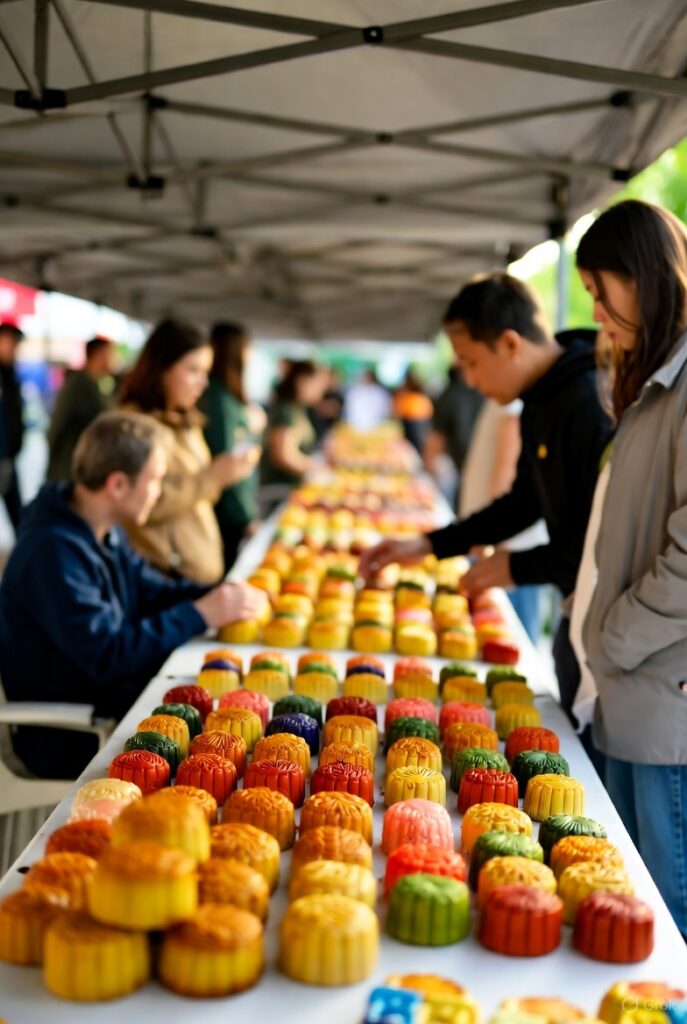
Anika is eight. She lives in a village with her mother and father. Every morning, she eats breakfast and goes to school. She likes to read and draw. After school, she helps her mother. She feeds the chickens and waters the flowers. In the evening, she plays with her friends. Anika is happy and loves her home.
______________________
Vocabulary:
a village – a small place where people live, not a city
mother – a woman who has children
father – a man who has children
morning – the time after night, before afternoon
to eat – to put food in your mouth
breakfast – the first meal in the morning
to like to read – to enjoy looking at books or stories
to draw – to make a picture with a pencil or pen
after school – the time when school is finished
to help – to do something for another person
to feed the chickens – to give food to the chickens
to water the flowers – to give water to the flowers
the evening – the time after afternoon, before night
to play with friends – to have fun with friends
to be happy – to feel good and smile
to love home – to feel good and safe at home
################
Answer:
EXAMPLE:
Is Anika eight or ten years old?
YOU WRITE:
She is eight years old.
Does she live in a village or in a city?
Does she live with her grandmother or with he mother and father?
Does she have breakfast in the morning or does she not have breakfast in the morning?
Does she go to school or to the park after breakfast?
does she like to reand and draw or to play in the park?
Doe she play with freinds after school or help her mother?
Does she feed the birds or the chickens?
Does she water she flowers or the trees in the garden?
Does she watch TV in the evening or play with her friends?
——————————-
Answers:
She lives in a village.
She lives with her mother and father.
She has breakfast in the morning.
She goes to school after breakfast.
She likes to read and draw.
She helps her mother after school.
She feeds the chickens.
She waters the flowers in the garden.
She plays with her friends in the evening.
#################
Correct the statements (see grammar above):
Anika is ten years old.
YOU WRITE:
Anika is not ten years old. She is eight years old.
Anika lives in a big city. __________________
She lives with her grandmother. __________________
She does not go to school. __________________
She does not like to read. __________________
She plays in the park after school. __________________
She feeds the dogs. __________________
She waters the trees. __________________
She watches TV in the evening. __________________
Anika is sad. __________________
—————————–
################
Correct answers:
1. Anika is not ten years old. She is eight years old.
2. Anika does not live in a big city. She lives in a village.
3. She does not live with her grandmother. She lives with her mother and father.
4. She does not skip school. She goes to school.
5. She does not dislike reading. She likes to read.
6. She does not play in the park after school. She helps her mother.
7. She does not feed the dogs. She feeds the chickens.
8. She does not water the trees. She waters the flowers.
9. She does not watch TV in the evening. She plays with her friends.
10. Anika is not sad. She is happy.
##################
Correct the follwoing questions:
Is Anika ten years old?
YOU WRITE:
No, she is not ten years old. She is eight years old.
Does Anika live in a big city? ________________________
Does she live with her grandmother? ________________________
Does she skip school? ________________________
Does she dislike reading? ________________________
Does she play in the park after school? ________________________
Does she feed the dogs? ________________________
Does she water the trees? ________________________
Does she watch TV in the evening? ________________________
Is Anika sad? ________________________
——————————– Correct answers:
No, Anika is not ten years old. She is eight years old.
No, Anika does not live in a big city. She lives in a village.
No, she does not live with her grandmother. She lives with her mother and father.
No, she does not skip school. She goes to school.
No, she does not dislike reading. She likes to read.
No, she does not play in the park after school. She helps her mother.
No, she does not feed the dogs. She feeds the chickens.
No, she does not water the trees. She waters the flowers.
No, she does not watch TV in the evening. She plays with her friends.
No, Anika is not sad. She is happy.
####################
Fill in, words below:
home – waters – father – morning – garden – eight – chickens – happy – read – school – after school – city – village – flowers
Anika is ______ years old.
She lives in a ______.
She lives with her mother and ______.
Every ______ she eats breakfast.
She goes to ______ after breakfast.
She likes to ______ and draw.
After ______, she helps her mother.
She gives food to the ______.
She ______ the flowers in the garden.
In the ______, she plays with her friends.
Anika is ______ and smiles a lot.
She loves her ______.
She does not live in a ______.
She helps her family in the ______.
Correct answers:
Anika is eight years old.
She lives in a village.
She lives with her mother and father.
Every morning she eats breakfast.
She goes to school after breakfast.
She likes to read and draw.
After school, she helps her mother.
She gives food to the chickens.
She waters the flowers in the garden.
In the evening, she plays with her friends.
Anika is happy and smiles a lot.
She loves her home.
She does not live in a city.
She helps her family in the garden.
###############
Fill in, words below:
mother – breakfast – flowers – chickens – eight – morning – village – draw -love – play
Interviewer: Hello, Anika! How old are you? Anika: I am __________ years old.
Interviewer: Where do you live? Anika: I live in a __________.
Interviewer: Who do you live with? Anika: I live with my __________ and father.
Interviewer: Do you go to school? Anika: Yes, I go to school.
Interviewer: What time do you wake up? Anika: I wake up in the __________.
Interviewer: What do you eat in the morning? Anika: I eat __________.
Interviewer: What do you like to do? Anika: I like to read and __________.
Interviewer: Do you help your brother? Anika: No, I help my mother.
Interviewer: What do you feed? Anika: I feed the __________.
Interviewer: Do you water the trees? Anika: No, I water the __________.
Interviewer: What do you do in the evening? Anika: I __________with my friends.
Interviewer: Are you happy? Anika: Yes, I am happy.
Interviewer: Do you like your home? Anika: Yes, I __________ my home.
Interviewer: Do you live in a city? Anika: No, I do not live in a city.
—————————– Correct version:
Interviewer: Hello, Anika! How old are you? Anika: I am eight years old.
Interviewer: Where do you live? Anika: I live in a village.
Interviewer: Who do you live with? Anika: I live with my mother and father.
Interviewer: Do you go to school? Anika: Yes, I go to school.
Interviewer: What time do you wake up? Anika: I wake up in the morning.
Interviewer: What do you eat in the morning? Anika: I eat breakfast.
Interviewer: What do you like to do? Anika: I like to read and draw.
Interviewer: Do you help your brother? Anika: No, I help my mother.
Interviewer: What do you feed? Anika: I feed the chickens.
Interviewer: Do you water the trees? Anika: No, I water the flowers.
Interviewer: What do you do in the evening? Anika: I play with my friends.
Interviewer: Are you happy? Anika: Yes, I am happy.
Interviewer: Do you like your home? Anika: Yes, I love my home.
Interviewer: Do you live in a city? Anika: No, I do not live in a city.
My name is Anika. I work at the front desk of a hotel. I like my job very much. I meet many people from different countries. Every day is new and interesting.
In the morning, I check the reservations. I prepare the front desk. When guests arrive, I welcome them with a smile. I help them check in and give them keys to their rooms. I tell them about the hotel and the city. I answer questions and give advice for sightseeing.
During the day, I talk to many guests. Some guests need help with rooms or taxis. Some guests ask about tickets. I like to help them fast. I also solve problems when something is wrong.
I like my job because I can make people happy. I try to remember their names. Sometimes I write a welcome note or give a small gift. Guests feel happy when I help them.
In the evening, I check reservations for the next day. I prepare the front desk again. I feel good when guests smile and say thank you. My job is not easy, but it is very nice. I like to meet people, help them, and make their stay special. _____________________
Vocabulary:
to meet people – to see and talk to new people
different countries – places that are not the same country
to be interesting – to make someone want to know more
to check reservations (hotel) – to look if a hotel room is booked
to prepare – to get ready for something
to arrive – to get to a place
a smile – when you show happiness with your mouth
to give advice – to tell someone what they should do
sightseeing – visiting places to see them
to need help – to want someone to help you
a ticket (museum) – a paper or card to go into a museum
to solve a problem – to find an answer to a problem
to make people happy – to do something that makes others feel good
to remember names – to not forget someone’s name
a welcome note – a short friendly message when someone arrives
a small gift – a little present
to make a stay in a hotel special – to do things that make someone enjoy their time in a hotel
################
Multiple-choice, one answer correct:
1. What does “to arrive” mean? a) to get to a place b) to show happiness c) to tell someone what to do
2. What is “a smile”? a) a little gift b) a happy face c) a paper to enter
3. What does “to meet people” mean? a) to see and talk b) to check a room c) to visit others
4. What is “a welcome note”? a) a short friendly message b) a note to start c) a kind small message
5. What does “to check reservations (hotel)” mean? a) to check a booking b) to see if booked c) to look a list
6. What is “a small gift”? a) a little present b) a tiny object c) a small token
7. What does “to give advice” mean? a) to tell someone b) to share a tip c) to offer help
8. What does “to prepare” mean? a) to get ready b) to plan ahead c) to make ready
9. What is “sightseeing”? a) to visit places b) to see famous buildings c) to look around
10. What does “to need help” mean? a) to want support b) to ask for aid c) to need someone
11. What is “a ticket (museum)”? a) an entry card b) a small ticket c) a pass for entry
12. What does “to solve a problem” mean? a) to find a way b) to fix an issue c) to answer a task
13. What does “to make people happy” mean? a) to cheer others b) to help someone c) to bring joy
14. What does “to remember names” mean? a) to recall names b) to keep names c) to memorize
15. What does “different countries” mean? a) many nations b) other states c) various lands
16. What does “to make a stay in a hotel special” mean? a) to make it nice b) to give a touch c) to make it fun
2. Water Conservation (Saves water for the planet)
Hotels use low-flow faucets and showers to reduce water use.
Guests can reuse towels and sheets to avoid unnecessary washing.
Rainwater harvesting collects rain for gardens, cleaning, or flushing toilets.
Examples:
A hotel in Bali asks guests to leave towels on racks if they want to use them again.
Some hotels in Europe have rainwater tanks to water gardens instead of using fresh water.
_______________________ Vocabulary:
a bright future – a good life in the future
water conservation – saving water and using less water
to save water – to use less water1 see one c answer, remember, 6-5-
a low-flow faucet – a tap that uses little water
to reduce water use – to use less water
to reuse towels – to use towels again
sheets (bed) – cloth on a bed
to avoid – not do something
unnecessary washing – washing when it is not needed
to harvest rainwater – to collect rainwater for use
to collect rain – to take rain and keep it
to flush toilets – to clean a toilet with water
towels on a rack – towels on a bar to dry or use again
a rainwater tank – a container to keep rainwater
######################
Water Conservation in Hotels
Water conservation helps save water for the planet. Hotels can use many ways to save water. One way is to have low-flow faucets and showers. These faucets and showers use less water than normal ones.
Guests can also help save water. They can reuse towels and sheets. If a guest wants to use a towel again, they can leave it on the rack. This way, the hotel does not wash it every day. Washing towels and sheets many times uses a lot of water.
Hotels can also collect rainwater. This is called rainwater harvesting. Rainwater can be used for gardens, cleaning, or flushing toilets. It is better than using fresh water for these purposes.
There are examples from different countries. A hotel in Bali asks guests to leave towels on the rack if they want to use them again. Some hotels in Europe have rainwater tanks. They use this water to water their gardens.
By using these methods, hotels save water and help the environment. Guests can also take part by reusing towels and sheets. Together, hotels and guests can reduce water use and protect the planet for the future.
________________________
Vocabulary:
to collect rainwater – to get rain and keep it for use
a purpose – a reason for doing something
the environment – the world around us, like nature, air, water, and land
to take part – to join in or do an activity
to protect the planet – to keep the Earth safe and clean
#################
Multiple choice, one answer correct:
What does water conservation mean? a) Using less water to save it b) Cleaning water carefully c) Throwing away water
What is a low-flow faucet? a) A tap that uses little water b) A tap that uses more water c) A very large water tank
What does to save water mean? a) Washing everything often b) Throwing water outside c) Using water carefully
What does to reuse towels mean? a) Using towels again b) Washing towels many times c) Leaving towels for others
What are sheets (bed)? a) Cloth that covers a bed b) A thin blanket c) Large towels for drying
What does unnecessary washing mean? a) Washing only when needed b) Washing clothes daily c) Cleaning things not needed
What does to harvest rainwater mean? a) Collecting rain for use b) Using rain for cooking c) Letting rain go to drains
What does to flush toilets mean? a) Using water to clean toilet b) Cleaning toilets with water c) Watering plants with flush
What are towels on a rack? a) Placing towels to reuse b) Towels in the washing machine c) Hanging towels to dry
What is a rainwater tank? a) A container for rain b) A tank to store water c) A small faucet for garden
What is a bright future? a) A good life later b) Many sunny days ahead c) A happy life ahead
What is the environment? a) Plants, air, and water b) Nature and surrounding world c) Buildings and roads
What is a purpose? a) A reason to do something b) Something to build with c) A goal for an action
What does to take part mean? a) Leaving an event b) Observing quietly only c) Joining an activity
What does to protect the planet mean? a) Keeping Earth safe and clean b) Cleaning your own room c) Reducing waste and pollution
What does to collect rain mean? a) Saving rain for later b) Drinking rain directly c) Gathering rainwater
What does to reduce water use mean? a) Controlling water usage b) Using less water c) Flushing less often
Hotels can save water by using a low-flow faucet in the bathroom.
We should always try to protect the planet to protect nature.
Guests can help the hotel by reusing their towels.
Farmers often harvest rainwater to water their fields.
Using fewer resources is part of water conservation.
It is smart to avoid washing sheets too often.
Every student should learn to take part in school projects.
A hotel can store rain in a rainwater tank to water the garden.
People should always try to protect the planet to keep the planet safe.
Guests are encouraged to hang their towels on a towel rack if they want to reuse them.
The main purpose of this workshop is to teach children about nature.
Turning off taps is an easy way to reduce water use at home.
Collecting rain in tanks is called harvesting rainwater.
We should always avoid wasting water during washing.
After using sheets in a hotel, staff can carefully handle the sheets.
It is important to turn on the tap only when needed to save water.
Everyone should care about the environment for future generations.
#################
Match the word to its correct definition:
Words:
to collect rainwater
a purpose
the environment
to take part
to protect the planet
a bright future
water conservation
to save water
a low-flow faucet
to reduce water use
to reuse towels
sheets (bed)
to avoid
unnecessary washing
to harvest rainwater
to collect rain
to flush toilets
towels on a rack
a rainwater tank
Definitions:
A. A container for storing rain B. Using less water to save it C. A reason for doing something D. Cloth that covers a bed E. Using towels again F. Collecting rain to use it later G. Keeping the Earth safe and clean H. Turning on the tap only when needed I. Washing only when necessary J. Joining an activity or event K. A good life later L. A tap that uses little water M. Plants, air, and water around us N. Collecting rain O. Hanging towels to reuse P. Using water carefully Q. Avoiding unnecessary actions R. Cleaning a toilet with water S. Reducing water usage
Ahou Daryaei wanted a __________ future. She joined a project to __________ the planet. Her purpose was to show people water -_________ and how to save water. At the small hotel, she explained a low-flow __________ and taught guests to reuse towels. They hung towels on a__________and learned that sheets (bed) should not be __________ unnecessarily. Everyone learned to collect rain, to _________ rainwater, and to use a rainwater tank. They also learned to __________ toilets carefully and to reduce water use. This helped the __________.
—————————————- Correct version:
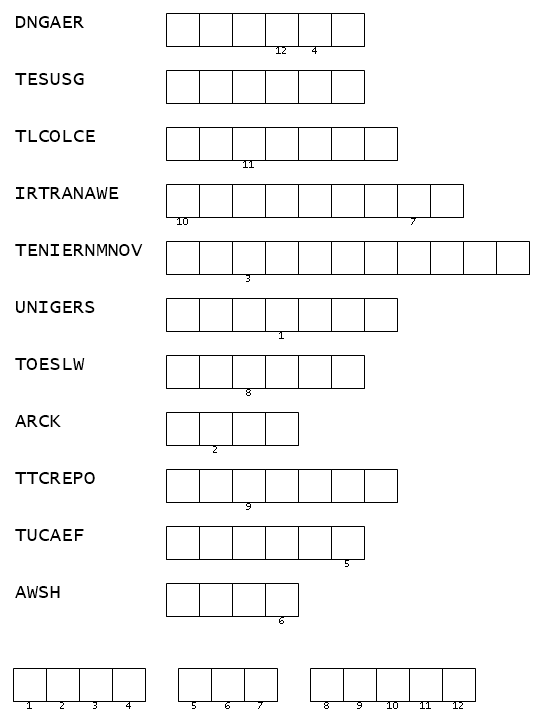
Ahou Daryaei wanted a bright future. She joined a project to protect the planet. Her purpose was to show people water conservation and how to save water. At the small hotel, she explained a low-flow faucet and taught guests to reuse towels. They hung towels on a rack and learned that sheets (bed) should not have unnecessary washing. Everyone learned to collect rain, to harvest rainwater, and use a rainwater tank. They also learned to flush toilets carefully and to reduce water use. This helped the environment. ################### Which phrase are we looking for – unscramble the words?
1. Energy Efficiency (Saves electricity and helps the environment)
Hotels use many ways to save electricity and help the environment.
LED and Energy-Saving Lights Hotels use LED lights or energy-saving bulbs instead of normal lights. LED lights use less electricity and last a long time. Examples:
A hotel in Singapore uses LED lights in all rooms and halls. It saves a lot of electricity.
In a hotel in Germany, corridor lights are very dim in the daytime to save energy.
A hotel in Japan uses LED lights in the garden and parking area. It saves money and energy.
Some hotels in France use small LED lamps in bathrooms to save electricity.
Solar Panels and Renewable Energy Solar panels give electricity from the sun. Hotels can use this electricity for lights, heating, or hot water. Examples:
A hotel in Bali uses solar panels to make electricity for the swimming pool and spa.
A hotel in California uses solar panels for hot water in all rooms.
A resort in Spain has solar panels for the kitchen and restaurant lights.
A hotel in Thailand heats water with solar panels for all rooms.
Smart Energy Systems Hotels use smart systems to save electricity. These systems turn off lights, air conditioning, or heating when nobody is in the room. Examples:
Motion sensors in hotel hallways turn off lights when no one is there.
Smart thermostats in rooms make the air conditioning turn off when guests leave.
A hotel in Dubai uses a smart system to control all lights and air conditioning from one computer.
Some hotels in Italy turn off lights automatically in empty meeting rooms.
Other Energy-Saving Ideas Hotels do more to save energy in small ways. Examples:
A hotel in Australia uses energy-saving elevators that stop when nobody is on the floor.
Some hotels use special windows to keep rooms cool in summer and warm in winter.
Hotels in Canada use timers for swimming pool lights to save electricity.
A hotel in India encourages guests to reuse towels and sheets, so washing machines use less electricity.
_______________________ Vocabulary:
a bright future – a good and happy time that is coming.
energy efficiency – using little energy to do something.
to save energy – to use less electricity, gas, or water.
the environment – the world around us: air, water, trees, animals, and people.
energy-saving lights – lamps that use less electricity.
to last a long time – to stay good for many years.
a corridor (hotel) – a long passage in a building or hotel.
dim lights – lights that are not very bright.
a solar panel – a flat device that takes energy from the sun.
renewable energy – energy that comes from nature, like the sun or wind.
a resort – a hotel where people go for holidays.
smart systems – machines or programs that work automatically.
to turn off lights – to make lights stop shining.
a motion sensor – a small machine that feels when someone moves.
a hallway – a long space inside a building.
a thermostat – a small device that controls temperature.
an elevator – a machine that takes people up or down in a building.
a timer – a small machine that turns something on or off at a set time.
to encourage guests – to make guests want to do something.
to reuse towels and sheets – to use towels and sheets again.
##################
Hotels use many ways to save electricity and help the environment. Energy efficiency is very important because it saves money and protects nature.
First, hotels use LED lights or energy-saving bulbs. These lights use less electricity and last a long time. For example, a hotel in Singapore uses LED lights in all rooms and hallways. In Germany, corridor lights are very dim in the daytime. A hotel in Japan uses LED lights in the garden and parking area. Some hotels in France use small LED lamps in bathrooms. All these ways save energy and money.
Second, hotels use solar panels. Solar panels give electricity from the sun. Hotels can use this electricity for lights, heating, or hot water. A hotel in Bali uses solar panels for the swimming pool and spa. A hotel in California uses solar panels for hot water in all rooms. A resort in Spain uses solar panels for the kitchen and restaurant lights. A hotel in Thailand heats water with solar panels for all rooms. Solar panels are good because they use clean energy.
Third, hotels use smart energy systems. Motion sensors turn off lights in hallways when nobody is there. Smart thermostats turn off air conditioning when guests leave. Some hotels in Dubai and Italy control lights and air conditioning from a computer.
Finally, hotels save energy in small ways. A hotel in Australia uses elevators that stop when nobody is on the floor. Special windows keep rooms cool in summer and warm in winter. Hotels in India ask guests to reuse towels and sheets.
In conclusion, hotels can save electricity in many ways. They help the environment, save money, and become more modern.
________________________
Some more vocabulary:
in conclusion – a phrase we say at the end to give the final idea.
to protect nature – to keep the world clean and safe for animals, plants, and people.
an LED light – a small light that uses little electricity.
an energy-saving bulb – a lamp that uses less electricity.
to last a long time – to stay good and work for many years.
clean energy – energy that does not make the air or water dirty.
smart energy systems – machines that help save energy automatically.
##################
Multiple-choice test, one answer correct:
a bright future a) a good time that will come b) a big light in the room c) a clean place outside
energy-saving lights a) lights that work with batteries b) lights that use less power c) lights that change color
a corridor a) a place to keep towels b) a long passage in a building c) a big hotel room
a solar panel a) a device that gets energy from the sun b) a machine that gives light c) a strong window
renewable energy a) energy that is cheap b) energy that comes from nature c) energy that is only for hotels
smart systems a) people who know a lot b) machines that work by themselves c) machines that are very fast
a motion sensor a) a light for dark rooms b) a machine that feels movement c) a camera for hotels
a hallway a) a door between two rooms b) a place to eat in a hotel c) a long space inside a building
an elevator a) a machine that moves people up and down b) a kind of chair c) a machine that cleans the floor
a timer a) a device that shows the time b) a clock in the hallway c) a device that turns things on or off at a set time
to encourage guests a) to make guests want to do something b) to give guests food c) to welcome guests at the door
to reuse towels and sheets a) to make new towels and sheets b) to use towels and sheets again c) to wash towels and sheets every day
to protect nature a) to keep animals at home b) to make a park bigger c) to keep the world clean and safe
an LED light a) a big hotel light b) a small light that uses little energy c) a light with many colors
an energy-saving bulb a) a lamp that uses gas b) a lamp that works with water c) a lamp that uses less electricity
to turn off lights a) to make the lights stop shining b) to change the color of lights c) to make the lights brighter
a thermostat a) a machine that controls the temperature b) a machine that gives hot water c) a device that shows the weather
dim lights a) lights that are green b) lights that are broken c) lights that are not very bright ——–end of audio——–
to save energy a) to use less power b) to make power at home c) to keep the lights on
clean energy a) energy that is very cheap b) energy that doesn’t make the air dirty c) energy that works at night only
in conclusion a) at the beginning of something b) in the middle of a talk c) at the end of a text or speech
a bright future – that means: a good time that will come
energy-saving lights – that means: lights that use less power
a corridor – that means: a long passage in a building
a solar panel – that means: a device that gets energy from the sun
renewable energy – that means: energy that comes from nature
smart systems – that means: machines that work by themselves
a motion sensor – that means: a machine that feels movement
a hallway – that means: a long space inside a building
an elevator – that means: a machine that moves people up and down
a timer – that means: a device that turns things on or off at a set time
to encourage guests – that means: to make guests want to do something
to reuse towels and sheets – that means: to use towels and sheets again
to protect nature – that means: to keep the world clean and safe
an LED light – that means: a small light that uses little energy
an energy-saving bulb – that means: a lamp that uses less electricity
to turn off lights – that means: to make the lights stop shining
a thermostat – that means: a machine that controls the temperature
dim lights – that means: lights that are not very bright
to save energy – that means: to use less power
clean energy – that means: energy that doesn’t make the air dirty
in conclusion – that means: at the end of a text or speech
###########################
Match the word with its correct definition:
Words:
energy efficiency
to last a long time
the environment
a resort
smart energy systems
energy-saving lights
an energy-saving bulb
to protect nature
clean energy
to save energy
to turn off lights
to encourage guests
to reuse towels and sheets
in conclusion
a motion sensor
Definitions:
A. ___ machines that help save energy automatically. B. ___ energy that does not make the air or water dirty. C. ___ to keep the world clean and safe for animals, plants, and people. D. ___ a hotel where people go for holidays. E. ___ to use less electricity, gas, or water. F. ___ to use towels and sheets again. G. ___ lamps that use less electricity. H. ___ to make the lights stop shining. I. ___ at the end of a text or speech. J. ___ a lamp that uses less electricity. K. ___ to make guests want to do something. L. ___ the world around us: air, water, plants, animals, and people. M. ___ to stay good and work well for many years. N. ___ a small machine that feels when someone moves. O. ___ using little energy to do something.
Hotels reduce plastic use, like bottles, straws, and bags.
They provide recycling bins for paper, plastic, glass, and metals.
Food waste can be composted or used to feed animals.
Examples:
Guests in a hotel in Spain use refillable shampoo and soap bottles instead of small plastic ones.
Hotels in Japan separate waste carefully for recycling.
4. Sustainable Sourcing (Helps local people and nature)
Hotels buy food, furniture, and products locally to reduce transportation and support the local economy.
They choose eco-friendly materials like bamboo or recycled wood.
Tourists can buy local crafts to support small businesses.
Examples:
A hotel in Cambodia buys vegetables from nearby farmers instead of importing from another country.
Hand-made souvenirs in a hotel shop help villagers earn money.
5. Eco-Tourism Experiences (Learn about nature and culture)
Tours teach about nature, wildlife, and local culture.
Activities help protect the environment or support the local community.
Guests can plant trees, feed animals, or learn traditional crafts.
Examples:
Tourists in Costa Rica plant trees in a rainforest conservation project.
Visitors in a Cambodian village learn how to make traditional baskets or pottery.
6. Green Certifications (Show the hotel is eco-friendly)
Hotels get certificates like Green Key, EarthCheck, or LEED to show they are environmentally responsible.
Certifications increase trust for tourists and encourage sustainable travel.
Examples:
A hotel with the Green Key certificate in Europe shows that it saves water, electricity, and reduces waste.
Certified hotels promote their eco-friendly programs to attract guests who care about the environment.
7. Guest Engagement (Tourists help protect the planet)
Hotels educate guests about eco-friendly practices.
Guests can join programs, like planting a tree for each booking or cleaning beaches.
Small actions by guests help hotels save energy, water, and reduce waste.
Examples:
Guests in Thailand are asked to turn off lights and air conditioning when leaving the room.
A hotel in Kenya offers tourists the chance to help plant trees in a local community.
#####################
Cheat sheet:
Topic
What it Means
Examples / Actions
1. Energy Efficiency
Hotels save electricity and reduce pollution.
– Use LED lights instead of regular bulbs. – Install solar panels to get power from the sun. – Smart room systems: lights and AC turn off when guests leave. – Energy-saving appliances in kitchens and laundry.
2. Water Conservation
Hotels use water carefully and avoid waste.
– Install low-flow taps, showers, and toilets. – Encourage guests to reuse towels and bed sheets. – Collect rainwater for gardens or cleaning. – Fix leaks quickly to save water.
3. Waste Reduction
Hotels produce less garbage and recycle.
– Remove single-use plastics like straws, bottles, and bags. – Place recycling bins in rooms and public areas. – Compost food waste to feed plants. – Use reusable containers for toiletries.
4. Sustainable Sourcing
Hotels buy local products and help the community.
– Buy food from nearby farms instead of far-away suppliers. – Use eco-friendly furniture or materials. – Sell local crafts and souvenirs to guests. – Hire local staff to support the community.
5. Eco-Tourism Experiences
Guests enjoy nature and culture responsibly.
– Offer tours to villages, farms, and natural parks. – Include activities like tree planting or wildlife watching. – Teach guests local customs, crafts, or traditions. – Avoid tours that harm animals or the environment.
6. Green Certifications
Shows the hotel is eco-friendly and trustworthy.
– Hotels can get Green Key, EarthCheck, or LEED certifications. – Promote eco-friendly practices to attract guests. – Use certificates in marketing and websites.
7. Guest Engagement
Guests help hotels protect the environment.
– Inform guests about recycling and energy-saving tips. – Offer programs like “plant a tree for each booking.” – Ask guests to turn off lights, AC, and water when leaving rooms. – Provide eco-friendly amenities like refillable bottles.
💡 Extra notes and examples:
A hotel could save thousands of liters of water per year if guests reuse towels.
Some hotels give discounts to guests who join eco-programs.
Eco-tourism experiences can include fishing with local fishermen, cooking local meals, or learning traditional crafts—without harming nature.
Green certifications are often displayed as stickers, signs, or online badges, making tourists trust the business more.
Last year, a man stayed in a small hotel. He wanted a quiet and comfortable vacation, but everything went wrong. The hotel looked nice outside, but the room was very different. The first problem was the fridge. It was very dirty and full of old food. The man tried to clean it, but it was difficult.
Next, he tried to take a shower. The water was very cold. He waited a long time, but it never became warm. He tried to wash quickly, but he felt very cold. The towel was also very small and old.
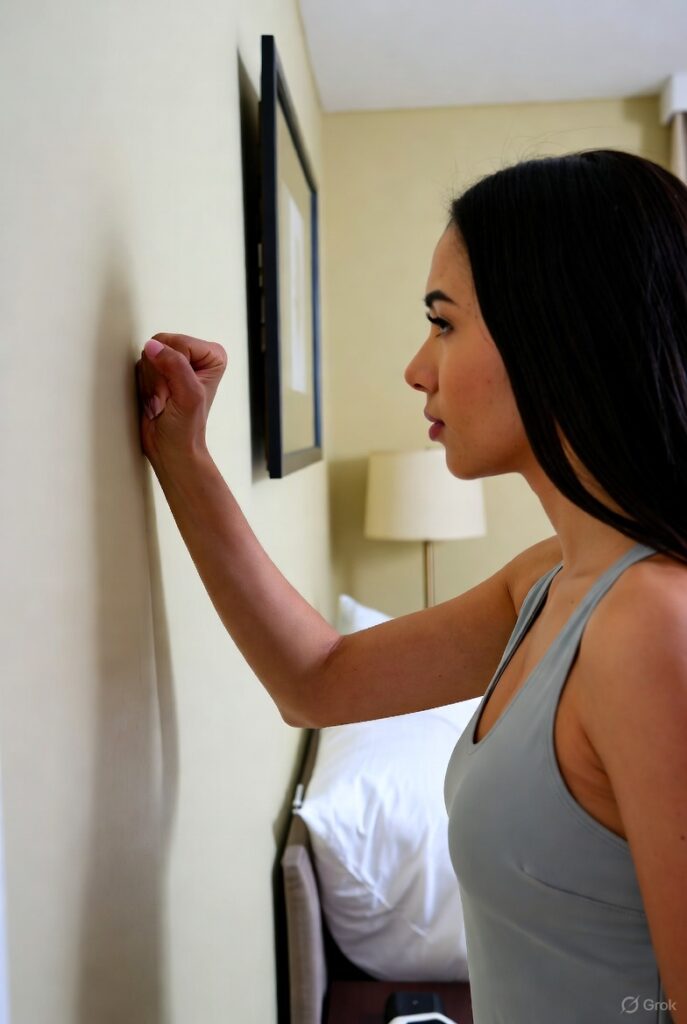
The bed was not comfortable. The mattress was very soft in some places and hard in other places. The pillow was flat and thin. He could not sleep well at night. There was also a loud noise in the hotel. The neighbors were very noisy, and the walls were very thin.
In the morning, he went to eat breakfast. The coffee was cold, and the bread was hard. He tried to eat slowly, but it was difficult.
Even with all these problems, he tried to enjoy the hotel. He walked outside and saw a nice garden. He took photos and smiled. At the end of his stay, he was tired but happy because he could laugh 17172
at all the problems.
__________________________
Vocabulary:
to stay in a hotel – to live in a hotel for a short time
a fridge – a box to keep food and drinks cold
dirty – not clean
to clean – to make something not dirty
to take a shower – to wash your body under water
to wash – to make clean
to feel cold – when your body is very cold
a towel – a piece of cloth to dry your body
to be comfortable – to feel relaxed and happy
a mattress – the soft part of a bed to sleep on
a pillow – a soft thing for your head on the bed
flat – not soft or thick
a neighbor – a person who lives near you
to be noisy – to make a lot of loud sounds
even – also, or in addition
to enjoy – to feel happy doing something
to be tired – to feel you need rest or sleep
to laugh at problems – to find problems funny and not sad
##################
Vocabulary test:
1. To stay in a hotel means: a) to live in a hotel for a short time b) to sleep in a bed every night c) to visit the hotel every morning
2. A fridge is: a) a small table to put your food on b) a box to keep food and drinks cold c) a place to store clothes and shoes
3. Dirty means: a) very soft and easy to sleep on b) not clean or very messy inside c) very cold and hard to touch
4. To clean means: a) to make something not dirty again b) to move furniture around the room c) to put objects into different boxes
5. To take a shower means: a) to sit and rest for a few minutes b) to wash your body with warm water c) to drink water from a glass or bottle
6. To wash means: a) to sleep for a long time at night b) to open doors and windows carefully c) to make something clean or tidy now
7. To feel cold means: a) your bed and pillow are very comfortable b) your body is very cold and unhappy c) your hands and feet are very soft
8. A towel is: a) a soft object to lie on when sleeping b) a piece of paper to clean small objects c) a cloth to dry your body after shower
9. To be comfortable means: a) to feel very hungry or thirsty today b) to feel relaxed and happy in a place c) to feel sleepy and lie down at night
10. A mattress is: a) the soft part of a bed to sleep on b) a flat surface to place books or bags c) a small cloth used to dry your hands
11. A pillow is: a) a flat object to cover your body b) a soft thing to put your head on c) a piece of cloth to clean the table
12. Flat means: a) very warm or very cold at the same time b) not soft, not thick, and very thin c) very large or very long in one part
13. A neighbor is: a) a person who lives near your house b) a person who travels to another city c) a person who works far from your street
14. To be noisy means: a) to close the doors very carefully slowly b) to make many loud sounds near you c) to speak quietly to a friend nearby ———end of audio———
15. Even means: a) very quickly, faster than everyone else b) also, in addition to other things c) sometimes, but not very often at all
16. To enjoy means: a) to feel sad when things are not good b) to feel very tired after hard work c) to feel happy when doing something
17. To be tired means: a) to feel you need rest or sleep now b) to feel cold and want a warm blanket c) to feel very happy about everything
18. To laugh at problems means: a) to cry when small mistakes happen often b) to worry about every small problem now c) to find problems funny, not serious
_________________________
Answers:
1.a, 2. b, 3. b, 4. a, 5. b, 6. c, 7. b, 8. c, 9. b, 10. a, 11. b, 12. b, 13. a, 14. b, 15. b, 16. c, 17. a, 18. c ________________________
To stay in a hotel means – to live in a hotel for a short time
A fridge is – a box to keep food and drinks cold
Dirty means – not clean or very messy inside
To clean means – to make something not dirty again
To take a shower means – to wash your body with warm water
To wash means – to make something clean or tidy now
To feel cold means – your body is very cold and unhappy
A towel is – a cloth to dry your body after shower
To be comfortable means – to feel relaxed and happy in a place
A mattress is – the soft part of a bed to sleep on
A pillow is – a soft thing to put your head on
Flat means – not soft, not thick, and very thin
A neighbor is – a person who lives near your house
To be noisy means – to make many loud sounds near you
Even means – also, in addition to other things
To enjoy means – to feel happy when doing something
To be tired means – to feel you need rest or sleep now
To laugh at problems means – to find problems funny, not serious
####################
Gap-Fill Exercise:
I like to ______ in a nice hotel when I travel. a) stay b) cook c) write
The food is warm because the ______ is not working. a) bed b) fridge c) pillow
The room was very ______, so I had to clean it. a) dirty b) noisy c) flat
I need to ______ my hands before I eat. a) clean b) take a shower c) enjoy
Every morning I ______ to feel fresh. a) sleep b) laugh c) wash
It is very cold today. I ______ cold. a) feel b) enjoy c) take
After the shower, I dry myself with a ______. a) mattress b) pillow c) towel
I want to sit on a soft chair and be ______. a) comfortable b) dirty c) flat
The bed has a soft ______ to sleep on. a) ridge b) mattressf c) towel
I put my head on a soft ______ to sleep. a) pillow b) neighbor c) towel
The floor is very ______. You can walk on it easily.. a) flat b) comfortable c) dirty
My ______ is very loud. He always plays music. a) mattress b) neighbor c) towel
The children are very loud. They are ______. a) comfortable b) clean c) noisy
I like to ______ my holiday in the mountains. It is amazing! a) enjoy b) clean c) laugh
I am very tired. I need to ______. a) enjoy b) sleep c) clean
I always take a ______ in the morning. a) pillow b) shower c) mattress
I always help to ______ the room before guests arrive. a) laugh b) enjoy c) clean
I feel happy because I can ______ my problems and smile. a) wash b) laugh at c) sleep
——————————
Answers:
1.a, 2. b, 3. a, 4. a, 5. c, 6. a, 7. c, 8. a, 9. b, 10. a, 11. a, 12. b, 13. c, 14. a, 15. b, 16. b, 17. c, 18. b —————————–
Correct answers:
I like to stay in a nice hotel when I travel.
The food is warm because the fridge is not working.
The room was very dirty, so I had to clean it.
I need to clean my hands before I eat.
Every morning I sleep to feel fresh.
It is very cold today. I feel cold.
After the shower, I dry myself with a towel.
I want to sit on a soft chair and be comfortable.
The bed has a soft mattress to sleep on.
I put my head on a soft pillow to sleep.
The street is very flat. It is easy to walk on.
My neighbor is very loud. He always plays music.
The children are very noisy.
I like to enjoy my holiday in the mountains. It is amazing!
I am very tired. I need to sleep.
I always take a shower in the morning.
I always help to clean the room before guests arrive.
I feel happy because I can laugh at my problems and smile.
####################
Make the following sentences into a) negative statement b) a question c) a negative question
Statements – some grammer exercise, follow instructions below:
I stayed in a hotel last week.
I cleaned the room after arrival.
I used a towel after the shower.
I washed my hands before eating.
I put my head on a soft pillow.
I slept on a hard mattress.
I opened the broken fridge carefully.
I laughed at my small problems.
I enjoyed my short holiday.
I listened to my noisy neighbor.
_____________________
1. I stayed in a hotel last week.
YOU WRITE:
a) I did not stay in a hotel last week. b) Did I stay in a hotel last week? c) Didn’t i stay in a hotel last week?
I stayed in a hotel last week.
I cleaned the room after arrival.
a) __________________ b) __________________ c) __________________
I used a towel after the shower.
a) __________________ b) __________________ c) __________________
I washed my hands before eating.
a) __________________ b) __________________ c) __________________
I put my head on a soft pillow.
a) __________________ b) __________________ c) __________________
I slept on a hard mattress.
a) __________________ b) __________________ c) __________________
I opened the broken fridge carefully.
a) __________________ b) __________________ c) __________________
I laughed at my small problems.
a) __________________ b) __________________ c) __________________
I enjoyed my short holiday.
a) __________________ b) __________________ c) __________________
I listened to my noisy neighbor.
a) __________________ b) __________________ c) __________________
—————————— Correct answers:
2. I cleaned the room after arrival.
a) I did not clean the room after arrival. b) Did I clean the room after arrival? c) Didn’t I clean the room after arrival?
3. I used a towel after the shower.
a) I did not use a towel after the shower. b) Did I use a towel after the shower? c) Didn’t I use a towel after the shower?
4. I washed my hands before eating.
a) I did not wash my hands before eating. b) Did I wash my hands before eating? c) Didn’t I wash my hands before eating?
5. I put my head on a soft pillow.
a) I did not put my head on a soft pillow. b) Did I put my head on a soft pillow? c) Didn’t I put my head on a soft pillow?
6. I slept on a hard mattress.
a) I did not sleep on a hard mattress. b) Did I sleep on a hard mattress? c) Didn’t I sleep on a hard mattress?
7. I opened the broken fridge carefully.
a) I did not open the broken fridge carefully. b) Did I open the broken fridge carefully? c) Didn’t I open the broken fridge carefully?
8. I laughed at my small problems.
a) I did not laugh at my small problems. b) Did I laugh at my small problems? c) Didn’t I laugh at my small problems?
9. I enjoyed my short holiday.
a) I did not enjoy my short holiday. b) Did I enjoy my short holiday? c) Didn’t I enjoy my short holiday?
10. I listened to my noisy neighbor.
a) I did not listen to my noisy neighbor. b) Did I listen to my noisy neighbor? c) Didn’t I listen to my noisy neighbor?
###############
Form questions to which the word/s given is/are the answer:
I stayed in a small hotel last week.
YOU WRITE:
a) I: Who stayed in a small hotel last week? b) stayed in a hotel: What did I do last week? c) in a small hotel: Where did I stay last week? d) last week; When did I stay in a small hotel? d) small: In which hotel did I stay last week?
I cleaned the messy room yesterday. a) I: b) cleaned the messy room: c) the messy room: d) messy: e) yesterday:
I used a soft towel after the shower. a) I: b) used a towel: c) a soft towel: d) soft: e) after the shower:
I washed my dirty hands before lunch. a) I: b) washed my dirty hands: c) my dirty hands: d) before kunch:
I listened to my noisy neighbor last night. a) I: b) listened to my noisy neighbor: c) my noisy neighbor d) last night: e) last:
———————————–
Correct answers:
1. I stayed in a small hotel last week.
Who stayed in a small hotel last week?
What did I do last week?
Where did I stay last week?
When did I stay in a small hotel?
What kind of hotel did I stay in?
2. I cleaned the messy room yesterday.
Who cleaned the messy room yesterday?
What did I do yesterday?
What did I clean?
What kind of/Which room did I clean?
When did I clean the messy room?
3. I used a soft towel after the shower.
Who used a soft towel after the shower?
What did I do after the shower?
What did I use after the shower?
What kind of/Which towel did I use?
When did I use the towel?
4. I washed my dirty hands before lunch.
Who washed their dirty hands before lunch?
What did I do before lunch?
What did I wash before lunch?
What kind of/ Which hands did I wash?
When did I wash my hands?
5. I listened to my noisy neighbor last night.
Who listened to the noisy neighbor last night?
What did I do last night?
Who did I listen to last night?
What kind of/Which neighbor did I listen to?
When did I listen to my neighbor?
###############
Statements, correct them:
I stayed in a large hotel last week.
I cleaned the garden after arrival.
I used a hard towel after the shower.
I washed my clean hands before lunch.
I put my head on a hard mattress.
I slept on a soft pillow.
I opened the fridge carefully without problems.
I laughed at my big problems.
I enjoyed my very long holiday.
I listened to a quiet neighbor last night.
_______________________
I stayed in a large hotel last week.
YOU WRITE: I did not stay in a large hotel last week. I stayed in a small hotel last week.
I used a hard towel after the shower. ____________________________
I washed my clean hands before lunch. ____________________________
I put my head on a hard mattress. ____________________________
I slept on a soft pillow. ____________________________
I opened the fridge carefully without problems.
I laughed at my big problems. ____________________________
I enjoyed my very long holiday. ____________________________
I listened to a quiet neighbor last night. ____________________________
—————————
Correct answers (audio file below)
I did not use a hard towel after the shower. I used a soft towel after the shower.
I did not wash my clean hands before lunch. I washed my dirty hands before lunch.
I did not put my head on a hard mattress. I put my head on a soft pillow.
I did not sleep on a soft pillow. I slept on a hard mattress.
I did not open the fridge carefully without problems. I opened the broken fridge carefully.
I did not laugh at my big problems. I laughed at my small problems.
I did not enjoy my very long holiday. I enjoyed my short holiday.
I did not listen to a quiet neighbor last night. I listened to my noisy neighbor last night.
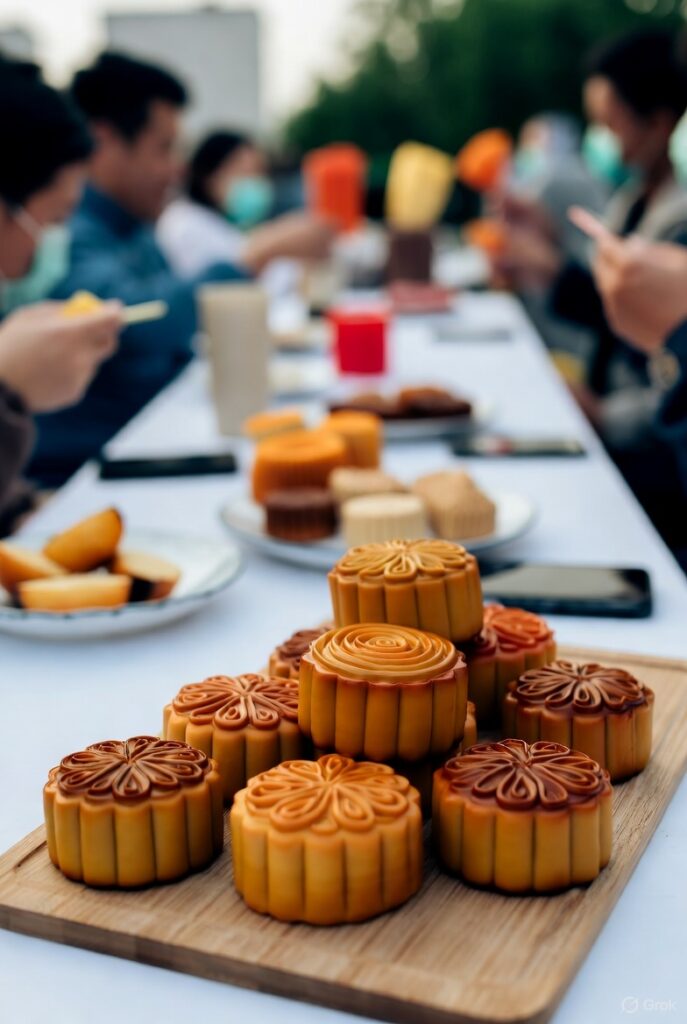
This year, on October 6, I celebrated the Moon Cake Festival in Cambodia. It is also called the Mid-Autumn Festival. Many Chinese and Vietnamese families celebrate it. I gave mooncakes to my family. Mooncakes are round cakes. They have sweet or salty filling. Some have red bean paste, lotus seed paste, or salted egg yolk. I ate mooncakes with my family. I liked them very much.
I also made offerings to the moon. I put fruits, mooncakes, and incense on a small table. I looked at the full moon. The moon was big, round, and bright. I felt happy with my family.
I carried a colorful lantern. My lantern was shaped like a star. Children and families walked with lanterns. The streets looked very beautiful at night. Many people laughed and took photos.
In some places, I saw lion and dragon dances. They were loud and exciting. I clapped and watched them carefully. Some dancers wore bright costumes.
Even if the Moon Cake Festival is not a national holiday in Cambodia, I enjoyed it very much. I spent time with my family, ate mooncakes, carried a lantern, and watched the dances. It was a very happy day. I felt joy and peace. I hope I can celebrate it again next year.
____________________
Vocabulary:
a cake – food made from flour, sugar, and eggs, often sweet.
autumn – the season after summer and before winter; leaves fall.
to celebrate – to do something special for a happy event.
mooncakes – round cakes eaten during the Mid-Autumn Festival.
a sweet filling – a soft, sugary part inside food.
salty – food that tastes like salt.
a red bean paste – soft food made from red beans and sugar.
a lotus seed paste – soft food made from lotus seeds and sugar.
a salted egg yolk – the yellow part of an egg, salty in taste.
to make offerings – to give food or gifts to gods, spirits, or ancestors.
the moon – the big round object in the sky at night.
bright – giving a lot of light.
a lantern – a light in a paper or metal holder.
to be shaped like a star – to have the form of a star.
a lion and dragon dance – a traditional dance with lion or dragon costumes.
to be exciting – to feel happy and full of energy.
to clap – to hit your hands together to show happiness or applause.
to wear a costume – to put on special clothes for a party or performance.
to enjoy – to feel happy doing something.
to feel joy – to feel very happy.
peace – a calm and safe feeling; no fighting.
###################
Verbs (infinitive, past tense form)
to celebrate – celebrated
to call – called
to give – gave
to have – had
to eat – ate
to like – liked
to make – made
to put – put
to look – looked
to be – was/were
to feel – felt
to carry – carried
to shape – was shaped
to walk – walked
to laugh – laughed
to take – took
to see – saw
to clap – clapped
to watch – watched
to wear – wore
to enjoy – enjoyed
to spend – spent
to hope – hoped
to can – could
#################
Multiple choice, one answer correct:
1. a cake a) food made from flour and sugar b) a small red fruit to eat c) a toy to play with
2. autumn a) a hot summer day outside b) the season after summer c) the first season of year
3. to celebrate a) to sleep in the bed b) to do something happy c) to cook food for friends
4. mooncakes a) a small fruit to eat b) a toy for children play c) round cakes for a festival
5. a sweet filling a) hard candy inside food b) a soft sugary part inside food c) a salty piece in food
6. salty a) food that has no taste b) food that is very sweet c) food that has salt
7. a red bean paste a) soft food from red beans b) small sweet candy piece c) fried meat with sauce
8. a lotus seed [small part of a plant that can grow into a new plant] paste a) green food for cooking b) soft food from lotus seeds c) a soft piece of bread
9. a salted egg yolk a) white part of an egg b) yellow part of an egg c) a sweet yellow fruit
10. to make offerings a) to give food or gifts b) to eat food alone c) to buy food in shop
11. the moon a) small bright star in sky b) big round object in sky c) the sun in daytime sky
12. bright a) very dark and not bright b) gives a lot of light c) small and hard to hold
13. a lantern a) light in paper or metal b) a small sweet food c) soft toy for children
14. to be shaped like a star a) to have star form b) to be round like ball c) to be soft and sweet
15. a lion and dragon dance a) song people sing at night b) a kind of sport game c) dance in lion or dragon costumes
16. to be exciting a) to feel happy and fun b) to feel tired and sleep c) to feel hungry and thirsty
——————–end of audio—————
17. to clap a) to hit hands together b) to shout very loud c) to run very quickly
18. to wear a costume a) to sleep in the bed b) to eat food at table c) to put on special clothes
19. to enjoy a) to feel happy with it b) to feel sad about it c) to walk slowly outside
20. to feel joy a) to feel tired and sad b) to feel very happy c) to feel cold outside
21. peace a) a fight or argument b) a loud noise outside c) a calm and safe feeling
Families celebrate the festival with music and dancing.
People clap their hands to make a sound.
Some mooncakes have a red bean paste filling made from beans.
Children like to make offerings a star-shaped lantern.
The lion and dragon dance is very exciting.
Families put food on a small table to make offerings to the moon.
The autumn season comes after summer.
People wear bright clothes or a costume during the festival.
I feel happy and have joy when I see the full moon.
Mooncakes are round, with soft sweet or salty filling.
The festival is fun and exciting to watch.
Some mooncakes have a soft lotus seed paste made from seeds.
People like to enjoy the festival together with family.
###################
Match the word to its definition:
Words:
cake
autumn
celebrate
mooncakes
sweet filling
salty
red bean paste
lantern
yolk
costume
joy
peace
carry
exciting
Definitions:
a) the yellow part of an egg b) a season after summer c) to do something happy for a special day d) small parts of a plant that can grow e) round cakes eaten at a festival f) a light in paper or metal g) a soft sugary part inside food h) to move something from one place to another i) a fun feeling or happy feeling j) food that tastes like salt k) to feel happy and full of fun l) soft food made from red beans m) special clothes for a party or show n) a sweet baked food made from flour and sugar
Affirmative: I celebrated the Moon Cake Festival yesterday.
You write: Negative: I did not celebrate the Moon Cake Festival yesterday.
Yes/No Question: Did I celebrate the Moon Cake Festival yesterday?
Negative Question: Didn’t I celebrate the Moon Cake Festival yesterday?
Example 2
Affirmative: I gave mooncakes to my family. Negative: __________________________ Yes/No Question: __________________________? Negative Question: __________________________?
Example 3
Affirmative: I looked at the full moon. Negative: _________________________ Yes/No Question: _________________________? Negative Question: _________________________?
Example 4
Affirmative: I carried a colorful lantern. Negative: _________________________. Yes/No Question: _________________________? Negative Question: _________________________?
Example 5
Affirmative: I felt joy and peace with my family. Negative: _________________________ Yes/No Question: _________________________? Negative Question: _________________________?
_______________________
Correct answers:
Example 1
Affirmative: I celebrated the Moon Cake Festival yesterday. Negative: I did not celebrate the Moon Cake Festival yesterday. Yes/No Question: Did I celebrate the Moon Cake Festival yesterday? Negative Question: Didn’t I celebrate the Moon Cake Festival yesterday?
Example 2
Affirmative: I gave mooncakes to my family. Negative: I did not give mooncakes to my family. Yes/No Question: Did I give mooncakes to my family? Negative Question: Didn’t I give mooncakes to my family?
Example 3
Affirmative: I looked at the full moon. Negative: I did not look at the full moon. Yes/No Question: Did I look at the full moon? Negative Question: Didn’t I look at the full moon?
Example 4
Affirmative: I carried a colorful lantern. Negative: I did not carry a colorful lantern. Yes/No Question: Did I carry a colorful lantern? Negative Question: Didn’t I carry a colorful lantern?
Example 5
Affirmative: I felt joy and peace with my family. Negative: I did not feel joy and peace with my family. Yes/No Question: Did I feel joy and peace with my family? Negative Question: Didn’t I feel joy and peace with my family?
###############
Statement is incorrect, you correct:
I gave mooncakes to strangers in the street.
YOOU WRITE: a) No, I didn’t give mooncakes to strangers in the street. b) I gave mooncakes to my family.
I looked at the full moon in the morning. a) _________________________ b) _________________________
I ate mooncakes with my dog. a) _________________________ b) _________________________
Children wore bright costumes all by themselves. a) _________________________ b) _________________________
People gave mooncakes to trees. a) _________________________ b) _________________________
I made a dragon dance alone. a) _________________________ b) _________________________
Families spent the festival alone at home. a) _________________________ b) _________________________
I carried the moon in my hands. a) _________________________ b) _________________________
Mooncakes grew on trees. a) _________________________ b) _________________________
I cooked red bean paste in water. a) _________________________ b) _________________________
_______________________
Correct version:
I gave mooncakes to strangers in the street. No, I didn’t give mooncakes to strangers in the street. I gave mooncakes to my family.
I looked at the full moon in the morning. No, I didn’t look at the full moon in the morning. I looked at the full moon at night.
I ate mooncakes with my dog. No, I didn’t eat mooncakes with my dog. I ate mooncakes with my family.
Children wore bright costumes all by themselves. No, children didn’t wear bright costumes all by themselves. Some dancers wore bright costumes.
People gave mooncakes to trees. No, people didn’t give mooncakes to trees. They gave mooncakes to their family.
I made a dragon dance alone. No, I didn’t make a dragon dance alone. I watched the lion and dragon dances.
Families spent the festival alone at home. No, families didn’t spend the festival alone at home. They spent time together with their family.
I carried the moon in my hands. No, I didn’t carry the moon in my hands. I looked at the full moon.
Mooncakes grew on trees. No, mooncakes didn’t grow on trees. People made and baked mooncakes.
I cooked red bean paste in water. No, I didn’t cook red bean paste in water. I ate mooncakes with red bean paste.
##################
Fill in, use proper past tense form:
I _______ the Moon Cake Festival with my family. (celebrate)
I _______ mooncakes to my family. (give)
I _______ mooncakes with my family. (eat)
I _______ offerings of fruits and mooncakes to the moon. (make)
I _______ at the full moon. (look)
I _______ a colorful lantern. (carry)
Children _______ with lanterns in the streets. (walk)
People _______ their hands at the lion and dragon dance. (clap)
Some dancers _______ bright costumes. (wear)
I _______ joy and peace with my family. (feel)
I _______ a star-shaped lantern. (carry)
I _______ the lion and dragon dances carefully. (watch)
I _______ red bean paste and lotus seed paste in the mooncakes. (put)
Children _______ lanterns in the streets. (bring)
———————————–
Correct version:
I celebrated the Moon Cake Festival with my family.
I gave mooncakes to my family.
I ate mooncakes with my family.
I made offerings of fruits and mooncakes to the moon.
I looked at the full moon.
I carried a colorful lantern.
Children walked with lanterns in the streets.
People clapped their hands at the lion and dragon dance.
Some dancers wore bright costumes.
I felt joy and peace with my family.
I carried a star-shaped lantern.
I watched the lion and dragon dances carefully.
I put red bean paste and lotus seed paste in the mooncakes.
Children brought lanterns in the streets.
——————————— Now use these sentences and make them negative:
Example: I celebrated the Moon Cake Festival with my family. YOU WRITE: I did not celebrate the Moon Cake Festival with my family.
I celebrated the Moon Cake Festival with my family. __________________________________
I gave mooncakes to my family. __________________________________
I ate mooncakes with my family. __________________________________
I made offerings of fruits and mooncakes to the moon. __________________________________
I looked at the full moon. __________________________________
I carried a colorful lantern. __________________________________
Children walked with lanterns in the streets. __________________________________
People clapped their hands at the lion and dragon dance. __________________________________
Some dancers wore bright costumes. __________________________________
I felt joy and peace with my family. __________________________________
I carried a star-shaped lantern. __________________________________
I watched the lion and dragon dances carefully. __________________________________
I put red bean paste and lotus seed paste in the mooncakes. __________________________________
Children brought lanterns in the streets. __________________________________
#######################
Correct answers:
I did not celebrate the Moon Cake Festival with my family.
I did not give mooncakes to my family.
I did not eat mooncakes with my family.
I did not make offerings of fruits and mooncakes to the moon.
I did not look at the full moon.
I did not carry a colorful lantern.
Children did not walk with lanterns in the streets.
People did not clap their hands at the lion and dragon dance.
Some dancers did not wear bright costumes.
I did not feel joy and peace with my family.
I did not carry a star-shaped lantern.
I did not watch the lion and dragon dances carefully.
I did not put red bean paste and lotus seed paste in the mooncakes.
Children did not bring lanterns in the streets.
##################
Interview, fill in the correct form of the verb:
Interviewer: When did you celebrate the Moon Cake Festival? You: I __________ it on October 6.
Interviewer: Where did you celebrate the festival? You: I __________ (visit) my home in Cambodia.
Interviewer: Who joined you at the festival? You: My family __________ me.
Interviewer: Did you eat mooncakes? You: Yes, I __________ mooncakes with my family.
Interviewer: What filling did the mooncakes have? You: Some mooncakes __________ sweet filling, some __________salty filling.
Interviewer: Did you give mooncakes to someone? You: Yes, I __________ them to my family.
Interviewer: Did you give offerings to the moon? You: Yes, I __________ fruits and mooncakes to the moon.
Interviewer: Did you carry a lantern? You: Yes, I __________ a colorful lantern.
Interviewer: Did children carry lanterns too? You: Yes, children __________ lanterns in the streets.
Interviewer: Did people clap at the lion and dragon dance? You: Yes, people __________ during the dance.
Interviewer: Did you feel happy during the festival? You: Yes, I __________joy and peace with my family.
Interviewer: What did you like the most? You: I __________ the lanterns and the lion and dragon dances.
—————————
Interview – Moon Cake Festival (A1)
Interviewer: When did you celebrate the Moon Cake Festival? You: I celebrated it on October 6.
Interviewer: Where did you celebrate the festival? You: I visited my home in Cambodia.
Interviewer: Who joined you at the festival? You: My family joined me.
Interviewer: Did you eat mooncakes? You: Yes, I ate mooncakes with my family.
Interviewer: What filling did the mooncakes have? You: Some mooncakes had sweet filling, some had salty filling.
Interviewer: Did you give mooncakes to someone? You: Yes, I gave mooncakes to my family.
Interviewer: Did you give offerings to the moon? You: Yes, I gave fruits and mooncakes to the moon.
Interviewer: Did you carry a lantern? You: Yes, I carried a colorful lantern.
Interviewer: Did children carry lanterns too? You: Yes, children carried lanterns in the streets.
Interviewer: Did people clap at the lion and dragon dance? You: Yes, people clapped during the dance.
Interviewer: Did you feel happy during the festival? You: Yes, I felt joy and peace with my family.
Interviewer: What did you like the most? You: I liked the lanterns and the lion and dragon dances.
simple tips and daily tasks to make guests feel like royalty
🌟 How to Improve Service
Listen carefully to guests → When guests speak, look at them, nod, and show interest. This makes them feel important.
Remember guest names → Saying a guest’s name shows personal care. For example: “Good evening, Mr. Lee.”
Be fast and efficient → Good service means solving requests quickly and correctly without making guests wait too long.
Work well as a team → If one person is busy, another can help. Teamwork keeps service smooth and stress low.
Learn more languages → Even simple words like “hello,” “thank you,” or “goodbye” in the guest’s language can make them happy.
Always keep learning → Hotels offer training to improve skills like communication, problem-solving, and guest relations.
Show respect and kindness → Guests should always feel safe, respected, and welcome. Kindness creates good memories.
Solve problems quickly → If something goes wrong, act fast and apologize politely. A quick solution can make a guest even happier than before the problem.
Check small details → A clean table, a polite greeting, or remembering a guest’s favorite drink can make the hotel experience special.
Be proud of your work → When staff are proud of their service, guests can feel it. Pride leads to quality and success.
#################
Setting: The manager’s office at the Grand Horizon Hotel. The sun is shining. The office is bright and quiet. Papers, a laptop, and two cups of coffee are on the table.
Characters:
Ms. Elena Carter, Hotel Manager
Mr. Raj Patel, Assistant Manager
Ms. Carter: Good morning, Raj. How are you today?
Mr. Patel: Good morning, Ms. Carter. I am fine, thank you. And you?
Ms. Carter: I am good, thank you. Let’s talk about how we can improve service for our guests.
Mr. Patel: Yes, of course. Where should we start?
Ms. Carter: I think listening to guests is very important. Sometimes staff are busy and do not pay full attention.
Mr. Patel: Yes, I see that too. Guests want us to look at them and show interest. Nodding or smiling makes a big difference.
Ms. Carter: Exactly. And remembering guest names also helps. When we say, “Good evening, Mr. Lee,” it feels personal.
Mr. Patel: True. But some staff forget names. We can encourage them to repeat the name in their mind and use it during the meal.
Ms. Carter: Good idea. Speed is also important. Guests do not like waiting too long.
Mr. Patel: I agree. Sometimes staff are slow because one person is busy.
Ms. Carter: That is why teamwork is important. If one staff member is busy, another can help. It makes service smooth and less stressful.
Mr. Patel: Yes. And I think learning simple words in different languages can also help. Even “hello” or “thank you” in a guest’s language is nice.
Ms. Carter: Absolutely. It shows respect and care. Speaking the guest’s language makes them feel welcome.
Mr. Patel: Some staff need more training to handle problems. Guests sometimes complain about small things.
Ms. Carter: That is true. We must teach staff to act quickly and politely. A fast solution and a kind apology can turn a problem into a happy guest experience.
Mr. Patel: Small details are important too. A clean table, a polite greeting, remembering drinks or preferences… it all matters. ——————–end of dualogue————–
Ms. Carter: Yes. Guests notice small things. It makes the experience special.
Mr. Patel: And staff attitude is very important. Respect and kindness create good memories for guests.
Ms. Carter: Definitely. Staff should always be polite, warm, and respectful. When guests feel safe and welcome, they remember the hotel positively.
Mr. Patel: I also think pride in work is important. Staff who enjoy their job give better service.
Ms. Carter: Exactly. If staff feel proud, guests can feel it too. Pride leads to quality and success.
Mr. Patel: So, listening, remembering names, being fast, teamwork, learning languages, solving problems quickly, checking details, showing kindness, and being proud.
Ms. Carter: Yes, Raj. But the key is to practice these every day, not just in training. Guests will notice small improvements and be happy.
Mr. Patel: I agree. I will talk to the team and start coaching them this week.
Ms. Carter: Excellent. Thank you, Raj. Let’s make sure our guests have the best experience every day.
Mr. Patel: Yes, Ms. Carter. I am ready to start.
#####################
Cheat sheet:
Task / Responsibility
How to Do It / Improve / Example
Welcome guests
– Smile and make eye contact. – Say politely: “Good morning / Good evening. Welcome to our restaurant.” – Walk guests to their table. – Pull chairs if needed. Tip: Guests like to feel special from the first moment.
Serve food and drinks quickly
– Check the order before leaving the kitchen. – Carry trays carefully. – Serve drinks first, then food. – Say: “Here is your soup. Enjoy your meal!”Tip: Fast and correct service makes guests happy.
Know the menu
– Learn all dishes, ingredients, and allergens. – Be ready to answer: “Is this dish spicy?” or “Does it have nuts?” – Suggest dishes politely: “I recommend the chicken curry. It is very popular.”Tip: Good knowledge builds guest confidence.
Be careful and polite
– Walk slowly, do not rush. – Carry trays at chest level. – Avoid bumping guests or tables. – Say: “Excuse me” when passing. Tip: Gentle movement shows professionalism and care.
Say ‘thank you’ and ‘enjoy your meal’
– Always thank guests: “Thank you. Enjoy your meal.” – Say goodbye politely: “Thank you for visiting. Have a nice evening.”Tip: Small words make service personal and warm.
Check if guests need something
– Look for empty glasses or plates. – Ask politely: “Do you want more water?” or “Would you like dessert?” – Refill drinks quietly without disturbing guests. Tip: Guests feel cared for when staff notice their needs.
Handle problems politely
– Listen carefully if a guest has a complaint. – Apologize politely: “I am sorry. Let me fix it.” – Report problems to the manager if needed. Tip: Calm and polite handling improves guest satisfaction.
Work as a team
– Help colleagues if busy. – Communicate clearly: “I can help with drinks.” – Keep the restaurant clean and organized. Tip: Good teamwork makes service faster and smoother.
simple tips and daily tasks to make guests feel like royalty
🚪 Concierge and Bell Staff
Help with luggage → Bell staff carry bags carefully, always with respect for guests’ personal belongings.
Offer help with transport and tours → Guests often ask about taxis, buses, or day trips. A helpful concierge makes travel easy.
Know local places well → Good knowledge of local restaurants, shops, and attractions helps guests trust the hotel.
Always be polite → Bell staff often meet guests at arrival or departure. A polite goodbye is just as important as a warm welcome.
Assist elderly or disabled guests → Offering extra help shows care and respect.
##################
Setting: The manager’s office at the Grand Horizon Hotel. It is 9:00 in the morning. The sun is shining. The office is bright and quiet. On the table are papers, a laptop, and two cups of coffee.
Characters:
Ms. Elena Carter, Hotel Manager
Mr. Raj Patel, Assistant Manager
Ms. Carter: (looking out the window) Raj, the hotel looks beautiful this morning. But we need to make sure our guests feel that beauty from the moment they arrive. I want to talk about our concierges and bell staff. Everything must work perfectly.
Mr. Patel: Yes, Elena. Guests notice every small detail. How we handle their luggage, how we talk to them, even how we smile.
Ms. Carter: Let’s start with luggage. Bell staff must always carry bags carefully. They should never touch guests’ personal items roughly. It shows respect. Guests feel safe when their things are handled well.
Mr. Patel: Of course. And when guests ask for taxis, buses, or tours, the concierge should help immediately. Giving the right information makes travel easy and saves guests time.
Ms. Carter: Exactly. Also, knowing the city is important. Good concierges know the best restaurants, shops, and local attractions. If a guest asks, they can give advice quickly and confidently.
Mr. Patel: Politeness is important too. Bell staff meet guests when they arrive and leave. A polite greeting and a friendly goodbye make guests feel welcome and valued.
Ms. Carter: And don’t forget about elderly or disabled guests. They may need extra help, like carrying luggage slowly, opening doors, or giving directions carefully. It shows we care and respect everyone.
Mr. Patel: We should also remind the team to be attentive. If a guest looks confused or needs help, they should approach them politely. Small gestures, like offering water or a seat, can make a big difference. ————————–end of auio——————-
Ms. Carter: Very good, Raj. Let’s make a plan. We will review these points in the morning briefing. Every guest should leave the hotel happy and impressed with our service.
Mr. Patel: I will speak to the team today. We will make sure every bell staff and concierge remembers these key points.
Ms. Carter: Perfect. Our goal is to create an experience, not just a stay. Every detail counts.
✅ Key Points Included:
Handle luggage carefully and respectfully
Offer help with transport and tours
Know local places well (restaurants, shops, attractions)
Always be polite and friendly
Assist elderly or disabled guests
Be attentive and proactive
Small gestures matter (water, seat, smile)
################
Cheat sheet:
Task / Responsibility
Details & Examples
Help with luggage
– Always greet guests before touching their bags: “Hello! May I help you with your luggage?” – Lift bags carefully, keeping your back straight to avoid injury. – Handle each item with care; never drop or drag bags. – Ask guests about fragile or valuable items: “Is this fragile?” – Place bags in a safe corner of the room, near the wardrobe or door, so they don’t block walking space. – Always confirm with guests where they want their bags placed.
Offer help with transport and tours
– Know the hotel’s taxi service and nearby taxi companies. – Be familiar with local buses, trains, or shuttle services. – Provide directions or maps if guests ask. – Offer to make bookings for tours, day trips, or airport transfers. – Example: “The city tour starts at 9:00 AM. I can reserve your seat and call a taxi at 8:30.” – Always check prices before recommending, to avoid mistakes or overcharging guests.
Know local places well
– Have a list of popular local restaurants, cafés, shops, and attractions. – Know which places are safe and reliable. – Give guests options for different budgets. – Example: “This museum is very interesting, open 9:00 AM–5:00 PM, and is only 10 minutes by taxi.” – Remember special local events or festivals to advise guests.
Always be polite
– Greet guests warmly at arrival: “Welcome to our hotel! We are happy to have you.” – Speak clearly, slowly, and with a smile. – Use polite words like: “Please,” “Thank you,” “Excuse me.” – When guests leave, offer a polite farewell: “Thank you for staying with us. Have a safe journey!” – Maintain polite body language: eye contact, smile, and calm posture.
Assist elderly or disabled guests
– Offer help with luggage, room access, and walking. – Hold doors open and push wheelchairs if needed. – Be patient and speak clearly; repeat instructions if necessary. – Example: “May I help you to your room?” or “Shall I call a taxi for you?” – Always ensure their safety when using elevators, stairs, or walking outside.
simple tips and daily tasks to make guests feel like royalty
🍽 Restaurant and Bar Staff
Welcome guests to the restaurant → A warm welcome and a polite “Good morning / Good evening” make guests feel special.
Serve food and drinks quickly → Guests in a luxury hotel expect fast service without mistakes. Waiting too long can make them unhappy.
Know the menu well → Staff must be able to explain dishes and answer questions (for example, “Is this dish spicy?” or “Does it have nuts?”).
Be careful and polite → Move gently with trays, do not rush, always say “Excuse me” when passing by a guest.
Say ‘thank you’ and ‘enjoy your meal’ → These small polite phrases make the service feel personal and warm.
Check if guests need something → For example, ask politely if they want more water, more bread, or dessert.
########################
Setting:
The manager’s office at the Grand Horizon Hotel. The sun is shining. The office is bright and quiet. Papers, a laptop, and two cups of coffee are on the table.
Characters:
Ms. Elena Carter, Hotel Manager
Mr. Raj Patel, Assistant Manager
Ms. Carter: Good morning, Raj. How are you today?
Mr. Patel: Good morning, Ms. Carter. I am fine, thank you. And you?
Ms. Carter: I am good. Thank you. Let’s sit and talk about our restaurant and bar staff. I think we need to improve the service for our guests.
Mr. Patel: Yes, I agree. What do you think is the main problem?
Ms. Carter: Well, first, the welcome. Guests sometimes say staff just say “Hello” quickly. It is not very warm.
Mr. Patel: Yes, I see that too. Guests want a warm welcome. A polite “Good morning” or “Good evening” with a smile is better. It makes them feel special.
Ms. Carter: Exactly. And we need to train staff to make eye contact and greet each guest personally. Sometimes they just point to a table. This feels cold.
Mr. Patel: True. I think we can practice greetings every morning before work. Maybe 10 minutes.
Ms. Carter: That is a good idea. Next point: speed of service. Some guests wait too long for drinks or food. This is not good for a luxury hotel.
Mr. Patel: Yes, I noticed that too. Staff sometimes forget orders or go slowly. We need them to be faster but careful. Mistakes make guests unhappy.
Ms. Carter: Exactly. Fast service is important, but also careful. No mistakes. For example, always check the order twice.
Mr. Patel: Right. Another problem is menu knowledge. Guests ask many questions, like “Is this dish spicy?” or “Does it have nuts?”
Ms. Carter: Yes, some staff do not know all the answers. This can be a problem, especially for guests with allergies.
Mr. Patel: We can make short menu training every week. Staff can learn all ingredients and how to explain the dishes.
———-end of dialogue————–
Ms. Carter: Very good. And we should also teach them to suggest dishes politely. For example, “If you like spicy food, I recommend this dish.”
Mr. Patel: Yes. Polite suggestions make guests feel cared for.
Ms. Carter: Another point: staff politeness. They must move carefully with trays, not rush, and say “Excuse me” when passing by guests.
Mr. Patel: Yes, I see sometimes staff move quickly and bump chairs. This is not polite. We must teach them to move slowly and carefully.
Ms. Carter: Good. And small phrases are important. Staff should say “Thank you” and “Enjoy your meal.” It makes the service personal.
Mr. Patel: Yes, these small words make a big difference. Guests feel welcome and happy.
Ms. Carter: Also, checking guests during the meal is important. Ask if they want more water, more bread, or dessert.
Mr. Patel: Some staff forget this. We can make a rule: every 10 minutes, check at the table politely.
Ms. Carter: Very good. We must also teach them to smile and listen carefully. If a guest says something, staff must respond politely and quickly.
Mr. Patel: Yes, listening is very important. And we can remind staff to use guest names if they know them. This is more personal.
Ms. Carter: Good idea. Finally, I think we need regular feedback. Staff need to know what is good and what needs improvement.
Mr. Patel: Yes, we can watch them during service and give short feedback after each shift.
Ms. Carter: Excellent. So, our plan is: warm welcome, fast and careful service, good menu knowledge, politeness, small polite phrases, checking guests, and feedback.
Mr. Patel: Yes, and we can make a training schedule. Every week we teach one point and practice it.
Ms. Carter: Perfect. Guests will be happy, and our restaurant and bar will have very good service.
Mr. Patel: I will prepare the training plan. Staff will improve quickly.
Ms. Carter: Thank you, Raj. I am happy with this plan. Let’s start next week. ——————–end of audio———————
Mr. Patel: Yes, Ms. Carter. Guests will feel the difference, and our hotel’s reputation will improve.
Ms. Carter: Very good. Let’s make it happen.
Mr. Patel: Yes, Ms. Carter. Thank you for your guidance.
##############
Task / Expectation
Details & Tips
Welcome guests to the restaurant
– Greet every guest warmly with a smile. – Say “Good morning” or “Good evening” politely. – Make eye contact and, if possible, use the guest’s name. – Guide them to their table politely and offer assistance with chairs or belongings. – First impression sets the mood for the meal.
Serve food and drinks quickly
– Guests expect fast service without mistakes. – Always check the order before serving. – Carry drinks and food carefully to avoid spills. – Serve all guests at the table in a logical order (e.g., women first, then men, then children if present). – Anticipate guests’ needs to reduce waiting time.
Know the menu well
– Learn all dishes and drinks, including ingredients and preparation. – Be ready to answer questions: “Is this spicy?” or “Does it have nuts?” – Suggest dishes politely, e.g., “If you like spicy food, I recommend this dish.” – Understand wine or drink pairings to offer guests advice. – Practice pronunciation of all dish names.
Be careful and polite
– Move gently with trays; avoid rushing. – Say “Excuse me” when passing close to guests. – Watch for obstacles and other staff to avoid accidents. – Keep a calm and professional posture at all times. – Handle complaints politely and report problems to the manager calmly.
Say ‘thank you’ and ‘enjoy your meal’
– Use polite phrases like “Thank you” and “Enjoy your meal” when serving. – Smile and make the service feel personal. – Repeat phrases naturally when guests ask for extra items or change orders. – A simple “I hope you enjoy your dish” improves guest experience.
Check if guests need something
– Politely ask if guests want more water, bread, or additional items. – Check every table regularly but not too often. – Be attentive to non-verbal cues (e.g., empty glasses, looking around). – Offer desserts or drinks after the main course. – Respond quickly to requests and keep guests informed if items will take time.