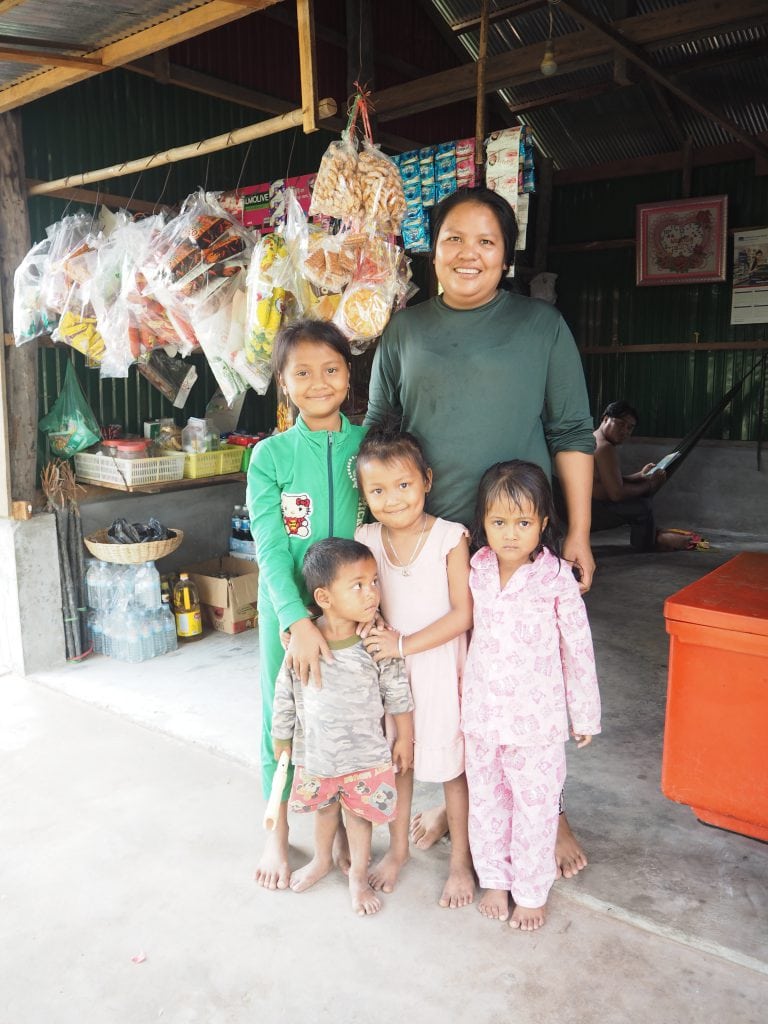
The Shinta Mani Foundation, founded in 2004 in Siem Reap, Cambodia, is a non-profit organization dedicated to improving the lives of disadvantaged local communities. It focuses on sustainable development through education, job training, healthcare, clean water access, and housing.
In partnership with the Shinta Mani Hotel, the Foundation provides employment opportunities for locals in hospitality, with hotel profits and donations directly funding its programs. One key initiative is the Shinta Mani School of Hospitality, which offers free training to underprivileged young people, enabling them to gain skills and secure jobs in Siem Reap’s tourism industry.
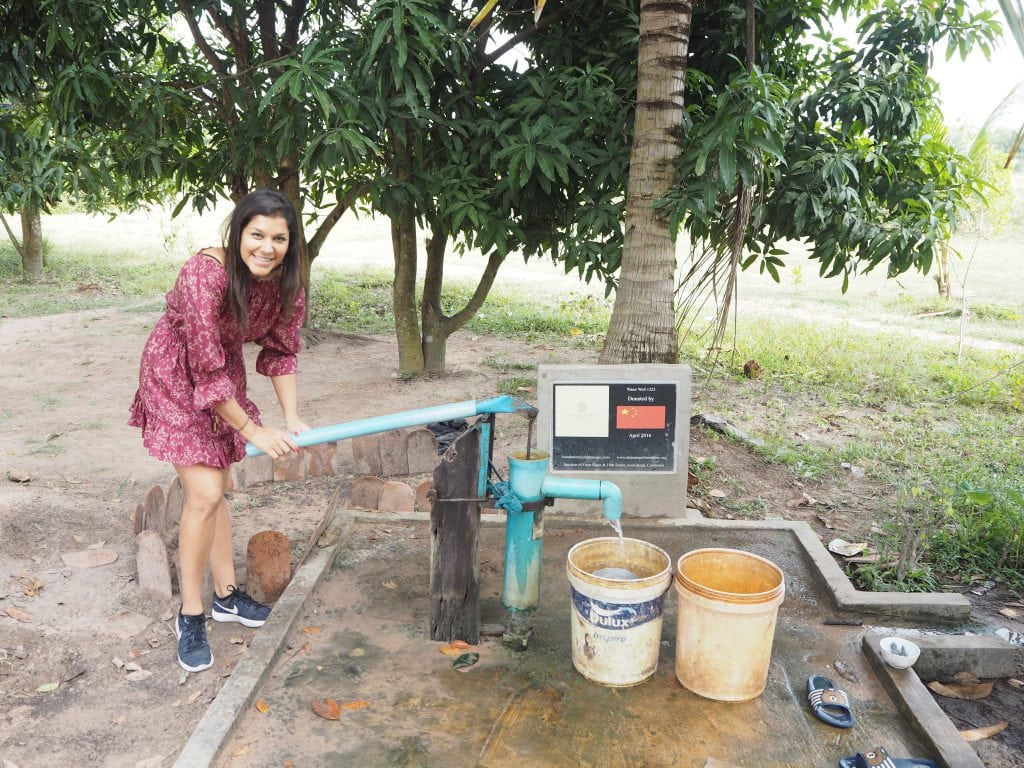
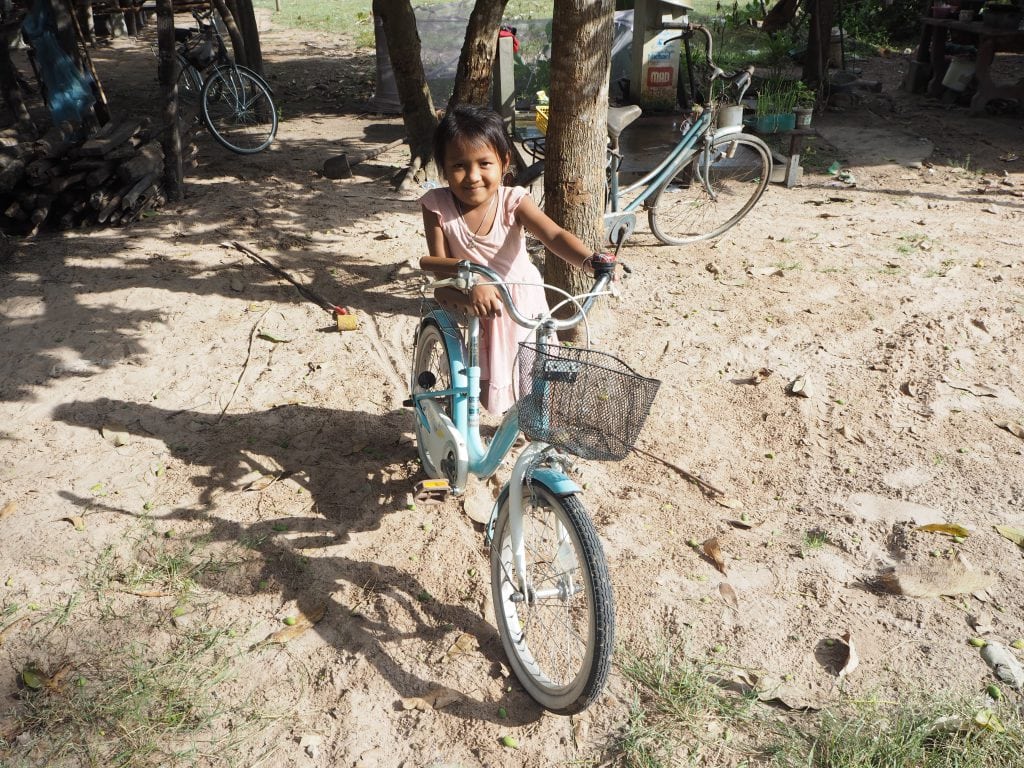
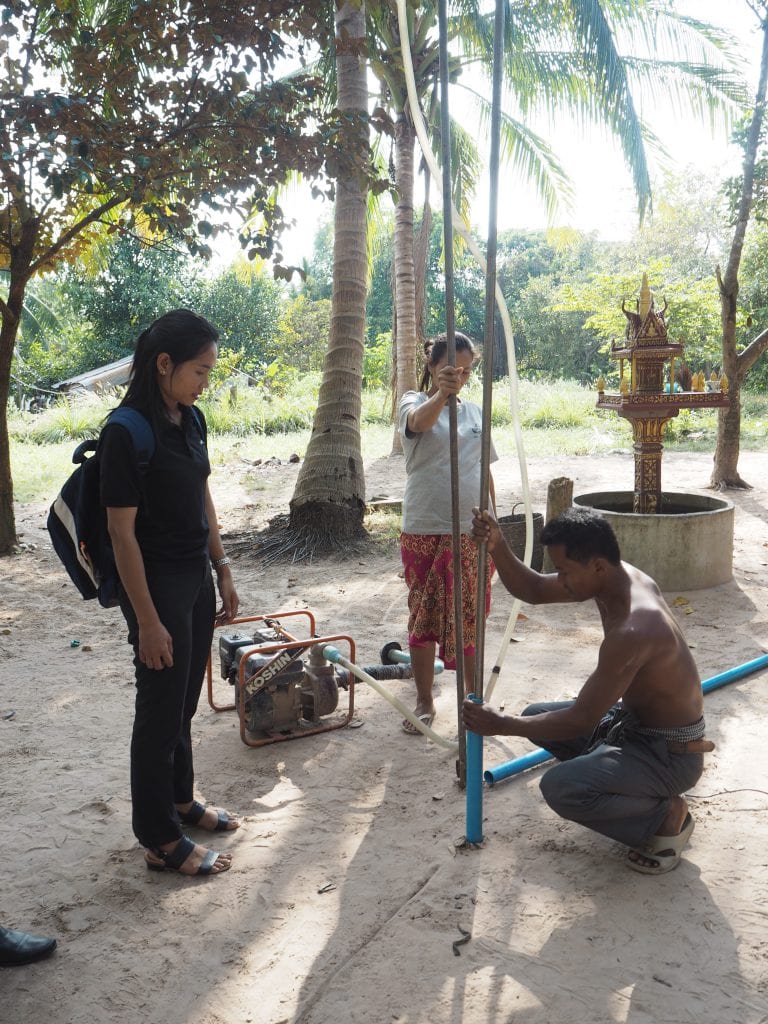
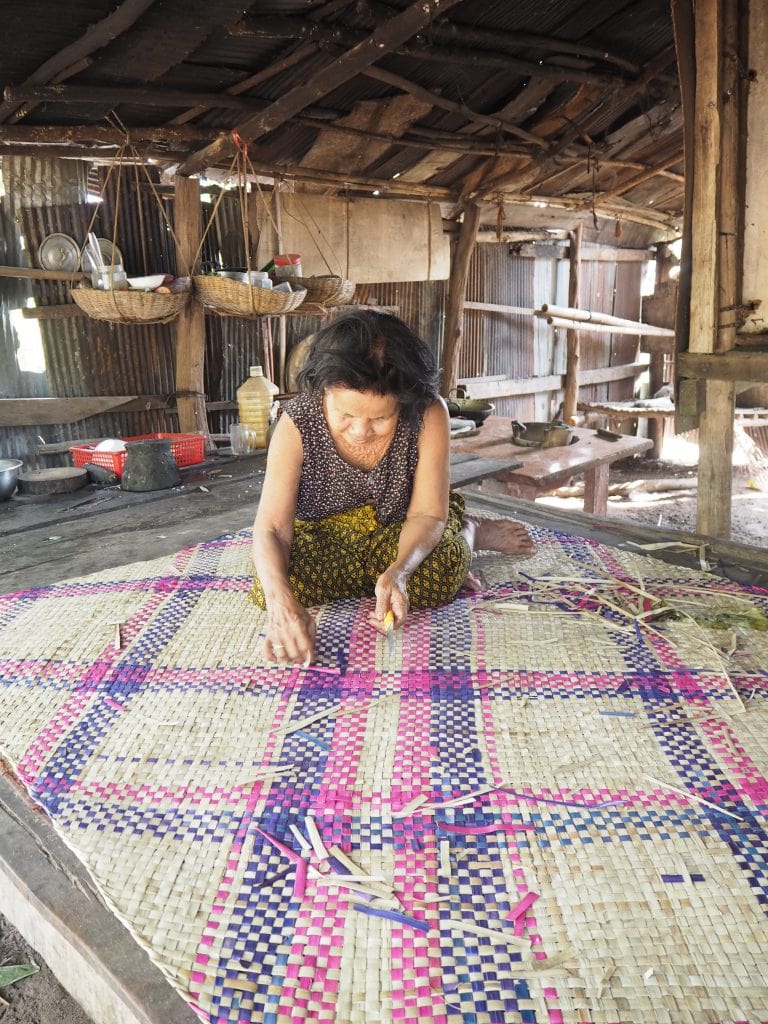
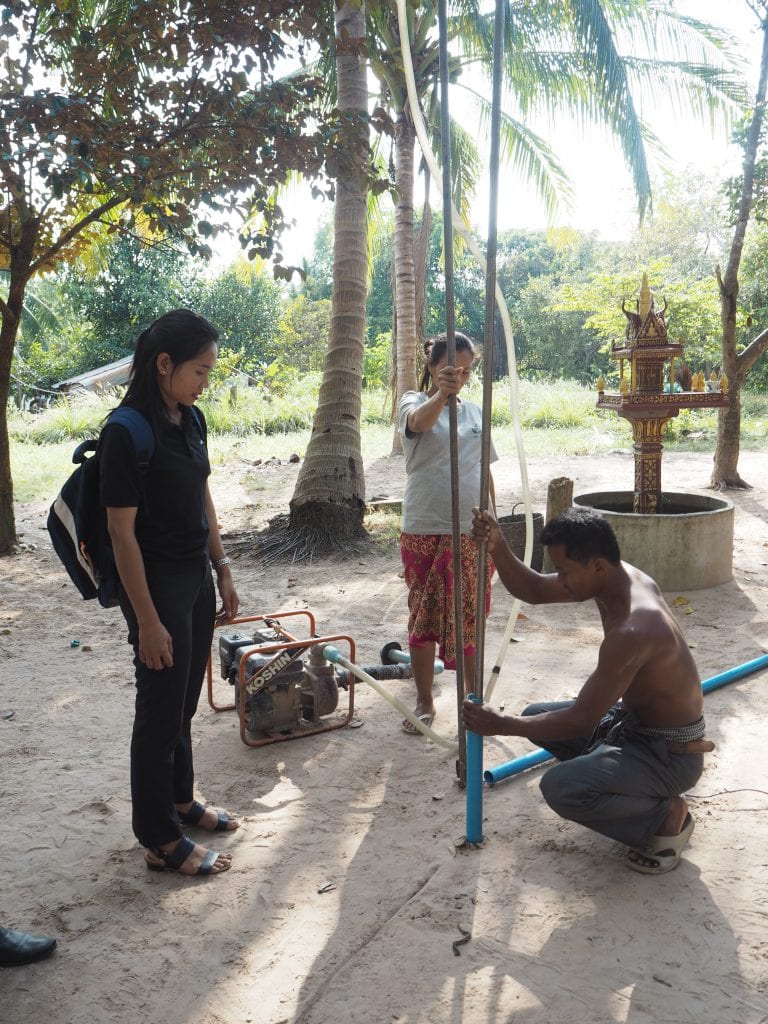
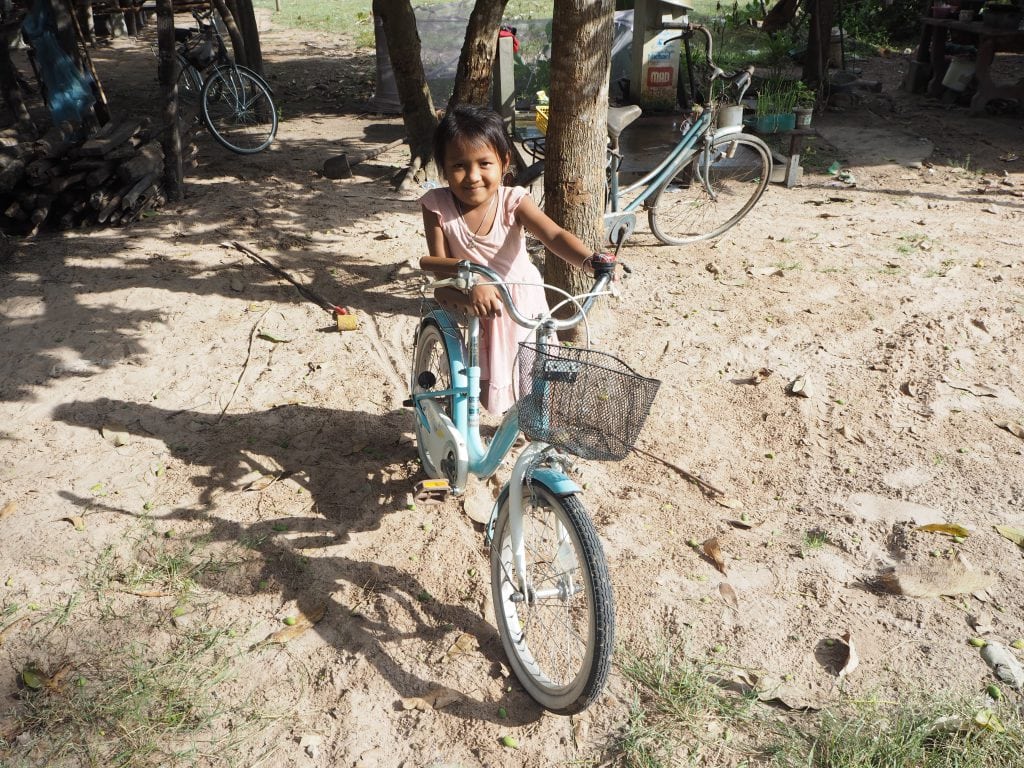
The Foundation also provides bicycles for schoolchildren, organizes free health and dental check-ups, and constructs clean water wells—teaching villagers how to build and maintain them, promoting self-sufficiency. Additionally, it supports women by teaching them how to make and sell handicrafts like rattan mats.
To date, the Foundation has built 1,400 wells, 99 homes, trained 229 students, donated 641 bicycles, and provided over 8,000 health check-ups. Its impact is clear, helping communities move beyond poverty through long-term, practical solutions.
The Shinta Mani Foundation is a non-profit organization based in Siem Reap, Cambodia, founded in 2004. Its main goal is to help local communities overcome poverty by offering support in education, health care, job training, clean water, and housing.
The Foundation works with the Shinta Mani Hotel, where many local people are employed. Profits from the hotel and guest donations help fund the charity’s activities. One major focus is education—children receive bicycles to travel to school, and the Shinta Mani School of Hospitality trains young people in hotel work, helping them find good jobs.
The Foundation also provides free medical and dental care, often with the help of international volunteers. They build water wells and teach villagers how to build them, creating jobs and access to clean water. Women are taught how to make and sell handmade goods like rattan mats.
So far, the Foundation has built 1,400 wells, 99 homes, trained 229 students, and given over 8,000 health check-ups. It’s making a real difference by giving people the tools and skills to build better futures.
The Shinta Mani Foundation is a charity in Siem Reap, Cambodia. It started in 2004 and helps poor families in the countryside. The Foundation gives support through education, jobs, health care, clean water, and safe housing.
It works closely with the Shinta Mani Hotel. Local people can get jobs there, such as in cooking or guest services. The money from hotel guests also helps fund the Foundation’s projects.
The Foundation gives bicycles to children so they can go to school, and brings in dentists and doctors for free check-ups. It builds wells to provide clean drinking water and teaches people how to build them, so they can help other villages and even earn money.
The Foundation also helps women learn skills like making rattan mats to sell. It builds brick homes for families who need a safe place to live.
Young people can study at the Shinta Mani School of Hospitality, where they learn hotel skills and get jobs later.
So far, the Foundation has helped thousands of people and continues to give them hope and a better life.
The Shinta Mani Foundation is a charity in Siem Reap, Cambodia. It helps poor people in local villages. The Foundation gives jobs, education, clean water, health care, and more.
It works with the Shinta Mani Hotel. Some local people get jobs there, which helps them support their families. The Foundation gives bicycles to children so they can go to school. It also brings dentists and doctors to give free health check-ups.
The Foundation has built many clean water wells and houses. It teaches people how to build wells so they can help other villages and earn money. Women learn to make rattan mats to sell and earn income.
The Shinta Mani School of Hospitality trains young people for free. After training, they can get jobs in hotels and restaurants in Siem Reap.
Since 2004, the Foundation has:
Built 1,400 wells
Donated 641 bicycles
Given 8,123 health check-ups
Trained 229 students
Built 99 homes
All money from hotel guests and donations helps the charity. It changes lives and gives people a better future.
The environment is very important for our life. Clean air, water, and forests help people, animals, and plants stay healthy. But sometimes, people cut too many trees, throw rubbish in rivers, or hurt wild animals. That is why it is important to protect nature. The Shinta Mani Foundation helps with this work in Cambodia.
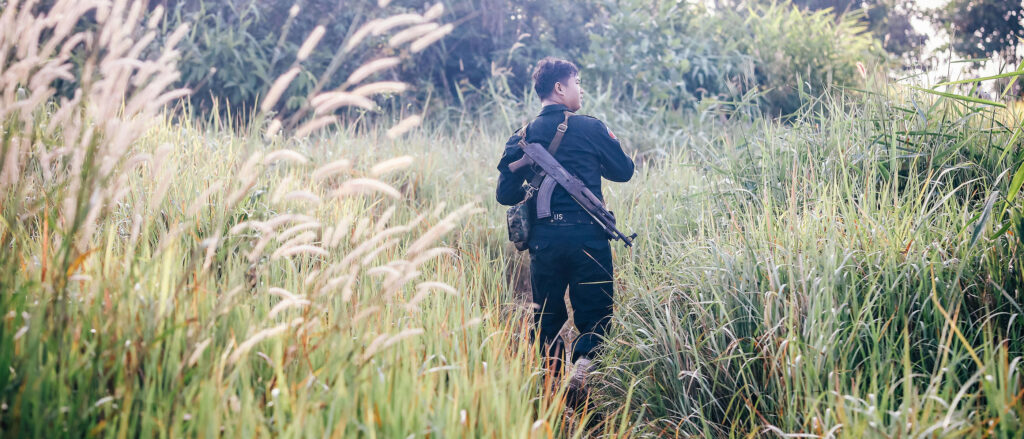
One special place is Shinta Mani Wild, a nature resort in the forest. It is not only for tourists — it also helps save the environment. The resort is in a big forest with animals, rivers, and trees. Rangers work there to stop illegal logging and hunting. They help keep the forest safe.
Shinta Mani Wild also teaches local people about nature. They give jobs to people from the area, so they do not need to cut trees or harm the forest. Guests can also learn how to protect the environment.
Thanks to Shinta Mani Wild, the forest is cleaner and safer. It shows that tourism and nature can work together to make a better future.
_____________________
Vocabulary:
Environment – The world around us: the air, water, land, animals, and plants.
Forests – Big areas with many trees.
Plants – Green things that grow in the ground, like flowers, trees, and grass.
Healthy – Feeling well, strong, and not sick.
To cut trees – To use tools to make trees fall down.
To throw – To make something fly out of your hand.
Rubbish – Things we do not need and put in the trash.
To hurt animals – To make animals feel pain or get injured.
To protect – To keep something safe from harm.
To save the environment – To help nature stay clean and safe.
A ranger – A person who works in a forest or park to keep it safe.
Illegal – Not allowed by the law.
Logging – Cutting down trees to use the wood.
Hunting – Catching or killing wild animals.
To keep safe – To stop something from getting hurt or lost.
To teach – To help someone learn something.
To harm the forest – To do bad things to the forest, like cutting trees or starting fires.
############
Match the word with the definition
Words:
Protect
Environment
To harm the forest
Illegal
Rubbish
To teach
To save somebody
A ranger
To go hunting
Logging wood
Definitions:
A. Things we throw away because we do not need them. B. To help someone not get hurt or die. C. To go into nature to catch or kill wild animals. D. To stop bad things from happening to something. E. A person who works in the forest to keep it safe. F. Not allowed by law. G. The land, air, water, animals, and plants around us. H. To cut down trees and take the wood. I. To do bad things to trees and nature. J. To help someone learn.
1d, 2g, 3i, 4f, 5a, 6j, 7b, 8e, 9c, 10h.
#######################
Fill in (words below):
Shinta Mani Wild helps to protect the __________.
A __________ works in the forest to stop logging.
People should not throw _________ into the river.
__________hunting can hurt animals in the forest.
The Foundation teaches people how to save __________
__________ trees is bad and harms the forest.
__________ water helps people stay strong and healthy.
The forest is home to many ___________ animals.
Tourists learn how to __________ nature and animals.
Shinta Mani Wild gives jobs to local _______________.
a) people b) rubbish c) Clean d) environment e) nature. f) wild g) Illegal h) ranger i) Logging j) protect
###################
True, false?
Shinta Mani Wild is a nature resort in Cambodia.
The foundation cuts down trees to build more hotels.
Rangers work at Shinta Mani Wild to stop hunting.
The resort teaches guests how to cook Cambodian food.
Illegal logging is a problem in the forest.
Local people can get jobs at Shinta Mani Wild.
The foundation throws rubbish into the rivers.
Protecting the forest helps animals and people.
Shinta Mani Wild works to save the environment.
The forest is turned into a city for tourists.
————————–
true: 1,3,5,6,8,9
#########################
Only one answer
🔹 Multiple Choice Vocabulary Questions
What does “protect” mean? A. To play with something B. To keep something safe C. To clean something
What does “ranger” mean? A. A cook in a restaurant B. A person who works in a forest C. A person who drives a bus
What does “illegal” mean? A. Not allowed by law B. Very good and helpful C. Something you can buy
What does “logging” mean? A. Watching birds in a forest B. Cutting down trees for wood C. Planting new trees
What does “hunting” mean? A. Looking for and catching animals B. Playing a game with friends C. Building a house
What does “rubbish” mean? A. Something we eat B. Something we throw away C. Something we wear
What does “environment” mean? A. A place where people go to school B. The world around us, like air and water C. A kind of animal
What does “to harm the forest” mean? A. To make the forest better B. To hurt or damage the forest C. To clean the forest
What does “to save somebody” mean? A. To help them not get hurt or die B. To tell them a funny joke C. To give them a present
What does “to teach” mean? A. To help someone learn something B. To clean something with water C. To take something away
1b, 2b, 3a, 4b, 5a, 6b, 7b, 8b, 9a, 10a
######################
Interview with a ranger
Interviewer:
What is your name and what is your job?
Ranger: My name is Vannak, and I am a ranger. I work at Shinta Mani Wild to protect the forest and the animals that live here.
Interviewer: 2. Can you describe your daily work?
Ranger: Every day, I walk through the forest to make sure everything is safe. I check for any illegal logging or hunting. I also make sure there is no rubbish left in the forest.
Interviewer: 3. What do you do if you see illegal activities?
Ranger: If I find illegal logging or hunting, I report it to the authorities. Sometimes, I talk to the people and try to stop them from harming the forest.
Interviewer: 4. Why is it important to protect the forest?
Ranger: The forest provides us with clean water and is home to many animals. If we don’t protect it, the environment could be damaged, and animals could lose their homes.
Interviewer: 5. What challenges do you face as a ranger?
Ranger: The biggest challenge is stopping people who cut down trees or hunt animals illegally. Sometimes, they don’t understand why it’s bad for the environment.
Interviewer: 6. How do you teach others about protecting the environment?
Ranger: I teach local people and tourists about the importance of protecting the forest. I explain how the forest helps us and why we need to keep it safe.
Interviewer: 7. Do you work with other people?
Ranger: Yes, I work with other rangers to patrol the forest and keep it safe. We work together to stop illegal activities.
Interviewer: 8. What’s the best part of your job?
Ranger: The best part is when I see people respecting nature. It feels good to know that I am helping protect the environment.
Interviewer: 9. What do you want for the future?
Ranger: I hope more people understand how important it is to protect nature. I want to continue my work and teach others how to help.
Interviewer: 10. Why is your job so important?
Ranger: My job helps protect the forest and the animals. It’s important for the future of the environment and for the health of our planet.
############################
You interview a local about the work of rangers – use the interview above, rewrite it, and make all changes necessary:
What is HIS name and what is HIS job?
Ranger: HIS name is Vannak, and HE IS a ranger. HE workS at Shinta Mani Wild to protect the forest and the animals that live here.
Interviewer: 2. Can you describe HIS daily work?
……….continue
>>>>>You can send me the interview via >>>>>SMFrockZ(at)gmx(dot)at – >>>>>I’ll have a look at it, correct, if necessary, >>>>>comment it, and send it back.
The Shinta Mani Foundation is in Cambodia. It helps poor people in the countryside. One important way it helps is by giving small loans. These loans are called microfinance. People do not pay interest. They use the money to start small businesses.
Some people buy cows or chickens. Others grow vegetables or start small shops. Many women use the money to make and sell things. This helps them earn money for their families. They can buy food, send their children to school, and build better houses.
The Foundation also teaches people. They learn how to run a business. They learn about money, saving, and selling. This is called entrepreneurship. With help, people become stronger and more independent.
The Shinta Mani Foundation works together with hotels in Siem Reap. Tourists stay in the hotels, and part of the money helps the Foundation. This is a good way to support local people.
The Foundation is a good example of how tourism and business can help communities grow. It gives people hope and a better future.
__________________
Vocabulary:
Hope – A good feeling that something nice will happen.
Countryside – Land outside the city with farms and small villages.
A loan – Money someone gives you that you must pay back later.
Microfinance – Small loans given to poor people to start a business.
To pay interest – To give extra money when you pay back a loan.
Vegetables – Plants people grow and eat, like carrots or tomatoes.
To earn money – To get money by working.
To teach people – To help people learn something.
To run a business – To manage and work in your own shop or company.
Saving – Keeping money to use later.
Selling – Giving something to someone for money.
Entrepreneurship – Starting and growing your own business.
Independent – Able to do things without help.
To support people – To help people live or do something better.
Communities – Groups of people who live in the same place.
#################
10 questions, one answer only
1. What is the countryside? A. A big city with many cars B. A place with farms and small villages C. A large shopping mall
2. What is a loan? A. Free money from a friend B. Money you give to the bank C. Money you borrow and must pay back
3. What is microfinance? A. A big bank in the city B. Small loans to help poor people start a business C. A way to save money in a jar
4. What does it mean to pay interest? A. To give back the same money you borrowed B. To give less money than you borrowed C. To give back more money than you borrowed
5. What are vegetables? A. Sweet food like cake B. Plants we eat, like carrots C. Drinks like juice or tea
6. What does it mean to earn money? A. To spend money at the store B. To get money by working C. To give money to someone
7. What does it mean to teach people? A. To help people learn something B. To cook food for people C. To drive people to school
8. What does it mean to run a business? A. To clean a big house B. To work for a boss C. To manage and work in your own shop
9. What is saving? A. Using all your money now B. Keeping money for later C. Giving money to friends
10. What does hope mean? A. A bad feeling B. A happy feeling about the future C. A kind of food
_____________________________
1b, 2c, 3b, 4c, 5b, 6b, 7a, 8c, 9c, 10b
########################
Fill in (words below):
People __________and work in the countryside.
She got a loan to start a __________.
Microfinance helps small __________ in poor villages.
I must pay interest on my __________.
They grow __________ in their garden.
He works hard to __________ money.
The teacher wants to __________ people new skills.
Match the words (1–10) with the correct definitions (A–J):
Words:
Countryside
Loan
Microfinance
Interest
Vegetables
Earn money
Teach
Run a business
Saving
Hope
Definitions: A. Give small loans to poor people to start a business B. Land with farms, fields, and small villages C. Plants people grow and eat, like carrots or tomatoes D. Help people learn something new E. To get money by working F. Extra money you pay back with a loan G. A good feeling about the future H. To keep money for later I. Money you borrow and must give back J. To manage your own shop or company
Answer Key:
1 – B 2 – I 3 – A 4 – F 5 – C 6 – E 7 – D 8 – J 9 – H 10 – G
####################
True – false?
The Shinta Mani Foundation helps people in the countryside.
People get big loans from the Foundation.
Microfinance gives small loans to help start a business.
People must pay interest on the Foundation’s loans.
Many people grow vegetables and sell them.
The Foundation teaches people how to run a business.
Saving money is not important.
The Foundation gives people hope for a better life.
The Foundation builds shopping malls.
Some people earn money by selling things they make.
____________________
false: 2,4,7,9
##################
Vocabulary – in categories – remember the vocabularies
1. Money-related words
Loan
Interest
Saving
Earn money
2. Business-related words
Microfinance
Run a business
Teach
Entrepreneur
3. Farming-related words
Vegetables
Countryside
Sell
Grow
4. Emotional/Feelings-related words
Hope
Support
Independent
Teach
5. Activities-related words
Earn money
Teach
Sell
Run a business
6. Community-related words
Communities
Support
Teach
Help
7. Words for what you can do with money
Save
Borrow
Pay
Earn
8. Words for people involved in businesses
Entrepreneur
Teacher
Farmer
Worker
9. Words for things people do to make money
Run a business
Sell
Earn money
Teach
10. Words for things related to loans
Pay interest
Loan
Borrow
Save
##################
Fill in – do you remember the words missing?
Dialogue:
A: Hi! Do you live in the __________? B: Yes, I do. I live on a small farm.
A: What do you grow on your farm? B: We grow __________like carrots and tomatoes.
A: Do you sell your vegetables? B: Yes, we __________ them in the local market.
A: How do you earn money? B: I earn money by selling vegetables and working in a __________.
A: Do you know about microfinance? B: Yes, it’s when people get small __________to start a business.
A: Have you ever taken a loan? B: Yes, I took a loan to _________ seeds for my farm.
A: Do you have to pay __________ on your loan? B: Yes, I pay a little __________each month.
A: How do you _________ money? B: I save a little money every month in my bank.
A: What gives you hope for the future? B: I hope my farm will grow, and I can help my __________
The Shinta Mani Foundation is a kind organization in Cambodia. It helps poor families live better lives. One important way they help is by giving clean water and good sanitation to people in the countryside.
Many villages do not have clean water. People often drink water from rivers, ponds, or small lakes. This water is dirty and can make people sick. The Shinta Mani Foundation builds wells and water pumps. With these, families can get clean water near their houses.
The foundation also helps with toilets. Some families do not have toilets and must go to the forest or fields. This is not safe and not healthy. The foundation builds simple toilets for families. This helps keep the villages clean.
Shinta Mani also teaches people about hygiene. They learn how to wash their hands, clean their homes, and keep water safe. This helps stop diseases like diarrhea and stomach problems.
Thanks to the Shinta Mani Foundation, many families now have clean water, toilets, and better health. Their work helps communities grow stronger and healthier.
__________________________
Vocabulary:
Sanitation – Keeping places clean and safe from germs, like having toilets and clean water.
Countryside – Land outside the city, with farms, fields, and small villages.
A village – A small group of houses where people live, usually in the countryside.
A pond – A small area of still water, smaller than a lake.
A lake – A large area of water surrounded by land.
Dirty – Not clean; full of germs, mud, or waste.
Sick – Not feeling well; having a disease or problem in the body.
Clean water – Water that is safe to drink and use.
A forest – A big area with many trees.
Healthy – Feeling good in your body and not sick.
Hygiene – Keeping yourself and your home clean to stop sickness.
A disease – Something that makes people sick.
Diarrhea – A stomach problem that makes you go to the toilet many times.
Stomach – The part of your body where food goes after eating.
Communities to grow healthier – When groups of people live better and do not get sick often.
########################
10 multiple choice questions using the vocabulary from the text, each question has 4 options and only one correct answer.
1. What is „sanitation“? A) Playing outside B) Keeping things clean and safe from germs C) Building houses D) Drinking milk
2. What is the „countryside“? A) A busy road in the city B) A place with many shops C) Land outside the city with farms and fields D) A large river in town
3. What is „a village“? A) A big city with many buildings B) A small place where people live in the countryside C) A large mountain D) A school with many students
4. What is „a pond“? A) A very big sea B) A small area of water C) A kind of tree D) A hole in the road
5. What is „dirty“? A) Full of flowers B) Clean and nice C) Not clean, with germs or mud D) Very new
6. What does „sick“ mean? A) Feeling good and strong B) Being tired from running C) Not feeling well, having a disease D) Being hungry
7. What is „clean water“? A) Water that is brown and has trash B) Water from the sea C) Water that is safe to drink and use D) Water with soap in it
8. What is „a forest“? A) A big area with trees B) A dry desert C) A group of houses D) A road in the city
9. What is „hygiene“? A) Making food B) Keeping things clean to stop sickness C) Playing games D) Painting pictures
10. What is „diarrhea“? A) A kind of fruit B) A happy feeling C) A problem where you go to the toilet many times D) A strong muscle
The Shinta Mani Foundation helps people in the countryside.
Many families do not have clean water to drink.
People often use water from a pond or a lake.
Dirty water can make children and adults sick.
The foundation builds wells so families can get clean water.
Some people have no toilet and must go to the forest.
This is not safe and not healthy.
The foundation teaches good hygiene to stop disease.
Diarrhea is a common problem from dirty water.
These projects help communities grow healthier.
######################
Match the vocabulary words with their definitions:
Sanitation _____
Countryside _____
A village _____
A pond _____
A lake _____
Dirty _____
Sick _____
Clean water _____
A forest _____
Hygiene _____
Definitions
A) A place where people live, usually in the countryside. B) A large area of water surrounded by land. C) Water that is safe to drink and use. D) A small area of still water, smaller than a lake. E) Keeping yourself and your home clean to stop sickness. F) A place outside the city with many trees. G) A problem that makes people feel unwell. H) A place with farms, fields, and small houses, far from the city. I) Not clean, full of germs or mud. J) The act of keeping things clean and safe from germs, such as toilets and water.
________________________
1j,2h,3a,4d,5b,6i,7g,8c,9f,10e
#########################
10 multiple-choice questions, more than one answer may be correct
1. What is „sanitation“? A) Drinking clean water B) Keeping things clean to stop sickness C) Washing clothes D) Having a toilet
2. What can be found in the „countryside“? A) Many tall buildings B) Farms and fields C) Roads and highways D) Small villages
3. Which of the following is „a village“? A) A big city with many people B) A place with lots of shops C) A small place in the countryside D) A group of houses
4. What is „a pond“? A) A big sea B) A small area of water C) A place with many trees D) A river
5. What can „dirty“ water cause? A) A good drink B) Sickness C) Health D) Problems with the stomach
6. What makes someone „sick“? A) Feeling tired after work B) Drinking dirty water C) Running and playing D) Being in the sun
7. What is „clean water“? A) Water from a river B) Water that is safe to drink C) Water from a pond D) Water that is free from germs
8. What is „a forest“? A) A big area with many trees B) A place with many animals C) A large road D) A kind of park
9. What is „hygiene“? A) Keeping things clean B) Washing hands C) Eating healthy food D) Staying inside all day
10. Which of these are examples of „diseases“? A) Diarrhea B) A cold C) A healthy body D) A good mood
1bd,2bd,3cd,4b,5bd,6b,7bd,8a,9ab,10ab
#########################
Here are 7 Odd One Out examples for your vocabulary:
Forest, Pond, Lake, Village (village shouldn’t be in that group)
Dirty, Hygiene, Clean Water, Sick
Sanitation, Hygiene, Forest, Clean Water
Sick, Healthy, Dirty, Hygiene
Pond, Lake, Ocean, Village)
Countryside, Village, Sanitation, Forest
Sanitation, Sick, Healthy, Hygiene
####################
Here are 7 Odd One Out examples for your vocabulary:
Forest, Pond, Lake, Village (village shouldn’t be in that group)
Dirty, Hygiene, Clean Water, Sick
Sanitation, Hygiene, Forest, Clean Water (Answer: Forest – The others are related to cleanliness and health.)
Sick, Healthy, Dirty, Hygiene (Answer: Healthy – The others relate to illness or cleanliness.)
Pond, Lake, Ocean, Village (Answer: Village – The others are bodies of water.)
Countryside, Village, Sanitation, Forest (Answer: Sanitation – The others are places or natural features.)
Sanitation, Sick, Healthy, Hygiene (Answer: Sick – The others are related to cleanliness or health maintenance.)
####################
Interview with a Representative of the Shinta Mani Foundation
Interviewer: Good morning! Can you tell us about the Shinta Mani Foundation?
Representative: Good morning! We work to improve sanitation, provide clean water, and teach hygiene in rural communities in Cambodia.
Interviewer: Why is sanitation so important?
Representative: Sanitation is essential to prevent diseases. Without proper sanitation, people can get sick, especially from dirty water.
Interviewer: How does the foundation help with sanitation?
Representative: We build toilets and waste systems, and we teach communities about hygiene, like handwashing.
Interviewer: What role does clean water play?
Representative: Clean water is vital for health. It prevents waterborne diseases and keeps people from getting sick.
Interviewer: How does the foundation improve water access?
Representative: We build wells and teach communities how to maintain clean water sources, like ponds and lakes.
Interviewer: How does hygiene education help?
Representative: Teaching hygiene, such as washing hands, reduces the spread of diseases and keeps people healthy.
Interviewer: What areas does the foundation work in?
Representative: We work in rural villages, where people rely on natural water sources, like ponds and rivers.
Interviewer: What impact do these projects have?
Representative: These projects help people stay healthy, reduce sickness, and improve life quality in the community.
Interviewer: What is your goal for the future?
Representative: We aim to help more communities stay healthy with access to clean water, sanitation, and good hygiene.
#########################
Final challenge – complete/fill in:
Interview with a Representative of the Shinta Mani Foundation
Interviewer: Hi! Can you tell us about your work at the Shinta Mani Foundation?
Representative: Hello! We help __________ by providing clean water, good sanitation, and teaching __________.
Interviewer: Why is sanitation __________ for communities?
Representative: Sanitation helps __________ the environment clean and prevents __________ like diarrhea.
Interviewer: What is the foundation’s work with __________ water?
Representative: We build __________and help villages get clean water, so they don’t drink __________ water.
Interviewer: How does hygiene education help people?
Representative: We __________ people to wash their hands, which helps stop the spread of __________.
Interviewer: What problems happen when people don’t have __________water?
Representative: Without clean water, people can get very __________, and many diseases spread quickly.
Interviewer: Where do you work with these projects?
Representative: We mainly work in rural __________ where people rely on ponds or __________ for water.
Interviewer: What is the main goal of your foundation?
Representative: Our goal is to help communities stay ___________ with clean water, sanitation, and good hygiene.
###################
Interview with a Representative of the Shinta Mani Foundation
Interviewer: Hi! Can you tell us about your work at the Shinta Mani Foundation?
Representative: Hello! We help communities by providing clean water, good sanitation, and teaching hygiene.
Interviewer: Why is sanitation important for communities?
Representative: Sanitation helps keep the environment clean and prevents diseases like diarrhea.
Interviewer: What is the foundation’s work with clean water?
Representative: We build wells and help villages get clean water, so they don’t drink dirty water.
Interviewer: How does hygiene education help people?
Representative: We teach people to wash their hands, which helps stop the spread of germs and diseases.
Interviewer: What problems happen when people don’t have clean water?
Representative: Without clean water, people can get very sick, and many diseases spread quickly.
Interviewer: Where do you work with these projects?
Representative: We mainly work in rural villages where people rely on ponds or lakes for water.
Interviewer: What is the main goal of your foundation?
Representative: Our goal is to help communities stay healthy with clean water, sanitation, and good hygiene.
The Shinta Mani Foundation helps people in Cambodia. Many people in villages are poor. They do not have money for doctors or medicine. The Foundation gives free healthcare to these people.
A doctor from the Foundation visits the villages. He checks the people and gives medicine. Some people are very sick. The doctor helps them go to a hospital.
The Foundation also teaches people how to stay healthy. They learn to drink clean water and wash their hands. This helps stop sickness.
The doctor and his team are kind. They help old people, children, and families. People are happy and say thank you.
Shinta Mani Foundation helps many people live a better life. The people in the village have hope because they get help when they are sick.
Vocabulary
A village – A small place where people live, smaller than a town.
Poor – A person who does not have much money.
Free healthcare – Help from a doctor or nurse that you do not pay for.
To visit – To go and see someone or someplace.
To check – To look at something carefully, like a doctor looks at your body.
Sick – Not feeling well; your body hurts or you have a fever.
Hospital – A place where sick people go to see a doctor.
To teach people – To help people learn something new.
To stay healthy – To keep your body well and strong.
Clean water – Water that is safe to drink, with no dirt or germs.
A sickness – A problem with your body or health.
To be kind – To be nice and helpful to other people.
To have hope – To feel good about the future and believe things can be better.
################
Match the words (1–10) with the correct meanings (A–J).
Words:
doctor ________
village ________
hospital ________
help ________
medicine ________
sick ________
clean ________
wash ________
family ________
water ________
Definitions:
A. a place where sick people go B. a person who makes you feel better C. to give support or do something good for someone D. pills or liquid that make you feel better E. not dirty F. people who live in one home (like mother, father, children) G. liquid you drink every day H. not feeling well I. to make something clean with water J. a small place where people live
1b,2j,3a,4c,5d,6h,7e,8i,9f,10g
##########################
True or false?
The Shinta Mani Foundation helps people in Cambodia.
The people in the city get free healthcare.
The doctor gives food to the people.
People in the village pay money to see the doctor.
The doctor visits the village and checks the people.
Sick people go to the hospital.
The Foundation teaches people to stay healthy.
People learn to wash their hands and drink clean water.
The Foundation helps only children.
The people are happy and say thank you.
————————–
The Shinta Mani Foundation helps people in Cambodia. ✅
The people in the city get free healthcare. ❌
The doctor gives food to the people. ❌
People in the village pay money to see the doctor. ❌
The doctor visits the village and checks the people. ✅
Sick people go to the hospital. ✅
The Foundation teaches people to stay healthy. ✅
People learn to wash their hands and drink clean water. ✅
The Foundation helps only children. ❌
The people are happy and say thank you. ✅
######################
Multiple choice questions – more than one answer may be correct.
What is a village? A. A small place where people live B. A big city C. A place with many shops D. A small town with houses
What does a doctor do? A. Helps sick people B. Teaches English C. Checks the body D. Cooks food
What does it mean to be sick? A. You feel strong B. You do not feel well C. You go to the doctor D. You play outside
What is a hospital? A. A place for shopping B. A school for children C. A place for sick people D. A place with doctors
What is free healthcare? A. You pay for medicine B. You see a doctor for no money C. The doctor gives free help D. You buy food
What does the Foundation do? A. Gives medicine B. Builds houses C. Teaches about health D. Helps poor people
What is clean water? A. Water with dirt B. Water from a safe place C. Water with no germs D. Water from a bottle
What does it mean to wash hands? A. To clean with water B. To make your hands dirty C. To use soap and water D. To dry hands with a towel
Who gets help from the Foundation? A. Sick people B. Teachers C. Old people D. Children
What does it mean to be kind? A. To help people B. To shout at people C. To smile D. To give help ———————————
What is a village? A. A small place where people live ✅ B. A big city ❌ C. A place with many shops ❌ D. A small town with houses ✅
What does a doctor do? A. Helps sick people ✅ B. Teaches English ❌ C. Checks the body ✅ D. Cooks food ❌
What does it mean to be sick? A. You feel strong ❌ B. You do not feel well ✅ C. You go to the doctor ✅ D. You play outside ❌
What is a hospital? A. A place for shopping ❌ B. A school for children ❌ C. A place for sick people ✅ D. A place with doctors ✅
What is free healthcare? A. You pay for medicine ❌ B. You see a doctor for no money ✅ C. The doctor gives free help ✅ D. You buy food ❌
What does the Foundation do? A. Gives medicine ✅ B. Builds houses ❌ C. Teaches about health ✅ D. Helps poor people ✅
What is clean water? A. Water with dirt ❌ B. Water from a safe place ✅ C. Water with no germs ✅ D. Water from a bottle ✅
What does it mean to wash hands? A. To clean with water ✅ B. To make your hands dirty ❌ C. To use soap and water ✅ D. To dry hands with a towel ❌
Who gets help from the Foundation? A. Sick people ✅ B. Teachers ❌ C. Old people ✅ D. Children ✅
What does it mean to be kind? A. To help people ✅ B. To shout at people ❌ C. To smile ✅ D. To give help ✅
#######################
Ooooops, what is the original sentence?
The Cambodia helps Foundation people in Cambodia
The checks the people doctor
free People healthcare doctors get from
visits the The doctor village
go to Sick hospital the people
healthy stay Foundation to teaches The people
water learn to clean give 10 longer sentencesPeople drink
————————————-
The Foundation helps people in Cambodia.
The doctor checks the people.
People get free healthcare from doctors.
The doctor visits the village.
Sick people go to the hospital.
The Foundation teaches people to stay healthy.
People learn to drink clean water.
##################
Fill in:
The Foundation helps __________ who need healthcare.
The __________ checks people in the village.
Sick people go to the __________ for help.
The doctor gives medicine to __________ people.
The Foundation teaches people how to stay __________.
People learn to wash __________ and __________water.
The doctor v__________ villages to __________people.
The Foundation helps people without asking for __________
People feel happy when they get __________.
The Foundation gives free __________ to many people.
————————-
The Foundation helps people who need healthcare.
The doctor checks people in the village.
Sick people go to the hospital for help.
The doctor gives medicine to sick people.
The Foundation teaches people how to stay healthy.
People learn to wash hands and drink water.
The doctor visits villages to check people.
The Foundation helps people without asking for money.
People feel happy when they get help.
The Foundation gives free healthcare to many people.
###############
Interview with Dr. Sovan
What is your role at the Shinta Mani Foundation?
I am a doctor. I help __________ people.
How do you help people in the villages?
I check their __________ and give medicine.
Do people need to pay for your services?
No, my services are __________.
What do you do if someone is sick?
I __________ their health and give medicine.
How do you teach people to stay healthy?
I teach them to __________ hands and __________ clean water.
__________ do you visit the villages?
I visit the villages every week.
What kinds of problems do __________ usually have?
Many people have headaches, colds, or stomach __________.
How do you travel to reach the __________?
I travel by car or motorbike.
What do people __________ when you help them?
They say thank you and feel __________.
How does the __________ support your work?
The Foundation __________me the medicine and tools I need.
—————————–
Interview with Dr. Sovan
What is your role at the Shinta Mani Foundation?
I am a doctor. I help sick people.
How do you help people in the villages?
I check their health and give medicine.
Do people need to pay for your services?
No, my services are free.
What do you do if someone is sick?
I check their health and give medicine.
How do you teach people to stay healthy?
I teach them to wash hands and drink clean water.
How often do you visit the villages?
I visit the villages every week.
What kinds of problems do people usually have?
Many people have headaches, colds, or stomach problems.
How do you travel to reach the villages?
I travel by car or motorbike.
What do people say when you help them?
They say thank you and feel happy.
How does the Foundation support your work?
The Foundation gives me the medicine and tools I need.
Shinta Mani Foundation – Hospitality Training and Employment
The Shinta Mani Foundation is in Siem Reap, Cambodia. It helps young people from poor families. The Foundation gives free training in hospitality. This means students learn to work in hotels and restaurants. They learn how to cook, clean rooms, serve food, and talk to guests.
The training is for one year. Students study every day. They learn English and other skills. They also learn about teamwork and how to be polite. The Foundation gives food, uniforms, and school supplies to the students.
After the training, the Foundation helps students find a job. Many students work in hotels or restaurants in Siem Reap. They earn money and help their families. Some students even become managers.
This program changes lives. The students feel happy and proud. They have a better future. The Shinta Mani Foundation gives hope and new opportunities to many young people in Cambodia.
————————————– Vocabulary:
Hospitality – Working in hotels or restaurants to help people feel welcome and comfortable.
Employment – Having a job and working to get money.
A guest – A person who visits a hotel, restaurant, or someone’s home.
Skills – Things you learn to do well, like cooking or speaking English.
To be polite – To speak and act in a nice and respectful way.
School supplies – Things you use for school, like books, pens, and notebooks.
To earn money – To work and get money for what you do.
To change lives – To make someone’s life better or different.
To be proud – To feel happy and good about what you do.
Hope – A good feeling that something nice will happen.
Opportunities – Good chances to do something or get something better.
###################
True or false?
The Shinta Mani Foundation is in Cambodia.
Students pay a lot of money for the training.
The training is for one year.
Students learn how to drive cars.
They learn English and how to be polite.
After the training, students get school supplies.
Many students find jobs in hotels or restaurants.
The Foundation gives food and uniforms to students.
All students become doctors after the training.
The students can help their families after they get jobs.
———————————
The Shinta Mani Foundation is in Cambodia. ✅
Students pay a lot of money for the training. ❌
The training is for one year. ✅
Students learn how to drive cars. ❌
They learn English and how to be polite. ✅
After the training, students get school supplies. ❌
Many students find jobs in hotels or restaurants. ✅
The Foundation gives food and uniforms to students. ✅
All students become doctors after the training. ❌
The students can help their families after they get jobs. ✅
#####################
Which is false?
Is the Shinta Mani Foundation located in Cambodia or Thailand?
Do students learn to work in hospitals or in hotels?
Is the training at the Shinta Mani Foundation free or expensive?
Do students study for one year or two years?
Do they learn to cook or to build houses?
Do students get jobs after the training or before the training?
Do they learn English or French at the Foundation?
Do the students become singers or hotel workers?
Does the Foundation give students food and uniforms?
Do students feel proud or sad after finishing the program?
#####################
1. Where is the Shinta Mani Foundation? A. Thailand B. Cambodia C. Vietnam D. Siem Reap
2. Who does the Foundation help? A. Young people B. Rich people C. Students from poor families D. Tourists
3. What do students learn at the Foundation? A. Cooking B. Painting C. Cleaning rooms D. Talking to guests
4. How long is the training? A. One month B. One year C. Two years D. One week
5. What do students get from the Foundation? A. Food B. Uniforms C. Cars D. School supplies
6. What language do students learn? A. Khmer B. French C. English D. Thai
7. Where do many students work after the training? A. Hotels B. Farms C. Restaurants D. Factories
8. What do students feel after the training? A. Proud B. Sad C. Happy D. Bored
9. What do students learn besides job skills? A. Teamwork B. How to be polite C. Math D. How to swim
10. What does the Foundation give students? A. Jobs B. Money C. Hope D. New opportunities
——————————
1. Where is the Shinta Mani Foundation? A. Thailand B. Cambodia ✅ C. Vietnam D. Siem Reap ✅
2. Who does the Foundation help? A. Young people ✅ B. Rich people C. Students from poor families ✅ D. Tourists
3. What do students learn at the Foundation? A. Cooking ✅ B. Painting C. Cleaning rooms ✅ D. Talking to guests ✅
4. How long is the training? A. One month B. One year ✅ C. Two years D. One week
5. What do students get from the Foundation? A. Food ✅ B. Uniforms ✅ C. Cars D. School supplies ✅
6. What language do students learn? A. Khmer B. French C. English ✅ D. Thai
7. Where do many students work after the training? A. Hotels ✅ B. Farms C. Restaurants ✅ D. Factories
8. What do students feel after the training? A. Proud ✅ B. Sad C. Happy ✅ D. Bored
9. What do students learn besides job skills? A. Teamwork ✅ B. How to be polite ✅ C. Math D. How to swim
10. What does the Foundation give students? A. Jobs B. Money C. Hope ✅ D. New opportunities ✅
#####################
Match the words in Column A with their meanings in Column B.
Column A (Words)
Column B (Meanings)
1. Hospitality
A. To feel good about something you did
2. Employment
B. A person who visits a hotel or restaurant
3. A guest
C. Free things for school like pens and books
4. Skills
D. Good chances to do something in life
5. To be polite
E. Learning how to do something well
6. School supplies
F. Having a job and working
7. To earn money
G. Helping people feel welcome in hotels or restaurants
8. To change lives
H. To speak and act in a nice and kind way
9. To be proud
I. To make someone’s life better
10. Opportunities
J. To get money for your work
✅ Answer Key:
1 → G 2 → F 3 → B 4 → E 5 → H 6 → C 7 → J 8 → I 9 → A 10 → D
##################
🗣️ Interview with Sophea – A Student at Shinta Mani Foundation
Interviewer: Hello, what is your name? Sophea: My name is Sophea.
Interviewer: How old are you? Sophea: I am 19 years old.
Interviewer: Where are you from? Sophea: I am from a small village near Siem Reap.
Interviewer: What do you study at Shinta Mani Foundation? Sophea: I study cooking and English.
Interviewer: Do you like your class? Sophea: Yes, I like it very much. The teachers are kind.
Interviewer: How long is the training? Sophea: It is for one year.
Interviewer: What do you get from the Foundation? Sophea: I get food, a uniform, and school supplies.
Interviewer: What do you want to do after the training? Sophea: I want to work in a hotel kitchen.
Interviewer: Do you help your family? Sophea: Yes, I want to earn money and help my family.
Interviewer: How do you feel about your future? Sophea: I feel happy and proud. I have hope.
####################
🗣️ Interview with Salas – A Student at Shinta Mani Foundation – complete
Interviewer: Hello, Salas! __________ is your name? Salas: My name is Salas Chan.
Interviewer: How old are you? Salas: I am 22 __________ old.
Interviewer: __________ do you live? Salas: I live in Siem Reap.
Interviewer: __________ do you join the Shinta Mani Foundation? Salas: I join because I want to work in a __________.
Interviewer: __________do you study? Salas: I study hotel management and __________customer service.
Interviewer: __________ is your training? Salas: My training is one year.
Interviewer: Do you like your __________? Salas: Yes, I like my classes. The __________ are good.
Interviewer: __________do you want to do after the training? Salas: I want to __________ in a hotel.
Interviewer: Does the Foundation help you? Salas: Yes, they give me __________ and books.
Interviewer: How do you __________about your future? Salas: I feel happy. I think I will have a __________ job.
————————————-
🗣️ Interview with Salas – A Student at Shinta Mani Foundation
Interviewer: Hello, Salas! What is your name? Salas: My name is Salas Chan.
Interviewer: How old are you? Salas: I am 22 years old.
Interviewer: Where do you live? Salas: I live in Siem Reap.
Interviewer: Why do you join the Shinta Mani Foundation? Salas: I join because I want to work in a hotel.
Interviewer: What do you study? Salas: I study hotel management and customer service.
Interviewer: How long is your training? Salas: My training is one year.
Interviewer: Do you like your classes? Salas: Yes, I like my classes. The teachers are good.
Interviewer: What do you want to do after the training? Salas: I want to work in a hotel.
Interviewer: Does the Foundation help you? Salas: Yes, they give me food and books.
Interviewer: How do you feel about your future? Salas: I feel happy. I think I will have a good job.
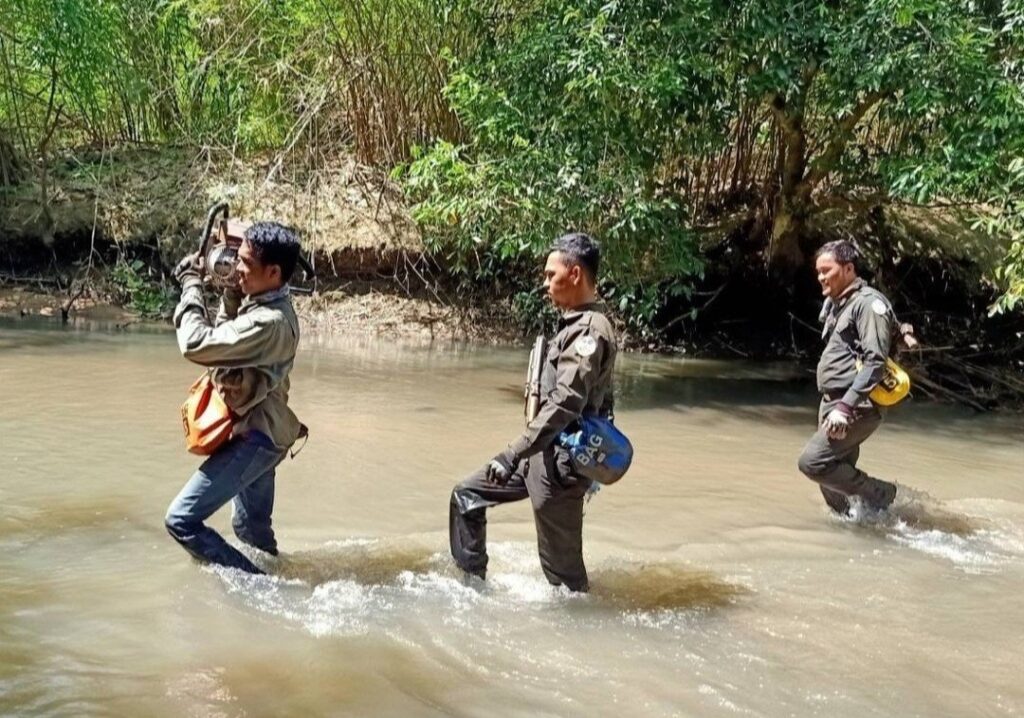
The Shinta Mani Foundation works with Wildlife Alliance to protect the Cardamom Rainforest. They hire rangers to stop illegal activities like poaching and cutting trees. The rangers help keep the forest safe. This helps protect the animals and plants in the rainforest. The Foundation also helps people who used to hunt animals by giving them new jobs. These jobs help them earn money without harming the forest. By protecting the rainforest and helping people, the Foundation helps both nature and local communities. This work is good for the animals, plants, and people.
Vocabulary:
An alliance: A group of people or organizations working together.
To protect: To keep something safe from harm.
Rainforest: A very wet forest with many trees, often in hot places.
To hire: To give someone a job and pay them.
A ranger: A person who protects nature and animals, like in a park.
Illegal: Not allowed by law.
Poaching: Catching or killing animals in a way that is not allowed.
To cut trees: To remove trees by cutting them down.
To keep safe: To make sure something is not harmed or damaged.
Plants: Living things like flowers, trees, and grasses that grow in the ground.
To hunt: To look for and catch animals.
To earn money: To receive money by working or doing something.
To harm somebody: To hurt or cause damage to someone.
Communities: Groups of people living in the same place.
#############################
1, Complete the sentences with the correct words from the text.
The Foundation works with Wildlife __________.
Rangers stop illegal __________ like poaching.
The rangers help __________ the rainforest.
The Foundation helps people by giving them new __________.
Poaching is an __________ activity.
The Foundation hires __________ to protect the forest.
The rangers work to keep the animals __________.
The Foundation helps people earn __________ in other ways.
The rainforest has many different kinds of __________.
People used to __________ animals but now have new jobs. ____________________
################################
2. True or false
The Foundation works alone to protect the rainforest.
The Foundation hires rangers to stop illegal poaching.
Rangers are paid to harm animals.
The Foundation helps former poachers find new jobs.
The rainforest has only a few trees.
Illegal activities harm the forest and animals.
The Foundation protects both animals and plants.
The Foundation helps local communities earn money.
Poaching is a legal activity in the rainforest.
People who used to poach can now work in the forest.
#####################
3. Match the first part with the correct phrase below.
The Foundation works with
Rangers stop illegal
The rangers help
The Foundation gives people
Poaching and logging are
The Foundation hires rangers
The Foundation helps people by
People can earn money
The rainforest is full of
The Foundation protects animals
a. giving them new jobs. b. plants and animals. c. Wildlife Alliance. d. dangerous for the environment. e. by hiring rangers. f. to protect the forest. g. activities like poaching. h. new jobs in the community. i. keeping the animals safe. j. the Cardamom Rainforest.
________________________
#######################
4. Choose the correct answers. More than one answer may be correct.
What does the Foundation do? a) Protects the rainforest b) Provides loans c) Hires rangers d) Cuts down trees
Who helps protect the Cardamom Rainforest? a) The Foundation b) Wildlife Alliance c) Local communities d) Poachers
What are rangers paid to do? a) Protect the forest b) Hunt animals c) Stop illegal poaching d) Cut down trees
What can former poachers do now? a) Sell animals b) Work as rangers c) Get new jobs d) Keep poaching
What does the Foundation offer to help people? a) Food b) New jobs c) Free trees d) Loans
What is illegal in the rainforest? a) Poaching b) Planting trees c) Logging d) Selling food
What do rangers help keep safe? a) People b) Animals c) The forest d) Trees
What is the main goal of the Foundation? a) To stop poaching b) To plant trees c) To protect the rainforest d) To make money
What do people used to do in the rainforest? a) Plant trees b) Poach animals c) Sell food d) Work as rangers
What does the Foundation work to protect? a) The Cardamom Rainforest b) The animals c) The plants d) The villages
_____________________________
#############################
5. Rearrange the words to make correct sentences – NOT EASY
protect / the / rainforest / Foundation / to / helps / the