Kategorie: Shinta Mani Foundation

  • Christmas elsewhere

    a big tourist attraction

    This time a text introducing Christmas markets here in Vienna, Austria, in my hometown, also a big tourist attraction.

    Each year, Vienna’s Christmas markets bring magic to the city from mid-November to the end of December. People from all over come to enjoy the lights, music, and warm treats.

    One of the biggest markets is in front of the City Hall, called *Vienna Christmas Dream*. It has more than 150 stalls selling gifts, decorations, and delicious food. Children love the small rides and games set up nearby.

    Another favorite is the *Belvedere Palace Christmas Market*. The grand palace becomes even more beautiful with holiday lights. Here, visitors find crafts, jewelry, and unique decorations, with a lovely view of the palace.

    For a cozy, local feel, the *Spittelberg Christmas Market* is perfect. It’s in a historic part of the city, with small stalls lining the narrow streets, offering handmade art and crafts.

    At all these markets, people can enjoy mulled wine, roasted chestnuts, gingerbread, and other holiday treats. Vienna’s Christmas markets are a wonderful way to feel the holiday spirit, find special gifts, and enjoy Austrian traditions with family and friends.

    ################################

    Here are 10 questions based on the text – can you answer them?

    1. When do Vienna’s Christmas markets usually open?
    2. What is the name of the large market in front of the City Hall?
    3. How many stalls are at the *Vienna Christmas Dream* market?
    4. What can visitors buy at the City Hall market?
    5. What activities are available for children at the *Vienna Christmas Dream*?
    6. Which Christmas market has a view of a grand palace?
    7. What types of items are sold at the *Belvedere Palace Christmas Market*?
    8. Where is the *Spittelberg Christmas Market* located in Vienna?
    9. What kind of items are popular at the *Spittelberg Christmas Market*?
    10. What holiday treats can people enjoy at all of Vienna’s Christmas markets?

    ################################

    Vocabulary

    1. **Enjoy** – To feel happy or have a good time.
    2. **Treats** – Special foods or snacks that are enjoyable and often sweet.
    3. **Stalls** – Small shops or stands where people sell things.
    4. **Gifts** – Items given to others to make them happy, usually without expecting anything in return.
    5. **Rides** – Fun activities, often at fairs or markets, where people go on moving seats or machines.
    6. **Crafts** – Handmade items, like decorations or artwork, made with skill.
    7. **Jewelry** – Small, beautiful items people wear, like rings, necklaces, or bracelets.
    8. **Unique** – Something special or one of a kind, not like anything else.
    9. **Cozy** – Warm, comfortable, and inviting.
    10. **Mulled Wine** – Warm wine mixed with spices like cinnamon, usually enjoyed in winter.
    11. **Chestnuts** – A type of nut that people roast and eat, often around Christmas.
    12. **Gingerbread** – A type of sweet, spiced cookie or cake, often shaped like people or houses during Christmas.


    link

    ################################

    Here are 12 multiple-choice questions based on the text, with four options for each. Some questions may have more than one correct answer.

    1. When do Vienna’s Christmas markets usually open?
    – A) Early November
    – B) Mid-November
    – C) December 1
    – D) End of December

    2. Which of the following can you find at the *Vienna Christmas Dream* market?
    – A) Over 150 stalls
    – B) Handmade crafts and decorations
    – C) Historic buildings
    – D) Rides and games for children

    3. What types of food treats are common at Vienna’s Christmas markets?
    – A) Roasted chestnuts
    – B) Mulled wine
    – C) Hamburgers
    – D) Gingerbread

    4. What is special about the *Belvedere Palace Christmas Market*?
    – A) It has a view of a palace
    – B) It is the oldest Christmas market in Vienna
    – C) It sells crafts and jewelry
    – D) It opens in January

    5. What can children enjoy at the *Vienna Christmas Dream*?
    – A) Games and small rides
    – B) Shopping for gifts
    – C) Painting workshops
    – D) Food stalls

    6. Where is the *Spittelberg Christmas Market* located?
    – A) Near the City Hall
    – B) In a historic area with narrow streets
    – C) Inside a shopping mall
    – D) Near the Belvedere Palace

    7. Which items are popular to buy as gifts at the markets?
    – A) Jewelry
    – B) Electronics
    – C) Handmade crafts
    – D) Fresh vegetables

    8. What does the word „cozy“ describe about the *Spittelberg Christmas Market*?
    – A) It is warm and comfortable
    – B) It is open year-round
    – C) It feels welcoming and friendly
    – D) It is very large

    9. What drinks are commonly enjoyed at Vienna’s Christmas markets?
    – A) Mulled wine
    – B) Hot chocolate
    – C) Iced lemonade
    – D) Coffee

    10. What makes the Christmas markets in Vienna feel “unique”?
    – A) Each market has its own special charm
    – B) They sell only food items
    – C) They include local traditions and crafts
    – D) They are open all year

    11. Which decorations are commonly sold at the markets?
    – A) Holiday ornaments
    – B) Painted dishes
    – C) Silk scarves
    – D) Wooden toys

    12. Why do people visit the Christmas markets in Vienna?
    – A) To buy everyday items
    – B) To enjoy holiday spirit and lights
    – C) To find unique gifts and treats
    – D) To see traditional Austrian crafts and music

    ################################

    Find the words in the text – which word are we looking for?

  • Bon Om Touk,the Cambodian Water Festival (A2+/B1-)

    You work at the front desk of a ***** hotel in Siem Reap. A guest approaches you and asks you what Bon Om Touk is, being celebrated from 14 to 16 November2024.

    Bon Om Touk, also called the Cambodian Water Festival, is a lively and important festival in Cambodia. It celebrates the end of the rainy season and the natural „reversal“ of the Tonle Sap River, which changes its flow direction. This event is special because the Tonle Sap River is one of the few rivers in the world that flows both ways, and this reversal brings lots of fish to the region. Bon Om Touk is celebrated over three days in November, especially in the capital, Phnom Penh.

    During the festival, people gather to watch colorful boat races along the Tonle Sap River. Long boats, powered by teams of rowers, compete against each other, and thousands of people cheer them on. The races are the main highlight of Bon Om Touk and attract participants from all over Cambodia.

    At night, there are beautiful light displays, music, fireworks, and ceremonies. People light lanterns and float small boats with candles on the river to bring good luck. Bon Om Touk is not only a celebration of nature but also a way for Cambodians to honor their water, which is important for farming, fishing, and everyday life.

    ********************************

    Find the following words in the text:

    • _________Very valuable or needed; something that matters a lot.
    • ________A stick of wax that you light to make a small flame and give light.
    • ________People who join in or take part in something.
    • ________To clap, shout, or show happiness and support for someone.
    • ___________To come together in one place.
    • _________When something changes direction and goes the opposite way.
    • _________Full of energy, activity, and excitement.

    *******************************

    Complete:

    1. The __________ is blown out when the wind is strong.
    2. People gather to cheer for the boat races during the __________.
    3. She lights the candle to see better in the __________.
    4. Participants of the __________ each receive a medal.
    5. Important things are __________ that do not matter a lot.
    6. A lively crowd watches the __________ on the river.
    7. He gathers his friends for a big __________.
    8. Reversal means that something __________ direction.
    9. The boy __________ happily to support his friends.
    10. __________ are people who take part in something.

    ################################

    More than 1 answer may be correct:

    1. **What is Bon Om Touk also known as?**
    – A) Cambodian Water Festival
    – B) Khmer Boat Festival
    – C) Cambodian New Year
    – D) River Reversal Festival

    2. **Why is Bon Om Touk celebrated?**
    – A) To honor Cambodia’s history
    – B) To celebrate the river’s reversal
    – C) To mark the end of the rainy season
    – D) To celebrate the Cambodian New Year

    3. **How long does Bon Om Touk last?**
    – A) One day
    – B) Three days
    – C) Five days
    – D) A week

    4. **Where is Bon Om Touk mainly celebrated?**
    – A) Angkor Wat
    – B) Phnom Penh
    – C) Siem Reap
    – D) Tonle Sap Lake

    5. **Which of the following activities are part of Bon Om Touk?**
    – A) Boat races
    – B) Lantern lighting
    – C) Fireworks displays
    – D) Harvest ceremonies

    6. **What does the river reversal bring to Cambodia?**
    – A) More rainfall
    – B) Large numbers of fish
    – C) New plant species
    – D) Fresh water for farming

    7. **Who participates in the boat races?**
    – A) Rowers from all over Cambodia
    – B) Only locals from Phnom Penh
    – C) International participants
    – D) Tourists visiting Cambodia

    8. **What types of boats are used in the races?**
    – A) Long boats with teams of rowers
    – B) Fishing boats
    – C) Wooden canoes
    – D) Motorized boats

    9. **Which of the following best describes the festival atmosphere?**
    – A) Quiet and reflective
    – B) Lively and energetic
    – C) Peaceful and silent
    – D) Joyful and celebratory

    10. **What time of year does Bon Om Touk take place?**
    – A) During the rainy season
    – B) At the end of the rainy season
    – C) In November
    – D) In April

    11. **How do people show good luck during Bon Om Touk?**
    – A) By floating small boats with candles
    – B) By attending prayer ceremonies
    – C) By dancing around the river
    – D) By wearing traditional clothing

    12. **Why is Bon Om Touk significant to Cambodians?**
    – A) It honors water, essential for life
    – B) It attracts international tourists
    – C) It celebrates the river that helps with farming and fishing
    – D) It marks the start of the dry season

    ################################

    Which phrase are we looking for? First, find words in text!

    111124

  • Cambodia,Independence Day, November 9.

    Cambodia gained freedom from France in 1953

    You work at the front desk of a ***** hotel in Siem Reap, a guest approaches you, it is the 9th of November, and asks you, why all the roads show flags. You tell him:

    Cambodia celebrates Independence Day every year on November 9. This day marks when Cambodia gained freedom from France in 1953. Cambodia was under French control since the late 1800s, as part of what was called French Indochina, which included Vietnam and Laos too.

    After World War II, Cambodian people started wanting independence, feeling proud of their culture and identity. King Norodom Sihanouk, who ruled Cambodia at the time, played a big role in this. He pushed for freedom, using peaceful discussions with the French government. In 1953, his efforts succeeded, and Cambodia was finally declared independent on November 9.

    Since then, November 9 has been a very special day for Cambodians. They celebrate with parades, music, fireworks, and ceremonies, mostly centered around the Independence Monument in Phnom Penh, the capital city. The monument itself is a symbol of Cambodia’s freedom and pride.

    Independence Day is important in Cambodia as it reminds people of their journey to become a free nation. It also honors King Sihanouk’s role in making independence possible, celebrating the unity and strength of the Cambodian people.

    ################################

    Find the follwing words in the text:

    1. __________ The ability to do what you want without being controlled by others.

    2. __________ The way people live, including their language, traditions, and beliefs.

    3. _________ To do something special for a happy event or day.

    4. _________ A large statue or structure made to remember an important person or event.

    5. __________ To get or receive something important or valuable.

    6. _________ The freedom for a country or person to make their own choices and decisions.

    7. __________ Colorful lights and sounds made by small explosions, usually for celebrations.

    8. __________ Calm and without fighting or violence.

    9. ___________ A strong feeling of happiness or respect for something or someone important.

    10. ____________ A talk between people to share ideas or solve problems.

    ################################


    Here are 10 questions based on the text (present/past tense!)

    1. When does Cambodia celebrate Independence Day each year?

    2. Which country did Cambodia gain independence from in 1953?

    3. What was French Indochina, and which countries were included in it?

    4. Who was the Cambodian leader that pushed for independence?

    5. What method did King Norodom Sihanouk use to work toward Cambodia’s independence?

    6. What happened on November 9, 1953, in Cambodia?

    7. How do Cambodians celebrate Independence Day today?

    8. What is the purpose of the Independence Monument in Phnom Penh?

    9. Why is Independence Day important to Cambodian people?

    10. How does Independence Day honor King Sihanouk’s role in Cambodian history?

    ################################

    Here are 12 multiple-choice questions with multiple correct answers based on the text:

    1. **What does Cambodia celebrate on November 9 each year?**

    – a) National Heroes Day

    – b) Independence Day

    – c) Cambodian Culture Day

    – d) Khmer New Year

    2. **Which countries were part of French Indochina?**

    – a) Cambodia

    – b) Thailand

    – c) Vietnam

    – d) Laos

    3. **How did Cambodian people feel after World War II?**

    – a) Proud of their culture

    – b) Ready to fight France

    – c) Wishing for independence

    – d) Afraid of losing their language

    4. **Who played a major role in Cambodia’s journey to independence?**

    – a) King Norodom Sihanouk

    – b) The French government

    – c) Khmer Rouge

    – d) Local villagers

    5. **What approach did King Sihanouk use to achieve independence?**

    – a) Peaceful discussions

    – b) Violent protests

    – c) Diplomatic talks with France

    – d) Economic sanctions

    6. **What kinds of activities happen on Cambodia’s Independence Day?**

    – a) Parades

    – b) Fireworks

    – c) School exams

    – d) Musical performances

    7. **Where do many of the celebrations take place on Independence Day?**

    – a) Phnom Penh

    – b) Angkor Wat

    – c) Independence Monument

    – d) Royal Palace

    8. **What does the Independence Monument in Phnom Penh symbolize?**

    – a) Cambodia’s freedom

    – b) King Sihanouk’s achievements

    – c) Pride in Cambodian culture

    – d) Cambodia’s rich history

    9. **Why is November 9 an important date for Cambodia?**

    – a) It celebrates Cambodia’s independence

    – b) It honors Cambodian heroes

    – c) It marks the end of French control

    – d) It is the day Cambodia joined French Indochina

    10. **How do people in Cambodia celebrate their pride on Independence Day?**

    – a) Through traditional dances

    – b) By remembering their history

    – c) With family gatherings

    – d) By visiting ancient temples

    11. **How is King Sihanouk remembered on Independence Day?**

    – a) For his role in securing independence

    – b) As the founder of Phnom Penh

    – c) For leading peaceful discussions

    – d) As a symbol of Cambodian unity

    12. **What does independence mean to Cambodians?**

    – a) Freedom from foreign rule

    – b) The ability to make their own choices

    – c) Stronger cultural pride

    – d) Strict rules from France

    ################################

    Which are correct?

    1. The Independence Monument in Phnom Penh is a symbol of Cambodia’s freedom.

    2. King Norodom Sihanouk used violent protests to gain independence from France.

    3. November 9 is an important date because it marks the end of French control in Cambodia.

    4. French Indochina included Cambodia, Vietnam, and Thailand.

    5. Cambodian Independence Day celebrations often feature parades, fireworks, and music.

    6. King Sihanouk did not play a significant role in Cambodia’s independence.

    7. Cambodia gained independence from the United States in 1953.

    8. Cambodia celebrates Independence Day every year on November 9.

    9. Independence Day celebrations in Cambodia include school exams to test students‘ knowledge of history.

    10. King Sihanouk is remembered for his peaceful approach to securing independence for Cambodia.

    ################################

    091124

  • Oum, a girl going for gold!

    everyday life
    (present simple, questions and answers)

    Oum is a young girl who lives in Siem Reap and goes to high school there. Here’s what her typical day looks like:

    In the morning, at 6:30am, Oum wakes up when her alarm rings. She quickly gets ready and has breakfast with her family. Then, she goes to school, walking with her friends.

    At school, Oum attends classes like Khmer literature, math, English, and history. During breaks, she chats with her friends and has some snacks.

    After school, Oum sometimes does activities like dancing or playing volleyball. When she gets home, she relaxes, does homework, and spends time with her family.

    In the evening, they have dinner together and talk about their day. After finishing any remaining homework, Oum gets ready for bed.

    She brushes her teeth, changes into pajamas, and goes to sleep, ready for another day at school.

    ################################

    WRITE AN INTERVIEW WITH OUM,
    minimum 10 more questions and answers, in complete sentences, start with:

    YOU: Good morning, Oum, when do you get up in the morning?

    OUM: I usually get up at 6:30.

    YOU Does your mother wake you up?

    OUM: No, my alarm rings and wakes me up.

    YOU:…
    ################################

    WRITE AN INTERVIEW ON OUM WITH OUM’S MOTHER.
    minimum 10 more questions and answers, in complete sentences, start with:


    YOU: Good morning, Char, when does Oum get up in the morning?

    OUM: She usually gets up at 6:30.

    YOU: Do you wake her up?

    OUM: No, her alarm rings and wakes her up.

    YOU:…


    When you are done you can send me the file via SMFrockZ(at)gmx(dot)at,
    I’ll have a look at it, and give advice in case there are some mistakes.

    081124

  • Working at the front desk of a ***** hotel

    A perfect receptionist at a five-star hotel should have the following qualities:

    1. **Great Communication**: They speak clearly and kindly, listen well to guests, and can write messages properly.

    2. **Excellent Customer Service**: They are dedicated to making guests happy and always try to help with their needs.

    3. **Attention to Detail**: They pay close attention to details, making sure reservations and requests are accurate.

    4. **Problem Solving**: They can handle complaints and issues calmly and find good solutions for guests.

    5. **Multitasking**: They can manage many tasks at once, like checking in guests while answering the phone.

    6. **Knowledgeable**: They know about the hotel’s services, amenities, and local attractions to give guests useful information.

    7. **Professional Appearance**: They dress nicely and act in a friendly and welcoming manner.

    8. **Tech Savvy**: They are comfortable using hotel software for check-ins, check-outs, and billing.

    9. **Cultural Awareness**: They respect different cultures and can interact well with international guests, possibly speaking other languages.

    10. **Team Player**: They work well with other staff members, like housekeeping and management.

    11. **Empathy and Patience**: They show understanding and patience, especially in busy situations or with upset guests.

    These qualities help create a friendly and enjoyable experience for guests, showing the high standards of a five-star hotel.

  • Angkor Half Marathon in Siem Reap

    unique is its location

    The Angkor Half Marathon is a popular running event held every year in Siem Reap, Cambodia. What makes this marathon unique is its location around the ancient temples of Angkor Wat, a UNESCO World Heritage site. Runners from around the world come to experience Cambodia’s culture and history as they run.

    The marathon offers several race options. Besides the main half marathon of 21.1 kilometers, there are shorter races like a 10-kilometer run and a 3-kilometer fun run, allowing people of all ages and fitness levels to participate. Many runners join with friends and family to enjoy the beautiful scenery together.

    The Angkor Half Marathon is more than just a race; it raises funds to support landmine victims and helps local charities focused on health, education, and the environment. This meaningful purpose draws people who want to make a difference while experiencing Cambodia’s stunning landscapes and ancient temples.

    With the sunrise over the temples and traditional music along the route, the marathon offers an unforgettable experience. Participants describe it as a magical way to combine fitness, fun, and a good cause in a historic setting.

    ################################

    Find these word in the text:

    _______A person who takes part in an activity.

    ________To give most of your attention to something.

    ________A planned activity, like a race, concert, or celebration, where people gather.

    _______Very beautiful or amazing to see.

    __________ The natural view, like mountains, trees, and rivers, especially in a beautiful place.

    __________To feel happy and have fun doing something.

    ________Special and different from anything else.

    ################################

    Answer these questions based on the text

    1. Where is the Angkor Half Marathon held?

    2. Why is the Angkor Half Marathon unique?

    3. Which famous UNESCO site serves as the backdrop for the race?

    4. What are the different race options available in the Angkor Half Marathon?

    5. How long is the main half marathon race?

    6. Who can participate in the event?

    7. What cause does the Angkor Half Marathon support?

    8. How does the marathon help local communities?

    9. What do participants see along the race route?

    10. How do runners describe the experience of running in the Angkor Half Marathon?

    11. What special sounds can runners hear along the course?

    12. Why do people enjoy participating in this event?

    ################################

    Here are 12 multiple-choice questions, with more than one correct answer in some cases

    1. **Where is the Angkor Half Marathon held?**

    – A) Phnom Penh

    – B) Siem Reap

    – C) Angkor Wat

    – D) Battambang

    2. **What makes the Angkor Half Marathon unique?**

    – A) It takes place around ancient temples

    – B) It raises funds for charity

    – C) It is held on the beach

    – D) It includes a sunrise view over Angkor Wat

    3. **Which race options are available in the Angkor Half Marathon?**

    – A) Half marathon (21.1 km)

    – B) 10-kilometer run

    – C) 5-kilometer run

    – D) 3-kilometer fun run

    4. **Who can participate in the Angkor Half Marathon?**

    – A) Only professional runners

    – B) People of all ages

    – C) Only local residents

    – D) Friends and families together

    5. **Which of the following describe the setting of the marathon?**

    – A) Historic temples

    – B) Mountains

    – C) Cultural music along the route

    – D) Beaches

    6. **What purpose does the Angkor Half Marathon support?**

    – A) Education for children

    – B) Health and safety

    – C) Sports training programs

    – D) Landmine awareness

    7. **What makes the race enjoyable for participants?**

    – A) Beautiful views of the temples

    – B) Chance to meet runners from other countries

    – C) The night-time start of the race

    – D) Traditional music along the route

    8. **What special feature can runners enjoy during the race?**

    – A) Sunrise over the temples

    – B) Free food and drinks throughout

    – C) Traditional Cambodian music

    – D) City lights in the background

    9. **How do the funds from the Angkor Half Marathon help the community?**

    – A) They support local charities

    – B) They promote sports tourism

    – C) They fund environmental projects

    – D) They support landmine victims

    10. **Which of these describe the event?**

    – A) A cultural experience

    – B) A way to support good causes

    – C) A professional-only competition

    – D) An event in a natural setting

    11. **How do participants describe the experience?**

    – A) Magical and beautiful

    – B) Physically challenging

    – C) Boring and repetitive

    – D) Inspirational and unique

    12. **Why do people travel from different countries to join this marathon?**

    – A) To see ancient temples while running

    – B) To compete for prize money

    – C) To support meaningful causes

    – D) To enjoy Cambodia’s scenery

    301024

  • Diwali 2024: The Festival of Lights

    What you should know when having Indian guests at the end of October

    Diwali, also known as the Festival of Lights, will be celebrated on October 31, 2024. This important festival is …………………………. by millions of people around the world, especially in India. Diwali symbolizes the ……………………….. of light over darkness and good over evil.

    The festival lasts for five days, but the main celebration happens on the third day. People prepare for Diwali by cleaning and ………………………. their homes. They light oil lamps, called diyas, and hang colorful lights. Many families create beautiful rangoli designs at their doorsteps, using colored powders and flowers.

    On Diwali, families gather to worship Goddess Lakshmi, the goddess of wealth and …………………………….. They pray for happiness, health, and success in the coming year. It is also a time for exchanging gifts and sharing ………………….. with friends and family. Fireworks light up the night sky, adding to the joy of the celebration.

    Diwali is not just about fun; it also promotes values like ………………….. and togetherness. This year, let us celebrate Diwali with love, joy, and a spirit of community, bringing light and …………………………. into our lives.

    FILL IN:

    kindness, celebrated, sweets, decorating, victory, happiness, prosperity

    ################################

    Answer these questions on the text

    1. What is Diwali also known as?

    2. When will Diwali be celebrated in 2024?

    3. Why is Diwali considered the Festival of Lights?

    4. How long does the Diwali festival last?

    5. What do people do to prepare for Diwali?

    6. What are diyas, and what purpose do they serve during the festival?

    7. What is rangoli, and where do people create it?

    8. Which goddess do families worship during Diwali?

    9. What do people pray for during the celebration of Diwali?

    10. How do families celebrate Diwali with their friends and loved ones?

    11. What is one way Diwali promotes community values?

    12. What message does Diwali convey about light and darkness?
    ################################

    Here are 12 multiple-choice questions based on the Diwali article, with options that include more than one correct answer:

    1. What is Diwali also known as?

    – A) Festival of Colors

    – B) Festival of Lights

    – C) Harvest Festival

    – D) New Year Festival

    2. When will Diwali be celebrated in 2024?

    – A) October 30

    – B) October 31

    – C) November 1

    – D) November 2

    3. Why is Diwali considered the Festival of Lights?

    – A) It marks the end of summer.

    – B) It symbolizes the victory of light over darkness.

    – C) People light diyas and fireworks.

    – D) It is a harvest celebration.

    4. How long does the Diwali festival last?

    – A) 3 days

    – B) 5 days

    – C) 7 days

    – D) 1 week

    5. What do people do to prepare for Diwali?

    – A) Clean their homes

    – B) Decorate with lights

    – C) Buy new clothes

    – D) Prepare traditional dishes

    6. What are diyas, and what purpose do they serve during the festival?

    – A) They are food items.

    – B) They are oil lamps used to light homes.

    – C) They are gifts exchanged between friends.

    – D) They are used in prayers.

    7. What is rangoli, and where do people create it?

    – A) A type of dance performed during Diwali.

    – B) Colorful designs made at doorsteps.

    – C) A special prayer performed at home.

    – D) A type of food served during the festival.

    8. Which goddess do families worship during Diwali?

    – A) Durga

    – B) Saraswati

    – C) Lakshmi

    – D) Kali

    9. What do people pray for during the celebration of Diwali?

    – A) Happiness

    – B) Health

    – C) Success

    – D) Wealth

    10. How do families celebrate Diwali with their friends and loved ones?

    – A) By exchanging gifts

    – B) By ignoring each other

    – C) By sharing sweets

    – D) By visiting temples

    11. What is one way Diwali promotes community values?

    – A) Encouraging rivalry

    – B) Fostering kindness and togetherness

    – C) Isolating individuals

    – D) Promoting teamwork

    12. What message does Diwali convey about light and darkness?

    – A) Light is more powerful than darkness.

    – B) Darkness should be celebrated.

    – C) Good triumphs over evil.

    – D) Light has no significance.

    ################################

    Find the following words in the text, which words are we looking for?

    291024

  • ‚Smile of Cambodia‘ Festival

    boost tourism and showcase Cambodia’s culture

    The „Smile of Cambodia“ festival is an event celebrating Cambodian heritage, held at Angkor Wat on October 29-30, organized by the Ministry of Culture and Fine Arts. This two-day event includes over 500 artists performing traditional music, dance, and drama. Highlights include historical re-enactments from the Angkorian era and a royal parade honoring Khmer kings. Alongside performances, guests can explore exhibits of Khmer art, crafts, and taste Cambodian cuisine.

    The festival is part of efforts to boost tourism and showcase Cambodia’s culture. By combining historical storytelling, visual art, and culinary traditions, the event allows visitors to experience the essence of Khmer culture in the country’s most famous temple complex, Angkor Wat. The cultural showcase reinforces Cambodia’s commitment to preserving its traditions and sharing them with a global audience, especially as the nation seeks to recover its tourism industry after recent global challenges.

    For further information, link

    +++++++++++++++++++++++++++++

    Some words defined:


    1. **Celebrate**: To do something special to mark a happy or important event.

    2. **Perform**: To do something, like acting or playing music, for other people to watch.

    3. **Re-enactment**: Acting out or repeating a past event, often to remember or learn about it.

    4. **Honor**: To show respect or admiration for someone or something.

    5. **Exhibit**: To show or display something, usually in a public place like a museum.

    6. **Effort**: The energy or hard work put into doing something.

    7. **Culinary**: Related to cooking or food.

    8. **Essence**: The main or most important part of something.

    9. **Reinforce**: To make something stronger or more powerful.

    10. **Commitment**: A promise or strong decision to keep doing something.

    11. **Preserve**: To keep something in good condition or save it from being lost.

    12. **Challenge**: A difficult task or problem that requires effort to overcome.

    +++++++++++++++++++++++++++++

    Can you answer these questions?

    1. What is the purpose of the „Smile of Cambodia“ festival?

    2. Where and when will the „Smile of Cambodia“ festival take place?

    3. Who is organizing the event?

    4. How many artists are expected to participate in the festival?

    5. What types of performances and activities will the festival include?

    6. How does the festival highlight Cambodia’s historical heritage?

    7. Why is the festival significant for Cambodia’s tourism industry?

    8. What can visitors expect to experience in terms of Khmer cuisine?

    9. How does the festival honor Khmer kings?

    10. What role does the Ministry of Culture and Fine Arts play in the event?

    +++++++++++++++++++++++++++

    Here are 15 multiple-choice questions with four answer options each, where more than one answer may be correct.

    1. **What is the primary focus of the „Smile of Cambodia“ festival?**

    – a) Celebrating Khmer culture

    – b) Promoting global cuisine

    – c) Showcasing modern Cambodian fashion

    – d) Supporting wildlife conservation

    2. **When will the festival be held?**

    – a) October 20-21

    – b) October 25-26

    – c) October 29-30

    – d) November 1-2

    3. **Where is the event taking place?**

    – a) Phnom Penh

    – b) Angkor Wat

    – c) Siem Reap City Center

    – d) Battambang

    4. **Which group organizes the „Smile of Cambodia“?**

    – a) Cambodian Tourism Board

    – b) Ministry of Culture and Fine Arts

    – c) Local Artisans Guild

    – d) Angkor Wat Historical Trust

    5. **How many artists are expected to perform?**

    – a) 200

    – b) 300

    – c) 500

    – d) 700

    6. **Which of these activities will be featured?**

    – a) Traditional music and dance

    – b) Modern art installations

    – c) Historical re-enactments

    – d) Technology expos

    7. **What historical period is highlighted in re-enactments?**

    – a) The Angkorian era

    – b) French colonial era

    – c) Golden Age of Khmer civilization

    – d) Post-independence period

    8. **What types of food experiences are available at the festival?**

    – a) Khmer cuisine

    – b) International fusion dishes

    – c) Street food markets

    – d) Western fine dining

    9. **What other cultural displays will be present?**

    – a) Artisan crafts

    – b) Local jewelry exhibits

    – c) Pottery-making workshops

    – d) Traditional attire showcases

    10. **Who does the parade at the festival honor?**

    – a) Khmer kings

    – b) Cambodian freedom fighters

    – c) Influential artists

    – d) Local community leaders

    11. **What are the goals of the festival for Cambodia?**

    – a) Increasing tourism

    – b) Showcasing economic development

    – c) Supporting cultural preservation

    – d) Promoting international art sales

    12. **Which aspects of Cambodian heritage are showcased?**

    – a) Historical storytelling

    – b) Traditional dance

    – c) Ancient architecture

    – d) Digital art installations

    13. **What impact does the event aim to have on Angkor Wat?**

    – a) Increase visitor awareness of preservation

    – b) Attract film production companies

    – c) Showcase Angkor Wat’s architecture

    – d) Host international musical acts

    14. **What does the Ministry of Culture hope to achieve?**

    – a) Boost the economy

    – b) Enhance cultural appreciation

    – c) Promote sustainable tourism

    – d) Attract academic researchers

    15. **How does the festival contribute to Cambodian tourism?**

    – a) By creating a unique visitor experience

    – b) By partnering with global travel agencies

    – c) By promoting Cambodian arts

    – d) By focusing on eco-friendly travel
    ++++++++++++++++++++++++++++++++++


    Which word/s are we looking for?

    291024

  • Water Festival – Bon Om Tou (A2)

    You work at the front desk of a ***** hotel in Siem Reap.
    A guest approaches you and asks you about the Water Festival-Bon Om Tou.


    The Water Festival, known as Bon Om Touk, is one of Cambodia’s most important ______________. In November 2024, it will be held from the 14th to the 16th in Siem Reap, as well as in other cities like Phnom Penh and Battambang. This festival celebrates the natural ___________ when the Tonle Sap River changes its flow direction, marking the end of the rainy season and the start of the fishing season.

    In Siem Reap, the Water Festival is celebrated with **boat races** on the river, where teams of _________ compete in colorful traditional boats. The races attract many spectators, both locals and tourists, who __________- to cheer for their favorite teams. At night, the riverside comes alive with fireworks, music _______, and street food stalls, creating a lively atmosphere.

    The festival is not only about entertainment but also holds cultural _________, as it has been celebrated for centuries, reflecting Cambodia’s deep ___________ with its rivers. It’s a time when families come together, and everyone enjoys the festive mood.

    FILL IN:
    connection – performances – celebrations – rowers – phenomenon – gather – significance

    ###############################

    Only ONE answer ist correct

    1. **Celebration**

    – A) A joyous event held in recognition of a special occasion.

    – B) A gathering to discuss serious matters.

    – C) A display of artwork.

    2. **Phenomenon**

    – A) An observable event that is remarkable or extraordinary.

    – B) A common occurrence in daily life.

    – C) A fictional story.

    3. **Season**

    – A) A period of the year marked by specific weather or events.

    – B) A time to relax and take a break.

    – C) A celebration of nature.

    4. **Compete**

    – A) To engage in a contest or rivalry for a goal.

    – B) To work together as a team.

    – C) To relax in a social setting.

    5. **Gather**

    – A) To come together in one place for a purpose.

    – B) To separate or divide.

    – C) To move away from a location.

    6. **Fireworks**

    – A) Explosive devices that create colorful displays in the sky.

    – B) A type of fire used for cooking.

    – C) A natural disaster involving fire.

    7. **Significance**

    – A) The meaning or importance attached to something.

    – B) A casual reference to an event.

    – C) A brief explanation of a situation.

    8. **Celebrate**

    – A) To observe a special occasion with festivities.

    – B) To express dissatisfaction with something.

    – C) To reflect quietly on an experience.

    9. **Enjoy**

    – A) To take pleasure or find satisfaction in something.

    – B) To tolerate a difficult situation.

    – C) To avoid interaction with others.

    ################################

    ANSWER in complete sentences

    1. What is the primary purpose of the water festival?

    2. During which month is the water festival typically celebrated?

    3. What traditional activity often takes place during the water festival?

    4. Which country is most famously associated with the water festival?

    5. What common items are used during the water festival celebrations?

    6. What cultural significance does the water festival hold for many participants?

    7. In addition to water throwing, what other activities might be found at the water festival?

    8. How do people typically prepare for the water festival?

    9. What is a popular tradition regarding images of Buddha during the water festival?

    10. How do people generally feel during the water festival?

    ################################
    CAN YOU SOLVE THE PUZZLE?
    (Words from text above)

    161024

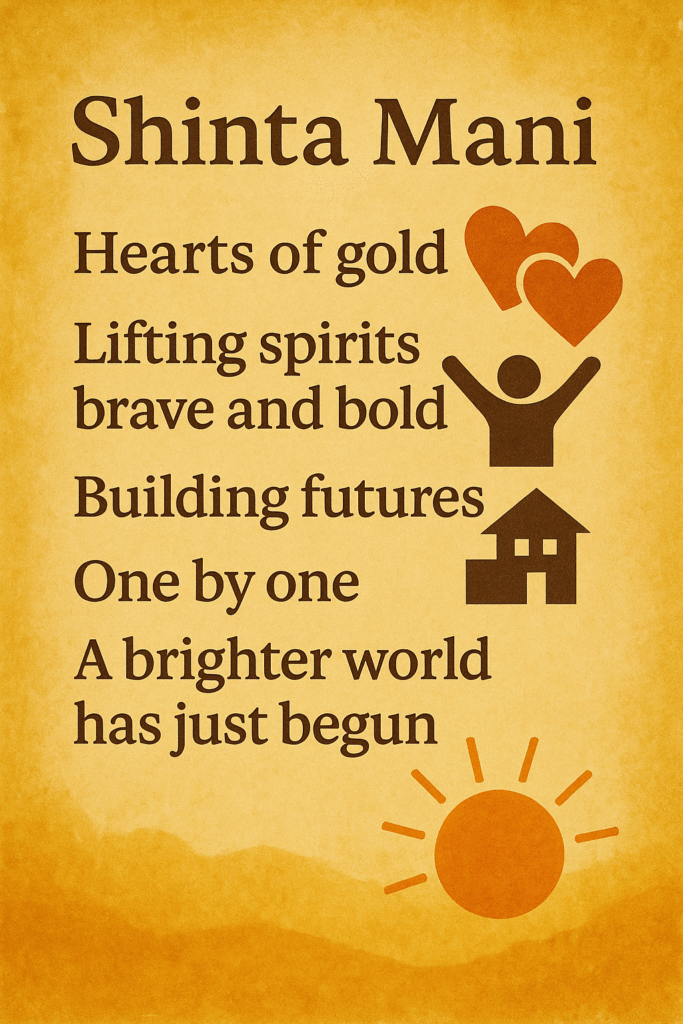
  • Shinta Mani Foundation

    helping those in need

    As October 15, 2025 will be a great day for the Shinta Mni Foundation and its alumnis, homecoming is on the horizon, a brief summary of a great organisation, run by a great team:

    The Shinta Mani Foundation
    works to improve the lives of people in Cambodia through education, healthcare, sustainable farming, housing, and economic development.

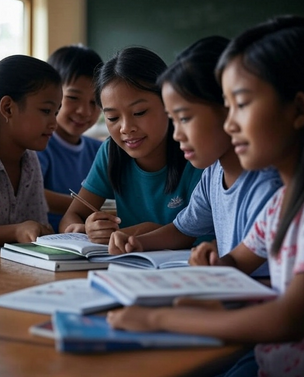
    In education, the foundation offers free hospitality training for young adults from poor backgrounds, teaching skills like cooking and hotel management. This helps them find jobs and support their families. It also provides life skills training, including English and computer lessons.

    For healthcare, the foundation operates mobile clinics that bring free medical care to remote villages, ensuring that people have access to doctors and treatments.

    In sustainable farming, the foundation helps local farmers by teaching eco-friendly practices to increase their food production. It also installs clean water systems in villages to provide safe drinking water.

    The foundation also builds houses for families in need, providing them with safe and stable homes.

    To support economic development, it offers microloans to help people start or grow small businesses, encouraging entrepreneurship and self-sufficiency.

    Through these combined efforts, the Shinta Mani Foundation empowers communities to improve their lives and create a brighter, more stable future.

    Thank you Bill Bensley

    131024