Kategorie: Dokan School

  • πŸ’β€β™€οΈπŸΆπŸ˜Your thirteenth English text for beginners – Salas’s dream, chef in a ***** hotel (A1 beginners, personal pronouns, part 13/13)πŸ’β€β™€οΈπŸΆπŸ˜

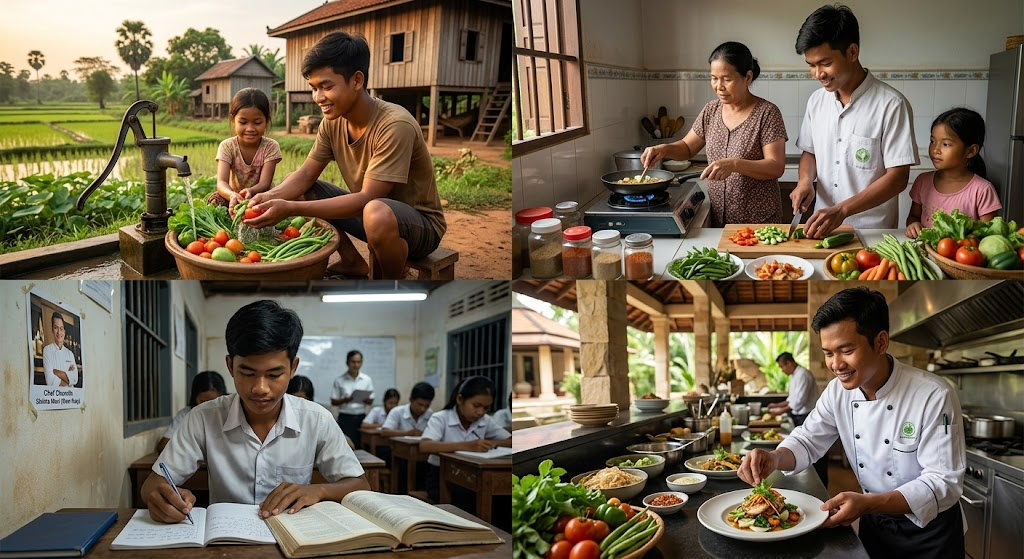
    My name is Salas. I live in a small village with my family. I live with my sister Lina. Our home is near a small farm. I love my village because it is peaceful and I can enjoy nature.

    I have a big dream. I want to be a cook in a five-star hotel one day. My idols are Chef Chanrith (Shinta Mani/Siem Reap), and Chef Reza (Amanjiwo/Borobudur). I love making food for people. I want to cook tasty meals and make guests happy. I also want to be a cook who cares about the Earth.

    I want to keep sustainability as the most important thing in my work. I want to use fresh food, save water, and not waste food. I want to use food from local farms and help farmers.

    I learn many things for my dream. At home, I help my family in the kitchen. I wash vegetables, clean the kitchen, and help cook simple meals. I go to school and learn English because I want to talk with guests. I work hard every day because I want to become a great cook in the future.

    __________________________

    Vocabulary:

    Word / PhraseDefinition
    a villagea small place where people live, smaller than a town
    to be peacefulto be quiet and calm, with no danger or problems
    to enjoy natureto like trees, plants, animals, and the outdoors
    an idola person you like and admire very much
    to cookto make food
    a tasty mealfood that tastes very good
    to make somebody happyto give someone a good feeling
    to care about somethingto think something is important and want to help or protect [to keep someone or something safe from danger] it
    sustainabilityusing things carefully to protect the Earth for the future
    to save waterto use less water and not waste it
    vegetablesplants that people eat, like carrots, tomatoes, or beans
    a kitchena room where people make food
    a simple mealeasy food that is not difficult to make
    in the futureat a later time, not now

    ####################

    Match the words with the definitions

    Words

    1. a village
    2. to be peaceful
    3. to enjoy nature
    4. an idol
    5. to cook
    6. a tasty meal
    7. to make somebody happy
    8. to care about something
    9. sustainability
    10. to save water
    11. vegetables
    12. a kitchen
    13. a simple meal
    14. in the future
    15. to protect


    Definitions

    a. a room where people make food
    b. to give someone a good feeling
    c. to use less water and not waste it
    d. a person you like and admire very much
    e. food that tastes very good
    f. to keep someone or something safe from danger or harm
    g. at a later time, not now
    h. to make food
    i. plants that people eat, like carrots, tomatoes, or beans
    j. a small place where people live, smaller than a town
    k. to think something is important and want to help or protect it
    l. easy food that is not difficult to make
    m. to be quiet and calm, with no danger or problems
    n. using things carefully to protect the Earth for the future
    o. to like trees, plants, animals, and the outdoors

    _____________________________

    Answer:
    1-j, 2-m, 3-o, 4-d, 5-h, 6-e,
    7-b, 8-k, 9-n, 10-c, 11-i,
    12-a, 13-l, 14-g, 15-f
    #####################

    Match the definitions with the words

    Definitions

    1. A small place where people live, smaller than a town.
    2. To make food.
    3. A person you like and admire very much.
    4. To use less water and not waste it.
    5. Food that tastes very good.
    6. To keep someone or something safe from danger or harm.
    7. A room where people make food.
    8. To think something is important and want to help or protect it.
    9. To be quiet and calm, with no danger or problems.
    10. Plants that people eat, like carrots, tomatoes, or beans.
    11. At a later time, not now.
    12. To give someone a good feeling.
    13. Easy food that is not difficult to make.
    14. Using things carefully to protect the Earth for the future.
    15. To like trees, plants, animals, and the outdoors.


    Words

    a. sustainability
    b. to cook
    c. vegetables
    d. an idol
    e. to protect
    f. a simple meal
    g. to enjoy nature
    h. a kitchen
    i. to save water
    j. a village
    k. to make somebody happy
    l. to be peaceful
    m. in the future
    n. to care about something
    o. a tasty meal

    ______________________

    Answer:
    1-j, 2-b, 3-d, 4-i, 5-o, 6-e, 7-h, 8-n, 9-l,
    10-c, 11-m, 12-k, 13-f, 14-a, 15-g

    ################

    Fill in

    a. sustainability
    b. vegetables
    c. an idol
    d. to protect
    e. a simple meal
    f. to enjoy nature
    g. a village
    h. to save water
    i. a kitchen
    j. in the future
    k. to cook
    l. to care about something
    m. a tasty meal
    n. to be peaceful
    o. to make somebody happy
    p. a farmer
    q. fresh food
    r. a dream
    s. guests
    t. the Earth


    1. Salas lives in a small __________ with his family.
    2. The village is quiet and calm. It is very __________.
    3. Salas loves trees, plants, and animals. He likes to __________.
    4. A chef is his __________ because he admires great cooks.
    5. Salas wants to __________ food in a hotel one day.
    6. He wants to make __________ for hotel guests.
    7. Good food can __________.
    8. Salas wants to __________ the Earth.
    9. He thinks __________ is important in his work.
    10. A good cook should __________ and not waste it.
    11. Salas washes __________ before cooking.
    12. He helps his family in the __________.
    13. He can cook __________ at home.
    14. He wants to be a great chef __________.
    15. Salas has __________ to become a hotel cook.
    16. He uses __________ from local farms.
    17. He wants to help __________ who grow food.
    18. Hotel cooks prepare food for __________.
    19. Salas learns English because he wants to talk with hotel __________.
    20. Good chefs __________ about nature and people.

    —————————————–

    Answer:
    1-g, 2-n, 3-f, 4-c, 5-k, 6-m, 7-o,
    8-d, 9-a, 10-h, 11-b, 12-i, 13-e, 14-j,
    15-r, 16-q, 17-p, 18-s, 19-s, 20-l

    __________________________

    Full version:

    Salas lives with his family in a small village near a farm.

    He loves his home because it is quiet and calm. His village is peaceful.

    Salas loves trees, plants, and animals. He likes to enjoy nature.

    Chef Chanrith is an idol because Salas admires him.

    Salas wants to cook in a five-star hotel one day.

    He wants to prepare a tasty meal and make people enjoy his food.

    Good food can make somebody happy.

    Salas wants to care about something because nature is important to him.

    He believes sustainability is important for his work as a chef.

    He wants to save water and not waste it.

    Salas washes vegetables before he cooks.

    He helps his family in the kitchen at home.

    Salas learns to prepare a simple meal for his family.

    He wants to become a great cook in the future.

    Becoming a hotel chef is his big dream.

    He wants to use fresh food from local farms.

    He wants to help farmers who grow food.

    A hotel chef prepares food for guests.

    Salas wants to protect nature because he wants to help people and the planet.

    He wants to protect the Earth and keep the planet safe.

    #####################

    Which answer is correct?

    1. Salas lives in a small ______ with his family.
      a) hotel
      b) village
      c) kitchen
    2. Salas lives with his sister ______.
      a) Chanrith
      b) Reza
      c) Lina
    3. Salas’s home is near a small ______.
      a) farm
      b) school
      c) hotel
    4. Salas loves his village because it is ______.
      a) big
      b) busy
      c) peaceful
    5. Salas can enjoy ______ in his village.
      a) hotels
      b) nature
      c) guests
    6. Salas has a big ______.
      a) dream
      b) farm
      c) kitchen
    7. Salas wants to be a ______ in a five-star hotel.
      a) farmer
      b) guest
      c) cook
    8. Chef Chanrith and Chef Reza are Salas’s ______.
      a) teachers
      b) idols
      c) farmers
    9. Salas loves making ______ for people.
      a) food
      b) hotels
      c) farms
    10. Salas wants to make guests ______.
      a) work
      b) cook
      c) happy
    11. Salas wants to use fresh ______.
      a) food
      b) water
      c) hotels
    12. Salas wants to save ______.
      a) food
      b) water
      c) money
    13. Salas does not want to ______ food.
      a) cook
      b) make
      c) waste
    14. Salas wants to use food from local ______.
      a) farms
      b) hotels
      c) kitchens
    15. Salas helps his family in the ______.
      a) hotel
      b) kitchen
      c) village
    16. Salas washes ______ before cooking.
      a) farmers
      b) guests
      c) vegetables
    17. Salas learns ______ because he wants to talk with guests.
      a) cooking
      b) English
      c) nature
    18. Salas works hard every ______.
      a) day
      b) meal
      c) village
    19. Salas wants to become a great cook in the ______.
      a) kitchen
      b) hotel
      c) future
    20. Salas wants to care about the ______.
      a) farm
      b) Earth
      c) food

    —————————————-

    Answer:

    1-b, 2-c, 3-a, 4-c, 5-b, 6-a, 7-c, 8-b,
    9-a, 10-c, 11-a, 12-b, 13-c, 14-a, 15-b,
    16-c, 17-b, 18-a, 19-c, 20-b

    ________________________

    Full version:

    1. Salas lives in a small village with his family.
    2. Salas lives with his sister Lina.
    3. Salas’s home is near a small farm.
    4. Salas loves his village because it is peaceful.
    5. Salas can enjoy nature in his village.
    6. Salas has a big dream.
    7. Salas wants to be a cook in a five-star hotel.
    8. Chef Chanrith and Chef Reza are Salas’s idols.
    9. Salas loves making food for people.
    10. Salas wants to make guests happy.
    11. Salas wants to use fresh food.
    12. Salas wants to save water.
    13. Salas does not want to waste food.
    14. Salas wants to use food from local farms.
    15. Salas helps his family in the kitchen.
    16. Salas washes vegetables before cooking.
    17. Salas learns English because he wants to talk with guests.
    18. Salas works hard every day.
    19. Salas wants to become a great cook in the future.
    20. Salas wants to care about the Earth.

    ###################

    True or false

    1. Salas lives in a small village with his family. ______
    2. Salas wants to become a cook in a five-star hotel. ______
    3. Salas lives with his brother Lina. ______
    4. Chef Chanrith and Chef Reza are Salas’s idols. ______
    5. Salas helps his family in the kitchen. ______
    6. Salas wants to use food from local farms. ______
    7. Salas works as a chef in a hotel now. ______
    8. Salas learns English because he wants to talk with guests. ______
    9. Salas lives in a large city. ______
    10. Salas wants to become a farmer. ______
    11. Salas wants to save water in his work. ______
    12. Salas uses fresh food for his future work. ______
    13. Salas’s dream is to become a teacher. ______
    14. Salas wants to cook tasty meals for people. ______
    15. Salas cares about the Earth. ______
    16. Salas prepares difficult meals every day at home. ______

    ———————————————

    False: 3,7,9,10,13,15

    ____________________________

    Full version:

    1. Salas lives in a small village with his family.
    2. Salas wants to become a cook in a five-star hotel.
    3. Salas lives with his brother Lina.
      True is: Salas lives with his sister Lina.
    4. Chef Chanrith and Chef Reza are Salas’s idols.
    5. Salas helps his family in the kitchen.
    6. Salas wants to use food from local farms.
    7. Salas works as a chef in a hotel now.
      True is: Salas wants to be a cook in a five-star hotel one day.
    8. Salas learns English because he wants to talk with guests.
    9. Salas lives in a big city.
      True is: Salas lives in a small village.
    10. Salas wants to become a farmer in the future.
      True is: Salas wants to become a cook in the future.
    11. Salas wants to save water in his work.
    12. Salas wants to use fresh food in his future work.
    13. Salas’s dream is to become a teacher.
      True is: Salas’s dream is to become a great cook.
    14. Salas wants to cook tasty meals for people.
    15. Salas cares about the Earth in his work.
    16. Salas prepares difficult meals every day at home.
      True is: Salas helps his family cook simple meals at home.

    ###################

    Put the sentences into the correct order – as shown in text:

    A. Salas wants to use fresh food, save water, and care about sustainability.

    B. Salas helps his family in the kitchen and learns cooking skills.

    C. Salas has a dream to become a cook in a five-star hotel.

    D. Salas lives in a small village with his sister Lina.

    E. Salas learns English because he wants to talk with guests.

    F. Salas works hard every day to become a great cook.


    __________________________

    Correct version:

    1. D – Salas lives in a small village with his sister Lina.
    2. C – Salas has a dream to become a cook in a five-star hotel.
    3. A – Salas wants to use fresh food, save water, and care about sustainability.
    4. B – Salas helps his family in the kitchen and learns cooking skills.
    5. E – Salas learns English because he wants to talk with guests.
    6. F – Salas works hard every day to become a great cook.

    ##################

    Match the questions with the answers:

    A. Questions

    1. Where does Salas live?
    2. Who does Salas live with?
    3. What is Salas’s big dream?
    4. Who are Salas’s idols?
    5. Why does Salas want to learn English?
    6. What does Salas help with at home?
    7. What does Salas want to use in his cooking?
    8. What does Salas want to save?
    9. Who does Salas want to help?
    10. What does Salas want to become in the future?

    B. Answers

    a. He wants to become a great cook.
    b. He wants to help farmers.
    c. He wants to save water.
    d. He lives with his sister Lina and his family.
    e. He wants to use fresh food.
    f. He learns English to talk with guests.
    g. He helps in the kitchen.
    h. He lives in a small village.
    i. Chef Chanrith and Chef Reza.
    j. He wants to become a cook in a five-star hotel.


    _________________________

    Answer

    1-h, 2-d, 3-j, 4-i, 5-f, 6-g,
    7-e, 8-c, 9-b, 10-a

    _________________________

    Full version:

    1. Where does Salas live?
      β†’ He lives in a small village.
    2. Who does Salas live with?
      β†’ He lives with his family and his sister Lina.
    3. What is Salas’s big dream?
      β†’ He wants to become a cook in a five-star hotel.
    4. Who are Salas’s idols?
      β†’ Chef Chanrith and Chef Reza are his idols.
    5. Why does Salas want to learn English?
      β†’ He learns English to talk with guests.
    6. What does Salas help with at home?
      β†’ He helps in the kitchen.
    7. What does Salas want to use in his cooking?
      β†’ He wants to use fresh food.
    8. What does Salas want to save?
      β†’ He wants to save water.
    9. Who does Salas want to help?
      β†’ He wants to help farmers.
    10. What does Salas want to become in the future?
      β†’ He wants to become a great cook.

    ##################

    Answer with: Yes, he does. / No, he doesn’t.

    1. Does Salas live in a small village?
    2. Does Salas work as a cook in a five-star hotel now?
    3. Does Salas live with his sister Lina?
    4. Does Salas want to become a teacher?
    5. Does Salas enjoy nature?
    6. Does Salas want to use fresh food?
    7. Does Salas dislike making food for people?
    8. Does Salas want to save water?
    9. Does Salas help his family in the kitchen?
    10. Does Salas want to become a farmer?
    11. Does Salas learn English to talk with guests?
    12. Does Salas want to waste food?
    13. Does Salas have a dream to become a great cook?
    14. Does Salas live in a big city?

    ________________________

    Correct answers:

    1. Does Salas live in a small village? Yes, he does.
    2. Does Salas work as a cook in a five-star hotel now? No, he doesn’t.
    3. Does Salas live with his sister Lina? Yes, he does.
    4. Does Salas want to become a teacher? No, he doesn’t.
    5. Does Salas enjoy nature? Yes, he does.
    6. Does Salas want to use fresh food? Yes, he does.
    7. Does Salas dislike making food for people? No, he doesn’t.
    8. Does Salas want to save water? Yes, he does.
    9. Does Salas help his family in the kitchen? Yes, he does.
    10. Does Salas want to become a farmer? No, he doesn’t.
    11. Does Salas learn English to talk with guests? Yes, he does.
    12. Does Salas want to waste food? No, he doesn’t.
    13. Does Salas have a dream to become a great cook? No, he doesn’t.
    14. Does Salas live in a big city? No, he doesn’t.

    #################

    Fill in the, words below

    sustainability β€’ vegetables β€’ protect β€’ idol β€’ simple meal β€’ village
    β€’ make guests happy β€’ future β€’ peaceful β€’ kitchen
    β€’ cook β€’ save water β€’ enjoy nature β€’
    tasty meal β€’
    cares about the environment

    Salas lives in a small __________ with his family and his sister Lina. He loves his home because it is __________ and he can __________ every day.

    Salas has a big dream. He wants to become a __________ in a five-star hotel in the __________. His __________ is Chef Chanrith and Chef Reza because they are great chefs.

    Salas loves preparing a __________ for people. He wants to __________ and give guests a good experience. He wants to use fresh food, __________, and not waste food. He thinks __________ is very important in his work.

    At home, Salas helps his family in the __________. He washes __________ and helps cook a __________ for his family.

    Salas wants to __________ the Earth. He __________ and wants to make his future work better for people and nature.


    ——————————-

    Correct version:

    Salas lives in a small village with his family and his sister Lina. He loves his home because it is peaceful and he can enjoy nature every day.

    Salas has a big dream. He wants to become a cook in a five-star hotel in the future. His idol is Chef Chanrith and Chef Reza because they are great chefs.

    Salas loves preparing a tasty meal for people. He wants to make guests happy and give guests a good experience. He wants to use fresh food, save water, and not waste food. He thinks sustainability is very important in his work.

    At home, Salas helps his family in the kitchen. He washes vegetables and helps cook a simple meal for his family.

    Salas wants to protect the Earth. He cares about the environment and wants to make his future work better for people and nature.

    ###############

    Personal Pronouns – Possessive Forms and Reflexive Pronouns

    Personal PronounPossessive Adjective (with noun)Possessive Pronoun (without noun)Reflexive Pronoun
    IThis is my book.This book is mine.I do it myself.
    youThis is your book.This book is yours.You do it yourself.
    heThis is his book.This book is his.He does it himself.
    sheThis is her book.This book is hers.She does it herself.
    itThis is its book.This book is its.It does it itself.
    weThis is our book.This book is ours.We do it ourselves.
    youThis is your book.This book is yours.You do it yourselves.
    theyThis is their book.This book is theirs.They do it themselves.

    Short Overview

    Subject pronouns:
    I, you, he, she, it, we, you, they

    Possessive adjectives:
    my, your, his, her, its, our, your, their

    Possessive pronouns:
    mine, yours, his, hers, its, ours, yours, theirs

    Reflexive pronouns:
    myself, yourself, himself, herself, itself, ourselves, yourselves, themselves

    ######################

    Fill in the blanks – personal pronouns

    1. (we) This is ______ garden.
      This garden is ______.
      We take care of it ______.
    2. (you) This is ______ phone.
      This phone is ______.
      You use it ______.
    3. (they) This is ______ dog.
      This dog is ______.
      They feed it ______.
    4. (I) This is ______ cat.
      This cat is ______.
      I play with it ______.
    5. (he) This is ______ room.
      This room is ______.
      He cleans it ______.
    6. (you) This is ______ classroom.
      This classroom is ______.
      You clean it ______.
    7. (she) This is ______ computer.
      This computer is ______.
      She uses it ______.
    8. (we) This is ______ farm.
      This farm is ______.
      We work on it ______.
    9. (he) This is ______ car.
      This car is ______.
      He drives it ______.
    10. (they) This is ______ house.
      This house is ______.
      They built it ______.
    11. (you) This is ______ book.
      This book is ______.
      You read it ______.
    12. (I) This is ______ bike.
      This bike is ______.
      I repair it ______.
    13. (she) This is ______ bag.
      This bag is ______.
      She carries it ______.
    14. (it) This is ______ house.
      This house is ______.
      It opens the door by ______.

    ——————————-

    Correct version:

    1. (we) This is our garden.
      This garden is ours.
      We take care of it ourselves.
    2. (you) This is your phone.
      This phone is yours.
      You use it yourself.
    3. (they) This is their dog.
      This dog is theirs.
      They feed it themselves.
    4. (I) This is my cat.
      This cat is mine.
      I play with it myself.
    5. (he) This is his room.
      This room is his.
      He cleans it himself.
    6. (you) This is your classroom.
      This classroom is yours.
      You clean it yourselves.
    7. (she) This is her computer.
      This computer is hers.
      She uses it herself.
    8. (we) This is our farm.
      This farm is ours.
      We work on it ourselves.
    9. (he) This is his car.
      This car is his.
      He drives it himself.
    10. (they) This is their house.
      This house is theirs.
      They built it themselves.
    11. (you) This is your book.
      This book is yours.
      You read it yourself.
    12. (I) This is my bike.
      This bike is mine.
      I repair it myself.
    13. (she) This is her bag.
      This bag is hers.
      She carries it herself.
    14. (it) This is its house.
      This house is its.
      It opens the door by itself.

    ######################

    3rd person -s:

    Personal PronounSentence
    II like chocolate.
    YouYou like chocolate.
    HeHe likes chocolate.
    SheShe likes chocolate.
    ItIt likes chocolate.
    WeWe like chocolate.
    You (plural)You like chocolate.
    TheyThey like chocolate.

    #####################

    Rewrite the story as shown below:

    My name is Salas. I live in a small village with my family. I live with my sister Lina. Our home is near a small farm. I love my village because it is peaceful and I can enjoy nature.

    I have a big dream. I want to be a cook in a five-star hotel one day. My idols are Chef Chanrith (Shinta Mani/Siem Reap), and Chef Reza (Amanjiwo/Borobudur). I love making food for people. I want to cook tasty meals and make guests happy. I also want to be a cook who cares about the Earth.

    I want to keep sustainability as the most important thing in my work. I want to use fresh food, save water, and not waste food. I want to use food from local farms and help farmers.

    I learn many things for my dream. At home, I help my family in the kitchen. I wash vegetables, clean the kitchen, and help cook simple meals. I go to school and learn English because I want to talk with guests. I work hard every day because I want to become a great cook in the future.

    _________________________

    YOU WRITE – make all changes necessary:

    His name is Salas. He lives in a small village……………….

    _________________________

    Full version:

    His name is Salas. He lives in a small village with his family. He lives with his sister Lina. Their home is near a small farm. He loves his village because it is peaceful and he can enjoy nature.

    He has a big dream. He wants to be a cook in a five-star hotel one day. His idols are Chef Chanrith (Shinta Mani, Siem Reap) and Chef Reza (Amanjiwo, Borobudur). He loves making food for people. He wants to cook tasty meals and make guests happy. He also wants to be a cook who cares about the Earth.

    He wants to make sustainability the most important part of his work. He wants to use fresh food, save water, and not waste food. He wants to use food from local farms and help farmers.

    He learns many things for his dream. At home, he helps his family in the kitchen. He washes vegetables, cleans the kitchen, and helps cook simple meals. He goes to school and learns English because he wants to talk with guests. He works hard every day because he wants to become a great cook in the future.

    ##################

    Remember how babies learn a language:

    Babies learn a language by listening.
    They use their ears to hear sounds.
    Their brain remembers these sounds.
    Babies connect sounds with people and things.
    They listen to their parents.
    Then they copy the sounds they hear. They imitate words.
    Slowly, babies learn to speak.


    So,
    LISTEN, LISTEN, LISTEN, LISTEN………………
  • πŸ”₯🫁😷Dangerous wildfires spread across Indonesia (text, exercises, sound files, present simple, A2)😷🫁πŸ”₯

    • huge forest fires cause bad health problems and spread to other countries (October 15, 026)

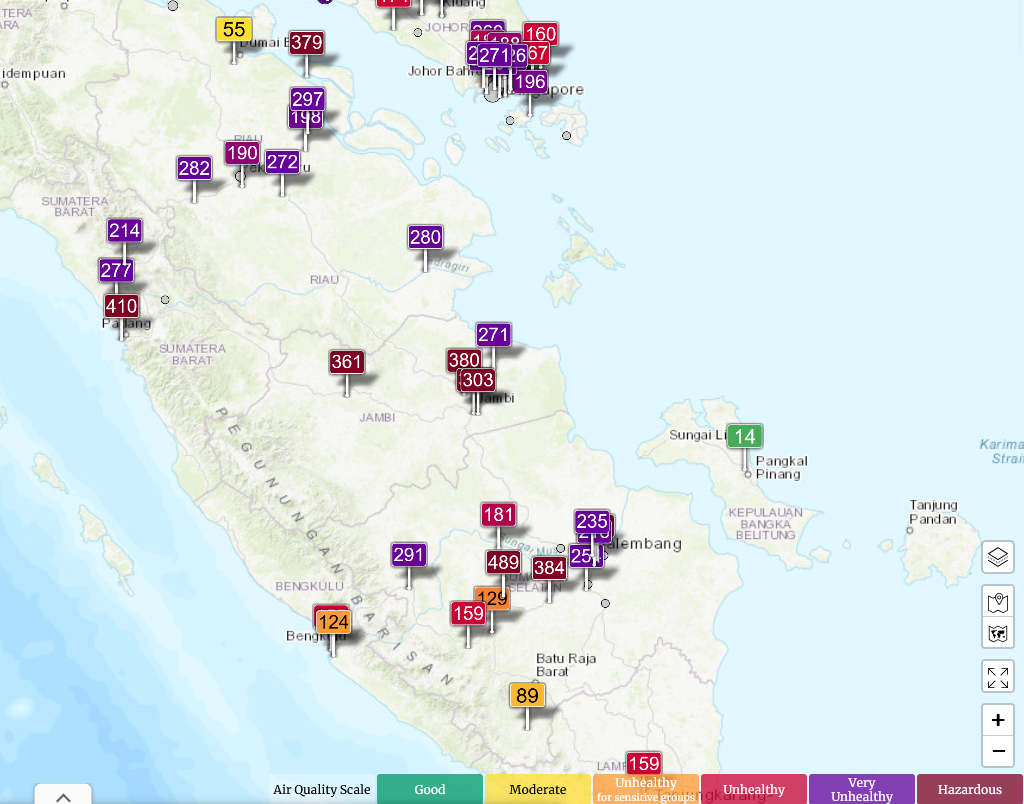
    Huge wildfires are burning across Indonesia today. The fires are very big, and the situation is serious. The worst conditions are on the islands of Sumatra and Kalimantan. In these areas, thick smoke fills the air completely. The smoke is so thick that the sky turns a bright orange color. Entire cities are covered in this dark haze.

    Reports show that this is the worst wildfire season in eleven years. Many fires start because people burn land to prepare fields for planting crops. Dry weather makes the fires spread very fast through the dry trees and dry grass.

    This disaster creates big health problems for local families. Many illnesses increase because the air is full of toxic haze. Thousands of people suffer from bad coughs, eye pain, and breathing problems every day. Many children must stay inside the house, and some schools are closed today.

    To stop the disaster, the military and emergency workers are working hard. More than sixty thousand personnel are deployed on the ground to fight the flames and protect towns. Large planes drop water on the hot ground.

    The smoke does not stay in Indonesia. It spreads across borders to neighboring countries, such as Malaysia and Singapore. People living in those countries can also see the orange haze and breathe the dirty air.

    Everyone hopes that rain will fall soon to help put out the fires. Clean air and safe forests are very important for humans, animals, and the whole planet.

    ______________________________

    ma

    Word or phraseSimple A1 definition
    to cause health problemsto make people ill
    to spreadto move to more places
    to turn bright orangeto become a strong orange colour
    entire citiesall parts of cities
    hazeair that is not clear because of smoke or dust
    a seasonone of the parts of the year
    to plant cropsto put seeds or small plants in the ground to grow food
    to be dryto have little or no water
    a disastera very bad event that causes great problems
    an illnessa health problem
    to increaseto become more or bigger
    to be toxicto be very bad for your health
    to suffer from a coughto have a cough and feel bad
    an emergency workera person who helps people in danger
    to be deployedto be sent somewhere to do a job
    to protectto keep someone or something safe
    a borderthe line between two countries

    #####################

    Match the words with the definitions

    1. to cause health problems
    2. to spread
    3. to turn bright orange
    4. entire cities
    5. haze
    6. a season
    7. to plant crops
    8. to be dry
    9. a disaster
    10. an illness
    11. to increase
    12. to be toxic
    13. to suffer from a cough
    14. an emergency worker
    15. to be deployed
    16. to protect
    17. a border


    Definitions

    A. To become a strong orange colour

    B. A person who helps people in danger

    C. To become more or bigger

    D. The line between two countries

    E. To keep someone or something safe

    F. To have a cough and feel bad

    G. To put seeds or small plants in the ground to grow food

    H. Air that is not clear because of smoke or dust

    I. To be sent somewhere to do a job

    J. A very bad event that causes great problems

    K. To move to more places

    L. To have little or no water

    M. One of the parts of the year

    N. To make people ill

    O. A health problem

    P. All parts of cities

    Q. To be very bad for your health

    ___________________________

    Answer key:
    1–N, 2–K, 3–A, 4–P, 5–H, 6–M, 7–G, 8–L, 9–J, 10–O,
    11–C, 12–Q, 13–F, 14–B, 15–I, 16–E, 17–D

    ####################

    Match the definitions with the words

    Defintions

    1. To become a strong orange colour
    2. A person who helps people in danger
    3. To become more or bigger
    4. The line between two countries
    5. To keep someone or something safe
    6. To have a cough and feel bad
    7. To put seeds or small plants in the ground to grow food
    8. Air that is not clear because of smoke or dust
    9. To be sent somewhere to do a job
    10. A very bad event that causes great problems
    11. To move to more places
    12. To have little or no water
    13. One of the parts of the year
    14. To make people ill
    15. A health problem
    16. All parts of cities
    17. To be very bad for your health


    Words

    A. a border

    B. to increase

    C. an emergency worker

    D. to spread

    E. to be dry

    F. to protect

    G. a disaster

    H. to turn bright orange

    I. to be deployed

    J. to be toxic

    K. entire cities

    L. an illness

    M. to cause health problems

    N. to plant crops

    O. haze

    P. a season

    Q. to suffer from a cough

    ____________________________

    Answer key:
    1–H, 2–C, 3–B, 4–A, 5–F, 6–Q, 7–N,
    8–O, 9–I, 10–G, 11–D, 12–E, 13–P,
    14–M, 15–L, 16–K, 17–J

    ####################

    Multiple-choice exercise

    1. Which two Indonesian islands have the worst wildfire conditions in the text?
    a) Java and Bali b) Lombok and Flores c) Sumatra and Kalimantan

    2. What colour is the sky because of the thick smoke?
    a) Bright orange b) Light blue c) Dark green

    3. How does the text describe the current wildfire season?
    a) It is the shortest in eleven years. b) It is the worst in eleven years. c) It is the first in eleven years.

    4. Why do many fires start?
    a) People want to build new roads. b) People burn land to prepare fields for crops. c) People want to make the forests bigger.

    5. What helps the fires spread quickly?
    a) Heavy rain b) Cold weather c) Dry weather

    6. What problems do many people have because of the smoke?
    a) Coughs, eye pain, and breathing problems b) Headaches and stomach pain c) Back pain and sore legs

    7. Why do many children stay inside?
    a) They have too much homework. b) They want to watch television. c) The air is dirty and unhealthy.

    8. What happens to some schools during the fires?
    a) They move to other countries. b) They are closed. c) They become hospitals.

    9. Who is working to fight the fires?
    a) Teachers and shop workers b) Farmers and tourists c) The military and emergency workers

    10. How many personnel are working to fight the flames?
    a) More than sixty thousand b) More than six thousand c) More than six hundred thousand

    11. What do large planes drop on the ground?
    a) Sand b) Water c) Food

    12. Which countries also have problems with the smoke?
    a) Japan and South Korea b) Australia and New Zealand c) Malaysia and Singapore

    13. Does the smoke stay only in Indonesia?
    a) No, it also spreads to other countries. b) Yes, it stays in the forests. c) Yes, it stays on Sumatra.

    14. What do people hope will happen soon?
    a) The weather will become hotter. b) Rain will fall. c) More people will burn land.

    15. Why is clean air important?
    a) It makes forests grow without water. b) It stops all bad weather. c) It helps people and animals stay healthy.

    16. What is the main problem in the text?
    a) A lack of schools b) Large wildfires and thick smoke c) A shortage of drinking water

    17. What makes the situation especially dangerous for families?
    a) The dirty air can make people ill. b) All families must leave Indonesia. c) The fires destroy every city.

    18. Which statement about the smoke is correct?
    a) It only affects people near the sea. b) It makes the air clean. c) It can affect people in neighbouring countries.

    19. What is one way people are fighting the fires?
    a) They are planting more trees. b) They are using large planes to drop water. c) They are moving all the forests.

    20. What does the text say about forests and the planet?
    a) Forests are not important for animals. b) Wildfires are good for every country. c) Safe forests and clean air are important.

    __________________________

    Answer key:
    1c, 2a, 3b, 4b, 5c, 6a, 7c, 8b, 9c,
    10a, 11b, 12c, 13a, 14b, 15c,
    16b, 17a, 18c, 19b, 20c

    ###################

    True or false

    1. The worst wildfire conditions are on Sumatra and Kalimantan.
    2. The smoke makes the sky look bright blue.
    3. Many fires start because people burn land to prepare fields for crops.
    4. Dry weather helps the fires spread quickly.
    5. The text says that this is the worst wildfire season in five years.
    6. Many people have coughs, eye pain, and breathing problems.
    7. All schools in Indonesia are closed because of the fires.
    8. Some children must stay inside because of the dirty air.
    9. More than sixty thousand personnel are working to fight the fires.
    10. Large planes drop sand on the hot ground.
    11. The military and emergency workers are helping to fight the fires.
    12. The smoke stays only inside Indonesia.
    13. People in Malaysia and Singapore can also breathe the dirty air.
    14. The text says that rain has already stopped all the fires.
    15. Dry trees and grass help the fires spread.
    16. The smoke causes no health problems for local families.
    17. People hope that rain will fall soon.
    18. Clean air and safe forests are not important for people and animals.

    _____________________________

    Answer key:
    1 T, 2 F, 3 T, 4 T, 5 F, 6 T, 7 F, 8 T, 9 T, 10 F,
    11 T, 12 F, 13 T, 14 F, 15 T, 16 F, 17 T, 18 F

    #####################

    Wildfires in Indonesia – match the sentence halves

    Sentence beginnings

    1. Huge wildfires are burning
    2. The worst conditions are
    3. Thick smoke fills
    4. Many fires start because people
    5. Dry weather makes the fires
    6. Many children must stay
    7. More than sixty thousand personnel
    8. Large planes drop water
    9. The smoke spreads to
    10. Everyone hopes that rain


    Sentence endings

    A. inside because the air is dirty.

    B. across Indonesia today.

    C. will fall soon.

    D. on the hot ground.

    E. burn land to prepare fields for crops.

    F. the air in Sumatra and Kalimantan.

    G. other countries, such as Malaysia and Singapore.

    H. are working to fight the flames.

    I. spread very fast through dry trees and grass.

    J. on the islands of Sumatra and Kalimantan.

    ___________________________

    Answer key:
    1–B, 2–J, 3–F, 4–E, 5–I, 6–A, 7–H, 8–D, 9–G, 10–C

    ###################

    Match the questions and answers

    Questions

    1. Where do the worst wildfires happen in Indonesia?
    2. What colour does the sky become because of the smoke?
    3. Why do many fires start?
    4. What helps the flames move quickly through forests?
    5. Which health problems do people experience because of the smoke?
    6. Why do some children stay inside their homes?
    7. Who helps to fight the fires?
    8. How many personnel take part in the fight against the fires?
    9. What do large planes carry to the fires?
    10. Which countries also have problems with the smoke?
    11. What kind of weather do people hope for?
    12. Why do people need safe forests?

    Answers

    A. They want rain to help stop the fires.

    B. More than sixty thousand people help on the ground.

    C. The air outside is dirty and bad for their health.

    D. People burn land to prepare fields for crops.

    E. Forests give animals a place to live and help keep our planet healthy.

    F. They drop water on the hot ground.

    G. The islands of Sumatra and Kalimantan have the worst fires.

    H. Dry weather makes the fires spread fast through dry trees and grass.

    I. People in Malaysia and Singapore also breathe dirty air.

    J. It turns bright orange.

    K. The military and emergency workers work hard to stop the flames.

    L. Many people have bad coughs, sore eyes, and breathing problems.


    _________________________

    Answer key:
    1–G, 2–J, 3–D, 4–H, 5–L, 6–C, 7–K,
    8–B, 9–F, 10–I, 11–A, 12–E

    _________________________
    Full dialogue:

    1. Expert: Where do the worst wildfires happen in Indonesia?

    Expert: The islands of Sumatra and Kalimantan have the worst fires.

    2. Expert: What colour does the sky become because of the smoke?

    Expert: It turns bright orange.

    3. Expert: Why do many fires start?

    Expert: People burn land to prepare fields for crops.

    4. Expert: What helps the flames move quickly through forests?

    Expert: Dry weather makes the fires spread fast through dry trees and grass.

    5. Expert: Which health problems do people experience because of the smoke?

    Expert: Many people have bad coughs, sore eyes, and breathing problems.

    6. Expert: Why do some children stay inside their homes?

    Expert: The air outside is dirty and bad for their health.

    7. Expert: Who helps to fight the fires?

    Expert: The military and emergency workers work hard to stop the flames.

    8. Expert: How many personnel take part in the fight against the fires?

    Expert: More than sixty thousand people help on the ground.

    9. Expert: What do large planes carry to the fires?

    Expert: They drop water on the hot ground.

    10. Expert: Which countries also have problems with the smoke?

    Expert: People in Malaysia and Singapore also breathe dirty air.

    11. Expert: What kind of weather do people hope for?

    Expert: They want rain to help stop the fires.

    12. Expert: Why do people need safe forests?

    Expert: Forests give animals a place to live and help keep our planet healthy.

    ####################

    ##################

    ################

    Please use the box below
    to write your feedback.
    Only I can read it.
    It is not public.

    Please tell me:

    • Are the texts and exercises OK?
    • Are the topics OK?
    • Is the level OK?
    • Is it too easy or too difficult?
    • tIs it oo short, too long?
    • Do you want texts about other topics?

    Thank you! I appreciate your feedback.

    ##################

    ##################

    ##################

    Remember how babies
    learn a language:

    Babies learn a language by listening.
    They use their ears to hear sounds.
    Their brain remembers these sounds.
    Babies connect sounds with people and things.
    They listen to their parents.
    Then they copy the sounds they hear. They imitate words.
    Slowly, babies learn to speak.


    So,
    LISTEN, LISTEN, LISTEN, LISTEN………………

    SMFrockZ@gmx.at

  • πŸ₯³πŸ‘πŸŽ’FKC – Future of Khmer Children (text, exercises, sound files, present simple, A1+)πŸŽ’πŸ‘πŸ₯³

    • supporting those in need

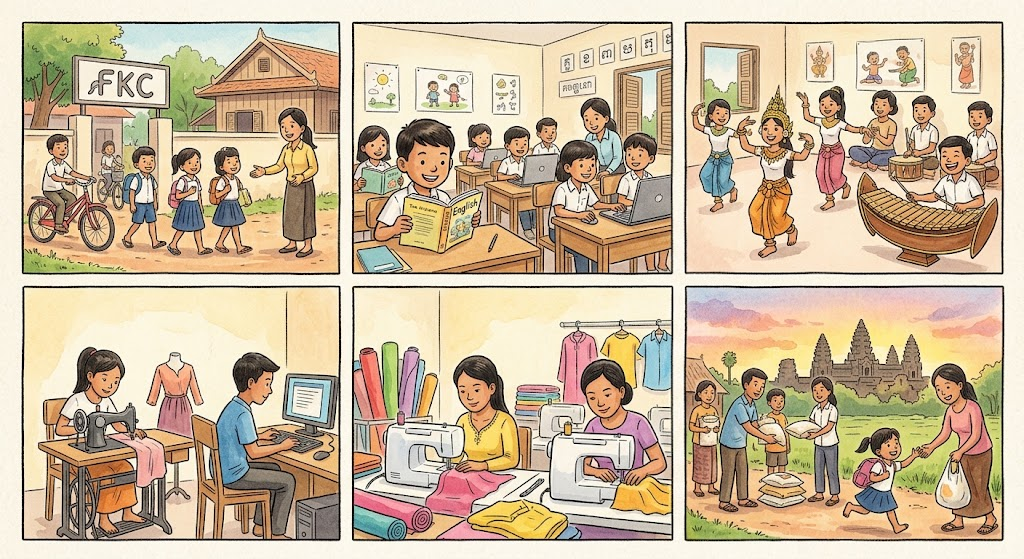
    FKC is a group in Siem Reap, Cambodia. It helps children and poor families. It wants all children to have a good life.

    Many children come from poor families. Their parents have little money. Some children cannot get all the help they need at school. FKC gives them free lessons.

    At FKC, children learn English, maths and how to use a computer. They also learn music and dance. They read, write and speak English. They meet other children and make new friends. They can learn and have fun together.

    FKC also helps young people learn how to do different jobs. They can learn to use a computer. They can also learn to sew and make clothes. These skills can help them find work when they are older.

    FKC helps women, too. They can learn English and how to make clothes. They can use these skills to find work and earn money. This money can help them buy food and other things for their families.

    FKC also works with people in local villages. Some families do not have enough food or money. FKC tries to help these families.

    FKC wants children to learn and have a better life. It gives them a place to learn new things and meet friends. It also helps young people get ready for work.

    FKC helps children, women and families in Siem Reap. It wants children to have more chances in life. It hopes they can find good jobs and help their families when they grow up.

    __________________________

    Vocabulary:

    Word or phraseSimple A1 definition
    a free lessona lesson you do not pay for
    to make friendsto meet people and become friends with them
    to have fun togetherto enjoy doing things with other people
    different jobsdifferent kinds of work
    to sewto use a needle and thread to join pieces of cloth
    to make clothesto make things like shirts, trousers and dresses
    skillsthings you can do well
    to earn moneyto get money for your work
    a local villagea village near a place or town
    to have a better lifeto live in a better way
    to get ready for workto learn what you need to do a job
    to grow upto become an adult

    #####################

    Match the words with the definitions

    Words

    1. a free lesson
    2. to make friends
    3. to have fun together
    4. different jobs
    5. to sew
    6. to make clothes
    7. skills
    8. to earn money
    9. a local village
    10. to have a better life
    11. to get ready for work
    12. to grow up


    Definitions

    A. to become an adult

    B. things you can do well

    C. to get money for your work

    D. to enjoy doing things with other people

    E. a village near a place or town

    F. to use a needle and thread to join pieces of cloth

    G. different kinds of work

    H. a lesson you do not pay for

    I. to live in a better way

    J. to learn what you need to do a job

    K. to make things like shirts, trousers and dresses

    L. to meet people and become friends with them

    _____________________________

    Answer key:
    1–H, 2–L, 3–D, 4–G, 5–F, 6–K, 7–B,
    8–C, 9–E, 10–I, 11–J, 12–A

    #####################

    Match the definitions with the words

    Definitions

    1. to meet people and become friends with them
    2. to become an adult
    3. things you can do well
    4. a lesson you do not pay for
    5. to learn what you need to do a job
    6. to get money for your work
    7. to use a needle and thread to join pieces of cloth
    8. to live in a better way
    9. different kinds of work
    10. to enjoy doing things with other people
    11. a village near a place or town
    12. to make things like shirts, trousers and dresses

    Words

    A. to earn money

    B. to grow up

    C. skills

    D. a local village

    E. to make clothes

    F. a free lesson

    G. to have a better life

    H. to sew

    I. different jobs

    J. to make friends

    K. to get ready for work

    L. to have fun together

    ___________________________

    Answer key:
    1–J, 2–B, 3–C, 4–F, 5–K, 6–A, 7–H,
    8–G, 9–I, 10–L, 11–D, 12–E

    ####################

    FKC in Siem Reap – Multiple-Choice Questions

    1. Where is FKC?

    • A. In Phnom Penh
    • B. In Siem Reap
    • C. In Bangkok

    2. Who does FKC help?

    • A. Tourists
    • B. Hotel owners
    • C. Poor families

    3. Why do some children need help?

    • A. Their families have little money.
    • B. They want to travel.
    • C. They do not like music.

    4. What does FKC give children?

    • A. New clothes
    • B. Free lessons
    • C. Free holidays

    5. What can children learn at FKC?

    • A. How to drive
    • B. How to swim
    • C. English

    6. What else can children learn?

    • A. Horse riding
    • B. Music and dance
    • C. How to cook

    7. What can children do at FKC?

    • A. Read and write
    • B. Travel abroad
    • C. Find jobs

    8. What can children do with other children?

    • A. Earn money
    • B. Work in hotels
    • C. Make friends

    9. Who else does FKC help?

    • A. Tourists
    • B. Young people
    • C. Drivers

    10. What can young people learn to use?

    • A. A computer
    • B. A camera
    • C. A motorbike

    11. What can young people learn to do?

    • A. Build roads
    • B. Drive buses
    • C. Sew

    12. Why do young people learn new skills?

    • A. To visit cities
    • B. To find work
    • C. To meet tourists

    13. What can women learn at FKC?

    • A. English
    • B. To fly planes
    • C. To build houses

    14. Why do women want to earn money?

    • A. To buy cars
    • B. To travel abroad
    • C. To help their families

    15. Where does FKC also work?

    • A. At airports
    • B. In local villages
    • C. In big hotels

    16. What does FKC want for children?

    • A. A better life
    • B. Long holidays
    • C. Expensive clothes

    ________________________

    Answer key:
    1B, 2C, 3A, 4B, 5C, 6B, 7A, 8C, 9B,
    10A, 11C, 12B, 13A, 14C, 15B, 16A
    #################

    True or false

    1. FKC teaches children how to drive a car.
    2. FKC helps children and poor families in Siem Reap, Cambodia.
    3. Women can learn English at FKC.
    4. FKC only helps children from rich families.
    5. Some families in local villages do not have enough food or money.
    6. FKC gives every young person a job.
    7. Children can learn music and dance at FKC.
    8. FKC helps women earn money for their families.
    9. Children must pay for English lessons at FKC.
    10. Young people can learn to sew and make clothes.
    11. FKC only helps people who live in cities.
    12. Children can learn how to use a computer at FKC.
    13. FKC wants children to have fewer chances in life.
    14. Some children cannot get all the help they need at school.
    15. FKC helps families by giving them expensive cars.
    16. Young people can learn skills that may help them find work.
    17. FKC does not help young people get ready for work.
    18. Children can meet other children and make friends at FKC.
    19. Children at FKC learn how to repair cars.
    20. FKC wants children to learn and have a better life.

    __________________________

    False: 1,4,6,9,11,13,15,17,19

    ###################

    Correct version:

    1. FKC teaches children how to drive a car. True is: FKC teaches children English, maths and how to use a computer.

    2. FKC helps children and poor families in Siem Reap, Cambodia.

    3. Women can learn English at FKC.

    4. FKC only helps children from rich families. True is: FKC helps children from poor families.

    5. Some families in local villages do not have enough food or money.

    6. FKC gives every young person a job. True is: FKC helps young people learn skills that may help them find work.

    7. Children can learn music and dance at FKC.

    8. FKC helps women earn money for their families.

    9. Children must pay for English lessons at FKC. True is: FKC gives children free lessons.

    10. Young people can learn to sew and make clothes.

    11. FKC only helps people who live in cities. True is: FKC also works with people in local villages.

    12. Children can learn how to use a computer at FKC.

    13. FKC wants children to have fewer chances in life. True is: FKC wants children to have more chances in life.

    14. Some children cannot get all the help they need at school.

    15. FKC helps families by giving them expensive cars. True is: FKC tries to help families who do not have enough food or money.

    16. Young people can learn skills that may help them find work.

    17. FKC does not help young people get ready for work. True is: FKC helps young people get ready for work.

    18. Children can meet other children and make friends at FKC.

    19. Children at FKC learn how to repair cars. True is: Children at FKC can learn English, maths, music and dance.

    20. FKC wants children to learn and have a better life.

    ####################

    Match the sentence halves

    Beginning of the sentences

    1. FKC is a group in Siem Reap
    2. Many children come from
    3. FKC gives children
    4. Children can learn English,
    5. Children can meet other children
    6. Young people can learn new skills
    7. Women can learn English
    8. Women can earn money
    9. FKC also works with people
    10. FKC wants children to have

    Endings

    A. and make new friends while they learn and have fun.

    B. in local villages where some families need help.

    C. and learn how to make clothes.

    D. free lessons in English, maths and other subjects.

    E. a better life and more chances when they grow up.

    F. in Cambodia and helps children and poor families.

    G. poor families whose parents have little money.

    H. maths, music, dance and how to use a computer.

    I. to buy food and other things for their families.

    J. that can help them find work when they are older.

    _________________________

    Answer key
    1–F, 2–G, 3–D, 4–H, 5–A, 6–J, 7–C, 8–I, 9–B, 10–E

    ##################

    FKC in Siem Reap – Who does what?

    People

    1. Children
    2. Young people
    3. Women
    4. Poor families
    5. Children and young people

    What they can do or learn

    A. Get help when they do not have enough food or money.

    B. Learn to sew and make clothes.

    C. Learn English, maths, music and dance.

    D. Learn skills that can help them find work.

    E. Learn how to use a computer.

    ______________________

    Answer key: 1–C, 2–D, 3–B, 4–A, 5–E

    ################

    Answer

    1. Where is FKC?
    2. Who does FKC help?
    3. Why do some children need help?
    4. Which school subjects can children learn at FKC?
    5. What can children learn besides English and maths?
    6. What can children do at FKC to make new friends?
    7. What can young people learn to do with a needle and thread?
    8. What can women learn at FKC?
    9. How can women use their skills to help their families?
    10. What does FKC want for children when they grow up?

    __________________________

    Answer key:

    1. FKC is in Siem Reap, Cambodia.
    2. FKC helps children and poor families.
    3. Some children need help because their parents have little money.
    4. Children can learn English and maths.
    5. They can learn music and dance and how to use a computer.
    6. They can meet other children and learn and have fun together.
    7. They can learn to sew and make clothes.
    8. Women can learn English and how to make clothes.
    9. They can earn money to buy food and other things for their families.
    10. FKC wants children to find good jobs and help their families.

    ###################

    Interview with FKC in Siem Reap – match questions and answers

    FKC in Siem Reap – Match the Questions and Answers

    Match questions 1–12 with answers A–L.

    Questions

    1. Where is FKC?
    2. Who does FKC help?
    3. Why do some children need help?
    4. What subjects do children study at FKC?
    5. What activities do children do besides their school lessons?
    6. How do children make new friends at FKC?
    7. What skills are useful for young people in the future?
    8. Why are these skills important for young people?
    9. What lessons are there for women at FKC?
    10. How do women help their families with this knowledge?
    11. Which people in the countryside receive support from FKC?
    12. What does FKC want for children in the future?

    Answers

    A. They study English and practise making clothes.

    B. They may help young people get jobs when they grow up.

    C. We also support families in local villages when they have little food or money.

    D. FKC is in Siem Reap, Cambodia.

    E. They meet other children, study together and have fun.

    F. We hope every child will have a better life, find a good job and support their family as an adult.

    G. Their parents have little money, and some children need more support with school.

    H. They earn money and buy food and other things for their families.

    I. Computer skills and sewing skills may help them find work when they are older.

    J. We support children, young people, women and poor families.

    K. They take part in music and dance, use computers and meet new friends.

    L. They study English and maths.

    _________________________

    Answer key:
    1–D, 2–J, 3–G, 4–L, 5–K, 6–E,
    7–I, 8–B, 9–A, 10–H, 11–C, 12–F

    _________________________

    Correct version:

    1. Interviewer: Where is FKC?

    FKC: FKC is in Siem Reap, Cambodia.

    2. Interviewer: Who does FKC help?

    FKC: We support children, young people, women and poor families.

    3. Interviewer: Why do some children need help?

    FKC: Their parents have little money, and some children need more support with school.

    4. Interviewer: What subjects do children study at FKC?

    FKC: They study English and maths.

    5. Interviewer: What activities do children do besides their school lessons?

    FKC: They take part in music and dance, use computers and meet new friends.

    6. Interviewer: How do children make new friends at FKC?

    FKC: They meet other children, study together and have fun.

    7. Interviewer: What skills are useful for young people in the future?

    FKC: Computer skills and sewing skills may help them find work when they are older.

    8. Interviewer: Why are these skills important for young people?

    FKC: They may help young people get jobs when they grow up.

    9. Interviewer: What lessons are there for women at FKC?

    FKC: They study English and practise making clothes.

    10. Interviewer: How do women help their families with this knowledge?

    FKC: They earn money and buy food and other things for their families.

    11. Interviewer: Which people in the countryside receive support from FKC?

    FKC: We also support families in local villages when they have little food or money.

    12. Interviewer: What does FKC want for children in the future?

    FKC: We hope every child will have a better life, find a good job and support their family as an adult.

    ###################

    ##################

    ################

    Please use the box below
    to write your feedback.
    Only I can read it.
    It is not public.

    Please tell me:

    • Are the texts and exercises OK?
    • Are the topics OK?
    • Is the level OK?
    • Is it too easy or too difficult?
    • tIs it oo short, too long?
    • Do you want texts about other topics?

    Thank you! I appreciate your feedback.

    ##################

    ##################

    ##################

    Remember how babies
    learn a language:

    Babies learn a language by listening.
    They use their ears to hear sounds.
    Their brain remembers these sounds.
    Babies connect sounds with people and things.
    They listen to their parents.
    Then they copy the sounds they hear. They imitate words.
    Slowly, babies learn to speak.


    So,
    LISTEN, LISTEN, LISTEN, LISTEN………………
    SMFrockZ@gmx.at

  • πŸ₯³πŸ‘πŸ 14 families get safe new homes (text, exercises, sound files, present/past simple, A2)πŸ πŸ‘πŸ₯³

    • A new beginning: 14 families receive safe homes

    A safe home is very important for every family. It is a place where people can sleep, eat, rest, and spend time together. A safe home can also make people feel happy and calm. For 14 families, a new home has now made their lives better.

    The Shinta Mani Foundation helped 14 families get safe and secure homes. Before this, life was difficult for these families. They did not have a safe place to live. Now they have a home where they can live with their families and feel safe.

    A new home can change many things. Parents do not have to worry so much about where their family will sleep. Children have a safe place to play and study. Families can cook their food, keep their things, and spend time together. They can also think about their future.

    The new homes were possible because people supported Bill Bensley’s artwork. Their support helped the Shinta Mani Foundation give these families a safe place to live. This is a good example of how people can help other people. When many people give a little help, they can do something very good together.

    For these families, the new homes are much more than four walls. They are places where parents and children can live together. They can sleep safely at night and wake up in the morning without the same worries as before. They now have a good place to live and care for their families.

    The Shinta Mani Foundation works to help people and local communities. Helping families get safe homes is an important part of this work. A safe home can help families have a better daily life.

    The story of these 14 families shows that help from other people can change lives. Thanks to the Shinta Mani Foundation, Bill Bensley, and the people who supported his artwork, these families now have safe homes and a new start in life.

    _________________________

    Vocabulary:

    Word / phraseA1 definition
    to be safeto have no danger
    to be calmto feel quiet and relaxed
    to make a life betterto make life easier or happier
    a secure homea home where people are safe
    to worryto feel afraid or not calm about something
    to supportto help someone or something
    artworka picture or other work made by an artist
    worriesthings that make you feel afraid or unhappy
    to care for one’s familyto look after and help your family
    a communitya group of people who live in the same place

    #####################

    Match the words with the definitions

    1. to be safe
    2. to be calm
    3. to make a life better
    4. a secure home
    5. to worry
    6. to support
    7. artwork
    8. worries
    9. to care for one’s family
    10. a community


    A. to help someone or something
    B. a group of people who live in the same place
    C. to feel quiet and relaxed
    D. things that make you feel afraid or unhappy
    E. a picture or other work made by an artist
    F. to look after and help your family
    G. to have no danger
    H. to feel afraid or not calm about something
    I. a home where people are safe
    J. to make life easier or happier

    _________________________

    Answer key:
    1–G, 2–C, 3–J, 4–I, 5–H,
    6–A, 7–E, 8–D, 9–F, 10–B
    ##################

    Match the definitions with the words

    1. to help someone or something
    2. a home where people are safe
    3. to feel quiet and relaxed
    4. a picture or other work made by an artist
    5. to have no danger
    6. things that make you feel afraid or unhappy
    7. to look after and help your family
    8. to make life easier or happier
    9. a group of people who live in the same place
    10. to feel afraid or not calm about something


    A. to worry
    B. artwork
    C. a community
    D. to be safe
    E. to support
    F. to care for one’s family
    G. to make a life better
    H. worries
    I. a secure home
    J. to be calm

    ___________________________

    Answer key:
    1–E, 2–I, 3–J, 4–B, 5–D, 6–H,
    7–F, 8–G, 9–C, 10–A
    ####################

    True or false

    1. A safe home is important for every family.
    2. The 14 families already had safe homes before receiving help.
    3. A home is a place where people can sleep, eat, and rest.
    4. The Shinta Mani Foundation helped 14 families get safe homes.
    5. The children now have a safe place to play and study.
    6. The families moved to new homes because they wanted to live alone.
    7. Parents can worry less about where their family will sleep.
    8. The new homes are only places with four walls.
    9. Families can cook their food and keep their things in their new homes.
    10. Bill Bensley built all 14 homes himself.
    11. The support for Bill Bensley’s artwork helped make the new homes possible.
    12. The families now have to live separately from their children.
    13. The new homes can help families think about their future.
    14. The Shinta Mani Foundation only works to help artists.
    15. The families can sleep safely at night in their new homes.
    16. The story says that helping other people cannot change lives.
    17. The new homes give the families a new start in life.
    18. Forty families received new homes.
    19. Bill Bensley’s artwork had nothing to do with the new homes.
    20. The new homes are mainly places for families to store their things.

    ____________________________

    False: 2,6,8,10,12,14,16,18,19,20
    ____________________________

    Correct version:

    1. A safe home is important for every family.
    2. The 14 families already had safe homes before receiving help. True is: The 14 families did not have safe homes before receiving help.
    3. A home is a place where people can sleep, eat, and rest.
    4. The Shinta Mani Foundation helped 14 families get safe homes.
    5. The children now have a safe place to play and study.
    6. The families moved to new homes because they wanted to live alone. True is: The families can live together in their new homes.
    7. Parents can worry less about where their family will sleep.
    8. The new homes are only places with four walls. True is: The new homes are much more than four walls.
    9. Families can cook their food and keep their things in their new homes.
    10. Bill Bensley built all 14 homes himself. True is: People who supported Bill Bensley’s artwork helped make the new homes possible.
    11. The support for Bill Bensley’s artwork helped make the new homes possible.
    12. The families now have to live separately from their children. True is: Parents and children can live together in their new homes.
    13. The new homes can help families think about their future.
    14. The Shinta Mani Foundation only works to help artists. True is: The Shinta Mani Foundation works to help people and local communities.
    15. The families can sleep safely at night in their new homes.
    16. The story says that helping other people cannot change lives. True is: Helping other people can change lives.
    17. The new homes give the families a new start in life.
    18. Forty families received new homes. True is: Fourteen families received new homes.
    19. Bill Bensley’s artwork had nothing to do with the new homes. True is: Support for Bill Bensley’s artwork helped make the new homes possible.
    20. The new homes are mainly places for families to store their things. True is: The new homes are places where families can live together, sleep safely, cook, keep their things, and spend time together.

    #####################

    Multiple Choice

    1. Why is a safe home important?
      A. It gives people a safe place to live.
      B. It gives people a place to travel.
      C. It gives people a place to work.
    2. How many families received safe homes?
      A. 40 families
      B. 14 families
      C. 4 families
    3. Who helped the 14 families?
      A. The local school
      B. Bill Bensley’s family
      C. The Shinta Mani Foundation
    4. What can children do in their new homes?
      A. Travel and swim
      B. Work and shop
      C. Play and study
    5. What did the families not have before?
      A. Food to cook
      B. A safe place to live
      C. Things to keep
    6. What can parents worry less about now?
      A. Where their family will sleep
      B. Where their children will study
      C. Where their family will travel
    7. What can families do in their new homes?
      A. Build schools
      B. Cook their food
      C. Sell artwork
    8. What helped make the new homes possible?
      A. Support for Bill Bensley’s artwork
      B. A new school
      C. A government program
    9. What can families now think about?
      A. Their next holiday
      B. A new business
      C. Their future
    10. What can people do when they give a little help together?
      A. Travel to new places
      B. Do something very good together
      C. Build a large hotel
    11. What are the new homes more than?
      A. Four walls
      B. Places for tourists
      C. Places to work
    12. What can families do safely at night?
      A. Cook for visitors
      B. Travel
      C. Sleep
    13. What does the Shinta Mani Foundation work to help?
      A. Tourists and hotels
      B. Artists and teachers
      C. People and local communities
    14. What can a safe home give a family?
      A. A new job
      B. A better daily life
      C. A long holiday
    15. What do the 14 families now have?
      A. A new business
      B. A new school
      C. Safe homes and a new start in life

    _____________________________

    Answer key:
    1 A, 2 B, 3 C, 4 C, 5 B, 6 A, 7 B, 8 A,
    9 C, 10 B, 11 A, 12 C, 13 C, 14 B, 15 C

    #####################

    Match the sentence halves

    1. A safe home is important
    2. The Shinta Mani Foundation helped
    3. Before this, life was difficult
    4. Children now have a safe place
    5. Families can cook their food
    6. The support for Bill Bensley’s artwork
    7. Parents do not have to worry so much
    8. The new homes are more than
    9. The Shinta Mani Foundation works
    10. These families now have safe homes

    A. to help people and local communities.
    B. and a new start in life.
    C. for every family.
    D. about where their family will sleep.
    E. and keep their things.
    F. 14 families get safe and secure homes.
    G. to play and study.
    H. four walls.
    I. made the new homes possible.
    J. for these families.

    ____________________________

    Answer key:
    1 C, 2 F, 3 J, 4 G, 5 E, 6 I, 7 D, 8 H, 9 A, 10 B
    ____________________________

    Correct version:


    A safe home is important for every family.

    The Shinta Mani Foundation helped 14 families get safe and secure homes.

    Before this, life was difficult for these families.

    Children now have a safe place to play and study.

    Families can cook their food and keep their things.

    The support for Bill Bensley’s artwork made the new homes possible.

    Parents do not have to worry so much about where their family will sleep.

    The new homes are more than four walls.

    The Shinta Mani Foundation works to help people and local communities.

    These families now have safe homes and a new start in life.
    #######################

    Match each cause (1–8) with the correct effect (A–H).

    1. The Shinta Mani Foundation helped 14 families.
    2. The families now have safe homes.
    3. Children have a safe place to live.
    4. Parents have a safe home for their families.
    5. People supported Bill Bensley’s artwork.
    6. Families have homes where they can cook and keep their things.
    7. People give a little help together.
    8. The families have a safe place to live.

    A. They can sleep safely at night.
    B. The families can think more about their future.
    C. The new homes became possible.
    D. Children can play and study safely.
    E. They can spend time together.
    F. The families received safe and secure homes.
    G. They can worry less about where their family will sleep.
    H. They can have a better daily life.

    ________________________________


    Answer key: 1 F, 2 H, 3 D, 4 G, 5 C, 6 E, 7 B, 8 A
    #######################

    Problem and solution – match each problem (1–5) with the correct solution (A–E).

    1. The families did not have a safe place to live.
    2. Parents worried about where their families would sleep.
    3. Children did not have a safe place to play and study.
    4. Families needed a place to cook and keep their things.
    5. The families had many worries about their daily lives.

    A. They received safe and secure homes.
    B. They can now cook their food and keep their things at home.
    C. They can now have a better daily life.
    D. Children now have a safe place to play and study.
    E. Parents can now worry less about where their families will sleep.

    Answer key: 1 A, 2 E, 3 D, 4 B, 5 C

    ######################

    Choose the Correct Statement

    A. The Shinta Mani Foundation helped 14 families get safe homes.
    B. The Shinta Mani Foundation helped 40 families get safe homes.

    A. The families already had safe homes before they received help.
    B. The families did not have a safe place to live before they received help.

    A. Children can now play and study in a safe place.
    B. Children now have to study outside their homes.

    A. The new homes are only places to store things.
    B. The new homes are places where families can live and spend time together.

    A. Support for Bill Bensley’s artwork helped make the new homes possible.
    B. Bill Bensley’s artwork had nothing to do with the new homes.

    A. Families can now cook their food and keep their things in their homes.
    B. Families cannot cook or keep their things in their new homes.

    A. The new homes give the families a new start in life.
    B. The new homes give the families more problems.

    _________________________________

    Answer key: 1 A, 2 B, 3 A, 4 B, 5 A, 6 A, 7 A
    ########################

    Match the questions and answers

    Questions

    1. How many families received new homes?
    2. Why are safe homes important for families?
    3. Who helped the families get safe homes?
    4. What was life like for these families before?
    5. Where is a safe place for children to play and study now?
    6. Where do families sleep safely now?
    7. How did people help make the new homes possible?
    8. Whose artwork helped make the new homes possible?
    9. What activities are possible for families in their new homes?
    10. Why are the new homes more than four walls?
    11. How do the new homes change daily life?
    12. Where does the Shinta Mani Foundation direct its work?

    Answers

    A. Their new homes provide a safe place for them at night.
    B. They give families a better daily life and fewer worries.
    C. Life was difficult because they had no safe place to live.
    D. People’s support for Bill Bensley’s artwork made the new homes possible.
    E. Fourteen families got new homes.
    F. They gave support for Bill Bensley’s artwork.
    G. Their new homes provide a safe place for play and study.
    H. They give families a safe place for living, sleeping, and family time.
    I. Its work goes to people and local communities.
    J. The Shinta Mani Foundation gave them support.
    K. They are places for families to live together and feel safe.
    L. Cooking, keeping their things, and family time are possible there.

    _________________________________

    Answer key:
    1 E, 2 H, 3 J, 4 C, 5 G, 6 A, 7 F, 8 D, 9 L, 10 K, 11 B, 12 I

    _________________________________

    Correct dialogue:

    1. How many families received new homes?
    Fourteen families got new homes.

    2. Why are safe homes important for families?
    They give families a safe place for living, sleeping, and family time.

    3. Who helped the families get safe homes?
    The Shinta Mani Foundation gave them support.

    4. What was life like for these families before?
    Life was difficult because they had no safe place to live.

    5. Where is a safe place for children to play and study now?
    Their new homes provide a safe place for play and study.

    6. Where do families sleep safely now?
    Their new homes provide a safe place for them at night.

    7. How did people help make the new homes possible?
    They gave support for Bill Bensley’s artwork.

    8. Whose artwork helped make the new homes possible?
    People’s support for Bill Bensley’s artwork made the new homes possible.

    9. What activities are possible for families in their new homes?
    Cooking, keeping their things, and family time are possible there.

    10. Why are the new homes more than four walls?
    They are places for families to live together and feel safe.

    11. How do the new homes change daily life?
    They give families a better daily life and fewer worries.

    12. Where does the Shinta Mani Foundation direct its work?
    Its work goes to people and local communities.

    ###################

    ##################

    ################

    Please use the box below
    to write your feedback.
    Only I can read it.
    It is not public.

    Please tell me:

    • Are the texts and exercises OK?
    • Are the topics OK?
    • Is the level OK?
    • Is it too easy or too difficult?
    • tIs it oo short, too long?
    • Do you want texts about other topics?

    Thank you! I appreciate your feedback.

    ##################

    ##################

    ##################

    Remember how babies
    learn a language:

    Babies learn a language by listening.
    They use their ears to hear sounds.
    Their brain remembers these sounds.
    Babies connect sounds with people and things.
    They listen to their parents.
    Then they copy the sounds they hear. They imitate words.
    Slowly, babies learn to speak.


    So,
    LISTEN, LISTEN, LISTEN, LISTEN………………

    SMFrockZ@gmx.at

  • πŸ™ˆπŸ₯ΈπŸ§Adjective or adverb? (A2)🧐πŸ₯ΈπŸ™ˆ

    1. Adjectives

    An adjective tells us what a person or thing is like.

    The waiter is polite.
    The restaurant is quiet.
    The food is good.
    The driver is careful.


    2. Adverbs

    An adverb often tells us how someone does something.

    The waiter speaks politely.
    The guests speak quietly.
    The cook works carefully.
    The driver drives carefully.


    3. Look at the difference

    He is slow.
    He walks slowly.

    She is careful.
    She works carefully.

    He is polite.
    He speaks politely.

    slow β†’ slowly
    careful β†’ carefully
    polite β†’ politely


    4. The easy rule

    Many words change like this:

    adjective β†’ adverb

    slow β†’ slowly
    quick β†’ quickly
    quiet β†’ quietly
    careful β†’ carefully
    polite β†’ politely
    clear β†’ clearly

    We often add -ly.


    5. More examples

    The waiter is quiet.
    He walks quietly.

    The girl is quick.
    She runs quickly.

    The man is careful.
    He drives carefully.

    The teacher is clear.
    She speaks clearly.


    6. Some words are different

    Some words do not change.

    fast β†’ fast
    hard β†’ hard
    early β†’ early
    late β†’ late

    Examples:

    He is a fast runner.
    He runs fast.

    She is a hard worker.
    She works hard.

    He is early.
    He arrives early.


    7. Good β†’ well

    This is important:

    He is a good cook.
    He cooks well.

    She is a good singer.
    She sings well.


    8. Friendly

    Friendly is an adjective.

    The waiter is friendly. βœ…

    For an action, say:

    The waiter speaks in a friendly way. βœ…

    Do not teach:

    He speaks friendly. ❌


    9. Remember

    Adjective:

    She is quiet.

    Adverb:

    She speaks quietly.

    Adjective = what someone or something is like.

    Adverb = how someone does something.

    ##########################

    Adjective or adverb – complete each sentence with the correct form of the word in brackets.

    1. The waiter speaks __________ to the guests. (polite)
    2. The hotel has a very __________ restaurant. (beautiful)
    3. The driver drives __________. (careful)
    4. The children are very __________ today. (quiet)
    5. The chef works __________ in the kitchen. (quick)
    6. The food smells __________. (good)
    7. The manager gave a __________ answer. (clear)
    8. The guests waited __________ for their food. (patient)
    9. She is a very __________ person. (friendly)
    10. He walked __________ to the door. (slow)
    11. The waiter looks __________ today. (happy)
    12. The staff work very __________. (hard)
    13. She speaks English __________. (clear)
    14. The restaurant is very __________. (quiet)
    15. He is a __________ driver. (careful)
    16. The children answered __________. (quick)
    17. The chef is a __________ cook. (good)
    18. The guests were very __________. (patient)
    19. She smiled __________ at the child. (happy)
    20. The hotel is __________ decorated. (beautiful)
    21. He is a very __________ waiter. (polite)
    22. The man is a __________ worker. (hard)
    23. The guests walked __________ through the hotel. (quiet)
    24. She is a __________ speaker. (clear)
    25. The driver is very __________. (slow)
    26. The waiter served the food __________. (professional)
    27. The manager spoke __________ to the guests. (friendly)
    28. She works very __________. (professional)
    29. He cooks very __________. (good)
    30. The chef prepared the meal __________. (careful)

    ——————————————–

    Correct answers:

    1. The waiter speaks politely to the guests.
    2. The hotel has a very beautiful restaurant.
    3. The driver drives carefully.
    4. The children are very quiet today.
    5. The chef works quickly in the kitchen.
    6. The food smells good.
    7. The manager gave a clear answer.
    8. The guests waited patiently for their food.
    9. She is a very friendly person.
    10. He walked slowly to the door.
    11. The waiter looks happy today.
    12. The staff work very hard.
    13. She speaks English clearly.
    14. The restaurant is very quiet.
    15. He is a careful driver.
    16. The children answered quickly.
    17. The chef is a good cook.
    18. The guests were very patient.
    19. She smiled happily at the child.
    20. The hotel is beautifully decorated.
    21. He is a very polite waiter.
    22. The man is a hard worker.
    23. The guests walked quietly through the hotel.
    24. She is a clear speaker.
    25. The driver is very slow.
    26. The waiter served the food professionally.
    27. The manager spoke in a friendly way to the guests.
    28. She works very professionally.
    29. He cooks very well.
    30. The chef prepared the meal carefully.

    #####################

    Adjective or adverb? Choose the correct word.

    1. He always works ______. (careful / carefully)
    2. The restaurant is very ______. (quiet / quietly)
    3. She answered the question ______. (correct / correctly)
    4. The waiter is very ______. (polite / politely)
    5. The children played ______ in the garden. (happy / happily)
    6. He is a ______ driver. (careful / carefully)
    7. The chef works very ______. (quick / quickly)
    8. The hotel looks ______. (beautiful / beautifully)
    9. They waited ______ for their food. (patient / patiently)
    10. He is a very ______ worker. (hard / hardly)
    11. She speaks English ______. (clear / clearly)
    12. The guests walked ______ through the hotel. (quiet / quietly)
    13. The manager gave a ______ answer. (clear / clearly)
    14. He drives very ______. (slow / slowly)
    15. She is a very ______ person. (friendly / friendlily)
    16. The food tastes ______. (good / well)
    17. The waiter smiled ______. (happy / happily)
    18. It was a ______ answer. (correct / correctly)
    19. She works very ______. (professional / professionally)
    20. The manager is very ______. (professional / professionally)
    21. The bus arrived ______. (late / lately)
    22. He is always ______ for work. (early / early)
    23. The driver drives ______. (safe / safely)
    24. It is a very ______ hotel. (safe / safely)
    25. The waiter speaks ______ to the guests. (polite / politely)
    26. She is a ______ cook. (good / well)
    27. He cooks very ______. (good / well)
    28. The hotel is ______ decorated. (beautiful / beautifully)
    29. The guests were very ______. (patient / patiently)
    30. The child walked ______ to the door. (slow / slowly)

    ———————————————–

    Correct version:

    1. He always works carefully.
    2. The restaurant is very quiet.
    3. She answered the question correctly.
    4. The waiter is very polite.
    5. The children played happily in the garden.
    6. He is a careful driver.
    7. The chef works very quickly.
    8. The hotel looks beautiful.
    9. They waited patiently for their food.
    10. He is a very hard worker.
    11. She speaks English clearly.
    12. The guests walked quietly through the hotel.
    13. The manager gave a clear answer.
    14. He drives very slowly.
    15. She is a very friendly person.
    16. The food tastes good.
    17. The waiter smiled happily.
    18. It was a correct answer.
    19. She works very professionally.
    20. The manager is very professional.
    21. The bus arrived late.
    22. He is always early for work.
    23. The driver drives safely.
    24. It is a very safe hotel.
    25. The waiter speaks politely to the guests.
    26. She is a good cook.
    27. He cooks very well.
    28. The hotel is beautifully decorated.
    29. The guests were very patient.
    30. The child walked slowly to the door.

    ########################

    #####################

    ##################

    ################

    Please use the box below
    to write your feedback.
    Only I can read it.
    It is not public.

    Please tell me:

    • Are the texts and exercises OK?
    • Are the topics OK?
    • Is the level OK?
    • Is it too easy or too difficult?
    • tIs it oo short, too long?
    • Do you want texts about other topics?

    Thank you! I appreciate your feedback.

    ##################

    ##################

    ##################

    Remember how babies
    learn a language:

    Babies learn a language by listening.
    They use their ears to hear sounds.
    Their brain remembers these sounds.
    Babies connect sounds with people and things.
    They listen to their parents.
    Then they copy the sounds they hear. They imitate words.
    Slowly, babies learn to speak.


    So,
    LISTEN, LISTEN, LISTEN, LISTEN………………

    SMFrockZ@gmx.at

  • πŸŒžπŸ‘βž‘οΈWhat is important when learning English? (text only, A1)

    • some facts

    What is the most important thing when you learn English?
    Is it reading? Is it listening? Or is it speaking?
    There is no single answer.
    All three are important.
    But they do different things.

    Listening

    Listening is very important. You need to hear English many times. You listen to people at school, at work, in shops, in hotels, and on the phone.

    At first, you may not understand every word. That is normal. Do not worry. Listen to short and easy English. Listen to the same text many times. After some time, you can understand more.

    Listening also helps you learn how English sounds. You hear words, questions, and answers. You hear how people speak. This can help you speak English too.

    Speaking

    Speaking is also very important. If you want to use English with other people, you must speak English.

    You do not need perfect English. You can start with very short sentences.

    For example:

    β€œHello.”

    β€œMy name is Anna.”

    β€œI am from Austria.”

    β€œI work in a hotel.”

    β€œCan I help you?”

    β€œWhat would you like?”

    These sentences are simple, but they are useful. You can use them in real life.

    Do not be afraid of mistakes. Mistakes are part of learning. Try to speak every day. Speak with your teacher, a friend, a colleague, or another learner.

    Reading

    Reading is another important part of learning English. Reading helps you learn new words. It also helps you see how English sentences work.

    Read short and easy texts. Read about people, places, work, school, food, travel, or everyday life.

    When you see a new word many times, it becomes easier to remember.

    You can also read a text and then listen to the same text. This is a very good way to learn.

    Reading, listening and speaking together

    These three things can work together.

    First, listen to a short text. Then read the text. Listen again. Next, say some sentences from the text. Finally, talk to another person about the same subject.

    For example, you can listen to a conversation in a restaurant. Then you can read it. After that, you can practise the conversation with another learner.

    This is better than only learning words from a list.

    So, what should you do?

    Listen to English every day. Read short texts. Speak English as often as you can. You do not need to wait until your English is perfect.

    The most important thing is to use English.

    Listen. Read. Speak. Learn new words. Make mistakes. Try again.

    Little by little, your English will become better.

    ################################

    Why you cannot learn English
    from a book only

    • The Latin word lingua is the key starting point.
      It meant both the physical tongue and, by extension, speech or language.

    A book is very useful for learning English. You can learn new words from a book. You can learn simple grammar. You can read short texts. You can do exercises. A book can help you learn many things.

    But a book is not enough.

    English is a language. You need to use the language. You need to hear English. You need to speak English. You also need to listen to other people.

    When you read only, you learn to understand words on a page. But real people do not speak like a book. They speak fast. They use short forms. They use different words. You need to hear real English.

    You also need to speak. At first, you may make many mistakes. That is normal. You need to speak again and again. You learn from your mistakes.

    Listening is also important. You can listen to teachers, friends, videos, or simple English stories.

    So, a book is a good tool. But it is only one tool. To learn English, you need to read, listen, speak, and practise.

    A book can teach you English. But you must use English to really learn it.

    #####################

    #####################

    ##################

    ################

    Please use the box below
    to write your feedback.
    Only I can read it.
    It is not public.

    Please tell me:

    • Are the texts and exercises OK?
    • Are the topics OK?
    • Is the level OK?
    • Is it too easy or too difficult?
    • tIs it oo short, too long?
    • Do you want texts about other topics?

    Thank you! I appreciate your feedback.

    ##################

    ##################

    ##################

    Remember how babies
    learn a language:

    Babies learn a language by listening.
    They use their ears to hear sounds.
    Their brain remembers these sounds.
    Babies connect sounds with people and things.
    They listen to their parents.
    Then they copy the sounds they hear. They imitate words.
    Slowly, babies learn to speak.


    So,
    LISTEN, LISTEN, LISTEN, LISTEN………………

    SMFrockZ@gmx.at

  • πŸ₯ΈπŸ₯³πŸ‘World Teachers’ Day – October 5 (text, reading comprehension, sound files, A2)πŸ‘πŸ₯³πŸ₯Έ

    October 5 is World Teachers’ Day. It is a special day for teachers around the world. On this day, people think about teachers and the important work they do every day.

    Teachers help children and young people learn. They teach subjects such as English, maths, science, history and art. They explain new things, answer questions and help students when they have problems with their school work.

    Teaching is an important job. It is also a big responsibility. A teacher must know the subject well. Students need correct information from their teachers. For this reason, teachers should always try to learn more about their subject.

    Being a teacher is not only about coming to school and giving lessons. Teachers have to prepare their lessons. They have to read, study and practise. They should use good books and other useful information. They should also learn about new ideas in their subject.

    A teacher has a duty to do everything possible to become excellent at the subject he or she teaches. This means that a teacher should never simply say, β€œI know enough.” There is always something new to learn. A good teacher wants to improve and wants to give students the best possible lessons.

    Teachers also need to care about their students. They should listen to them and treat them fairly. They should be patient when students do not understand something. They should explain things again when necessary.

    Students also have a role. They should listen, ask questions and work hard. Learning is easier when teachers and students work together.

    World Teachers’ Day is a good time to thank teachers for their work.
    It is also a good time for teachers to think about their job.
    A teacher can ask:
    β€œDo I know my subject well?
    Do I prepare well?
    Do I do everything I can to be an excellent teacher?”

    _______________________

    Vocabulary:

    Word / phraseA1 definition
    to teach a subjectto help students learn a school subject
    sciencea school subject about the world, animals, plants and nature
    arta school subject about drawing, painting and making things
    to explainto make something easy to understand
    a responsibilitysomething that you must do
    to know a subject wellto understand a subject very well
    correct informationinformation that is right and true
    to prepare a lessonto get ready for a lesson
    to practiseto do something again to get better at it
    useful informationinformation that helps you
    to have a dutyto have something that you must do
    to be excellent at a subjectto be very good at a subject
    to improveto become better
    a lessona time when students learn something
    to care about somebodyto think that somebody is important
    to treat somebody fairlyto be fair and good to somebody
    to be patientto stay calm when something takes time
    to be necessaryto be needed
    to have a roleto have a special part or job in something

    ####################

    Match the words with the definitions

    1. to teach a subject
    2. science
    3. art
    4. to explain
    5. a responsibility
    6. to know a subject well
    7. correct information
    8. to prepare a lesson
    9. to practise
    10. useful information
    11. to have a duty
    12. to be excellent at a subject
    13. to improve
    14. a lesson
    15. to care about somebody
    16. to treat somebody fairly
    17. to be patient
    18. to be necessary
    19. to have a role

    A. to become better
    B. to be needed
    C. to help students learn a school subject
    D. to be very good at a subject
    E. to stay calm when something takes time
    F. information that helps you
    G. a time when students learn something
    H. to be fair and good to somebody
    I. a school subject about drawing, painting and making things
    J. something that you must do
    K. to have something that you must do
    L. to make something easy to understand
    M. information that is right and true
    N. to get ready for a lesson
    O. a school subject about the world, animals, plants and nature
    P. to think that somebody is important
    Q. to understand a subject very well
    R. to do something again to get better at it
    S. to have a special part or job in something

    _________________________

    Answer:
    1-C, 2-O, 3-I, 4-L, 5-J, 6-Q,
    7-M, 8-N, 9-R, 10-F, 11-K, 12-D,
    13-A, 14-G, 15-P, 16-H,
    17-E, 18-B, 19-S

    ##################

    Match the definitions with the words

    1. to become better
    2. to help students learn a school subject
    3. to stay calm when something takes time
    4. information that is right and true
    5. to have a special part or job in something
    6. to make something easy to understand
    7. a school subject about drawing, painting and making things
    8. to think that somebody is important
    9. something that you must do
    10. to do something again to get better at it
    11. to be needed
    12. a time when students learn something
    13. to understand a subject very well
    14. to get ready for a lesson
    15. a school subject about the world, animals, plants and nature
    16. to be fair and good to somebody
    17. to be very good at a subject
    18. information that helps you
    19. to have something that you must do

    A. to practise
    B. a responsibility
    C. science
    D. to improve
    E. to explain
    F. a lesson
    G. to care about somebody
    H. to be excellent at a subject
    I. to teach a subject
    J. useful information
    K. to know a subject well
    L. to have a duty
    M. correct information
    N. to treat somebody fairly
    O. to be patient
    P. to prepare a lesson
    Q. art
    R. to have a role
    S. to be necessary

    _________________________

    Answer:
    1-D, 2-I, 3-O, 4-M, 5-R, 6-E,
    7-Q, 8-G, 9-B, 10-A, 11-S, 12-F,
    13-K, 14-P, 15-C, 16-N,
    17-H, 18-J, 19-L

    ##################

    True or false

    1. Teachers help children and young people learn.
    2. Teaching is an important job and a big responsibility.
    3. Teachers do not need to know their subjects well.
    4. Teachers always try to learn more about their subjects.
    5. Teachers prepare their lessons before teaching.
    6. Teachers never use good books or useful information.
    7. Teachers read, study and practise.
    8. A teacher says, β€œI know enough,” and stops learning.
    9. Teachers care about their students.
    10. Students never ask questions in class.
    11. Teachers treat their students fairly.
    12. Teachers become impatient when students do not understand.
    13. Teachers explain things again when necessary.
    14. Students have no role in learning.
    15. Students listen, ask questions and work hard.
    16. Teachers and students always work separately.
    17. World Teachers’ Day is a good time to thank teachers.
    18. World Teachers’ Day is only for students.
    19. Teachers think about their work on World Teachers’ Day.
    20. Teachers have a duty to do everything possible to become excellent at their subject.

    _________________________

    False: 3,6,8,10,12,14,16,18

    _________________________

    Correct answers:

    1. Teachers help children and young people learn.
    2. Teaching is an important job and a big responsibility.
    3. Teachers do not need to know their subjects well. β€” True is: Teachers need to know their subjects well.
    4. Teachers always try to learn more about their subjects.
    5. Teachers prepare their lessons before teaching.
    6. Teachers never use good books or useful information. β€” True is: Teachers use good books and useful information.
    7. Teachers read, study and practise.
    8. A teacher says, β€œI know enough,” and stops learning. β€” True is: A teacher never simply says, β€œI know enough,” and stops learning.
    9. Teachers care about their students.
    10. Students never ask questions in class. β€” True is: Students ask questions in class.
    11. Teachers treat their students fairly.
    12. Teachers become impatient when students do not understand. β€” True is: Teachers are patient when students do not understand.
    13. Teachers explain things again when necessary.
    14. Students have no role in learning. β€” True is: Students have a role in learning.
    15. Students listen, ask questions and work hard.
    16. Teachers and students always work separately. β€” True is: Teachers and students work together when learning.
    17. World Teachers’ Day is a good time to thank teachers.
    18. World Teachers’ Day is only for students. β€” True is: World Teachers’ Day is a good time for teachers to think about their work.
    19. Teachers think about their work on World Teachers’ Day.
    20. Teachers have a duty to do everything possible to become excellent at their subject.

    ######################

    Match the sentence halves

    1. Teachers help children
    2. Teaching is an important job
    3. Teachers need to know
    4. Teachers prepare
    5. Teachers read, study
    6. A teacher has a duty
    7. There is always something
    8. Teachers listen to
    9. Teachers treat students
    10. Students have a role
    11. Learning is easier when teachers
    12. World Teachers’ Day is a good time

    A. and students work together.
    B. their students.
    C. to thank teachers for their work.
    D. and young people learn.
    E. to become excellent at the subject.
    F. their lessons.
    G. fairly.
    H. and practise.
    I. and a big responsibility.
    J. new to learn.
    K. their subjects well.
    L. in learning.

    ___________________________

    Answer:
    1-D, 2-I, 3-K, 4-F, 5-H, 6-E, 7-J,
    8-B, 9-G, 10-L, 11-A, 12-C

    ___________________________

    Answers

    1. Teachers help children and young people learn.
    2. Teaching is an important job and a big responsibility.
    3. Teachers need to know their subjects well.
    4. Teachers prepare their lessons.
    5. Teachers read, study and practise.
    6. A teacher has a duty to become excellent at the subject.
    7. There is always something new to learn.
    8. Teachers listen to their students.
    9. Teachers treat students fairly.
    10. Students have a role in learning.
    11. Learning is easier when teachers and students work together.
    12. World Teachers’ Day is a good time to thank teachers for their work.

    ####################

    Fill in the sentences

    useful information Β· have a role Β· practise Β· to know a subject well Β· are patient Β· explain Β· care about their students Β· a duty Β· to be excellent at the subject Β· treat their students fairly Β· teach a subject Β· to prepare a lesson

    1. Teachers __________ children and young people.
    2. Teachers __________ new things to their students.
    3. A teacher has __________ to prepare good lessons.
    4. Teachers need __________ before they teach.
    5. Teachers need __________ before they teach it.
    6. Teachers use books and other __________ when they prepare lessons.
    7. Teachers __________ to get better at their work.
    8. Teachers want __________ they teach.
    9. Teachers __________ their students and listen to them.
    10. Teachers __________ their students.
    11. Students __________ in learning.
    12. Teachers __________ when students do not understand something.

    ————————————–

    Answers:

    1. Teachers teach a subject to children and young people.
    2. Teachers explain new things to their students.
    3. A teacher has a duty to prepare good lessons.
    4. Teachers need to prepare a lesson before they teach.
    5. Teachers need to know a subject well before they teach it.
    6. Teachers use books and other useful information when they prepare lessons.
    7. Teachers practise to get better at their work.
    8. Teachers want to be excellent at the subject they teach.
    9. Teachers care about their students and listen to them.
    10. Teachers treat their students fairly.
    11. Students have a role in learning.
    12. Teachers are patient when students do not understand something.

    #####################

    Multiple choice

    1. When is World Teachers’ Day?
      A. October 5
      B. October 15
      C. September 5
    2. What do teachers help young people do?
      A. Find jobs
      B. Learn
      C. Travel abroad
    3. Which subject is mentioned in the text?
      A. Geography
      B. Music
      C. Science
    4. Why do students need good teachers?
      A. They need correct information.
      B. They need more school holidays.
      C. They need new school buildings.
    5. What must teachers know well?
      A. Their school
      B. Their subject
      C. Their students
    6. What do teachers do before lessons?
      A. Prepare
      B. Travel
      C. Exercise
    7. What do teachers use when preparing lessons?
      A. Games
      B. Pictures
      C. Good books
    8. Why do teachers practise?
      A. To get better
      B. To have free time
      C. To finish school
    9. What does a good teacher want?
      A. More holidays
      B. To improve
      C. Fewer lessons
    10. How do teachers treat students?
      A. Quickly
      B. Quietly
      C. Fairly
    11. What do teachers do when students do not understand?
      A. Explain again
      B. Stop teaching
      C. Give them a test
    12. What do students do in learning?
      A. Prepare lessons
      B. Ask questions
      C. Teach the subject
    13. What makes learning easier?
      A. More homework
      B. Longer lessons
      C. Working together
    14. What is World Teachers’ Day a good time to do?
      A. Thank teachers
      B. Start school
      C. Change subjects
    15. What can a teacher ask?
      A. Do I have enough books?
      B. Do I know my subject well?
      C. Do I have a large class?
    16. What is a teacher’s duty?
      A. Teach one subject
      B. Give short lessons
      C. Become excellent at the subject

    _________________________

    Answer:
    1-A, 2-B, 3-C, 4-A, 5-B, 6-A, 7-C, 8-A,
    9-B, 10-C, 11-A, 12-B, 13-C, 14-A, 15-B, 16-C
    ##################

    Answer the questions with short answers.

    1. When is World Teachers’ Day?
    2. Who do teachers help to learn?
    3. Which school subjects do teachers teach?
    4. Why do students need correct information?
    5. How well must a teacher know the subject?
    6. When do teachers prepare their lessons?
    7. Where do teachers get useful information?
    8. Why do teachers practise?
    9. How does a good teacher improve?
    10. Who should teachers listen to?
    11. How should teachers treat their students?
    12. When do teachers explain things again?
    13. Why should students ask questions?
    14. What can a teacher ask on World Teachers’ Day?

    _________________________

    Answers:

    When is World Teachers’ Day? On October 5.

    Who do teachers help to learn? Children and young people.

    Which school subjects do teachers teach? English, maths, science, history and art.

    Why do students need correct information? Because they need to learn correctly.

    How well must a teacher know the subject? Very well.

    When do teachers prepare their lessons? Before their lessons.

    Where do teachers get useful information? From good books and other useful information.

    Why do teachers practise? To get better at their subject.

    How does a good teacher improve? By learning more and practising.

    Who should teachers listen to? Their students.

    How should teachers treat their students? Fairly.

    When do teachers explain things again? When students do not understand.

    Why should students ask questions? To help them learn.

    What can a teacher ask on World Teachers’ Day? β€œDo I know my subject well?”

    ####################

    Text Evidence – find the sentence or sentences in the text that prove each statement. Write the evidence from the text

    1. Teachers have to continue learning even when they already know their subject well.
      β†’ _____________________
    2. A teacher’s job involves more than standing in front of a class and teaching lessons.
      β†’ _____________________
    3. Teachers need to do some work before they give their lessons.
      β†’ _____________________
    4. Teachers should use different sources when they prepare their lessons.
      β†’ _____________________
    5. Teachers have a duty to become very good at the subject they teach.
      β†’ _____________________
    6. Good teachers want to make their teaching better for their students.
      β†’ _____________________
    7. Teachers sometimes need to give students the same explanation more than once.
      β†’ _____________________
    8. Teachers need to give students time when they have difficulty understanding something.
      β†’ _____________________
    9. Students have responsibilities in the learning process too.
      β†’ _____________________
    10. Students need to take an active part in their own learning.
      β†’ _____________________
    11. Teachers and students both help to make learning easier.
      β†’ _____________________
    12. World Teachers’ Day gives teachers an opportunity to think about their own work.
      β†’ _____________________

    ————————————————-

    Correct version:

    1. Teachers have to continue learning even when they already know their subject well. β€œThere is always something new to learn.”
    2. A teacher’s job involves more than standing in front of a class and teaching lessons. β€œBeing a teacher is not only about coming to school and giving lessons.”
    3. Teachers need to do some work before they give their lessons. β€œTeachers have to prepare their lessons. They have to read, study and practise.”
    4. Teachers should use different sources when they prepare their lessons. β€œThey should use good books and other useful information.”
    5. Teachers have a duty to become very good at the subject they teach. β€œA teacher has a duty to do everything possible to become excellent at the subject he or she teaches.”
    6. Good teachers want to make their teaching better for their students. β€œA good teacher wants to improve and wants to give students the best possible lessons.”
    7. Teachers sometimes need to give students the same explanation more than once. β€œThey should explain things again when necessary.”
    8. Teachers need to give students time when they have difficulty understanding something. β€œThey should be patient when students do not understand something.”
    9. Students have responsibilities in the learning process too. β€œStudents also have a role.”
    10. Students need to take an active part in their own learning. β€œThey should listen, ask questions and work hard.”
    11. Teachers and students both help to make learning easier. β€œLearning is easier when teachers and students work together.”
    12. World Teachers’ Day gives teachers an opportunity to think about their own work. β€œIt is also a good time for teachers to think about their job.”

    ################

    Match the questions with the answers

    Questions

    1. How do you feel about World Teachers’ Day?
    2. Why is teaching an important job?
    3. What happens before teachers give their lessons?
    4. What is the reason for teachers to practise?
    5. What is the aim of a good teacher?
    6. Is knowing the subject enough?
    7. How do teachers help students who have problems?
    8. What do teachers need when students do not understand something?
    9. What part do students play in learning?
    10. What helps students learn more easily?
    11. What questions are useful for teachers on World Teachers’ Day?

    Answers

    A. They need to be patient.
    B. It helps them get better at their subject.
    C. They have a role too. They need to listen, ask questions and work hard.
    D. No. There is always something new to learn.
    E. Teachers and students working together makes learning easier.
    F. They listen to students and explain things again when necessary.
    G. A good teacher wants to improve and give students the best possible lessons.
    H. Teachers have a big responsibility. Students need correct information from them.
    I. I think it is a good day to thank teachers for their work.
    J. They prepare their lessons. They also read, study and practise.
    K. They can ask, β€œDo I know my subject well? Do I prepare well? Do I do everything I can to be an excellent teacher?”

    ______________________

    Answer key:
    1–I, 2–H, 3–J, 4–B, 5–G, 6–D,
    7–F, 8–A, 9–C, 10–E, 11–K

    ______________________

    Full dialogue

    Anna: How do you feel about World Teachers’ Day?

    Mark: I think it is a good day to thank teachers for their work.

    Anna: Why is teaching an important job?

    Mark: Teachers have a big responsibility. Students need correct information from them.

    Anna: What happens before teachers give their lessons?

    Mark: They prepare their lessons. They also read, study and practise.

    Anna: What is the reason for teachers to practise?

    Mark: It helps them get better at their subject.

    Anna: What is the aim of a good teacher?

    Mark: A good teacher wants to improve and give students the best possible lessons.

    Anna: Is knowing the subject enough?

    Mark: No. There is always something new to learn.

    Anna: How do teachers help students who have problems?

    Mark: They listen to them and explain things again when necessary.

    Anna: What do teachers need when students do not understand something?

    Mark: They need to be patient.

    Anna: What part do students play in learning?

    Mark: They have a role too. They need to listen, ask questions and work hard.

    Anna: What helps students learn more easily?

    Mark: Teachers and students working together makes learning easier.

    Anna: What questions are useful for teachers on World Teachers’ Day?

    Mark: They can ask, β€œDo I know my subject well? Do I prepare well? Do I do everything I can to be an excellent teacher?”

    #####################

    ##################

    ################

    Please use the box below
    to write your feedback.
    Only I can read it.
    It is not public.

    Please tell me:

    • Are the texts and exercises OK?
    • Are the topics OK?
    • Is the level OK?
    • Is it too easy or too difficult?
    • tIs it oo short, too long?
    • Do you want texts about other topics?

    Thank you! I appreciate your feedback.

    ##################

    ##################

    ##################

    Remember how babies
    learn a language:

    Babies learn a language by listening.
    They use their ears to hear sounds.
    Their brain remembers these sounds.
    Babies connect sounds with people and things.
    They listen to their parents.
    Then they copy the sounds they hear. They imitate words.
    Slowly, babies learn to speak.


    So,
    LISTEN, LISTEN, LISTEN, LISTEN………………

    SMFrockZ@gmx.at

  • πŸ™ˆπŸ˜ŽπŸ₯³πŸŽƒ Halloween Night (text, reading, reading comprehension, sound files, past simple, 2/2, >>>U3, A2)πŸŽƒπŸ₯³πŸ˜ŽπŸ™ˆ

    Before you do that text,
    do this one first!


    How to form the Past Simple

    We use the Past Simple for things that happened before now.

    1. Positive sentences

    Regular verbs:
    Add -ed to the verb.

    • play β†’ played
    • work β†’ worked
    • watch β†’ watched
    • visit β†’ visited

    Example:
    I played football yesterday.

    Some verbs are irregular. They change form.

    • go β†’ went
    • see β†’ saw
    • eat β†’ ate
    • have β†’ had
    • come β†’ came

    Example:
    She went to school yesterday.


    2. Negative sentences

    Use:

    did not (didn’t) + verb

    The verb goes back to its basic form.

    • I didn’t play football.
    • She didn’t go to school.
    • They didn’t eat dinner.

    ❌ She didn’t went.
    βœ… She didn’t go.


    3. Questions

    Use:

    Did + person + basic verb?

    • Did you play football?
    • Did Anna go home?
    • Did they eat dinner?

    Short answers:

    • Yes, I did.
    • No, I didn’t.

    The verb be

    am / is β†’ was
    are β†’ were

    • I was tired.
    • He was at home.
    • We were happy.
    • They were at school.

    Negative:

    • I wasn’t tired.
    • They weren’t at home.

    Questions:

    • Was he tired?
    • Were they at school?

    Easy rule to remember

    Positive:
    I played. / I went.

    Negative:
    I didn’t play. / I didn’t go.

    Question:
    Did you play? / Did you go?

    #####################

    Verbs in text:

    VerbPast simpleA1 definition
    to bewas / wereto exist or to say what someone or something is
    to havehadto own or possess something
    cancouldto be able to do something
    to dress updressed upto wear special clothes for fun
    to wearworeto have clothes on your body
    to wantwantedto wish to have or do something
    to useusedto do something with a thing
    to flyflewto move through the air
    to helphelpedto do something for someone
    to decoratedecoratedto make a place look nice for a special time
    to putputto move something to a place
    to carvecarvedto cut a shape into something
    to makemadeto create or produce something
    to gowentto move to another place
    to walkwalkedto move on your feet
    to knockknockedto hit a door to get someone’s attention
    to saysaidto speak words
    to givegaveto let someone have something
    to seesawto look at something with your eyes
    to hanghungto be fixed or placed above the ground
    to looklookedto seem or appear in a certain way
    to jumpjumpedto move up from the ground
    to screamscreamedto make a very loud sound with your voice
    to take offtook offto remove clothes or something from your body
    to laughlaughedto make a happy sound with your voice

    ##################
    Fill in, past simple:

    It _____ (be) Halloween, October 31. Tom and his sister Anna _____ (be) very happy because they _____ (can) dress up and have fun. They wear a costume every year.

    Tom _____ (want) to be a vampire. He _____ (wear) a black mask and black clothes. Anna _____ (want) to be a witch. She _____ (have) a black dress, a witch’s hat, and a broom. In stories, witches use magic and can fly on a broom.

    Their parents _____ (help) them decorate a house. They _____ (put) a picture of a ghost, a monster, a skeleton, and a mummy on the windows. There _____ (be) also a black cat near the door.

    In the garden, Tom and Anna _____ (have) a big pumpkin. They _____ (carve) a pumpkin and _____ (make) two eyes, a nose, and a mouth. They _____ (put) a candle inside. Now they _____ (have) a pumpkin lantern, also called a Jack-o‘-lantern.

    At seven o’clock, the children _____ (go) trick-or-treating. They _____ (walk) from house to house. At each house, they _____ (knock) on the door and _____ (say), „Trick or treat!“ People _____ (give) them candy and other small treats.

    At one house, a man _____ (be) dressed as a wizard. He _____ (make) a funny trick with his hands. At another house, they _____ (see) a bat and a spider. A big spider web _____ (hang) over the door.

    Then the children _____ (see) a haunted house. It _____ (look) very scary. Anna _____ (be) afraid, but Tom _____ (want) to go inside.

    They _____ (knock) on the door.

    Suddenly, a white ghost _____ (jump) out.

    Anna _____ (scream).

    Then the ghost _____ (take off) his mask and _____ (laugh). It _____ (be) their father!

    Tom and Anna _____ (laugh) too. It _____ (be) a great Halloween night.

    ##################

    Correct version:

    It was Halloween, October 31, 2025. Tom and his sister Anna were very happy because they could dress up and have fun. They wear a costume every year.

    Tom wanted to be a vampire. He wore a black mask and black clothes. Anna wanted to be a witch. She had a black dress, a witch’s hat, and a broom. In stories, witches used magic and could fly on a broom.

    Their parents helped them decorate a house. They put a picture of a ghost, a monster, a skeleton, and a mummy on the windows. There was also a black cat near the door.

    In the garden, Tom and Anna had a big pumpkin. They carved a pumpkin and made two eyes, a nose, and a mouth. They put a candle inside. Now they had a pumpkin lantern, also called a Jack-o‘-lantern.

    At seven o’clock, the children went trick-or-treating. They walked from house to house. At each house, they knocked on the door and said, „Trick or treat!“ People gave them candy and other small treats.

    At one house, a man was dressed as a wizard. He made a funny trick with his hands. At another house, they saw a bat and a spider. A big spider web hung over the door.

    Then the children saw a haunted house. It looked very scary. Anna was afraid, but Tom wanted to go inside.

    They knocked on the door.

    Suddenly, a white ghost jumped out.

    Anna screamed.

    Then the ghost took off his mask and laughed. It was their father!

    Tom and Anna laughed too. It was a great Halloween night.

    ######################

    True or false

    1. Tom wanted to be a vampire.
    2. The children went trick-or-treating at eight o’clock.
    3. Anna had a black dress and a witch’s hat.
    4. Their parents decorated the house without the children.
    5. A candle was inside the pumpkin lantern.
    6. The children walked from house to house.
    7. Tom was afraid when the ghost appeared.
    8. A man dressed as a wizard made a trick with his hands.
    9. People gave the children fruit at the houses.
    10. A big spider web hung over one of the doors.
    11. Halloween was on October 31.
    12. Anna wanted to be a monster.
    13. The children saw a bat and a spider.
    14. The children used three candles inside the pumpkin.
    15. Anna screamed when the ghost jumped out.
    16. Tom and Anna travelled from house to house by car.
    17. The ghost was their father.
    18. Tom wanted to stay outside the haunted house.
    19. The children made a pumpkin lantern.
    20. Tom and Anna were unhappy at the end of the night.

    _________________________

    False:2,4,7,9,12,14,16,18,20

    _________________________
    Correct version:

    1. Tom wanted to be a vampire.
    2. The children went trick-or-treating at eight o’clock. True is: The children went trick-or-treating at seven o’clock.
    3. Anna had a black dress and a witch’s hat.
    4. Their parents decorated the house without the children. True is: Their parents helped the children decorate a house.
    5. A candle was inside the pumpkin lantern.
    6. The children walked from house to house.
    7. Tom was afraid when the ghost appeared. True is: Anna was afraid when the ghost appeared.
    8. A man dressed as a wizard made a trick with his hands.
    9. People gave the children fruit at the houses. True is: People gave the children candy and other small treats.
    10. A big spider web hung over one of the doors.
    11. Halloween was on October 31.
    12. Anna wanted to be a monster. True is: Anna wanted to be a witch.
    13. The children saw a bat and a spider.
    14. The children used three candles inside the pumpkin. True is: The children put one candle inside the pumpkin.
    15. Anna screamed when the ghost jumped out.
    16. Tom and Anna travelled from house to house by car. True is: Tom and Anna walked from house to house.
    17. The ghost was their father.
    18. Tom wanted to stay outside the haunted house. True is: Tom wanted to go inside the haunted house.
    19. The children made a pumpkin lantern.
    20. Tom and Anna were unhappy at the end of the night. True is: Tom and Anna laughed and had a great Halloween night.

    ######################

    Multiple choice

    1. What day was Halloween?
      A) October 31
      B) October 21
      C) November 1
    2. What did Tom want to be?
      A) A witch
      B) A vampire
      C) A wizard
    3. What did Anna want to be?
      A) A ghost
      B) A mummy
      C) A witch
    4. What did Tom wear?
      A) Black clothes
      B) A white mask
      C) A red hat
    5. What did Anna have?
      A) A broom
      B) A bat
      C) A spider
    6. What did witches use in stories?
      A) Masks
      B) Magic
      C) Candy
    7. What did the parents help the children do?
      A) Decorate a house
      B) Make some candy
      C) Build a garden
    8. What pictures were on the windows?
      A) Cats and bats
      B) Witches and wizards
      C) Ghosts and monsters
    9. What did the children carve?
      A) A mask
      B) A pumpkin
      C) A broom
    10. What did they put inside the pumpkin?
      A) A toy
      B) Some candy
      C) A candle
    11. When did the children go trick-or-treating?
      A) At seven o’clock
      B) At six o’clock
      C) At eight o’clock
    12. What did the children say at the doors?
      A) Happy Halloween!
      B) Trick or treat!
      C) Good evening!
    13. What did people give the children?
      A) Books
      B) Money
      C) Candy
    14. What was the man at one house dressed as?
      A) A wizard
      B) A ghost
      C) A vampire
    15. What did the children see at another house?
      A) A cat and a witch
      B) A bat and a spider
      C) A mummy and a skeleton
    16. How did the haunted house look?
      A) Funny
      B) Beautiful
      C) Scary
    17. Who was afraid?
      A) Their father
      B) Tom
      C) Anna
    18. What jumped out of the haunted house?
      A) A white ghost
      B) A black cat
      C) A big spider
    19. Who was the ghost?
      A) A wizard
      B) Their father
      C) A man from the house
    20. What did Tom and Anna do at the end?
      A) They went home.
      B) They screamed again.
      C) They laughed.

    ___________________________

    Answer key:
    1 A, 2 B, 3 C, 4 A, 5 A, 6 B, 7 A, 8 C,
    9 B, 10 C, 11 A, 12 B, 13 C, 14 A, 15 B,
    16 C, 17 C, 18 A, 19 B, 20 C

    ####################

    Find the answer in the text

    1. When did Halloween take place?
    2. What did Tom want to be?
    3. How did Tom dress for Halloween?
    4. Which clothes did Anna wear?
    5. Who helped Tom and Anna decorate the house?
    6. What did the children put on the windows?
    7. Where did they put the candle?
    8. Why did the children walk from house to house?
    9. What did they say at each house?
    10. Who gave the children candy and treats?
    11. How did the man at one house make the children laugh?
    12. Which animals did the children see at another house?
    13. Where did the big spider web hang?
    14. Why was Anna afraid of the haunted house?
    15. Who was behind the ghost mask?

    _________________________

    Correct answers:

    1. When did Halloween take place? On October 31.
    2. What did Tom want to be? A vampire.
    3. How did Tom dress for Halloween? He wore a black mask and black clothes.
    4. Which clothes did Anna wear? A black dress and a witch’s hat.
    5. Who helped Tom and Anna decorate the house? Their parents.
    6. What did the children put on the windows? Pictures of a ghost, a monster, a skeleton, and a mummy.
    7. Where did they put the candle? Inside the pumpkin.
    8. Why did the children walk from house to house? To go trick-or-treating.
    9. What did they say at each house? β€œTrick or treat!”
    10. Who gave the children candy and treats? People at the houses.
    11. How did the man at one house entertain the children? He made a funny trick with his hands.
    12. Which animals did the children see at another house? A bat and a spider.
    13. Where did the big spider web hang? Over the door.
    14. Why was Anna afraid of the haunted house? It looked very scary.
    15. Who was behind the ghost mask? Their father.

    #####################

    How to give short answers

    Use the verb from the question.

    • Did β†’ Yes, he did. / No, he didn’t.
    • Was β†’ Yes, he was. / No, he wasn’t.
    • Were β†’ Yes, they were. / No, they weren’t.

    #####################

    Give short answers, as shown below:

    1. Tom wanted to be a vampire.

      YOU WRITE:
      Yes, he did.

    2. Anna wore a red dress.

      YOU WRITE:
      No, she didn’t.

    3. Tom and Anna were very happy.
    4. The pumpkin had two eyes, a nose, and a mouth.
    5. Tom was afraid of the haunted house.
    6. The children went trick-or-treating at seven o’clock.
    7. People gave the children candy and small treats.
    8. Anna had a broom.
    9. The man at one house was dressed as a vampire.
    10. A big spider web hung over a door.
    11. The children saw a bat and a spider.
    12. Tom and Anna went trick-or-treating by car.
    13. Anna wanted to be a witch.
    14. There was a black cat near the door.
    15. The children put a candle inside the pumpkin.
    16. Tom wore a white mask.
    17. The haunted house looked scary.
    18. Anna screamed when the ghost jumped out.
    19. Tom and Anna were unhappy at the end of the night.
    20. The children went trick-or-treating at six o’clock.
    21. The parents put pictures on the windows.
    22. Tom wanted to go inside the haunted house.
    23. People gave the children toys.
    24. The children made a pumpkin lantern.
    25. Anna was afraid of the haunted house.
    26. The children saw a dog near the haunted house.
    27. A man made a funny trick with his hands.
    28. The children wore costumes every year.
    29. The ghost wore a black hat.
    30. Tom and Anna had a great Halloween night.

    _____________________________

    Correct answers:

    1. Tom wanted to be a vampire. Yes, he did.
    2. Anna wore a red dress. No, she didn’t.
    3. Tom and Anna were very happy. Yes, they were.
    4. The pumpkin had two eyes, a nose, and a mouth. Yes, it did.
    5. Tom was afraid of the haunted house. No, he wasn’t.
    6. The children went trick-or-treating at seven o’clock. Yes, they did.
    7. People gave the children candy and small treats. Yes, they did.
    8. Anna had a broom. Yes, she did.
    9. The man at one house was dressed as a vampire. No, he wasn’t.
    10. A big spider web hung over a door. Yes, it did.
    11. The children saw a bat and a spider. Yes, they did.
    12. Tom and Anna went trick-or-treating by car. No, they didn’t.
    13. Anna wanted to be a witch. Yes, she did.
    14. There was a black cat near the door. Yes, there was.
    15. The children put a candle inside the pumpkin. Yes, they did.
    16. Tom wore a white mask. No, he didn’t.
    17. The haunted house looked scary. Yes, it did.
    18. Anna screamed when the ghost jumped out. Yes, she did.
    19. Tom and Anna were unhappy at the end of the night. No, they weren’t.
    20. The children went trick-or-treating at six o’clock. No, they didn’t.
    21. The parents put pictures on the windows. Yes, they did.
    22. Tom wanted to go inside the haunted house. Yes, he did.
    23. People gave the children toys. No, they didn’t.
    24. The children made a pumpkin lantern. Yes, they did.
    25. Anna was afraid of the haunted house. Yes, she was.
    26. The children saw a dog near the haunted house. No, they didn’t.
    27. A man made a funny trick with his hands. Yes, he did.
    28. The children wore costumes every year. Yes, they did.
    29. The ghost wore a black hat. No, he didn’t.
    30. Tom and Anna had a great Halloween night. Yes, they did.

    ###################

    Answer, as shown:

    1. Did Tom want to be a witch?

      YOU WRITE:
      No, he didn’t. He wanted to be a vampire.

    2. Did Anna wear a red dress?
    3. Did the children go trick-or-treating at six o’clock?
    4. Did Tom wear a white mask?
    5. Did people give the children toys?
    6. Was the man at one house dressed as a vampire?
    7. Was Tom afraid of the haunted house?
    8. Did the children travel from house to house by car?
    9. Did the children see a dog near the haunted house?
    10. Did the ghost wear a black hat?

    ___________________________

    Correct version:

    1. Did Tom want to be a witch?
      No, he didn’t. He wanted to be a vampire.
    2. Did Anna wear a red dress?
      No, she didn’t. She wore a black dress.
    3. Did the children go trick-or-treating at six o’clock?
      No, they didn’t. They went at seven o’clock.
    4. Did Tom wear a white mask?
      No, he didn’t. He wore a black mask.
    5. Did people give the children toys?
      No, they didn’t. They gave them candy and other small treats.
    6. Was the man at one house dressed as a vampire?
      No, he wasn’t. He was dressed as a wizard.
    7. Was Tom afraid of the haunted house?
      No, he wasn’t. Anna was afraid of it.
    8. Did the children travel from house to house by car?
      No, they didn’t. They walked from house to house.
    9. Did the children see a dog near the haunted house?
      No, they didn’t. They saw a bat and a spider.
    10. Did the ghost wear a black hat?
      No, he didn’t. He wore a ghost mask.

    #####################

    Another Halloween story, based on vocabulary on page 28 in the book!

    On Halloween night, a young girl in a 19th-century costume decided to keep up her favorite tradition: trick or treat! Wearing a dress and a cycle helmet for safety, she set off with her guys for a picnic near the graveyard.

    They were not ones to fear the dark, even though a spooky witch, a pale vampire, and a floating ghost seemed to scare everyone else in town. Near the front window of a house, they saw pumpkin decorations with a creepy sticker attached.

    „Look at that catβ€”isn’t it cute?“ one friend asked, feeling sick after eating too many sweets. Another friend, dressed as a superheroine, was very proud (of) her costume and said, „Where shall we go next? I couldn’t stop now!“

    They walked up the creaky [making a noise when something moves, like an old door or floor] stairs to a house where adults were apple bobbing. Someone used a sharp knife (the plural is knives) to cut off the top of a giant jack-o‘-lantern.

    The kids played wild games, careful not to lose their bags of treats. „I am surprising myself by how brave I am tonight!“ she laughed as they shared their loot under the moonlight.

    #####################

    ##################

    ################

    Please use the box below
    to write your feedback.
    Only I can read it.
    It is not public.

    Please tell me:

    • Are the texts and exercises OK?
    • Are the topics OK?
    • Is the level OK?
    • Is it too easy or too difficult?
    • tIs it oo short, too long?
    • Do you want texts about other topics?

    Thank you! I appreciate your feedback.

    ##################

    ##################

    ##################

    Remember how babies
    learn a language:

    Babies learn a language by listening.
    They use their ears to hear sounds.
    Their brain remembers these sounds.
    Babies connect sounds with people and things.
    They listen to their parents.
    Then they copy the sounds they hear. They imitate words.
    Slowly, babies learn to speak.


    So,
    LISTEN, LISTEN, LISTEN, LISTEN………………

    SMFrockZ@gmx.at

  • πŸ™ˆπŸ˜ŽπŸ₯³πŸŽƒ Halloween Night (text, reading, reading comprehension, sound files, present simple,>>>U3, A2) 1/2)πŸŽƒπŸ₯³πŸ˜ŽπŸ™ˆ

    WordA1 definition
    HalloweenA night on October 31 when people dress up and have fun.
    costumeClothes that make you look like another person or thing.
    maskSomething you wear on your face.
    witchA woman in stories who can do magic.
    wizardA man in stories who can do magic.
    ghostThe spirit of a dead person in a story.
    vampireA person in stories who drinks blood.
    monsterA big, strange, and scary thing in a story.
    skeletonThe bones of a person or animal.
    mummyA dead person in an old story, with cloth around the body.
    pumpkinA large, round, orange vegetable.
    pumpkin lanternA pumpkin with a face and a light inside.
    Jack-o‘-lanternA pumpkin with a face and a light inside.
    candleA small stick that gives light when it burns.
    batA small animal that flies at night.
    spiderA small animal with eight legs.
    spider webThe net a spider makes.
    black catA cat with black fur.
    haunted houseA house where people say ghosts live.
    witch’s hatA tall, pointed hat worn by a witch.
    broomA thing used for cleaning the floor; witches ride one in stories.
    magicSpecial power used in stories.
    to trick or treatWords children say when they ask for sweets on Halloween.
    to trickSomething you do to surprise or fool someone.
    treatSomething nice, especially a sweet.
    candySweet food.
    scaryMaking you feel afraid.
    afraidFeeling fear.
    to screamTo make a very loud sound because you are afraid.
    to dress upTo put on special clothes.
    to carve a pumpkinTo cut a face into a pumpkin.
    to wear a costumeTo have a costume on your body.
    to knock on the doorTo hit a door with your hand.
    to go trick-or-treatingTo go from house to house for candy on Halloween.
    to decorate a houseTo put special things on a house for Halloween.
    Halloween nightThe night of October 31.

    ##################

    πŸŽƒ A Halloween Night

    It is Halloween. It is October 31. Tom and his sister Anna are very happy. They want to have a fun Halloween night.

    Tom wants to be a vampire. He puts on black clothes and a mask. Anna wants to be a witch. She wears a black dress and a tall witch’s hat. She also has a broom. They both dress up and wear a costume.

    Their parents help them decorate a house. They put pictures of a ghost, a monster, a skeleton, and a mummy on the walls. There is also a black cat in the garden.

    In the garden, there is a big pumpkin. Tom and Anna carve a pumpkin. They make two eyes, a nose, and a big mouth. Then they put a candle inside. Now they have a pumpkin lantern, or Jack-o‘-lantern.

    At seven o’clock, Tom and Anna go trick-or-treating with their friends. They go from house to house. At each house, they knock on the door.

    When someone opens the door, the children say, „Trick or treat!“ The people give them candy and other treats.

    At one house, a man is dressed as a wizard. He does a funny trick with his hands. He says, „I can do magic!“ The children laugh.

    At another house, they see a bat, a spider, and a big spider web. Everything looks scary.

    Then Tom sees an old haunted house. „Let’s go there!“ he says.

    Anna is afraid. „I don’t want to go,“ she says.

    Tom knocks on the door.

    The door opens slowly.

    A white ghost jumps out.

    Anna screams!

    Then the ghost takes off its clothes. It is their father!

    Everyone laughs. It is a very fun Halloween night.

    #####################

    True or False

    1. Tom wants to be a vampire.
    2. Anna wears a black dress.
    3. Tom wants to be a wizard.
    4. There is a white cat in the garden.
    5. They put a candle inside the pumpkin.
    6. The children go trick-or-treating at six o’clock.
    7. A man dressed as a wizard does a funny trick.
    8. Anna has a broom.
    9. The children get toys from the houses.
    10. Anna is afraid of the haunted house.
    11. Tom knocks on the door of the haunted house.
    12. The ghost is a real ghost.
    13. There is a black cat in the garden.
    14. The children say β€œTrick or treat!” at the doors.
    15. Tom wears a white costume.
    16. They see a bat, a spider, and a spider web.
    17. Anna is happy when she sees the ghost.
    18. Their father is the ghost.
    19. Halloween is on November 1.
    20. Everyone laughs at the end.

    __________________________

    False: 3,4,6,9,12,15,17,19

    _________________________

    Correct version:

    1. Tom wants to be a vampire.
    2. Anna wears a black dress.
    3. Tom wants to be a wizard. True is: Tom wants to be a vampire.
    4. There is a white cat in the garden. True is: There is a black cat in the garden.
    5. They put a candle inside the pumpkin.
    6. The children go trick-or-treating at six o’clock. True is: The children go trick-or-treating at seven o’clock.
    7. A man dressed as a wizard does a funny trick.
    8. Anna has a broom.
    9. The children get toys from the houses. True is: The people give the children candy and other treats.
    10. Anna is afraid of the haunted house.
    11. Tom knocks on the door of the haunted house.
    12. The ghost is a real ghost. True is: The ghost is their father.
    13. There is a black cat in the garden.
    14. The children say β€œTrick or treat!” at the doors.
    15. Tom wears a white costume. True is: Tom wears black clothes and a mask.
    16. They see a bat, a spider, and a spider web.
    17. Anna is happy when she sees the ghost. True is: Anna is afraid and screams when she sees the ghost.
    18. Their father is the ghost.
    19. Halloween is on November 1. True is: Halloween is on October 31.
    20. Everyone laughs at the end.

    #####################

    Choose the correct answer

    1. What does Tom want to be?
      A) A vampire
      B) A wizard
      C) A monster
    2. What does Anna wear?
      A) A white dress
      B) A black dress
      C) A red dress
    3. What do they put inside the pumpkin?
      A) A spider
      B) Some candy
      C) A candle
    4. When do they go trick-or-treating?
      A) At seven o’clock
      B) At six o’clock
      C) At eight o’clock
    5. What do people give the children?
      A) Books
      B) Toys
      C) Candy and other treats
    6. What does the wizard say he can do?
      A) Do magic
      B) Fly
      C) Sing
    7. What do they see at another house?
      A) A dog and a cat
      B) A bat and a spider
      C) A bird and a mouse
    8. Who is afraid of the haunted house?
      A) Tom
      B) Anna
      C) Their father
    9. What jumps out of the door?
      A) A ghost
      B) A monster
      C) A skeleton
    10. Who is the ghost?
      A) A neighbour
      B) Their father
      C) Their friend
    11. What does Tom put on his face?
      A) A mask
      B) A hat
      C) A scarf
    12. What does Anna have?
      A) A candle
      B) A pumpkin
      C) A broom
    13. Who helps them decorate the house?
      A) Their parents
      B) Their friends
      C) Their neighbours
    14. What do they put on the walls?
      A) Family photos
      B) Halloween pictures
      C) School pictures
    15. What do they make from the pumpkin?
      A) Pumpkin soup
      B) Pumpkin cake
      C) A pumpkin lantern
    16. What do they do at each house?
      A) Knock on the door
      B) Look in the garden
      C) Wait outside
    17. What does the wizard do?
      A) Sings a song
      B) Does a funny trick
      C) Tells a story
    18. What does Anna do when the ghost jumps out?
      A) She laughs.
      B) She runs home.
      C) She screams.
    19. What does the ghost do next?
      A) Takes off its clothes
      B) Runs into the garden
      C) Closes the door
    20. How is the Halloween night?
      A) It is very quiet.
      B) It is very fun.
      C) It is very boring.

    _________________________

    Answers:
    1 A | 2 B | 3 C | 4 A | 5 C | 6 A | 7 B | 8 B |
    9 A | 10 B | 11 A | 12 C | 13 A | 14 B | 15 C |
    16 A | 17 B | 18 C | 19 A | 20 B

    ##################
    Short Answers

    1. When is Halloween?
    2. What does Tom want to be?
    3. What does Anna want to be?
    4. What does Tom wear?
    5. What does Anna wear?
    6. What does Anna have?
    7. Who helps them decorate the house?
    8. What is in the garden?
    9. What do they carve?
    10. What do they put inside the pumpkin?
    11. When do they go trick-or-treating?
    12. Who goes trick-or-treating with them?
    13. What do the children say at the door?
    14. What do people give them?
    15. What does the wizard do?
    16. What animals do they see?
    17. Where does Tom see an old house?
    18. Who is afraid of the haunted house?
    19. Who jumps out of the door?
    20. Who is the ghost?

    __________________________

    Answers:

    1. When is Halloween? β€” October 31.
    2. What does Tom want to be? β€” A vampire.
    3. What does Anna want to be? β€” A witch.
    4. What does Tom wear? β€” Black clothes and a mask.
    5. What does Anna wear? β€” A black dress and a witch’s hat.
    6. What does Anna have? β€” A broom.
    7. Who helps them decorate the house? β€” Their parents.
    8. What is in the garden? β€” A black cat.
    9. What do they carve? β€” A pumpkin.
    10. What do they put inside the pumpkin? β€” A candle.
    11. When do they go trick-or-treating? β€” At seven o’clock.
    12. Who goes trick-or-treating with them? β€” Their friends.
    13. What do the children say at the door? β€” β€œTrick or treat!”
    14. What do people give them? β€” Candy and other treats.
    15. What does the wizard do? β€” A funny trick.
    16. What animals do they see? β€” A bat and a spider.
    17. Where does Tom see an old house? β€” In the neighbourhood.
    18. Who is afraid of the haunted house? β€” Anna.
    19. Who jumps out of the door? β€” A ghost.
    20. Who is the ghost? β€” Their father.

    ##################

    Put the events in the correct order

    A. Anna screams.
    B. They carve a pumpkin.
    C. The children go trick-or-treating.
    D. Tom wants to be a vampire.
    E. A ghost jumps out of the door.
    F. They put a candle inside the pumpkin.
    G. Tom knocks on the haunted house door.

    ________________________

    Correct order

    1. D β€” Tom wants to be a vampire.
    2. B β€” They carve a pumpkin.
    3. F β€” They put a candle inside the pumpkin.
    4. C β€” The children go trick-or-treating.
    5. G β€” Tom knocks on the haunted house door.
    6. E β€” A ghost jumps out of the door.
    7. A β€” Anna screams.

    ##################

    Complete the sentences

    1. Tom wants to be a __________.
    2. Anna wants to be a __________.
    3. Tom wears black __________.
    4. He also wears a __________.
    5. Anna wears a black __________.
    6. She has a witch’s __________.
    7. She also has a __________.
    8. They decorate the __________.
    9. There is a black __________ in the garden.
    10. Tom and Anna carve a __________.
    11. They put a __________ inside it.
    12. They make a pumpkin __________.
    13. At seven o’clock, they go __________.
    14. The children say, β€œ__________!”
    15. The people give them __________ and other treats.
    16. The man is dressed as a __________.
    17. The children see a __________ and a spider.
    18. There is a big spider __________.
    19. Anna is __________ of the haunted house.
    20. Their __________ is the ghost.

    —————————————-

    Completed sentences

    1. Tom wants to be a vampire.
    2. Anna wants to be a witch.
    3. Tom wears black clothes.
    4. He also wears a mask.
    5. Anna wears a black dress.
    6. She has a witch’s hat.
    7. She also has a broom.
    8. They decorate the house.
    9. There is a black cat in the garden.
    10. Tom and Anna carve a pumpkin.
    11. They put a candle inside it.
    12. They make a pumpkin lantern.
    13. At seven o’clock, they go trick-or-treating.
    14. The children say, β€œTrick or treat!”
    15. The people give them candy and other treats.
    16. The man is dressed as a wizard.
    17. The children see a bat and a spider.
    18. There is a big spider web.
    19. Anna is afraid of the haunted house.
    20. Their father is the ghost.

    ################

    ###################

    ##################

    ################

    Please use the box below
    to write your feedback.
    Only I can read it.
    It is not public.

    Please tell me:

    • Are the texts and exercises OK?
    • Are the topics OK?
    • Is the level OK?
    • Is it too easy or too difficult?
    • tIs it oo short, too long?
    • Do you want texts about other topics?

    Thank you! I appreciate your feedback.

    ##################

    ##################

    ##################

    Remember how babies
    learn a language:

    Babies learn a language by listening.
    They use their ears to hear sounds.
    Their brain remembers these sounds.
    Babies connect sounds with people and things.
    They listen to their parents.
    Then they copy the sounds they hear. They imitate words.
    Slowly, babies learn to speak.


    So,
    LISTEN, LISTEN, LISTEN, LISTEN………………

    SMFrockZ@gmx.at

  • πŸ₯³πŸ‘πŸ–️Happy World Tourism Day, September 27, 2026 – tourism and green investments (text, exercises, sound files, present simple, A1)πŸ–οΈπŸ‘πŸ₯³

    Tourism is important in many countries. Every year, many people travel to other places. They stay in hotels, eat in restaurants, visit places, and buy local products. Tourism gives work to many people. But tourism can also hurt nature.

    Green investments can help. A green investment is money for things that are good for nature. Hotels can use this money to save energy. For example, a hotel can use solar panels. Solar panels make electricity from the sun. Hotels can also use LED lights. These lights use less energy.

    Water is also important. Hotels use a lot of water every day. They can use less water in bathrooms and kitchens. They can fix broken water pipes. They can also collect rainwater for plants and gardens.

    Tourism businesses can also reduce waste. Hotels and restaurants can use less plastic. They can use bottles that guests can use many times. They can separate paper, glass, and other waste. Food waste is also a problem. Restaurants can buy the right amount of food and use food carefully.

    Green investments can also help local people. Hotels can buy food from local farmers. They can buy products from local shops and small businesses. This gives local people more work and more money.

    Tourists can help too. They can save water and electricity. They can use public transport or walk when possible. They can put rubbish in the right place.

    Tourism and nature can work together. Green investments can help hotels, local people, tourists, and the environment. This can make tourism better for the future.

    ___________________________

    Vocabulary:

    • an investment – money you spend to make something better
    • to travel – to go to another place
    • local products – things made or grown near a place
    • to hurt nature – to do something bad to nature
    • to save energy – to use less energy
    • for example – one example is
    • solar panels – things that make electricity from the sun
    • to fix a broken pipe – to repair a pipe that does not work
    • to collect rainwater – to save water from rain
    • to reduce waste – to make less rubbish
    • to separate paper and glass – to put paper and glass in different places
    • the right amount – the amount you need
    • to use carefully – to use something in a good way and not waste it
    • rubbish – things you do not want and throw away
    • environment – the air, water, land, plants, and animals around us

    ####################

    Match the words with the definitions

    1. an investment
    2. to travel
    3. local products
    4. to hurt nature
    5. to save energy
    6. for example
    7. solar panels
    8. to fix a broken pipe
    9. to collect rainwater
    10. to reduce waste
    11. to separate paper and glass
    12. the right amount
    13. to use carefully
    14. rubbish
    15. environment


    A. to go to another place
    B. things you do not want and throw away
    C. money you spend to make something better
    D. to use less energy
    E. things made or grown near a place
    F. one example is
    G. to do something bad to nature
    H. things that make electricity from the sun
    I. to repair a pipe that does not work
    J. to save water from rain
    K. to make less rubbish
    L. to put paper and glass in different places
    M. the amount you need
    N. to use something in a good way and not waste it
    O. the air, water, land, plants, and animals around us

    ______________________________

    Answer key:
    1-C, 2-A, 3-E, 4-G, 5-D, 6-F, 7-H, 8-I,
    9-J, 10-K, 11-L, 12-M, 13-N, 14-B, 15-O

    #####################

    Match the definitions with the words

    1. money you spend to make something better
    2. to go to another place
    3. things made or grown near a place
    4. to do something bad to nature
    5. to use less energy
    6. one example is
    7. things that make electricity from the sun
    8. to repair a pipe that does not work
    9. to save water from rain
    10. to make less rubbish
    11. to put paper and glass in different places
    12. the amount you need
    13. to use something in a good way and not waste it
    14. things you do not want and throw away
    15. the air, water, land, plants, and animals around us


    A. rubbish
    B. to travel
    C. the right amount
    D. environment
    E. to save energy
    F. an investment
    G. to collect rainwater
    H. local products
    I. to reduce waste
    J. solar panels
    K. to separate paper and glass
    L. to use carefully
    M. for example
    N. to fix a broken pipe
    O. to hurt nature

    _____________________________

    Answer key:
    1-F, 2-B, 3-H, 4-O, 5-E, 6-M, 7-J, 8-N,
    9-G, 10-I, 11-K, 12-C, 13-L, 14-A, 15-D
    #####################

    True or False

    1. Hotels can use solar panels to make electricity.
    2. Tourism is not important in many countries.
    3. Tourists can help by saving water and electricity.
    4. Hotels use very little water every day.
    5. Green investments can help local people.
    6. Restaurants can reduce food waste by buying more food.
    7. Hotels can use less plastic.
    8. Solar panels make electricity from rain.
    9. Local farmers can sell food to hotels.
    10. Tourism does not hurt nature.
    11. Tourists should put rubbish in the wrong place.
    12. LED lights use less energy than normal lights.
    13. Green investments are only good for tourists.
    14. Hotels can collect rainwater for plants and gardens.
    15. Tourism and nature cannot work together.

    ______________________________

    True: 1, 3, 5, 7, 9, 12, 14

    #####################

    Correct answers:

    1. Hotels can use solar panels to make electricity.
    2. Tourism is not important in many countries. True is: Tourism is important in many countries.
    3. Tourists can help by saving water and electricity.
    4. Hotels use very little water every day. True is: Hotels use a lot of water every day.
    5. Green investments can help local people.
    6. Restaurants can reduce food waste by buying more food. True is: Restaurants can reduce food waste by buying the right amount of food.
    7. Hotels can use less plastic.
    8. Solar panels make electricity from rain. True is: Solar panels make electricity from the sun.
    9. Local farmers can sell food to hotels.
    10. Tourism does not hurt nature. True is: Tourism can hurt nature.
    11. Tourists should put rubbish in the wrong place. True is: Tourists can put rubbish in the right place.
    12. LED lights use less energy than normal lights.
    13. Green investments are only good for tourists. True is: Green investments can help hotels, local people, tourists, and the environment.
    14. Hotels can collect rainwater for plants and gardens.
    15. Tourism and nature cannot work together. True is: Tourism and nature can work together.

    ######################

    Match the sentence halves

    1. Tourism is important
    2. Green investments can help
    3. Hotels can use solar panels
    4. Hotels can use LED lights
    5. Hotels can use less plastic
    6. Restaurants can reduce food waste
    7. Hotels can buy food
    8. Hotels can collect rainwater
    9. Tourists can save water
    10. Tourists can use public transport
    11. Green tourism can help
    12. Tourism and nature can work


    A. from local farmers.
    B. for plants and gardens.
    C. together.
    D. in many countries.
    E. local people.
    F. to make electricity.
    G. and electricity.
    H. when possible.
    I. to use less energy.
    J. by buying the right amount of food.
    K. hotels, local people, and tourists.
    L. in many ways.

    __________________________

    Answer key:
    1-D, 2-K, 3-F, 4-I, 5-L, 6-J, 7-A,
    8-B, 9-G, 10-H, 11-E, 12-C

    _________________________

    Correct matches:

    1. Tourism is important in many countries.
    2. Green investments can help hotels, local people, and tourists.
    3. Hotels can use solar panels to make electricity.
    4. Hotels can use LED lights to use less energy.
    5. Hotels can use less plastic in many ways.
    6. Restaurants can reduce food waste by buying the right amount of food.
    7. Hotels can buy food from local farmers.
    8. Hotels can collect rainwater for plants and gardens.
    9. Tourists can save water and electricity.
    10. Tourists can use public transport when possible.
    11. Green tourism can help local people.
    12. Tourism and nature can work together.

    #####################

    Find the wrong word

    1. Hotels can use rain panels to make electricity.
    2. Hotels can use dark lights to save energy.
    3. Hotels can use less plastic in many places.
    4. Hotels can waste rainwater for plants and gardens.
    5. Restaurants can reduce food waste by buying the wrong amount of food.
    6. Hotels can buy food from foreign farmers.
    7. Tourists can save water and paper.
    8. Tourists can use private transport when possible.
    9. Hotels can separate paper, food, and other waste.
    10. Tourism can help nature.
    11. Solar panels make electricity from the moon.
    12. Hotels can fix broken water doors.
    13. Green investments can help only local people.
    14. Tourists can put rubbish in the wrong place.
    15. Tourism and nature can work apart.

    ______________________________

    Correct statements:

    1. Hotels can use rain panels to make electricity.
      Hotels can use solar panels to make electricity.
    2. Hotels can use dark lights to save energy.
      Hotels can use LED lights to save energy.
    3. Hotels can use less plastic in many places.
      Hotels can use less plastic in many ways.
    4. Hotels can waste rainwater for plants and gardens.
      Hotels can collect rainwater for plants and gardens.
    5. Restaurants can reduce food waste by buying the wrong amount of food.
      Restaurants can reduce food waste by buying the right amount of food.
    6. Hotels can buy food from foreign farmers.
      Hotels can buy food from local farmers.
    7. Tourists can save water and paper.
      Tourists can save water and electricity.
    8. Tourists can use private transport when possible.
      Tourists can use public transport when possible.
    9. Hotels can separate paper, food, and other waste.
      Hotels can separate paper, glass, and other waste.
    10. Tourism can help nature.
      Tourism can hurt nature.
    11. Solar panels make electricity from the moon.
      Solar panels make electricity from the sun.
    12. Hotels can fix broken water doors.
      Hotels can fix broken water pipes.
    13. Green investments can help only local people.
      Green investments can help many people.
    14. Tourists can put rubbish in the wrong place.
      Tourists can put rubbish in the right place.
    15. Tourism and nature can work apart.
      Tourism and nature can work together.

    ####################

    Find in the text – find the answers in the text

    1. Find a word for money you spend to make something better.
    2. Find a word for things made or grown near a place.
    3. Find two things hotels can use to save energy.
    4. Find two things hotels can do to save water.
    5. Find three things tourists can do to help nature.
    6. Find two things hotels and restaurants can use less of.
    7. Find two types of waste that hotels can separate.
    8. Find one thing hotels can buy from local farmers.
    9. Find one thing hotels can collect for plants and gardens.
    10. Find four groups that green investments can help.

    ___________________________

    Correct answers:

    Find four groups that green investments can help: hotels, local people, tourists, the environment

    Find a word for money you spend to make something better: an investment

    Find a word for things made or grown near a place: local products

    Find two things hotels can use to save energy: solar panels and LED lights

    Find two things hotels can do to save water: use less water and fix broken water pipes

    Find three things tourists can do to help nature: save water, save electricity, use public transport

    Find two things hotels and restaurants can use less of: water and plastic

    Find two types of waste that hotels can separate: paper and glass

    Find one thing hotels can buy from local farmers: food

    Find one thing hotels can collect for plants and gardens: rainwater

    #####################

    In text or not:

    1. Hotels can use solar panels to make electricity.
    2. Some hotels use bicycles to take guests to local places.
    3. Hotels can collect rainwater for plants and gardens.
    4. Restaurants can reduce waste by buying the right amount of food.
    5. Tourists can help nature by saving water and electricity.
    6. Green investments can give local farmers more work.
    7. Hotels can use less plastic and use bottles many times.
    8. Solar panels can make electricity from wind.
    9. Hotels can buy food from local farmers.
    10. Tourists can put rubbish in the right place.

    ___________________________

    Correct answer:

    1. Hotels can use solar panels to make electricity. β€” In the text
    2. Some hotels use bicycles to take guests to local places. β€” Not in the text
    3. Hotels can collect rainwater for plants and gardens. β€” In the text
    4. Restaurants can reduce waste by buying the right amount of food. β€” In the text
    5. Tourists can help nature by saving water and electricity. β€” In the text
    6. Green investments can give local farmers more work. β€” Not in the text
    7. Hotels can use less plastic and use bottles many times. β€” In the text
    8. Solar panels can make electricity from wind. β€” Not in the text
    9. Hotels can buy food from local farmers. β€” In the text
    10. Tourists can put rubbish in the right place. β€” In the text

    ####################

    Interview – match questions and answers

    1. Why is tourism important in many countries?
    2. What do hotels use to make electricity from the sun?
    3. How do hotels save energy?
    4. Why is water important for hotels?
    5. What do hotels do with broken water pipes?
    6. What do hotels collect for their plants and gardens?
    7. How do restaurants reduce food waste?
    8. Where do hotels buy food?
    9. How do tourists help nature?
    10. What do tourists do with rubbish?


    Answers

    A. They fix broken water pipes.
    B. They save water and electricity.
    C. They get food from local farmers.
    D. They put rubbish in the right place.
    E. They buy the right amount of food.
    F. It gives work to many people.
    G. They use solar panels and LED lights.
    H. They collect rainwater for their plants and gardens.
    I. Hotels need a lot of water every day.
    J. Hotels use solar panels for electricity.

    __________________________

    Answer key:
    1-F, 2-J, 3-G, 4-I, 5-A, 6-H, 7-E, 8-C, 9-B, 10-D

    ___________________________

    Correct interview:

    Interviewer: Why is tourism important in many countries?
    Tourism worker: It gives work to many people.

    Interviewer: What do hotels use to make electricity from the sun?
    Tourism worker: Hotels use solar panels for electricity.

    Interviewer: How do hotels save energy?
    Tourism worker: They use solar panels and LED lights.

    Interviewer: Why is water important for hotels?
    Tourism worker: Hotels need a lot of water every day.

    Interviewer: What do hotels do with broken water pipes?
    Tourism worker: They fix broken water pipes.

    Interviewer: What do hotels collect for their plants and gardens?
    Tourism worker: They collect rainwater for their plants and gardens.

    Interviewer: How do hotels and restaurants reduce waste?
    Tourism worker: They use less plastic and separate waste.

    Interviewer: How do restaurants reduce food waste?
    Tourism worker: They buy the right amount of food.

    Interviewer: Where do hotels buy food?
    Tourism worker: They get food from local farmers.

    Interviewer: How do tourists help nature?
    Tourism worker: They save water and electricity.

    Interviewer: What do tourists use when possible?
    Tourism worker: They use public transport when possible.

    Interviewer: What do tourists do with rubbish?
    Tourism worker: They put rubbish in the right place.

    ###################

    ##################

    ################

    Please use the box below
    to write your feedback.
    Only I can read it.
    It is not public.

    Please tell me:

    • Are the texts and exercises OK?
    • Are the topics OK?
    • Is the level OK?
    • Is it too easy or too difficult?
    • tIs it oo short, too long?
    • Do you want texts about other topics?

    Thank you! I appreciate your feedback.

    ##################

    ##################

    ##################

    Remember how babies
    learn a language:

    Babies learn a language by listening.
    They use their ears to hear sounds.
    Their brain remembers these sounds.
    Babies connect sounds with people and things.
    They listen to their parents.
    Then they copy the sounds they hear. They imitate words.
    Slowly, babies learn to speak.


    So,
    LISTEN, LISTEN, LISTEN, LISTEN………………

    SMFrockZ@gmx.at