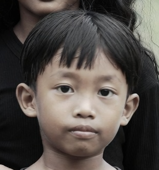
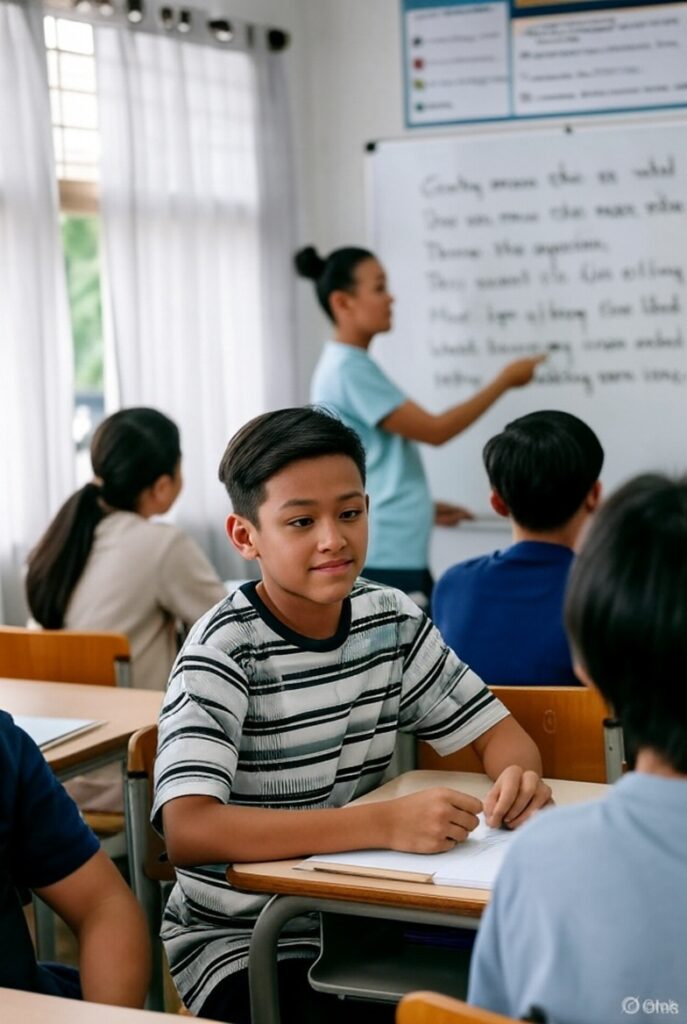
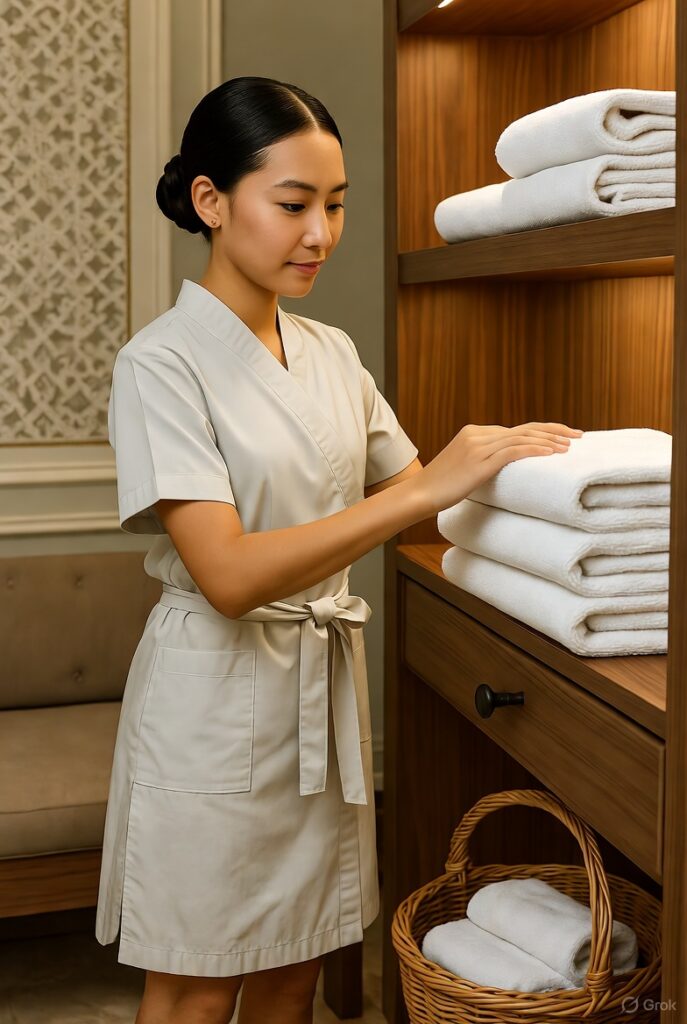
What is your name? My name is___________________ How old are you? I am _______________ years old. Are you a boy or a girl? I am a ________________ Are you from Siem Reap? I am from_______________
———————————-
Correct answers: What is your name? My name is Sreyneang How old are you? I am 8 years old. Are you a boy or a girl? I am a girl. Are you from Siem Reap? I am from Battambang. ###############
What is your name? My name is ___________. How old are you? I am _______ years old. Are you a girl or a boy? I am a ____________. Are you from Battambang? I am from ______________.
———————-
What is your name? My name is Sophea. How old are you? I am 8 years old. Are you a girl or a boy? I am a girl. Are you from Battambang? I am from Siem Reap.
###############
What is your name? My name is __________. How old are you? I am __________ years old. Are you a boy or a girl? I am a __________ Are you from Siem Reap? I am from ______________. —————————– Correct answers:
What is your name? My name is Sokha. How old are you? I am 7 years old. Are you a boy or a girl? I am a boy. Are you from Siem Reap? I am from Kep.
#################
What is your name? My name is Dara. How old are you? I am 10 years old. Are you a boy or a girl? I am a boy. Are you from Kampot? I am from Phnom Penh.
################
Who is this? This is __________. How old is he? He is ___________ years old. Is he a boy or a girl? He is a __________. Is he from Siem Reap? He is from _____________.
————————-
Who is this? This is Sohka. How old is he? He is 7 years old. Is he a boy or a girl? He is a boy. Is he from Siem Reap? He is from Kep.
#################
Who is this? This is _____________. How old is she? She is _______________ years old. Is she a boy or a girl? She is a ____________. Is she from Siem Reap? She is from ______________.
—————— Correct answers:
Who is this? This is Sreyneang. How old is she? She is 8 years old. Is she a boy or a girl? She is a girl. Is she from Siem Reap? She is from Battambang.
Dara is ten years old. She lives in a small house. Every morning she gets up at 6:30. She washes her face. Then she eats breakfast with her family. After breakfast, she brushes her teeth. Then she puts on her school uniform and gets ready for school.
At 7:15 Dara walks to school with her friends. The school is one kilometer from her home. She likes walking with her friends. They talk and laugh on the way.
School starts at 8:00. Dara likes her school. Her favorite subjects are math and science. She likes math because she likes numbers. She likes science because she likes to learn new things.
At 12:00 she goes home. She eats a light lunch with her family. After lunch, she does her homework. Then she plays with her friends outside.
In the evening Dara eats a light dinner. Then she reads a book. She goes to bed early. Dara is happy and ready for the next day.
______________________
Vocabulary:
to get up – to leave the bed.
to wash one’s face – to clean the face with water.
to eat breakfast – to have food in the morning.
to brush one’s teeth – to clean the teeth with a toothbrush.
to put on a uniform – to wear school clothes.
to get ready – to prepare to go out.
to like walking – to enjoy going on foot.
to laugh – to make a happy sound when something is funny.
a favorite subject – the school subject you like best.
science (subject) – to learn about nature and the world.
numbers (math) – to learn counting and sums.
light lunch – a small meal at midday.
to do one’s homework – to work on school tasks at home.
outside – not inside; in the open air.
dinner – the evening meal.
early – before the usual time.
to be ready – to be prepared to go or start.
################
Answer:
EXAMPLE:
Is Dara a boy or a girl?
YOU WRITE:
She is a girl.
______________________
Correct version:
Is Dara ten or eleven years old?
___________________________
Does she live in a small house or a big house?
___________________________
Does she get up at 6:30 or 7:30?
___________________________
Does she eat breakfast with her family or alone?
___________________________
Does she walk to school or go by bus?
___________________________
Does she like walking alone or with her friends?
___________________________
Are her favorite subjects math and science or art and music?
___________________________
Does she eat a light lunch or a big lunch?
___________________________
Does she do her homework in the morning or after lunch?
___________________________
Does she go to bed early or late?
___________________________
——————————————
Correct answers:
Is Dara ten or eleven years old?
She is ten years old.
Does she live in a small house or a big house?
She lives in a small house.
Does she get up at 6:30 or 7:30?
She gets up at 6:30.
Does she eat breakfast with her family or alone?
She eats breakfast with her family.
Does she walk to school or go by bus?
She walks to school.
Does she like walking alone or with her friends?
She likes walking with her friends.
Are her favorite subjects math and science or art and music?
Her favorite subjects are math and science.
Does she eat a light lunch or a big lunch?
She eats a light lunch.
Does she do her homework in the morning or after lunch?
She does her homework after lunch.
Does she go to bed early or late?
She goes to bed early.
###################
Correct the statements (see grammar above):
Dara is eight years old.
YOU WRITE:
Dara is not eight years old. She is ten years old.
_________________
Dara is eight years old. _________________________
She lives in a big house. _________________________
She gets up at 7:30 in the morning. _________________________
She eats breakfast alone. _________________________
She brushes her hair after breakfast. _________________________
She goes to school by bus. _________________________
She does not like walking with her friends. _________________________
Her favorite subject is art. _________________________
She eats a big lunch at 12:00. _________________________
She goes to bed late. _________________________
————————– Correct version:
Dara is eight years old.
Dara is not eight years old. She is ten years old.
She lives in a big house.
She does not live in a big house. She lives in a small house.
She gets up at 7:30 in the morning.
She does not get up at 7:30. She gets up at 6:30.
She eats breakfast alone.
She does not eat breakfast alone. She eats breakfast with her family.
She brushes her hair after breakfast.
She does not brush her hair after breakfast. She brushes her teeth.
She goes to school by bus.
She does not go to school by bus. She walks to school.
She does not like walking with her friends.
She does like walking with her friends.
Her favorite subject is art.
Her favorite subject is not art. Her favorite subjects are math and science.
She eats a big lunch at 12:00.
She does not eat a big lunch. She eats a light lunch.
She goes to bed late.
She does not go to bed late. She goes to bed early.
#######################
Correct the following questions:
Is Dara eight years old?
YOU WRITE:
No, she is not eight years old. She is ten years old.
Is Dara eight years old? __________________________
Does she live in a big house? __________________________
Does she get up at 7:30 in the morning? __________________________
Does she eat breakfast alone? __________________________
Does she brush her hair after breakfast? __________________________
Does she go to school by bus? __________________________
Does she not like walking with her friends? __________________________
Is her favorite subject art? __________________________
Does she eat a big lunch at 12:00? __________________________
Does she go to bed late? __________________________
————————————- Correct answers:
Is Dara eight years old?
No, she is not eight years old. She is ten years old.
Does she live in a big house?
No, she does not live in a big house. She lives in a small house.
Does she get up at 7:30 in the morning?
No, she does not get up at 7:30. She gets up at 6:30.
Does she eat breakfast alone?
No, she does not eat breakfast alone. She eats breakfast with her family.
Does she brush her hair after breakfast?
No, she does not brush her hair after breakfast. She brushes her teeth.
Does she go to school by bus?
No, she does not go to school by bus. She walks to school.
Does she not like walking with her friends?
No, she does like walking with her friends.
Is her favorite subject art?
No, her favorite subject is not art. Her favorite subjects are math and science.
Does she eat a big lunch at 12:00?
No, she does not eat a big lunch. She eats a light lunch.
Does she go to bed late?
No, she does not go to bed late. She goes to bed early.
###################
Fill in the words below:
science – friends – breakfast – early – small – ten – light – brushes – walks – math – 6:30 – homework – uniform – washes
Sentences:
Dara is ___ years old.
She lives in a ___ house.
Every morning she gets up at ___ .
She ___ her face.
Then she eats ___ with her family.
After breakfast, she ___ her teeth.
She puts on her ___ and gets ready for school.
At 7:15 Dara ___ to school.
She likes walking with her ___.
Her favorite subjects are ___ and ___.
At 12:00 she eats a ___ lunch.
After lunch, she does her ___.
In the evening Dara eats a ___ dinner.
She goes to bed ___.
—————————— Correct version:
Dara is ten years old.
She lives in a small house.
Every morning she gets up at 6:30.
She washes her face.
Then she eats breakfast with her family.
After breakfast, she brushes her teeth.
She puts on her uniform and gets ready for school.
At 7:15 Dara walks to school.
She likes walking with her friends.
Her favorite subjects are math and science.
At 12:00 she eats a light lunch.
After lunch, she does her homework.
In the evening Dara eats a light dinner.
She goes to bed early.
#####################
Fill in, words below:
family – science – old – eat – small – friends – uniform – at – early – morning – breakfast – outside
——————————-
1. What is your name?
My name is Dara.
2. How old are you?
I am ten years __________.
3. Where do you live?
I live in a __________ house.
4. What time do you get up?
I get up __________ 6:30.
5. Do you wash your face in the __________?
Yes, I wash my face.
6. Do you eat breakfast?
Yes, I eat breakfast with my __________.
7. Do you brush your teeth after __________?
Yes, I brush my teeth.
8. What do you wear to school?
I wear my school __________.
9. How do you go to school?
I walk to school with my __________.
10. What are your favorite subjects?
My favorite subjects are math and __________.
11. What do you do after lunch?
I do my homework and play __________.
12. What do you do in the evening?
I __________ a light dinner, read a book, and go to bed __________.
————————- Correct version:
1. What is your name?
My name is Dara.
2. How old are you?
I am ten years old.
3. Where do you live?
I live in a small house.
4. What time do you get up?
I get up at 6:30.
5. Do you wash your face in the morning?
Yes, I wash my face.
6. Do you eat breakfast?
Yes, I eat breakfast with my family.
7. Do you brush your teeth after breakfast?
Yes, I brush my teeth.
8. What do you wear to school?
I wear my school uniform.
9. How do you go to school?
I walk to school with my friends.
10. What are your favorite subjects?
My favorite subjects are math and science.
11. What do you do after lunch?
I do my homework and play outside.
12. What do you do in the evening?
I eat a light dinner, read a book, and go to bed early.
######################
Interview with her brother:
What is her name? Her name is Dara.
How old is she? She is ten years old.
Where does she live? She lives in a small house.
What time does she get up? She gets up at 6:30.
Does she wash her face in the morning? Yes, she washes her face.
Does she eat breakfast? Yes, she eats breakfast with her family.
Does she brush her teeth after breakfast? Yes, she brushes her teeth.
What does she wear to school? She wears her school uniform.
How does she go to school? She walks to school with her friends.
What are her favorite subjects? Her favorite subjects are math and science.
What does she do after lunch? She does her homework and plays outside.
What does she do in the evening? She eats a light dinner, reads a book, and goes to bed early.
Anan is assistant general manager in a hotel. He remembers his time at the foundation, supporting him to live his dream.
When Anan studied at the foundation he woke up early every morning, then breakfast with his friends. At 8 o’clock he went to class. The teacher taught him English words for hotel work, like “guest,” “room,” and “clean.” He learned to say hello and welcome to visitors.
After that, Anan studied how to work in a hotel. Some days he learned about the front desk. He learned to smile, speak politely, and help guests. Other days he learned about cleaning rooms. He practiced making beds, washing towels, and keeping everything clean and nice.
At lunchtime, Anan ate with the other students. In the afternoon, he had practice time. Sometimes he worked in a small training hotel. He served drinks, carried bags, or helped in the restaurant. The teachers watched him and helped him do better.
Later, he had lessons about life and good manners. He learned how to work in a team and be kind to others.
In the evening, he studied English again or played football with his friends. After dinner, he went back to his room, read a little, and then slept. He felt happy because every day he learned something new for his future.
##################
Verbs in text, infinitive and past simple forms:
live – lived study – studied wake up – woke up eat – ate go – went teach – taught learn – learned say – said study – studied work – worked smile – smiled speak – spoke help – helped practice – practiced make – made wash – washed keep – kept have – had serve – served carry – carried watch – watched play – played read – read [ri:d – red] sleep – slept feel – felt be – was/were come – came
##################
Multiple choice, one answer correct:
Where did Anan live and study? a) At the hotel b) At the school c) At the foundation
What did Anan do every morning? a) Slept very late b) Woke up early c) Played some games
Who did Anan eat breakfast with? a) His friends b) His teacher c) His family
What time did Anan go to class? a) At nine o’clock b) At seven o’clock c) At eight o’clock
What did the teacher teach Anan? a) Drawing art b) English words c) Cooking food
What did Anan learn to say? a) Hello and welcome b) Sorry please now c) Goodbye thanks now
What did Anan study after class? a) Drive a car b) Work in a hotel c) Play some football
What did he learn at the front desk? a) Smile and help b) Clean the room c) Write a list
What did he practice in the rooms? a) Making beds b) Read some books c) Write some notes
Who did Anan eat lunch with? a) The teachers b) His friends c) His parents
Where did Anan work sometimes? a) A big school b) Small training hotel c) At a market
What did he do in the restaurant? a) Read some books b) Cook some food c) Help the guests
What did the teachers do? a) Watched him b) Went home c) Played games
What lessons did Anan have later? a) Sports and games b) Life and manners c) Art and music
What did Anan do in the evening? a) Went shopping b) Slept early c) Played football then
What did he do after dinner? a) Read a book b) Watched some TV c) Went out late
How did Anan feel at the end of the day? a) Felt tired now b) Felt happy now c) Felt bored now
Why was he happy? a) He learned things b) He went home c) He watched TV
Where did Anan live and study? – At the foundation
What did Anan do every morning? – Woke up early
Who did Anan eat breakfast with? – His friends
What time did Anan go to class? – At eight o’clock
What did the teacher teach Anan? – English words
What did Anan learn to say? – Hello and welcome
What did Anan study after class? – Work in a hotel
What did he learn at the front desk? – Smile and help
What did he practice in the rooms? – Write some notes
Who did Anan eat lunch with? – His friends
Where did Anan work sometimes? – At a market
What did he do in the restaurant? – Read some books
What did the teachers do? – Played games
What lessons did Anan have later? – Life and manners
What did Anan do in the evening? – Played football then
What did he do after dinner? – Read a book
How did Anan feel at the end of the day? – Felt happy now
Why was he happy? – He learned things
###################
Match the word or phrase to Its definition
Words/Phrases:
a foundation
to wake up
breakfast
to teach somebody English
to welcome a visitor
to study
to smile
to speak politely
to clean rooms
to practice making beds
a towel
tidy
lunchtime
practice time
to serve a drink
to carry bags
good manners
to be kind
future
Definitions:
a. a piece of cloth to dry your body or hands b. to behave nicely and be polite c. clean and in good order d. to open your eyes in the morning e. the time in the middle of the day to eat f. to give a drink to someone g. a place that helps people learn or get support h. to learn and read about something i. to help a person learn English words and speaking j. to show happiness on your face k. the time that comes after today l. to say hello and make a guest feel happy to come m. to be nice and helpful to people n. time to do something again to get better o. to talk in a kind and nice way p. to take bags in your hands and move them q. to learn how to make a bed again and again r. to make rooms neat and not dirty s. the first meal in the morning
a foundation – a place that helps people learn or get support to wake up – to open your eyes in the morning breakfast – the first meal in the morning to teach somebody English – to help a person learn English words and speaking to welcome a visitor – to say hello and make a guest feel happy to come to study – to learn and read about something to smile – to show happiness on your face to speak politely – to talk in a kind and nice way to clean rooms – to make rooms neat and not dirty to practice making beds – to learn how to make a bed again and again a towel – a piece of cloth to dry your body or hands tidy – clean and in good order lunchtime – the time in the middle of the day to eat practice time – time to do something again to get better to serve a drink – to give a drink to someone to carry bags – to take bags in your hands and move them good manners – to behave nicely and be polite to be kind – to be nice and helpful to people future – the time that comes after today
####################
Multiple choice, one answer correct, provide answer in a full sentence::
Where did Anan study? – a) At a hotel b) At a foundation c) At school
YOU WRITE: Anan studied at a foundation.
What time did Anan wake up? – a) Late b) Early c) Noon _________________________________
Who did Anan eat breakfast with? – a) Friends b) Teacher c) Parents _________________________________
When did he go to class? – a) 8 o’clock b) 10 o’clock c) 7 o’clock _________________________________
What did the teacher teach? – a) Math b) English c) Art _________________________________
What did Anan learn to say? – a) Hello b) Goodbye c) Thanks _________________________________
What did Anan practice in rooms? – a) Shoes b) Meals c) Beds _________________________________
Who watched him at practice? – a) Teachers b) Friends c) Parents _________________________________
What did he do in the restaurant? – a) Serve b) Read c) Cook _________________________________
What did Anan learn about manners? – a) Be loud b) Be kind c) Be fast _________________________________
When did he play football? – a) Lunch b) Morning c) Evening _________________________________
What did he do after dinner? – a) Read b) Sleep c) Walk _________________________________
How did he feel at night? – a) Happy b) Sad c) Tired _________________________________
Why was he happy? – a) Played b) Watched c) Learned _________________________________
Where did Anan study? – Anan studied at a foundation. What time did Anan wake up? – He woke up early. Who did Anan eat breakfast with? – He ate breakfast with his friends. When did he go to class? – He went to class at 8 o’clock. What did the teacher teach? – The teacher taught him English. What did Anan learn to say? – He learned to say hello. What did Anan practice in rooms? – He practiced making beds. Who watched him at practice? – The teachers watched him at practice. What did he do in the restaurant? – He served in the restaurant. What did Anan learn about manners? – He learned to be kind. When did he play football? – He played football in the evening. What did he do after dinner? – He read after dinner. How did he feel at night? – He felt happy at night. Why was he happy? – He was happy because he learned new things.
##################
Short answers in past simple:
Question
Short Answer (Yes/Positive)
Short Answer (No/Negative)
Did she check reservations?
Yes, she did.
No, she didn’t.
Did she give keys to guests?
Yes, she did.
No, she didn’t.
Did she talk to many guests?
Yes, she did.
No, she didn’t.
Was she happy?
Yes, she was.
No, she wasn’t.
Were the guests satisfied?
Yes, they were.
No, they weren’t.
###################
Give short answers, as shown:
Anan was a student at a university.
YOU WRITE: No, he wasn’t.
Anan got up early every day.
YOU WRITE: Yes, he did.
__________________________________
Anan studied at a foundation. __________________________________
He woke up very late every morning. __________________________________
Anan ate breakfast with his friends. __________________________________
He went to class at 10 o’clock. __________________________________
The teacher taught him English words for hotel work. __________________________________
He learned to say goodbye and leave visitors. __________________________________
Anan practiced making beds and washing towels. __________________________________
He worked in a large city hotel every day. __________________________________
The teachers watched and helped him during practice. __________________________________
Anan learned to be kind and have good manners. __________________________________
In the evening, he only slept and did nothing else. __________________________________
He sometimes served drinks and carried bags. __________________________________
Anan studied cooking and painting every day. __________________________________
He felt happy because he learned new things for his future. __________________________________
Anan was a teacher at the foundation. __________________________________
The students were in the city hotel every day. __________________________________
——————————————-
Correct answers:
Anan studied at a foundation. – Yes, he did.
He woke up very late every morning. – No, he didn’t.
Anan ate breakfast with his friends. – Yes, he did.
He went to class at 10 o’clock. – No, he didn’t.
The teacher taught him English words for hotel work. – Yes, he did.
He learned to say goodbye and leave visitors. – No, he didn’t.
Anan practiced making beds and washing towels. – Yes, he did.
He worked in a large city hotel every day. – No, he didn’t.
The teachers watched and helped him during practice. – Yes, they did.
Anan learned to be kind and have good manners. – Yes, he did.
In the evening, he only slept and did nothing else. – No, he didn’t.
He sometimes served drinks and carried bags. – Yes, he did.
Anan studied cooking and painting every day. – No, he didn’t.
He felt happy because he learned new things for his future. – Yes, he did.
Anan was a teacher at the foundation. – No, he wasn’t.
The students were in the city hotel every day. – No, they weren’t.
##################
Basics in past simple:
Personal Pronoun
Verb (Past)
Object
I
ate
apples
You
ate
apples
He
ate
apples
She
ate
apples
It
ate
apples
We
ate
apples
You (plural)
ate
apples
They
ate
apples
I
played
football
You
played
football
He
played
football
She
played
football
It
played
football
We
played
football
You (plural)
played
football
They
played
football
Personal Pronoun
Verb (Past Negative)
Object
I
did not eat
apples
You
did not eat
apples
He
did not eat
apples
She
did not eat
apples
It
did not eat
apples
We
did not eat
apples
You (plural)
did not eat
apples
They
did not eat
apples
I
did not play
football
You
did not play
football
He
did not play
football
She
did not play
football
It
did not play
football
We
did not play
football
You (plural)
did not play
football
They
did not play
football
Did + Pronoun
Verb
Object
Did I
eat
apples?
Did you
eat
apples?
Did he
eat
apples?
Did she
eat
apples?
Did it
eat
apples?
Did we
eat
apples?
Did you
eat
apples?
Did they
eat
apples?
Did I
play
football?
Did you
play
football?
Did he
play
football?
Did she
play
football?
Did it
play
football?
Did we
play
football?
Did you
play
football?
Did they
play
football?
Didn’t + Pronoun
Verb
Object
Didn’t I
eat
apples?
Didn’t you
eat
apples?
Didn’t he
eat
apples?
Didn’t she
eat
apples?
Didn’t it
eat
apples?
Didn’t we
eat
apples?
Didn’t you
eat
apples?
Didn’t they
eat
apples?
Didn’t I
play
football?
Didn’t you
play
football?
Didn’t he
play
football?
Didn’t she
play
football?
Didn’t it
play
football?
Didn’t we
play
football?
Didn’t you
play
football?
Didn’t they
play
football?
######################
Correct as shown:
Anan studied at a university.
YOU WRITE: No, he didn’t. He studied at a foundation.
He woke up very late every morning. _____________________________
Anan ate breakfast alone. _____________________________
He went to class at 10 o’clock. _____________________________
The teacher taught him math. _____________________________
He learned to say goodbye to visitors. _____________________________
Anan practiced cooking every day. _____________________________
He worked in a large city hotel every day. _____________________________
The teachers ignored him during practice. _____________________________
Anan learned to be rude. _____________________________
In the evening, he only slept and did nothing else. _____________________________
He never served drinks or carried bags. _____________________________
Anan studied painting and music every day. _____________________________
He felt sad because he didn’t learn anything. _____________________________
Aan was sad in the evening. _____________________________
—————————– Correct answers:
He woke up very late every morning. – No, he didn’t. He woke up early.
Anan ate breakfast alone. – No, he didn’t. He ate breakfast with his friends.
He went to class at 10 o’clock. – No, he didn’t. He went to class at 8 o’clock.
The teacher taught him math. – No, he didn’t. The teacher taught him English.
He learned to say goodbye to visitors. – No, he didn’t. He learned to say hello and welcome visitors.
Anan practiced cooking every day. – No, he didn’t. He practiced making beds and cleaning rooms.
He worked in a large city hotel every day. – No, he didn’t. He sometimes worked in a small training hotel.
The teachers ignored him during practice. – No, they didn’t. The teachers watched and helped him.
Anan learned to be rude. – No, he didn’t. He learned to be kind.
In the evening, he only slept and did nothing else. – No, he didn’t. He studied English or played football with friends.
He never served drinks or carried bags. – No, he didn’t. He sometimes served drinks and carried bags.
Anan studied painting and music every day. – No, he didn’t. He studied hotel work and English.
He felt sad because he didn’t learn anything. – No, he didn’t. He felt happy because he learned new things.
Anan was sad in the evening. – No, he wasn’t. He felt happy in the evening.
#####################
Answer as shown:
Did he start as a manager or as a student?
YOU WRITE: He started as a student.
Did he wake up early or late every morning?
Did he eat breakfast alone or with friends?
Did he go to class at 8 o’clock or 10 o’clock?
Did the teacher teach him English or math?
Did he learn to say hello or goodbye to visitors?
Did he practice making beds or cooking every day?
Did he work in a large hotel or a small training hotel?
Did the teachers help him or ignore him?
Did he play football in the evening or morning?
Did he read after dinner or go straight to sleep?
Was Anan happy or sad at night?
Was the teacher strict or kind?
Were the students in a large hotel or a small training hotel?
_____________________ Correct answers:
Did he start as a manager or as a student? – He started as a student.
Did he wake up early or late every morning? – He woke up early every morning.
Did he eat breakfast alone or with friends? – He ate breakfast with his friends.
Did he go to class at 8 o’clock or 10 o’clock? – He went to class at 8 o’clock.
Did the teacher teach him English or math? – The teacher taught him English.
Did he learn to say hello or goodbye to visitors? – He learned to say hello and welcome visitors.
Did he practice making beds or cooking every day? – He practiced making beds and cleaning rooms.
Did he work in a large hotel or a small training hotel? – He worked in a small training hotel.
Did the teachers help him or ignore him? – The teachers helped him.
Did he play football in the evening or morning? – He played football in the evening.
Did he read after dinner or go straight to sleep? – He read after dinner.
Was Anan happy or sad at night? – Anan was happy at night.
Was the teacher strict or kind? – The teacher was kind.
Were the students in a large hotel or a small training hotel? – The students were in a small training hotel. ##################
Answer in complete sentences:
Where did Anan study?
What did Anan eat in the morning?
When did Anan wake up?
Who did he eat breakfast with?
What time did he go to class?
What did the teacher teach him?
What did Anan learn to say?
What did he practice in the rooms?
Who helped him at practice?
What did he do in the restaurant?
How did Anan feel at night?
Why was he happy?
When did he play football?
Where did he sometimes work?
______________________
Correct answers:
Where did Anan study? – Anan studied at a foundation. What did Anan eat in the morning? – He ate breakfast. When did Anan wake up? – He woke up early. Who did he eat breakfast with? – He ate breakfast with his friends. What time did he go to class? – He went to class at 8 o’clock. What did the teacher teach him? – The teacher taught him English. What did Anan learn to say? – He learned to say hello and welcome visitors. What did he practice in the rooms? – He practiced making beds and cleaning rooms. Who helped him at practice? – The teachers helped him. What did he do in the restaurant? – He served drinks and carried bags. How did Anan feel at night? – He felt happy. Why was he happy? – He was happy because he learned new things. When did he play football? – He played football in the evening. Where did he sometimes work? – He sometimes worked in a small training hotel.
##################
Correct as shown:
Anan got up late every day.
YOU WRITE: No, he didn’t get up early every day. Aran got up early every day.
He ate breakfast alone. ______________________________
He went to class at 10 o’clock. ______________________________
The teacher taught him math. ______________________________
He learned to say goodbye to visitors. ______________________________
He practiced cooking every day. ______________________________
He worked in a large city hotel every day. ______________________________
The teachers ignored [to not pay attention to someone or something] him during practice. ______________________________
He learned to be rude [very unfriendly]. ______________________________
In the evening, he only slept and did nothing else. ______________________________
He never served drinks or carried bags. ______________________________
Anan studied painting and music every day. ______________________________
He felt sad because he didn’t learn anything. ______________________________
He was sad in the evening. ______________________________
—————————- Correct answers:
Anan got up late every day. – No, he didn’t get up late every day. He got up early.
He ate breakfast alone. – No, he didn’t eat breakfast alone. He ate breakfast with his friends.
He went to class at 10 o’clock. – No, he didn’t go to class at 10 o’clock. He went to class at 8 o’clock.
The teacher taught him math. – No, the teacher didn’t teach him math. The teacher taught him English.
He learned to say goodbye to visitors. – No, he didn’t learn to say goodbye to visitors. He learned to say hello and welcome visitors.
He practiced cooking every day. – No, he didn’t practice cooking every day. He practiced making beds and cleaning rooms.
He worked in a large city hotel every day. – No, he didn’t work in a large city hotel every day. He sometimes worked in a small training hotel.
The teachers ignored him during practice. – No, the teachers didn’t ignore him during practice. They watched and helped him.
He learned to be rude. – No, he didn’t learn to be rude. He learned to be kind.
In the evening, he only slept and did nothing else. – No, he didn’t only sleep in the evening. He studied English or played football.
He never served drinks or carried bags. – No, he didn’t never serve drinks or carry bags. He sometimes served drinks and carried bags.
Anan studied painting and music every day. – No, he didn’t study painting and music every day. He studied hotel work and English.
He felt sad because he didn’t learn anything. – No, he didn’t feel sad because he didn’t learn anything. He felt happy because he learned new things.
He was sad in the evening. – No, he wasn’t sad in the evening. He felt happy in the evening.
########################
Fill in, words below:
ate – practice – foundation – learned – taught – read – carried -morning – happy – early – welcome – evening – time – cleaning
——————————–
Interviewer: Hi Anan! Can I ask you some questions about your day?
Anan: Yes, of course!
Interviewer: Where did you study? Anan: I studied at a __________.
Interviewer: What time did you wake up? Anan: I woke up __________ every morning.
Interviewer: What did you eat in the __________? Anan: I ate breakfast.
Interviewer: Who did you eat breakfast with? Anan: I _________ breakfast with my friends.
Interviewer: What __________ did you go to class? Anan: I went to class at 8 o’clock.
Interviewer: What did the teacher teach you? Anan: The teacher __________ me English.
Interviewer: What did you learn to say? Anan: I learned to say hello and _________ visitors.
Interviewer: What did you practice in the rooms? Anan: I practiced making beds and __________ rooms.
Interviewer: Who helped you during __________? Anan: The teachers helped me.
Interviewer: What did you do in the restaurant? Anan: I served drinks and __________ bags.
Interviewer: Did you play football? Anan: Yes, I played football in the _________.
Interviewer: What did you do after dinner? Anan: I __________ after dinner.
Interviewer: How did you feel at night? Anan: I felt __________ at night.
Interviewer: Why were you happy? Anan: I was happy because I __________ new things.
—————————– Correct version:
Interviewer: Hi Anan! Can I ask you some questions about your day?
Anan: Yes, of course!
Interviewer: Where did you study? Anan: I studied at a foundation.
Interviewer: What time did you wake up? Anan: I woke up early every morning.
Interviewer: What did you eat in the morning? Anan: I ate breakfast.
Interviewer: Who did you eat breakfast with? Anan: I ate breakfast with my friends.
Interviewer: What time did you go to class? Anan: I went to class at 8 o’clock.
Interviewer: What did the teacher teach you? Anan: The teacher taught me English.
Interviewer: What did you learn to say? Anan: I learned to say hello and welcome visitors.
Interviewer: What did you practice in the rooms? Anan: I practiced making beds and cleaning rooms.
Interviewer: Who helped you during practice? Anan: The teachers helped me.
Interviewer: What did you do in the restaurant? Anan: I served drinks and carried bags.
Interviewer: Did you play football? Anan: Yes, I played football in the evening.
Interviewer: What did you do after dinner? Anan: I read after dinner.
Interviewer: How did you feel at night? Anan: I felt happy at night.
Interviewer: Why were you happy? Anan: I was happy because I learned new things.
#####################
Read:
Anan wakes up early every morning and eats breakfast with his friends. At 8 o’clock, he goes to class. The teacher teaches him English for hotel work. He learns to greet and welcome visitors. He studies front desk work, cleaning rooms, and practicing making beds. In the afternoon, he practices in a small training hotel. He learns good manners, teamwork, and kindness. In the evening, he studies English or plays football. He goes to bed happy.
Rewrite the story in past simple, start with
>>>>>>>>>>>Anan woke up early in the…….
and make all changes necessary.
—————————————
Correct version:
Anan woke up early every morning and ate breakfast with his friends. At 8 o’clock, he went to class. The teacher taught him English for hotel work. He learned to greet and welcome visitors. He studied front desk work, cleaning rooms, and practicing making beds. In the afternoon, he practiced in a small training hotel. He learned good manners, teamwork, and kindness. In the evening, he studied English or played football. He went to bed happy.
My name is Bun. Today is my first day at a 5-star hotel. I wake up very early. I take a shower and put on my uniform. I eat a small breakfast. Then I take the bus to the hotel. I feel a little nervous and happy.
When I arrive, my manager shows me the lobby. He teaches me how to greet guests. I say, “Good morning, welcome to our hotel!” many times. I help guests with check-in. I give them their room keys. Some guests ask questions about the hotel. I try to answer politely. I smile and speak slowly.
At lunchtime, I sit with my new coworkers. They talk to me. They are very kind and friendly. In the afternoon, I answer phone calls. I write messages and help guests with small problems. I learn a lot today.
When my shift ends, I feel tired but happy. I take the bus home. I think about my first day. It is a good day. I am excited for tomorrow.
________________________
Vocabulary:
to wake up – to stop sleeping
early – before the usual time
to take a shower – to clean your body with water
to put on a uniform – to wear special clothes for work or school
to eat breakfast – to eat the first meal of the day
to take the bus – to travel on a bus
to feel nervous – to feel worried or afraid
to arrive – to get to a place
to teach somebody – to show or explain how to do something
to greet – to say hello to someone
many times – more than once
a key – a small metal thing to open a door
to ask a question – to say something to get information
to answer politely – to give information in a nice way
to speak slowly – to talk not fast
lunchtime – the time to eat lunch
a coworker – a person who works with you
to be kind – to be nice to someone
afternoon – the part of the day after lunch
to answer a call – to speak to someone on the phone
to write a message – to put words on paper or phone to tell someone something
a small problem – a little difficulty or trouble
a shift (hotel) – the time when you work at the hotel
to be excited – to feel very happy and eager
tomorrow – the day after today
################## Multiple choice, one answer:
1. What does “to wake up” mean? a) to stop sleeping b) to eat some food c) to go to scho
2. What does “early” mean? a) before the usual b) after lunch time c) very slowly now
3. What does “to take a shower” mean? a) to sleep at night b) to clean your body c) to put on clothes
4. What does “to put on a uniform” mean? a) to wear work clothes b) to eat some food c) to go back home
5. What does “to eat breakfast” mean? a) to drink some water b) to start school now c) to eat first meal
6. What does “to take the bus” mean? a) to walk very slow b) to travel by bus c) to ride a small bike
7. What does “to feel nervous” mean? a) to feel very afraid b) to feel happy now c) to feel very hungry
8. What does “to arrive” mean? a) to leave your home b) to start your sleep c) to get to a place
9. What does “to teach somebody” mean? a) to watch some TV b) to show how to do c) to ask a question
10. What does “to greet” mean? a) to say hello now b) to sleep all night c) to eat some food
11. What does “many times” mean? a) only once now b) very often now c) not at all now
12. What is “a key”? a) a box for money b) a tool to open c) a small metal tool
13. What does “to ask a question” mean? a) to give nice answer b) to talk with friends c) to say some words
14. What does “to answer politely” mean? a) to speak nicely b) to speak very bad c) to ignore someone
15. What does “to speak slowly” mean? a) to talk very fast b) to talk not fast c) to be very quiet
16. What is “lunchtime”? a) the time for break b) the time for dinner c) the time to eat
17. What is a “coworker”? a) a person you work with b) a teacher at school c) a friend at home
18. What does “to be kind” mean? a) to be very lazy b) to be very nice c) to feel very bad
19. What is “afternoon”? a) the morning time b) the night at home c) the day after lunch
20. What does “to be excited” mean? a) to feel very tired b) to feel very sleepy c) to feel very happy
What does “to take a shower” mean? – to clean your body
What does “to put on a uniform” mean? – to wear work clothes
What does “to eat breakfast” mean? – to eat first meal
What does “to take the bus” mean? – to travel by bus
What does “to feel nervous” mean? – to feel very afraid
What does “to arrive” mean? – to get to a place
What does “to teach somebody” mean? – to show how to do
What does “to greet” mean? – to say hello now
What does “many times” mean? – very often now
What is “a key”? – a small metal tool
What does “to ask a question” mean? – to talk with friends
What does “to answer politely” mean? – to speak nicely
What does “to speak slowly” mean? – to talk not fast
What is “lunchtime”? – the time to eat
What is a “coworker”? – a person you work with
What does “to be kind” mean? – to be very nice
What is “afternoon”? – the day after lunch
What does “to be excited” mean? – to feel very happy
#############
Match word – defintion:
Words:
to wake up
early
to take a shower
to put on a uniform
to eat breakfast
to take the bus
to feel nervous
to arrive
to teach somebody
to greet
many times
a key
to ask a question
to answer politely
to speak slowly
lunchtime
a coworker
to be kind
afternoon
to be excited
Definitions:
a) to talk not fast b) very often now c) to clean your body d) the day after lunch e) to speak nicely f) to feel very afraid g) to get to a place h) to stop sleeping i) to eat first meal j) to say hello now k) before the usual l) a small metal tool m) a person you work with n) to show how to do o) to feel very happy p) to wear work clothes q) the time to eat r) to travel by bus s) to talk with friends t) the morning time
His coworker works with him in the hotel. ____________________________
He takes the bus to school every night. ____________________________
He feels nervous on his first day at work. ___________________________
He puts on his uniform after breakfast. ____________________________
He greets his teacher when he arrives at school. ____________________________
Lunchtime is at 10 o’clock in the morning. ____________________________
He takes a shower before he goes to bed. ____________________________
He speaks very fast with his customers. ____________________________
He asks questions many times every day. ____________________________
Afternoon is the first part of the day. ____________________________
He eats breakfast after he goes to school. ____________________________
He sleeps in the hotel during the day. ____________________________
———————————-
Correct version:
He wakes up late every day. No, he doesn’t.
He is very excited to start his new job. Yes, he is.
His coworker works with him in the hotel. Yes, he does.
He takes the bus to school every night. No, he doesn’t.
He feels nervous on his first day at work. Yes, he does.
He puts on his uniform after breakfast. Yes, he does.
He greets his teacher when he arrives at school. Yes, he does.
Lunchtime is at 10 o’clock in the morning. No, it isn’t.
He takes a shower before he goes to bed. Yes, he does.
He speaks very fast with his customers. No, he doesn’t.
He asks questions many times every day. Yes, he does.
Afternoon is the first part of the day. No, it isn’t.
He eats breakfast after he goes to school. No, he doesn’t.
He sleeps in the hotel during the day. No, he doesn’t.
################
Short answer again, and if statement is false, give correct statement.
He wakes up at 6 o’clock every day.
YOU WRITE: Yes, he does.
He eats lunch before he goes to the hotel.
YOU WRITE: No, he doesn’t. He eats breakfast before he goes to school.
He feels happy on his first day at work.
He takes the bus to the hotel every morning.
He greets guests many times.
He puts on his uniform after he wakes up.
He sleeps in the hotel at night.
He takes a shower before he goes to school.
He asks questions every day.
Afternoon is the first part of the day.
He speaks slowly with guests.
He eats lunch in the morning.
He is very excited for tomorrow.
His coworkers sleep during the day.
______________________
Correct answers:
He wakes up at 6 o’clock every day. No, he doesn’t. He wakes up very early.
He eats lunch before he goes to the hotel. No, he doesn’t. He eats a small breakfast before he goes to the hotel.
He feels happy on his first day at work. Yes, he does.
He takes the bus to the hotel every morning. Yes, he does.
He greets guests many times. Yes, he does.
He puts on his uniform after he wakes up. Yes, he does.
He sleeps in the hotel at night. No, he doesn’t. He takes the bus home after his shift.
He takes a shower before he goes to school. No, he doesn’t. He takes a shower before his shift at the hotel.
He asks questions every day. No, he doesn’t. Some guests ask him questions about the hotel.
Afternoon is the first part of the day. No, it isn’t. Afternoon is the part after lunchtime.
He speaks slowly with guests. Yes, he does.
He eats lunch in the morning. No, he doesn’t. He eats lunch at lunchtime.
He is very excited for tomorrow. Yes, he is.
His coworkers sleep during the day. No, they don’t. They are very kind and friendly and talk to him.
####################
Basics:
Personal Pronoun
am / is / are
I
am
8 years old
You
are
8 years old
He
is
8 years old
She
is
8 years old
It
is
8 years old
We
are
8 years old
You (plural)
are
8 years old
They
are
8 years old
Personal Pronoun
am not / is not / are not
I
am not
8 years old
You
are not
8 years old
He
is not
8 years old
She
is not
8 years old
It
is not
8 years old
We
are not
8 years old
You (plural)
are not
8 years old
They
are not
8 years old
Question:
Question Word
Personal Pronoun
Am
I
8 years old?
Are
you
8 years old?
Is
he
8 years old?
Is
she
8 years old?
Is
it
8 years old?
Are
we
8 years old?
Are
you (plural)
8 years old?
Are
they
8 years old?
Statement:
Personal Pronoun
Verb
I
like
ice cream
You
like
ice cream
He
likes
ice cream
She
likes
ice cream
It
likes
ice cream
We
like
ice cream
You (plural)
like
ice cream
They
like
ice cream
Negation:
Personal Pronoun
Verb (negative)
I
do not like
ice cream
You
do not like
ice cream
He
does not like
ice cream
She
does not like
ice cream
It
does not like
ice cream
We
do not like
ice cream
You (plural)
do not like
ice cream
They
do not like
ice cream
Question:
Do / Does
Personal Pronoun
Verb
Sugar?
Do
I
like
sugar?
Do
you
like
sugar?
Does
he
like
sugar?
Does
she
like
sugar?
Does
it
like
sugar?
Do
we
like
sugar?
Do
you (plural)
like
sugar?
Do
they
like
sugar?
#####################
Answer in complete sentences:
Does he have breakfast or lunch in the morning?
Is he happy in the morning or nervous?
Does he take a shower or go to bed first?
Does he put on his uniform or go home first?
Does he take the bus to school or to the hotel?
Does he greet guests many times or only once?
Does he help guests with check-in or sleep in the lobby?
Does he give guests their keys or take their keys?
Do guests ask him questions or does he ask questions?
Does he answer politely or loudly?
Does he sit with his coworkers at lunchtime or eat alone?
Is he excited for tomorrow or tired and sad?
Does he write messages or play games in the afternoon?
Does he take the bus home or sleep in the hotel?
________________________-
Correct version:
Does he have breakfast or lunch in the morning? He has breakfast in the morning.
Is he happy in the morning or nervous? He is a little nervous and happy in the morning.
Does he take a shower or go to bed first? He takes a shower first.
Does he put on his uniform or go home first? He puts on his uniform first.
Does he take the bus to school or to the hotel? He takes the bus to the hotel.
Does he greet guests many times or only once? He greets guests many times.
Does he help guests with check-in or sleep in the lobby? He helps guests with check-in.
Does he give guests their keys or take their keys? He gives guests their keys.
Do guests ask him questions or does he ask questions? Guests ask him questions.
Does he answer politely or loudly? He answers politely.
Does he sit with his coworkers at lunchtime or eat alone? He sits with his coworkers at lunchtime.
Is he excited for tomorrow or tired and sad? He is excited for tomorrow.
Does he write messages or play games in the afternoon? He writes messages in the afternoon.
Does he take the bus home or sleep in the hotel? He takes the bus home.
##################
Answer in complete sentences:
What is his name?
Where does he work?
When does he wake up?
What does he do after he wakes up?
What does he put on in the morning?
What does he eat in the morning?
How does he go to the hotel?
How does he feel on his first day?
Who shows him the lobby?
What does he say many times to the guests?
What does he give to the guests?
Who does he sit with at lunchtime?
What does he do in the afternoon?
How does he feel at the end of the day?
______________________ Correct answers:
His name is Bun.
He works at a 5-star hotel.
He wakes up very early.
He takes a shower after he wakes up.
He puts on his uniform in the morning.
He eats a small breakfast in the morning.
He goes to the hotel by bus.
He is a little nervous and happy on his first day.
His manager shows him the lobby.
He says “Good morning, welcome to our hotel!” many times to the guests.
He gives the guests their room keys.
He sits with his coworkers at lunchtime.
In the afternoon, he answers phone calls, writes messages, and helps guests with small problems.
He feels tired but happy at the end of the day.
###############
Fill in, words below:
coworkers – bus – questions – shower – nervous – early – tired – breakfast – manager – tomorrow – many times – messages
Interviewer: Hello Bun! Can I ask you some __________ about your first day at work?
Bun: Yes, of course!
What is your name? My name is Bun.
Where do you work? I work at a 5-star hotel.
When do you wake up? I wake up very __________.
What do you do after you wake up? I take a __________ and put on my uniform.
What do you eat in the morning? I eat a small __________.
How do you go to the hotel? I take the __________ to the hotel.
How do you feel on your first day? I am a little __________ and happy.
Who shows you the hotel lobby? My __________ shows me the lobby.
What do you say to the guests? I say, “Good morning, welcome to our hotel!” __________.
Who do you sit with at lunchtime? I sit with my __________.
What do you do in the afternoon? I answer phone calls, write __________, and help guests with small problems.
How do you feel at the end of the day? I am __________ but happy, and I am excited for __________
————————– Full version:
Interviewer: Hello Bun! Can I ask you some questions about your first day at work?
Bun: Yes, of course!
What is your name? My name is Bun.
Where do you work? I work at a 5-star hotel.
When do you wake up? I wake up very early.
What do you do after you wake up? I take a shower and put on my uniform.
What do you eat in the morning? I eat a small breakfast.
How do you go to the hotel? I take the bus to the hotel.
How do you feel on your first day? I am a little nervous and happy.
Who shows you the hotel lobby? My manager shows me the lobby.
What do you say to the guests? I say, “Good morning, welcome to our hotel!” many times.
Who do you sit with at lunchtime? I sit with my coworkers.
What do you do in the afternoon? I answer phone calls, write messages, and help guests with small problems.
How do you feel at the end of the day? I am tired but happy, and I am excited for tomorrow.
#################
Read………..
My name is Bun. Today is my first day at a 5-star hotel. I wake up very early, take a shower, and put on my uniform. I eat a small breakfast and take the bus to the hotel. I feel a little nervous and happy. My manager shows me the lobby and teaches me how to greet guests. I help guests with check-in, give them their keys, and answer questions politely. At lunchtime, I sit with my coworkers. In the afternoon, I answer calls and write messages. I feel tired but happy and excited for tomorrow.
and rewrite the story starting with:
>>>>>>>>>>>>>>His name is Bun. Today is his………………
and make all changes necessary. _________________________
Correct version:
His name is Bun. Today is his first day at a 5-star hotel. He wakes up very early, takes a shower, and puts on his uniform. He eats a small breakfast and takes the bus to the hotel. He is a little nervous and happy. His manager shows him the lobby and teaches him how to greet guests. He helps guests with check-in, gives them their keys, and answers questions politely. At lunchtime, he sits with his coworkers. In the afternoon, he answers calls and writes messages. He feels tired but happy and excited for tomorrow.
Anan lives and studies at the foundation. Every morning he wakes up early and eats breakfast with his friends. At 8 o’clock he goes to class. The teacher teaches him English words for hotel work, like “guest,” “room,” and “clean.” He learns to say hello and welcome to visitors.
After that, Anan studies how to work in a hotel. Some days he learns about the front desk. He learns to smile, speak politely, and help guests. Other days he learns about cleaning rooms. He practices making beds, washing towels, and keeping everything nice and tidy.
At lunchtime, Anan eats with the other students. In the afternoon, he has practice time. Sometimes he works in a small training hotel. He serves drinks, carries bags, or helps in the restaurant. The teachers watch and help him do it better.
Later in the day, he has lessons about life and good manners. He learns how to work in a team and how to be kind to others.
In the evening, he studies English again or plays football with friends. After dinner, he goes back to his room, reads a little, and then sleeps. He feels happy because every day he learns something new for his future.
_____________________
Vocabulary:
a foundation – a place that helps people learn or get support
to wake up – to open your eyes in the morning
breakfast – the first meal in the morning
to teach somebody English – to help a person learn English words and speaking
to welcome a visitor – to say hello and make a guest feel happy to come
to study – to learn and read about something
to smile – to show happiness on your face
to speak politely – to talk in a kind and nice way
to clean rooms – to make rooms neat and not dirty
to practice making beds – to learn how to make a bed again and again
a towel – a piece of cloth to dry your body or hands
tidy – clean and in good order
lunchtime – the time in the middle of the day to eat
practice time – time to do something again to get better
to serve a drink – to give a drink to someone
to carry bags – to take bags in your hands and move them
good manners – to behave nicely and be polite
to be kind – to be nice and helpful to people
future – the time that comes after today
########################
Multiple choice, one answer correct:
1. A foundation is a place that… a) helps people b) sells food c) makes cars
2. To wake up means… a) open your eyes b) go to bed c) eat breakfast
3.Breakfast is… a) morning food b) night food c) evening food
4. To teach somebody English means… a) play games b) help learn c) sleep
5. To welcome a visitor means… a) close the door b) say hello c) go away
6. To study means… a) sing songs b) learn more c) run
7. To smile means… a) show happy face b) cry c) shout
8. To speak politely means… a) talk loudly b) talk nicely c) talk fast
9. To clean rooms means… a) make tidy b) move furniture c) paint walls
10. To practice making beds means… a) jump on bed b) sleep in bed c) make bed correctly
11. A towel is… a) for eating b) for walking c) for drying
12.Tidy means… a) very dark b) old c) clean and neat
13.Lunchtime is… a) play time b) time to eat c) sleep time
14.Practice time is… a) watch TV b) go home c) time to practice
15. To serve a drink means… a) cook rice b) rest c) give a drink
16. To carry bags means… a) sit down b) hold bags c) draw pictures
17.Good manners means… a) shout b) eat fast c) be polite
18. To be kind means… a) be angry b) sleep late c) help people
19.Future means… a) before now b) today c) after now
To practice making beds means to make the bed correctly.
A towel is for drying.
Tidy means clean.
Lunchtime means time to eat.
Practice time means time to practice.
To serve a drink means to give a drink.
To carry bags means to hold bags.
Good manners means to be polite.
To be kind means to help people.
Future means after now.
###################
Match word with definiton:
Vocabulary
Foundation
Wake up
Breakfast
Teach somebody English
Welcome a visitor
Study
Smile
Speak politely
Clean rooms
Practice making beds
Towel
Tidy
Lunchtime
Practice time
Serve a drink
Carry bags
Good manners
Be kind
Future
Definitions:
A. Time to eat B. To hold bags C. To make a bed correctly D. To open your eyes E. To give a drink F. To talk nicely G. A place that helps people H. To help learn English I. To say hello to someone J. To clean and make tidy K. A piece of cloth for drying L. To smile or show a happy face M. To learn more N. To be polite O. To show kindness P. Morning food Q. Time to practice R. After now S. To clean rooms
To wake up means to go to sleep. True is: To wake up means to open your eyes.
A towel is for drying.
To clean rooms means to make the room not tidy. True is: To clean rooms means to make the room tidy.
Smile means to show a happy face.
To speak politely means to talk nicely.
Lunchtime means time to eat.
Practice making beds means to sleep in the bed. True is: Practice making beds means to make the bed correctly.
Be kind means to help people.
Carry bags means not hold bags. True is: Carry bags means to hold bags.
Serve a drink means to give a drink.
Tidy means very dark. True is: Tidy means clean.
Study means to learn more.
Welcome a visitor means to close the door. True is: Welcome a visitor means to say hello.
####################
Short answers
basics:
Example Sentence
Yes
No
I learn the alphabet.
Yes, I do.
No, I don’t.
You read signs.
Yes, you do.
No, you don’t.
He practices speaking.
Yes, he does.
No, he doesn’t.
She watches cartoons.
Yes, she does.
No, she doesn’t.
It helps us learn English.
Yes, it does.
No, it doesn’t.
We use apps like Duolingo.
Yes, we do.
No, we don’t.
You read labels.
Yes, you do.
No, you don’t.
They make mistakes sometimes.
Yes, they do.
No, they don’t.
Question
Yes
No
Do I learn the alphabet?
Yes, I do.
No, I don’t.
Do you read signs?
Yes, you do.
No, you don’t.
Does he practice speaking?
Yes, he does.
No, he doesn’t.
Does she watch cartoons?
Yes, she does.
No, she doesn’t.
Does it help us learn English?
Yes, it does.
No, it doesn’t.
Do we use apps like Duolingo?
Yes, we do.
No, we don’t.
Do you read labels?
Yes, you do.
No, you don’t.
Do they make mistakes sometimes?
Yes, they do.
No, they don’t.
Question
Yes
No
Am I big?
Yes, I am.
No, I am not.
Are you big?
Yes, you are.
No, you aren’t.
Is he big?
Yes, he is.
No, he isn’t.
Is she big?
Yes, she is.
No, she isn’t.
Is it big?
Yes, it is.
No, it isn’t.
Are we big?
Yes, we are.
No, we aren’t.
Are you big?
Yes, you are.
No, you aren’t.
Are they big?
Yes, they are.
No, they aren’t.
###################
Give short answers:
Breakfast is eaten in the morning.
YOU WRITE: Yes, it is.
People wake up in the night.
YOU WRITE: No, they don’t.
A towel is used for drying your body. ____________________________
Rooms are cleaned to make them tidy. ____________________________
A smile shows a happy face. ____________________________
Polite people talk loudly. ____________________________
Lunchtime is the time to eat food. ____________________________
Beds are practiced to be made correctly. ____________________________
Kind people help other people. ____________________________
Bags are carried to hold them. ____________________________
Drinks are served to give them to someone. ____________________________
Tidy means very dark. ____________________________
Students study to learn more. ____________________________
Visitors are welcomed by saying hello. ____________________________
Breakfast is eaten at night. ____________________________
People wake up and go back to sleep. ____________________________
Rooms are cleaned to make them not tidy. ____________________________
A smile means a person cries. ____________________________
Polite people talk nicely. ____________________________
Practice time is the time to practice. ____________________________
————————————–
Correct version:
Breakfast is eaten in the morning. Yes, it is.
People wake up in the night. No, they don’t.
A towel is used for drying your body. Yes, it is.
Rooms are cleaned to make them tidy. Yes, they are.
A smile shows a happy face. Yes, it does.
Polite people talk loudly. No, they don’t.
Lunchtime is the time to eat food. Yes, it is.
Beds are practiced to be made correctly. Yes, they are.
Kind people help other people. Yes, they do.
Bags are carried to hold them. Yes, they are.
Drinks are served to give them to someone. Yes, they are.
Tidy means very dark. No, it doesn’t.
Students study to learn more. Yes, they do.
Visitors are welcomed by saying hello. Yes, they are.
Breakfast is eaten at night. No, it isn’t.
People wake up and go back to sleep. No, they don’t.
Rooms are cleaned to make them not tidy. No, they aren’t.
A smile means a person cries. No, it doesn’t.
Polite people talk nicely. Yes, they do.
Practice time is the time to practice. Yes, it is.
##################
Correct the statements as shown:
Breakfast is eaten at night.
YOU WRITE: No, it isn’t. It is eaten in the morning.
People wake up and go back to sleep.
YOU WRITE: No, they don’t. They wake up and eat breakfast.
A towel is used for cooking. ____________________________
Rooms are cleaned to make them dirty. ____________________________
Smile means a person cries. ____________________________
Polite people talk loudly. ____________________________
Lunchtime is a time to sleep. ____________________________
Beds are practiced to sleep in them. ____________________________
Be kind means to be angry. ____________________________
Carry bags means to throw them away. ____________________________
Drinks are served to cook food. ____________________________
Study means to play games. ____________________________
Visitors are welcomed by closing the door. ____________________________
Tidy means very dark. ____________________________
Practice time means time to watch TV. ____________________________
Students study to sleep. ____________________________
———————————
Correct answers:
Breakfast is eaten at night. No, it isn’t. It is eaten in the morning.
People wake up and go back to sleep. No, they don’t. They wake up and eat breakfast.
A towel is used for cooking. No, it isn’t. It is used for drying.
Rooms are cleaned to make them dirty. No, they aren’t. They are cleaned to make them tidy.
Smile means a person cries. No, it doesn’t. It means to show a happy face.
Polite people talk loudly. No, they don’t. They talk nicely.
Lunchtime is a time to sleep. No, it isn’t. It is time to eat.
Beds are practiced to sleep in them. No, they aren’t. They are practiced to be made correctly.
Be kind means to be angry. No, it doesn’t. It means to help people.
Carry bags means to throw them away. No, it doesn’t. It means to hold bags.
Drinks are served to cook food. No, they aren’t. They are served to give drinks.
Study means to play games. No, it doesn’t. It means to learn more.
Visitors are welcomed by closing the door. No, they aren’t. They are welcomed by saying hello.
Tidy means very dark. No, it doesn’t. It means clean.
Practice time means time to watch TV. No, it isn’t. It is time to practice.
Students study to sleep. No, they don’t. They study to learn more.
################### Basics:
Personal Pronoun
am / is / are
I
am
8 years old
You
are
8 years old
He
is
8 years old
She
is
8 years old
It
is
8 years old
We
are
8 years old
You (plural)
are
8 years old
They
are
8 years old
Personal Pronoun
am not / is not / are not
I
am not
8 years old
You
are not
8 years old
He
is not
8 years old
She
is not
8 years old
It
is not
8 years old
We
are not
8 years old
You (plural)
are not
8 years old
They
are not
8 years old
Question:
Question Word
Personal Pronoun
Am
I
8 years old?
Are
you
8 years old?
Is
he
8 years old?
Is
she
8 years old?
Is
it
8 years old?
Are
we
8 years old?
Are
you (plural)
8 years old?
Are
they
8 years old?
Statement:
Personal Pronoun
Verb
I
like
ice cream
You
like
ice cream
He
likes
ice cream
She
likes
ice cream
It
likes
ice cream
We
like
ice cream
You (plural)
like
ice cream
They
like
ice cream
Negation:
Personal Pronoun
Verb (negative)
I
do not like
ice cream
You
do not like
ice cream
He
does not like
ice cream
She
does not like
ice cream
It
does not like
ice cream
We
do not like
ice cream
You (plural)
do not like
ice cream
They
do not like
ice cream
Question:
Do / Does
Personal Pronoun
Verb
Sugar?
Do
I
like
sugar?
Do
you
like
sugar?
Does
he
like
sugar?
Does
she
like
sugar?
Does
it
like
sugar?
Do
we
like
sugar?
Do
you (plural)
like
sugar?
Do
they
like
sugar?
#####################
Answer as shown:
Breakfast is eaten at night or in the morning?
YOU WRITE: Breakfast is eaten in the morning.
Do people wake up and go back to sleep or have breakfast?
YOU WRITE: People wake up and have breakfast.
Is a towel used for cooking or for drying? ___________________________________
Are rooms cleaned to make them dirty or tidy? ___________________________________
Does a smile mean a person cries or shows a happy face? ___________________________________
Do polite people talk loudly or talk nicely? ___________________________________
Is lunchtime a time to sleep or to eat? ___________________________________
Are beds practiced to sleep in them or to be made correctly? ___________________________________
Does being kind mean to be angry or to help people? ___________________________________
Does carry bags mean to throw them away or to hold them? ___________________________________
Are drinks served to cook food or to give drinks? ___________________________________
Does study mean to play games or to learn more? ___________________________________
Are visitors welcomed by closing the door or by saying hello? ___________________________________
Does tidy mean very dark or clean? ___________________________________
Is practice time the time to watch TV or the time to practice? ___________________________________
Do students study to sleep or to learn more? ___________________________________
———————————–
Correct answers:
Breakfast is eaten at night or in the morning? Breakfast is eaten in the morning.
Do people wake up and go back to sleep or have breakfast? People wake up and have breakfast.
Is a towel used for cooking or for drying? A towel is used for drying.
Are rooms cleaned to make them dirty or tidy? Rooms are cleaned to make them tidy.
Does a smile mean a person cries or shows a happy face? A smile shows a happy face.
Do polite people talk loudly or talk nicely? Polite people talk nicely.
Is lunchtime a time to sleep or to eat? Lunchtime is the time to eat.
Are beds practiced to sleep in them or to be made correctly? Beds are practiced to be made correctly.
Does being kind mean to be angry or to help people? Being kind means to help people.
Does carry bags mean to throw them away or to hold them? Carry bags means to hold them.
Are drinks served to cook food or to give drinks? Drinks are served to give drinks.
Does study mean to play games or to learn more? Study means to learn more.
Are visitors welcomed by closing the door or by saying hello? Visitors are welcomed by saying hello.
Does tidy mean very dark or clean? Tidy means clean.
Is practice time the time to watch TV or the time to practice? Practice time is the time to practice.
Do students study to sleep or to learn more? Students study to learn more.
##############
———————————–
Form questions to which the word/s given is/are the answer:
My brother wakes up at night. a) My brother:_______________________ b) My: ______________________ c) wakes up at night: ______________________ d) at night: ______________________
YOU WRITE: a) Who wakes up at night? b) Whose borther wakes up at night? c) What does he do? d) When does he wake up?
1. My brother sleeps at night. a) My brother: ______________________ b) My: ______________________ c) sleeps at night: ______________________ d) at night: ______________________
2. I eat breakfast in the morning. a) I: ______________________ b) eat breakfast in the morning: ______________________ c) in the morning: ______________________
3. She smiles at her friend. a) She: ______________________ b) smiles at her friend: ______________________ c) at her friend: ______________________ d) her:___________________
4. They carry bags to school. a) They: ______________________ b) carry bags to school: ______________________ c) to school: ______________________
5. He speaks politely to the teacher. a) He: ______________________ b) politely: ______________________ c) speaks politely to the teacher: ______________________ d) to the teacher: ______________________
—————————————– Correct answers:
1. My brother sleeps at night. a) My brother: Who sleeps at night? b) My: Whose brother sleeps at night? c) sleeps at night: What does my brother do at night? d) at night: When does my brother sleep?
2. I eat breakfast in the morning. a) I: Who eats breakfast in the morning? b) eat breakfast in the morning: What do I do in the morning? c) in the morning: When do I eat breakfast?
3. She smiles at her friend. a) She: Who smiles at her friend? b) smiles at her friend: What does she do? c) at her friend: Who does she smile at? d) her: Whose friend does she smile at?
4. They carry bags to school. a) They: Who carries bags to school? b) carry bags to school: What do they do? c) to school: Where do they carry the bags?
5. He speaks politely to the teacher. a) He: Who speaks politely to the teacher? b) politely: How does he speak to the teacher? c) speaks politely to the teacher: What does he do? d) to the teacher: Who does he speak politely to?
####################
Interview with Anan – Beginner A1
1. Q: What time do you wake up? A: I wake up at 6 o’clock.
2. Q: What do you eat for breakfast? A: I eat bread and fruit.
3. Q: Who do you see at the foundation? A: I see my teachers and friends.
4. Q: Where do you study? A: I study in the classroom.
5. Q: How do you go to class? A: I walk to class.
6. Q: When do you practice making beds? A: I practice in the morning.
7. Q: Why do you clean rooms? A: I clean rooms to keep them tidy.
8. Q: Do you carry bags for visitors? A: Yes, I do.
9. Q: Do you serve drinks? A: Yes, I do.
10. Q: How do you speak to teachers? A: I speak politely.
11. Q: What do you do at lunchtime? A: I eat my lunch.
12. Q: Who do you smile at? A: I smile at visitors.
13. Q: How often do you practice English? A: I practice every day.
14. Q: Are you happy at the foundation? A: Yes, I am.
##################
Interview with Anan – A1 Intermediate. Complete, words below:
bags – politely – breakfast – meeting – classmates – eat – beds – every day – classroom – foundation – fruit – morning – good manners – during
—————————–
1. Q: What time do you usually wake up at the foundation? A: I usually wake up at 6 o’clock, and then I get ready for __________.
2. Q: What do you have for breakfast? A: I have bread, __________, and sometimes eggs.
3. Q: Who do you see at the foundation in the morning? A: I see my teachers, _________, and friends from other classes.
4. Q: Where do you study English and tourism? A: I study in the __________ and sometimes in the practice rooms.
5. Q: How do you go to your classes? A: I walk to the classroom, and sometimes I help carry __________ for visitors.
6. Q: When do you practice making beds and cleaning rooms? A: I practice in the __________ after breakfast and sometimes in the afternoon.
7. Q: Why do you practice making __________ and cleaning rooms? A: I practice to learn good manners and to be ready for working in hotels.
8. Q: Do you carry bags for visitors at the foundation? A: Yes, I do. I help visitors carry their bags when they come to the __________.
9. Q: Do you serve drinks to visitors? A: Yes, I do. I serve water or juice __________ to all visitors.
10. Q: How do you speak to your teachers and visitors? A: I speak politely and try to smile. I use __________.
11. Q: What do you do at lunchtime? A: I __________ my lunch with my classmates, and sometimes we talk about our day.
12. Q: Who do you smile at __________ the day? A: I smile at visitors, my teachers, and my friends.
13. Q: How often do you practice English? A: I practice English __________ in class and sometimes after lunch.
14. Q: Are you happy to study at the foundation? A: Yes, I am happy. I like learning new things and _________ new people.
———————————– Correct version:
1. Q: What time do you usually wake up at the foundation? A: I usually wake up at 6 o’clock, and then I get ready for breakfast.
2. Q: What do you have for breakfast? A: I have bread, fruit, and sometimes eggs.
3. Q: Who do you see at the foundation in the morning? A: I see my teachers, classmates, and friends from other classes.
4. Q: Where do you study English and tourism? A: I study in the classroom and sometimes in the practice rooms.
5. Q: How do you go to your classes? A: I walk to the classroom, and sometimes I help carry bags for visitors.
6. Q: When do you practice making beds and cleaning rooms? A: I practice in the morning after breakfast and sometimes in the afternoon.
7. Q: Why do you practice making beds and cleaning rooms? A: I practice to learn good manners and to be ready for working in hotels.
8. Q: Do you carry bags for visitors at the foundation? A: Yes, I do. I help visitors carry their bags when they come to the foundation.
9. Q: Do you serve drinks to visitors? A: Yes, I do. I serve water or juice politely to all visitors.
10. Q: How do you speak to your teachers and visitors? A: I speak politely and try to smile. I use good manners.
11. Q: What do you do at lunchtime? A: I eat my lunch with my classmates, and sometimes we talk about our day.
12. Q: Who do you smile at during the day? A: I smile at visitors, my teachers, and my friends.
13. Q: How often do you practice English? A: I practice English every day in class and sometimes after lunch.
14. Q: Are you happy to study at the foundation? A: Yes, I am happy. I like learning new things and meeting new people.
Naya works at the pool of a five-star hotel. Her job is to help the guests. She gives them clean towels and shows them the chairs. She brings drinks and sometimes small food. She makes the pool area clean and safe.
Naya smiles to the guests. She talks politely. She tries to help the guests with everything. She wants them to be happy and relaxed. Sometimes she brings cold water, juice, or fruit. Guests like this service.
The work is busy. Many people come at the same time. It is hot in the sun. Sometimes it is difficult, but Naya stays calm. Some guests forget their towels or other things. She finds the things and gives them back.
Sometimes a guest is unhappy. Naya listens and tries to help. She explains politely.
Naya likes her job because she meets many people. She meets people from different countries. She learns new things and sees happy faces. She feels proud when guests are satisfied. Her job is nice and interesting.
__________________________
Vocabulary:
a guest – a person who comes to visit or stay
a clean towel – a towel that is not dirty
a chair (at pool) – a seat near the pool
small food – little food to eat
clean – not dirty
safe – not in danger
to smile – to make your mouth happy
to talk politely – to speak in a nice way
everything – all things
to be relaxed – to feel calm and not worried
busy work – work that has a lot to do
to stay calm – to keep feeling relaxed
to forget – to not remember
to try to help – to do your best to help someone
to explain politely – to give information in a nice way
to meet people – to see or talk to new people
different countries – many countries that are not the same
a happy face – a face that looks happy
to feel proud – to feel good about what you do
to be satisfied – to feel happy with something
to be interesting – to make people want to learn or know more
##################
Multiple choice, one answer correct:
Who is a person who comes to visit or stay? a) a guest b) a chair c) a towel
What is not dirty? a) happy face b) small food c) clean
Where do you sit near the pool? a) food b) chair c) everything
What is little food to eat? a) smile b) small food c) satisfied
What means not in danger? a) to meet people b) safe c) to stay calm
To make your mouth happy? a) to smile b) busy work c) to explain politely
To speak in a nice way? a) a happy face b) to be interesting c) to talk politely
To feel calm and not worried? a) clean towel b) to forget c) to be relaxed
To do your best to help someone? a) a guest b) to try to help c) small food
A face that looks happy? a) everything b) different countries c) a happy face
To feel good about what you do? a) to be proud b) to be satisfied c) to meet people
To meet new people? a) to explain politely b) to meet people c) busy work
All things? a) to stay calm b) everything c) to be interesting
To not remember? a) to smile b) to forget c) clean
Work that has a lot to do? a) small food b) happy face c) busy work
To give information in a nice way? a) to explain politely b) to be satisfied c) to be interesting
Many countries that are not the same? a) a guest b) different countries c) clean towel
To feel happy with something? a) to stay calm b) to be satisfied c) to be proud
To make people want to learn more? a) to be interesting b) to meet people c) a chair
To feel calm and forget problems? a) to smile b) busy work c) to be relaxed
Who is a person who comes to visit or stay? – a guest
What is not dirty? – clean
Where do you sit near the pool? – chair
What is little food to eat? – small food
What means not in danger? – safe
To make your mouth happy? – to smile
To speak in a nice way? – to talk politely
To feel calm and not worried? – to be relaxed
To do your best to help someone? – to try to help
A face that looks happy? – a happy face
To feel good about what you do? – to be proud
To meet new people? – to meet people
All things? – everything
To not remember? – to forget
Work that has a lot to do? – busy work
To give information in a nice way? – to explain politely
Many countries that are not the same? – different countries
To feel happy with something? – to be satisfied
To make people want to learn more? – to be interesting
To feel calm and forget problems? – to stay calm
##################
Match the words with their meanings:
Words:
a guest
a clean towel
a chair (at pool)
small food
clean
safe
to smile
to talk politely
everything
to be relaxed
busy work
to stay calm
to forget
to try to help
to explain politely
to meet people
different countries
a happy face
to feel proud
to be satisfied
Definitions:
A. A towel that is not dirty B. To do your best to help someone C. All things D. A face that looks happy E. To speak in a nice way F. To feel happy with something G. Little food to eat H. A person who comes to visit or stay I. To keep feeling calm J. Not in danger K. To feel calm and not worried L. To make your mouth happy M. A seat near the pool N. To meet new people O. Work that has a lot to do P. Many countries that are not the same Q. To give information in a nice way R. To feel good about what you do S. To not remember T. Not dirty
to explain politely – To give information in a nice way
to meet people – To meet new people
different countries – Many countries that are not the same
a happy face – A face that looks happy
to feel proud – To feel good about what you do
to be satisfied – To feel happy with something
#################
Fill in, words below:
meets – drinks – back – politely – help – chairs – safe – towels – busy – clean – smiles – works
————————————-
Naya __________ at the pool of a five-star hotel.
Her job is to __________ the guests.
She gives them ________ towels.
She shows them the __________.
She brings __________ and small food.
She makes the pool area clean and __________.
Naya __________ to the guests.
She talks __________ and helps them.
The work is __________.
Some guests forget their __________ or things.
Naya finds the things and gives them _________.
She likes her job because she __________ many people.
————————————
Correct version:
Naya works at the pool of a five-star hotel.
Her job is to help the guests.
She gives them clean towels.
She shows them the chairs.
She brings drinks and small food.
She makes the pool area clean and safe.
Naya smiles to the guests.
She talks politely and helps them.
The work is busy.
Some guests forget their towels or things.
Naya finds the things and gives them back.
She likes her job because she meets many people.
################
True or false:
Naya works at the pool of a five-star hotel.
The work is easy and slow.
Some guests forget their towels.
Naya never smiles to the guests.
She talks politely and helps the guests.
She feels sad when guests are happy.
Naya brings only hot drinks.
She makes the pool area clean and safe.
She likes her job because she meets many people.
Naya works in a restaurant, not at the pool.
She finds lost things and gives them back.
Naya does not help the guests.
____________________________
True: 1,3,5,8,9,11
____________________________
Correct answers:
Naya works at the pool of a five-star hotel.
The work is easy and slow. True is: The work is busy.
Some guests forget their towels.
Naya never smiles to the guests. True is: Naya smiles to the guests.
She talks politely and helps the guests.
She feels sad when guests are happy. True is: She feels proud when guests are happy.
Naya brings only hot drinks. True is: Naya brings cold water, juice, or fruit.
She makes the pool area clean and safe.
She likes her job because she meets many people.
Naya works in a restaurant, not at the pool. True is: Naya works at the pool, not in a restaurant.
She finds lost things and gives them back.
Naya does not help the guests. True is: Naya helps the guests.
##################
Short answers, basics:
Example Sentence
Yes
No
I learn the alphabet.
Yes, I do.
No, I don’t.
You read signs.
Yes, you do.
No, you don’t.
He practices speaking.
Yes, he does.
No, he doesn’t.
She watches cartoons.
Yes, she does.
No, she doesn’t.
It helps us learn English.
Yes, it does.
No, it doesn’t.
We use apps like Duolingo.
Yes, we do.
No, we don’t.
You read labels.
Yes, you do.
No, you don’t.
They make mistakes sometimes.
Yes, they do.
No, they don’t.
Question
Yes
No
Do I learn the alphabet?
Yes, I do.
No, I don’t.
Do you read signs?
Yes, you do.
No, you don’t.
Does he practice speaking?
Yes, he does.
No, he doesn’t.
Does she watch cartoons?
Yes, she does.
No, she doesn’t.
Does it help us learn English?
Yes, it does.
No, it doesn’t.
Do we use apps like Duolingo?
Yes, we do.
No, we don’t.
Do you read labels?
Yes, you do.
No, you don’t.
Do they make mistakes sometimes?
Yes, they do.
No, they don’t.
Question
Yes
No
Am I big?
Yes, I am.
No, I am not.
Are you big?
Yes, you are.
No, you aren’t.
Is he big?
Yes, he is.
No, he isn’t.
Is she big?
Yes, she is.
No, she isn’t.
Is it big?
Yes, it is.
No, it isn’t.
Are we big?
Yes, we are.
No, we aren’t.
Are you big?
Yes, you are.
No, you aren’t.
Are they big?
Yes, they are.
No, they aren’t.
#####################
Short answers:
Naya works at the pool of a five-star hotel.
YOU WRITE: Yes, she does.
The work is easy and slow.
Some guests forget their towels.
Naya always smiles to the guests.
She talks politely and helps the guests.
She feels sad when guests are happy.
Naya brings only hot drinks.
She makes the pool area clean and safe.
She likes her job because she meets many people.
Naya works in a restaurant, not at the pool.
She finds lost things and gives them back.
Naya does not help the guests.
_________________________
Corrrect answers:
Naya works at the pool of a five-star hotel. – Yes, she does.
The work is easy and slow. – No, it isn’t.
Some guests forget their towels. – Yes, they do.
Naya smiles to the guests. – Yes, she does.
She talks politely and helps the guests. – Yes, she does.
She feels sad when guests are happy. – No, she doesn’t.
Naya brings only hot drinks. – No, she doesn’t.
She makes the pool area clean and safe. – Yes, she does.
She likes her job because she meets many people. – Yes, she does.
Naya works in a restaurant, not at the pool. – No, she doesn’t.
She finds lost things and gives them back. – Yes, she does.
Naya does not help the guests. – No, she doesn’t.
#################
True or false, correct answers:
Naya works at the restaurant of a five-star hotel.
YOU WRITE: No, she doesn’t. She works at the pool.
The work is easy and slow.
Some guests forget their newspapers.
Naya always smiles to her general manager.
She talks loud.
She feels sad when guests are happy.
Naya brings only hot drinks.
She makes the pool area unsafe.
She likes her job because she meets all her friends.
Naya works in the spa, not at the pool.
She finds lost things and gives them to poor people.
________________________
Correct answers:
No, she doesn’t. She works at the pool of a five-star hotel.
No, it isn’t. The work is busy.
No, they don’t. Some guests forget their towels.
No, she doesn’t. Naya smiles to the guests.
No, she doesn’t. She talks politely and helps the guests.
No, she doesn’t. She feels proud when guests are happy.
No, she doesn’t. Naya brings cold water, juice, or fruit.
No, she doesn’t. She makes the pool area clean and safe.
No, she doesn’t. She likes her job because she meets many people.
No, she doesn’t. Naya works at the pool, not in the spa.
No, she doesn’t. She finds lost things and gives them back to the guests.
###################
Answer in complete sentences:
Does Naya work at the pool or in a restaurant?
YOU WRITE: Naya works at the pool, not in a restaurant.
Is the work easy and slow or busy? ______________________________
Do some guests forget their towels or their newspapers? ______________________________
Does Naya smile to her friends or smile to the guests? ______________________________
Does Naya talk loudly or politely? ______________________________
Does Naya feel sad or proud when guests are happy? ______________________________
Does Naya bring only hot drinks or cold water, juice, or fruit? ______________________________
Is the pool area unsafe or clean and safe? ______________________________
Does Naya like her job because she meets all her friends or many people from different countries? ______________________________
Does Naya work in the spa or at the pool? ______________________________
Does Naya give lost things to poor people or back to the guests? ______________________________
Does Naya forget about the guests or help the guests? ______________________________
_____________________
Correct answers:
Naya works at the pool, not in a restaurant.
The work is busy, not easy and slow.
Some guests forget their towels, not their newspapers.
Naya smiles to the guests, not to her friends.
Naya talks politely, not loudly.
Naya feels proud when guests are happy, not sad.
Naya brings cold water, juice, or fruit, not only hot drinks.
The pool area is clean and safe, not unsafe.
Naya likes her job because she meets many people from different countries, not all her friends.
Naya works at the pool, not in the spa.
Naya gives lost things back to the guests, not to poor people.
Naya helps the guests, she does not forget them.
################
Answer these questions:
Where does Naya work?
What does Naya give to the guests?
Who does Naya help?
What does Naya bring to the guests to drink?
Does Naya smile to the guests?
Is the pool area clean or dirty?
Does Naya like her job?
What does Naya do if guests forget their towels?
How does Naya talk to the guests?
Why does Naya feel proud?
______________________
Correct answers:
Naya works at the pool of a five-star hotel.
Naya gives clean towels to the guests.
Naya helps the guests.
Naya brings cold water, juice, or fruit to the guests.
Yes, Naya smiles to the guests.
The pool area is clean and safe.
Yes, Naya likes her job.
Naya finds the lost towels and gives them back to the guests.
Naya talks politely to the guests.
Naya feels proud when guests are happy.
##################
Interview with Naya, fill in, words below:
politely – help – proud – towels – guests – check – pool – juice – back – people – five-star ———————————–
1. Who do you work for? I work for a __________ hotel.
2. Where do you work? I work at the pool.
3. What is your job? My job is to __________ the guests.
4. What do you give to the guests? I give clean __________.
5. Who do you help the most? I help all the guests at the __________.
6. How do you talk to the guests? I talk __________ to them.
7. What do you bring to the guests? I bring cold water, __________, or fruit.
8. When is the work busy? The work is busy when many __________ come at the same time.
9. Why do you like your job? I like my job because I meet many __________.
10. How do you feel when guests are happy? I feel __________when guests are happy.
11. What do you do if guests forget their towels? I find the towels and give them __________.
12. How do you make the pool area safe? I keep it clean and __________everything is safe.
————————————- Correct version:
1. Who do you work for? I work for a five-star hotel.
2. Where do you work? I work at the pool.
3. What is your job? My job is to help the guests.
4. What do you give to the guests? I give clean towels.
5. Who do you help the most? I help all the guests at the pool.
6. How do you talk to the guests? I talk politely to them.
7. What do you bring to the guests? I bring cold water, juice, or fruit.
8. When is the work busy? The work is busy when many guests come at the same time.
9. Why do you like your job? I like my job because I meet many people.
10. How do you feel when guests are happy? I feel proud when guests are happy.
11. What do you do if guests forget their towels? I find the towels and give them back.
12. How do you make the pool area safe? I keep it clean and check everything is safe.
####################
Now you interview Ari about Naya and you want to know as much as possible about Naya Use dialogue above.
START WITH:
1. Who does she work for? She works for a five-star hotel.
2. Where does she…………
——————————————
Corrrect version:
Who does she work for? She works for a five-star hotel.
Where does she work? She works at the pool.
What is her job? Her job is to help the guests.
What does she give to the guests? She gives clean towels.
Who does she help the most? She helps all the guests at the pool.
How does she talk to the guests? She talks politely to them.
What does she bring to the guests? She brings cold water, juice, or fruit.
When is the work busy? The work is busy when many guests come at the same time.
Why does she like her job? She likes her job because she meets many people.
How does she feel when guests are happy? She feels proud when guests are happy.
What does she do if guests forget their towels? She finds the towels and gives them back.
How does she make the pool area safe? She keeps it clean and checks everything is safe.
###############
Read the follwoing story:
My name is Naya. I work in a big 5-star hotel. I work at the pool. My job is to help the guests. I give them clean towels and show them the chairs. I bring drinks and sometimes small food. I make the pool area clean and safe. I smile to the guests and talk politely. The work is busy, but I stay calm. Some guests forget their towels, and I give them back. I like my job because I meet many people. I feel proud when guests are happy.
____________________
Rewrite the story, starting with:
>>>>>>>>>>>>Her name is Naya. She works……………….
and make all changes necessary.
____________________
Correct version:
Her name is Naya. She works in a big 5-star hotel. She works at the pool. Her job is to help the guests. She gives them clean towels and shows them the chairs. She brings drinks and sometimes small food. She makes the pool area clean and safe. She smiles to the guests and talks politely. The work is busy, but she stays calm. Some guests forget their towels, and she gives them back. She likes her job because she meets many people. She feels proud when guests are happy.
###############
BONUS version:
Her name is Naya. She works in a big 5-star hotel. She works at the pool. Her job is to help the guests. She gives them clean towels and shows them the chairs. She brings cold water, juice, or fruit. Sometimes she brings small food. She makes the pool area clean and safe. She checks everything to help the guests.
Naya smiles to the guests. She talks politely and helps them with everything. She answers questions and gives information about the hotel. She shows the guests the pool and the chairs. Many guests come at the same time. The work is busy. It is hot in the sun, but she stays calm.
Some guests forget their towels or other things. Naya finds them and gives them back. She likes her job because she meets many people. She meets people from different countries. She likes to see the guests happy. She feels proud when the guests enjoy their time at the pool.
Naya works hard. She cleans the area, brings drinks, and helps everyone. She makes the guests’ holiday better. Her job is important and interesting. She feels happy when guests smile and relax. Naya loves her job at the pool.
Ari works in a big hotel. It is a 5-star hotel. He works in the restaurant.
Every morning Ari gets up early. He takes a shower, puts on his clean uniform, and eats breakfast. Then he goes to work and smiles. He says hello to his friends. He looks at the tables. The tables must be clean. The chairs must be in the right place. The glasses must be nice. The flowers on the tables must look fresh.
The guests come. Ari says, “Good morning!” He helps them find a table. He brings food and drinks. He always says, “Please” and “Thank you.” Sometimes it is very busy. Many people want food. Sometimes a guest is not happy. Ari stays calm and friendly. He speaks softly and helps. The guests like Ari. They say, “Thank you!” and smile.
Ari likes his job. He meets many people every day from many countries. Last month he was “Staff of the Month.” He was very happy and proud. His boss said, “Good job, Ari!” Ari works hard and always does his best. He wants to learn more and be even better.
________________________
Vocabulary:
to get up early – to leave your bed in the morning when it is still early
to take a shower – to wash your body with water
to put on a uniform – to dress in special clothes for work or school
clean – not dirty
to smile – to make a happy face with your mouth
in the right place – in the correct spot, where it should be
to look fresh – to look new, nice, and not old or tired
to be busy – to have a lot of work, not have free time
to stay calm – to be quiet and not get angry or afraid
to be friendly – to be kind and nice to other people
to speak softly – to talk in a quiet voice
a country – a place like Thailand, France, or Japan
staff of the month – the best worker in one month
to be proud – to feel happy about your good work
to be better – to do something more well than before
####################
Ari’s best friend, Maurice
Match the words with their meanings:
Words:
to get up early
to take a shower
to put on a uniform
clean
to smile
in the right place
to look fresh
to be busy
to stay calm
to be friendly
to speak softly
a country
staff of the month
to be proud
to be better
Definitions:
A. to talk in a quiet voice B. to leave your bed in the morning when it is still early C. to feel happy about your good work D. to have a lot of work, not have free time E. to wash your body with water F. the best worker in one month G. to be quiet and not get angry or afraid H. to look new, nice, and not old or tired I. not dirty J. a place like Thailand or Japan K. in the correct spot, where it should be L. to make a happy face with your mouth M. to be kind and nice to other people N. to dress in special clothes for work or school O. to do something more well than before
to get up early – to leave your bed in the morning when it is still early to take a shower – to wash your body with water to put on a uniform – to dress in special clothes for work or school clean – not dirty to smile – to make a happy face with your mouth in the right place – in the correct spot, where it should be to look fresh – to look new, nice, and not old or tired to be busy – to have a lot of work, not have free time to stay calm – to be quiet and not get angry or afraid to be friendly – to be kind and nice to other people to speak softly – to talk in a quiet voice a country – a place like Thailand or Japan staff of the month – the best worker in one month to be proud – to feel happy about your good work to be better – to do something more well than before
###################
Gap-fill sentences, fill in, words below:
guests, proud, staff, restaurant, tables, busy, best, smile, calm, people
———————————-
Every morning Ari _______ on his clean uniform.
Ari works in a big 5-star _______.
He looks at the _______. The tables must be clean.
Ari says, “Good morning!” and helps the _______ find a table.
Sometimes it is very _______ in the restaurant.
Ari stays calm and _______ when a guest is not happy.
The guests like Ari. They say, “Thank you!” and _______.
Last month Ari was “_______ of the Month.”
Ari likes his job. He meets many _______ every day.
Ari works hard and always does his _______.
——————————— Correct version:
Every morning Ari puts on his clean uniform.
Ari works in a big 5-star hotel.
He looks at the tables. The tables must be clean.
Ari says, “Good morning!” and helps the guests find a table.
Sometimes it is very busy in the restaurant.
Ari stays calm when a guest is not happy.
The guests like Ari. They say, “Thank you!” and smile.
Last month Ari was “Staff of the Month.”
Ari likes his job. He meets many people every day.
Ari works hard and always does his best.
###################
True or false, if false provide the correct answer:
Ari works in a restaurant.
Ari works in a 3-star hotel.
The tables are clean.
Ari says “Good night” to the guests.
Ari stays calm when a guest is unhappy.
Ari brings food and drinks to the guests.
Ari meets many people every day.
Last month Ari was staff of the week.
Ari is unfriendly to the guests.
The glasses are nice.
Ari works hard and does his best.
Ari dislikes his job.
__________________________ True: 1,3,5,6,7,10,11
__________________________
Correct version:
Ari works in a restaurant.
Ari works in a 3-star hotel. True is: Ari works in a 5-star hotel.
The tables are clean.
Ari says “Good night” to the guests. True is: Ari says “Good morning” to the guests.
Ari stays calm when a guest is unhappy.
Ari brings food and drinks to the guests.
Ari meets many people every day.
Last month Ari was staff of the week. True is: Last month Ari was staff of the month.
Ari is unfriendly to the guests. True is: Ari is friendly to the guests.
The glasses are nice.
Ari works hard and does his best.
Ari dislikes his job. True is: Ari likes his job.
###################
Short answers, basics:
Example Sentence
Yes
No
I learn the alphabet.
Yes, I do.
No, I don’t.
You read signs.
Yes, you do.
No, you don’t.
He practices speaking.
Yes, he does.
No, he doesn’t.
She watches cartoons.
Yes, she does.
No, she doesn’t.
It helps us learn English.
Yes, it does.
No, it doesn’t.
We use apps like Duolingo.
Yes, we do.
No, we don’t.
You read labels.
Yes, you do.
No, you don’t.
They make mistakes sometimes.
Yes, they do.
No, they don’t.
Question
Yes
No
Do I learn the alphabet?
Yes, I do.
No, I don’t.
Do you read signs?
Yes, you do.
No, you don’t.
Does he practice speaking?
Yes, he does.
No, he doesn’t.
Does she watch cartoons?
Yes, she does.
No, she doesn’t.
Does it help us learn English?
Yes, it does.
No, it doesn’t.
Do we use apps like Duolingo?
Yes, we do.
No, we don’t.
Do you read labels?
Yes, you do.
No, you don’t.
Do they make mistakes sometimes?
Yes, they do.
No, they don’t.
Question
Yes
No
Am I big?
Yes, I am.
No, I am not.
Are you big?
Yes, you are.
No, you aren’t.
Is he big?
Yes, he is.
No, he isn’t.
Is she big?
Yes, she is.
No, she isn’t.
Is it big?
Yes, it is.
No, it isn’t.
Are we big?
Yes, we are.
No, we aren’t.
Are you big?
Yes, you are.
No, you aren’t.
Are they big?
Yes, they are.
No, they aren’t.
#####################
Short answers:
Ari works in a restaurant.
YOU WRITE: Yes, he does.
Ari works in a 3-star hotel. _______________________
The tables are clean. _______________________
Ari says “Good night” to the guests. _______________________
Ari stays calm when a guest is unhappy. _______________________
Ari brings food and drinks to the guests. _______________________
Ari meets many people every day. _______________________
Ari likes to be staff of the week. _______________________
Ari is unfriendly to the guests. _______________________
The glasses are nice. _______________________
Ari works hard and does his best. _______________________
Ari dislikes his job. _______________________
————————————
Correct answers:
Ari works in a restaurant. Yes, he does.
Ari works in a 3-star hotel. No, he doesn’t.
The tables are clean. Yes, they are.
Ari says “Good night” to the guests. No, he doesn’t.
Ari stays calm when a guest is unhappy. Yes, he does.
Ari brings food and drinks to the guests. Yes, he does.
Ari meets many people every day. Yes, he does.
Ari likes to be staff of the week. Yes, he does.
Ari is unfriendly to the guests. No, he isn’t.
The glasses are nice. Yes, they are.
Ari works hard and does his best. Yes, he does.
Ari dislikes [not ike] his job. No, he doesn’t.
###################
True or false, correct answers:
Ari works in a hotel garden.
YOU WRITE: No, he doesn’t. He works in a hotel
Ari works in a 3-star hotel. __________________________
Ari wears casual clothes at work. __________________________
The tables are dirty. __________________________
Ari says “Good night” to the guests. __________________________
Ari is angry when guests are unhappy. __________________________
Ari brings only drinks to the guests. __________________________
Ari meets few people every day. __________________________
Ari likes to be staff of the week. __________________________
Ari is unfriendly to the guests. __________________________
The glasses are dirty. __________________________
Ari dislikes his job. __________________________
———————————
Correct version:
Ari works in a hotel garden. No, he doesn’t. He works in a hotel restaurant.
Ari works in a 3-star hotel. No, he doesn’t. He works in a 5-star hotel.
Ari wears casual clothes at work. No, he doesn’t. He wears a clean uniform.
The tables are dirty. No, they aren’t. The tables are clean.
Ari says “Good night” to the guests. No, he doesn’t. He says “Good morning” to the guests.
Ari is angry when guests are unhappy. No, he isn’t. He stays calm when guests are unhappy.
Ari brings only drinks to the guests. No, he doesn’t. He brings food and drinks to the guests.
Ari meets few people every day. No, he doesn’t. He meets many people every day.
Ari dislikes to be staff of the week. No, he doesn’t. He likes to be staff of the week.
Ari is unfriendly to the guests. No, he isn’t. He is friendly to the guests.
The glasses are dirty. No, they aren’t. The glasses are nice.
Ari dislikes his job. No, he doesn’t. He likes his job.
###################
Answer in complete sentences:
Does Ari work in a hotel or in a garden?
YOU WRITE: Ari works in a hotel.
Does Ari wear a uniform or casual clothes? ________________________________
Does Ari work in a 5-star hotel or a 3-star hotel? ________________________________
Does Ari bring food and drinks or only drinks? ________________________________
Does Ari meet many people or few people every day? ________________________________
Does Ari stay calm or get angry when a guest is unhappy? ________________________________
Does Ari say “Good morning” or “Good night” to the guests? ________________________________
Does Ari work in the restaurant or in the kitchen? ________________________________
Does Ari like or dislike being staff of the month? ________________________________
Are the tables clean or dirty?________________________________
Are the glasses nice or broken? ________________________________
——————— Correct answers:
Ari works in a hotel.
Ari wears a uniform.
Ari works in a 5-star hotel.
Ari brings food and drinks.
Ari meets many people every day.
Ari stays calm when a guest is unhappy.
Ari says “Good morning” to the guests.
Ari works in the restaurant.
Ari likes being staff of the month.
The tables are clean.
The glasses are nice.
##################
Answer these questions:
What does Ari do every morning?
YOU WRITE: Ari puts on his clean uniform and goes to work.
Where does Ari work?
Who does Ari help in the restaurant?
How does Ari greet the guests?
When does Ari start work?
Why does Ari stay calm with unhappy guests?
Which hotel does Ari work in?
How many people does Ari meet every day?
What does Ari wear at work?
How does Ari feel when he is staff of the month?
______________________
Correct answers:
Ari feels happy and proud.
Ari puts on his clean uniform and goes to work.
Ari works in the restaurant of a 5-star hotel.
Ari helps the guests.
Ari says “Good morning.”
Ari starts work every morning.
Ari stays calm to help the guests and be friendly.
Ari works in a 5-star hotel.
Ari meets many people every day.
Ari wears a clean uniform.
#################
Interview with Ari, fill in, words below:
smile -clean – uniform – many – guests – friendly – 5-star – proud – at work – nice
—————————————–
1. Q: What do you do every morning? A: I put on my clean __________ and go to work.
2. Q: Where do you work? A: I work in the restaurant of a __________ hotel.
3. Q: Who do you help in the restaurant? A: I help the __________.
4. Q: How do you greet the guests? A: I say “Good morning” and __________.
5. Q: When do you start work? A: I start work every morning.
6. Q: Why do you stay calm with unhappy guests? A: I stay calm to help them and be __________.
7. Q: Which hotel do you work in? A: I work in a 5-star hotel.
8. Q: How many people do you meet every day? A: I meet _________ people every day.
9. Q: What do you wear __________? A: I wear a clean uniform.
10. Q: How do the tables look? A: The tables are __________.
11. Q: How do the glasses look? A: The glasses are__________.
12. Q: How do you feel when you are staff of the month? A: I feel happy and __________.
———————–
Correct version:
1. Q: What do you do every morning? A: I put on my clean uniform and go to work.
2. Q: Where do you work? A: I work in the restaurant of a 5-star hotel.
3. Q: Who do you help in the restaurant? A: I help the guests.
4. Q: How do you greet the guests? A: I say “Good morning” and smile.
5. Q: When do you start work? A: I start work every morning.
6. Q: Why do you stay calm with unhappy guests? A: I stay calm to help them and be friendly.
7. Q: Which hotel do you work in? A: I work in a 5-star hotel.
8. Q: How many people do you meet every day? A: I meet many people every day.
9. Q: What do you wear at work? A: I wear a clean uniform.
10. Q: How do the tables look? A: The tables are clean.
11. Q: How do the glasses look? A: The glasses are nice.
12. Q: How do you feel when you are staff of the month? A: I feel happy and proud.
#################
Now you interview Salas about Ari, and you want to know as much as possible about Ari. Use dialogue above.
START WITH: Q: What does he do every morning? A: He puts in his clean uniform and gies to work.
Q: Where does……………….? A:………………………………………
———————————- Correct dialogue:
Interview with Salas about Ari
1. Q: What does he do every morning? A: He puts on his clean uniform and goes to work.
2. Q: Where does he work? A: He works in the restaurant of a 5-star hotel.
3. Q: Who does he help in the restaurant? A: He helps the guests.
4. Q: How does he greet the guests? A: He says “Good morning” and smiles.
5. Q: When does he start work? A: He starts work every morning.
6. Q: Why does he stay calm with unhappy guests? A: He stays calm to help them and be friendly.
7. Q: Which hotel does he work in? A: He works in a 5-star hotel.
8. Q: How many people does he meet every day? A: He meets many people every day.
9. Q: What does he wear at work? A: He wears a clean uniform.
10. Q: How do the tables look? A: The tables are clean.
11. Q: How do the glasses look? A: The glasses are nice.
12. Q: How does he feel when he is staff of the month? A: He feels happy and proud.
############### Read the following story:
My name is Ari. I work in a big 5-star hotel. I work in the restaurant. Every morning I put on my clean uniform and go to work. I smile and say hello to the guests. I bring food and drinks. Sometimes it is very busy, but I stay calm and friendly. The guests like me. I meet many people every day. I want to be staff of the month again. I like my job and always do my best.
—————————–
Rewrite the story, starting with:
>>>>>>>>>>>>His name is Ari. He works……………….
and make all changes necessary.
____________________
Correct version:
His name is Ari. He works in a big 5-star hotel. He works in the restaurant. Every morning he puts on his clean uniform and goes to work. He smiles and says hello to the guests. He brings food and drinks. Sometimes it is very busy, but he stays calm and friendly. The guests like him. He meets many people every day. He wants to be staff of the month again. He likes his job and always does his best.
#################
BONUS version:
His name is Ari. He works in a big 5-star hotel. He works in the restaurant. Every morning he puts on his clean uniform and goes to work. He smiles and says hello to his friends and colleagues. He looks at the tables. The tables must be clean and ready for the guests. The glasses must be nice and shiny.
When the guests come, Ari says, “Good morning!” He helps the guests find a table. He brings food and drinks. He serves the guests carefully. He carries the plates and glasses with both hands. Sometimes it is very busy. Many people want food at the same time. Sometimes a guest is unhappy or has a problem. Ari stays calm and friendly. He speaks softly and helps the guests. The guests like Ari. They say, “Thank you!” and smile.
Ari likes his job. He meets many people every day. He sees new faces and smiles at the guests. He cleans the tables and the glasses. He always checks the restaurant to make sure everything is ready. Last month he was “Staff of the Month.” He was happy and proud. Ari works hard and always does his best. He enjoys his job very much. He wants to be a good worker every day and make the guests happy.
My name is Maya. I work in the spa of a five-star hotel. My day starts in the morning. I clean the spa and make everything ready. I prepare towels, oils, and tea for the guests. When guests come, I smile and say, “Welcome!” I speak softly and help them feel calm. Some guests want a massage, some want to relax in the sauna. I take them to the room and make sure they feel comfto feel good,
ortable. I give them water and ask if they need anything. I want every guest to feel happy and peaceful. When they leave, I say, “Thank you, have a nice day!” I like my job because I help people feel good and relax. At the end of the day, I clean again and prepare for tomorrow. It is a nice and peaceful job.
____________________ Vocablary:
a spa – a place where people go to relax and feel good.
to clean – to wash or make something not dirty.
to make ready – to get something ready for use.
to prepare something – to do things before you use it.
a towel – a soft cloth you use to dry your body.
to smile – to move your mouth to show you are happy.
to speak softly – to talk in a quiet, gentle voice.
to feel calm – to not feel nervous or afraid.
to relax – to rest and feel good.
to feel comfortable – to feel good and not tired or afraid.
to feel peaceful – to feel quiet and happy inside.
#####################
Match the words with their meanings
Words:
a spa
to clean
to make ready
to prepare something
a towel
to smile
to speak softly
to feel calm
to relax
to feel comfortable
to feel peaceful
Definitions:
A. to rest and feel good B. to wash or make something not dirty C. to talk in a quiet, gentle voice D. to feel quiet and happy inside E. to not feel nervous or afraid F. a soft cloth you use to dry your body G. to move your mouth to show you are happy H. a place where people go to relax and feel good I. to get something ready for use J. to do things before you use it K. to feel good and not tired or afraid
a spa – a place where people go to relax and feel good to clean – to wash or make something not dirty to make ready – to get something ready for use to prepare something – to do things before you use it a towel – a soft cloth you use to dry your body to smile – to move your mouth to show you are happy to speak softly – to talk in a quiet, gentle voice to feel calm – to not feel nervous or afraid to relax – to rest and feel good to feel comfortable – to feel good and not tired or afraid to feel peaceful – to feel quiet and happy inside
Maya drives a car for the guests. ______________________________
At the end of the day, Maya cleans the restaurant again. ______________________________
Guests play in the spa rooms. ______________________________
Maya smiles at the people in the street. ______________________________
Maya makes everything ready after guests arrive. ______________________________
———————————- Correct version:
Maya cleans the car in the morning. No, she does not. Maya cleans the spa in the morning.
Guests drink coke in the spa. No, they do not. Guests drink tea in the spa.
Maya prepares apples and oils for the guests. No, she does not. Maya prepares towels and oils for the guests.
Maya shouts to the guests when they arrive. No, she does not. Maya speaks softly to the guests when they arrive.
Some guests want to sleep in the sauna. No, they do not. Some guests want to relax in the sauna.
Maya helps guests feel uncomfortable. No, she does not. Maya helps guests feel comfortable and calm.
Maya drives a car for the guests. No, she does not. Maya works in the spa and does not drive a car.
At the end of the day, Maya cleans the restaurant again. No, she does not. Maya cleans the spa again at the end of the day.
Guests play in the spa rooms. No, they do not. Guests relax in the spa rooms.
Maya smiles at the people in the street. No, she does not. Maya smiles at the guests in the spa.
Maya makes everything ready after guests arrive. No, she does not. Maya makes everything ready before guests arrive.
##################
Answer in complete sentences:
Does Maya clean a car or the spa in the morning?
YOU WRITE: Maya cleans the spa in the morning.
Do guests drink coke or tea in the spa? ____________________________
Does Maya prepare apples or towels for the guests? ____________________________
Does Maya shout or speak softly to the guests when they arrive? ____________________________
Do some guests want to sleep or relax in the sauna? ____________________________
Does Maya help guests feel uncomfortable or comfortable? ____________________________
Does Maya drive a car or work in the spa for the guests? ____________________________
Does Maya clean the restaurant or the spa at the end of the day? ____________________________
Do guests play or relax in the spa rooms? ____________________________
Does Maya smile at people in the street or at the guests in the spa? ____________________________
Does Maya make everything ready before or after guests arrive? ____________________________
———————————— Correct answers:
Maya cleans the spa in the morning.
Guests drink tea in the spa.
Maya prepares towels for the guests.
Maya speaks softly to the guests when they arrive.
Some guests want to relax in the sauna.
Maya helps guests feel comfortable.
Maya works in the spa for the guests.
Maya cleans the spa at the end of the day.
Guests relax in the spa rooms.
Maya smiles at the guests in the spa.
Maya makes everything ready before guests arrive.
#################
Answer these questions:
Who works in the spa?
YOU WRITE: Maya works in the spa.
What does Maya clean in the morning? _______________________________
What does Maya prepare for the guests? _______________________________
How does Maya speak to the guests? _______________________________
Where does Maya help the guests relax? _______________________________
When does Maya make everything ready? _______________________________
Why does Maya smile at the guests? _______________________________
Who does Maya help feel comfortable? _______________________________
What does Maya give to the guests? _______________________________
How does Maya make the spa ready? _______________________________
——————————-
Answers:
Maya works in the spa. Maya cleans the spa in the morning. Maya prepares towels and oils for the guests. Maya speaks softly to the guests. Maya helps the guests relax in the sauna. Maya makes everything ready before the guests arrive. Maya smiles at the guests to make them happy. Maya helps the guests feel comfortable. Maya gives water and tea to the guests. Maya cleans and organizes the spa to make it ready.
##################
Interview with Maya, fill in, words below:
guests -clean – morning – comfortable – arrive – towels – happy – five-star – relax – softly – the next day
———————————————–
Interviewer: What is your name? Maya: My name is Maya.
Interviewer: Where do you work? Maya: I work in the spa of a __________ hotel.
Interviewer: What do you do in the morning? Maya: I __________ the spa and make everything ready.
Interviewer: What do you prepare for the guests? Maya: I prepare __________, oils, and tea for the guests.
Interviewer: Who comes to the spa? Maya: __________ come to the spa.
Interviewer: How do you speak to the guests? Maya: I speak __________ to the guests.
Interviewer: How do you make the guests feel? Maya: I help them feel calm and __________.
Interviewer: Where do some guests relax? Maya: Some guests __________ in the sauna.
Interviewer: When do you clean the spa? Maya: I clean the spa in the __________ and at the end of the day.
Interviewer: Why do you smile at the guests? Maya: I smile to make the guests __________
Interviewer: How do you make the spa ready? Maya: I clean and prepare everything before the guests __________ .
Interviewer: What do you do at the end of the day? Maya: I clean the spa again and prepare for__________.
————————- Correct version:
Interviewer: What is your name? Maya: My name is Maya.
Interviewer: Where do you work? Maya: I work in the spa of a five-star hotel.
Interviewer: What do you do in the morning? Maya: I clean the spa and make everything ready.
Interviewer: What do you prepare for the guests? Maya: I prepare towels, oils, and tea for the guests.
Interviewer: Who comes to the spa? Maya: Guests come to the spa.
Interviewer: How do you speak to the guests? Maya: I speak softly to the guests.
Interviewer: How do you make the guests feel? Maya: I help them feel calm and comfortable.
Interviewer: Where do some guests relax? Maya: Some guests relax in the sauna.
Interviewer: When do you clean the spa? Maya: I clean the spa in the morning and at the end of the day.
Interviewer: Why do you smile at the guests? Maya: I smile to make the guests happy.
Interviewer: How do you make the spa ready? Maya: I clean and prepare everything before the guests arrive.
Interviewer: What do you do at the end of the day? Maya: I clean the spa again and prepare for tomorrow.
#################
Now you interview Salas about Maya, and you want to know as much as possible about Maya. Use dialogue above.
START WITH:
Interviewer: What is _her_ name? Salas: _Her_ name is Maya.
Interviewer: Where _does she_ work?
Salas:……………………..
make all changes necessary.
_________________________ Correct version:
Interviewer: What is her name? Salas: Her name is Maya.
Interviewer: Where does she work? Salas: She works in the spa of a five-star hotel.
Interviewer: What does she do in the morning? Salas: She cleans the spa and makes everything ready.
Interviewer: What does she prepare for the guests? Salas: She prepares towels, oils, and tea for the guests.
Interviewer: Who comes to the spa? Salas: Guests come to the spa.
Interviewer: How does she speak to the guests? Salas: She speaks softly to the guests.
Interviewer: How does she make the guests feel? Salas: She helps them feel calm and comfortable.
Interviewer: Where do some guests relax? Salas: Some guests relax in the sauna.
Interviewer: When does she clean the spa? Salas: She cleans the spa in the morning and at the end of the day.
Interviewer: Why does she smile at the guests? Salas: She smiles to make the guests happy.
Interviewer: How does she make the spa ready? Salas: She cleans and prepares everything before the guests arrive.
Interviewer: What does she do at the end of the day? Salas: She cleans the spa again and prepares for tomorrow.
##################
Read the fowllowing story:
My name is Maya. I work in the spa of a five-star hotel. In the morning. I clean the spa and make everything ready. I prepare towels, oils, and tea for the guests. When guests arrive, I smile and speak softly. I help them feel calm and comfortable. Some guests relax in the sauna or have a massage. I always check that everything is ready. At the end of the day, I clean the spa again. I like my job because I help guests feel happy and peaceful.
_____________________
Rewrite the story, starting with:
Her name is Maya. She works………..
and make all changes necessary.
_____________________
Correct version:
Her name is Maya. She works in the spa of a five-star hotel. In the morning, she cleans the spa and makes everything ready. She prepares towels, oils, and tea for the guests. When guests arrive, she smiles and speaks softly. She helps them feel calm and comfortable. Some guests relax in the sauna or have a massage. She always checks that everything is ready. At the end of the day, she cleans the spa again. She likes her job because she helps guests feel happy and peaceful.
###############
BONUS version:
Her name is Maya. She works in the spa of a five-star hotel. She likes her job very much. Every morning, she comes to the spa early. The first thing she does is clean the spa. She cleans the floors, the tables, the chairs, and the windows. She checks all the rooms to make sure they are clean. She prepares towels, oils, and water for the guests. She makes tea and puts it in the rooms. She makes everything ready for the guests before they arrive.
When guests come, Maya smiles and says, “Welcome!” She speaks softly and politely. She wants the guests to feel calm and happy. Some guests want a massage. Some guests want to relax in the sauna. Maya takes the guests to the rooms and gives them towels, oils, and tea. She asks if they need anything. She helps the guests feel comfortable. She watches them and makes sure they are safe.
During the day, Maya works in the spa. She cleans again if it is necessary. She prepares new towels and oils. She makes sure the tea and water are ready. She always checks that the spa is clean and calm. At the end of the day, Maya cleans the spa again and prepares everything for tomorrow. She likes her job because she helps guests feel happy, calm, and relaxed. She enjoys seeing the guests smile and feel comfortable in the spa.
Maya is a young girl. She lives with her parents in the countryside. The air is fresh, and the nature around her house is green and quiet.
On weekends, Maya sleeps a little longer in the morning. She does not need to go to school. After breakfast, she helps her father and mother. Sometimes she helps in the garden. She waters the flowers and feeds the chickens.
Later, she plays with her friends near the house. They run, laugh, and play games together. Maya likes this time very much.
In the afternoon, she does her homework. She learns new words and writes sentences. Maya also learns for school. She wants to speak good English. She reads easy English books. She also listens to English texts.
Maya knows that listening is very important. The ear and brain must get used to the sounds. She listens again and again. Step by step, she understands more.
In the evening, she sits with her parents. They talk about the day. Maya feels happy and safe. She loves her weekends in the countryside. She works, plays, and learns — and every week, she becomes better at English.
_______________________
Vocabulary:
parents – your mother and father.
countryside – land outside the city, with fields, trees, and farms.
fresh air – clean air outside.
to be quiet – to make no sound, not loud.
a weekend – Saturday and Sunday.
need to do something – must do something.
breakfast – the first meal in the morning.
to water flowers – to give flowers water.
to feed the chickens – to give chickens food.
to laugh – to make a happy sound, like “ha ha ha.”
afternoon – the time after 12:00 and before evening.
to write a sentence – to write words that make one idea.
to listen to a text – to hear words or a story.
to be important – to have a big meaning or value.
an ear – the part of your body you use to hear.
brain – the part of your head that thinks.
to get used to a sound – to hear a sound many times so it feels easy.
step by step – slowly, one small step after another.
to understand – to know the meaning.
to feel safe – to feel no danger.
to become better in English – to learn more English and speak well.
####################
Match the word with the definition:
Words:
parents
countryside
fresh air
to be quiet
a weekend
need to do something
breakfast
to water flowers
to feed the chickens
to laugh
afternoon
to write a sentence
to listen to a text
to be important
an ear
brain
to get used to a sound
step by step
to understand
to feel safe
to become better in English
Definitions:
A. to feel no danger B. clean air outside C. slowly, one small step after another D. the time after 12:00 and before evening E. to give chickens food F. to make no sound, not loud G. the part of your body you use to hear H. land outside the city, with fields, trees, and farms I. to have a big meaning or value J. Saturday and Sunday K. to hear a sound many times so it feels easy L. to give flowers water M. the first meal in the morning N. to hear words or a story O. your mother and father P. must do something Q. to make a happy sound, like “ha ha ha” R. to know the meaning S. the part of your head that thinks T. to learn more English and speak well U. to write words that make one idea
___________________ Answers:
1 O, 2 H, 3 B, 4 F, 5 J, 6 P, 7 M, 8 L, 9 E, 10 Q, 11 D, 12 U, 13 N, 14 I, 15 G, 16 S, 17 K, 18 C, 19 R, 20 A, 21 T ___________________
Correct version:
parents – your mother and father countryside – land outside the city, with fields, trees, and farms fresh air – clean air outside to be quiet – to make no sound, not loud a weekend – Saturday and Sunday need to do something – must do something breakfast – the first meal in the morning to water flowers – to give flowers water to feed the chickens – to give chickens food to laugh – to make a happy sound, like “ha ha ha” afternoon – the time after 12:00 and before evening to write a sentence – to write words that make one idea to listen to a text – to hear words or a story to be important – to have a big meaning or value an ear – the part of your body you use to hear brain – the part of your head that thinks to get used to a sound – to hear a sound many times so it feels easy step by step – slowly, one small step after another to understand – to know the meaning to feel safe – to feel no danger to become better in English – to learn more English and speak well
################## Correct the statements:
Maya lives in a big city with tall buildings.
YOU WRITE:
No, she does not live in a big city with tall buuildings. She lives in a house in the countryside.
Maya wakes up very early on weekends. __________________________________
Maya eats lunch first in the morning. __________________________________
Maya helps her parents clean the car every weekend. __________________________________
Maya plays computer games all day. __________________________________
Maya does her homework at night. __________________________________
Maya reads books in German. __________________________________
Maya listens to music in Spanish. __________________________________
Maya learns math when she listens to English texts. __________________________________
Maya spends her weekends at the beach. __________________________________
————————– Correct version:
She lives in a big city with tall buildings. No, she does not live in a big city with tall buildings. She lives in a house in the countryside.
She wakes up very early on weekends. No, she does not wake up very early on weekends. She sleeps a little longer on weekends.
She eats lunch first in the morning. No, she does not eat lunch first in the morning. She eats breakfast in the morning.
She helps her parents clean the car every weekend. No, she does not help her parents clean the car every weekend. She helps her parents in the garden and with the animals.
She plays computer games all day. No, she does not play computer games all day. She plays outside with her friends.
She does her homework at night. No, she does not do her homework at night. She does her homework in the afternoon.
She reads books in German. No, she does not read books in German. She reads books in English.
She listens to music in Spanish. No, she does not listen to music in Spanish. She listens to English texts.
She learns math when she listens to English texts. No, she does not learn math when she listens to English texts. She learns English when she listens to texts.
She spends her weekends at the beach. No, she does not spend her weekends at the beach. She spends her weekends at home in the countryside. ####################
Answer as follows:
Does Maya live in a big city with tall buildings?
YOU WRITE:
Maya does not live in a big city. She lives in the countryside.
2. Does Maya wake up very early on weekends? ____________________________________
3. Does Maya eat lunch first in the morning? ____________________________________
4. Does Maya play all day and never help her parents? ____________________________________
5. Does Maya never play with her friends? ____________________________________
6. Does Maya do her homework at night? ____________________________________
7. Does Maya read books in another language than English?____________________________________
8. Does Maya listen to music instead of English texts? ____________________________________
9. Does Maya think listening is not important? ____________________________________
10. Does Maya never learn for school? ____________________________________
——————————— Correct version:
Does Maya live in a big city with tall buildings? Maya does not live in a big city. She lives in the countryside.
Does Maya wake up very early on weekends? Maya does not wake up very early. She sleeps longer on weekends.
Does Maya eat lunch first in the morning? Maya does not eat lunch first. She eats breakfast in the morning.
Does Maya play all day and never help her parents? Maya does not play all day. She helps her father and mother.
Does Maya never play with her friends? Maya does not stay alone. She plays with her friends.
Does Maya do her homework at night? Maya does not do her homework at night. She does homework on weekends.
Does Maya read books in another language than English? Maya does not read other language books. She reads English books.
Does Maya listen to music instead of English texts? Maya does not listen to music. She listens to English texts.
Does Maya think listening is not important? Maya does not think listening is not important. She knows listening is very important.
Does Maya never learn for school? Maya does not skip learning. She learns for school.
####################
Gap-fill exercise, complete by using the correct form of the verb in brackets ()
Maya _______ in the countryside. (live)
She _______ longer on weekends. (sleep)
Maya _______ her father and mother. (help)
They _______ with their friends near the house. (play)
She _______ her homework in the afternoon. (do)
Maya _______ for school. (learn)
He _______ English books. (read)
She _______ English texts. (listen to)
We _______ that listening is very important. (know)
The ear and brain _______ to the sounds. (get used)
Answer Key:
lives
sleeps
helps
play
does
learns
reads
listens to
know
get used
—————————————–
Full version:
Maya lives in the countryside.
She sleeps longer on weekends.
Maya helps her father and mother.
They play with their friends near the house.
She does her homework in the afternoon.
Maya learns for school.
He reads English books.
She listens to English texts.
We know that listening is very important.
The ear and brain get used to the sounds.
#################
Answer:
Does Maya live in a big city?
YOU WRITE:
No, she does not live in a big city. She lives in a house in the countryside
Does she wake up very early on weekends? ________________________________
Does Maya eat lunch first in the morning? ________________________________
Does she never help her parents? ________________________________
Do Maya and her friends stay at home all day? ________________________________
Does she do her homework at night? ________________________________
Does Maya read books in German? ________________________________
Does she listen to music instead of English texts? ________________________________
Do Maya and her parents talk about the news? ________________________________
Does she spend her weekends at the beach? ________________________________
——————————- Correct version:
Does Maya live in a big city? No, she does not live in a big city. She lives in the countryside.
Does Maya wake up very early on weekends? No, she does not wake up very early. She sleeps longer on weekends.
Does Maya eat lunch first in the morning? No, she does not eat lunch first. She eats breakfast in the morning.
Does Maya never help her parents? No, she does not never help her parents. She helps her father and mother.
Do Maya and her friends stay at home all day? No, they do not stay at home all day. They play with their friends.
Does Maya do her homework at night? No, she does not do her homework at night. She does her homework on weekends.
Does Maya read books in German? No, she does not read books in German. She reads English books.
Does she listen to music instead of English texts? No, she does not listen to music. She listens to English texts.
Do Maya and her parents talk about the news? No, they do not talk about the news They talk about the day together.
Does Maya spend her weekends at the beach? No, she does not spend her weekends at the beach. She spends her weekends in the countryside.
######################
Multiple-choice, one answer correct:
Where does Maya live? a) In the countryside b) In a big city c) At the beach
What does Maya do on weekends in the morning? a) Sleeps longer b) Goes to school c) Cleans her room
Who does Maya help on weekends? a) Her friends b) Her father and mother c) Her teacher
What does Maya do with her friends? a) Plays b) Reads books c) Listens to English texts
When does Maya do her homework? a) At night b) On weekends c) At school
What language books does Maya read? a) German b) English c) Spanish
What does Maya listen to? a) Music b) Stories in German c) English texts
What does Maya know is very important? a) Listening b) Reading c) Writing
What do the ear and brain do? a) Sleep b) Talk c) Get used to the sounds
What does Maya learn for? a) Games b) Sports c) School
_________________ Answers:
1-a, 2-a, 3-b, 4-a, 5-b, 6-b, 7-c, 8-a, 9-c, 10-c
#################
Interview with Maya:
1. Where do you live, Maya? I live in the countryside.
2. Who do you live with? I live with my father and mother.
3. What do you do on weekends in the morning? I sleep longer.
4. Do you help your parents? Yes, I help my father and mother.
5. What do you help them with? I help them at home and in the garden.
6. Do you play with friends? Yes, I play with my friends.
7. When do you do your homework? I do my homework on weekends.
8. Do you learn for school? Yes, I learn for school.
9. What books do you read? I read English books.
10. What do you listen to? I listen to English texts.
11. Is listening important? Yes, listening is very important.
12. Why is listening important? The ear and brain must get used to the sounds.
###################
Fill in, words below:
reading – sleep -play – house – step by step – help -brain – homework – countryside – listening
——————————–
Hello, my name is Maya. I live in the __________ with my father and mother. On weekends, I __________ a little longer in the morning. I __________ my parents at home and in the garden. I play with my friends near our __________. I also do my __________ and learn for school. I like __________ English books and listening to English texts. I know__________ is very important because my ear and _________ must get used to the sounds. __________, I understand more. I am happy when I learn and __________
___________________
Correct version:
Hello, my name is Maya. I live in the countryside with my father and mother. On weekends, I sleep a little longer in the morning. I help my parents at home and in the garden. I play with my friends near our house. I also do my homework and learn for school. I like reading English books and listening to English texts. I know listening is very important because my ear and brain must get used to the sounds. Step by step, I understand more. I am happy when I learn and play.
################
Rewrite the Maya story starting with
>>>>>>>>>>>>Her name is Maya. >>>>>>>>>>>>She lives in the countryside………..
Make all changes necessary.
_______________________________
Correct version:
Her name is Maya. She lives in the countryside with her father and mother. On weekends, she sleeps a little longer in the morning. She helps her parents at home and in the garden. She plays with her friends near their house. She also does her homework and learns for school. She likes reading English books and listening to English texts. She knows listening is very important because her ear and brain must get used to the sounds. Step by step, she understands more. She is happy when she learns and plays.