a review in TheHotelJournal
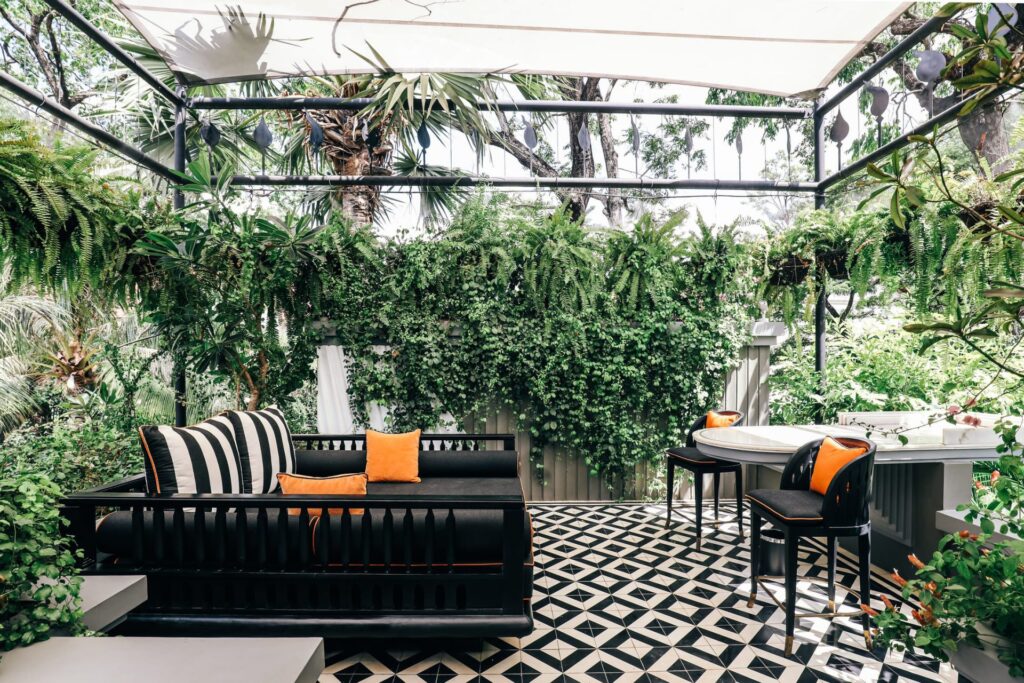
The Bensley Collection Pool Villas are at Shinta Mani Angkor hotel in Siem Reap. There are 10 private villas with big pools. The villas are very beautiful and have a mix of old and new styles. They have nice decorations and are quiet and peaceful.
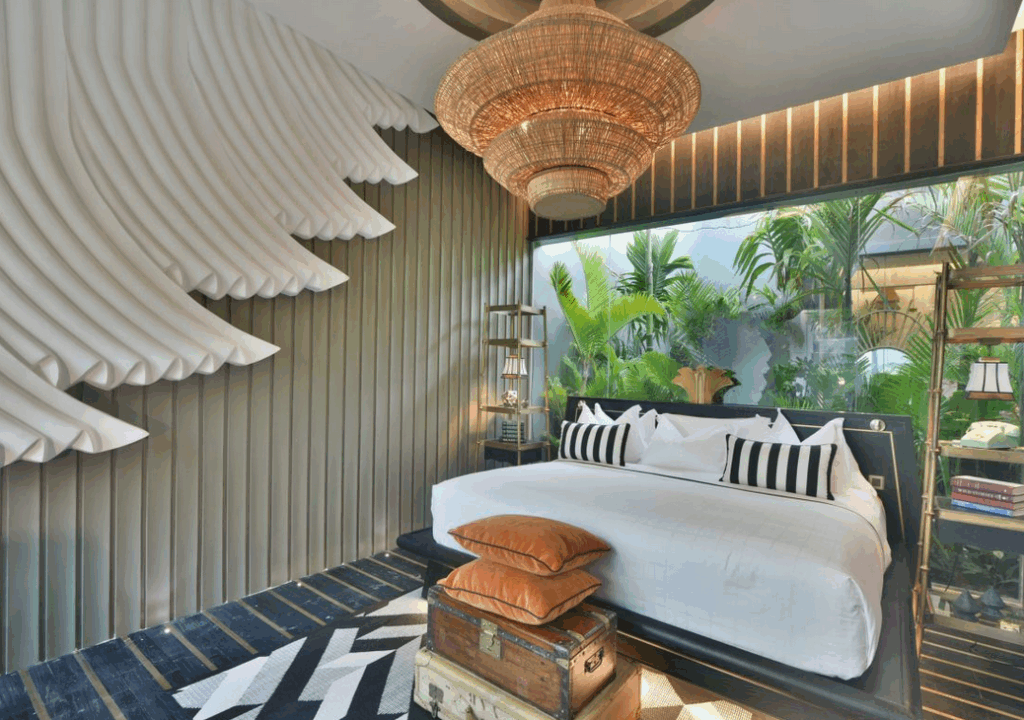
The villas have big bedrooms, a small kitchen, and a nice bathroom with a stone bathtub outside. There is a private pool and a rooftop place to relax. The staff, called butlers, help guests anytime. They bring coffee, food, and help with travel.
You can eat food in your villa or go to the hotel’s restaurants. The restaurants serve Cambodian food and food from other countries. One restaurant has a special 7-course meal with traditional Khmer food. There is also a bar with many kinds of gin drinks.
The hotel helps local people with a charity. This charity trains poor people to work in hotels. Part of the hotel money goes to this charity to help communities and animals.
There is a spa with Khmer massages and treatments to help guests relax.
The villas are a perfect place for a quiet and special holiday in Siem Reap.
_______________________
Vocabulary:
- Decoration: Things used to make a place look nice.
- Quiet: No loud noise.
- Peaceful: Calm and nice, without noise or problems.
- Stone bathtub: A big bath made from stone to wash or relax in.
- Rooftop: The top part of a building where you can go outside.
- To relax: To rest and feel calm, not tired or worried.
- Staff: People who work in a hotel, restaurant, or place to help guests.
- To serve food: To bring food to people or give them food to eat.
- A charity: A group that helps people or animals who need support.
- To train people: To teach people how to do a job or skill.
- A community: A group of people who live in the same place or share something.
- A treatment (in a spa): Care or special actions to help your body feel better, like a massage.
#################
10 questions, only one answer is correct:
1. What is a decoration?
a) Something to eat
b) Something to make a place look nice
c) Something to wear
2. What does quiet mean?
a) No loud noise
b) Very noisy
c) Very fast
3. What is peaceful?
a) Calm and nice, no problems
b) Angry and loud
c) Busy and crowded
4. What is a stone bathtub?
a) A big bath made from stone to relax in
b) A chair made from wood
c) A small table for drinks
5. What is a rooftop?
a) The bottom of a building
b) The top part of a building you can go outside on
c) The door of a building
6. What does it mean to relax?
a) To rest and feel calm
b) To run fast
c) To work hard
7. Who are the staff?
a) People who work and help guests
b) People who visit a hotel
c) People who sell things
8. What does it mean to serve food?
a) To eat food
b) To bring or give food to people
c) To cook food only
9. What is a charity?
a) A group that helps people or animals who need support
b) A store that sells clothes
c) A restaurant for food
10. What is a treatment in a spa?
a) A massage or care to help your body feel better
b) A trip to the beach
c) A type of food
___________________
- b
- a
- a
- a
- b
- a
- a
- b
- a
- a
#####################
Match the word with its correct definition:
Words:
- Decoration
- Quiet
- Peaceful
- Stone bathtub
- Rooftop
- Relax
- Staff
- Serve food
- Charity
- Treatment
Definitions:
a) People who work and help guests
b) A big bath made from stone to relax in
c) Calm and nice, no problems
d) To bring or give food to people
e) Things used to make a place look nice
f) The top part of a building you can go outside on
g) No loud noise
h) To rest and feel calm
i) A group that helps people or animals who need support
j) Care or actions to help your body feel better
______________________
- e
- g
- c
- b
- f
- h
- a
- d
- i
- j
#################
10 multiple choice questions , more than one answer may be correct:
1. Where are the Bensley Collection Pool Villas located?
a) Siem Reap
b) Phnom Penh
c) Shinta Mani Angkor hotel
d) Angkor Wat
2. How many villas are in the Bensley Collection Pool Villas?
a) 5
b) 10
c) 15
d) 20
3. What style is the villa design?
a) Traditional
b) Modern
c) Art Deco
d) Minimalist
4. What services do the Bensley Butlers provide?
a) Deliver coffee and pastries
b) Help with flight details
c) Cook all meals
d) Assist guests 24 hours
5. What can you find in the villa’s kitchenette?
a) Dual fridges
b) Espresso machine
c) Washing machine
d) Mini-bar
6. What food options are available at the hotel?
a) International comfort food
b) Khmer street food
c) Seven-course Khmer degustation menu
d) Only fast food
7. What does the hotel support through the Shinta Mani Foundation?
a) Local communities
b) Animals and ecosystems
c) Building shopping malls
d) Training under-privileged locals
8. What features does the villa bathroom have?
a) Glass floor-to-ceiling walls
b) Outdoor stone bathtub
c) Rain shower
d) Private sauna
9. What can you do at the Khmer Tonics Spa?
a) Relax with traditional Khmer treatments
b) Get a massage
c) Play sports
d) Use a swimming pool
10. Why did the reviewer like the villas?
a) They are private and quiet
b) The design is creative
c) The location is noisy
d) The staff are helpful
___________________
- a, c
- b
- a, c
- a, b, d
- a, b, d
- a, b, c
- a, b, d
- a, b, c
- a, b
- a, b, d
######################
Complete the text, words below:
Interviewer: Hello! Can you tell us about the Bensley Collection Pool Villas?
Manager: Hello! Yes, our villas are private and very quiet. We have 10 __________ villas in Siem Reap.
Interviewer: What is special about the villa design?
Manager: The villas have Art Deco style with traditional and modern __________. They are very comfortable.
Interviewer: What services do you offer to guests?
Manager: We have 24-hour __________. They help with many things like serving food and arranging tours.
Interviewer: Can guests eat in their villa?
Manager: Yes, but they can also go to our restaurant for Khmer and international food.
Interviewer: How big are the villas?
Manager: Each villa is at least 156 square meters. There is a private __________ and garden.
Interviewer: What is the Shinta Mani Foundation?
Manager: It is a __________ that helps local people, animals, and nature. We give part of our money to support it.
Interviewer: Do you help local people with jobs?
Manager: Yes, the Foundation __________ under-privileged people to work in hotels.
Interviewer: What can guests do to relax at the villa?
Manager: They can __________ in the stone bathtub or visit the Khmer Tonics Spa for treatments.
Interviewer: What is your favorite part of the villas?
Manager: I like the__________ sky lounge. It is peaceful and perfect for relaxing.
Interviewer: Why should people stay at Bensley Collection Pool Villas?
Manager: Because it is a __________, private place with great design and helpful staff. Guests feel like home here.
_______________________
relax – charity – quiet – beautiful – trains – decorations – rooftop – pool – butlers
########################