a guest approaches you at the frontdesk and asks you for information on that tour.
The Kongkear Angkor boat cruise is a popular activity in Siem Reap, Cambodia. It offers a unique way to see the famous Angkor temples and beautiful landscapes. The cruise takes you along ancient canals and reservoirs built during the Angkor period.
One of the main highlights is viewing the temples from the water, providing a different perspective compared to visiting by land. The boat ride is calm and peaceful, making it a relaxing experience and a nice escape from the heat and crowds.
The natural scenery, including lush greenery and local wildlife, is a treat for visitors. The cruise often includes a guide who shares interesting stories and historical facts about the area.
Overall, the Kongkear Angkor boat cruise is highly recommended for visitors to Siem Reap. It’s great for families, couples, and solo travelers, offering a special way to explore Angkor.
Working in a team is very important in a five-star hotel.
First, teamwork helps get things done faster and better. When everyone helps each other, tasks get done quickly. This means guests do not have to wait long, and they are happy with the service.
Second, __________________ makes work more _______________________. When ______________________support each other, they feel good and happy at work. Happy workers provide better service. Guests can see when staff are happy, and this makes their experience better too.
Third, working in a team helps everyone learn new things. Each person has different ____________________ and ideas. By sharing these skills and ideas, everyone can get better at their job. This helps the hotel keep its high standards and improve over time.
Lastly, teamwork helps solve problems. When there is a problem, a team can work together to find the best ____________________. Different team members can bring different ideas to fix the ______________________ quickly and effectively.
In ____________________, teamwork is very important in a five-star hotel. It helps get work done faster, makes work enjoyable, helps staff learn new things, and solves problems. All these things lead to __________________ service for guests, which is the most important goal for any hotel.
################################
FILL IN:
– **Conclusion**: The end or final part. – **Solution**: The answer to a problem. – **Skills**: Things you are good at doing. – **Enjoyable**: Something fun or pleasant. – **Teamwork**: Working together with others. – **Staff**: The people who work at a place. – **Issue**: A problem or concern. – **Excellent**: Very good.
################################
Here are ten multiple-choice questions based on the text with four possible answers each, maximum of 2 might be correct:
1. **Why is teamwork important in a five-star hotel?** – a) It helps get tasks done faster. – b) It makes the hotel look more beautiful. – c) It reduces the number of guests. – d) It improves guest satisfaction.
2. **What is one benefit of teamwork mentioned in the text?**
– a) It makes tasks take longer. – b) It makes work more enjoyable. – c) It decreases communication. – d) It increases guest complaints.
3. **How does teamwork affect the work environment?** – a) It creates a sense of community. – b) It makes staff feel isolated. – c) It causes more arguments. – d) It reduces work quality.
4. **What happens when staff are happy at work?** – a) They provide worse service. – b) They leave their jobs more often. – c) They provide better service. – d) They work slower.
5. **Why is sharing skills and ideas important in a team?** – a) It helps everyone get better at their job. – b) It makes tasks more confusing. – c) It reduces the quality of work. – d) It creates competition among staff.
6. **What does teamwork help solve?** – a) It helps solve financial issues. – b) It helps solve personal problems. – c) It helps solve work-related problems. – d) It helps solve scheduling conflicts.
7. **How does teamwork affect problem-solving?** – a) It makes problems worse. – b) It helps find the best solution quickly. – c) It makes finding solutions slower. – d) It discourages creative solutions.
8. **Which of the following is a direct result of teamwork, according to the text?** – a) Reduced guest numbers. – b) Higher staff turnover. – c) Improved job satisfaction. – d) Excellent guest service.
9. **What is the final goal of good teamwork in a hotel?** – a) To increase the number of staff. – b) To provide excellent service to guests. – c) To reduce working hours. – d) To win awards for the hotel.
10. **Which of these is a key point in the conclusion?** – a) Teamwork makes work faster. – b) Teamwork decreases guest satisfaction. – c) Teamwork helps staff learn new things. – d) Teamwork is unnecessary for hotel success.
################################
ANSWER THESE QUESTIONS:
1. **Why is teamwork important in a five-star hotel?** 2. **How does teamwork help improve efficiency in a hotel?** 3. **What effect does teamwork have on the work environment?** 4. **Why do happy employees provide better service?** 5. **How does teamwork contribute to guest satisfaction?** 6. **What role does sharing skills and ideas play in teamwork?** 7. **How does teamwork help in solving problems at work?** 8. **What is the overall impact of teamwork on a hotel’s standards?** 9. **Why is it important for staff to support each other?** 10. **What are the key benefits of teamwork mentioned in the text?**
These questions cover the main points of the text, such as the importance of teamwork, its impact on efficiency, the work environment, guest satisfaction, and problem-solving.
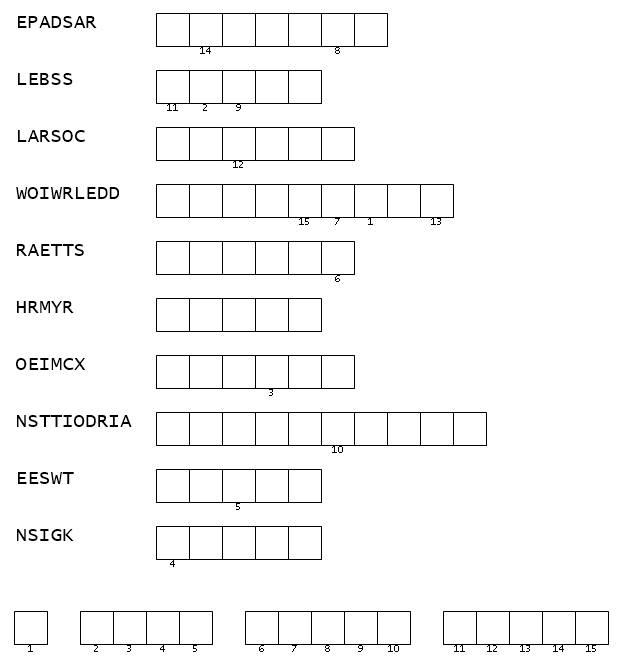
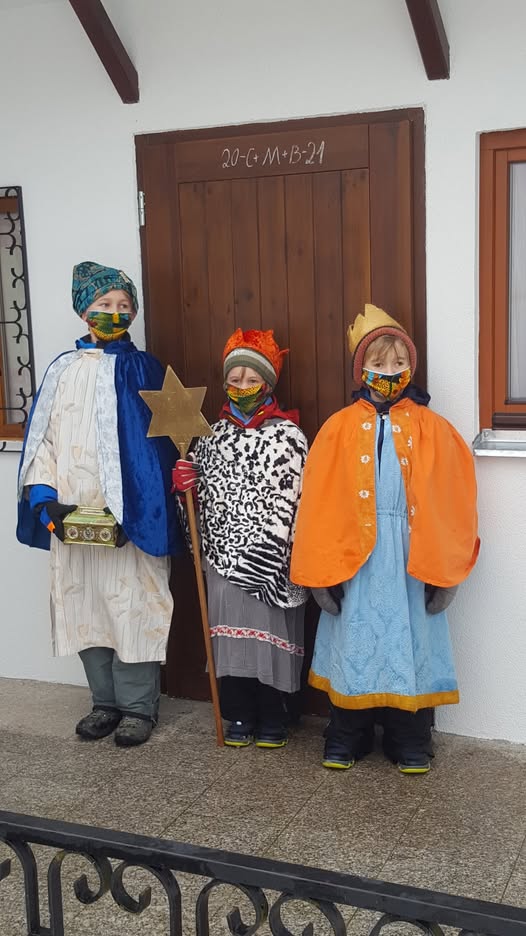
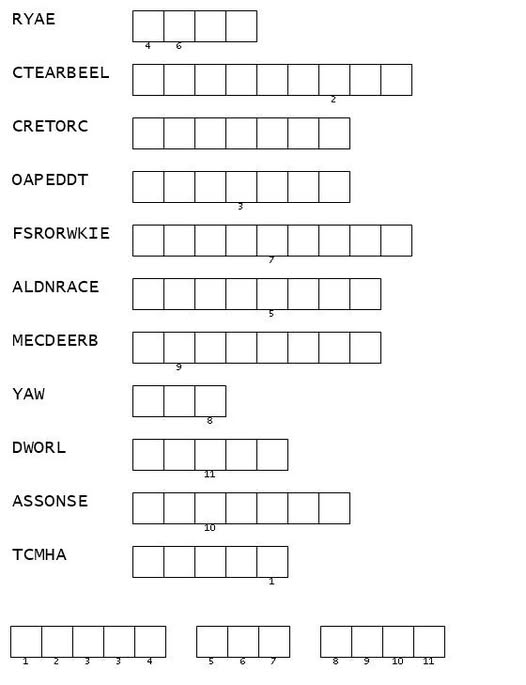
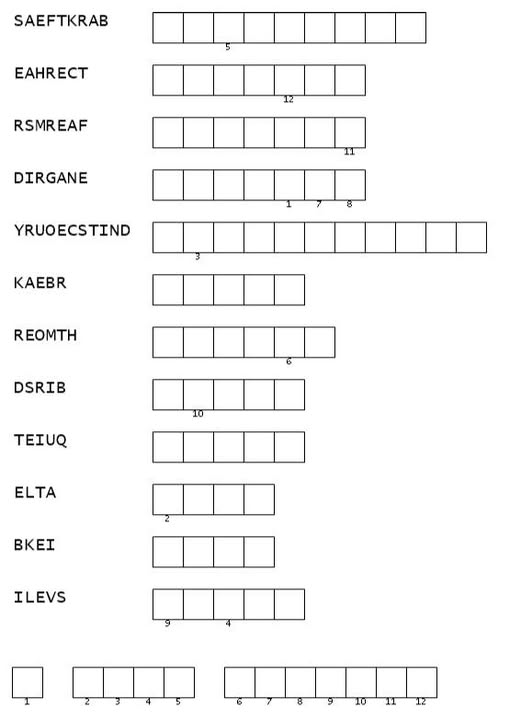
############### Which words in the text are we looking for? And the final phrase is……………
You work at the front desk and have to answer the email inquiry, you provide some useful information on how to manage the heat:
**Subject: Tips for Staying Cool During Your Stay**
Dear [Guest’s Name],
Thank you for choosing to stay with us at [Hotel Name]. We understand that the heat can be quite intense, and we want to ensure your comfort during your stay. Here are some suggestions to help you stay cool and enjoy your time with us:
1. **Stay Hydrated**: It’s important to drink plenty of water throughout the day. Complimentary bottled water is available at the front desk and in your room.
2. **Cool Areas in the Hotel**: Please take advantage of our air-conditioned facilities. Our lobby, restaurants, and lounges are kept cool for your comfort. Additionally, our swimming pool area can provide a refreshing break from the heat.
3. **Local Attractions with Air Conditioning**: If you plan to explore, consider visiting indoor attractions such as museums, shopping malls, or cinemas. These places are well air-conditioned and offer a nice respite from the heat.
4. **Timing Outdoor Activities**: We recommend scheduling outdoor activities for early morning or late evening when temperatures are cooler. Our concierge is available to assist with planning excursions during these times.
5. **Dress Appropriately**: Wearing light, breathable clothing made of natural fabrics like cotton or linen can help keep you cool. A hat and sunglasses will also provide protection from the sun.
6. **Use Sun Protection**: Applying sunscreen with a high SPF is essential to protect your skin from harmful UV rays. Complimentary sunscreen is available at the front desk if you need it.
7. **Cooling Amenities**: Cooling accessories such as a portable fan or cooling towel can provide immediate relief. These items are available for purchase in our gift shop.
8. **Rest and Relax**: Taking breaks in shaded or air-conditioned areas frequently is advisable to avoid overheating. If you feel overheated, dampen a cloth with cool water and place it on your wrists, neck, and forehead.
If there’s anything specific you need or any way we can make your stay more comfortable, please let us know. Your comfort is our priority, and we’re here to assist you.
Working as a team is very important. When people come together to work on a project, they can achieve more than they could alone. Each person has unique skills and ideas that contribute to the group’s success. For example, one person might be good at organizing, while another is creative. By combining these strengths, the team can complete tasks more efficiently and effectively.
Teamwork also helps solve problems faster. With many minds thinking about a solution, it is easier to find a good answer. Sharing the workload among team members makes the work less stressful and more manageable for everyone.
Additionally, working in a team allows people to learn from each other. This sharing of knowledge and experiences helps everyone improve their skills. Building strong relationships within the team creates a positive and supportive work environment, making the work more enjoyable.
Finally, being part of a team is motivating. Team members encourage each other to stay focused and work hard. The different perspectives and ideas within the team lead to more creative and innovative solutions. In conclusion, teamwork is essential for achieving better results and creating a positive work experience.
################################
FIND THE FOLLOWING WORDS IN THE TEXT
________ To give support, confidence, or hope to someone. ________ To make something better. ________ An answer to a problem. ________ The abilities or talents that a person has learned. ________ The amount of work that needs to be done. ________ Very important or necessary. ________ The final part or the end of something.
################################
MORE ANSWERS MIGHT BE CORRECT
1. Why is working as a team important? – a) It combines strengths – b) It makes work more stressful – c) It solves problems faster – d) It helps build relationships
2. What can team members do to make work easier? – a) Ignore each other – b) Divide the tasks – c) Work alone – d) Share the workload
3. How does teamwork help with solving problems? – a) By providing fewer ideas – b) By having many minds think about a solution – c) By working slower – d) By reducing the number of solutions
4. What is one benefit of sharing knowledge within a team? – a) It helps everyone improve their skills – b) It makes the work environment negative – c) It slows down the learning process – d) It creates a supportive work environment
5. What kind of relationships does working as a team build? – a) Weak relationships – b) Strong relationships – c) Trust among team members – d) Distrust among team members
6. Why can being part of a team be motivating? – a) Team members discourage each other – b) Team members stay focused – c) Team members encourage each other – d) Team members work independently
7. How can different perspectives within a team be beneficial? – a) They lead to fewer solutions – b) They create more creative solutions – c) They reduce the team’s effectiveness – d) They lead to more innovative ideas
8. What is the final part of something called? – a) Introduction – b) Middle – c) Conclusion – d) Start
9. What does the text suggest about the stress level of teamwork compared to working alone? – a) It makes the work more stressful – b) It makes the work less stressful – c) It has no effect on stress levels – d) It always increases stress
10. What is a skill? – a) An ability or talent that a person has learned – b) An answer to a problem – c) A very important or necessary thing – d) The amount of work that needs to be done
1. **Combines Strengths**: Everyone has different skills and talents. When people work together, they can use their unique abilities to achieve more than they could alone.
2. **Solves Problems Faster**: A group of people can come up with many ideas and solutions more quickly than one person can.
3. **Shares Workload**: Team members can divide the tasks, making the work easier and less stressful for everyone.
4. **Supports Learning**: Team members can learn from each other. Sharing knowledge and experiences helps everyone grow and improve.
5. **Builds Relationships**: Working together helps build strong relationships and trust among team members, which can make the work environment more enjoyable.
6. **Improves Motivation**: Being part of a team can be motivating. Team members can encourage and support each other to stay focused and do their best.
7. **Increases Creativity**: Different perspectives and ideas from team members can lead to more creative and innovative solutions.
In summary, teamwork brings together different strengths and ideas, making it easier to solve problems, share the workload, learn new things, build relationships, stay motivated, and be creative.
Cambodian shadow drama is a traditional way of telling stories using leather puppets to make shadows on a screen. There are two main types: **Sbek Thom** and **Sbek Touch**.
**Sbek Thom** uses large puppets, sometimes up to two meters tall. These puppets are made from cowhide and are beautifully decorated. The puppeteers move these large puppets behind a screen with a light shining through, creating shadows. Music from traditional Cambodian instruments plays during the show. Sbek Thom often tells stories from the Reamker, the Cambodian version of the Indian epic Ramayana. This type of shadow drama is very important in Cambodian culture and is performed at festivals, religious ceremonies, and royal events. UNESCO recognized Sbek Thom as a valuable cultural heritage in 2005.
**Sbek Touch** uses smaller puppets that are also made from cowhide and are very detailed. This type of shadow drama can tell many different stories, including folk tales, historical events, and modern stories. Sbek Touch is usually performed in smaller, more intimate settings.
Both types of Cambodian shadow drama help keep the country’s culture alive. They are a wonderful way to enjoy traditional stories and beautiful art, showing the rich heritage of Cambodia.
################################
SOME DEFINITIONS:
– **Leather**: A strong material made from animal skin, often used for making shoes, bags, and other items.
– **Puppets**: Figures or dolls that are moved by people to tell stories, usually in shows or plays.
– **Cowhide**: The skin of a cow that has been treated to make leather.
– **Puppeteer**: A person who controls and moves puppets in a show.
– **Epic**: A very long and exciting story, often about heroes and important events.
– **Perform**: To do something in front of an audience, like acting in a play or singing a song.
– **Royal**: Related to kings, queens, and other members of a royal family.
– **Recognize**: To officially accept or approve something as important or valuable.
– **Heritage**: The traditions, culture, and history passed down from previous generations.
– **Tale**: A story or narrative, often involving adventures or imaginary events.
– **Intimate**: Small and comfortable, often with a close and personal feeling.
################################
ANSWER THESE QUESTIONS?
1. **What is Cambodian shadow drama?** 2. **How are the puppets used in Sbek Thom different from those used in Sbek Touch?** 3. **What material are the puppets made from in Cambodian shadow drama?** 4. **What type of stories does Sbek Thom typically tell?** 5. **How do puppeteers create shadows during a Sbek Thom performance?** 6. **In what settings is Sbek Thom usually performed?** 7. **What role does music play in a Cambodian shadow drama performance?** 8. **Why was Sbek Thom recognized by UNESCO?** 9. **What kinds of stories can Sbek Touch include?** 10. **How is the performance setting different for Sbek Touch compared to Sbek Thom?**
###############################
MORE THAN ONE ANSWER CAN BE CORRECT:
1. **What is the primary material used to make puppets in Cambodian shadow drama?** – A) Wood – B) Fabric – C) Cowhide
2. **Which of the following is a type of Cambodian shadow drama?** – A) Sbek Thom – B) Sbek Touch – C) Sbek Chao
3. **What kind of stories does Sbek Thom primarily tell?** – A) Modern stories – B) Folk tales – C) Stories from the Reamker
4. **Where is Sbek Thom commonly performed?** – A) In small theaters – B) At festivals – C) During royal events
5. **What type of music accompanies Cambodian shadow drama performances?** – A) Classical Western music – B) Traditional Cambodian music – C) Pop music
6. **What distinguishes Sbek Touch from Sbek Thom?** – A) Sbek Touch uses smaller puppets. – B) Sbek Touch tells stories from the Reamker. – C) Sbek Touch is usually performed in smaller, more intimate settings.
7. **Why did UNESCO recognize Sbek Thom?** – A) For its use of modern technology – B) As an important cultural heritage – C) For its historical significance
8. **What type of stories can Sbek Touch include?** – A) Historical events – B) Fantasy tales – C) Contemporary themes
9. **How are the puppets used in Sbek Thom typically described?** – A) They are small and simple. – B) They are large and intricately decorated. – C) They are made from plastic.
10. **Which setting is most appropriate for a Sbek Touch performance?** – A) Large outdoor stages – B) Small, intimate spaces – C) Major film studios
A couple from Australia approaches the front desk, they are having tickets for a Tom Teac performance, but have no idea of what to expect – you do!
„Tom Teav“ is a famous play from Cambodia, much like „Romeo and Juliet.“ It is performed in a traditional style called Yike, which ________________ music, dance, and acting. The story is about a young monk named Tum and a beautiful girl named Teav. They fall in love, but their love faces many problems.
Tum and Teav love each other ________________, but their families and society do not approve. They want Tum and Teav to follow different paths. This causes a lot of __________________ and trouble for the young lovers. In the end, their love story is very tragic, as they cannot be together.
The performance of „Tom Teav“ is very colorful and beautiful. Actors wear traditional costumes and sometimes masks. They use graceful dances and sing most of the story in a poetic way. Traditional Cambodian __________________ like the chapei (a type of lute) and the tro (a type of fiddle) are played.
„Tom Teav“ is very important in Cambodian culture. It helps keep old traditions alive and teaches young people about their _________________. Watching „Tom Teav“ is a great way to learn about and enjoy Cambodian culture. If you visit Cambodia, seeing this play can be a memorable ______________________.
FILL IN: heritage – sadness – includes – graceful – instruments – deeply – experience – story
################################
Some useful vocabulary:
1. **Perform**: To do something, like singing, dancing, or playing music, in front of people.
2. **Acting**: Pretending to be someone else, usually in a play or movie.
3. **Approve**: To say something is good or okay.
4. **Sadness**: A feeling when you are not happy and feel bad.
5. **Graceful**: Moving in a smooth and beautiful way.
6. **Heritage**: The traditions, stories, and culture that are passed down from older people to younger people.
7. **Enjoy**: To have fun and feel happy doing something.
8. **Memorable**: Something so special or good that you will remember it for a long time.
################################
ANSWER THE FOLLOWING QUESTIONS
1. What is „Tom Teav“ often compared to?
2. What traditional style is „Tom Teav“ performed in?
3. Who are the main characters in the story of „Tom Teav“?
4. What challenges do Tum and Teav face in their love story?
5. How does the story of „Tom Teav“ end?
6. What elements are included in a performance of „Tom Teav“?
7. What type of costumes do actors wear in „Tom Teav“?
8. What instruments are used in the music for „Tom Teav“?
9. Why is „Tom Teav“ important in Cambodian culture?
10. What can watching „Tom Teav“ teach people, especially the younger generation?
################################
Twelve multiple-choice questions – more than 1 answer may be correct:
1. What is „Tom Teav“ often compared to?
– a) „Hamlet“
– b) „Macbeth“
– c) „Romeo and Juliet“
– d) „The Tempest“
2. What traditional style is „Tom Teav“ performed in?
– a) Lakhon
– b) Yike
– c) Ramayana
– d) Shadow Puppetry
3. Who are the main characters in the story of „Tom Teav“?
– a) Tum and Teav
– b) Tum and Teav’s parents
– c) Tum and Teav’s friends
– d) Tum and Teav’s teachers
4. What challenges do Tum and Teav face in their love story?
– a) Family disapproval
– b) Societal rules
– c) Personal desires
– d) Lack of love
5. How does the story of „Tom Teav“ end?
– a) Happily ever after
– b) In a tragic way
– c) With Tum and Teav getting married
– d) With Tum and Teav unable to be together
6. What elements are included in a performance of „Tom Teav“?
– a) Magic tricks
– b) Music
– c) Dance
– d) Acting
7. What type of costumes do actors wear in „Tom Teav“?
– a) Modern clothes
– b) Elaborate traditional costumes
– c) Simple everyday clothes
– d) Uniforms
8. What instruments are used in the music for „Tom Teav“?
– a) Guitar
– b) Chapei
– c) Piano
– d) Tro
9. Why is „Tom Teav“ important in Cambodian culture?
– a) It keeps old traditions alive
– b) It teaches young people about their heritage
– c) It is the only form of entertainment in Cambodia
– d) It is a recent cultural addition
10. What can watching „Tom Teav“ teach people, especially the younger generation?
– a) About Cambodian traditions
– b) About Cambodian history
– c) About Cambodian modern life
– d) About Cambodian heritage
11. How is most of the story in „Tom Teav“ told?
– a) Through talking
– b) Through dancing
– c) Through singing
– d) Through mime
12. What can visitors to Siem Reap do to experience „Tom Teav“?
Some common mistakes that can negatively impact the guest experience.
### **1. Poor First Impressions**
– **Unwelcoming Attitude:** Failing to greet guests warmly or showing indifference can make them feel unwelcome.
– **Untidy Appearance:** Being poorly groomed or in an untidy uniform reflects poorly on the hotel’s standards.
### **2. Inefficiency**
– **Slow Service:** Making guests wait for long periods during check-in or check-out can cause frustration.
– **Disorganization:** Losing reservations or making errors in room assignments can create significant inconvenience for guests.
### **3. Lack of Communication Skills**
– **Inattentive Listening:** Not paying full attention to guests’ needs can lead to misunderstandings and unsatisfactory service.
– **Poor Communication:** Using a dismissive tone, being curt, or providing unclear information can create confusion and dissatisfaction.
### **4. Mishandling Problems**
– **Ignoring Issues:** Failing to address or follow up on guest complaints can escalate their frustration.
– **Defensive Attitude:** Reacting defensively instead of apologizing and finding a solution can worsen the situation.
### **5. Insufficient Knowledge**
– **Unfamiliarity with Services:** Not knowing details about the hotel’s amenities, services, or local attractions can limit your ability to assist guests effectively.
– **Inaccurate Information:** Providing incorrect information can lead to guest dissatisfaction and loss of trust.
### **6. Lack of Personalization**
– **Overlooking Preferences:** Not acknowledging repeat guests or ignoring their preferences can make them feel undervalued.
– **Missing Special Occasions:** Failing to recognize important dates or events for guests can lead to missed opportunities for creating memorable experiences.
### **7. Poor Team Collaboration**
– **Lack of Coordination:** Failing to communicate with other departments can result in service delays or errors.
– **Not Supporting Colleagues:** Not helping teammates when needed can create service gaps and negatively affect the guest experience.
### **8. Neglecting Follow-Up**
– **No Mid-Stay Check-Ins:** Not checking in with guests during their stay to ensure they are satisfied can miss chances to address issues early.
– **Unfriendly Farewell:** Not asking about their stay or inviting them to return when they check out can leave a negative final impression.
### **9. Resistance to Feedback**
– **Ignoring Feedback:** Dismissing guest feedback can prevent you from learning and improving your service.
– **Avoiding Training:** Skipping training opportunities can result in outdated skills and knowledge, leading to subpar service.
### **10. Unprofessional Behavior**
– **Personal Calls or Conversations:** Taking personal calls or engaging in personal conversations while on duty can be perceived as unprofessional.
– **Visible Frustration:** Displaying frustration or annoyance in front of guests can create a negative atmosphere.
By avoiding these mistakes, you can ensure that you provide the high level of service expected at a five-star hotel, creating a positive and memorable experience for every guest.
what makes a great front desk team? Some thoughts by the GM of a resort, addressing his/her staff.
As the front desk team at our prestigious five-star hotel, we play a vital role in shaping the guest experience. Our interactions can set the tone for their entire stay, so it’s essential that we consistently deliver excellence. Here are the key areas we need to focus on:
### 1. **First Impressions**
– **Warm Welcome:** Greet every guest with a genuine smile and friendly eye contact. A warm, personalized welcome can make guests feel special from the moment they arrive.
– **Professional Appearance:** Ensure we are always well-groomed and in proper uniform. Our appearance reflects the hotel’s standards.
### 2. **Efficiency and Accuracy**
– **Prompt Service:** Attend to guests promptly, minimizing their waiting time. Speed and efficiency are crucial, especially during check-in and check-out.
– **Attention to Detail:** Ensure all information is accurate, from room assignments to billing details. Double-check bookings and special requests to avoid errors.
### 3. **Communication Skills**
– **Clear and Courteous Communication:** Speak clearly and politely. Use the guest’s name whenever possible to add a personal touch.
– **Active Listening:** Listen attentively to understand guests‘ needs and concerns fully. This helps in providing appropriate solutions and recommendations.
### 4. **Problem-Solving**
– **Proactive Solutions:** Anticipate potential issues and address them before they escalate. If a problem arises, handle it swiftly and effectively, ensuring minimal disruption to the guest.
– **Empathy and Apologies:** If a guest has a complaint, listen empathetically and apologize sincerely. Aim to resolve the issue to their satisfaction promptly.
### 5. **Knowledge and Recommendations**
– **Hotel Facilities:** Be knowledgeable about all hotel amenities, services, and events. Be ready to provide accurate information and recommendations.
– **Local Insights:** Have insights about local attractions, dining options, and activities. Offer personalized suggestions to enhance their stay.
### 6. **Personalization**
– **Guest Preferences:** Remember and acknowledge repeat guests and their preferences. Personalized touches can create a memorable experience.
– **Special Occasions:** Be aware of special occasions such as birthdays or anniversaries. Offering a small gesture can significantly enhance the guest’s experience.
### 7. **Team Collaboration**
– **Coordination:** Work closely with other departments to ensure a seamless experience for our guests. Effective communication with housekeeping, concierge, and other teams is vital.
– **Support Each Other:** Help your colleagues when needed. A collaborative team ensures that no guest request goes unmet.
### 8. **Follow-Up**
– **Check Satisfaction:** During their stay, check in with guests to ensure they are satisfied with their accommodations and services.
– **Farewell:** When guests check out, ensure they leave with a positive impression. Ask about their stay and invite them to return.
### 9. **Continuous Improvement**
– **Feedback:** Encourage guests to provide feedback. Learn from both positive and negative comments to continually improve our services.
– **Training:** Regularly participate in training sessions to enhance your skills and stay updated on best practices.
By focusing on these areas, we can ensure that every guest leaves with a positive impression of our hotel. Let’s commit to delivering exceptional service and creating memorable experiences for our guests every day.
1. **Prevents Cavities:** Brushing and flossing remove plaque, a sticky film of bacteria that can cause holes in your teeth called cavities.
2. **Stops Gum Disease:** Good dental hygiene prevents gum disease, which can cause swelling, bleeding, and even tooth loss.
3. **Avoids Bad Breath:** Regular cleaning of your teeth helps prevent bad breath by removing food particles and bacteria.
4. **Maintains Overall Health:** Poor dental hygiene can lead to infections that may affect your heart and other parts of your body.
5. **Keeps Your Smile Bright:** Clean teeth look better and can make you feel more confident.
In short, taking care of your teeth and gums helps you avoid pain, keeps your mouth fresh, and supports your overall health. ________________________________-