Autor: wolfgang kugler

  • Body parts, 22/23(A1)

    -parts that help you move and smile!


    head & upper body

    • head – the top part of your body
    • hair – the things that grow on your head
    • face – the front part of your head
    • eye / [/=slash] eyes – you use them to see
    • ear / ears – you use them to hear
    • nose – you use it to smell
    • mouth – you use it to eat and speak
    • tooth / teeth – hard white parts in your mouth
    • neck – between your head and shoulders
    • shoulder / shoulders – top part of your arm joins your body
    • arm / arms – between your shoulder and hand
    • elbow – the middle joint of your arm
    • hand / hands – at the end of your arm
    • finger / fingers – parts of your hand
    • thumb – the short, thick finger
    • chest – the front part of your upper body
    • back – the rear part of your body
    • stomach / tummy – the middle part of your body

    lower body

    • leg / legs – between your hip and foot
    • knee / knees – the middle joint of your leg
    • foot / feet – at the end of your leg
    • toe / toes – parts of your foot

    ###################

    What is the function of each body part?


    head & upper body

    • head: holds your brain and face
    • hair: protects your head and keeps it warm
    • face: shows your expression and holds eyes, nose, and mouth
    • eye / eyes: lets you see
    • ear / ears: lets you hear
    • nose: lets you smell
    • mouth: lets you eat and talk
    • tooth / teeth: help you bite and chew food
    • neck: connects your head to your body
    • shoulder / shoulders: connect your arms to your body
    • arm / arms: help you move, hold, and carry things
    • elbow: lets your arm bend
    • hand / hands: help you touch, hold, and feel things
    • finger / fingers: help you hold small things and touch
    • thumb: helps you grip things
    • chest: protects your heart and lungs
    • back: supports your body and helps you stand
    • stomach / tummy: digests food

    lower body

    • leg / legs: support your body and help you walk and run
    • knee / knees: lets your leg bend
    • foot / feet: support your body and help you walk
    • toe / toes: help you balance when you stand and walk

    ###############

    Answer, one answer correct:


    1. What do you use to see?
    a) ear
    b) eye
    c) nose

    2. What part helps you to hear?
    a) mouth
    b) hand
    c) ear

    3. What part do you use to smell?
    a) nose
    b) finger
    c) foot

    4. What do you use to eat and talk?
    a) mouth
    b) elbow
    c) chest

    5. What do you use to chew [to move your teeth to break food.] food?
    a) knee
    b) teeth
    c) stomach

    6. What connects your head to your body?
    a) toe
    b) neck
    c) arm

    7. What part connects your arms to your body?
    a) leg
    b) back
    c) shoulder

    8. What lets your arm bend?
    a) thumb
    b) elbow
    c) nose

    9. What helps you hold and touch things?
    a) hand
    b) hair
    c) foot

    10. What helps you pick up small things?
    a) chest
    b) mouth
    c) finger

    11. What helps you grip [to hold something tight with your hand] things?
    a) elbow
    b) ear
    c) thumb

    12. What protects [to keep safe] your heart and lungs?
    a) back
    b) chest
    c) stomach

    13. What supports [to help hold something up]your body and helps you stand?
    a) hair
    b) back
    c) eye

    14. What digests [when your stomach and body change food into energy] food?
    a) leg
    b) neck
    c) stomach

    15. What helps you walk and run?
    a) hand
    b) face
    c) leg

    16. What lets your leg bend?
    a) shoulder
    b) knee
    c) foot

    17. What helps you stand and walk?
    a) chest
    b) nose
    c) foot

    18. What helps you balance when you stand?
    a) finger
    b) hair
    c) toe


    Answers:
    1b, 2c, 3a, 4a, 5b, 6b,
    7c, 8b, 9a, 10c, 11c, 12b,
    13b, 14c, 15c, 16b, 17c, 18c


    ##################

    True or false?

    1. Your eyes help you hear.
    2. Your neck connects your head to your body.
    3. You use your teeth to chew food.
    4. Your fingers help you pick up small things.
    5. Your back protects your heart and lungs.
    6. Your knees let your legs bend.
    7. Your toes help you balance when you stand.
    8. Your mouth is for smelling.
    9. Your chest helps you breathe.
    10. Your hair helps you see better.
    11. Your arms help you carry things.
    12. Your stomach holds your brain.
    13. Your ears help you hear sounds.
    14. Your shoulders connect your arms to your body.
    15. Your feet help you walk and stand.
    16. Your elbow connects your leg to your foot.
    17. Your thumb helps you hold things tightly.
    18. Your nose helps you taste food.

    __________________

    True: 2, 3, 4, 6, 7, 9, 11, 13, 14, 15, 17
    ################

    Answer with yes, or no!

    1. Do your knees help your legs bend? Yes, they do!
    2. Does your elbow connect your leg to your foot? No, it doesn’t!
    3. Does your nose help you smell? ____________
    4. Does your thumb help you breathe? ____________
    5. Do your eyes help you see? ____________
    6. Do your fingers help you hear? ____________
    7. Does your mouth help you talk and eat? ____________
    8. Does your hair help you see better? ____________
    9. Does your back help you smell? ____________
    10. Do your legs help you walk and run? ____________
    11. Do your feet help you chew food? ____________
    12. Does your chest protect your heart and lungs? ____________
    13. Does your neck connect your head to your body? ____________
    14. Does your stomach help you talk? ____________
    15. Do your ears help you hear sounds? ____________
    16. Does your mouth protect your heart? ____________
    17. Do your toes help you balance when you stand? ____________
    18. Does your shoulder help you taste? ____________
    19. Do your teeth help you chew food? ____________
    20. Does your neck help you pick up things? ____________

    _________________

    Answers:

    1. Do your knees help your legs bend?
      Yes, they do.
    2. Does your elbow connect your leg to your foot?
      No, it doesn’t.
    3. Does your nose help you smell?
      Yes, it does.
    4. Does your thumb help you breathe?
      No, it doesn’t.
    5. Do your eyes help you see?
      Yes, they do.
    6. Do your fingers help you hear?
      No, they don’t.
    7. Does your mouth help you talk and eat?
      Yes, it does.
    8. Does your hair help you see better?
      No, it doesn’t.
    9. Does your back help you smell?
      No, it doesn’t.
    10. Do your legs help you walk and run?
      Yes, they do.
    11. Do your feet help you chew food?
      No, they don’t.
    12. Does your chest protect your heart and lungs?
      Yes, it does.
    13. Does your neck connect your head to your body?
      Yes, it does.
    14. Does your stomach help you talk?
      No, it doesn’t.
    15. Do your ears help you hear sounds?
      Yes, they do.
    16. Does your mouth protect your heart?
      No, it doesn’t.
    17. Do your toes help you balance when you stand?
      Yes, they do.
    18. Does your shoulder help you taste?
      No, it doesn’t.
    19. Do your teeth help you chew food?
      Yes, they do.
    20. Does your neck help you pick up things?
      No, it doesn’t.

    ##################

    Match each body part to the correct function:

    Body parts:

    1. eyes
    2. ears
    3. nose
    4. mouth
    5. teeth
    6. neck
    7. shoulders
    8. arms
    9. elbows
    10. hands
    11. fingers
    12. chest
    13. stomach
    14. legs

    Functions:

    a. help you hear
    b. help you chew
    c. help you see
    d. connects your head to your body
    e. help you walk and run
    f. help you hold things
    g. helps you smell
    h. help you bend your arm
    i. help you eat and talk
    j. protect your heart and lungs
    k. help you pick up small things
    l. connect your arms to your body
    m. between your shoulder and hand
    n. helps you digest food
    _________________
    Answers:
    1c, 2a, 3g, 4i, 5b, 6d, 7l, 8m,
    9h, 10f, 11k, 12j, 13n, 14e
    ###############

    Action commands:

    1. Touch your nose.
    2. Show your ears.
    3. Move your fingers.
    4. Bend your knees.
    5. Raise your hand.
    6. Shake your head.
    7. Wiggle your toes.
    8. Turn your neck.
    9. Clap your hands.
    10. Touch your shoulders.
    11. Point with your thumb.
    12. Cross your arms.

    ###############


    My Day with Tommy

    Tommy is my little brother. Today, we play together.

    “Tommy, touch your nose!” I say. Tommy touches his nose and laughs.

    “Show your ears!” I say. Tommy shows his ears.

    “Move your fingers!” I say. Tommy moves his fingers fast.

    “Bend your knees!” I say. Tommy bends his knees and jumps.

    “Raise your hand!” I say. Tommy raises his hand high.

    “Shake your head!” I say. Tommy shakes his head left and right.

    “Wiggle your toes!” I say. Tommy wiggles his toes in his shoes.

    “Turn your neck!” I say. Tommy turns his neck slowly.

    “Clap your hands!” I say. Tommy claps his hands loud.

    “Touch your shoulders!” I say. Tommy touches his shoulders.

    “Point with your thumb!” I say. Tommy points with his thumb to the sun.

    “Cross your arms!” I say. Tommy crosses his arms and smiles.

    We have fun! Tommy learns all the body parts today.


    ###################

    Gap-fill exercise:


    1. I ______ my knees to pick something up..
      a) bend
      b) clap
      c) wiggle
    2. I ______ my hands to make noise.
      a) wiggle
      b) clap
      c) turn
    3. I ______ my head to say no.
      a) shake
      b) point
      c) cross
    4. I ______ my toes in my shoes.
      a) raise
      b) wiggle
      c) bend
    5. I ______ my neck to look around.
      a) touch
      b) turn
      c) move
    6. I ______ my fingers to grab things.
      a) clap
      b) bend
      c) move
    7. I ______ my arms to fold them.
      a) cross
      b) bend
      c) wiggle
    8. I ______ my hand to ask a question.
      a) raise
      b) wiggle
      c) shake
    9. I ______ my thumb to point.
      a) move
      b) point
      c) wiggle
    10. I ______ my knees to sit down.
      a) bend
      b) clap
      c) shake
    11. I ______ my head to say yes.
      a) shake
      b) nod
      c) cross
    12. I ______ my fingers to write.
      a) move
      b) raise
      c) bend

    Answers:
    1a, 2b, 3a, 4b, 5b, 6b, 7a, 8a, 9b, 10a, 11b, 12a


    1. I bend my knees to pick something up.
    2. I clap my hands to make noise.
    3. I shake my head to say no.
    4. I wiggle my toes in my shoes.
    5. I turn my neck to look around.
    6. I move my fingers to grab things.
    7. I cross my arms to fold them.
    8. I raise my hand to ask a question.
    9. I point my thumb to tell I am OK.
    10. I bend my knees to sit down.
    11. I nod my head to say yes.
    12. I move my fingers to write.

    ###################

    #######################

    Fill in, words below:


    wave – walks – mouth – teeth – knees – arms – fingers – hears
    __________________
    One sunny morning, Anna wakes up and opens her eyes.
    She stretches her __________ and legs.
    She gets out of bed and __________ to the window.
    She looks outside with her eyes and _________ birds with her ears.
    She smiles with her __________ and brushes her __________.
    Then she puts on her shoes and wiggles her toes.

    Outside, Anna meets her friend Tom.
    They __________ their hands and say hello.
    They walk to the park.
    In the park, they kick a ball with their feet, throw it with their hands, and catch it with their __________.
    They sit on the grass, bend their __________, and rest their backs.
    The sun is warm on their faces, and they feel happy.


    ____________________-

    Full version:


    One sunny morning, Anna wakes up and opens her eyes. She stretches her arms and legs. She gets out of bed and walks to the window. She looks outside with her eyes and hears birds with her ears. She smiles with her mouth and brushes her teeth. Then she puts on her shoes and wiggles her toes.

    Outside, Anna meets her friend Tom. They wave their hands and say hello. They walk to the park. In the park, they kick a ball with their feet, throw it with their hands, and catch it with their fingers. They sit on the grass, bend their knees, and rest their backs. The sun is warm on their faces, and they feel happy.


    ############
    Another body-story:

    I have a body. My body is strong, healthy, and active. I have a head. On my head, I have bright eyes, a small nose, a smiling mouth, and ears. I use my eyes to see, my ears to hear, my nose to smell, and my mouth to talk and eat.

    I have a neck and broad shoulders. I have two arms. At the end of my arms, I have hands and fingers. I use my hands to write, draw, touch, and hold things.

    I have a chest and a stomach. My legs are long and strong. At the end of my legs, I have feet and toes. I use my legs and feet to walk, run, jump, and explore.

    All my body parts are important. They help me move, play, feel, and enjoy life every day!


    Vocabulary:

    head – the top part of your body

    eyes – i use them to see

    nose – i use it to smell

    mouth – i use it to eat and talk

    ears – i use them to hear

    neck – connects the head and the body

    shoulders – the top part of the arms

    arms – i use them to lift and carry

    hands – i use them to write, draw, and touch

    fingers – at the end of hands

    chest – front part of the body, above the stomach

    stomach – i use it to digest food

    legs – i use them to walk, run, and jump

    feet – at the end of legs, i use them to stand and walk

    toes – at the end of feet

  • Shinta Mani Foundation: from weeds to wonderful bags – women weaving a better future (A2, present tense)

    How a small village turns a problem plant into beautiful crafts and stronger families.


    Check out PRESENT SIMPLE first.


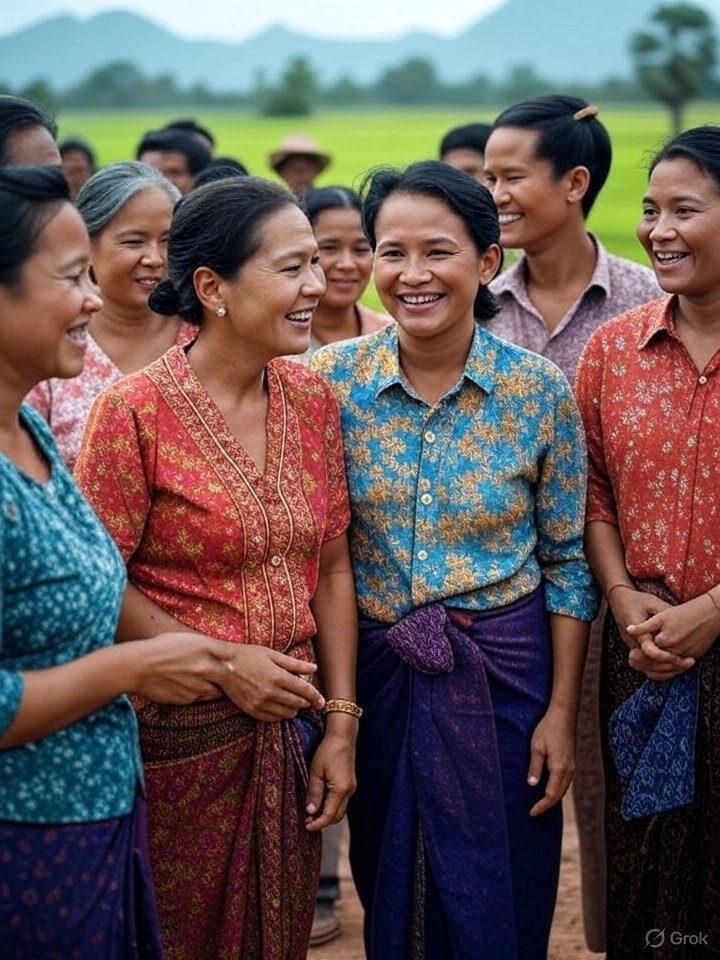
    The Shinta Mani Foundation helps women in a small village. These women want a better life for their families. The Foundation gave them a loan with no interest. This means they can borrow money and pay it back later without extra cost.

    The women use water hyacinth, a plant that grows too much and blocks rivers. They turn this plant into beautiful, eco-friendly bags. This helps the environment by using a plant that would be a problem.

    Making and selling the bags gives the women money. They use the money to send their children to school, buy food, go to the doctor, and fix their homes. The work also helps the women stay close and support each other.

    The women use traditional weaving skills. These skills come from their families and culture. The bags are strong and pretty. Many people who care about nature want to buy them.

    This project helps the women and the environment. It gives the women confidence and independence. Buying these bags helps both the planet and the people.

    __________________________

    Vocabulary:


    • weeds: plants that grow where people do not want them.
    • a bag: something to carry things in.
    • to weave: to make something by crossing threads or plants.
    • a village: a small group of houses where people live.
    • crafts: things made by hand, like art or useful items.
    • a foundation: a group that helps people or does good work.
    • a loan with no interest: money you borrow and give back without extra money.
    • to borrow money: to take money and give it back later.
    • extra cost: more money you have to pay.
    • a water hyacinth: a plant that grows in water.
    • to block rivers: to stop rivers from flowing.
    • eco-friendly: good for the earth and nature.
    • environment: the world around us – plants, animals, air, and water.
    • to sell: to give something to someone for money.
    • to fix a home: to make a house better or repair it.
    • to support: to help or take care of someone.
    • skills: things you can do well because you learned them.
    • to care about nature: to want to protect animals, plants, and the earth.
    • to give confidence: to help someone feel sure and brave.
    • independence: being able to do things by yourself.
    • a planet: a big round place in space, like earth where we live.

    #################

    Test your vocabulary, one correct:

    part 1: 1-16

    part 2: 17-21


    1. What does “weeds” mean?
    a) plants that grow where people do not want them
    b) flowers in a garden
    c) trees that grow very tall

    2. What is “a bag”?
    a) a kind of shoe
    b) something to carry things in
    c) a piece of furniture

    3. What does “to weave” mean?
    a) to cut paper
    b) to paint a picture
    c) to make something by crossing threads or plants

    4. What is “a village”?
    a) a kind of food
    b) a small group of houses where people live
    c) a very big city

    5. What are “crafts”?
    a) things made by hand, like art or useful items
    b) machines that fly
    c) types of music

    6. What is “a foundation”?
    a) a group that helps people or does good work
    b) a kind of animal
    c) a type of plant

    7. What is “a loan with no interest”?
    a) money you find on the street
    b) money you borrow and give back without extra money
    c) money you get as a gift

    8. What does “to borrow money” mean?
    a) to lose money
    b) to steal money
    c) to take money and give it back later

    9. What is “extra cost”?
    a) more money you have to pay
    b) free money
    c) a discount on prices

    10. What is “a water hyacinth”?
    a) a kind of fish
    b) a small bird
    c) a plant that grows in water

    11. What does “to block rivers” mean?
    a) to stop rivers from flowing
    b) to make rivers bigger
    c) to clean rivers

    12. What does “eco-friendly” mean?
    a) bad for plants
    b) good for the earth and nature
    c) something made of plastic

    13. What is “environment”?
    a) a machine
    b) the world around us – plants, animals, air, and water
    c) a type of building

    14. What does “to sell” mean?
    a) to buy something
    b) to give something to someone for money
    c) to borrow something

    15. What does “to fix a home” mean?
    a) to make a house better or repair it
    b) to clean a house
    c) to paint a picture

    16. What does “to support” mean?
    a) to hurt someone
    b) to help or take care of someone
    c) to run very fast

    17. What are “skills”?
    a) foods you eat
    b) things you can do well because you learned them
    c) toys you play with

    18. What does “to care about nature” mean?
    a) to break trees
    b) to want to protect animals, plants, and the earth
    c) to ignore plants and animals

    19. What does “to give confidence” mean?
    a) to tell someone a secret
    b) to help someone feel sure and brave
    c) to make someone sad

    20. What is “independence”?
    a) being able to do things by yourself
    b) needing help all the time
    c) working with others

    21. What is “a planet”?
    a) a type of cloud
    b) a big round place in space, like earth where we live
    c) a kind of star
    _______________________


    Answer key:
    1 a, 2 b, 3 c, 4 b, 5 a, 6 a, 7 b, 8 c, 9 a, 10 c, 11 a, 12 b, 13 b, 14 b, 15 a, 16 b, 17 b, 18 b, 19 b, 20 a, 21 b
    #################


    Match the definitions to their respective words:


    Definitions

    1. plants that grow where people do not want them:___e___
    2. something to carry things in:______
    3. to make something by crossing threads or plants:______
    4. a small group of houses where people live:______
    5. things made by hand, like art or useful items:______
    6. a group that helps people or does good work:______
    7. money you borrow and give back without extra money:______
    8. to take money and give it back later:______
    9. more money you have to pay:______
    10. a plant that grows in water:______
    11. to stop rivers from flowing:______
    12. good for the earth and nature:______
    13. the world around us – plants, animals, air, and water:______
    14. to give something to someone for money:______
    15. to make a house better or repair it:______
    16. to help or take care of someone:______
    17. things you can do well because you learned them:______
    18. to want to protect animals, plants, and the earth:______
    19. to help someone feel sure and brave:______
    20. being able to do things by yourself:______
    21. a big round place in space, like earth where we live:______

    Words

    a. independence
    b. to care about nature
    c. a loan with no interest
    d. to give confidence
    e. weeds
    f. a bag
    g. to weave
    h. to borrow money
    i. to support
    j. a village
    k. to sell
    l. eco-friendly
    m. to fix a home
    n. crafts
    o. environment
    p. a foundation
    q. skills
    r. to block rivers
    s. a planet
    t. a water hyacinth
    u. extra cost


    ________________________

    Answers: 1 e, 2 f, 3 g, 4 j, 5 n, 6 p, 7 c, 8 h,
    9 u, 10 t, 11 r, 12 l, 13 o, 14 k, 15 m, 16 i,
    17 q, 18 b, 19 d, 20 a, 21 s

    ################


    True or False?

    1. The Shinta Mani Foundation works with women in a small village.
    2. The women get a loan with high interest.
    3. They use water hyacinth to make eco-friendly bags.
    4. Water hyacinths grow in the mountains.
    5. Selling bags helps the women send their children to school.
    6. The project is bad for the environment.
    7. The women use traditional weaving skills.
    8. The bags are weak and break easily.
    9. Many people who care about nature want to buy the bags.
    10. The women use the money to fix their homes.
    11. The project gives the women confidence and independence.
    12. The bags are made from plastic.
    13. The women learned weaving skills from their families.
    14. Buying a bag helps both the women and the planet.
      ______________

    True: 1, 3, 5, 7, 9, 10, 11, 13, 14

    #################

    Short answers:


    1. Does the Shinta Mani Foundation help women in a small village?
      Yes, it does.
    2. Do the women get a loan with no interest?
      _____________
    3. Do the women make bags from plastic bottles?
      _____________
    4. Does water hyacinth grow in the river?
      _____________
    5. Do the women sell the bags to earn money?
      _____________
    6. Do the women use the money to travel to other countries?
      _____________
    7. Does the project help the women send their children to school?
      _____________
    8. Do the bags hurt the environment?
      _____________
    9. Do the women fix their homes with the money?
      _____________
    10. Does the project give the women more confidence?
      _____________
    11. Do the women get less food because of the project?
      _____________
    12. Do the women stay as a strong group?
      _____________
    13. Does the project make the women work alone?
      _____________
    14. Do the bags help the planet?
      _____________


      _______________

    True: 1, 2, 4, 5, 7, 9, 10, 12, 14
    ________________

    Full version:


    Does the Shinta Mani Foundation help women in a small village? — Yes, it does.

    Do the women get a loan with no interest? — Yes, they do.

    Do the women make bags from plastic bottles? — No, they don’t.

    Does water hyacinth grow in the river? — Yes, it does.

    Do the women sell the bags to earn money? — Yes, they do.

    Do the women use the money to travel to other countries? — No, they don’t.

    Does the project help the women send their children to school? — Yes, it does.

    Do the bags hurt the environment? — No, they don’t.

    Do the women fix their homes with the money? — Yes, they do.

    Does the project give the women more confidence? — Yes, it does.

    Do the women get less food because of the project? — No, they don’t.

    Do the women stay as a strong group? — Yes, they do.

    Does the project make the women work alone? — No, it doesn’t.

    Do the bags help the planet? — Yes, they do.

    #####################

    Fill in, words below:

    independence – plants – skills – planet – village – Plastic – fix – families – loan – children – supports -eco-friendly

    _______________________

    1. The Shinta Mani Foundation supports women in a small __________.
    2. The women started a business with a no-interest __________.
    3. They turn water hyacinth into __________ bags.
    4. Water hyacinth are __________ that grow in rivers.
    5. The income helps the women send their __________ to school.
    6. They can also buy more clothes for their __________.
    7. The women use traditional weaving __________ to make the bags.
    8. Selling bags allows the women to _________ and improve their homes.
    9. The project helps the women gain confidence and ________.
    10. The group of women stays strong and __________each other.
    11. __________ bags are bad for the environment.
    12. The project also helps protect the __________.

    ____________________________

    Full version:

    1. The Shinta Mani Foundation supports women in a small village.
    2. The women started a business with a no-interest loan.
    3. They turn water hyacinth into eco-friendly bags.
    4. Water hyacinths are plants that grow in rivers.
    5. The income helps the women send their children to school.
    6. They can also buy more clothes for their families.
    7. The women use traditional weaving skills to make the bags.
    8. Selling bags allows the women to fix and improve their homes.
    9. The project helps the women gain confidence and independence.
    10. The group of women stays strong and supports each other.
    11. Plastic bags are bad for the environment.
    12. The project also helps protect the planet.

    #####################

    Complete the story, words below:

    weaving – borrow – confidence – eco-friendly – village.- blocks – women – life – sell – loan
    ________________________


    The Shinta Mani Foundation helps women in a small __________.
    They want a better __________ for their families.
    The Foundation gives them a__________ with no interest.
    They __________ money and pay it back later without extra cost.
    The women use water hyacinth, a plant that grows too much and __________ rivers.
    They make __________ bags from the plant.
    They __________ the bags and get money for school, food, doctors, and fixing homes.
    They keep their __________ skills from their culture.
    The bags are strong and beautiful.
    The project helps the __________ and the planet.
    It gives them __________ and independenc

    ___________________

    Full version:


    The Shinta Mani Foundation helps women in a small village.
    They want a better life for their families.
    The Foundation gives them a loan with no interest.
    They borrow money and pay it back later without extra cost.
    The women use water hyacinth, a plant that grows too much and blocks rivers.
    They make eco-friendly bags from the plant.
    They sell the bags and get money for school, food, doctors, and fixing homes.
    They keep their weaving skills from their culture.
    The bags are strong and beautiful.
    The project helps the women and the planet.
    It gives them confidence and independence.

  • Geschützt: Lara and Mia’s class room – what is in there? (part 2, A1)

    Dieser Inhalt ist passwortgeschützt. Bitte gib unten das Passwort ein, um ihn anzeigen zu können.

  • Geschützt: A day with Mia: after school adventures (part 1,A1)

    Dieser Inhalt ist passwortgeschützt. Bitte gib unten das Passwort ein, um ihn anzeigen zu können.

  • Geschützt: A Day in Lara’s Life (A1)

    Dieser Inhalt ist passwortgeschützt. Bitte gib unten das Passwort ein, um ihn anzeigen zu können.

  • A perfect day at a luxury resort in Siem Reap (listening, A1, present simple)

    Chhorvon’s Relaxing Holiday Story

    Listen to the story. If you don’t understand, listen again.
    Then do these exercises (some answers are at the end of the test!).


    Exercise 1 – one answer correct:


    1. What time does Chhorvon wake up?

    a) 7 o’clock
    b) 8 o’clock
    c) 6 o’clock

    2. What does she see when she opens the curtains?

    a) The green garden
    b) The swimming pool
    c) The restaurant

    3. Where does Chhorvon eat breakfast?

    a) In her room
    b) In the restaurant
    c) By the pool

    4. What does she drink for breakfast?

    a) Coffee
    b) Juice
    c) Water

    5. What does she eat with her coffee?

    a) Eggs
    b) Fresh fruit
    c) Bread

    6. Where does Chhorvon swim?

    a) In the river
    b) In the sea
    c) In the big pool

    7. How is the water in the pool?

    a) Cold and dirty
    b) Hot
    c) Cool and nice

    8. What does she do at noon?

    a) Visit a temple
    b) Go shopping
    c) Rest in her room

    9. What does she do in her room at noon?

    a) Read a book
    b) Watch TV
    c) Sleep

    10. What else does she do in her room?

    a) Cook food
    b) Call her family
    c) Listen to music

    11. Where does Chhorvon go in the afternoon?

    a) To the spa
    b) To the gym
    c) To the market

    12. What does she do at the spa?

    a) Take a bath
    b) Have a massage
    c) Do yoga

    13. How does the massage feel?

    a) Very good
    b) Bad
    c) Okay

    14. Where does she watch the sunset?

    a) At the pool
    b) In the garden
    c) From the balcony

    15. When does she eat dinner?

    a) In the evening
    b) In the morning
    c) At noon

    16. Where does she eat dinner?

    a) By the pool
    b) In the restaurant
    c) In her room

    17. What is the food like?

    a) Bad
    b) Delicious
    c) Cold

    18. What does she do after dinner?

    a) Swim in the pool
    b) Walk in the garden
    c) Watch TV

    19. How does she feel after walking in the garden?

    a) Angry
    b) Happy and calm
    c) Tired and sad

    20. What does Chhorvon do at the end of the day?

    a) Call her friends
    b) Go to a party
    c) Go to bed and sleep well


    ________________

    Answers: 1 a, 2 a, 3 b, 4 a, 5 b, 6 c, 7 c,
    8 c, 9 a, 10 c, 11 a, 12 b, 13 a, 14 c, 15 a,
    16 b, 17 b, 18 b, 19 b, 20 c
    ##################


    Exercise 2:

    True or false?

    1. She drinks coffee for breakfast.
    2. She goes to the market in the afternoon.
    3. She sees the green garden when she opens the curtains.
    4. The pool water is cold and dirty.
    5. She has a massage in the spa.
    6. She eats breakfast in her room.
    7. She watches the sunset from the balcony.
    8. She rests in her room at noon.
    9. After dinner, she walks in the garden.
    10. The food at dinner is bad.
    11. She swims in the sea.
    12. She reads a book and listens to music at noon.
    13. She feels happy and calm after walking in the garden.
    14. She goes to bed and sleeps well.
    15. She eats dinner by the pool.
    16. The massage feels very good.
    17. She wakes up at 8 o’clock.
    18. She watches TV after dinner.
    19. She eats fresh fruit for breakfast.
    20. She visits the gym in the afternoon.

      ____________________________

    True: 1,3,5,7,8,9,12,13,14,16,19

    #################

    Exercise 3:

    Yes, she does? or, No, she doesn’t?

    1. Does Chhorvon wake up at 7 o’clock?
    2. Does she eat breakfast in her room?
    3. Does she drink coffee in the morning?
    4. Does she swim in the sea?
    5. Does she have a massage at the spa?
    6. Does she read a book at noon?
    7. Does she watch the sunset from the balcony?
    8. Does she eat dinner in the restaurant?
    9. Does she walk in the garden after dinner?
    10. Does she sleep well at night?
    11. Does she go shopping in the afternoon?
    12. Does she drink juice for breakfast?
    13. Does she swim in the big pool?
    14. Does she visit a temple in the afternoon?
    15. Does she listen to music in her room?
    16. Does she watch TV after dinner?
    17. Does she rest in her room at noon?
    18. Does she eat lunch at noon?
    19. Does she feel happy and calm after walking in the garden?
    20. Does she go to bed late every night?

    ______________________

    #####################

    Exercise 4, answer these questions:

    1. What is her name?
    2. Where is she on holiday?
    3. When does she wake up?
    4. What does she see when she opens the curtains?
    5. Where does she eat breakfast?
    6. What does she drink in the morning?
    7. What does she eat for breakfast?
    8. What does she do after breakfast?
    9. Where does she swim?
    10. How is the water in the pool?
    11. What does she do at noon?
    12. What does she read?
    13. What does she listen to?
    14. Where does she go in the afternoon?
    15. What does she do at the spa?
    16. How does the massage feel?
    17. Where does she watch the sunset?
    18. What does she do after dinner?
    19. How does she feel after walking in the garden?
    20. Does she like her holiday?

    _______________________

    ###################
    ###################
    Text:

    My name is Chhorvon. I am on holiday in a luxury resort in Siem Reap. I tell you about my day.

    I wake up at 7 o’clock. I open the curtains and see the green garden. I go to the restaurant and eat breakfast. I drink coffee and eat fresh fruit.

    After breakfast, I swim in the big pool. The water is cool and nice.

    At noon, I rest in my room. I read a book and listen to music.

    In the afternoon, I go to the spa. I have a massage. It feels very good.

    In the evening, I watch the sunset from the balcony. Then I eat dinner in the restaurant. The food is delicious.

    After dinner, I walk in the garden. I feel happy and calm.

    I go to bed and sleep well. I like my holiday here.

    #################
    #################

    Exercise 3, answers:


    Does she go to bed late every night? No, she doesn’t.

    Does Chhorvon wake up at 7 o’clock? Yes, she does.

    Does she eat breakfast in her room? No, she doesn’t.

    Does she drink coffee in the morning? Yes, she does.

    Does she swim in the sea? No, she doesn’t.

    Does she have a massage at the spa? Yes, she does.

    Does she read a book at noon? Yes, she does.

    Does she watch the sunset from the balcony? Yes, she does.

    Does she eat dinner in the restaurant? Yes, she does.

    Does she walk in the garden after dinner? Yes, she does.

    Does she sleep well at night? Yes, she does.

    Does she go shopping in the afternoon? No, she doesn’t.

    Does she drink juice for breakfast? No, she doesn’t.

    Does she swim in the big pool? Yes, she does.

    Does she visit a temple in the afternoon? No, she doesn’t.

    Does she listen to music in her room? Yes, she does.

    Does she watch TV after dinner? No, she doesn’t.

    Does she rest in her room at noon? Yes, she does.

    Does she eat lunch at noon? No, she doesn’t.

    Does she feel happy and calm after walking in the garden? Yes, she does.

    #################

    #################

    Exercise 4, answers:


    What is her name?
    — Her name is Chhorvon.

    Where is she on holiday?
    — She is on holiday in Siem Reap.

    When does she wake up?
    — She wakes up at 7 o’clock.

    What does she see when she opens the curtains?
    — She sees the green garden.

    Where does she eat breakfast?
    — She eats breakfast in the restaurant.

    What does she drink in the morning?
    — She drinks coffee.

    What does she eat for breakfast?
    — She eats fresh fruit.

    What does she do after breakfast?
    — She swims in the big pool.

    Where does she swim?
    — She swims in the big pool.

    How is the water in the pool?
    — The water is cool and nice.

    What does she do at noon?
    — She rests in her room.

    What does she read?
    — She reads a book.

    What does she listen to?
    — She listens to music.

    Where does she go in the afternoon?
    — She goes to the spa.

    What does she do at the spa?
    — She has a massage.

    How does the massage feel?
    — It feels very good.

    Where does she watch the sunset?
    — She watches the sunset from the balcony.

    What does she do after dinner?
    — She walks in the garden.

    How does she feel after walking in the garden?
    — She feels happy and calm.

    Does she like her holiday?
    — Yes, she likes her holiday.


    ###################
    ###################

    Don’t listen to the text.
    Write many sentences about it.”

    ###################
    ###################

  • Dara – once a dream, now reality, he is a teacher (past simple, A1)

    • When a child, Dara’s dream was to become a teacher, now he is, teaching youngsters in the Shinta Mani Foundation class.
      We are looking back at the days of his childhood.

    He lived in a small village in Cambodia. His parents were farmers. Dara helped them in the fields every day.

    Every morning, Dara went to school. He walked or rode his bike. The road to school was long. Dara liked the fresh air and the green trees. Sometimes, he saw birds and butterflies on the way.

    Dara’s school was small. There were many children in the classroom. The school had simple desks and chairs. Dara listened to the teacher and learned new things every day.

    Dara liked to learn reading, writing, and math. He paid attention in class. Dara’s favorite time was when he played with his friends during the break. They ran, laughed, and had fun together.

    Dara was happy to go to school every day. He wanted to learn more and help his family. Dara dreamed to be a teacher when he grew up. He wanted to teach other children in his village.

    ________________________

    Verbs, infinitive, past simple, definition

    1. live — lived — to have a home in a place
    2. be — was / were — to exist or be somewhere
    3. help — helped — to do something for someone
    4. go — went — to move to a place
    5. walk — walked — to move using your feet slowly
    6. ride — rode — to sit on a bike or animal and move
    7. like — liked — to enjoy something
    8. see — saw — to look at something
    9. have — had — to own or hold something
    10. listen — listened — to hear carefully
    11. learn — learned — to get new knowledge
    12. pay — paid — to give attention
    13. play — played — to do fun activities
    14. run — ran — to move fast on your feet
    15. laugh — laughed — to make a happy sound
    16. want — wanted — to wish for something
    17. dream — dreamed — to think about something you want
    18. grow — grew — to become bigger or older
    19. teach — teach — to help someone learn something

    _________________________
    Match definition, word/s


    Definitions:

    1. A person who grows food or takes care of animals.
      _________________
    2. To sit on a bicycle and move by pushing the pedals.
      _________________
    3. The time when you are a child.
      _________________
    4. A small flying insect with colorful wings.
      _________________
    5. To watch or listen carefully.
      _________________
    6. A table where you write or study.
      _________________
    7. Not always, but now and then.
      _________________
    8. To make happy sounds when something is funny.
      _________________
    9. Something you sit on.
      _________________
    10. The part of the day you like the most.
      _________________
    11. To become older and an adult.
      _________________
    12. A path for cars, bikes, or people to travel on.
      _________________
    13. What is true or real, not a dream.
      _________________
    14. Time to rest and play between classes.
      _________________
    15. To work with plants or crops outside.
      _________________
    16. To hear and pay attention to the teacher.
      _________________
    17. School subject about numbers and counting.
      _________________
    18. Young people or children.
      _________________
    19. To wish for something.
      _________________
    20. To do fun activities.
      _________________

    ___________________________________


    Words:

    a) to listen to the teacher
    b) to help in the fields
    c) to laugh
    d) a road
    e) to want
    f) a desk
    g) to grow up
    h) math
    i) to ride a bike
    j) a butterfly
    k) to pay attention
    l) a farmer
    m) a break
    n) favorite time
    o) to play
    p) childhood
    q) sometimes
    r) a chair
    s) youngsters
    t) reality


    _________________

    Answers:
    1-l, 2-i, 3-p, 4-j, 5-k, 6-f, 7-q, 8-c,
    9-r, 10-n, 11-g, 12-d, 13-t, 14-m,
    15-b, 16-a, 17-h, 18-s, 19-e, 20-o

    ___________


    A person who grows food or takes care of animals. — a farmer

    To sit on a bicycle and move by pushing the pedals. — to ride a bike

    The time when you are a child. — childhood

    A small flying insect with colorful wings. — a butterfly

    To watch or listen carefully. — to pay attention

    A table where you write or study. — a desk

    Not always, but now and then. — sometimes

    To make happy sounds when something is funny. — to laugh

    Something you sit on. — a chair

    The part of the day you like the most. — favorite time

    To become older and an adult. — to grow up

    A path for cars, bikes, or people to travel on. — a road

    What is true or real, not a dream. — reality

    Time to rest and play between classes. — a break

    To work with plants or crops outside. — to help in the fields

    To hear and pay attention to the teacher. — to listen to the teacher

    School subject about numbers and counting. — math

    Young people or children. — youngsters

    To wish for something. — to want

    To do fun activities. — to play
    #####################

    True or false?

    1. Dara lived in a big city.
    2. His parents were farmers.
    3. Dara helped his parents in the fields every day.
    4. Dara went to school by car.
    5. The road to school was short.
    6. Dara liked the fresh air and green trees on his way.
    7. Dara’s school was large.
    8. There were many children in Dara’s classroom.
    9. Dara did not like to learn reading.
    10. Dara paid attention in class.
    11. Dara’s favorite time was when he played with his friends.
    12. Dara never laughed with his friends.
    13. Dara was happy to go to school every day.
    14. Dara wanted to be a doctor.
    15. Dara dreamed to be a teacher.
    16. Dara wanted to teach children in his village.

    True: 2, 3, 6, 8, 10, 11, 13, 15, 16
    ###################

    Yes, he/they did, or, No he/they didn’t?

    1. Dara lived in a big city.
    2. His parents were farmers.
    3. Dara helped his parents in the fields every day.
    4. Dara went to school by car.
    5. The road to school was short.
    6. Dara liked the fresh air and green trees on his way.
    7. Dara’s school was large.
    8. There were many children in Dara’s classroom.
    9. Dara did not like to learn reading.
    10. Dara paid attention in class.
    11. Dara’s favorite time was when he played with his friends.
    12. Dara never laughed with his friends.
    13. Dara was happy to go to school every day.
    14. Dara wanted to be a doctor.
    15. Dara dreamed to be a teacher.
    16. Dara wanted to teach children in his village.

    ____________________

    Answers:

    1. Dara lived in a big city. — No, he didn’t.
    2. His parents were farmers. — Yes, they were.
    3. Dara helped his parents in the fields every day. — Yes, he did.
    4. Dara went to school by car. — No, he didn’t.
    5. The road to school was short. — No, it wasn’t.
    6. Dara liked the fresh air and green trees on his way. — Yes, he did.
    7. Dara’s school was large. — No, it wasn’t.
    8. There were many children in Dara’s classroom. — Yes, there were.
    9. Dara liked to learn reading. — Yes, he did.
    10. Dara paid attention in class. — Yes, he did.
    11. Dara’s favorite time was when he played with his family. — No, it wasn’t.
    12. Dara always laughed with his friends. — Yes, he did.
    13. Dara was happy to go to school every day. — Yes, he was.
    14. Dara wanted to be a doctor. — No, he didn’t.
    15. Dara dreamed to be a teacher. — Yes, he did.
    16. Dara wanted to teach children in a big city. — No, he didn’t.

    #########################

    Form questions to which the word/s given is/are the answer:

    Example:
    1. Dara lived in the countryside.
    a) Dara: Who lived in the countryside?
    b) lived in the countryside: What did she do?
    c) in the countryside: Where did she live?


    1. His parents worked in the green fields every day.
      a) His parents: ________________
      b) His: ________________
      c) worked in the fields: ________________
      d) in the green fields: ________________
      e) green: ________________
      f) every day: ________________

    1. Dara helped his parents in the fields every day.
      a) Dara: ________________
      b) helped his parents: ________________
      c) in the fields: ________________
      d) every day: i) ________________
      ii) ________________


    1. Dara went to school by walking or riding his bike.
      a) Dara: ________________
      b) went to school: ________________
      c) by walking or riding his bike: ________________
      d) to school: ________________

    1. Dara liked the fresh air every time he went so school.
      a) Dara: ________________
      b) the fresh air: ________________
      c) every time he went so school: ________________

    1. Dara played with his friends in the school yard..
      a) Dara: ________________
      b) played with his friends: ________________
      c) with his friends: ________________
      d) his: ________________
      e) in the school yard: ________________
      f) school: ________________

    _________________________
    Correct version:


    1. Dara lived in the countryside.
    a) Dara: Who lived in the countryside?
    b) lived in the countryside: What did she do?
    c) in the countryside: Where did she live?


    1. His parents worked in the green fields every day.
      a) His parents: Who were farmers?
      b) His: Whose parents worked in the fields?
      c) worked in the fields: What did his parents do?
      d) in the green fields: Where did his parents work?
      e) green: In which fields did his parents work?
      f) every day: When did his parents work in the fields?
      How often did his parents work in the fields.

    1. Dara helped his parents in the fields every day.
      a) Dara: Who helped his parents?
      b) helped his parents: What did Dara do?
      c) in the fields: Where did Dara help?
      d) every day: How often did Dara help?
      When did Dara help his parents?

    1. Dara went to school by walking or riding his bike.
      a) Dara: Who went to school?
      b) went to school: What did Dara do?
      c) by walking or riding his bike: How did Dara go to school?
      d) to school: Where did Dara go by walking or riding his bike?

    1. Dara liked the fresh air every time he went so school.
      a) Dara: Who liked the fresh air?
      b) the fresh air: What did Dara like?
      c) every time he went to school: When did Dara like the fresh air?

    1. Dara played with his friends in the school yard..
      a) Dara: Who played with his friends?
      b) played with his friends: What did he do?
      c) with his friends: Who did Dara play with?
      d) his: With whose friends did Dara play?
      e) in the school yard: Where did he play with his friends?
      f) school: In which yard did Dara play?


      #################

      One of Dara’s best friends: Salas
  • Sareth: lives his dream, now F&B manager at a 5-star resort in Borobudur on Java (past simple, A2)

    • Remembers his time when he was a friendly bartender who mixed skill, speed, and a warm welcome to give every guest a special experience.


      Before doing that exercise check out:

    # Sareth: serving drinks, smiles, and great memories (A2) for vocabulary,

    # Past simple tense including irregular verbs

    ###################

    Sareth about his time when he started his career, when he was a bartender in a five-star resort in Siem Reap:

    I worked as a bartender in a hotel. I believed I was a great bartender because I was friendly and approachable. When guests arrived at the bar, I always greeted them with a warm smile and made them feel welcome. I liked to create a relaxed and happy atmosphere where people could enjoy their time.

    I knew a lot about drinks, such as cocktails, beers, and wines. If a guest was not sure what to order, I could recommend something they would enjoy. I listened carefully to their order and made sure I prepared the drink exactly as they wanted it.

    I worked quickly and stayed organized. Even during busy times, I managed many orders at once and still kept the bar clean. I liked to talk to customers, make them laugh, and keep the mood lively.

    I also served drinks responsibly. If a guest had had enough, I knew how to stop serving politely. I was good at solving problems and making sure guests left happy.

    I paid attention to small details, like the garnish, the glass, and the way the drink looked. I worked well with my team, and together we gave the best service possible. For me, being a great bartender meant more than making drinks—it meant creating a special experience for every guest.

    ################

    True or false?


    1. Sareth worked as a bartender in a hotel.
    2. He believed he was a great bartender because he was friendly.
    3. He never smiled at guests.
    4. He liked to make the bar relaxed and happy.
    5. He knew about cocktails, beers, and wines.
    6. He never gave drink recommendations.
    7. He listened carefully to guests’ orders.
    8. He always made drinks differently from what guests wanted.
    9. He worked quickly and stayed organized.
    10. He kept the bar dirty.
    11. He liked to talk to customers and make them laugh.
    12. He always served drinks, even if guests had too much.
    13. He stopped serving politely if guests had enough to drink.
    14. He was good at solving problems.
    15. He wanted guests to leave unhappy.
    16. He paid attention to small details like garnish and glasses.
    17. He never worked with a team.
    18. He gave the best service together with his team.
    19. He thought being a bartender was only about making drinks.
    20. He believed being a great bartender was also about creating a special experience.

    True: 1, 2, 4, 5, 7, 9, 11, 13, 14, 16, 18, 20

    ###################


    Gap-fill:

    1. Sareth ______ at a hotel bar.
      a) worked
      b) works
      c) working
    2. He always ______ guests with a friendly smile.
      a) greet
      b) greeted
      c) greeting
    3. He ______ many types of drinks.
      a) know
      b) knew
      c) knows
    4. When guests didn’t know what to order, he ______ a good drink.
      a) recommend
      b) recommended
      c) recommending
    5. He always ______ the drink as guests wanted.
      a) make
      b) made
      c) making
    6. During busy times, he ______ many orders fast.
      a) managed
      b) manage
      c) managing
    7. He ______ to customers and made them laugh.
      a) spoke
      b) speak
      c) speaking
    8. He ______ the bar clean even when busy.
      a) keeps
      b) kept
      c) keeping
    9. If guests drank too much, he ______ serving politely.
      a) stopped
      b) stop
      c) stopping
    10. He was good at ______ problems.
      a) solve
      b) solved
      c) solving
    11. He paid attention to small ______ on the drinks.
      a) detail
      b) details
      c) detailed
    12. He worked well with his ______.
      a) teams
      b) team
      c) teaming
    13. For him, being a great bartender was more than just ______ drinks.
      a) made
      b) making
      c) make
    14. He always ______ guests feel welcome.
      a) made
      b) make
      c) making
    15. Guests usually ______ happy when they left.
      a) leave
      b) left
      c) leaving

    Answers:
    1 a, 2 b, 3 b, 4 b, 5 b, 6 a, 7 a, 8 b, 9 a,
    10 c, 11 b, 12 b, 13 b, 14 a, 15 b

    _____________________


    Listen – correct version:


    1. Sareth worked at a hotel bar.
    2. He always greeted guests with a friendly smile.
    3. He knew many types of drinks.
    4. When guests didn’t know what to order, he recommended a good drink.
    5. He always made the drink as guests wanted.
    6. During busy times, he managed many orders fast.
    7. He spoke to customers and made them laugh.
    8. He kept the bar clean even when busy.
    9. If guests drank too much, he stopped serving politely.
    10. He was good at solving problems.
    11. He paid attention to small details on the drinks.
    12. He worked well with his team.
    13. For him, being a great bartender was more than just making drinks.
    14. He always made guests feel welcome.
    15. Guests usually left happy when they left.

    ##################

    Yes, he did? or, No he didn’t?


    1. Did he work as a bartender in a hotel?
    2. Did he greet guests with a cold face?
    3. Did he know a lot about drinks?
    4. Did he recommend drinks when guests didn’t know what to order?
    5. Did he make drinks the wrong way?
    6. Did he work slowly during busy times?
    7. Did he manage many orders at once?
    8. Did he keep the bar dirty?
    9. Did he stop serving when guests had enough?
    10. Did he ignore problems?
    11. Did he pay attention to small details on the drinks?
    12. Did he work well with his team?
    13. Did he think making drinks was not important?
    14. Did he make guests feel welcome?
    15. Did guests usually leave happy?
    16. Did he talk to customers and make them laugh?
    17. Did he forget to listen to guests‘ orders?
    18. Did he prepare drinks exactly as guests wanted?
    19. Did he refuse to work with his team?
    20. Did he want to create a happy atmosphere for guests?

    ________________________

    Correct version:

    1. Did he work as a bartender in a hotel? — Yes, he did.
    2. Did he greet guests with a cold face? — No, he didn’t.
    3. Did he know a lot about drinks? — Yes, he did.
    4. Did he recommend drinks when guests didn’t know what to order? — Yes, he did.
    5. Did he make drinks the wrong way? — No, he didn’t.
    6. Did he work slowly during busy times? — No, he didn’t.
    7. Did he manage many orders at once? — Yes, he did.
    8. Did he keep the bar dirty? — No, he didn’t.
    9. Did he stop serving when guests had enough? — Yes, he did.
    10. Did he ignore problems? — No, he didn’t.
    11. Did he pay attention to small details on the drinks? — Yes, he did.
    12. Did he work well with his team? — Yes, he did.
    13. Did he think making drinks was not important? — No, he didn’t.
    14. Did he make guests feel welcome? — Yes, he did.
    15. Did guests usually leave happy? — Yes, they did.
    16. Did he talk to customers and make them laugh? — Yes, he did.
    17. Did he forget to listen to guests‘ orders? — No, he didn’t.
    18. Did he prepare drinks exactly as guests wanted? — Yes, he did.
    19. Did he not want to work with his team? — No, he didn’t.
    20. Did he want to create a happy atmosphere for guests? — Yes, he did.

    ####################

    Form questions to which the words given are the answer:


    1. She served cocktails with a friendly smile.
    a) She: _______________
    b) served cocktails: _______________
    c) cocktails: _______________
    d) with a friendly smile: _______________


    2. They listened carefully to every order.
    a) They: _______________
    b) listened carefully; _______________
    c) carefully: _______________
    d) to every order: _______________


    3. He stopped serving when guests had enough.
    a) He: _______________
    b) stopped serving: _______________
    c) serving: _______________
    d) when guests had enough: _______________


    4. The bartender cleaned the bar quickly.
    a) The bartender: _______________
    b) cleaned the bar: _______________
    c) the bar: _______________
    d) quickly: _______________


    5. We worked well with the whole team.
    a) We: _______________
    b) worked well with the team: _______________
    c) well: _______________
    d) with the whole team: _______________


    ______________________

    Correct version:


    1. She served cocktails with a friendly smile.
    a) Who served cocktails with a friendly smile?
    b) What did she do?
    c) What did she serve?
    d) How did she serve cocktails?


    2. They listened carefully to every order.
    a) Who listened carefully to every order?
    b) What did they do?
    c) How did they listen to the orders?
    d) What did they listen to carefully?


    3. He stopped serving when guests had enough.
    a) Who stopped serving when guests had enough?
    b) What did he do when guests had enough?
    c) What did he stop?
    d) When did he stop serving?


    4. The bartender cleaned the bar quickly.
    a) Who cleaned the bar quickly?
    b) What did the bartender do?
    c) What did the bartender clean?
    d) How did the bartender clean the bar?


    5. We worked well with the whole team.
    a) Who worked well with the whole team?
    b) What did we do?
    c) How did we work with the team?
    d) Who did we work with well?


    #################

    Complete, words below:

    busy – beers – well – hotel – enough – recommended – politely – warm – customers – clean – exactly – guest
    _____________________


    1. Where did you work as a bartender?
      I worked in a __________ bar in Siem Reap.
    2. How did you greet the guests?
      I greeted them with a __________ smile.
    3. What drinks did you know?
      I knew many drinks like cocktails, __________, and wines.
    4. What did you do if a guest did not know what to order?
      I __________ a drink they would like.
    5. How did you prepare the drinks?
      I prepared the drinks __________ as the guests wanted.
    6. When did you work quickly?
      I worked quickly during __________ times.
    7. Where did you keep the bar clean?
      I kept the bar __________ all the time.
    8. Who did you talk to at the bar?
      I talked to the __________.
    9. Why did you stop serving some guests?
      I stopped serving if guests had __________.
    10. How did you solve problems?
      I solved problems __________ and quickly.
    11. Who did you work with?
      I worked ___________ with my team.
    12. What did being a great bartender mean to you?
      It meant making every __________ happy and comfortable.

    ___________________

    Correct version:


    1. Where did you work as a bartender?
      I worked in a hotel bar in Siem Reap.
    2. How did you greet the guests?
      I greeted them with a warm smile.
    3. What drinks did you know?
      I knew many drinks like cocktails, beers, and wines.
    4. What did you do if a guest did not know what to order?
      I recommended a drink they would like.
    5. How did you prepare the drinks?
      I prepared the drinks exactly as the guests wanted.
    6. When did you work quickly?
      I worked quickly during busy times.
    7. Where did you keep the bar clean?
      I kept the bar clean all the time.
    8. Who did you talk to at the bar?
      I talked to the customers.
    9. Why did you stop serving some guests?
      I stopped serving if guests had enough.
    10. How did you solve problems?
      I solved problems politely and quickly.
    11. Who did you work with?
      I worked well with my team.
    12. What did being a great bartender mean to you?
      It meant making every guest happy and comfortable.

    ##################

    Form a) question, b) negation, c) negative question:


    He made drinks quickly.
    a) Did he make drinks quickly?
    b) He did not make drinks quickly.
    c) Didn’t he make drinks quickly?

    She knew many cocktails.
    a) ________________________
    b) ________________________
    c) ________________________

    They drank beers at the bar.
    a) ________________________
    b) ________________________
    c) ________________________

    I gave good recommendations.
    a) ________________________
    b) ________________________
    c) ________________________

    We spoke to many customers.
    a) ________________________
    b) ________________________
    c) ________________________

    He took orders carefully.
    a) ________________________
    b) ________________________
    c) ________________________

    She came to work early.
    a) ________________________
    b) ________________________
    c) ________________________

    They got the orders right.
    a) ________________________
    b) ________________________
    c) ________________________

    I found the perfect drink.
    a) ________________________
    b) ________________________
    c) ________________________

    We sent drinks to the tables.
    a) ________________________
    b) ________________________
    c) ________________________

    #############
    Correct answers (audio file below):

    1. He made drinks quickly.
    a) Did he make drinks quickly?
    b) He did not make drinks quickly.
    c) Didn’t he make drinks quickly?

    2. She knew many cocktails.
    a) Did she know many cocktails?
    b) She did not know many cocktails.
    c) Didn’t she know many cocktails?

    3. They drank beers at the bar.
    a) Did they drink beers at the bar?
    b) They did not drink beers at the bar.
    c) Didn’t they drink beers at the bar?

    4. I gave good recommendations.
    a) Did I give good recommendations?
    b) I did not give good recommendations.
    c) Didn’t I give good recommendations?

    5. We spoke to many customers.
    a) Did we speak to many customers?
    b) We did not speak to many customers.
    c) Didn’t we speak to many customers?

    6. He took orders carefully.
    a) Did he take orders carefully?
    b) He did not take orders carefully.
    c) Didn’t he take orders carefully?

    7. She came to work early.
    a) Did she come to work early?
    b) She did not come to work early.
    c) Didn’t she come to work early?

    8. They got the orders right.
    a) Did they get the orders right?
    b) They did not get the orders right.
    c) Didn’t they get the orders right?

    9. I found the perfect drink.
    a) Did I find the perfect drink?
    b) I did not find the perfect drink.
    c) Didn’t I find the perfect drink?

    10. We sent drinks to the tables.
    a) Did we send drinks to the tables?
    b) We did not send drinks to the tables.
    c) Didn’t we send drinks to the tables?


    ##################

    Fill in, past simple:


    I __________ (work) as a bartender in a 5-star resort in Siem Reap. Every day, I __________ (meet) many guests from around the world.
    I __________ (greet) them with a smile and __________ (make) them feel welcome.
    I __________ (know) many drink recipes and __________ (gave) suggestions when they could not decide.
    I __________ (take) orders, __________ (make) cocktails, and __________ (put) fresh garnish on the glasses.
    I __________ (speak)with guests, __________ (tell) stories, and __________ (make) them laugh.
    Sometimes I __________ (see) old visitors who __________ (come) back to the resort, and we __________ (share) good memories.
    I __________ (keep) the bar clean, __________ (wash) the glasses, and __________ (aarange) the bottles neatly.
    When my shift __________ (end), I __________ (count) the money, __________ (turn) off the lights, and __________ (leave) feeling proud.

    Correct version:

    I worked as a bartender in a 5-star resort in Siem Reap. Every day, I met many guests from around the world. I greeted them with a smile and made them feel welcome. I knew many drink recipes and gave suggestions when they could not decide. I took orders, made cocktails, and put fresh garnish on the glasses. I spoke with guests, told stories, and made them laugh. Sometimes I saw old visitors who came back to the resort, and we shared good memories. I kept the bar clean, washed the glasses, and arranged the bottles neatly. When my shift ended, I counted the money, turned off the lights, and left feeling proud.

    ################

  • Sareth: serving drinks, smiles, and great memories (A2, present simple)

    A friendly bartender who mixes skill, speed, and a warm welcome to give every guest a special experience.

    My name is Sareth, and I work as a bartender in a hotel. I believe I am a great bartender because I am friendly and approachable. When guests arrive at the bar, I always greet them with a warm smile and make them feel welcome. I like to create a relaxed and happy atmosphere where people can enjoy their time.

    I know a lot about drinks, such as cocktails, beers, and wines. If a guest is not sure what to order, I can recommend something they will enjoy. I listen carefully to their order and make sure I prepare the drink exactly as they want it.

    I work quickly and stay organized. Even during busy times, I can manage many orders at once and still keep the bar clean. I like to talk to customers, make them laugh, and keep the mood lively.

    I also serve drinks responsibly. If a guest has had enough, I know how to stop serving politely. I am good at solving problems and making sure guests leave happy.

    I pay attention to small details, like the garnish, the glass, and the way the drink looks. I work well with my team, and together we give the best service possible. For me, being a great bartender means more than making drinks—it means creating a special experience for every guest.
    _____________________

    Vocabs:


    to tell (told) – to say something to someone so they know it.

    memories – things you remember from the past.

    a bartender – a person who makes and serves drinks in a bar.

    skill – something you can do well because you learned it.

    an experience – something you do or feel that teaches you something.

    to believe (believed) – to think something is true.

    to be friendly (was/were) – to be kind and nice to people.

    to be approachable (was/were) – to be easy for people to talk to.

    to greet somebody (greeted) – to say hello to someone when you meet them.

    to feel welcome (felt) – to feel happy and accepted in a place.

    a relaxed atmosphere – a place that feels calm and comfortable.

    to enjoy time (enjoyed) – to like what you are doing.

    to order something (ordered) – to ask for food or drinks in a restaurant or bar.

    to recommend (recommended) – to tell someone they should try something.

    carefully – doing something with a lot of attention so you do not make mistakes.

    exactly – in a way that is 100% correct or the same as you wanted.

    to stay organized (stayed) – to keep things neat and in order.

    a busy time – a time when there are many things to do.

    to manage orders (managed) – to control and take care of many requests from customers.

    at once – at the same time.

    a customer – a person who buys something from a shop or business.

    a lively mood – a feeling of fun and energy in a place.

    to serve drinks responsibly (served) – to give drinks in a safe way, not giving too much alcohol.

    politely – in a kind and respectful way.

    to solve a problem (solved) – to find an answer to something difficult.

    to pay attention (paid) – to watch or listen carefully.

    garnish – small food or decoration you put on a dish or drink to make it look nice.

    to mean (meant) – to want to say or show something.

    ##################

    Multiple choice, one answer correct:

    part 1: 1-13

    part 2: 14-20


    1. What is a bartender?
      a) A person who cooks food
      b) A person who makes and serves drinks
      c) A person who cleans the bar
    2. What does „to tell“ mean?
      a) To say something to someone
      b) To listen carefully
      c) To eat food
    3. What are memories?
      a) Things you see now
      b) Things you forget quickly
      c) Things you remember from the past
    4. What does „to recommend“ mean?
      a) To suggest something to someone
      b) To buy something
      c) To clean the table
    5. What does „carefully“ mean?
      a) Doing something with attention to avoid mistakes
      b) Doing something very fast
      c) Doing something without thinking
    6. What is a customer?
      a) A person who buys something
      b) A person who cooks food
      c) A person who makes drinks
    7. What does „to greet somebody“ mean?
      a) To say goodbye
      b) To say hello when you meet someone
      c) To ignore someone
    8. What is a skill?
      a) Something you can do well
      b) Something you don’t like
      c) Something you see in a movie
    9. What does „to feel welcome“ mean?
      a) To feel happy and accepted
      b) To feel sad and alone
      c) To feel hungry
    10. What is a lively mood?
      a) A feeling of fun and energy
      b) A feeling of sleepiness
      c) A feeling of being bored
    11. What does „to order something“ mean?
      a) To clean the dishes
      b) To ask for food or drinks
      c) To cook food
    12. What does „to serve drinks responsibly“ mean?
      a) To stop serving drinks
      b) To give drinks carefully, not too much
      c) To give drinks very fast
    13. What is garnish?
      a) Food decoration on a dish or drink
      b) A type of drink
      c) A place to sit
    14. What does „to solve a problem“ mean?
      a) To forget about something
      b) To create a problem
      c) To find an answer to something difficult
    15. What does „exactly“ mean?
      a) Almost correct
      b) Not correct at all
      c) 100% correct or the same
    16. What does „to pay attention“ mean?
      a) To ignore what is happening
      b) To watch or listen carefully
      c) To talk loudly
    17. What is a relaxed atmosphere?
      a) A place that is very noisy
      b) A place that feels calm and comfortable
      c) A place that is scary
    18. What does „to manage orders“ mean?
      a) To take care of many requests from customers
      b) To make drinks
      c) To ignore customers
    19. What does „politely“ mean?
      a) In a rude way
      b) In a kind and respectful way
      c) In a fast way
    20. What does „to be friendly“ mean?
      a) To be angry
      b) To be kind and nice to people
      c) To be quiet

    ______________________
    Answers:

    1 b, 2 a, 3 c, 4 a, 5 a, 6 a, 7 b, 8 a, 9 a,
    10 a, 11 b, 12 b, 13 a, 14 c, 15 c, 16 b,
    17 b, 18 a, 19 b, 20 b

    ###############

    Multiple choice, one answer correct:


    1. A ______ makes and serves drinks in a bar.
      a) cook
      b) bartender
      c) driver
    2. When you meet someone, you ______ them politely.
      a) greet
      b) run
      c) eat
    3. Memories are things you ______ from the past.
      a) forget
      b) remember
      c) lose
    4. A good bartender knows how to ______ drinks.
      a) make
      b) clean
      c) write
    5. To serve drinks responsibly means to give drinks ______.
      a) quickly
      b) carefully
      c) loudly
    6. A customer is a person who ______ something.
      a) buys
      b) sells
      c) cooks
    7. To recommend means to ______ something to someone.
      a) hide
      b) suggest
      c) destroy
    8. When you pay attention, you ______ carefully.
      a) watch
      b) sleep
      c) run
    9. A lively mood means the place is full of ______.
      a) sleepiness
      b) energy
      c) silence
    10. To solve a problem means to find an ______.
      a) answer
      b) question
      c) mistake
    11. Garnish is a small decoration on food or ______.
      a) drink
      b) chair
      c) table
    12. When a place is relaxed, it feels ______ and calm.
      a) noisy
      b) scary
      c) comfortable
    13. To manage orders means to take care of many ______.
      a) cars
      b) books
      c) requests
    14. Being friendly means being ______ and kind.
      a) rude
      b) angry
      c) nice
    15. When you order something, you ask for food or ______.
      a) drinks
      b) clothes
      c) money
    16. To tell means to ______ something to someone.
      a) listen
      b) say
      c) eat
    17. Carefully means doing something with a lot of ______.
      a) speed
      b) attention
      c) noise
    18. Exactly means something is 100% ______.
      a) wrong
      b) late
      c) correct
    19. Politely means doing something in a ______ way.
      a) kind
      b) rude
      c) loud
    20. To feel welcome means to feel ______ and happy.
      a) sad
      b) hungry
      c) accepted

    Answers :
    1 b, 2 a, 3 b, 4 a, 5 b, 6 a, 7 b, 8 a,
    9 b, 10 a, 11 a, 12 c, 13 c, 14 c, 15 a,
    16 b, 17 b, 18 c, 19 a, 20 c


    _______________________

    Match the word to the definition:


    Words:

    1. memories
    2. bartender
    3. skill
    4. experience
    5. believe
    6. be friendly
    7. greet somebody
    8. feel welcome
    9. order something
    10. recommend
    11. stay organized
    12. busy time
    13. customer
    14. lively mood
    15. politely
    16. solve a problem

    Definitions:

    A. To say hello or welcome someone.
    B. A person who buys things or uses services.
    C. To think something is true.
    D. To give advice or suggest something to someone.
    E. The ability to do something well.
    F. A person who serves drinks in a bar.
    G. To ask for food, drink, or something you want.
    H. To make someone feel happy and comfortable in a place.
    I. To fix or find an answer to a problem.
    J. The past things you remember.
    K. A time when many people come and the place is full of activity.
    L. Doing something with respect and kindness.
    M. To be kind and nice to others.
    N. To keep things neat and in order.
    O. A happy and active feeling in a place.
    P. To do something in a polite way.


    ______________________

    Answers:
    1 J, 2 F, 3 E, 4 O, 5 C, 6 M, 7 A, 8 H, 9 G, 10 D,
    11 N, 12 K, 13 B, 14 O, 15 P, 16 I

    #################


    True or false :

    1. Sareth always greets customers with a smile.
    2. He knows many different drinks and can suggest the best one.
    3. Sareth works slowly because he likes to take his time.
    4. He listens carefully to what customers want.
    5. Sareth never talks to customers.
    6. He keeps the bar clean and organized during busy times.
    7. Sareth serves drinks to customers even if they are very drunk.
    8. He can handle many orders at the same time.
    9. Sareth pays attention to small details like decoration on drinks.
    10. He ignores problems and does not solve them.
    11. Sareth works well with other staff members in the bar.
    12. He makes the place feel friendly and welcoming for everyone.

    ______________________

    True: 1,2,4,6,8,9,11,12

    ################

    Fill in, words below:

    customers – greets – staff – serves – enjoy – organized – responsibly – skills – busy

    Sareth is a great bartender who works in a __________ bar.
    He is friendly and always __________ customers with a smile.
    He listens carefully and knows many __________ about drinks.
    Sareth can recommend the best drinks and __________ them quickly.
    He stays __________ even at busy times and pays attention to details like drink garnishes.
    Sareth talks politely with __________ and helps solve problems.
    He also knows when to serve drinks __________.
    Because of his experience and good attitude, customers feel welcome and __________ a lively atmosphere.
    Sareth works well with other __________ to give great service.


    ___________________
    Correct version:

    #######################

    Interview with Sareth, complete, words below:

    garnishes – wines – customers – busy – listen – smile – carefully – welcome – stay – responsibly – service


    1. Q: What do you do as a bartender?
      A: I serve drinks and talk with __________.
    2. Q: Are you friendly to customers?
      A: Yes, I am always friendly and __________.
    3. Q: Do you know many drinks?
      A: Yes, I know a lot about cocktails, beers, and __________.
    4. Q: How do you help customers choose drinks?
      A: I __________ to them and recommend drinks they like.
    5. Q: Do you work fast when the bar is busy?
      A: Yes, I work quickly and __________ organized.
    6. Q: Do you pay attention to small details?
      A: Yes, I pay attention to drink presentation and __________.
    7. Q: Do you talk with customers?
      A: Yes, I like to talk and create a good mood.
    8. Q: Do you serve drinks __________?
      A: Yes, I stop serving when customers have too much.
    9. Q: How do you solve problems in the bar?
      A: I listen ___________ and help customers politely.
    10. Q: Do you work well with other staff?
      A: Yes, teamwork is important to give good __________.
    11. Q: What do you do during __________ times?
      A: I manage many orders at once and stay calm.
    12. Q: Why do customers like your bar?
      A: Because I make them feel __________ and happy.

    ___________________

    Correct version:

    ##############

  • Chantrea loved working in a hotel, but now she is a Chef (past simple,A2)

    • memories, looking back

    Nowadays Chantrea runs her own top restaurant in Phnom Penh. She thinks about the time when she started her career in the tourism and hospitality business.


    _____________________

    ##################################
    1. Before you start go through this text
    2. Make sure you are familiar with past simple (regular, irregular verbs)

    ##########################


    I loved working in tourism, especially in a hotel. There were three main reasons why I enjoyed my job.

    The first reason was that I met people from all over the world. Every day, guests came from different countries. They told me about their lives and cultures. I liked talking with them and learning new things. Sometimes they taught me words in their language. Sometimes they told me about their hometowns. It made my day exciting.

    The second reason was that my job was never boring. Each day was different. One day I helped guests with their travel plans. Another day I organized small events. Sometimes I solved problems. I liked finding solutions and making guests happy. Every situation was new, and that kept my work interesting.

    The third reason was my team. I worked with friendly and helpful colleagues. We supported each other and shared ideas. We made sure everything in the hotel ran well. It felt good to be part of a strong team.

    These three reasons—meeting people, having different days, and working with a great team—made tourism the best job for me.

    ____________________

    especially – more than usual; more than other things

    a main reason – the most important cause or explanation

    to enjoy (enjoyed) – to like something and feel happy doing it

    different countries – places in the world that are not the same

    culture – the way people live, including food, music, clothes, and traditions

    to teach (taught)somebody – to help someone learn something

    a language – words and grammar people use to talk to each other

    a hometown – the town or city where you were born or grew up

    exciting – making you feel happy and interested

    to be (was/were) boring – not interesting; making you feel tired or not excited

    a travel plan – a list of places you want to visit and when you will go

    to organize (organized) – to plan and prepare something

    an event – a special activity, like a party or a meeting

    to solve (solved) a problem – to find a way to fix something that is wrong

    to find (found) a solution – to discover the answer to a problem

    to make (made) sure – to check that something is correct or happens as planned

    to keep (kept) work interesting – to make work fun and not boring

    a colleague – a person you work with

    to support (supported) – to help someone when they need it

    to share (shared) ideas – to tell other people your thoughts or plans

    to run (ran) well – to work in a good and correct way

    to feel (felt) good – to be happy or comfortable
    ################

    True or false?


    1. Chantrea loved working in tourism.
    2. She worked in a hospital.
    3. She met people from different countries.
    4. Guests never told her about their cultures.
    5. Sometimes guests taught her words in their language.
    6. Her job was always boring.
    7. One day she helped guests with travel plans.
    8. She never organized events at the hotel.
    9. She liked finding solutions for guests.
    10. Her colleagues were friendly and helpful.
    11. The hotel team never shared ideas.
    12. She cleaned all the hotel rooms every day.
    13. Her team supported each other.
    14. They made sure the hotel ran well.
    15. She thought tourism was the best job for her.
    16. She wanted to leave her job quickly.

    ______________________

    True: 1,3,5,7,9,10,13,14,15,

    ###############

    Yes, she did? or, No, she didn’t?


    1. Did she work in a hotel?
      Yes, she did.
    2. Did she meet guests from many countries?
      ________________
    3. Did she clean hotel rooms every day?
      ________________
    4. Did she organize small events?
      ________________
    5. Did she like solving problems?
      ________________
    6. Did she work alone without a team?
      ________________
    7. Did she learn new words from guests?
      ________________
    8. Did she get bored at work every day?
      ________________
    9. Did she tell guests about her own culture?
      ________________
    10. Did she like meeting people?
      ________________
    11. Did she have unfriendly colleagues?
      ________________
    12. Did she solve guests’ problems?
      ________________
    13. Did she work in a restaurant?
      ________________
    14. Did she share ideas with her team?
      ________________
    15. Did she organize trips for guests?
      ________________
    16. Did she enjoy working in tourism?
      ________________
    17. Did she often repeat the same work?
      ________________
    18. Did she think her job was the best?
      ________________

    _________________

    Answers:

    #####################

    Fill in the past tense forms of the verbs given:

    1. She __________ (love) working in tourism.
    2. She __________ (work) in a hotel.
    3. She __________ (meet) people from different countries.
    4. Guests __________ (tell) her about their lives.
    5. She __________ (learn) new words from guests.
    6. She __________ (like) talking with guests.
    7. Her job __________ (be) never boring.
    8. She __________ (help) guests with travel plans.
    9. She __________ (organize) small events.
    10. She __________ (solve) problems for guests.
    11. She __________ (work) with friendly colleagues.
    12. They __________ (share) ideas and support each other.

    ______________________

    Answers:

    1. She loved working in tourism.
    2. She worked in a hotel.
    3. She met people from different countries.
    4. Guests told her about their lives.
    5. She learned new words from guests.
    6. She liked talking with guests.
    7. Her job was never boring.
    8. She helped guests with travel plans.
    9. She organized small events.
    10. She solved problems for guests.
    11. She worked with friendly colleagues.
    12. They shared ideas and supported each other.

    ##################
    Question, negation, negative question……

    1. She met people from many countries.
      a) Did she meet people from many countries?
      b) She didn’t meet people from many countries.
      c) Didn’t she meet people from many countries?
    2. Guests told her about their lives.
      a)__________________________
      b)__________________________
      c)__________________________
    3. She learned new words from guests.
      a)__________________________
      b)__________________________
      c)__________________________
    4. She helped guests with travel plans.
      a)__________________________
      b)__________________________
      c)__________________________
    5. She worked with friendly colleagues.
      a)__________________________
      b)__________________________
      c)__________________________

    _________________________

    Correct version:


    She met people from many countries.
    a) Did she meet people from many countries?
    b) She didn’t meet people from many countries.
    c) Didn’t she meet people from many countries?


    Guests told her about their lives.
    a) Did guests tell her about their lives?
    b) Guests didn’t tell her about their lives.
    c) Didn’t guests tell her about their lives?


    She learned new words from guests.
    a) Did she learn new words from guests?
    b) She didn’t learn new words from guests.
    c) Didn’t she learn new words from guests?


    She helped guests with travel plans.
    a) Did she help guests with travel plans?
    b) She didn’t help guests with travel plans.
    c) Didn’t she help guests with travel plans?


    She worked with friendly colleagues.
    a) Did she work with friendly colleagues?
    b) She didn’t work with friendly colleagues.
    c) Didn’t she work with friendly colleagues?


    ##################


    Form questions to which the word/s given is/are the correct answer
    .

    Example:

    1. She met guests from many countries.
      a) She: Who met guests from many countries.
      b) met: What did she do?
      c) guests from many countries: Who did she meet?
    2. Guests told her about their lives and cultures.
      a) Guests:___________________
      b) told her: ___________________
      c) her: ___________________
      d) their lives and cultures: ___________________
    3. She learned new words from guests.
      a) Who: ___________________
      b) learned new words: ___________________
      c)new words: ___________________
    4. She helped guests with their travel plans.
      a) She: ___________________
      b) helped guests: ___________________
      c) their travel plans: ___________________
    5. She worked with friendly colleagues.
      a) She: ___________________
      b) worked: ___________________
      c) friendly colleagues: ___________________

    _____________________

    2,
    a) Who told her about their lives and culture.
    b) What did she do?
    c) Who did guests tell about their lives and culture?
    d) What did guests tell her about?

    3.
    a) Who learned new words from guests?
    b) What did she do?
    c) What did she learn from tests?

    4.
    a) Who helped guests?
    b) What did she do?
    c) What did she help guests with?

    5.
    a) Who worked with friendly colleagues?
    b) What did she do?
    c) Who did she work with?
    #####################

    Fill in, words below:

    boring – cultures – colleagues – hotel – people – different – events – talked – travel – strong

    _____________________________


    Interviewer: Where did you work?
    Chantrea: I worked in a __________.

    Interviewer: Who did you meet at your job?
    Chantrea: I met many people from __________ countries.

    Interviewer: What did guests tell you about?
    Chantrea: Guests told me about their lives and __________.

    Interviewer: When did you learn new words?
    Chantrea: I learned new words when I __________ with guests.

    Interviewer: Why did you like your job?
    Chantrea: I liked my job because it was never __________.

    Interviewer: How did you help guests?
    Chantrea: I helped guests with their __________ plans.

    Interviewer: What did you organize sometimes?
    Chantrea: I organized small __________ sometimes.

    Interviewer: Who did you work with?
    Chantrea: I worked with friendly __________.

    Interviewer: How did your team feel?
    Chantrea: My team felt __________ and helpful.

    Interviewer: What made your job exciting?
    Chantrea: Meeting __________ and new situations made my job exciting.

    ________________

    Correct version:


    ###############