Upselling is when hotel staff offer guests something better or extra to make their stay more enjoyable. For example, offering a room with a balcony, a spa treatment, or a tour. Upselling is good for both the hotel and the guest. The hotel earns more money, and the guest gets a better experience. But it is very important to do upselling at the right time and in a polite, friendly way. The goal is to help the guest, not to push them.
When to Upsell
There are four good moments to upsell: before arrival, at check-in, during the stay, and before departure. Each moment gives a different chance to make a good offer.
Before Arrival Upselling can start before the guest comes to the hotel. You can send an email after booking, show an offer on the website, or use online check-in to suggest upgrades. Guests often like to plan before they arrive, so they may decide early to add something nice. Example: “Upgrade to a deluxe room now and save 10% before arrival.” This method is good because guests can think calmly and choose what they like without pressure.
At Check-In The check-in time is often the best time to upsell. Guests are excited about their stay and open to hearing about something better. Staff can offer a room upgrade or special service in a warm, friendly way. Example: “Welcome to our hotel! For only $20 more, you can have a deluxe room with a balcony and a nice view.” Guests often say yes if they see clear value and feel that the staff care about their comfort.
During the Stay Once guests are in the hotel, they may want to enjoy more experiences. This is a good time to offer spa treatments, day tours, special dinners, or other activities. Example: “Would you like to book a relaxing massage this afternoon?” Upselling during the stay can make guests feel cared for and happy. It also helps them discover more services they might not know about.
Before Departure Even before the guest leaves, you can still upsell. Offer them a discount for their next visit or invite them to join the loyalty program. This helps to keep the guest connected with the hotel and encourages them to come again. Example: “If you book your next visit now, you will receive 15% off.” This kind of upselling builds good relationships and helps create returning guests.
How to Upsell
Upselling is not only about what you offer but also how you offer it. The way staff speak and behave makes a big difference. There are five main techniques:
1. Personalization
Offer what fits the guest’s needs. Different guests like different things.
Examples:
A couple on honeymoon → “Would you like to enjoy a romantic dinner by the pool tonight?”
A family with children → “We have a bigger family room with an extra bed if you prefer more space.”
Tip: Look at who the guest is and suggest something that makes their stay better.
2. Talk About Benefits, Not Price
Explain what the guest will enjoy, not what they will pay.
Examples:
Instead of saying, “It costs $15 more,” say, “You will have a beautiful city view and more comfort.”
Instead of saying, “You need to pay extra for late check-out,” say, “You can relax longer and leave after lunch.”
Tip: Always talk about the value or experience, not the cost.
3. Be Friendly and Respectful
Upselling should sound natural and kind. Never pressure guests.
Examples:
“If you like, we also have rooms with balconies.” (instead of “You should take the balcony room.”)
“No problem at all, maybe next time,” if the guest says no.
Tip: Smile, speak politely, and make the guest feel comfortable.
4. Limited-Time Offers
A small sense of urgency can help guests decide quickly, but always be honest.
Examples:
“We have only two deluxe rooms left today at this special price.”
“This offer is only for guests who book today.”
Tip: Never lie or push. Just share helpful information in a friendly way.
5. Training and Knowledge
Staff should know hotel services well and speak with confidence.
Examples:
Practice saying: “We have a city tour that starts at 9 AM and shows local life.”
Practice role-plays with coworkers: one is the guest, the other is the receptionist offering an upgrade.
Tip: The more you practice, the more natural and confident you become. Guests feel that confidence and trust you more.
Conclusion
Upselling is a very useful skill for hotel staff. It helps guests enjoy their stay more and helps the hotel earn more money. The secret to good upselling is timing, politeness, and understanding the guest’s needs. It should always sound natural and helpful, never pushy. When staff offer the right thing at the right time, using kind and benefit-focused language, both the guest and the hotel win. Guests leave happy, and they often return again. Upselling done with care and respect makes a strong connection between the hotel and the guest, turning a good stay into a great one.
Hotels can offer guests more services and better experiences for a small extra cost. This is called upselling. Upselling can make guests happy and help the hotel earn more money. There are many ways hotels can do upselling. Here are the most common ways:
1. Room Upgrades
Hotels can offer guests a better room than the one they booked. For example, a guest may book a standard room, but the hotel can offer a deluxe room or a suite.
The hotel can explain the benefits of the better room. For example: it may have a nice view, a balcony, a bigger bed, or be on a higher floor.
Receptionists can say things like:
“For only $25 more per night, you can stay in a deluxe room with a sea view and a bigger bathroom. Would you like to upgrade?”
Room upgrades are popular because guests enjoy more comfort and a better experience during their stay.
2. Meal Plans and Dining
Hotels can offer different meal options. Guests may want breakfast only, half-board (breakfast and one more meal), or full-board (all meals included).
Hotels can also suggest special dining experiences. For example, a rooftop dinner, a candlelight meal, or a buffet with many dishes.
Receptionists can say: “Would you like to add our breakfast buffet for $10 per person? It includes fresh fruit, pastries, and hot dishes.”
Meal plans and special dining make the guest’s stay more enjoyable. Guests often like trying new food and special meals.
3. Spa and Wellness Services
Hotels can offer relaxing services to guests. This can include a massage, a facial, or a body scrub.
They can also offer wellness packages for couples or families. Packages can include more than one service for a special price.
Receptionists can say: “We have a spa special today: a 60-minute Thai massage for $25. Would you like to try it after check-in?”
Spa and wellness services help guests relax and feel comfortable, and many people enjoy this extra attention.
4. Transportation and Tours
Hotels can help guests with transportation. They can offer a private airport transfer instead of a shared shuttle. This is faster and more comfortable.
Hotels can also suggest local tours or cultural experiences, like city tours, museum visits, or car rentals.
Receptionists can say: “Would you prefer a private car to the airport tomorrow? It is faster and more comfortable.”
Transportation and tours are helpful because guests can enjoy the city more easily.
5. Early Check-in or Late Check-out
Hotels can offer more flexible times for guests. Some guests arrive early in the morning, and some leave late in the evening.
Receptionists can offer: “Your flight is in the evening. Would you like to keep your room until 4 PM for an extra $15?”
This is useful for guests because they do not have to wait or leave early, and it helps the hotel earn extra income.
6. In-room Amenities and Special Setups
Hotels can make the guest’s room more special. They can offer flowers, cake, or room decoration for birthdays, anniversaries, or honeymoons.
Receptionists can ask: “Would you like us to prepare a romantic decoration with flowers and candles for your anniversary?”
This service makes guests feel special and appreciated. It also creates memorable experiences.
7. Event or Meeting Packages
For business guests, hotels can offer special upgrades for meetings or events.
For example, hotels can offer larger meeting rooms, coffee breaks, special equipment, or projector and screen packages.
This helps business guests have a comfortable and professional experience. It also helps the hotel earn more from corporate clients.
Conclusion
Hotels can upsell in many ways. Room upgrades, meal plans, spa services, transportation, flexible times, in-room amenities, and meeting packages are all common examples.
Upselling is good for guests because it gives them more comfort and better experiences. It is also good for the hotel because it increases revenue and guest satisfaction.
##################
Multiple choice, one answer correct:
What is upselling in a hotel? a) Offering something extra for guests b) Giving free towels to guests c) Asking guests to leave early
What can hotels offer as a room upgrade? a) Extra pillows for free b) A bigger bed or higher floor c) Free breakfast in the room
Why do hotels suggest room upgrades? a) Guests enjoy a better stay b) Guests clean rooms faster c) Guests pay less money
What is included in a meal plan upsell? a) Free tea and water b) Free towels in the room c) Breakfast or half-board meals
What is a special dining upsell? a) Candlelight dinner offer b) Room cleaning service c) Extra bed in the room
What can hotels offer in spa services? a) Free shower in the room b) Massage or facial for guests c) Extra towels in the room
Who can use wellness packages? a) Couples or families visiting b) Hotel staff members only c) Cleaning team in the hotel
What is a transportation upsell? a) Free bus ticket to city b) Private car to the airport c) Free water in the room
What can hotels offer for tours? a) Free maps at reception b) Extra beds in the room c) City or cultural tours
What is a late check-out? a) Cleaning the room late b) Free drinks at the lobby c) Leaving the room later than usual
Why do hotels offer in-room amenities? a) To make guests feel special b) To reduce hotel costs c) To speed up cleaning
What is a personalized upsell? a) Free towels and soap b) Services that match guest needs c) Services for staff only
Why are meeting packages offered? a) To reduce guest comfort b) To save the hotel money c) To help business guests
How should staff do upselling? a) Friendly, helpful, professional b) Ask all guests to pay more c) Ignore guest requests
Why is upselling good for the hotel? a) Guests pay less money b) Guests enjoy extra services c) Staff can work faster
Interview: Common Upselling Opportunities in Hotels
Interviewer: Good morning! Can you tell us what upselling is? Expert: Good morning! Upselling is offering guests something extra or better for a small cost.
Interviewer: What is one common upselling opportunity? Expert: Hotels often offer room upgrades to a bigger or better room.
Interviewer: How do meal plans work for upselling? Expert: Guests can pay a little more for breakfast, half-board, or full-board meals.
Interviewer: Can hotels offer special dining experiences? Expert: Yes, hotels can offer candlelight dinners or rooftop meals for an extra cost.
Interviewer: What about spa services? Expert: Hotels can offer massages, facials, or wellness packages.
Interviewer: Who usually uses wellness packages? Expert: Couples and families often use these packages.
Interviewer: Are transportation services an upselling opportunity? Expert: Yes, hotels can offer private airport transfer or local tours.
Interviewer: Can guests get more flexible check-in or check-out times? Expert: Yes, hotels can offer early check-in or late check-out for extra money.
Interviewer: Are there in-room upsells? Expert: Yes, hotels can offer flowers, cakes, or room decorations for special occasions.
Interviewer: Can business guests benefit from upselling? Expert: Yes, hotels offer meeting packages, bigger rooms, or coffee breaks for business guests.
Interviewer: Why do hotels use upselling? Expert: Upselling helps hotels earn more money and make guests happy.
Interviewer: Does upselling help guests feel special? Expert: Yes, it gives guests a better and personal experience.
Interviewer: How should hotel staff perform upselling? Expert: Staff should be friendly, helpful, and professional.
Interviewer: What is the main benefit for guests? Expert: Guests enjoy extra comfort and better service.
_________________________
Reading comprehension questions:
Who is interviewed?
What is upselling?
Name one common upselling opportunity.
How can hotels offer meal plans?
Name one special dining upsell.
What can hotels offer in spa services?
Who uses wellness packages?
What is a transportation upsell?
Can guests get flexible check-in or check-out?
Name one in-room upsell.
How can business guests benefit?
Why do hotels use upselling?
Does upselling make guests feel special?
How should staff perform upselling?
______________________
Answers:
An expert
Offering guests something extra or better for a small cost
Room upgrades
Guests can pay more for breakfast, half-board, or full-board meals
Candlelight dinners or rooftop meals
Massages, facials, or wellness packages
Couples and families
Private airport transfer or local tours
Yes, guests can pay for early check-in or late check-out
Flowers, cakes, or room decorations
Meeting packages, bigger rooms, or coffee breaks
To earn more money and make guests happy
Yes, it gives a better and personal experience
Friendly, helpful, and professional
###############
1. Room Upgrades
Dialogue: Upselling for a Business Guest
Receptionist: Good afternoon! Welcome to Sunshine Hotel. How can I help you today?
Guest: Hello. I have a reservation for a regular room. My name is Mr. Lewis.
Receptionist: Thank you, Mr. Lewis. Let me check your booking… Yes, I see your reservation. You booked a standard room.
Guest: Yes, that’s right. I’m here on a working holiday.
Receptionist: Oh, I see. So, you will be working a bit and also enjoying your trip.
Guest: Exactly. I have some meetings and a few days to relax.
Receptionist: That’s good. I want to mention, we have a room that might suit your needs better. It’s a deluxe room with a desk and quiet space. This can be useful if you need to work comfortably.
Guest: How much extra is that?
Receptionist: Only $20 more per night. The room is a bit bigger, very quiet, and has a good workspace and fast Wi-Fi. It can make working easier and more comfortable.
Guest: Hmm, that sounds interesting.
Receptionist: If you like, you can try it for your stay. But your standard room is also very nice. There is no problem if you prefer it.
Guest: I see. I think I will take the deluxe room. It seems useful for my meetings.
Receptionist: Great! I will upgrade your room. You will have a quiet space, a bigger desk, and very comfortable Wi-Fi.
Guest: Perfect, thank you.
Receptionist: You are welcome! Also, if you need anything else for work, like printing or meeting support, feel free to ask.
Guest: I will. Thank you for your help.
Receptionist: Enjoy your stay, Mr. Lewis. I hope you have a productive and pleasant trip!
——————————- ✅ Notes on this dialogue:
The upsell is friendly, not pushy.
Focused on the guest’s needs (business, working holiday).
Professional and A2-level English.
Gives benefits without pressure.
####################
Dialogue: Family Check-in and Gentle Upselling
Receptionist: Good afternoon! Welcome to Sunshine Hotel. How was your journey?
Guest (Parent): Hello! It was good, thank you. We are happy to be here with our children.
Receptionist: Wonderful! We are very happy to have you and your family. Here at the front desk, I have some chocolate and candy for the kids. Please enjoy!
Child 1: Wow! Thank you!
Child 2: Yum! I like chocolate!
Receptionist: I’m glad you like it! While you enjoy a little treat, I can tell you about some fun activities for children in our hotel. We have a kids’ playroom, a swimming pool with small slides, and a craft corner where they can make art and play games.
Guest (Parent): That sounds very nice. Our children will enjoy that.
Receptionist: Yes, we hope they will have a great time. Also, we have special meals for children in our restaurant. You can order smaller portions, and the menu has fun shapes and healthy options.
Guest (Parent): Oh, that is perfect for them.
Receptionist: Great! Now, I see you booked a regular family room. If you like, we have another room that is a little bigger and has two separate sleeping areas for children and parents. It gives more space for everyone.
Guest (Parent): How much extra would that cost?
Receptionist: Only $20 more per night. Many families like this room because it is comfortable, and the children have their own space to play and sleep. Of course, it is your choice, and your regular room is ready too.
Guest (Parent): Let us think… It does sound nice, but we can start with our room first.
Receptionist: Absolutely! No problem at all. Your room is ready, and if you want to change later, just let us know.
Child 1: Can we go to the pool now?
Receptionist: Of course! The pool is open from 8 AM to 8 PM. Don’t forget to try the kids’ activities later, too.
Guest (Parent): Thank you very much. The children are very happy already.
Receptionist: You’re welcome! We are happy to make your stay fun and comfortable. Enjoy your stay!
——————————- ✅This dialogue includes:
Gentle upselling (bigger family room) without pushing
Chocolates and candy for the children, with happy reactions
Kids’ activities (playroom, pool, craft corner)
Special meals for children
True A2 language, friendly and natural
###################
Dialogue: Honeymoon Check-in and Gentle Upselling
Receptionist: Good afternoon! Welcome to Sunshine Hotel. How was your trip?
Guest (Husband): Hello! It was very nice. We are here for our honeymoon.
Receptionist: Oh, congratulations! That is wonderful news! We are very happy to have you celebrate your honeymoon with us.
Guest (Wife): Thank you! We are excited to be here.
Receptionist: I’m sure you will have a lovely stay. Since it is your honeymoon, I want to mention something special. We have a honeymoon suite available. It has a bigger bed, a beautiful view, a private sitting area, and every evening a surprise — a small culinary delight for you to enjoy together.
Guest (Husband): Oh, really? That sounds amazing.
Receptionist: Yes! And if you choose the honeymoon suite, we also include a candlelight dinner for two at our restaurant tonight. It is a special offer just for couples like you.
Guest (Wife): That sounds perfect! How much extra is it?
Receptionist: Only $30 more per night for the suite and the special dinner. Of course, it is your choice, and your current room is ready too.
Guest (Husband): Let’s do it! The suite with the dinner and evening surprise sounds wonderful.
Receptionist: Wonderful! I will update your booking to the honeymoon suite. You will love the view, the private sitting area, the candlelight dinner, and the evening culinary surprises.
Guest (Wife): Thank you very much! This is very thoughtful.
Receptionist: You’re very welcome! Congratulations again, and we hope your stay is romantic and memorable.
————————————–
✅ New elements added:
Private sitting area in the honeymoon suite
Evening surprise: culinary delight
Gentle upselling with clear benefits for honeymoon couples
True A2-friendly, professional, and friendly language
##################
Dialogue: Personalized Upgrade for a Regular Guest
Receptionist: Good afternoon! Welcome back to Sunshine Hotel. It’s great to see you again. How have you been?
Guest: Hello! I’m doing well, thank you. It’s nice to be back.
Receptionist: We are happy to have you again. I remember that you like quiet rooms with a view, and you prefer rooms with a larger bathroom.
Guest: Yes, that’s right. It makes my stay much more comfortable.
Receptionist: I have a suggestion for you. We have a deluxe room available today. It is very quiet, has a great view, and a bigger bathroom — just what you like.
Guest: Oh, really? That sounds nice.
Receptionist: Yes, and it’s only $20 more per night. Many of our regular guests enjoy this upgrade because it meets their personal preferences.
Guest: That does sound good. I like the view and the quiet.
Receptionist: Great! If you’d like, I can prepare your room now. I can also leave some chocolate and a welcome drink, just as you enjoy.
Guest: Perfect! Thank you. I appreciate that you remember my preferences.
Receptionist: You’re very welcome! We always try to make your stay as comfortable as possible. I hope you enjoy your upgrade and have a relaxing visit.
Guest: I’m sure I will. Thank you!
—————————————-
✅Key points included:
Personalized upselling based on guest’s known likes and dislikes
Added personal touch with chocolate and welcome drink
True A2-level dialogue, friendly and professional
##################
Dialogue 1: Regular Guest with Known Dislikes [PS: could be me 😉 ]
Receptionist: Good afternoon! Welcome back to Sunshine Hotel. It’s nice to see you again.
Guest: Hello! Thank you. It’s good to be back.
Receptionist: We are happy to have you again. I remember that you like quiet rooms, but you don’t like rooms near the elevator.
Guest: Yes, that’s right. I cannot sleep well if the room is too noisy.
Receptionist: No problem. Today, I can offer you a deluxe room on the upper floor, far from the elevator. It is quiet, has a nice view, and a bigger bathroom.
Guest: That sounds perfect!
Receptionist: It is only $20 extra per night. Of course, your regular room is ready too if you prefer.
Guest: No, I think I will take the upgrade. I like quiet rooms and a good view.
Receptionist: Excellent! I will prepare it for you. I also left some chocolate and a welcome drink, just like last time.
Guest: That’s very thoughtful. Thank you!
Receptionist: You’re welcome! We always try to make your stay comfortable and enjoyable.
Dialogue 2: Combined Check-in – Honeymoon Couple + Family
Receptionist: Good afternoon! Welcome to Sunshine Hotel. It’s great to see you all today.
Guest (Husband, Couple): Hello! We are here for our honeymoon.
Guest (Parent, Family): Hi! We booked a regular family room.
Receptionist: Wonderful! Congratulations on your honeymoon! And welcome back to you as well. We are happy to have everyone here.
Receptionist (to kids): I have some chocolate and candy for you. Please enjoy!
Child 1: Wow! Thank you!
Child 2: Yummy!
Receptionist (to parents): While the kids enjoy a treat, I can tell you about our hotel activities. We have a playroom, a swimming pool with small slides, and a craft corner for children. We also have special meals for kids with fun shapes and healthy options.
Parent: That sounds perfect. The children will love it.
Receptionist (to honeymoon couple): Since it is your honeymoon, we have a special offer. We have a honeymoon suite available. It has a bigger bed, a private sitting area, and every evening a small culinary surprise. If you take this suite, we also include a candlelight dinner for two tonight.
Wife: That sounds amazing!
Receptionist: It’s only $30 more per night. Of course, your regular room is ready too if you prefer.
Husband: Let’s take the suite! The candlelight dinner and evening surprise sound perfect.
Receptionist (to family): For your family, we have a bigger family room available with extra beds and more space for the children to play. It’s only $20 more per night.
Parent: That does sound good. Let’s take the upgrade.
Receptionist: Excellent! I will prepare both rooms. Don’t forget, kids can enjoy the pool and craft corner, and the couple will have the romantic dinner tonight.
Child 1: Can we go swimming now?
Receptionist: Of course! The pool is open from 8 AM to 8 PM.
Wife: Thank you! This is going to be a wonderful stay.
Receptionist: You’re very welcome! We hope everyone enjoys your stay and has a fun and memorable time.
—————————
✅Key points included:
Gentle upselling for both honeymoon couple and family
True A2-level dialogue, friendly and professional, no pushy language
############
Dialogue: Couple Check-in with Specific Preferences [PS: could be me 😉 ]
Receptionist: Good afternoon! Welcome to Sunshine Hotel. How was your journey?
Guest (Husband): Hello! It was good, thank you. We are here for five days.
Receptionist: Wonderful! We are happy to have you. Do you have any special preferences for your room?
Guest (Wife): Yes. We like a quiet room. Not near the elevator, not near the restaurant, and definitely not near the kitchen.
Guest (Husband): And we do not want a room with a connecting door to another room.
Receptionist: I understand. Let me check… We have a deluxe room on the top floor at the end of the hall. It is quiet, away from the elevator, the restaurant, and the kitchen. There is no connecting door, and fewer rooms are next to it.
Guest (Wife): That sounds perfect.
Receptionist: Excellent! It is available for your five-night stay.
Guest (Husband): Thank you. We like quiet rooms.
Receptionist: You’re welcome! If you like, we also have a room with a slightly larger space and a small balcony. It is on the same floor and just $20 more per night. Many guests enjoy this upgrade for longer stays.
Guest (Wife): Hmm… The quiet and location are most important to us.
Receptionist: Of course. Your current room meets all your preferences. The upgrade is optional.
Guest (Husband): No, we will take the quiet room you suggested.
Receptionist: Perfect! I will prepare it for you. Here are your keys. If you need anything during your stay, please let us know.
Guest (Wife): Thank you. We are very happy with this room.
Receptionist: You’re very welcome! Enjoy your five-day stay. We hope it will be quiet and comfortable.
——————————
✅Key points included:
Guest-specific preferences carefully respected (quiet, away from elevator, restaurant, kitchen, no connecting door, top floor, end of hall)
Gentle upselling offered (larger room with balcony) without pressure
Clear, friendly A2-level language
Professional and welcoming tone
#############
2. Meal plans and dining
Dialogue: Meal Plans and Dining Upselling
Receptionist: Good afternoon! Welcome to Sunshine Hotel. How was your trip?
Guest: Hello! It was good, thank you.
Receptionist: Wonderful! I see you booked a room only. Did you know we offer meal plans here at the hotel?
Guest: Meal plans? What do you mean?
Receptionist: Yes. You can add breakfast, half-board, or full-board meals during your stay. Many guests find it very convenient.
Guest: Oh, I see. What is included in breakfast?
Receptionist: Our breakfast buffet has fresh fruit, pastries, hot dishes, and coffee or tea. We also have vegan and gluten-free options so everyone can enjoy a meal.
Guest: That sounds great!
Receptionist: If you like, we also have special dining experiences, like a candlelight dinner, rooftop dinner, or themed buffet. They are optional, but many guests enjoy trying them at least once.
Guest: Hmm… That sounds interesting.
Receptionist: For example, if you add the half-board plan, it includes breakfast and one dinner. You can try our rooftop restaurant with a view. It is only $15 extra per person per day.
Guest: That seems reasonable.
Receptionist: And for children, we have fun meals shaped like animals or stars, healthy and tasty. Children under six years old eat from the buffet for free, so it is very convenient for families.
Guest: Oh, that is perfect! Our little one will enjoy that.
Receptionist: Great! Would you like me to add the half-board meal plan for your stay? It makes dining easy and lets you enjoy the hotel’s restaurant fully.
Guest: Yes, please. That would be perfect.
Receptionist: Excellent! I will update your booking. Your meals will be ready from tomorrow morning, including vegan and gluten-free options, and the buffet for children under six.
Guest: Thank you very much.
Receptionist: You’re welcome! We hope you enjoy your meals and your stay.
Receptionist: Good afternoon! Welcome to Sunshine Hotel. How was your trip?
Guest (Husband): Hello! It was very good. We are here for our honeymoon.
Guest (Wife): Yes, it’s our first time here.
Receptionist: Congratulations! That is wonderful news. We are very happy to have you celebrate your honeymoon with us.
Guest (Wife): Thank you! We are excited.
Receptionist: I want to tell you about something very special for honeymoon couples. We can arrange a private dinner on the beach, in a quiet area, just for the two of you. The table is decorated with lights and candles, and you can hear only the waves around you.
Guest (Husband): That sounds amazing.
Receptionist: Yes! It is a very romantic experience. You will have your own table, away from other guests, with a beautiful view of the sea. We prepare a special menu for the evening.
Guest (Wife): Wow! That is perfect for our honeymoon.
Receptionist: If you would like, I can reserve it for one evening during your stay. It is $50 for the private dinner, including the decorations and special setting. Of course, your regular dining plan is ready too.
Guest (Husband): We like the sound of the waves and being alone. Let’s do it!
Receptionist: Excellent! I will arrange everything. The lights, candles, and special dinner will be ready for you. You will have a quiet and romantic evening.
Guest (Wife): Thank you very much. This is very thoughtful.
Receptionist: You’re very welcome! We hope this dinner makes your honeymoon unforgettable.
———————————–
✅ Key Points Included:
Gentle upselling for a romantic experience
Private beach dinner with lights, candles, quiet, and sounds of waves
Special menu prepared
Optional, no pressure on the couple
True A2-friendly dialogue
Focused on creating a personalized, romantic experience
#################
Dialogue: Spa Reception – Massage with Optional Extras and Price Mention
Receptionist: Good afternoon! Welcome to Sunshine Spa. How can I help you today?
Guest: Hello! I would like a simple massage, please.
Receptionist: Of course! We have a few options. You can choose a relaxing Swedish massage, a deep tissue massage, or an aromatic massage.
Guest: What is the difference?
Receptionist: The Swedish massage is gentle and relaxing. The deep tissue massage focuses on muscles and tension. The aromatic massage uses essential oils with relaxing scents.
Guest: Hmm… I think I just want something relaxing.
Receptionist: Perfect. For the aromatic massage, you can choose from lavender, citrus, or peppermint oils. Each scent helps you feel calm and refreshed.
Guest: I like lavender.
Receptionist: Excellent choice! Lavender is very relaxing. Would you like a 30-minute or 60-minute massage?
Guest: 60 minutes, please.
Receptionist: Great! One more thing — would you like relaxing background music during your massage? Many guests enjoy it.
Guest: Yes, that sounds nice.
Receptionist: Wonderful! Also, if you want extra services, like a facial or a body scrub, I can arrange them for you. Just to let you know, each extra service costs $25. I will only suggest it if you ask or choose it, so there is no pressure.
Guest: Okay, I just want the massage for now.
Receptionist: Perfect! I will prepare your room with lavender oil and soft music. Please follow me.
Guest: Thank you! I am looking forward to it.
Receptionist: You’re welcome! Enjoy your massage and relax.
——————————————-
✅Key Points Included:
Gentle upselling: massage types, oils, scents, music
Extra services clearly mention the price ($25)
Guest chooses naturally, no pressure
True A2-level, friendly, professional dialogue
####################
Dialogue: Front Desk – Sauna & Massage for Tired Couple, Price on Request
Receptionist: Good evening! Welcome back to Sunshine Hotel. You both look a little tired. How was your cultural tour today?
Guest (Husband): Hello! It was amazing, but very long. We are a bit tired.
Guest (Wife): Yes, lots of walking and visiting places.
Receptionist: I can imagine! You worked hard today. To help you relax and regain energy, may I suggest our sauna and massage package? Many guests love it after a long day.
Guest (Husband): That sounds nice. How much is it?
Receptionist: The package is $80 per person, and tonight we can offer a 10% discount for you.
Guest (Wife): Oh, that is very good. We would like to do it.
Receptionist: Perfect! When would you like to start with the sauna?
Guest (Husband): Maybe in about 30 minutes?
Receptionist: Excellent. The massage will start right after the sauna, in the same room. We can make it romantic with candlelight for you both. Each of you will have a therapist.
Guest (Wife): That sounds wonderful.
Receptionist: Also, would you like a male or female therapist for each of you?
Guest (Husband): I would like a male, and my wife will have a female.
Receptionist: Very well. I will prepare the room with candles and soft lighting, and your therapists will be ready after the sauna. You can enjoy the sauna first and then the massage together in the same room.
Guest (Wife): Thank you! We are really looking forward to it.
Receptionist: You’re very welcome! Relax, enjoy, and let us take care of everything.
✅Key Points Included:
Friendly welcome and recognition of tiredness
Gentle upselling: sauna + massage package
Price mentioned only on guests’ request ($80 per person, 10% discount)
Romantic setup: candlelight, same room
Choice of male or female therapist
True A2-level, professional, and detailed dialogue
####################
[to be honest, as a guest I wouldn’t like to be offered such a compact package below, in such a short time;-) ]
Full Guest Experience Dialogue – Room, Dinner, and Spa
Receptionist: Good afternoon! Welcome to Sunshine Hotel. How was your trip?
Guest (Husband): Hello! It was very good, thank you.
Guest (Wife): Yes, we are happy to be here.
Receptionist: Wonderful! I see you booked a standard room. Would you like to upgrade to a bigger room or a room with a view? Many guests enjoy it.
Guest (Husband): How much extra is it?
Receptionist: It is $25 per night. You will get a bigger bed, better view, and more space.
Guest (Wife): That sounds nice. Let’s do it.
Receptionist: Perfect! Your room is now upgraded. Also, we have meal plans. You can add breakfast, half-board, or full-board.
Guest (Husband): What is included in breakfast?
Receptionist: Our buffet has fresh fruit, pastries, hot dishes, coffee, and tea. We also have vegan and gluten-free options. Children under six eat from the buffet for free.
Guest (Wife): Oh, that is very convenient. We have a little child.
Receptionist: Great! Would you like to add the half-board plan? It includes breakfast and one dinner each day.
Guest (Husband): Yes, please.
Receptionist: Excellent! Now, after your long day, you may want to relax at our spa. We have a sauna and massage package. It is very relaxing.
Guest (Wife): That sounds good. How much is it?
Receptionist: It is $80 per person, but tonight we can give a 10% discount for you.
Guest (Husband): That is fine. We want to do it.
Receptionist: Perfect! When do you want to start with the sauna?
Guest (Wife): In about 30 minutes.
Receptionist: Excellent. After the sauna, the massage will start in the same room. We can make it romantic with candlelight. Each of you will have a therapist.
Guest (Husband): That sounds wonderful.
Receptionist: Also, do you want a male or female therapist for each of you?
Guest (Husband): I want a male, and my wife wants a female.
Receptionist: Very well. I will prepare the room with candles and soft light. ———–end of dilaogue————— You can enjoy the sauna first, then the massage together.
Guest (Wife): Thank you! We are really looking forward to it.
Receptionist: You are welcome! Enjoy your upgraded room, meals, and spa experience. Relax and have a wonderful stay.
______________________
✅ Key Features :
Room upgrade upselling (price mentioned clearly)
Meal plan upselling, including vegan, gluten-free, and children under six free
Upselling is an important skill in the hotel business. It means offering a guest something better or extra for a small additional cost. Upselling is not only about making money. It also helps guests have a better experience, discover hotel services, and feel special. There are four main goals of upselling: increase revenue, improve guest satisfaction, promote hotel services, and create a personalized experience.
1. Increase Revenue per Guest
The first goal of upselling is to help the hotel earn more money from each guest. This does not need more guests; it uses the existing guests to earn extra income.
For example:
A guest books a standard room. The receptionist offers an upgrade to a room with a view for $20 more.
If 10 guests accept the upgrade, the hotel earns $200 extra in one day.
Other examples of revenue upselling:
Late check-out: Guests pay extra to leave the room later than usual.
Airport transfer: Guests pay for a hotel car or shuttle.
Special room decoration: Flowers, balloons, or chocolate in the room.
Upselling is a win-win: the guest gets something better, and the hotel earns extra money.
2. Enhance Guest Satisfaction and Loyalty
Upselling can make guests happy and satisfied. When guests feel special, they are more likely to return to the hotel and tell others about it.
Examples:
A couple on honeymoon can get a romantic room upgrade with flowers and candles.
A business traveler can get a quiet room or extra desk space.
When guests feel cared for and enjoy extra comfort, they often:
Give good online reviews
Recommend the hotel to friends and family
Come back in the future
Happy guests mean the hotel has loyal customers, which is very important for business.
3. Promote Hotel Facilities and Services
Many guests do not know everything the hotel offers. Upselling helps staff inform and promote these services.
Examples:
Spa treatments: Guests may book a massage or facial.
Restaurant promotions: Guests can try a special dinner or wine tasting.
Hotel tours or excursions: Guests can go on guided city tours or nature trips.
By offering these services, the hotel increases guest engagement and uses all hotel facilities efficiently. Guests enjoy more activities, and the hotel earns extra revenue.
4. Create a Personalized Guest Experience
Every guest is different. Upselling allows the hotel to match services to the guest’s needs. Personalized services make guests feel special and valued.
Examples:
A family might need a bigger room or extra beds.
A business traveler might need a quiet room or meeting room access.
A couple might enjoy a romantic dinner or room decoration for a special occasion.
Personalized upselling improves the guest’s experience. Guests feel the hotel understands them and cares about their needs.
Conclusion
Upselling is not just selling more products. It is about:
Earning more money per guest
Making guests happy and loyal
Promoting all hotel services and facilities
Creating a personal and unique experience
A good upsell helps the guest and helps the hotel. When done correctly, it is friendly, helpful, and professional. Guests enjoy extra comfort and services, and the hotel benefits with more revenue and long-term loyal customers.
################
Reading Comprehension
What is upselling in a hotel? a) Offering something better or extra for a small cost b) Giving free towels c) Asking guests to leave early
How can the hotel earn extra money with upselling? a) Reduce breakfast options b) Offer a room upgrade for extra cost c) Ask guests to pay earlier
Why is upselling not only about money? a) It makes staff work harder b) It reduces the number of rooms used c) It helps guests have a better experience
How does upselling improve guest satisfaction? a) Guests are asked to clean more b) Guests pay less money c) Guests feel special and cared for
What can guests pay extra for besides a room? a) Free water b) Using a public bus c) Late check-out
What might a honeymoon couple get as an upsell? a) Free parking b) Romantic room upgrade c) A map of the city
How can upselling create loyal customers? a) Guests return and recommend the hotel b) Guests leave earlier c) Guests clean their own room
What can hotels promote with upselling? a) Staff schedules b) Spa treatments and restaurant offers c) Hotel rules and policies
What can guests do with hotel tours? a) Watch TV in the room b) Go on guided city or nature trips c) Clean the hotel garden
How does personalized upselling help guests? a) Makes guests leave faster b) Matches services to guest needs c) Gives the same service to everyone
What might a business traveler get? a) Quiet room or meeting access b) Free parking c) Extra towels only
What might a family need in a hotel upsell? a) Bigger room or extra beds b) Small desk in the lobby c) Free toothbrushes
What is a main benefit of upselling for the hotel? a) Fewer guests in the hotel b) Extra revenue and loyal guests c) Reduced cleaning costs
What is a good way to do upselling? a) Friendly, helpful, and professional b) Asking all guests to pay more c) Ignoring guest requests
What is one goal of upselling? a) Make guests clean the room b) Increase revenue per guest c) Reduce staff working hours
What is upselling in a hotel? – Offering something better or extra for a small cost
How can the hotel earn extra money with upselling? – Offer a room upgrade for extra cost
Why is upselling not only about money? – It helps guests have a better experience
How does upselling improve guest satisfaction? – Guests feel special and cared for
What can guests pay extra for besides a room? – Late check-out
What might a honeymoon couple get as an upsell? – Romantic room upgrade
How can upselling create loyal customers? – Guests return and recommend the hotel
What can hotels promote with upselling? – Spa treatments and restaurant offers
What can guests do with hotel tours? – Go on guided city or nature trips
How does personalized upselling help guests? – Matches services to guest needs
What might a business traveler get? – Quiet room or meeting access
What might a family need in a hotel upsell? – Bigger room or extra beds
What is a main benefit of upselling for the hotel? – Extra revenue and loyal guests
What is a good way to do upselling? – Friendly, helpful, and professional
What is one goal of upselling? – Increase revenue per guest
#################
Interview: Goals of Upselling
Interviewer: Good morning! Can you tell us what upselling is? Expert: Good morning! Upselling is offering something better or extra to guests for a small additional cost.
Interviewer: Why do hotels use upselling? Expert: Hotels use upselling to improve business and guest experience.
Interviewer: What is the first goal of upselling? Expert: The first goal is to increase revenue per guest.
Interviewer: How does upselling help the hotel earn more money? Expert: Upselling uses existing guests to earn extra income.
Interviewer: What is the second goal? Expert: The second goal is to enhance guest satisfaction and loyalty.
Interviewer: How does it make guests happy? Expert: Guests feel special and cared for.
Interviewer: What is the third goal? Expert: The third goal is to promote hotel facilities and services.
Interviewer: Why is promoting hotel services important? Expert: Many guests do not know all the services a hotel offers.
Interviewer: What is the fourth goal? Expert: The fourth goal is to create a personalized guest experience.
Interviewer: How does upselling create a personalized experience? Expert: It allows staff to match services to each guest’s needs.
Interviewer: Why are these goals important for the hotel? Expert: They help the hotel earn more, have loyal guests, and use its services well.
Interviewer: Is upselling only about making money? Expert: No, it also improves guest comfort and satisfaction.
Interviewer: How should staff do upselling? Expert: Staff should be friendly, helpful, and professional.
Interviewer: What is the main benefit for guests? Expert: Guests enjoy better service and a more personal experience.
Reading Comprehension Questions :
Who is speaking about upselling?
How do we define upselling?
What is the first goal of upselling?
What is the second goal of upselling?
What is the third goal of upselling?
What is the fourth goal of upselling?
How can upselling help the hotel make more money?
How does upselling make guests feel happy?
Why should hotels promote their services?
How does upselling give a personalized experience?
Why are upselling goals important for a hotel?
Is upselling only about money?
How should hotel staff perform upselling?
What benefit do guests get from upselling?
_______________________________ Answers:
Who is interviewed? – An expert
What is upselling? – Offering something better or extra for a small cost
What is the first goal of upselling? – Increase revenue per guest
What is the second goal? – Enhance guest satisfaction and loyalty
What is the third goal? – Promote hotel facilities and services
What is the fourth goal? – Create a personalized guest experience
How does upselling help the hotel earn money? – By using existing guests to earn extra income
How does upselling make guests happy? – Guests feel special and cared for
Why is promoting hotel services important? – Guests do not know all the services
How does upselling create a personalized experience? – It matches services to each guest’s needs
Why are the goals important for the hotel? – They earn more, have loyal guests, and use services well
Is upselling only about making money? – No, it also improves guest comfort and satisfaction
How should staff do upselling? – Friendly, helpful, and professional
What is the main benefit for guests? – Guests enjoy better service and a more personal experience
guests leaving with happy memories and a reason to come back.
1. Definition
Upselling in the hotel business means offering guests an upgrade or an additional service that makes their stay better, more comfortable, or more enjoyable.
It is a sales technique that encourages guests to buy a higher-value product or service than they first chose. The goal is to make both sides happy:
The hotel earns more money.
The guest receives better service and a more pleasant stay.
Example: A guest books a standard room. The receptionist offers a deluxe room with a balcony and city view for a small extra charge. This is upselling.
Upselling focuses on quality improvement, not on selling more things — it’s about offering something better, not just more.
2. Goals of Upselling
Upselling has four main goals in the hotel industry:
Increase revenue per guest Upselling helps the hotel earn more money without increasing the number of guests. For example, if 10 guests accept a $20 upgrade, that adds $200 extra revenue per day.
Enhance guest satisfaction and loyalty Guests often enjoy the added comfort and service. When they feel cared for and receive personal attention, they are more likely to return to the hotel.
Promote hotel facilities and services Many guests do not know about all the services the hotel offers. Upselling helps the hotel promote its restaurant, spa, tours, or other facilities.
Create a personalized guest experience Upselling allows staff to offer products that fit the guest’s needs — for example, a romantic dinner for a couple, or a larger family room for parents with children.
3. Common Upselling Opportunities
Hotels can upsell in many ways. Here are the most common examples:
a) Room Upgrades
Offer a better room category: from standard to deluxe or suite.
Highlight the benefits: better view, balcony, bigger bed, or higher floor.
Example: “For only $25 more per night, you can enjoy a deluxe room with a sea view and a larger bathroom.”
b) Meal Plans and Dining
Offer meal options such as breakfast, half-board, or full-board.
Suggest special dining experiences: rooftop dinner, candlelight meal, or buffet.
Example: “Would you like to add our breakfast buffet for $10 per person? It includes fresh fruit, pastries, and hot dishes.”
c) Spa and Wellness Services
Offer relaxing or beauty treatments like massage, facial, or body scrub.
Suggest wellness packages for couples or families.
Example: “We have a spa special today — 60-minute Thai massage for $25. Would you like to try it after check-in?”
d) Transportation and Tours
Offer private airport transfer instead of shared shuttle.
Suggest local tours, cultural experiences, or car rental.
Example: “Would you prefer a private car to the airport tomorrow? It’s faster and more comfortable.”
e) Early Check-in or Late Check-out
Offer guests more flexibility with time.
Example: “Your flight is in the evening. Would you like to keep your room until 4 PM for an extra $15?”
f) In-room Amenities and Special Setups
Offer flowers, cake, or decoration for birthdays, honeymoons, or anniversaries.
Example: “Would you like us to prepare a romantic decoration with flowers and candles for your anniversary?”
g) Event or Meeting Packages
For business guests, offer upgrades such as larger meeting rooms, coffee breaks, or special equipment.
4. When and How to Upsell
Upselling is most effective when done at the right time and in a polite, natural way.
Timing:
Before arrival
Upsell through booking confirmation emails, website pop-ups, or online check-in.
Example: “Upgrade to a deluxe room now and save 10% before arrival.”
At check-in
This is the best time to upsell because guests are excited about their stay.
Example: “Welcome to our hotel! For only $20 more, you can have a deluxe room with a balcony and a nice view.”
During the stay
Offer spa treatments, tours, or dining experiences.
Example: “Would you like to book a relaxing massage this afternoon?”
Before departure
Offer loyalty program membership or a discount for the next stay.
Example: “If you book your next visit now, you’ll receive 15% off.”
Techniques:
Personalization Know your guest. A family might prefer a large room; a couple may like a romantic dinner.
Benefit-focused language Focus on what the guest gains, not what they pay. Example: Instead of saying “It costs $20 more,” say “You will enjoy a beautiful view and a bigger room.”
Soft-sell approach Be friendly and respectful, never pushy. The goal is to help, not to pressure.
Limited-time offers Create a small sense of urgency. Example: “We have only two deluxe rooms left at this special price.”
Training staff Staff should know all services and how to present them naturally. Practice and role-play help build confidence.
5. Role of Staff
Upselling is not only for the reception desk. Every department can take part:
Front Office: Offer room upgrades, transport, or late check-out.
Restaurant and Bar (F&B): Offer meal plans, drinks, or desserts.
Spa: Offer massages, packages, or beauty treatments.
Concierge: Offer tours, shows, and local experiences.
All staff should:
Listen to the guest carefully.
Find the right opportunity.
Offer politely and clearly.
Respect the guest’s answer — even if it’s no.
6. Tools for Upselling
Hotels today use technology to make upselling easier and faster:
PMS (Property Management System): Shows available rooms and upgrades in real time.
CRM (Customer Relationship Management): Saves guest history and preferences.
Upselling software: Systems like Oaky or Revinate send automatic upgrade offers before arrival.
In-room tablets or apps: Allow guests to book spa, room service, or tours easily during their stay.
Technology helps hotels upsell politely and efficiently, even before the guest speaks to a staff member.
7. Benefits of Upselling
Upselling is good for both the hotel and the guest:
Higher profitability – The hotel earns more without needing more guests.
Better guest satisfaction – Guests enjoy more comfort and care.
Improved hotel image – The hotel looks professional, helpful, and customer-focused.
Employee motivation – Staff may receive commissions, bonuses, or recognition for successful upselling.
When upselling is done well, guests often say positive things online and return for another visit.
8. Common Mistakes to Avoid
Even though upselling is positive, there are some common mistakes to avoid:
Being too pushy – Guests don’t like feeling forced. Always offer politely.
Offering the wrong product – Example: offering a romantic package to a business traveler.
Overpromising – Never promise something the hotel cannot deliver.
Bad timing – Don’t upsell when guests are tired, angry, or checking out quickly.
Good upselling should always feel like good service, not like a sales pitch.
9. Example Scenario
A guest books a standard room for $80 per night.
At check-in, the receptionist smiles and says:
“Welcome to our hotel! For just $20 more, I can offer you a deluxe room with a balcony and a beautiful city view. It also includes free minibar and late check-out.”
If the guest accepts:
The hotel earns $20 extra per night.
The guest enjoys a more comfortable stay.
Both sides win — this is the perfect upselling result.
10. Summary
Upselling means offering better rooms, services, or experiences for a small extra cost. It helps hotels to increase income and helps guests to enjoy their stay more.
Good upselling is always:
Friendly – with a smile and polite attitude.
Helpful – offering real benefits to the guest.
Personalized – matching the guest’s needs.
Natural – never too strong or pushy.
When hotel staff learn to upsell correctly, the hotel becomes more successful, and guests leave with happy memories and a reason to come back.
#######################
🏨 Upselling Vocabulary for Hotel Staff
1. General Sales and Service Words
Word / Phrase
Meaning
Example
Upselling
Offering a better room or service for extra cost
“Upselling helps guests enjoy their stay more.”
Upgrade
Move to a higher level or better option
“Would you like to upgrade to a deluxe room?”
Extra charge / Additional cost
Small amount of money added
“There’s an extra charge of $20 per night.”
Offer
Present something to the guest
“We can offer you a late check-out.”
Option / Choice
Something the guest can choose
“We have a few options for your room upgrade.”
Package / Deal / Special
Combined offer of services
“We have a romantic dinner package for couples.”
Discount / Promotion
Lower price for a limited time
“There’s a promotion on spa treatments today.”
Value / Benefit
Something good or useful
“You get more value with the full-board plan.”
Limited offer / Only today
Offer available for a short time
“This offer is available only today.”
Availability
When something is free or ready to use
“Let me check the availability of the deluxe room.”
2. Rooms and Accommodation
Word / Phrase
Meaning
Example
Room type / Room category
Level or style of room
“We have three room categories: standard, deluxe, and suite.”
Standard room
Basic room type
“You booked a standard room.”
Deluxe room
Higher room type with better features
“The deluxe room has a balcony and city view.”
Suite
Large, luxury room with living area
“Our suite includes a living room and a big bathtub.”
View
What you can see from the room
“The room has a sea view.”
Balcony / Terrace
Outdoor area connected to the room
“Would you like a room with a private balcony?”
Amenities
Extra items or services in a room
“Our deluxe rooms have extra amenities like minibar and bathrobes.”
Upgrade fee
Price difference between rooms
“The upgrade fee is $25 per night.”
Higher floor
Rooms located above others
“We can offer you a room on a higher floor.”
Complimentary
Free of charge
“You’ll get complimentary late check-out with this upgrade.”
3. Food and Beverage (F&B)
Word / Phrase
Meaning
Example
Meal plan
Prepaid food options
“Would you like to add breakfast to your room?”
Buffet / À la carte
All-you-can-eat vs menu service
“The breakfast buffet includes hot and cold dishes.”
Half-board / Full-board
Meals included (2 or 3 per day)
“You can upgrade to full-board for $25 more.”
Special dinner / Set menu
Fixed meal at special price
“Tonight we offer a candlelight dinner set menu.”
Beverage
Drink (soft drink or alcohol)
“Would you like a beverage with your meal?”
Fine dining / Rooftop restaurant
Elegant dining experience
“We have a fine dining rooftop restaurant with city views.”
Snack / Dessert / Appetizer
Small dishes
“Would you like to add a dessert to your order?”
4. Spa and Wellness
Word / Phrase
Meaning
Example
Massage / Treatment
Relaxing body service
“We have a special Thai massage today.”
Facial / Body scrub
Skin treatments
“Would you like to try our 60-minute facial?”
Wellness package
Combination of treatments
“Our wellness package includes massage and sauna.”
Relaxation / Stress relief
Feeling calm
“This massage helps with relaxation.”
Appointment / Booking
Reservation for spa service
“Would you like me to make a spa appointment for you?”
Availability
When the service is free
“We have availability this afternoon.”
Therapist
Person who gives the treatment
“Our therapist is very experienced.”
5. Transportation and Tours
Word / Phrase
Meaning
Example
Airport transfer / Shuttle
Transport to or from airport
“Would you prefer a private airport transfer?”
Private car / Driver
Vehicle just for one guest
“A private car is faster and more comfortable.”
City tour / Day tour
Guided trip
“We offer a full-day city tour tomorrow.”
Excursion / Experience
Short trip or activity
“Would you like to join our local village excursion?”
Pick-up time / Drop-off time
When guests are collected or returned
“Pick-up time is 8:30 AM.”
Local guide
Person showing places
“Our local guide speaks English and Thai.”
6. Guest Time and Convenience
Word / Phrase
Meaning
Example
Early check-in / Late check-out
Arrive or leave at flexible times
“You can check out at 4 PM for $15 extra.”
Flexible
Able to change or adjust
“We offer flexible check-out times.”
Extend stay
Stay longer
“Would you like to extend your stay by one night?”
Reservation / Booking
Plan made in advance
“Would you like to make a reservation for dinner?”
Cancellation policy
Rules about changing bookings
“Please note our 24-hour cancellation policy.”
7. Guest Experience and Emotions
Word / Phrase
Meaning
Example
Comfort / Relax / Enjoy
Feel good during stay
“The deluxe room offers more comfort and space.”
Romantic / Special / Memorable
Emotion-focused experiences
“We can prepare a romantic setup for your anniversary.”
Surprise / Celebration / Occasion
Happy event
“Would you like to surprise your partner with flowers?”
Personalized service
Tailored to guest needs
“We offer personalized experiences for every guest.”
Satisfaction / Happy guest
Feeling pleased
“We want all our guests to leave satisfied.”
Luxury / Premium
High quality
“Our suite offers a luxury experience with private jacuzzi.”
8. Communication and Polite Phrases
Phrase
Use
“Would you like to…”
Soft way to offer something
“May I suggest…”
Polite way to recommend
“Perhaps you’d enjoy…”
Gentle, non-pushy offer
“We have a special offer today…”
Introduce promotion
“You might be interested in…”
Suggest idea politely
“It includes…”
Explain benefits
“Only for an additional $…”
Mention small cost
“It’s a great value.”
Emphasize benefit
“You’ll really enjoy this.”
Encourage the guest
“No problem at all.”
Friendly reassurance
“Please take your time.”
Give space, no pressure
“That’s a wonderful choice.”
Encourage decision
9. Technology and Systems
Word / Phrase
Meaning
Example
PMS (Property Management System)
Software that manages rooms and reservations
“I’ll check the room availability in the PMS.”
CRM (Customer Relationship Management)
System to remember guest preferences
“Our CRM shows that you prefer higher floors.”
Tablet / App / Online booking
Digital tools
“You can upgrade your room using our hotel app.”
Automatic offer / Email offer
System upselling before arrival
“Guests receive an automatic upgrade offer by email.”
10. Staff and Motivation Words
Word / Phrase
Meaning
Example
Commission / Bonus
Extra money for good performance
“Staff receive a small commission for successful upselling.”
Target / Goal
Aim for performance
“Our goal is to increase upgrades this month.”
Teamwork
Working together
“Upselling works best when all staff cooperate.”
Confidence
Believing in yourself
“Speak with confidence when offering upgrades.”
Training / Practice
Learning and improving
“We have upselling training every Friday.”
⭐ Useful Sentence Starters for Upselling
“Would you like to…?”
“May I recommend…?”
“We have a special offer for…”
“For just a little extra, you can enjoy…”
“Many guests prefer…”
“It comes with…”
“You’ll receive complimentary…”
“It’s a great way to make your stay more comfortable.”
“If you’d like, I can arrange that for you.”
“You can take advantage of our special rate today.”
💬 Mini Practice
Exercise 1: Match the guest type to an offer.
Couple → ?
Family → ?
Business traveler → ?
Exercise 2: Practice polite offers. Say the same idea politely: ✅ “For only $20 more, you can enjoy a bigger room with a nice view.”
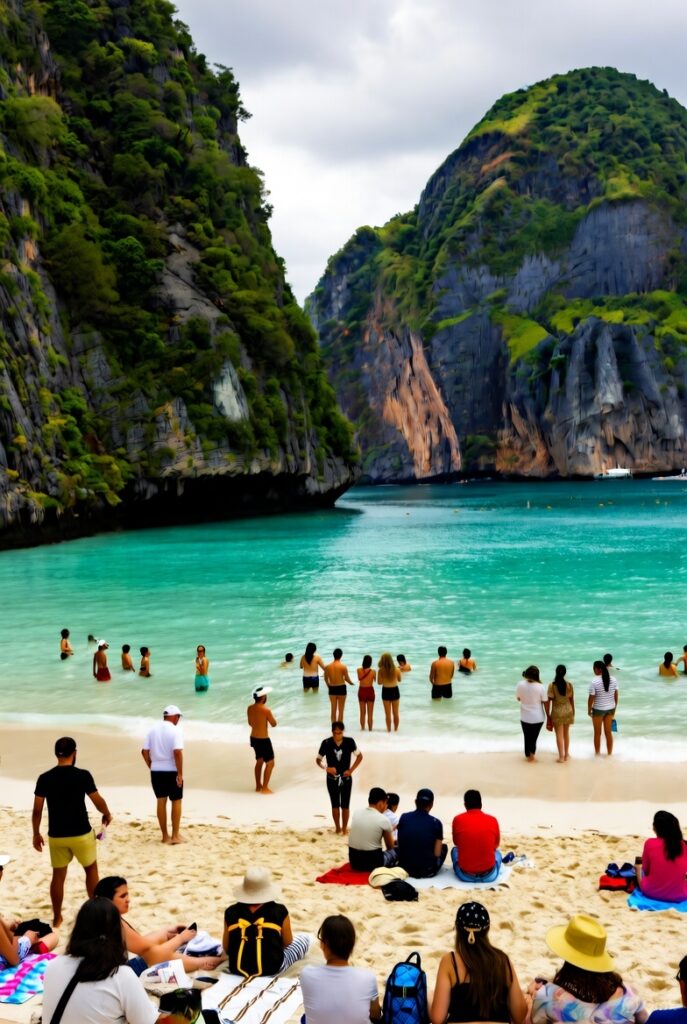
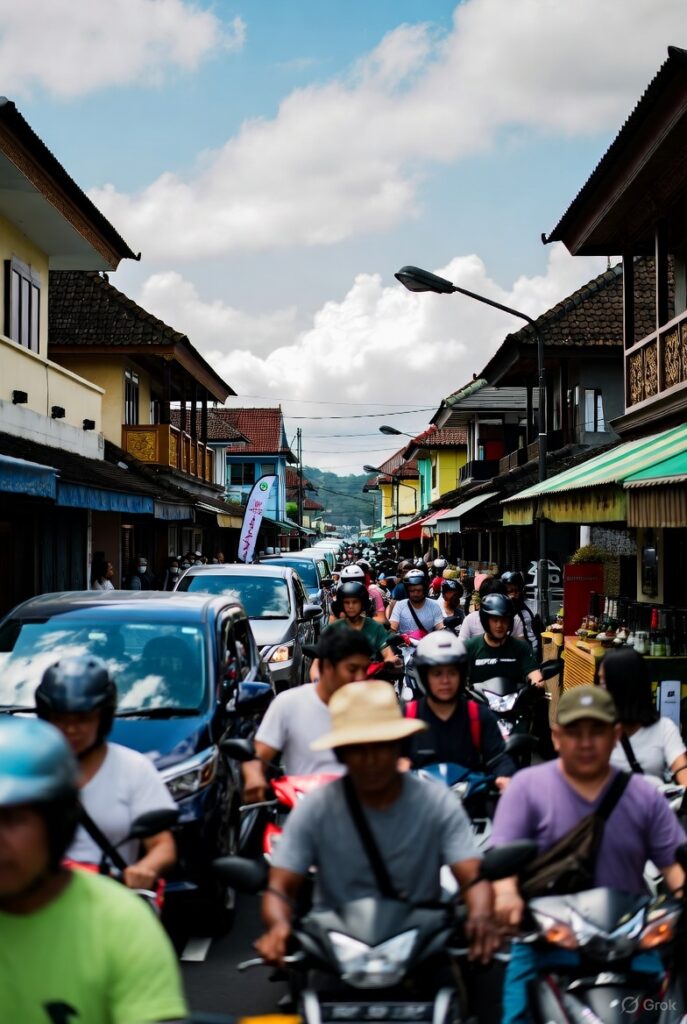
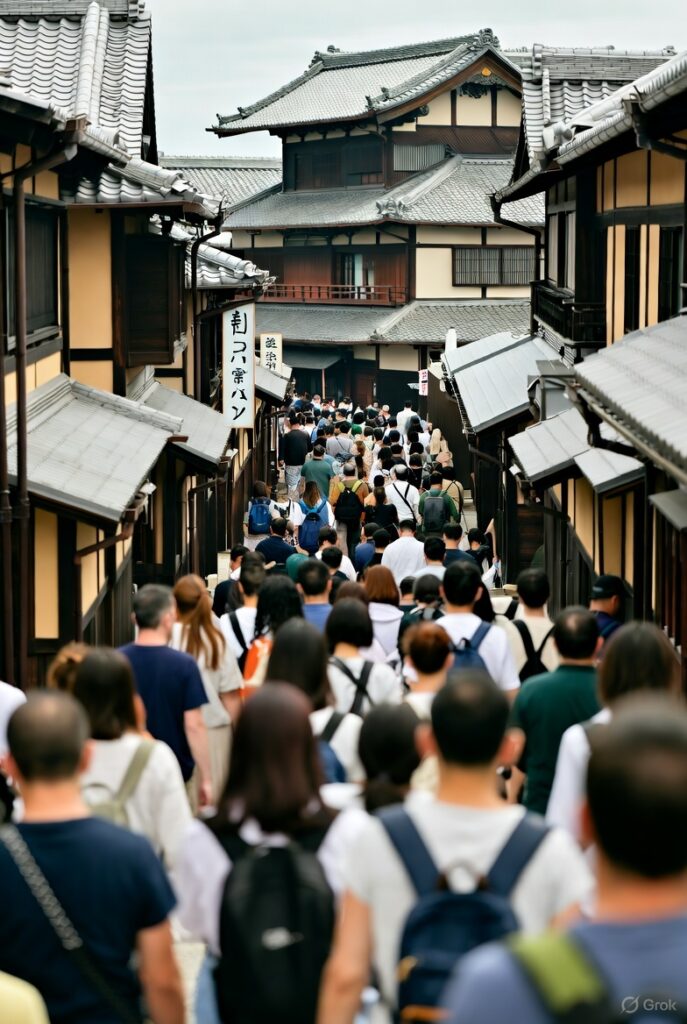
Many places in Asia have too many tourists now. This problem is called overtourism. It means there are too many people visiting the same places. This makes life hard for local people and bad for nature.
Some famous places with this problem are Bali in Indonesia, Kyoto in Japan, Phuket in Thailand, Ha Long Bay and Hoi An in Vietnam, and Boracay in the Philippines. These places are very beautiful, but they are now very crowded. The streets are full, and the beaches have too many people.
In Kyoto, many people say the city is too busy. Buses and trains are full of tourists. Some tourists act badly and do not respect local culture. In Bali, there is too much traffic and a lot of trash. Many rice fields are gone because new hotels are built. This makes floods worse.
Boracay Island had to close for six months because there were too many visitors and too much damage. Maya Bay in Thailand also closes every year for a few months to help nature recover.
There are many reasons for overtourism. Plane tickets are cheap. People want to travel after the Covid-19 pandemic. There are many tourists from China and India. Governments also make strong ads to get more visitors.
Some places try to fix the problem. They stop tourists from going to some areas or make new rules. But it is difficult because tourism gives jobs and money.
Experts say tourists should travel more responsibly. They can visit small, quiet places, go in low season, and respect local people. Asia has many beautiful places. If tourists travel carefully, they can help protect nature and local life.
##################
Summary in A2:
Many popular travel destinations in Asia are now facing a big problem called overtourism. This happens when too many tourists visit the same places, creating problems for local people, the environment, and even for other travelers.
Experts say places like Bali, Kyoto, Phuket, Ha Long Bay, Hoi An, and Boracay are among the most affected. Streets and beaches are full, traffic is heavy, and many visitors don’t respect local customs. In Kyoto, for example, local residents complain about crowded buses, noise, and tourists taking photos in private areas. Almost 90% of locals say overtourism has made life worse.
The tourism boom started after Covid-19 travel restrictions ended. Cheap flights, social media, and big advertising campaigns made travel easier than ever. More people from large countries like China and India are also traveling around Asia. According to travel organizations, places like Vietnam have seen over 20% more visitors this year.
Overtourism is also damaging the environment. In Bali, too many hotels have replaced rice fields, causing floods and water problems. Boracay Island in the Philippines had to close for six months in 2018 to repair damage from too many tourists, and Maya Bay in Thailand now closes two months each year to protect marine life.
Governments are trying to control the situation with visitor limits, higher taxes, and temporary closures, but it’s difficult because tourism brings jobs and money.
Experts suggest that travelers can help by being more responsible. They can visit less famous places, travel in the low season, and respect local traditions. Even in busy countries, it’s still possible to find quiet, beautiful areas away from the crowds. Traveling respectfully can help protect local life and nature while still enjoying Asia’s amazing culture and beauty.
#################
Summary in B1:
Many popular travel destinations in Asia are now facing a big problem called overtourism. This happens when too many tourists visit the same places, creating problems for local people, the environment, and even for other travelers.
Experts say places like Bali, Kyoto, Phuket, Ha Long Bay, Hoi An, and Boracay are among the most affected. Streets and beaches are full, traffic is heavy, and many visitors don’t respect local customs. In Kyoto, for example, local residents complain about crowded buses, noise, and tourists taking photos in private areas. Almost 90% of locals say overtourism has made life worse.
The tourism boom started after Covid-19 travel restrictions ended. Cheap flights, social media, and big advertising campaigns made travel easier than ever. More people from large countries like China and India are also traveling around Asia. According to travel organizations, places like Vietnam have seen over 20% more visitors this year.
Overtourism is also damaging the environment. In Bali, too many hotels have replaced rice fields, causing floods and water problems. Boracay Island in the Philippines had to close for six months in 2018 to repair damage from too many tourists, and Maya Bay in Thailand now closes two months each year to protect marine life.
Governments are trying to control the situation with visitor limits, higher taxes, and temporary closures, but it’s difficult because tourism brings jobs and money.
Experts suggest that travelers can help by being more responsible. They can visit less famous places, travel in the low season, and respect local traditions. Even in busy countries, it’s still possible to find quiet, beautiful areas away from the crowds. Traveling respectfully can help protect local life and nature while still enjoying Asia’s amazing culture and beauty.
#############
#####################
Bonustext (A2)
The Biggest Problem in World Tourism: Too Many Tourists
Right now, the biggest problem is that too many people are visiting the same popular places. We call this „overtourism.“
What is overtourism?
It means a city or town has more visitors than it can handle.
Why is this a big problem?
For people who live there:
Their city becomes too crowded.
The cost of food and houses goes up.
Their quiet places become noisy.
For the place itself:
The streets, beaches, and nature can get dirty or damaged.
There is more pollution.
For the tourists:
They have to wait in long lines.
They can’t enjoy the places because they are too full of people.
It doesn’t feel special or real.
Why is this happening now?
It is easy to find cheap flights.
Social media shows everyone the same beautiful places, so everyone wants to go there.
This problem is connected to other problems:
It hurts the environment. Planes and cruise ships used by tourists cause air pollution.
Local people may not get the money. Often, the money tourists spend goes to big international companies, not to small local shops.
What is the solution?
We need to change how we travel.
Visit different places. Travel to smaller cities or towns that are also beautiful.
Travel at different times. Avoid visiting during the busiest season.
Be a better tourist. Be respectful, don’t litter, and spend money at local businesses.
In short, the biggest problem is that too many people go to the same places. The solution is to spread out and be more thoughtful about how we travel.
#################
BONUSTEXT (C1,C2)
The Crisis of Overtourism and its Uneven Distribution of Impacts
While other issues like climate change, economic sustainability, and post-pandemic recovery are critical, overtourism is the most visible, immediate, and socially disruptive problem. It represents a fundamental failure to manage the success of tourism itself.
Here’s a breakdown of why overtourism is the central issue and how it connects to other major problems:
1. The Core Problem: Overtourism
Overtourism occurs when the number of visitors overwhelms a destination’s capacity, leading to negative impacts on the quality of life for residents, the visitor experience, and the environment itself.
Key Manifestations:
For Residents: Skyrocketing cost of living, displacement from city centers, degradation of public spaces, cultural commodification, and a general sense of their home becoming a theme park. This leads to rising anti-tourism sentiment, as seen in protests in cities like Barcelona, Venice, and Amsterdam.
For the Environment: Strain on natural resources (especially water), pollution (air, noise, plastic), damage to fragile ecosystems (like coral reefs or hiking trails), and increased carbon footprint from transportation.
For Visitors: A diminished experience characterized by long queues, crowded sights, „instagrammable“ hotspots that lack authenticity, and rising prices.
2. Why It’s the „Biggest“ Problem Right Now
It’s a Direct Consequence of Success: The global tourism industry has rebounded strongly post-pandemic. The pent-up demand, combined with cheaper flights and the influence of social media (directing everyone to the same „must-see“ spots), has created a perfect storm.
It’s a Systemic Failure: Overtourism isn’t an accident; it’s a result of a model that prioritizes volume over value. Many destinations and businesses are still geared towards maximizing visitor numbers rather than optimizing for quality, sustainability, and equitable distribution of benefits.
It Fuels Other Major Problems:
Climate Change: The concentration of flights and cruise ships to a small number of hotspots massively contributes to tourism’s carbon footprint.
Economic Leakage: The infrastructure built for mass tourism (international hotel chains, all-inclusive resorts) often results in less money staying in the local economy.
Cultural Erosion: The pressure to cater to millions can dilute local traditions and turn them into performances for tourists.
Other Contenders for „Biggest Problem“
While overtourism is the central node, these other issues are critically important and deeply intertwined:
The Sustainability Paradox & Climate Change: Tourism contributes significantly to greenhouse gas emissions (around 8% globally, primarily from transport), yet it relies on stable climates and pristine environments to survive. Destinations are simultaneously victims of and contributors to climate change. The industry is struggling to decouple its growth from its environmental impact.
The „Leakage“ Problem and Lack of Economic Equity: In many developing destinations, a shocking percentage of tourism revenue (sometimes over 80%) „leaks“ out of the local economy back to foreign-owned airlines, hotel chains, and tour operators. This prevents tourism from fulfilling its promise as a true tool for poverty reduction and local development.
Post-Pandemic Volatility and Workforce Shortages: The industry is still recovering from the shock of COVID-19. Many skilled workers left the sector and have not returned, leading to staffing shortages that affect service quality and operational capacity. This is compounded by geopolitical instability and fluctuating travel confidence.
The Path Forward: A Shift in Model
The biggest problem, therefore, is not tourism itself, but the model of tourism we have embraced. The solution lies in a concerted move away from mass volume and towards:
Dispersal: Promoting lesser-known destinations and encouraging travel during off-peak seasons.
Decarbonization: Accelerating the shift to sustainable aviation fuels, improving land transport options, and promoting slow travel.
Community-Centric Tourism: Developing models where local communities have more control and receive a more significant share of the benefits (e.g., community-based tourism).
Management and Regulation: Implementing smart, evidence-based policies like tourist taxes, visitor caps, timed ticketing, and investing in infrastructure that benefits residents first and foremost.
In conclusion, while the challenges are immense, the current crisis of overtourism presents a necessary opportunity to rethink and reshape global tourism into a more resilient, equitable, and sustainable system for everyone involved.
###################
BONUSTEXT (A2)
Overtourism is a big problem in the world. It happens when too many tourists go to a place, and it causes problems for local people and the environment.
One problem is that local people might not like it. When there are too many tourists, prices for things like food and houses go up. This makes it hard for local people to afford these things. For example, in Barcelona, many local people are unhappy because tourists are paying high prices for apartments, and this makes it hard for them to find a place to live.
Another problem is that tourism can hurt the environment. Many tourists mean more trash, more pollution, and more damage to natural places. For example, in Venice, the water is dirty, and the buildings are getting damaged because of all the tourists. In Bali, the beaches are getting crowded, and the local government is trying to limit the number of tourists to protect the environment.
Some places are trying to manage tourism better. For example, in Iceland, the government is trying to spread tourists out to different areas so that popular places don’t get too crowded. In Bhutan, the government charges a special fee for tourists to make sure that tourism helps the country and doesn’t hurt it.
Tourism can be good for a place because it brings money and jobs. But if it’s not managed well, it can cause big problems. Many places are trying to find ways to make tourism work for everyone – for local people, for tourists, and for the environment.
Places like Amsterdam and Dubrovnik are also trying new ideas. In Amsterdam, they’re trying to make sure tourists behave well and respect local rules. In Dubrovnik, they limited the number of cruise ships that can come to the city each day.
Overall, overtourism is a big challenge, but many places are working to make tourism better for everyone.
Everyone has a dream or a goal in life. It can be to learn English, to get a better job, or to save money. To reach your goal, you need good planning, discipline, and you must never give up.
First, know your goal. Be clear about what you want. Say, “I want to speak English well,” or “I want to run every day.”
Second, make a plan. Write small steps. Do one small thing every day.
Third, stay focused. Sometimes you feel tired or lazy, but keep trying. Think about your dream and why it is important for you.
Fourth, check your progress. Look at what you already did and what you still need to do.
Fifth, get support. Talk to friends or family who can help you.
Finally, celebrate your success. When you reach your goal, be happy and proud of yourself.
With planning, discipline, and never giving up, you can reach your personal goal.
_____________________
Vocabulary:
to stay focused → to pay attention to one thing
a goal → something you want to do or get
revised version → a new or better version after changes
to save money → to keep money for later
to reach a goal → to finish or complete your goal
never → not ever
to give up → to stop trying
small steps → little things you do to finish a big task
sometimes → not always, at some times
to feel tired → to want to rest because of work or activity
to be lazy → not want to work or do anything
to keep trying → to continue trying, not stopping
to check progress → to look at what you have done and how much is left
to need → to want or must have something
to get support → to have help from someone
to celebrate → to be happy and show happiness for something good
success → when you finish your goal or do something well
to be proud → to feel happy about what you did
#########################
Multiple choice, one answer correct:
What does it mean to stay focused? a) To pay attention b) To look at many things c) To think about other things for a long time
What is a goal? a) Something you see on TV b) Something you want to do c) Something you want very badly all the time
What is a revised version? a) The first version b) A version you throw away c) A new version with many changes
What does it mean to save money? a) To keep money b) To spend money quickly c) To buy many things at once
What does to reach a goal mean? a) To start a new goal b) To finish your goal c) To forget your goal and everything else
What does never mean? a) Sometimes b) Every day c) Not at any time
What does to give up mean? a) To stop trying b) To continue working c) To stop and never try again
What are small steps? a) Big things you do b) Things you do without a plan c) Little things you do to finish a task
What does sometimes mean? a) Always b) Not always c) Never in your whole life
What does to feel tired mean? a) To want to rest b) To feel happy c) To feel strong all the time
What does to be lazy mean? a) To work hard b) To not want to work c) To do nothing forever
What does to keep trying mean? a) To give up b) To stop trying c) To continue trying
What does to check progress mean? a) To look at what is done b) To ignore your work c) To see nothing and do nothing
What does to need mean? a) To forget something b) To want or must have something c) To never want anything at all
What does to get support mean? a) To work alone b) To ignore others c) To have help from someone
What does to celebrate mean? a) To be happy and show happiness b) To be sad c) To work silently all the time
What is success? a) When you fail b) When you finish your goal c) When you do nothing and lose
What does to be proud mean? a) To be unhappy b) To feel happy c) To feel jealous all the time
What does it mean to stay focused? – To pay attention
What is a goal? – Something you want to do
What is a revised version? – A new version with many changes
What does it mean to save money? – To keep money
What does to reach a goal mean? – To finish your goal
What does never mean? – Not at any time
What does to give up mean? – To stop trying
What are small steps? – Little things you do to finish a task
What does sometimes mean? – Not always
What does to feel tired mean? – To want to rest
What does to be lazy mean? – To not want to work
What does to keep trying mean? – To continue trying
What does to check progress mean? – To look at what is done
What does to need mean? – To want or must have something
What does to get support mean? – To have help from someone
What does to celebrate mean? – To be happy and show happiness
What is success? – When you finish your goal
What does to be proud mean? – To feel happy
##################
Match the word with its definition
Words:
to stay focused
a goal
revised version
to save money
to reach a goal
never
to give up
small steps
sometimes
to feel tired
to be lazy
to keep trying
to check progress
to need
to get support
to celebrate
success
to be proud
Definitions :
a. To finish your goal b. To continue trying c. Not at any time d. To want or must have something e. Little things you do to finish a task f. Something you want to do g. To stop trying h. To pay attention i. To have help from someone j. To feel happy about what you did k. To look at what is done l. To be happy and show happiness m. A new version with many changes n. To keep money o. Not always p. To not want to work q. When you finish your goal r. To want to rest
small steps – Little things you do to finish a task
sometimes – Not always
to feel tired – To want to rest
to be lazy – To not want to work
to keep trying – To continue trying
to check progress – To look at what is done
to need – To want or must have something
to get support – To have help from someone
to celebrate – To be happy and show happiness
success – When you finish your goal
to be proud – To feel happy about what you did
#################
True or false:
You should set a clear and specific goal.
Goals should not have a deadline.
Breaking a goal into smaller steps makes it easier to achieve.
You do not need a plan to reach your goal.
Visualizing success can help you stay motivated.
It is important to expect challenges and obstacles.
You should give up if you feel tired.
Tracking your progress can help you reach your goal.
You should never adapt your plan even if something changes.
Celebrating small achievements is not useful.
Finding support from others can help you achieve your goal.
Reviewing your progress helps you improve your plan.
Reaching your goal makes you feel proud.
______________________
True: 1, 3, 5, 6, 8, 11, 12, 13
______________________
Correct version:
You should set a clear and specific goal.
Goals should not have a deadline. – True is: Goals should have a deadline.
Breaking a goal into smaller steps makes it easier to achieve.
You do not need a plan to reach your goal. – True is: You need a plan to reach your goal.
Visualizing success can help you stay motivated.
It is important to expect challenges and obstacles.
You should give up if you feel tired. – True is: You should keep trying even if you feel tired.
Tracking your progress can help you reach your goal.
You should never adapt your plan even if something changes. – True is: You should adapt your plan if something changes.
Celebrating small achievements is not useful. – True is: Celebrating small achievements is useful.
Finding support from others can help you achieve your goal.
Reviewing your progress helps you improve your plan.
Reaching your goal makes you feel proud.
###################
Retell the story in order:
Celebrate your success.
Know your goal clearly.
Get support from friends or family.
Make a plan with small steps.
Stay focused when you feel tired or lazy.
Check your progress.
Never give up.
____________________
Correct Order:
Know your goal clearly.
Make a plan with small steps.
Stay focused when you feel tired or lazy.
Check your progress.
Get support from friends or family.
Never give up.
Celebrate your success.
##############
Short answer questions :
What does everyone have in life?
Give one example of a goal.
Give another example of a goal.
What is the first step to reach a goal?
What is the second step to reach a goal?
What should you do if you feel tired or lazy?
Why is it important to check your progress?
Who can help you reach your goal?
What is the final step after reaching your goal?
How can planning, discipline, and never giving up help you?
___________________________
Answers:
Everyone has a dream or a goal.
Learn English.
Get a better job or save money.
Know your goal.
Make a plan and write small steps.
Keep trying.
To see what you have done and what you still need to do.
Friends or family.
Celebrate your success.
They help you reach your personal goal.
###################
Dialogue, fill in, words below:
family – dream – clearly – speak – proud – job – every day – at home – evening – giving up – small – progress – feel proud – friends
—————————————–
Interviewer: Hello! Can you tell me your name? Young Lady: My name is Ahou.
1. Interviewer: What is your dream? Ahou: My dream is to __________ English well.
2. Interviewer: Why do you want to speak English? Ahou: Because I want a better __________ and to travel.
3. Interviewer: Who helps you with your dream? Ahou: My friends and my __________ help me.
4. Interviewer: Where do you study English? Ahou: I study English __________ and at school.
5. Interviewer: When do you study every day? Ahou: I study every morning and sometimes in the __________.
6. Interviewer: How do you start to reach your goal? Ahou: First, I know my goal __________.
7. Interviewer: What do you do after you know your goal? Ahou: I make a plan and write __________ steps.
8. Interviewer: How often do you do a small step? Ahou: I do one small step __________.
9. Interviewer: What do you do if you feel tired or lazy? Ahou: I keep trying and think about my __________.
10. Interviewer: How do you check your __________? Ahou: I look at what I already did and what I still need to do.
11. Interviewer: Who gives you support? Ahou: My __________and my family give me support.
12. Interviewer: What do you do when you reach your goal? Ahou: I celebrate and __________ of myself.
13. Interviewer: Why is it important to never give up? Ahou: Because with planning, discipline, and never ___________, I can reach my goal.
14. Interviewer: How do you feel when you achieve your dream? Ahou: I feel happy and __________.
_________________________
Correct version:
Interviewer: Hello! Can you tell me your name? Young Lady: My name is Ahou.
1. Interviewer: What is your dream? Ahou: My dream is to speak English well.
2. Interviewer: Why do you want to speak English? Ahou: Because I want a better job and to travel.
3. Interviewer: Who helps you with your dream? Ahou: My friends and my family help me.
4. Interviewer: Where do you study English? Ahou: I study English at home and at school.
5. Interviewer: When do you study every day? Ahou: I study every morning and sometimes in the evening.
6. Interviewer: How do you start to reach your goal? Ahou: First, I know my goal clearly.
7. Interviewer: What do you do after you know your goal? Ahou: I make a plan and write small steps.
8. Interviewer: How often do you do a small step? Ahou: I do one small step every day.
9. Interviewer: What do you do if you feel tired or lazy? Ahou: I keep trying and think about my dream.
10. Interviewer: How do you check your progress? Ahou: I look at what I already did and what I still need to do.
11. Interviewer: Who gives you support? Ahou: My friends and my family give me support.
12. Interviewer: What do you do when you reach your goal? Ahou: I celebrate and feel proud of myself.
13. Interviewer: Why is it important to never give up? Ahou: Because with planning, discipline, and never giving up, I can reach my goal.
14. Interviewer: How do you feel when you achieve your dream? Ahou: I feel happy and proud.
##################
Read:
My name is Ahou. My goal is to speak English well. I stay focused by knowing my goal clearly and making a plan with small steps. I do one small thing every day. Sometimes I feel tired or lazy, but I keep trying. I think about my dream and why it is important for me. I check my progress to see what I have done and what I still need to do. My friends and my family give me support. When I reach my goal, I celebrate and feel proud of myself. With planning, discipline, and never giving up, I can reach my goal.
____________________
Rewrite story above, starting with
>>>>>>>>>>>His name is Ahou. His goal is……….
make all changes necessary!
___________________
Correct version:
Her name is Ahou. Her goal is to speak English well. She stays focused by knowing her goal clearly and making a plan with small steps. She does one small thing every day. Sometimes she feels tired or lazy, but she keeps trying. She thinks about her dream and why it is important for her. She checks her progress to see what she has done and what she still needs to do. Her friends and her family give her support. When she reaches her goal, she celebrates and feels proud of herself. With planning, discipline, and never giving up, she can reach her goal.
######################
🧭 Cheat Sheet: How to Improve Your English
1. Define Your Goal Clearly
Be Specific: Decide exactly what you want. → Example: “I want to speak English confidently with tourists” instead of “I want to be better at English.”
Measurable: Choose something you can check. → Example: “I want to learn 10 new words every day.”
Achievable: Be realistic. → Example: “I will study 20 minutes daily,” not “I will study 5 hours every day.”
Relevant: Make sure your goal fits your life. → Example: “I need English for my job.”
Time-Bound: Set a deadline. → Example: “I want to reach A2 level in six months.”
I love working in tourism because it is interesting, fun, and useful. First, I meet tourists from many countries. I learn about their languages, food, and culture. I hear interesting stories and make new friends. I enjoy talking to people and sharing experiences.
Second, I like sharing my culture. I show visitors my city, village, and countryside. I explain our festivals, temples, markets, handicrafts, and traditional clothes. I teach tourists how people live in my country. I feel proud when they enjoy and understand our culture.
Working in tourism is always exciting. Every day is different. Sometimes I guide tourists in nature, sometimes in the city. I see beautiful landscapes, historic sites, and monuments. I also join festivals and events.
I enjoy helping others. I show tourists the best places, answer questions, and solve problems. It makes me happy when they leave with good memories.
I also learn and grow. I improve my English, communication, and confidence. I become independent and organized.
Tourism helps my community too. It brings money to local people, farmers, and shops. I feel proud to support my village and country.
Finally, tourism is fun and gives me satisfaction. I enjoy new experiences, meet people, and sometimes travel. It is a job that teaches me many things and makes me happy every day.
_____________________
Voacbulary:
to be useful – to help you or others
a country – a place with its own government, people, and land
to make friends – to meet people and like them
to enjoy – to like something and feel happy
to share an experience – to tell someone about something you do or feel
to explain – to tell or show someone how something works
a handicraft – something made by hand, like art or clothes
traditional clothes – clothes that are special in a country or culture
to feel proud – to feel happy about yourself or someone else
to be exciting – to make you feel happy and interested
to guide tourists – to show visitors places and tell them about them
sometimes – not always, but some times
a landscape – the land and view you see, like mountains or fields
to join an event – to take part in a party, festival, or activity
to solve a problem – to find an answer or fix something that is wrong
good memories – happy things that you remember
to improve one’s English – to get better at speaking, reading, or writing English
communication – talking or sharing information with other people
confidence – feeling sure about yourself
to become independent – to do things by yourself
a community – a group of people who live or work together
to support – to help someone or something
finally – at the end
to give satisfaction – to make you feel happy and proud
############### Structured version:
1. Meeting people
I meet tourists from many countries.
I learn about their language, food, and culture.
I hear interesting stories from travelers.
I make new friends from around the world.
I enjoy talking to people and sharing experiences.
2. Sharing my culture
I show visitors my city, village, or countryside.
I explain our festivals, temples, and traditional clothes.
I introduce local markets, handicrafts, and art.
I teach tourists how people live in my country.
I feel proud when tourists enjoy and understand our culture.
3. Exciting work
Every day is different; no day is the same.
Sometimes I guide tourists in nature, sometimes in the city.
I see beautiful landscapes, historic sites, and monuments.
I experience new events and festivals with tourists.
I never feel bored because there is always something to do.
4. Helping others
I help tourists find the best places to visit.
I answer questions about transport, hotels, and activities.
I solve problems when tourists have difficulties.
I give advice about safety and local customs.
I feel happy when tourists leave with good memories.
5. Learning and growing
I practice English and sometimes other languages.
I improve communication, listening, and speaking skills.
I learn about different cultures, traditions, and ways of life.
I become more confident and independent.
I develop organization, planning, and problem-solving skills.
6. Supporting my community
I show tourists local traditions and crafts.
Tourism brings money to local people, shops, and markets.
I help promote local festivals and events.
I support farmers, artists, and small businesses.
I feel proud when my community grows and succeeds.
7. Fun and adventure
I discover new places and hidden spots.
I try new experiences with tourists.
I enjoy festivals, parades, and cultural events.
I take photos and make memories with visitors.
I feel excited and motivated every day.
8. Personal satisfaction
I feel happy helping tourists have fun.
I see their smiles and appreciation.
I feel proud to represent my country.
I enjoy learning new things and teaching others.
I feel that my work is meaningful and important.
9. Career opportunities
I can work in hotels, travel agencies, or tour companies.
I can become a guide, driver, or event organizer.
I can meet experienced professionals and learn from them.
I can travel to new places for work.
Tourism can help me grow professionally and personally.
#####################
Multiple choice:
What does to be useful mean? a) to help someone or something b) to waste time doing nothing c) to do something that is not helpful
What is a country? a) a small shop or market place b) a place with its own people and land c) a single city in the world
What does to make friends mean? a) to meet people and like them b) to play alone all the time c) to never speak with anyone
What does to enjoy mean? a) to sit quietly and do nothing b) to feel bored and unhappy c) to like something and feel happy
What is to share an experience? a) to keep all experiences private b) to tell someone about what you do c) to forget everything that happens
What does to explain mean? a) to hide something and not tell b) to show clearly how something works c) to leave someone confused
What is a handicraft? a) a fast food or drink you buy b) a machine used in a factory c) an object made by hand carefully
What are traditional clothes? a) any clothes from shops or stores b) clothes that people wear for culture c) old clothes that are broken or torn
What does to feel proud mean? a) to feel tired and want to rest b) to feel happy about yourself or others c) to feel sad about everything
What does to be exciting mean? a) to make someone sleepy or bored b) to make someone feel angry c) to make someone happy or interested
What is to guide tourists? a) to sell tickets at a shop b) to show visitors places and explain c) to ignore tourists and stay home
What does sometimes mean? a) not always but at some times b) never at any time c) always every single day
What is a landscape? a) a small room inside a building b) a type of clothes people wear c) the natural view of mountains or fields
What does to join an event mean? a) to stay home and watch TV b) to take part in a festival or party c) to sleep instead of going out
What is to solve a problem mean? a) to forget the problem completely b) to find an answer or fix something c) to start a game or activity
What are good memories? a) happy things that you remember well b) things you forget very quickly c) bad things that make you sad
What does to improve one’s English mean? a) to stop learning English forever b) to get better at speaking and reading c) to read a story without learning
What is communication? a) doing sports alone outside b) talking or sharing ideas with others c) eating food very quickly
What is confidence? a) feeling hungry or wanting food b) feeling tired or sleepy all day c) feeling sure about yourself or skills
What does to become independent mean? a) to stay at home and not do anything b) to always follow other people c) to do things by yourself without help
What is a community? a) one person living alone in a house b) a building where people live c) a group of people who live or work together
What does to support mean? a) to take a long walk alone outside b) to help someone or something in need c) to hide something and not tell
What does finally mean? a) at the beginning of an event b) sometimes but not always c) at the end of something important
What does to give satisfaction mean? a) to make someone happy and proud b) to make someone angry or sad c) to make someone sleep or rest
What does to be useful mean? – to help someone or something
What is a country? – a place with its own people and land
What does to make friends mean? – to meet people and like them
What does to enjoy mean? – to like something and feel happy
What is to share an experience? – to tell someone about what you do
What does to explain mean? – to show clearly how something works
What is a handicraft? – an object made by hand carefully
What are traditional clothes? – clothes that people wear for culture
What does to feel proud mean? – to feel happy about yourself or others
What does to be exciting mean? – to make someone happy or interested
What is to guide tourists? – to show visitors places and explain
What does sometimes mean? – not always but at some times
What is a landscape? – the natural view of mountains or fields
What does to join an event mean? – to take part in a festival or party
What is to solve a problem mean? – to find an answer or fix something
What are good memories? – happy things that you remember well
What does to improve one’s English mean? – to get better at speaking and reading
What is communication? – talking or sharing ideas with others
What is confidence? – feeling sure about yourself or skills
What does to become independent mean? – to do things by yourself without help
What is a community? – a group of people who live or work together
What does to support mean? – to help someone or something in need
What does finally mean? – at the end of something important
What does to give satisfaction mean? – to make someone happy and proud
####################
Match the word with its definition:
Words:
to be useful
a country
to make friends
to enjoy
to share an experience
to explain
a handicraft
traditional clothes
to feel proud
to be exciting
to guide tourists
sometimes
a landscape
to join an event
to solve a problem
good memories
to improve one’s English
communication
confidence
to become independent
a community
to support
finally
to give satisfaction
Definitions:
A. an object made by hand carefully B. a group of people who live or work together C. to help someone or something D. to tell someone about what you do E. to show clearly how something works F. to like something and feel happy G. clothes that people wear for culture H. to feel happy about yourself or others I. the natural view of mountains or fields J. to take part in a festival or party K. to find an answer or fix something L. to get better at speaking and reading M. talking or sharing ideas with others N. feeling sure about yourself or skills O. to do things by yourself without help P. not always but at some times Q. at the end of something important R. to show visitors places and explain S. to meet people and like them T. to make someone happy and interested U. a place with its own people and land V. to make someone happy and proud
Tourists can learn about local markets, handicrafts, and art.
A country is always a city with many buildings. True is: a country is a place with its own people and land
Working in tourism helps you improve your English.
You never meet people when you work in tourism. True is: you meet people and make friends when you work in tourism
Guiding tourists can include visiting temples and festivals.
Sometimes, you may feel proud when your community grows.
Communication skills do not improve in tourism work. True is: communication skills improve in tourism work
Sharing an experience means telling someone about what you do.
Traditional clothes are what people wear for culture.
You enjoy working in tourism when every day is the same. True is: every day is different in tourism work
Good memories are happy things that you remember well.
To support local farmers and artists is part of tourism work.
Confidence has nothing to do with guiding tourists. True is: confidence helps you guide tourists and do your job well
Landscapes can be mountains, fields, or other natural views.
#####################
Multiple choice, one answer correct:
Why does the writer like meeting tourists? a) They share stories b) They always speak the same language c) They can buy many souvenirs
What can tourists learn about in the writer’s country? a) Only museums and shops b) Festivals, temples, and traditional clothes c) Fast food and restaurants
Why is working in tourism exciting? a) Every day is different b) It is always easy and quiet c) They never go outside
How does tourism help the local community? a) It closes the markets b) It only helps the guide c) It brings money to local people
What does the writer enjoy about sharing their culture? a) Watching TV at home b) Showing visitors the city c) Eating food in restaurants
How does guiding tourists help the writer personally? a) It makes them bored b) It improves English and confidence c) It forces them to stay home
What does the writer feel when tourists enjoy their visit? a) Angry b) Confused c) Happy and proud
Why do tourists like visiting local markets? a) They only look at restaurants b) They sit quietly c) They see handicrafts and art
What is one way the writer supports the community? a) Staying at home b) Ignoring local people c) Promoting local festivals
Why does tourism give the writer satisfaction? a) Spending time alone b) Avoiding people c) Helping tourists have fun
Anan lives and studies at the foundation. Every morning he wakes up early and eats breakfast with his friends. At 8 o’clock he goes to class. The teacher teaches him English words for hotel work, like “guest,” “room,” and “clean.” He learns to say hello and welcome to visitors.
After that, Anan studies how to work in a hotel. Some days he learns about the front desk. He learns to smile, speak politely, and help guests. Other days he learns about cleaning rooms. He practices making beds, washing towels, and keeping everything nice and tidy.
At lunchtime, Anan eats with the other students. In the afternoon, he has practice time. Sometimes he works in a small training hotel. He serves drinks, carries bags, or helps in the restaurant. The teachers watch and help him do it better.
Later in the day, he has lessons about life and good manners. He learns how to work in a team and how to be kind to others.
In the evening, he studies English again or plays football with friends. After dinner, he goes back to his room, reads a little, and then sleeps. He feels happy because every day he learns something new for his future.
_____________________
Vocabulary:
a foundation – a place that helps people learn or get support
to wake up – to open your eyes in the morning
breakfast – the first meal in the morning
to teach somebody English – to help a person learn English words and speaking
to welcome a visitor – to say hello and make a guest feel happy to come
to study – to learn and read about something
to smile – to show happiness on your face
to speak politely – to talk in a kind and nice way
to clean rooms – to make rooms neat and not dirty
to practice making beds – to learn how to make a bed again and again
a towel – a piece of cloth to dry your body or hands
tidy – clean and in good order
lunchtime – the time in the middle of the day to eat
practice time – time to do something again to get better
to serve a drink – to give a drink to someone
to carry bags – to take bags in your hands and move them
good manners – to behave nicely and be polite
to be kind – to be nice and helpful to people
future – the time that comes after today
########################
Multiple choice, one answer correct:
1. A foundation is a place that… a) helps people b) sells food c) makes cars
2. To wake up means… a) open your eyes b) go to bed c) eat breakfast
3.Breakfast is… a) morning food b) night food c) evening food
4. To teach somebody English means… a) play games b) help learn c) sleep
5. To welcome a visitor means… a) close the door b) say hello c) go away
6. To study means… a) sing songs b) learn more c) run
7. To smile means… a) show happy face b) cry c) shout
8. To speak politely means… a) talk loudly b) talk nicely c) talk fast
9. To clean rooms means… a) make tidy b) move furniture c) paint walls
10. To practice making beds means… a) jump on bed b) sleep in bed c) make bed correctly
11. A towel is… a) for eating b) for walking c) for drying
12.Tidy means… a) very dark b) old c) clean and neat
13.Lunchtime is… a) play time b) time to eat c) sleep time
14.Practice time is… a) watch TV b) go home c) time to practice
15. To serve a drink means… a) cook rice b) rest c) give a drink
16. To carry bags means… a) sit down b) hold bags c) draw pictures
17.Good manners means… a) shout b) eat fast c) be polite
18. To be kind means… a) be angry b) sleep late c) help people
19.Future means… a) before now b) today c) after now
To practice making beds means to make the bed correctly.
A towel is for drying.
Tidy means clean.
Lunchtime means time to eat.
Practice time means time to practice.
To serve a drink means to give a drink.
To carry bags means to hold bags.
Good manners means to be polite.
To be kind means to help people.
Future means after now.
###################
Match word with definiton:
Vocabulary
Foundation
Wake up
Breakfast
Teach somebody English
Welcome a visitor
Study
Smile
Speak politely
Clean rooms
Practice making beds
Towel
Tidy
Lunchtime
Practice time
Serve a drink
Carry bags
Good manners
Be kind
Future
Definitions:
A. Time to eat B. To hold bags C. To make a bed correctly D. To open your eyes E. To give a drink F. To talk nicely G. A place that helps people H. To help learn English I. To say hello to someone J. To clean and make tidy K. A piece of cloth for drying L. To smile or show a happy face M. To learn more N. To be polite O. To show kindness P. Morning food Q. Time to practice R. After now S. To clean rooms
To wake up means to go to sleep. True is: To wake up means to open your eyes.
A towel is for drying.
To clean rooms means to make the room not tidy. True is: To clean rooms means to make the room tidy.
Smile means to show a happy face.
To speak politely means to talk nicely.
Lunchtime means time to eat.
Practice making beds means to sleep in the bed. True is: Practice making beds means to make the bed correctly.
Be kind means to help people.
Carry bags means not hold bags. True is: Carry bags means to hold bags.
Serve a drink means to give a drink.
Tidy means very dark. True is: Tidy means clean.
Study means to learn more.
Welcome a visitor means to close the door. True is: Welcome a visitor means to say hello.
####################
Short answers
basics:
Example Sentence
Yes
No
I learn the alphabet.
Yes, I do.
No, I don’t.
You read signs.
Yes, you do.
No, you don’t.
He practices speaking.
Yes, he does.
No, he doesn’t.
She watches cartoons.
Yes, she does.
No, she doesn’t.
It helps us learn English.
Yes, it does.
No, it doesn’t.
We use apps like Duolingo.
Yes, we do.
No, we don’t.
You read labels.
Yes, you do.
No, you don’t.
They make mistakes sometimes.
Yes, they do.
No, they don’t.
Question
Yes
No
Do I learn the alphabet?
Yes, I do.
No, I don’t.
Do you read signs?
Yes, you do.
No, you don’t.
Does he practice speaking?
Yes, he does.
No, he doesn’t.
Does she watch cartoons?
Yes, she does.
No, she doesn’t.
Does it help us learn English?
Yes, it does.
No, it doesn’t.
Do we use apps like Duolingo?
Yes, we do.
No, we don’t.
Do you read labels?
Yes, you do.
No, you don’t.
Do they make mistakes sometimes?
Yes, they do.
No, they don’t.
Question
Yes
No
Am I big?
Yes, I am.
No, I am not.
Are you big?
Yes, you are.
No, you aren’t.
Is he big?
Yes, he is.
No, he isn’t.
Is she big?
Yes, she is.
No, she isn’t.
Is it big?
Yes, it is.
No, it isn’t.
Are we big?
Yes, we are.
No, we aren’t.
Are you big?
Yes, you are.
No, you aren’t.
Are they big?
Yes, they are.
No, they aren’t.
###################
Give short answers:
Breakfast is eaten in the morning.
YOU WRITE: Yes, it is.
People wake up in the night.
YOU WRITE: No, they don’t.
A towel is used for drying your body. ____________________________
Rooms are cleaned to make them tidy. ____________________________
A smile shows a happy face. ____________________________
Polite people talk loudly. ____________________________
Lunchtime is the time to eat food. ____________________________
Beds are practiced to be made correctly. ____________________________
Kind people help other people. ____________________________
Bags are carried to hold them. ____________________________
Drinks are served to give them to someone. ____________________________
Tidy means very dark. ____________________________
Students study to learn more. ____________________________
Visitors are welcomed by saying hello. ____________________________
Breakfast is eaten at night. ____________________________
People wake up and go back to sleep. ____________________________
Rooms are cleaned to make them not tidy. ____________________________
A smile means a person cries. ____________________________
Polite people talk nicely. ____________________________
Practice time is the time to practice. ____________________________
————————————–
Correct version:
Breakfast is eaten in the morning. Yes, it is.
People wake up in the night. No, they don’t.
A towel is used for drying your body. Yes, it is.
Rooms are cleaned to make them tidy. Yes, they are.
A smile shows a happy face. Yes, it does.
Polite people talk loudly. No, they don’t.
Lunchtime is the time to eat food. Yes, it is.
Beds are practiced to be made correctly. Yes, they are.
Kind people help other people. Yes, they do.
Bags are carried to hold them. Yes, they are.
Drinks are served to give them to someone. Yes, they are.
Tidy means very dark. No, it doesn’t.
Students study to learn more. Yes, they do.
Visitors are welcomed by saying hello. Yes, they are.
Breakfast is eaten at night. No, it isn’t.
People wake up and go back to sleep. No, they don’t.
Rooms are cleaned to make them not tidy. No, they aren’t.
A smile means a person cries. No, it doesn’t.
Polite people talk nicely. Yes, they do.
Practice time is the time to practice. Yes, it is.
##################
Correct the statements as shown:
Breakfast is eaten at night.
YOU WRITE: No, it isn’t. It is eaten in the morning.
People wake up and go back to sleep.
YOU WRITE: No, they don’t. They wake up and eat breakfast.
A towel is used for cooking. ____________________________
Rooms are cleaned to make them dirty. ____________________________
Smile means a person cries. ____________________________
Polite people talk loudly. ____________________________
Lunchtime is a time to sleep. ____________________________
Beds are practiced to sleep in them. ____________________________
Be kind means to be angry. ____________________________
Carry bags means to throw them away. ____________________________
Drinks are served to cook food. ____________________________
Study means to play games. ____________________________
Visitors are welcomed by closing the door. ____________________________
Tidy means very dark. ____________________________
Practice time means time to watch TV. ____________________________
Students study to sleep. ____________________________
———————————
Correct answers:
Breakfast is eaten at night. No, it isn’t. It is eaten in the morning.
People wake up and go back to sleep. No, they don’t. They wake up and eat breakfast.
A towel is used for cooking. No, it isn’t. It is used for drying.
Rooms are cleaned to make them dirty. No, they aren’t. They are cleaned to make them tidy.
Smile means a person cries. No, it doesn’t. It means to show a happy face.
Polite people talk loudly. No, they don’t. They talk nicely.
Lunchtime is a time to sleep. No, it isn’t. It is time to eat.
Beds are practiced to sleep in them. No, they aren’t. They are practiced to be made correctly.
Be kind means to be angry. No, it doesn’t. It means to help people.
Carry bags means to throw them away. No, it doesn’t. It means to hold bags.
Drinks are served to cook food. No, they aren’t. They are served to give drinks.
Study means to play games. No, it doesn’t. It means to learn more.
Visitors are welcomed by closing the door. No, they aren’t. They are welcomed by saying hello.
Tidy means very dark. No, it doesn’t. It means clean.
Practice time means time to watch TV. No, it isn’t. It is time to practice.
Students study to sleep. No, they don’t. They study to learn more.
################### Basics:
Personal Pronoun
am / is / are
I
am
8 years old
You
are
8 years old
He
is
8 years old
She
is
8 years old
It
is
8 years old
We
are
8 years old
You (plural)
are
8 years old
They
are
8 years old
Personal Pronoun
am not / is not / are not
I
am not
8 years old
You
are not
8 years old
He
is not
8 years old
She
is not
8 years old
It
is not
8 years old
We
are not
8 years old
You (plural)
are not
8 years old
They
are not
8 years old
Question:
Question Word
Personal Pronoun
Am
I
8 years old?
Are
you
8 years old?
Is
he
8 years old?
Is
she
8 years old?
Is
it
8 years old?
Are
we
8 years old?
Are
you (plural)
8 years old?
Are
they
8 years old?
Statement:
Personal Pronoun
Verb
I
like
ice cream
You
like
ice cream
He
likes
ice cream
She
likes
ice cream
It
likes
ice cream
We
like
ice cream
You (plural)
like
ice cream
They
like
ice cream
Negation:
Personal Pronoun
Verb (negative)
I
do not like
ice cream
You
do not like
ice cream
He
does not like
ice cream
She
does not like
ice cream
It
does not like
ice cream
We
do not like
ice cream
You (plural)
do not like
ice cream
They
do not like
ice cream
Question:
Do / Does
Personal Pronoun
Verb
Sugar?
Do
I
like
sugar?
Do
you
like
sugar?
Does
he
like
sugar?
Does
she
like
sugar?
Does
it
like
sugar?
Do
we
like
sugar?
Do
you (plural)
like
sugar?
Do
they
like
sugar?
#####################
Answer as shown:
Breakfast is eaten at night or in the morning?
YOU WRITE: Breakfast is eaten in the morning.
Do people wake up and go back to sleep or have breakfast?
YOU WRITE: People wake up and have breakfast.
Is a towel used for cooking or for drying? ___________________________________
Are rooms cleaned to make them dirty or tidy? ___________________________________
Does a smile mean a person cries or shows a happy face? ___________________________________
Do polite people talk loudly or talk nicely? ___________________________________
Is lunchtime a time to sleep or to eat? ___________________________________
Are beds practiced to sleep in them or to be made correctly? ___________________________________
Does being kind mean to be angry or to help people? ___________________________________
Does carry bags mean to throw them away or to hold them? ___________________________________
Are drinks served to cook food or to give drinks? ___________________________________
Does study mean to play games or to learn more? ___________________________________
Are visitors welcomed by closing the door or by saying hello? ___________________________________
Does tidy mean very dark or clean? ___________________________________
Is practice time the time to watch TV or the time to practice? ___________________________________
Do students study to sleep or to learn more? ___________________________________
———————————–
Correct answers:
Breakfast is eaten at night or in the morning? Breakfast is eaten in the morning.
Do people wake up and go back to sleep or have breakfast? People wake up and have breakfast.
Is a towel used for cooking or for drying? A towel is used for drying.
Are rooms cleaned to make them dirty or tidy? Rooms are cleaned to make them tidy.
Does a smile mean a person cries or shows a happy face? A smile shows a happy face.
Do polite people talk loudly or talk nicely? Polite people talk nicely.
Is lunchtime a time to sleep or to eat? Lunchtime is the time to eat.
Are beds practiced to sleep in them or to be made correctly? Beds are practiced to be made correctly.
Does being kind mean to be angry or to help people? Being kind means to help people.
Does carry bags mean to throw them away or to hold them? Carry bags means to hold them.
Are drinks served to cook food or to give drinks? Drinks are served to give drinks.
Does study mean to play games or to learn more? Study means to learn more.
Are visitors welcomed by closing the door or by saying hello? Visitors are welcomed by saying hello.
Does tidy mean very dark or clean? Tidy means clean.
Is practice time the time to watch TV or the time to practice? Practice time is the time to practice.
Do students study to sleep or to learn more? Students study to learn more.
##############
———————————–
Form questions to which the word/s given is/are the answer:
My brother wakes up at night. a) My brother:_______________________ b) My: ______________________ c) wakes up at night: ______________________ d) at night: ______________________
YOU WRITE: a) Who wakes up at night? b) Whose borther wakes up at night? c) What does he do? d) When does he wake up?
1. My brother sleeps at night. a) My brother: ______________________ b) My: ______________________ c) sleeps at night: ______________________ d) at night: ______________________
2. I eat breakfast in the morning. a) I: ______________________ b) eat breakfast in the morning: ______________________ c) in the morning: ______________________
3. She smiles at her friend. a) She: ______________________ b) smiles at her friend: ______________________ c) at her friend: ______________________ d) her:___________________
4. They carry bags to school. a) They: ______________________ b) carry bags to school: ______________________ c) to school: ______________________
5. He speaks politely to the teacher. a) He: ______________________ b) politely: ______________________ c) speaks politely to the teacher: ______________________ d) to the teacher: ______________________
—————————————– Correct answers:
1. My brother sleeps at night. a) My brother: Who sleeps at night? b) My: Whose brother sleeps at night? c) sleeps at night: What does my brother do at night? d) at night: When does my brother sleep?
2. I eat breakfast in the morning. a) I: Who eats breakfast in the morning? b) eat breakfast in the morning: What do I do in the morning? c) in the morning: When do I eat breakfast?
3. She smiles at her friend. a) She: Who smiles at her friend? b) smiles at her friend: What does she do? c) at her friend: Who does she smile at? d) her: Whose friend does she smile at?
4. They carry bags to school. a) They: Who carries bags to school? b) carry bags to school: What do they do? c) to school: Where do they carry the bags?
5. He speaks politely to the teacher. a) He: Who speaks politely to the teacher? b) politely: How does he speak to the teacher? c) speaks politely to the teacher: What does he do? d) to the teacher: Who does he speak politely to?
####################
Interview with Anan – Beginner A1
1. Q: What time do you wake up? A: I wake up at 6 o’clock.
2. Q: What do you eat for breakfast? A: I eat bread and fruit.
3. Q: Who do you see at the foundation? A: I see my teachers and friends.
4. Q: Where do you study? A: I study in the classroom.
5. Q: How do you go to class? A: I walk to class.
6. Q: When do you practice making beds? A: I practice in the morning.
7. Q: Why do you clean rooms? A: I clean rooms to keep them tidy.
8. Q: Do you carry bags for visitors? A: Yes, I do.
9. Q: Do you serve drinks? A: Yes, I do.
10. Q: How do you speak to teachers? A: I speak politely.
11. Q: What do you do at lunchtime? A: I eat my lunch.
12. Q: Who do you smile at? A: I smile at visitors.
13. Q: How often do you practice English? A: I practice every day.
14. Q: Are you happy at the foundation? A: Yes, I am.
##################
Interview with Anan – A1 Intermediate. Complete, words below:
bags – politely – breakfast – meeting – classmates – eat – beds – every day – classroom – foundation – fruit – morning – good manners – during
—————————–
1. Q: What time do you usually wake up at the foundation? A: I usually wake up at 6 o’clock, and then I get ready for __________.
2. Q: What do you have for breakfast? A: I have bread, __________, and sometimes eggs.
3. Q: Who do you see at the foundation in the morning? A: I see my teachers, _________, and friends from other classes.
4. Q: Where do you study English and tourism? A: I study in the __________ and sometimes in the practice rooms.
5. Q: How do you go to your classes? A: I walk to the classroom, and sometimes I help carry __________ for visitors.
6. Q: When do you practice making beds and cleaning rooms? A: I practice in the __________ after breakfast and sometimes in the afternoon.
7. Q: Why do you practice making __________ and cleaning rooms? A: I practice to learn good manners and to be ready for working in hotels.
8. Q: Do you carry bags for visitors at the foundation? A: Yes, I do. I help visitors carry their bags when they come to the __________.
9. Q: Do you serve drinks to visitors? A: Yes, I do. I serve water or juice __________ to all visitors.
10. Q: How do you speak to your teachers and visitors? A: I speak politely and try to smile. I use __________.
11. Q: What do you do at lunchtime? A: I __________ my lunch with my classmates, and sometimes we talk about our day.
12. Q: Who do you smile at __________ the day? A: I smile at visitors, my teachers, and my friends.
13. Q: How often do you practice English? A: I practice English __________ in class and sometimes after lunch.
14. Q: Are you happy to study at the foundation? A: Yes, I am happy. I like learning new things and _________ new people.
———————————– Correct version:
1. Q: What time do you usually wake up at the foundation? A: I usually wake up at 6 o’clock, and then I get ready for breakfast.
2. Q: What do you have for breakfast? A: I have bread, fruit, and sometimes eggs.
3. Q: Who do you see at the foundation in the morning? A: I see my teachers, classmates, and friends from other classes.
4. Q: Where do you study English and tourism? A: I study in the classroom and sometimes in the practice rooms.
5. Q: How do you go to your classes? A: I walk to the classroom, and sometimes I help carry bags for visitors.
6. Q: When do you practice making beds and cleaning rooms? A: I practice in the morning after breakfast and sometimes in the afternoon.
7. Q: Why do you practice making beds and cleaning rooms? A: I practice to learn good manners and to be ready for working in hotels.
8. Q: Do you carry bags for visitors at the foundation? A: Yes, I do. I help visitors carry their bags when they come to the foundation.
9. Q: Do you serve drinks to visitors? A: Yes, I do. I serve water or juice politely to all visitors.
10. Q: How do you speak to your teachers and visitors? A: I speak politely and try to smile. I use good manners.
11. Q: What do you do at lunchtime? A: I eat my lunch with my classmates, and sometimes we talk about our day.
12. Q: Who do you smile at during the day? A: I smile at visitors, my teachers, and my friends.
13. Q: How often do you practice English? A: I practice English every day in class and sometimes after lunch.
14. Q: Are you happy to study at the foundation? A: Yes, I am happy. I like learning new things and meeting new people.
It celebrates the end of the rainy season and the natural „reversal“ of the Tonle Sap River, which changes its flow direction.
This year, the Floating Market and Boat-Riding Event will be held from 4 to 6 November 2025. It will take place around the Royal Residence Garden and along the Siem Reap River.
You work at the front desk of a ***** hotel in Siem Reap. A guest comes to you and asks you what Bon Om Touk is, and if being celebrated in November
Bon Om Touk, also called the Cambodian Water Festival, is a lively and important festival in Cambodia. It celebrates the end of the rainy season and the natural „reversal“ of the Tonle Sap River, which changes its flow direction. This event is special because the Tonle Sap River is one of the few rivers in the world that flows both ways, and this reversal brings lots of fish to the region. Bon Om Touk is celebrated over three days in November, especially in the capital, Phnom Penh.
During the festival, people gather to watch colorful boat races along the Tonle Sap River. Long boats, powered by teams of rowers, compete against each other, and thousands of people cheer them on. The races are the main highlight of Bon Om Touk and attract participants from all over Cambodia.
At night, there are beautiful light displays, music, fireworks, and ceremonies. People light lanterns and float small boats with candles on the river to bring good luck. Bon Om Touk is not only a celebration of nature but also a way for Cambodians to honor their water, which is important for farming, fishing, and everyday life.
********************************
Vocabulary:
to celebrate – to be happy about an event and do something special
a reversal – a change to the opposite direction or way
a lively festival – a happy and active party with many people
to change direction – to go a different way
to gather – to come together in a group
a boat race – a competition where people row boats to see who is fastest
to compete against each other – to try to win against other people
to cheer somebody on – to shout and show support for someone
a highlight – the most important or exciting part of something
to attract – to make people want to come or see
a participant – a person who takes part in an activity or event
at night – in the dark time after the sun goes down
a light display – a show with lights to look at
a firework – an object that makes bright lights and loud sounds in the sky for celebrations
a ceremony – an event with special actions or traditions
to light lanterns – to put light inside small lamps or decorations
to float boats with candles – to put small boats with candles on the water so they move on it
good luck – success or happiness that happens by chance
to honor something – to show respect or importance for something
********************************
Multiple choice, one answer correct:
Bon Om Touk is a very ______ festival in Cambodia. a) lively b) sleepy c) quiet
People ______ to watch the boat races on the river. a) leave b) gather c) hide
A boat race is when people ______ against each other. a) eat b) compete c) sleep
Fans ______ their favourite rowers. a) forget b) push c) cheer on
The festival is a way to ______ water in Cambodia. a) honor b) break c) lose
A reversal happens when the river ______ its direction. a) falls b) changes c) stops
Bon Om Touk is ______ in November. a) missed b) celebrated c) hidden
Many people come to see the colourful ______ at night. a) chairs b) light displays c) walls
People float small ______ on the river for good luck. a) stones b) boats with candles c) hats
Candles are small sticks of ______. a) wood b) paper c) wax
The boat races are the main ______ of the festival. a) highlight b) secret c) problem
Water is very ______ for farming, fishing, and life. a) heavy b) important c) dirty
Thousands of people come to watch and take part; they are called ______. a) animals b) participants c) workers
Bon Om Touk is celebrated at night with music, fireworks, and ______. a) trees b) houses c) ceremonies
The river is one of the few rivers in the world that can flow both ways, it is very ______. a) special b) small c) fast
Bon Om Touk is a very lively festival in Cambodia.
People gather to watch the boat races on the river.
A boat race is when people compete against each other.
Fans cheer on their favourite rowers.
The festival is a way to honor water in Cambodia.
A reversal happens when the river changes its direction.
Bon Om Touk is celebrated in November.
Many people come to see the colourful light displays at night.
People float small boats with candles on the river for good luck.
Candles are small sticks of wax.
The boat races are the main highlight of the festival.
Water is very important for farming, fishing, and life.
Thousands of people come to watch and take part; they are called participants.
Bon Om Touk is celebrated at night with music, fireworks, and ceremonies.
The river is very special because it can flow both ways.
************************************
Find the following words in the text:
________Very valuable or needed; something that matters a lot.
________A stick of wax that you light to make a small flame and give light.
_______ People who join in or take part in something.
________ To clap, shout, or show happiness and support for someone.
_________ To come together in one place.
__________ When something changes direction and goes the opposite way.
_________ Full of energy, activity, and excitement.
——————————— Correct answers:
Very valuable or needed; something that matters a lot. → important
A stick of wax that you light to make a small flame and give light. → candle
People who join in or take part in something. → participants
To clap, shout, or show happiness and support for someone. → cheer them on
To come together in one place. → gather
When something changes direction and goes the opposite way. → reversal
Full of energy, activity, and excitement. → lively
###############################
More than 1 answer may be correct:
1. **What is Bon Om Touk also known as?** – A) Cambodian Water Festival – B) Khmer Boat Festival – C) Cambodian New Year – D) River Reversal Festival
2. **Why is Bon Om Touk celebrated?** – A) To honor Cambodia’s history – B) To celebrate the river’s reversal – C) To mark the end of the rainy season – D) To celebrate the Cambodian New Year
3. **How long does Bon Om Touk last?** – A) One day – B) Three days – C) Five days – D) A week
4. **Where is Bon Om Touk mainly celebrated?** – A) Angkor Wat – B) Phnom Penh – C) Siem Reap – D) Tonle Sap Lake
5. **Which of the following activities are part of Bon Om Touk?** – A) Boat races – B) Lantern lighting – C) Fireworks displays – D) Harvest ceremonies
6. **What does the river reversal bring to Cambodia?** – A) More rainfall – B) Large numbers of fish – C) New plant species – D) Fresh water for farming
7. **Who participates in the boat races?** – A) Rowers from all over Cambodia – B) Only locals from Phnom Penh – C) International participants – D) Tourists visiting Cambodia
8. **What types of boats are used in the races?** – A) Long boats with teams of rowers – B) Fishing boats – C) Wooden canoes – D) Motorized boats
9. **Which of the following best describes the festival atmosphere?** – A) Quiet and reflective – B) Lively and energetic – C) Peaceful and silent – D) Joyful and celebratory
10. **What time of year does Bon Om Touk take place?** – A) During the rainy season – B) At the end of the rainy season – C) In November – D) In April
11. **How do people show good luck during Bon Om Touk?** – A) By floating small boats with candles – B) By attending prayer ceremonies – C) By dancing around the river – D) By wearing traditional clothing
12. **Why is Bon Om Touk significant to Cambodians?** – A) It honors water, essential for life – B) It attracts international tourists – C) It celebrates the river that helps with farming and fishing – D) It marks the start of the dry season
What is Bon Om Touk also known as? A) Cambodian Water Festival ✅ (Text says: “also called the Cambodian Water Festival”)
Why is Bon Om Touk celebrated? B) To celebrate the river’s reversal ✅ (“…the natural ‘reversal’ of the Tonle Sap River”) C) To mark the end of the rainy season ✅ (“It celebrates the end of the rainy season…”)
How long does Bon Om Touk last? B) Three days ✅ (“Bon Om Touk is celebrated over three days in November”)
Where is Bon Om Touk mainly celebrated? B) Phnom Penh ✅ (“especially in the capital, Phnom Penh”)
Which of the following activities are part of Bon Om Touk? A) Boat races ✅ (“people gather to watch colorful boat races”) B) Lantern lighting ✅ (“People light lanterns…”) C) Fireworks displays ✅ (“…music, fireworks, and ceremonies”)
What does the river reversal bring to Cambodia? B) Large numbers of fish ✅ (“…this reversal brings lots of fish to the region”)
Who participates in the boat races? A) Rowers from all over Cambodia ✅ (“…attract participants from all over Cambodia”)
What types of boats are used in the races? A) Long boats with teams of rowers ✅ (“Long boats, powered by teams of rowers…”)
Which of the following best describes the festival atmosphere? B) Lively and energetic ✅ (“…is a lively and important festival…”)
What time of year does Bon Om Touk take place? C) In November ✅ (“Bon Om Touk is celebrated over three days in November…”)
How do people show good luck during Bon Om Touk? A) By floating small boats with candles ✅ (“…float small boats with candles on the river to bring good luck”)
Why is Bon Om Touk significant to Cambodians? A) It honors water, which is important for farming, fishing, and everyday life ✅ (“…a way for Cambodians to honor their water, which is important for farming, fishing, and everyday life”)
########################
True or false:
People gather to watch colorful boat races along the Tonle Sap River.
The festival celebrates the beginning of the rainy season.
Bon Om Touk is celebrated over three days in November.
People float small boats with candles on the river to bring bad luck.
Bon Om Touk is only celebrated in Siem Reap.
The Tonle Sap River changes its flow direction naturally.
The boat races are powered by teams of rowers.
Water is important for farming, fishing, and everyday life in Cambodia.
Bon Om Touk is a lively and important festival in Cambodia.
Thousands of people cheer the rowers on during the races.
Bon Om Touk is celebrated over five days.
At night, there are music, fireworks, and ceremonies.
The festival does not celebrate nature in any way.
Bon Om Touk, also called the Cambodian Water Festival, is a __________ festival in Cambodia. People __________in Phnom Penh to celebrate the end of the rainy season and the natural __________ of the Tonle Sap River. The river __________ direction, bringing lots of fish to the region. The main __________ is the boat race, where long boats __________ against each other. Thousands of people cheer the __________ on. At night, there are light __________, fireworks, and ceremonies. People light lanterns and float boats with -_________on the river for good luck. Bon Om Touk __________water, which is important for farming, fishing, and everyday life in Cambodia. The festival is a very __________ and lively event.
************************************* Full version:
Bon Om Touk, also called the Cambodian Water Festival, is a lively festival in Cambodia. People gather in Phnom Penh to celebrate the end of the rainy season and the natural reversal of the Tonle Sap River. The river changes direction, bringing lots of fish to the region. The main highlight is the boat race, where long boats compete against each other. Thousands of people cheer the participants on. At night, there are light displays, fireworks, and ceremonies. People light lanterns and float boats with candles on the river for good luck. Bon Om Touk honors water, which is important for farming, fishing, and everyday life in Cambodia. The festival is a very special and lively event.
#######################
Which phrase are we looking for? First, find words in text!
####################
BONUS dialogue:
Interview with the Organizer of Bon Om Touk (Cambodian Water Festival)
1. Interviewer: Hello! Can you tell me what Bon Om Touk is? Organizer: Hello! Yes, Bon Om Touk is the Cambodian Water Festival. It celebrates the end of the rainy season and the reversal of the Tonle Sap River.
2. Interviewer: Why is this river special? Organizer: The Tonle Sap River is very special because it flows in two directions. When it changes direction, many fish come to the region.
3. Interviewer: When do people celebrate Bon Om Touk? Organizer: We celebrate it for three days in November every year.
4. Interviewer: Where is the biggest celebration? Organizer: The biggest celebration is in Phnom Penh, the capital of Cambodia.
5. Interviewer: What is the main highlight of the festival? Organizer: The main highlight is the colorful boat races on the Tonle Sap River.
6. Interviewer: Who takes part in the boat races? Organizer: Many teams from all over Cambodia join the races. Each team has many rowers in a long boat.
7. Interviewer: What do people do during the day? Organizer: People watch the boat races, cheer for their teams, and enjoy the lively atmosphere.
8. Interviewer: What happens at night? Organizer: At night, there are light displays, music, fireworks, and beautiful ceremonies.
9. Interviewer: What do people put on the river at night? Organizer: They float small boats with candles and lanterns on the river for good luck.
10. Interviewer: Why do people light lanterns? Organizer: It is a way to bring good fortune and to thank the water for giving life.
11. Interviewer: How does the festival help the community? Organizer: It brings people together, helps local businesses, and celebrates our culture.
———-end of audiofile 1———-
12. Interviewer: Is Bon Om Touk only for Cambodians? Organizer: No, everyone is welcome! Many tourists come to enjoy the festival too.
13. Interviewer: What does this festival mean to you? Organizer: For me, it means happiness, unity, and respect for nature and water.
14. Interviewer: What would you like visitors to remember about Bon Om Touk? Organizer: I want them to remember the joy, the colorful boats, and how important water is for our life and our country.