Kategorie: Allgemein

  • 🥯Moon Cake Festival (A1, past simple)

    • a happy night of mooncakes, lanterns, and family

    ++++++++++++++++++++++++++++++++++++++++++++
    ++++++++++++++++++++++++++++++++++++++++++++

    Before doing that exercise check out information on

    past simple

    ++++++++++++++++++++++++++++++++++++++++++++
    ++++++++++++++++++++++++++++++++++++++++++++

    Mid-Autumn Festival – Moon Cake Festival

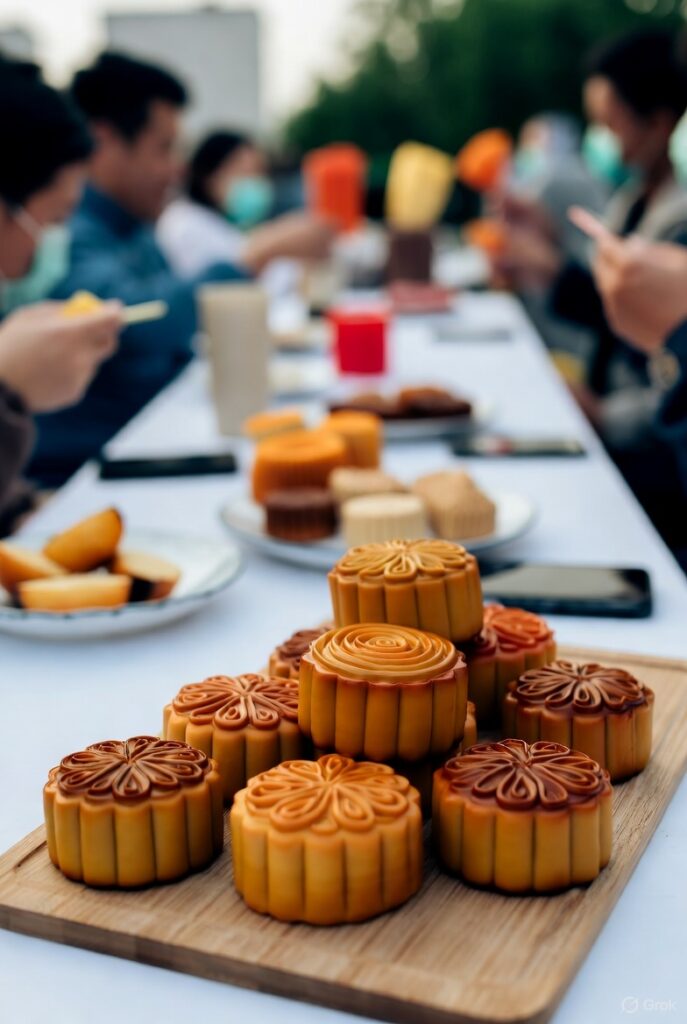
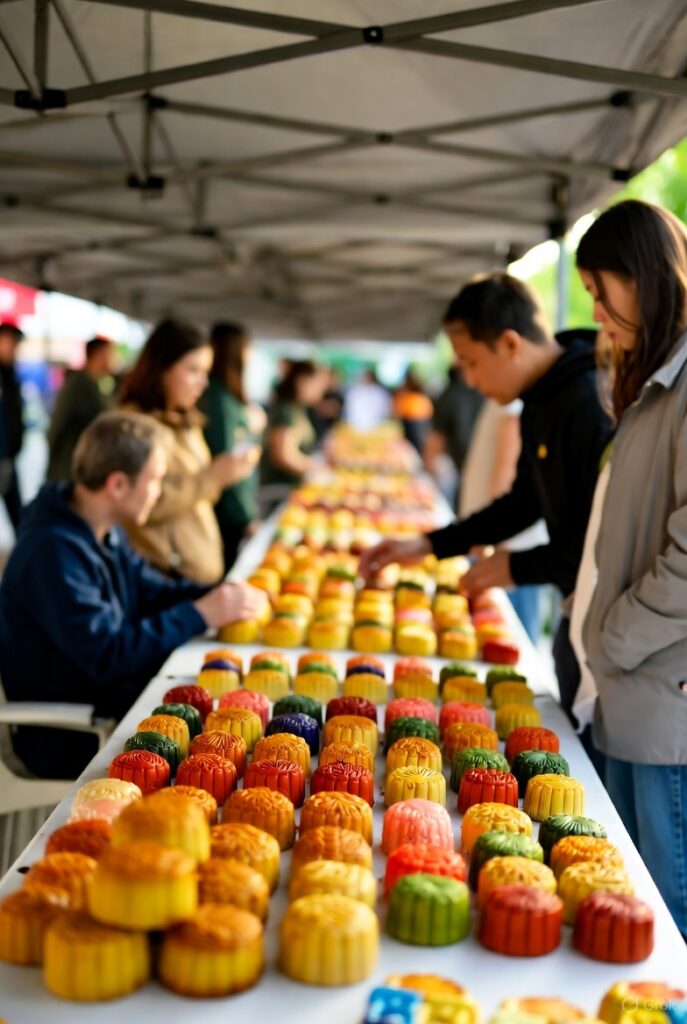
    This year, on October 6, I celebrated the Moon Cake Festival in Cambodia. It is also called the Mid-Autumn Festival. Many Chinese and Vietnamese families celebrate it. I gave mooncakes to my family. Mooncakes are round cakes. They have sweet or salty filling. Some have red bean paste, lotus seed paste, or salted egg yolk. I ate mooncakes with my family. I liked them very much.

    I also made offerings to the moon. I put fruits, mooncakes, and incense on a small table. I looked at the full moon. The moon was big, round, and bright. I felt happy with my family.

    I carried a colorful lantern. My lantern was shaped like a star. Children and families walked with lanterns. The streets looked very beautiful at night. Many people laughed and took photos.

    In some places, I saw lion and dragon dances. They were loud and exciting. I clapped and watched them carefully. Some dancers wore bright costumes.

    Even if the Moon Cake Festival is not a national holiday in Cambodia, I enjoyed it very much. I spent time with my family, ate mooncakes, carried a lantern, and watched the dances. It was a very happy day. I felt joy and peace. I hope I can celebrate it again next year.

    ____________________

    Vocabulary:

    • a cake – food made from flour, sugar, and eggs, often sweet.
    • autumn – the season after summer and before winter; leaves fall.
    • to celebrate – to do something special for a happy event.
    • mooncakes – round cakes eaten during the Mid-Autumn Festival.
    • a sweet filling – a soft, sugary part inside food.
    • salty – food that tastes like salt.
    • a red bean paste – soft food made from red beans and sugar.
    • a lotus seed paste – soft food made from lotus seeds and sugar.
    • a salted egg yolk – the yellow part of an egg, salty in taste.
    • to make offerings – to give food or gifts to gods, spirits, or ancestors.
    • the moon – the big round object in the sky at night.
    • bright – giving a lot of light.
    • a lantern – a light in a paper or metal holder.
    • to be shaped like a star – to have the form of a star.
    • a lion and dragon dance – a traditional dance with lion or dragon costumes.
    • to be exciting – to feel happy and full of energy.
    • to clap – to hit your hands together to show happiness or applause.
    • to wear a costume – to put on special clothes for a party or performance.
    • to enjoy – to feel happy doing something.
    • to feel joy – to feel very happy.
    • peace – a calm and safe feeling; no fighting.

    ###################

    Verbs (infinitive, past tense form)

    to celebrate – celebratedto call – called
    to give – gaveto have – had
    to eat – ateto like – liked
    to make – madeto put – put
    to look – lookedto be – was/were
    to feel – feltto carry – carried
    to shape – was shapedto walk – walked
    to laugh – laughedto take – took
    to see – sawto clap – clapped
    to watch – watchedto wear – wore
    to enjoy – enjoyedto spend – spent
    to hope – hopedto can – could

    #################

    Multiple choice, one answer correct:


    1. a cake
    a) food made from flour and sugar
    b) a small red fruit to eat
    c) a toy to play with

    2. autumn
    a) a hot summer day outside
    b) the season after summer
    c) the first season of year

    3. to celebrate
    a) to sleep in the bed
    b) to do something happy
    c) to cook food for friends

    4. mooncakes
    a) a small fruit to eat
    b) a toy for children play
    c) round cakes for a festival

    5. a sweet filling
    a) hard candy inside food
    b) a soft sugary part inside food
    c) a salty piece in food

    6. salty
    a) food that has no taste
    b) food that is very sweet
    c) food that has salt

    7. a red bean paste
    a) soft food from red beans
    b) small sweet candy piece
    c) fried meat with sauce

    8. a lotus seed [small part of a plant that can grow into a new plant] paste
    a) green food for cooking
    b) soft food from lotus seeds
    c) a soft piece of bread

    9. a salted egg yolk
    a) white part of an egg
    b) yellow part of an egg
    c) a sweet yellow fruit

    10. to make offerings
    a) to give food or gifts
    b) to eat food alone
    c) to buy food in shop

    11. the moon
    a) small bright star in sky
    b) big round object in sky
    c) the sun in daytime sky

    12. bright
    a) very dark and not bright
    b) gives a lot of light
    c) small and hard to hold

    13. a lantern
    a) light in paper or metal
    b) a small sweet food
    c) soft toy for children

    14. to be shaped like a star
    a) to have star form
    b) to be round like ball
    c) to be soft and sweet

    15. a lion and dragon dance
    a) song people sing at night
    b) a kind of sport game
    c) dance in lion or dragon costumes

    16. to be exciting
    a) to feel happy and fun
    b) to feel tired and sleep
    c) to feel hungry and thirsty

    ——————–end of audio—————

    17. to clap
    a) to hit hands together
    b) to shout very loud
    c) to run very quickly

    18. to wear a costume
    a) to sleep in the bed
    b) to eat food at table
    c) to put on special clothes

    19. to enjoy
    a) to feel happy with it
    b) to feel sad about it
    c) to walk slowly outside

    20. to feel joy
    a) to feel tired and sad
    b) to feel very happy
    c) to feel cold outside

    21. peace
    a) a fight or argument
    b) a loud noise outside
    c) a calm and safe feeling


    Answers:
    1-a, 2-b, 3-b, 4-c, 5-b, 6-c, 7-a,
    8-b, 9-b, 10-a, 11-b, 12-b, 13-a, 14-a,
    15-c, 16-a, 17-a, 18-c, 19-a, 20-b, 21-c
    #########################


    Gap-Fill Exercise:

    1. I like to eat a _______ with my tea.
    a) cake
    b) lantern
    c) joy

    2. The _______ is bright in the night sky.
    a) costume
    b) moon
    c) salty

    3. Children carry a _______ in the festival.
    a) lantern
    b) red bean paste
    c) joy

    4. A mooncake can have a sweet or _______ filling.
    a) bright
    b) lotus seed paste
    c) salty

    5. The yellow part of the egg is the _______.
    a) lantern
    b) yolk
    c) clap

    6. Families _______ the festival with music and dancing.
    a) celebrate
    b) feel
    c) look

    7. People _______ their hands to make a sound.
    a) enjoy
    b) wear
    c) clap

    8. Some mooncakes have a _______ filling made from beans.
    a) red bean paste
    b) moon
    c) lantern

    9. Children like to _______ a star-shaped lantern.
    a) carry
    b) make offerings
    c) enjoy

    10. The lion and dragon _______ is very exciting.
    a) cake
    b) bright
    c) dance

    11. Families put food on a small table to _______ to the moon.
    a) wear
    b) make offerings
    c) walk

    12. The _______ season comes after summer.
    a) autumn
    b) sweet filling
    c) clap

    13. People wear bright clothes or a _______ during the festival.
    a) moon
    b) red bean paste
    c) costume

    14. I feel happy and have _______ when I see the full moon.
    a) joy
    b) mooncake
    c) red bean paste

    15. Mooncakes are round, with soft sweet or salty _______.
    a) lantern
    b) filling
    c) costume

    16. The festival is fun and _______ to watch.
    a) bright
    b) yolk
    c) exciting

    17. Some mooncakes have a soft _______ made from seeds.
    a) cake
    b) lotus seed paste
    c) clap

    18. People like to _______ the festival together with family.
    a) lantern
    b) make offerings
    c) enjoy


    Answers:

    1-a, 2-b, 3-a, 4-c, 5-b, 6-a,
    7-c, 8-a, 9-a, 10-c, 11-b, 12-a,
    13-c, 14-a, 15-b, 16-c, 17-b, 18-c


    ——————————–

    Correct version:

    1. I like to eat a cake with my tea.
    2. The moon is bright in the night sky.
    3. Children carry a lantern in the festival.
    4. A mooncake can have a sweet or salty filling.
    5. The yellow part of the egg is the yolk.
    6. Families celebrate the festival with music and dancing.
    7. People clap their hands to make a sound.
    8. Some mooncakes have a red bean paste filling made from beans.
    9. Children like to make offerings a star-shaped lantern.
    10. The lion and dragon dance is very exciting.
    11. Families put food on a small table to make offerings to the moon.
    12. The autumn season comes after summer.
    13. People wear bright clothes or a costume during the festival.
    14. I feel happy and have joy when I see the full moon.
    15. Mooncakes are round, with soft sweet or salty filling.
    16. The festival is fun and exciting to watch.
    17. Some mooncakes have a soft lotus seed paste made from seeds.
    18. People like to enjoy the festival together with family.

    ###################


    Match the word to its definition:

    Words:

    1. cake
    2. autumn
    3. celebrate
    4. mooncakes
    5. sweet filling
    6. salty
    7. red bean paste
    8. lantern
    9. yolk
    10. costume
    11. joy
    12. peace
    13. carry
    14. exciting


    Definitions:

    a) the yellow part of an egg
    b) a season after summer
    c) to do something happy for a special day
    d) small parts of a plant that can grow
    e) round cakes eaten at a festival
    f) a light in paper or metal
    g) a soft sugary part inside food
    h) to move something from one place to another
    i) a fun feeling or happy feeling
    j) food that tastes like salt
    k) to feel happy and full of fun
    l) soft food made from red beans
    m) special clothes for a party or show
    n) a sweet baked food made from flour and sugar


    _________________
    Answers:

    1-n, 2-b, 3-c, 4-e, 5-g,
    6-j, 7-l, 8-f, 9-a, 10-m,
    11-i, 12-k, 13-h, 14-k

    _________________


    Correct version:


    1. cake – a sweet baked food made from flour and sugar
    2. autumn – the season after summer
    3. celebrate – to do something happy for a special day
    4. mooncakes – round cakes eaten at a festival
    5. sweet filling – a soft sugary part inside food
    6. salty – food that tastes like salt
    7. red bean paste – soft food made from red beans
    8. lantern – a light in paper or metal
    9. yolk – the yellow part of an egg
    10. costume – special clothes for a party or show
    11. joy – a fun feeling or happy feeling
    12. peace – a calm and safe feeling
    13. carry – to move something from one place to another
    14. exciting – to feel happy and full of fun

    ###############


    True / False Exercise :

    1. I carried a star-shaped lantern.
    2. I spent time alone at home during the festival.
    3. Children carried lanterns during the festival.
    4. I made a dragon dance by myself.
    5. I gave mooncakes to my neighbors in the street.
    6. Families enjoyed the festival together.
    7. I celebrated the Moon Cake Festival in Cambodia.
    8. I made offerings of fruits and mooncakes to the moon.
    9. Children wore bright costumes for the festival.
    10. People gave mooncakes to their trees.
    11. People clapped their hands at the lion and dragon dance.
    12. I looked at the full moon at sunrise.
    13. I felt joy and peace with my family.
    14. I ate mooncakes with my dog.

    _______________

    True: 1, 3, 6, 7, 8, 11, 13;

    _______________


    Correct answers:

    1. I carried a star-shaped lantern.
    2. I spent time alone at home during the festival. True is: I spent time with my family during the festival.
    3. Children carried lanterns during the festival.
    4. I made a dragon dance by myself. True is: I watched the lion and dragon dances with others.
    5. I gave mooncakes to my neighbors in the street. True is: I gave mooncakes to my family.
    6. Families enjoyed the festival together.
    7. I celebrated the Moon Cake Festival in Cambodia.
    8. I made offerings of fruits and mooncakes to the moon.
    9. Children wore bright costumes for the festival. True is: Some dancers wore bright costumes.
    10. People gave mooncakes to their trees. True is: People gave mooncakes to their family.
    11. People clapped their hands at the lion and dragon dance.
    12. I looked at the full moon at sunrise. True is: I looked at the full moon at night.
    13. I felt joy and peace with my family.
    14. I ate mooncakes with my dog. True is: I ate mooncakes with my family.

    ##################

    in case you need more info =>

    past simple


    ##################

    Affirmative, negative, yes/no question, negative question:


    Example 1

    Affirmative: I celebrated the Moon Cake Festival yesterday.

    You write:
    Negative: I did not celebrate the Moon Cake Festival yesterday.

    Yes/No Question: Did I celebrate the Moon Cake Festival yesterday?

    Negative Question: Didn’t I celebrate the Moon Cake Festival yesterday?

    Example 2

    Affirmative: I gave mooncakes to my family.
    Negative: __________________________
    Yes/No Question: __________________________?
    Negative Question: __________________________?

    Example 3

    Affirmative: I looked at the full moon.
    Negative: _________________________
    Yes/No Question: _________________________?
    Negative Question: _________________________?

    Example 4

    Affirmative: I carried a colorful lantern.
    Negative: _________________________.
    Yes/No Question: _________________________?
    Negative Question: _________________________?

    Example 5

    Affirmative: I felt joy and peace with my family.
    Negative: _________________________
    Yes/No Question: _________________________?
    Negative Question: _________________________?


    _______________________

    Correct answers:


    Example 1

    Affirmative: I celebrated the Moon Cake Festival yesterday.
    Negative: I did not celebrate the Moon Cake Festival yesterday.
    Yes/No Question: Did I celebrate the Moon Cake Festival yesterday?
    Negative Question: Didn’t I celebrate the Moon Cake Festival yesterday?

    Example 2

    Affirmative: I gave mooncakes to my family.
    Negative: I did not give mooncakes to my family.
    Yes/No Question: Did I give mooncakes to my family?
    Negative Question: Didn’t I give mooncakes to my family?

    Example 3

    Affirmative: I looked at the full moon.
    Negative: I did not look at the full moon.
    Yes/No Question: Did I look at the full moon?
    Negative Question: Didn’t I look at the full moon?

    Example 4

    Affirmative: I carried a colorful lantern.
    Negative: I did not carry a colorful lantern.
    Yes/No Question: Did I carry a colorful lantern?
    Negative Question: Didn’t I carry a colorful lantern?

    Example 5

    Affirmative: I felt joy and peace with my family.
    Negative: I did not feel joy and peace with my family.
    Yes/No Question: Did I feel joy and peace with my family?
    Negative Question: Didn’t I feel joy and peace with my family?


    ###############


    Statement is incorrect, you correct:


    1. I gave mooncakes to strangers in the street.

      YOOU WRITE:
      a) No, I didn’t give mooncakes to strangers in the street.
      b) I gave mooncakes to my family.
    2. I looked at the full moon in the morning.
      a) _________________________
      b) _________________________
    3. I ate mooncakes with my dog.
      a) _________________________
      b) _________________________
    4. Children wore bright costumes all by themselves.
      a) _________________________
      b) _________________________
    5. People gave mooncakes to trees.
      a) _________________________
      b) _________________________
    6. I made a dragon dance alone.
      a) _________________________
      b) _________________________
    7. Families spent the festival alone at home.
      a) _________________________
      b) _________________________
    8. I carried the moon in my hands.
      a) _________________________
      b) _________________________
    9. Mooncakes grew on trees.
      a) _________________________
      b) _________________________
    10. I cooked red bean paste in water.
      a) _________________________
      b) _________________________

    _______________________

    Correct version:


    1. I gave mooncakes to strangers in the street.
      No, I didn’t give mooncakes to strangers in the street. I gave mooncakes to my family.
    2. I looked at the full moon in the morning.
      No, I didn’t look at the full moon in the morning. I looked at the full moon at night.
    3. I ate mooncakes with my dog.
      No, I didn’t eat mooncakes with my dog. I ate mooncakes with my family.
    4. Children wore bright costumes all by themselves.
      No, children didn’t wear bright costumes all by themselves. Some dancers wore bright costumes.
    5. People gave mooncakes to trees.
      No, people didn’t give mooncakes to trees. They gave mooncakes to their family.
    6. I made a dragon dance alone.
      No, I didn’t make a dragon dance alone. I watched the lion and dragon dances.
    7. Families spent the festival alone at home.
      No, families didn’t spend the festival alone at home. They spent time together with their family.
    8. I carried the moon in my hands.
      No, I didn’t carry the moon in my hands. I looked at the full moon.
    9. Mooncakes grew on trees.
      No, mooncakes didn’t grow on trees. People made and baked mooncakes.
    10. I cooked red bean paste in water.
      No, I didn’t cook red bean paste in water. I ate mooncakes with red bean paste.

    ##################

    Fill in, use proper past tense form:


    1. I _______ the Moon Cake Festival with my family. (celebrate)
    2. I _______ mooncakes to my family. (give)
    3. I _______ mooncakes with my family. (eat)
    4. I _______ offerings of fruits and mooncakes to the moon. (make)
    5. I _______ at the full moon. (look)
    6. I _______ a colorful lantern. (carry)
    7. Children _______ with lanterns in the streets. (walk)
    8. People _______ their hands at the lion and dragon dance. (clap)
    9. Some dancers _______ bright costumes. (wear)
    10. I _______ joy and peace with my family. (feel)
    11. I _______ a star-shaped lantern. (carry)
    12. I _______ the lion and dragon dances carefully. (watch)
    13. I _______ red bean paste and lotus seed paste in the mooncakes. (put)
    14. Children _______ lanterns in the streets. (bring)

    ———————————–

    Correct version:

    1. I celebrated the Moon Cake Festival with my family.
    2. I gave mooncakes to my family.
    3. I ate mooncakes with my family.
    4. I made offerings of fruits and mooncakes to the moon.
    5. I looked at the full moon.
    6. I carried a colorful lantern.
    7. Children walked with lanterns in the streets.
    8. People clapped their hands at the lion and dragon dance.
    9. Some dancers wore bright costumes.
    10. I felt joy and peace with my family.
    11. I carried a star-shaped lantern.
    12. I watched the lion and dragon dances carefully.
    13. I put red bean paste and lotus seed paste in the mooncakes.
    14. Children brought lanterns in the streets.

    ———————————
    Now use these sentences and make them negative:

    Example:
    I celebrated the Moon Cake Festival with my family.
    YOU WRITE:
    I did not celebrate the Moon Cake Festival with my family.


    I celebrated the Moon Cake Festival with my family.
    __________________________________

    I gave mooncakes to my family.
    __________________________________

    I ate mooncakes with my family.
    __________________________________

    I made offerings of fruits and mooncakes to the moon.
    __________________________________

    I looked at the full moon.
    __________________________________

    I carried a colorful lantern.
    __________________________________

    Children walked with lanterns in the streets.
    __________________________________

    People clapped their hands at the lion and dragon dance.
    __________________________________

    Some dancers wore bright costumes.
    __________________________________

    I felt joy and peace with my family.
    __________________________________

    I carried a star-shaped lantern.
    __________________________________

    I watched the lion and dragon dances carefully.
    __________________________________

    I put red bean paste and lotus seed paste in the mooncakes.
    __________________________________

    Children brought lanterns in the streets.
    __________________________________

    #######################

    Correct answers:

    1. I did not celebrate the Moon Cake Festival with my family.
    2. I did not give mooncakes to my family.
    3. I did not eat mooncakes with my family.
    4. I did not make offerings of fruits and mooncakes to the moon.
    5. I did not look at the full moon.
    6. I did not carry a colorful lantern.
    7. Children did not walk with lanterns in the streets.
    8. People did not clap their hands at the lion and dragon dance.
    9. Some dancers did not wear bright costumes.
    10. I did not feel joy and peace with my family.
    11. I did not carry a star-shaped lantern.
    12. I did not watch the lion and dragon dances carefully.
    13. I did not put red bean paste and lotus seed paste in the mooncakes.
    14. Children did not bring lanterns in the streets.

    ##################

    Interview, fill in the correct form of the verb:


    Interviewer: When did you celebrate the Moon Cake Festival?
    You: I __________ it on October 6.

    Interviewer: Where did you celebrate the festival?
    You: I __________ (visit) my home in Cambodia.

    Interviewer: Who joined you at the festival?
    You: My family __________ me.

    Interviewer: Did you eat mooncakes?
    You: Yes, I __________ mooncakes with my family.

    Interviewer: What filling did the mooncakes have?
    You: Some mooncakes __________ sweet filling, some __________salty filling.

    Interviewer: Did you give mooncakes to someone?
    You: Yes, I __________ them to my family.

    Interviewer: Did you give offerings to the moon?
    You: Yes, I __________ fruits and mooncakes to the moon.

    Interviewer: Did you carry a lantern?
    You: Yes, I __________ a colorful lantern.

    Interviewer: Did children carry lanterns too?
    You: Yes, children __________ lanterns in the streets.

    Interviewer: Did people clap at the lion and dragon dance?
    You: Yes, people __________ during the dance.

    Interviewer: Did you feel happy during the festival?
    You: Yes, I __________joy and peace with my family.

    Interviewer: What did you like the most?
    You: I __________ the lanterns and the lion and dragon dances.

    —————————

    Interview – Moon Cake Festival (A1)

    Interviewer: When did you celebrate the Moon Cake Festival?
    You: I celebrated it on October 6.

    Interviewer: Where did you celebrate the festival?
    You: I visited my home in Cambodia.

    Interviewer: Who joined you at the festival?
    You: My family joined me.

    Interviewer: Did you eat mooncakes?
    You: Yes, I ate mooncakes with my family.

    Interviewer: What filling did the mooncakes have?
    You: Some mooncakes had sweet filling, some had salty filling.

    Interviewer: Did you give mooncakes to someone?
    You: Yes, I gave mooncakes to my family.

    Interviewer: Did you give offerings to the moon?
    You: Yes, I gave fruits and mooncakes to the moon.

    Interviewer: Did you carry a lantern?
    You: Yes, I carried a colorful lantern.

    Interviewer: Did children carry lanterns too?
    You: Yes, children carried lanterns in the streets.

    Interviewer: Did people clap at the lion and dragon dance?
    You: Yes, people clapped during the dance.

    Interviewer: Did you feel happy during the festival?
    You: Yes, I felt joy and peace with my family.

    Interviewer: What did you like the most?
    You: I liked the lanterns and the lion and dragon dances.


    ##################

  • 🏨Secrets of a luxury hotel: how staff create magic every day, part 4, housekeeping staff (A2)

    • simple tips and daily tasks to make guests feel like royalty

    🧹 Housekeeping Staff

    • Clean rooms every day
      → In luxury hotels, rooms must look perfect. This includes making the bed neatly, vacuuming, and arranging everything nicely.
    • Change towels and sheets
      → Clean towels and sheets are a sign of good service and hygiene. They must always look fresh and smell clean.
    • Check everything carefully
      → Housekeepers must notice small details: fingerprints on glass, dust under furniture, or missing items.
    • Respect guests’ privacy
      → Housekeepers must knock loudly, say “Housekeeping!”, and wait for an answer before entering. Guests must always feel safe in their room.
    • Report broken things
      → If a lamp is broken or water is leaking, housekeeping must inform maintenance quickly. Fast repairs show quality service.
    • Be quiet and respectful
      → Housekeepers must move quietly in the hallway and not disturb guests.

    #################


    Setting:


    The manager’s office at the Grand Horizon Hotel, a luxury 5-star hotel.

    Characters:

    • Ms. Elena Carter – Hotel Manager
    • Mr. Raj Patel – Assistant Manager

    [Ms. Carter is sitting at her desk, reading a report. Mr. Patel knocks on the door and enters.]

    Ms. Carter:
    Good morning, Raj. Please, have a seat. Let’s talk about the housekeeping staff. How is everything going?

    Mr. Patel:
    Good morning, Ms. Carter. Overall, the housekeeping team is doing very well. They clean all rooms every day. The beds are made perfectly, and everything looks neat and elegant. Many guests have written positive comments.

    Ms. Carter:
    That’s great news. How are we doing with towels and sheets?

    Mr. Patel:
    They are changed every day. The sheets are white and clean, and the towels smell fresh. This makes a good impression on our guests.

    Ms. Carter:
    Good. And the small details?

    Mr. Patel:
    The team checks the glass and furniture carefully. They look for fingerprints and dust. But I think we can still improve a little here. For example, sometimes they don’t check under the bed or behind the curtains. Guests may leave things there, like socks, chargers, or papers. If we miss these, guests might think the room is not fully cleaned.

    Ms. Carter:
    Yes, you’re right. Those places are easy to forget. What about privacy?

    Mr. Patel:
    The staff always knocks loudly, says “Housekeeping!”, and waits. Guests feel safe, and this is very important. No problems here.

    Ms. Carter:
    Good. And maintenance reports?

    Mr. Patel:
    They are faster now. Yesterday a lamp was broken, and they informed maintenance immediately. It was fixed in less than an hour. However, some staff members forget to report small things like loose hooks or weak water pressure. These are not big problems, but they can give guests a bad impression if not fixed quickly.

    Ms. Carter:
    Exactly. Small problems can make a big difference in a 5-star hotel.

    ———end of dialogue———

    Mr. Patel:
    Also, we can improve communication between housekeeping and the front desk. For example, if a guest checks out early, the room should be cleaned faster so we can offer it to new guests sooner.

    Ms. Carter:
    That’s a smart point. And the noise?

    Mr. Patel:
    It’s better now. The staff moves quietly, but sometimes when they talk in the hallway, their voices are still a bit too loud. We can remind them to whisper or use radios more carefully.

    Ms. Carter:
    Very good observations, Raj. Please prepare a short training for the team. We will focus on hidden areas in rooms, faster reporting of small problems, and quiet communication.

    Mr. Patel:
    Of course, Ms. Carter. I’ll organize the training this week and talk to the supervisors today.

    Ms. Carter:
    Excellent. Thank you, Raj. Together, we can make the service even better.

    Mr. Patel:
    Thank you, Ms. Carter. I’m sure the team will improve even more.

    [Mr. Patel smiles and leaves the office. Ms. Carter writes a note to check the improvements in two days.]


    ################


    🧹 What to Do🏨 How to Do It
    1. Clean the roomHousekeepers clean the guest room every day.
    The bed must look perfect — sheets straight, pillows in the right place.
    Vacuum the floor carefully, dust the furniture, clean mirrors and glass.
    Arrange the chairs, table, and things nicely.
    A clean room makes guests feel happy and comfortable.
    2. Change towels and sheetsGuests must always have clean towels and sheets.
    Take used towels and sheets out of the room.
    Replace them with fresh, clean ones from the housekeeping trolley.
    Fold towels nicely and put them in the correct place.
    Clean linen must smell nice and look bright.
    3. Check the room carefullyAfter cleaning, look at everything closely.
    Check the bathroom for hair or water on the floor.
    Look at mirrors for fingerprints.
    Check under the bed and behind doors for dust.
    Make sure all items (remote control, water bottles, hangers) are in the right place.
    Good housekeepers see small details.
    4. Respect guests’ privacyAlways knock on the door 3 times. Say clearly: “Housekeeping!” Then wait a few seconds. If there is no answer, knock again. Only enter when it is safe.
    If a guest is in the room, ask politely if you can come in later.
    Guests must always feel safe, private, and respected.
    5. Report problems quicklyIf something is broken, for example a lamp, toilet, air conditioner, or if water is leaking — tell the maintenance department immediately.
    Do not try to fix it yourself.
    Fast reporting means the problem can be fixed quickly, and the guest will be happy.
    6. Be quiet and respectfulSpeak softly or not at all in the hallway.
    Close doors slowly and quietly.
    Do not shout to other staff.
    If guests are sleeping, be extra careful.
    Quiet work shows respect and good service.
    7. Be clean and professionalWear a clean uniform.
    Wash your hands often.
    Be polite and smile. If a guest talks to you, answer kindly.
    Professional housekeepers make a good impression.
    8. Follow safety rulesBe careful when using cleaning products.
    Do not leave wet floors without a sign.
    Use gloves when needed.
    Keep the trolley in the hallway, but do not block the way.
    Safety is very important.

  • 🏨 Guest Journey Mapping – From Arrival to Departure (A1)

    • how to make every guest feel welcome and happy


    💡 What It Means

    Guest Journey Mapping means thinking about the guest’s whole experience at the hotel — from the moment they arrive until they leave.
    It helps us give excellent service at every step.


    1️⃣ Before Arrival

    • Guest books a room online, by phone, or by email.
    • They may ask questions about the hotel or transport.

    Staff should:

    • Answer politely and quickly.
    • Give correct information.
    • Prepare the room for the guest.

    Why: The first contact makes a guest feel welcome.


    2️⃣ Arrival

    • Guest arrives at the hotel entrance.
    • Bell staff opens the door, smiles, and helps with luggage.

    Staff should:

    • Greet the guest warmly.
    • Smile and say something like: “Welcome to our hotel!”
    • Offer help to get to the reception or room.

    Why: Guests feel welcome immediately.


    3️⃣ Check-In

    • Guest goes to the front desk.
    • They give ID and receive the key.

    Staff should:

    • Smile and use the guest’s name if possible.
    • Explain hotel services: breakfast, Wi-Fi, swimming pool.
    • Make check-in fast and easy.

    Why: First impressions are very important.


    4️⃣ Room Experience

    • Guest goes to the room.
    • They check cleanliness, comfort, and small details.

    Staff should:

    • Make sure the room is clean and ready.
    • Check air-con, lights, TV, shower work well.
    • Add small touches: water bottles, welcome card.

    Why: Guests feel happy and comfortable.


    5️⃣ During Stay

    • Guest may ask for help or information.

    Staff should:

    • Smile and greet the guest in hallways: “Good morning!”
    • Help quickly when they ask for something.
    • Listen carefully and remember guest requests.

    Why: Guests feel cared for and important.


    6️⃣ Problems

    • Something may go wrong (room not ready, broken item).

    Staff should:

    • Listen and say: “I am sorry.”
    • Fix the problem quickly.
    • Thank the guest for telling you.

    Why: Guests remember how staff solve problems.


    7️⃣ Check-Out

    • Guest leaves the hotel.

    Staff should:

    • Ask: “Was your stay good?”
    • Thank them sincerely.
    • Help with luggage or transport.

    Why: Last impression is very important.


    8️⃣ After Departure

    • Guest goes home.
    • Hotel may send a message asking for feedback.

    Staff should:

    • Remember guest preferences for next stay.
    • Encourage them to come back.

    Why: Guests feel valued and may return.


    Summary

    Every step matters:

    • Smile, greet, and help guests.
    • Be fast, polite, and friendly.
    • Solve problems quickly.
    • Small details make guests happy.

    ################

    Detailed cheat sheet:


    Guest StepStaff Should
    Before Arrival1. Answer guest questions politely and quickly
    2. Give correct information about hotel and transport
    3. Confirm room booking details
    4. Note special requests in the system
    5. Prepare guest preferences (room type, bed)
    6. Inform departments about VIPs or arrivals
    7. Check the room is clean and ready
    Arrival1. Smile and greet the guest warmly
    2. Open the door for the guest
    3. Help with luggage
    4. Escort the guest to reception or elevator
    5. Offer a welcome drink or towel if possible
    6. Use polite words: “Good morning / welcome!”
    7. Make the guest feel safe and comfortable
    Check-In1. Use the guest’s name if possible
    2. Explain hotel services: breakfast, Wi-Fi, pool
    3. Explain hotel rules politely
    4. Make check-in fast and easy
    5. Offer help with luggage or directions
    6. Answer guest questions clearly
    7. Smile and maintain eye contact
    Room Experience1. Ensure the room is clean and ready
    2. Check lights, air-con, TV, shower
    3. Provide welcome items: water, card, toiletries
    4. Make the room smell fresh
    5. Check all equipment works properly
    6. Note any special requests for future visits
    7. Be ready to help if guest needs something
    During Stay1. Smile and greet guests in hallways
    2. Ask: “How is your stay?”
    3. Help quickly with requests
    4. Listen carefully to guest needs
    5. Remember guest preferences
    6. Keep public areas clean and tidy
    7. Respond politely to all questions
    Problems / Complaints1. Listen carefully
    2. Apologize: “I am sorry”
    3. Stay calm and polite
    4. Solve the problem quickly
    5. Keep the guest informed
    6. Thank the guest for telling you
    7. Follow up to check satisfaction
    Check-Out1. Smile and greet guest politely
    2. Ask: “Was your stay good?”
    3. Thank the guest sincerely
    4. Help with luggage or transport
    5. Offer assistance with payment
    6. Invite them to return
    7. Give directions if needed
    After Departure1. Remember guest preferences
    2. Send polite thank-you messages
    3. Invite feedback politely
    4. Note VIP or repeat guest for next visit
    5. Share guest feedback with team
    6. Encourage guests to book again
    7. Keep records for future service improvements

    ################

    A summary:

    The guest journey starts before arrival.
    Staff answer questions, check the booking, and get the room ready.
    At arrival, staff smile, greet guests, and help with luggage.
    During check-in, staff use the guest’s name, explain hotel services, and make it fast.
    In the room, staff check it is clean and all works, and give small welcome items.
    During the stay, staff greet guests, listen to needs, and help fast.
    If there is a problem, staff say sorry and fix it.
    At check-out, staff thank guests and help with luggage.
    When the guest leaves, staff think about the guest and say thank you.

    ################

    A more detailed version:


    1. Before Arrival

    Before the guest comes to the hotel, staff must be ready. They check the booking and prepare the room. Staff answer guest questions politely by phone, email, or message. They note any special requests, for example, room type or bed. Staff tell other departments about the guest. They make sure the room is clean and ready. Staff prepare small welcome items if needed. Good preparation makes the guest happy and comfortable. The first impression starts before the guest arrives. When staff are ready, guests feel welcome from the start.


    2. Arrival

    When the guest comes to the hotel, staff greet them warmly. Bell staff smile, open doors, and help with luggage. They escort guests to reception or the elevator. Staff use polite words: “Welcome!” or “Good morning!” Staff give attention to the guest and make them feel safe. They help with questions about the hotel or city. Small actions like a smile or helping with bags are very important. Guests feel happy when staff are friendly. A good arrival makes the guest feel respected and welcomed. Staff must always be ready and polite.


    3. Check-In

    At check-in, staff welcome the guest with a smile. They use the guest’s name if possible. Staff ask for ID and confirm the booking. They explain hotel services like breakfast, Wi-Fi, and pool. Staff answer guest questions politely. They help with luggage or directions if needed. Check-in should be fast and easy. Staff must be friendly and calm. They must listen carefully and note any special requests. A good check-in makes guests feel happy and relaxed. Staff must always be polite and professional. The guest’s first experience inside the hotel is very important.


    4. Room Experience

    When the guest goes to the room, staff must make sure it is perfect. The room should be clean and tidy. Staff check that lights, air-con, TV, and shower work. They put small welcome items like water, a card, or toiletries. Staff make the room smell fresh. Everything must be ready before the guest arrives. Staff should note guest preferences for next visits. They must be ready to help if the guest needs something. A good room makes guests feel comfortable and happy. Small details are important for a great experience.


    5. During Stay

    During the stay, staff greet the guest in hallways: “Good morning!” or “How is your stay?” Staff listen carefully to guest needs. They help quickly when the guest asks. Staff must remember guest preferences and special requests. They keep public areas clean and tidy. Staff answer questions politely and clearly. They make the guest feel important and cared for. Staff must always smile and be friendly. During the stay, small actions make guests happy. Staff teamwork is important so the guest experience is excellent. Every day counts to make the guest feel welcome.


    6. Problems / Complaints

    Sometimes there are problems. A guest may find something broken or missing. Staff must listen carefully. They should say: “I am sorry.” Staff must stay calm and polite. They fix the problem as fast as possible. Staff must explain what they do to help. After solving, they check if the guest is happy. Staff thank the guest for telling them about the problem. Handling problems well makes the guest feel respected. Good service during problems shows professionalism. Staff must always stay friendly and help. Guests remember how staff solve problems more than anything.


    7. Check-Out

    When the guest leaves, staff greet them politely. They ask: “Was your stay good?” Staff thank the guest sincerely for staying at the hotel. They help with luggage and transport if needed. Staff check the payment and give receipts politely. They invite guests to come back. Staff smile and use the guest’s name if possible. They answer last questions clearly. A good check-out leaves a happy memory. Staff must be friendly and calm. Check-out is the last chance to show excellent service. Guests often remember this moment very well.


    8. When the Guest Leaves

    When the guest leaves, staff think about the guest. They check guest preferences for next visits. Staff can send polite thank-you messages or emails. They invite feedback politely. Staff note VIPs or repeat guests for the future. They share important information with the team. Remembering the guest helps the hotel improve service. Staff must always be professional and polite. Guests feel valued when staff care after they leave. Small actions after departure can make guests return. Good post-stay service helps the hotel build long-term happy guests.


    ###############


    Guest Journey Cheat Sheet – A1 Level


    How to make every guest feel welcome and happy


    1. Before Arrival

    • Check guest booking
    • Answer questions politely
    • Note special requests
    • Prepare the room
    • Tell other departments
    • Prepare welcome items
    • Be ready for guest arrival

    2. Arrival

    • Smile and greet guest
    • Open doors
    • Help with luggage
    • Escort to reception or elevator
    • Use polite words: “Welcome!”
    • Make guest feel safe
    • Be friendly and attentive

    3. Check-In

    • Use guest name
    • Ask for ID
    • Confirm booking
    • Explain hotel services
    • Answer questions politely
    • Help with luggage or directions
    • Make check-in fast and easy

    4. Room Experience

    • Check room is clean
    • Check lights, air-con, TV, shower
    • Give welcome items: water, card
    • Make room smell fresh
    • Prepare for guest preferences
    • Be ready to help guest
    • Make guest feel comfortable

    5. During Stay

    • Greet guest in hallways
    • Ask: “How is your stay?”
    • Listen carefully to needs
    • Help quickly when asked
    • Remember preferences
    • Keep public areas clean
    • Be friendly and polite

    6. Problems / Complaints

    • Listen carefully
    • Say: “I am sorry”
    • Stay calm and polite
    • Solve problem fast
    • Explain what you do
    • Check guest is happy
    • Thank guest for telling you

    7. Check-Out

    • Greet guest politely
    • Ask: “Was your stay good?”
    • Thank guest sincerely
    • Help with luggage
    • Check payment and receipt
    • Invite them to return
    • Smile and use guest name

    8. When the Guest Leaves

    • Think about guest preferences
    • Send polite thank-you message
    • Invite feedback politely
    • Note VIPs or repeat guests
    • Share info with team
    • Be professional and polite
    • Help guests feel valued

    #################

  • 🏨 Front Desk Job Interview (A2)

    Job Title: Front Desk Receptionist
    Location: 5-star hotel in Siem Reap, Cambodia


    👤 Interviewer: Mr. Chan (Front Office Manager)

    👩‍💼 Applicant: Srey Lin (Job Candidate)


    Mr. Chan: Good morning. Please come in and have a seat.

    Srey Lin: Good morning, sir. Thank you very much.


    Mr. Chan: What is your full name?

    Srey Lin: My name is Srey Lin Sok.


    Mr. Chan: Where do you live?

    Srey Lin: I live in Siem Reap, near the old market. I live with my family.


    Mr. Chan: Did you study English?

    Srey Lin: Yes. I studied English at ACE for two years. I also practiced speaking with guests at my old job.


    Mr. Chan: That’s good. Tell me about your work experience.

    Srey Lin: I worked at Angkor Smile Guesthouse for one year. I worked at the front desk. I checked in guests, gave room keys, answered emails, and helped with transport and tours. I also worked at a coffee shop before.


    Mr. Chan: What time did you work?

    Srey Lin: I worked from 2 PM to 10 PM. Sometimes I helped in the morning too.


    Mr. Chan: Why do you want to work here at our hotel?

    Srey Lin: Your hotel is very famous. I want to work in a big hotel with international guests. I want to learn more and grow my skills. I like to speak English and help people.


    Mr. Chan: What are your strengths?

    Srey Lin: I am friendly and polite. I always smile. I am good at talking with people. I also work hard and learn fast.


    Mr. Chan: What is something you want to improve?

    Srey Lin: I want to speak English better and learn new hotel systems. I also want to learn how to handle difficult situations better.


    Mr. Chan: Do you know how to use a hotel system?

    Srey Lin: I used one simple system before. It was called eZee. I want to learn Opera if possible.


    Mr. Chan: Can you work morning, evening, and night shift?

    Srey Lin: Yes. I can work flexible hours. I understand that hotels need people at all times.


    Mr. Chan: What do you do if a guest complains?

    Srey Lin: I stay calm and listen. I say “sorry” and try to understand the problem. Then I help if I can, or I call my manager if it is serious.


    Mr. Chan: Very good. What do you like to do in your free time?

    Srey Lin: I like to read English books, listen to music, and go for a walk. Sometimes I watch hotel videos on YouTube to learn more.


    Mr. Chan: Do you have any questions for me?

    Srey Lin: Yes. What kind of training do you give? And is there a chance to grow in the company?

    Mr. Chan: We give two weeks of full training. We also have team meetings every week. And yes, we promote staff who do well.

    Srey Lin: Thank you. That sounds great.


    Mr. Chan: Thank you, Srey Lin. We will call you in two or three days.

    Srey Lin: Thank you very much, sir. I hope I can work with your team. Have a good day!

    ####################

    How do you like the interview?
    Realistic?