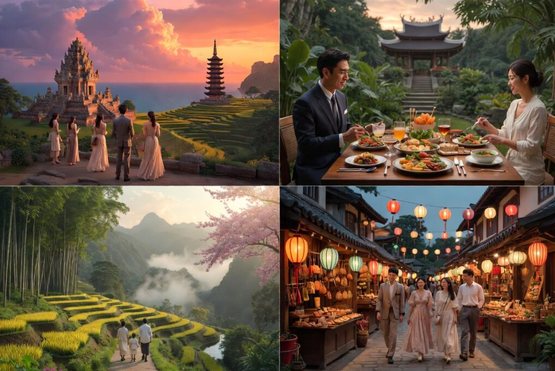
Discover unforgettable places, hidden gems, and local adventures waiting just beyond your room.
Today, a luxury hotel is not only about a nice room and good service. Guests want more. They want to enjoy new places, learn about the local culture, and create special memories. We have the chance to show our guests the beauty of our destination and help them discover interesting places and activities. By offering these experiences, we can make every guest stay more special and unforgettable. (GM)
Dear Team,
Today, I want to share an important idea with you: “Experience More Than a Stay.”
As a luxury hotel, we do not only give our guests a room. We give them a complete experience. Our guests come from many countries and they choose to stay with us because they want something special. They want comfort, good service, and beautiful memories.
A hotel stay is not only about a bed, a restaurant, or a swimming pool. It is also about the place around us. Our destination has many wonderful things to offer. We have local culture, beautiful nature, interesting traditions, great food, and special places that many visitors do not know.
Our job is to help our guests discover these experiences.
When a guest stays with us, we should ask ourselves: “How can we make this stay better?” Maybe a guest wants to see a famous landmark. Maybe they want to try local food. Maybe they want a quiet day in nature or a special activity with their family. We can help them find the right experience.
We should not think of excursions and sightseeing trips only as extra services. They are a way to create happiness and special memories for our guests. A guest may forget some details of their room, but they will remember a beautiful sunset, a local dinner, a friendly guide, or a special moment they shared with their family.
Every team member has an important role. The front office team can share ideas when guests arrive. The concierge team can recommend the best places. The restaurant team can talk about local food and traditions. Housekeeping and all other departments can also share their knowledge and help guests enjoy their stay.
Small conversations can make a big difference. A simple recommendation can change a normal holiday into an unforgettable journey.
Luxury is not only about beautiful rooms and excellent service. Luxury is also about feelings, experiences, and memories. Our goal is to help our guests enjoy not only our hotel but also the wonderful destination around us.
Together, we can create stays that guests will remember for many years. Let us help every guest discover more, experience more, and enjoy more.
Thank you for your dedication and your support.
_______________________
Vocabulary:
to enjoy – to have fun or feel happy doing something.
a destination – the place where you go on a trip.
to discover – to find or learn something new.
an experience – something that happens to you or that you do.
to share – to tell or give something to other people.
to choose – to decide which thing or person you want.
a landmark – a famous place or building that many people visit.
an excursion – a short trip to visit a place.
to share something with somebody – to give or tell something to another person.
a recommendation – advice about what is good to do, see, or buy.
a journey – a trip from one place to another.
to remember – to keep something in your mind or not forget it.
dedication – working hard and caring a lot about your job or activity.
support – help that you give to someone.
#################
Match the definitions with the words. Write the correct letter.
To have fun or feel happy doing something. _____
The place where you go on a trip. _____
To find or learn something new. _____
Something that happens to you or that you do. _____
To tell or give something to other people. _____
To decide which thing or person you want. _____
A famous place or building that many people visit. _____
A short trip to visit a place. _____
To give or tell something to another person. _____
Advice about what is good to do, see, or buy. _____
A trip from one place to another. _____
To keep something in your mind or not forget it. _____
Working hard and caring a lot about your job or activity. _____
Help that you give to someone. _____
a. a landmark b. support c. to discover d. an experience e. to choose f. a recommendation g. to enjoy h. dedication i. to share something with somebody j. an excursion k. a destination l. to remember m. to share n. a journey
The restaurant team helps guests discover local culture through food.
The hotel’s goal is only to provide guests with a comfortable room.
The concierge team repairs hotel equipment during guest visits.
Guests choose luxury hotels only because they need a place to sleep.
Local traditions, nature, and special places can be part of a guest experience.
Housekeeping staff can share useful knowledge with guests.
The hotel offers experiences only inside the guest rooms.
A friendly recommendation can help make a holiday unforgettable.
Guests may enjoy activities only by themselves during their stay.
The front office team prepares all meals for hotel visitors.
Luxury is connected with emotions, experiences, and memories.
The destination around the hotel has little importance for visitors.
Excursions and sightseeing trips can create special moments.
Team members from different departments have a role in guest satisfaction.
The hotel wants visitors to discover interesting places around them.
Guests usually forget all experiences outside the hotel.
_______________________
False: 2,3,4,7,9,10,12,16
_______________________
Correct answers:
The restaurant team helps guests discover local culture through food.
The hotel’s goal is only to provide guests with a comfortable room. True is: The hotel’s goal is to create stays that guests will remember for years.
The concierge team repairs hotel equipment during guest visits. True is: The concierge team recommends the best places and activities for guests.
Guests choose luxury hotels only because they need a place to sleep. True is: Guests choose luxury hotels because they want comfort, good service, and special memories.
Local traditions, nature, and special places can be part of a guest experience.
Housekeeping staff can share useful knowledge with guests.
The hotel offers experiences only inside the guest rooms. True is: The hotel helps guests discover interesting places and activities around the destination.
A friendly recommendation can help make a holiday unforgettable.
Guests may enjoy activities only by themselves during their stay. True is: Guests may enjoy special activities with their families during their stay.
The front office team prepares all meals for hotel visitors. True is: The front office team can share ideas and recommendations when guests arrive.
Luxury is connected with emotions, experiences, and memories.
The destination around the hotel has little importance for visitors. True is: The destination offers local culture, beautiful nature, traditions, food, and special places for visitors.
Excursions and sightseeing trips can create special moments.
Team members from different departments have a role in guest satisfaction.
The hotel wants visitors to discover interesting places around them.
Guests usually forget all experiences outside the hotel. True is: Guests remember special experiences such as a beautiful sunset, a local dinner, or a special moment with family.
#################
Match the statements with the correct evidence from the text.
Statements
Guests want more than just a comfortable hotel room.
The destination is an important part of the guest experience.
Hotel employees from different areas can help guests.
Excursions can create valuable memories for visitors.
Guests can discover local traditions and culture.
Recommendations from staff can improve a guest’s holiday.
Luxury is connected with emotions and memories.
Guests often remember special moments from their trips.
The hotel team should look for ways to improve each stay.
The hotel provides more than basic accommodation.
Evidence
a. “A guest may forget some details of their room, but they will remember a beautiful sunset, a local dinner, a friendly guide, or a special moment they shared with their family.”
b. “Our job is to help our guests discover these experiences.”
c. “Every team member has an important role.”
d. “A simple recommendation can change a normal holiday into an unforgettable journey.”
e. “Our destination has many wonderful things to offer. We have local culture, beautiful nature, interesting traditions, great food, and special places that many visitors do not know.”
f. “We give them a complete experience.”
g. “We should not think of excursions and sightseeing trips only as extra services. They are a way to create happiness and special memories for our guests.”
h. “When a guest stays with us, we should ask ourselves: ‘How can we make this stay better?’”
i. “Luxury is not only about beautiful rooms and excellent service. Luxury is also about feelings, experiences, and memories.”
j. “Our guests come from many countries and they choose to stay with us because they want something special.”
A luxury hotel is not only about a nice room and good service. Guests want ________, beautiful memories, and a complete experience. They want to ________the destination, local culture, nature, traditions, food, and ________ places.
The hotel team can help guests discover these experiences. The ________ team can share ideas when guests arrive. The concierge team can________ the best places. The restaurant team can talk about local food and traditions. Housekeeping and other departments can also ________ their knowledge and help guests ________ their stay.
Excursions and sightseeing________can create happiness and special memories. Luxury is not only about beautiful rooms and ________ service. Luxury is also about feelings,________, and memories. The goal is to create an ________ journey for every guest.
________________________
Correct version:
A luxury hotel is not only about a nice room and good service. Guests want comfort, beautiful memories, and a complete experience. They want to discover the destination, local culture, nature, traditions, food, and special places.
The hotel team can help guests discover these experiences. The front office team can share ideas when guests arrive. The concierge team can recommend the best places. The restaurant team can talk about local food and traditions. Housekeeping and other departments can also share their knowledge and help guests enjoy their stay.
Excursions and sightseeing trips can create happiness and special memories. Luxury is not only about beautiful rooms and excellent service. Luxury is also about feelings, experiences, and memories. The goal is to create an unforgettable journey for every guest.
#################
Interview with the Manager – match question with answer:
Questions
What is luxury for your hotel?
Who can help guests discover the destination?
Why do guests choose to stay at a luxury hotel?
What can the restaurant team talk about?
How can the hotel help guests enjoy their stay?
What is the main idea you want to share with the hotel team?
What do guests remember after their stay?
Why are excursions and sightseeing trips important?
What can the concierge team recommend?
What can guests discover around the hotel?
What can the front office team do for guests?
What is your goal for every guest?
Where can guests find special experiences?
How can a simple recommendation help a guest?
Answers
a) They create happiness and help guests have special memories during their holiday.
b) They can give ideas and information when visitors arrive at the hotel.
c) They can find local culture, beautiful nature, interesting traditions, great food, and special places.
d) We want every guest to discover more, experience more, and enjoy more during their stay.
e) They come to our hotel because they look for something special, comfort, good service, and wonderful moments.
f) It can turn a normal holiday into an unforgettable journey.
g) The main idea is “Experience More Than a Stay.” We want to offer guests more than a room.
h) They keep special moments in their minds, such as a beautiful sunset, a local dinner, a friendly guide, or family time.
i) They can explain local food, traditions, and special dishes.
j) All departments can support guests, including the front office, concierge, restaurant team, and housekeeping.
k) It means more than beautiful rooms and excellent service. It also includes feelings, experiences, and memories.
l) They can suggest the best places, activities, and sightseeing trips.
m) They can explore the destination around the hotel, including nature, famous landmarks, local food, and cultural places.
n) We can support guests by finding activities, places to visit, and experiences that match their interests.
1. Interviewer: What is the main idea you want to share with the hotel team?
Manager: The main idea is “Experience More Than a Stay.” We want to offer guests more than a room. We want to give them a complete experience with comfort, good service, and beautiful memories.
2. Interviewer: Why do guests choose to stay at a luxury hotel?
Manager: Guests come to our hotel because they look for something special. They want comfort, good service, and wonderful moments.
3. Interviewer: What can guests discover around the hotel?
Manager: Guests can find local culture, beautiful nature, interesting traditions, great food, and special places.
4. Interviewer: How can the hotel help guests enjoy their stay?
Manager: We can support guests by finding activities, places to visit, and experiences that match their interests.
5. Interviewer: Where can guests find special experiences?
Manager: They can explore the destination around the hotel, including nature, famous landmarks, local food, and cultural places.
6. Interviewer: Who can help guests discover the destination?
Manager: All departments can support guests. The front office, concierge, restaurant team, housekeeping, and other teams have important roles.
7. Interviewer: What can the front office team do for guests?
Manager: They can give ideas and information when visitors arrive at the hotel.
8. Interviewer: What can the concierge team recommend?
Manager: They can suggest the best places, activities, and sightseeing trips.
9. Interviewer: What can the restaurant team talk about?
Manager: They can explain local food, traditions, and special dishes.
10. Interviewer: Why are excursions and sightseeing trips important?
Manager: They create happiness and help guests have special memories during their holiday.
11. Interviewer: How can a simple recommendation help a guest?
Manager: It can turn a normal holiday into an unforgettable journey.
12. Interviewer: What do guests remember after their stay?
Manager: They keep special moments in their minds, such as a beautiful sunset, a local dinner, a friendly guide, or family time.
13. Interviewer: What is luxury for your hotel?
Manager: Luxury means more than beautiful rooms and excellent service. It also includes feelings, experiences, and memories.
14. Interviewer: What is your goal for every guest?
Manager: We want every guest to discover more, experience more, and enjoy more during their stay.
#################
#################
BONUS TEXT
Structured version – and more ideas
Hotels can increase guest interest in excursions, sightseeing trips, and activities by making them feel easy, personal, and valuable rather than simply selling tours. The key is to integrate experiences into the guest journey.
Here are effective strategies:
1. Present experiences at the right moment
Guests are more likely to book when the offer appears at the right time:
Before arrival: Send a pre-arrival email with curated experiences:
“Make the most of your 4 days in Vienna”
“Top experiences we recommend for your stay”
“Reserve your preferred tours before they sell out”
At check-in: Train reception staff to ask:
“Is this your first time in the area?”
“Would you like us to recommend some experiences during your stay?”
During the stay: Use:
QR codes in rooms
TV welcome screens
WhatsApp messages
Digital guest directories
Example:
“Tomorrow’s weather looks perfect for a lake cruise. We can reserve seats for you at reception.”
2. Sell experiences, not excursions
Guests are not buying a bus tour; they are buying memories.
Instead of:
“City sightseeing tour – €45”
Use:
“Discover the hidden streets, local cafés, and historic stories of Vienna with a private local guide.”
Focus on:
Unique experiences
Local culture
Authentic moments
Convenience
Emotions
3. Create attractive packages
Combine accommodation with experiences:
Examples:
Romantic Escape Package
Room + sunset boat trip + wine tasting
Family Adventure Package
Room + zoo tickets + child-friendly activity
Culture Weekend
Breakfast + museum tickets + guided city walk
Nature Experience
Hiking tour + picnic basket + transport
Packages make the decision easier.
4. Use hotel staff as experience ambassadors
Receptionists and concierge teams have a major influence.
Train staff to:
Share personal recommendations
Mention activities naturally
Match suggestions to guest profiles
Examples:
Couple:
“Many couples enjoy the evening river cruise — it’s a beautiful way to see the city.”
Family:
“If you have children, the wildlife park nearby is usually a highlight.”
Business traveler:
“If you have a free afternoon, we can arrange a short city tour.”
5. Make booking effortless
The more steps required, the fewer guests will book.
Offer:
One-click booking links
Reception booking
WhatsApp reservations
Mobile app integration
Tickets delivered directly to guests
Avoid:
Long forms
Guests having to search online themselves
Unclear prices
6. Use visual inspiration
People book what they can imagine.
Show:
Beautiful photos
Short videos
Guest testimonials
“What your day looks like” itineraries
Example:
Morning ☕ Local breakfast 🚲 Guided bike tour
Afternoon 🍷 Wine tasting 🏰 Castle visit
Evening 🌅 Sunset viewpoint
7. Add exclusive hotel benefits
Make guests feel they get something special:
Hotel guest discount
Priority booking
Free transportation
Welcome drink
Complimentary souvenir photo
VIP access
Example:
“Only for our guests: 10% discount on the evening castle tour.”
8. Use recommendations based on guest data
Personalization increases conversion.
Examples:
Couples → romantic activities
Families → attractions for children
International guests → must-see highlights
Repeat guests → new discoveries
A returning guest should not receive the same suggestions every time.
9. Partner with local providers
Create partnerships with:
Tour companies
Museums
Restaurants
Wineries
Adventure providers
Transport companies
Negotiate:
Commission
Exclusive offers
Priority access
Joint marketing
10. Create urgency without being pushy
Guests often postpone decisions.
Use:
“Limited availability”
“Best booked 24 hours in advance”
“Popular during weekends”
“Weather-dependent experience”
Example:
“Only a few places remain for tomorrow’s guided mountain tour.”
11. Encourage reviews and social sharing
Experiences create emotional memories.
After the activity:
Ask guests for photos
Encourage social media sharing
Offer a small incentive (where appropriate)
A guest who shares a beautiful excursion indirectly markets it to future guests.
12. Measure what works
Track:
Which excursions sell most
Booking channel
Guest type
Seasonality
Conversion rate
Then adjust your offers.
A simple hotel strategy could be:
Before arrival: “Here are our top 5 local experiences”
⬇️
Check-in: Reception recommends one personalized activity
⬇️
During stay: QR code + WhatsApp reminders
⬇️
After stay: Ask for feedback and promote future visits
The strongest approach is to position excursions as part of the guest experience, not as an additional sale.
Indra is a frequent traveler for work and holidays. He stays in many different hotels around the world. For him, a perfect breakfast is very important because it helps him start the day well.
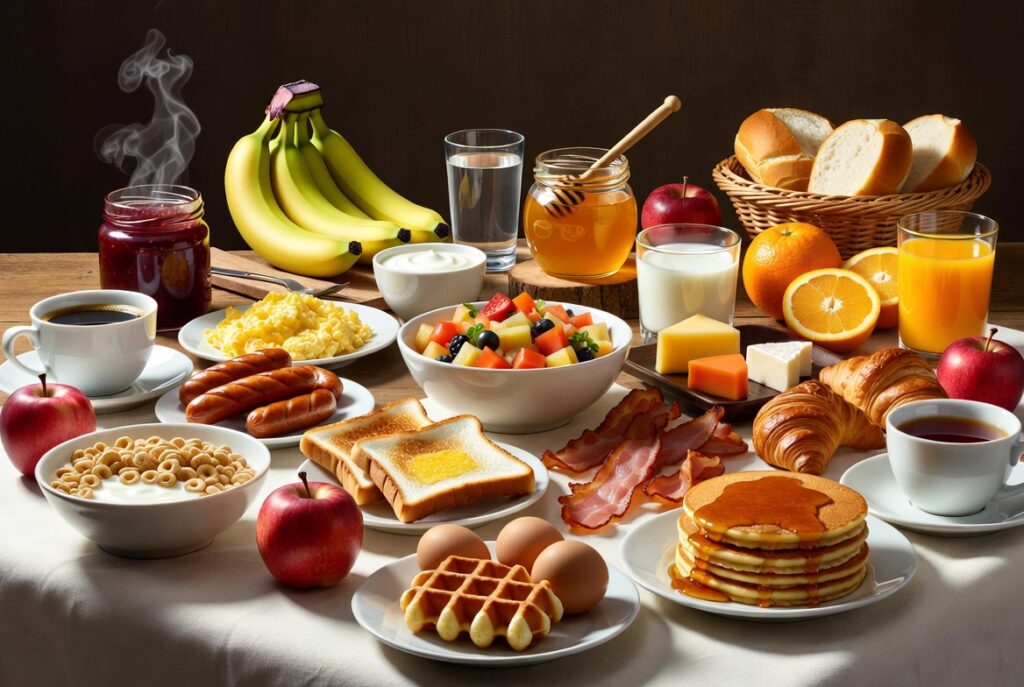
Indra thinks a breakfast should have a wide variety of food. There should be many choices for different guests. Some people like sweet food, and some people like salty food. A good hotel breakfast must offer both.
First, Indra likes fresh bread. There should be rolls, toast, and croissants. The bread should be fresh every morning. Next to the bread, there should be butter, jam, honey, and cheese. These foods are simple, but very important for breakfast.
Indra also likes healthy food. He thinks fruit is very important. There should be apples, bananas, oranges, and fruit salad. Yogurt and cereals are also good choices. Many guests like to eat something light and healthy in the morning.
For drinks, Indra expects coffee, tea, water, and fruit juice. Orange juice is very popular. Milk should also be available. A good hotel should always offer fresh drinks for all guests.
Indra also likes hot food at breakfast. There can be scrambled eggs, boiled eggs, sausages, and bacon. Pancakes or waffles are also nice. In some hotels, there is live cooking. A chef prepares eggs or omelettes in front of the guests. Indra thinks this is very good because the food is fresh and warm.
Finally, Indra thinks the breakfast area should be clean and quiet. The staff should be friendly and help guests. The buffet should always be full and fresh.
In conclusion, Indra says a perfect breakfast has many choices, fresh food, and good service. It should be simple, rich, and enjoyable for all guests.
_______________________
Vocabulary:
frequent → happening many times
to start the day well → to begin the morning in a good way
a variety of food → many different kinds of food
a choice → when you can pick something
to offer something → to give something
a roll → a small round bread
a croissant → a soft, curved bread (French bread)
healthy food → food that is good for your body
to expect → to think something will happen
to be popular → liked by many people
scrambled eggs → eggs mixed and cooked in a pan
to boil something → to cook in hot water
a sausage → meat in a long thin shape
bacon → thin slices of fried meat
a pancake → a flat round sweet or salty cake
in conclusion → at the end
to be enjoyable → to be nice and make people happy
#################
Match the words with their definitions
Words
A. frequent B. to start the day well C. a variety of food D. a choice E. to offer something F. a roll G. a croissant H. healthy food I. to expect J. to be popular K. scrambled eggs L. to boil something M. a sausage N. bacon O. a pancake P. in conclusion Q. to be enjoyable
Indra likes fresh bread such as rolls, toast, and croissants.
The breakfast buffet should always have empty spaces.
Indra expects drinks such as coffee, tea, water, and fruit juice.
The hotel breakfast focuses only on one type of food.
Fruit, yogurt, and cereals are healthy breakfast options.
The breakfast area should be clean and quiet.
Indra travels around the world only for holidays.
Live cooking means a chef prepares eggs or omelettes in front of guests.
Indra thinks a perfect breakfast should include expensive furniture.
Sausages, bacon, and scrambled eggs are hot breakfast foods.
Orange juice is very popular at breakfast.
The hotel staff should ignore guests during breakfast.
Indra likes only salty food in the morning.
Milk should be available at a good hotel breakfast.
Pancakes and waffles are nice breakfast choices.
Indra thinks breakfast should be difficult and complicated.
_________________
False: 2,4,7,9,12,13,16
________________ Answers:
Indra likes fresh bread such as rolls, toast, and croissants.
The breakfast buffet should always have empty spaces. True is: The buffet should always be full and fresh.
Indra expects drinks such as coffee, tea, water, and fruit juice.
The hotel breakfast focuses only on one type of food. True is: The hotel breakfast offers many choices for different guests.
Fruit, yogurt, and cereals are healthy breakfast options.
The breakfast area should be clean and quiet.
Indra travels around the world only for holidays. True is: Indra travels around the world for work and holidays.
Live cooking means a chef prepares eggs or omelettes in front of guests.
Indra thinks a perfect breakfast should include expensive furniture. True is: Indra thinks a perfect breakfast has many choices, fresh food, and good service.
Sausages, bacon, and scrambled eggs are hot breakfast foods.
Orange juice is very popular at breakfast.
The hotel staff should ignore guests during breakfast. True is: The staff should be f – riendly and help guests.
Indra likes only salty food in the morning. True is: Indra likes both sweet and salty food choices.
Milk should be available at a good hotel breakfast.
Pancakes and waffles are nice breakfast choices.
Indra thinks breakfast should be difficult and complicated. True is: Indra thinks breakfast should be simple, rich, and enjoyable.
#################
Fill in, words below:
expects – frequent – special – variety – rolls – scrambled – in conclusion – well – healthy – important – area
Indra is a ________ traveler for work and holidays. He visits many hotels around the world and thinks breakfast is ________ because it helps him start the day ________. A perfect breakfast should have a ________ of food and many choices for guests. Hotels should offer fresh bread, ________ , toast, croissants, butter, jam, honey, and cheese. __________ food is also important, so fruit, yogurt, and cereals are good choices. Indra ________ drinks like coffee, tea, water, milk, and fruit juice. Orange juice is very popular. Hot food such as ________ eggs, boiled eggs, sausages, bacon, pancakes, and waffles makes breakfast enjoyable.________, good service, fresh food, and a friendly breakfast ________ make a hotel breakfast __________.
——————————— Correct version:
Indra is a frequent traveler for work and holidays. He visits many hotels around the world and thinks breakfast is important because it helps him start the day well. A perfect breakfast should have a variety of food and many choices for guests. Hotels should offer fresh bread, rolls, toast, croissants, butter, jam, honey, and cheese. Healthy food is also important, so fruit, yogurt, and cereals are good choices. Indra expects drinks like coffee, tea, water, milk, and fruit juice. Orange juice is very popular. Hot food such as scrambled eggs, boiled eggs, sausages, bacon, pancakes, and waffles makes breakfast enjoyable. In conclusion, good service, fresh food, and a friendly breakfast area make a hotel breakfast special.
#################
Match questions and answers:
Questions
What do you do when you travel?
Why is breakfast important for you?
What does a perfect breakfast have?
Which bread products do you like?
What foods go well with bread?
Which healthy foods are good for breakfast?
What drinks do you expect at a hotel breakfast?
Why is orange juice special?
What hot foods are nice in the morning?
How does live cooking improve breakfast?
What should a breakfast area be like?
How can hotel staff help guests?
What makes a buffet good?
What is your opinion about the perfect breakfast?
Answers
a. I believe it is simple, rich, and enjoyable for all guests.
b. Butter, jam, honey, and cheese are great with bread.
c. I prefer scrambled eggs, boiled eggs, sausages, bacon, pancakes, and waffles.
d. It needs to be clean and quiet for everyone.
e. I visit many hotels around the world for work and holidays.
f. It includes many choices and a variety of food for different guests.
g. They can give support and be friendly during breakfast.
h. Many guests like it because it is a popular breakfast drink.
i. Fruit, yogurt, and cereals are good options for a healthy meal.
j. It makes the food fresh and warm because a chef prepares it in front of guests.
k. I want coffee, tea, water, milk, and fruit juice.
l. Fresh rolls, toast, and croissants are my favorite bread choices.
m. A good buffet has fresh food and many choices.
n. It helps me begin the day well and gives me energy for the morning.
Chef: Good morning! Welcome to my breakfast stand. Guest: Good morning! Everything looks very good. Chef: Thank you! What do you want? Guest: I want scrambled eggs and pancakes, please. Chef: Okay. How many pancakes? Guest: Two pancakes, please. And sausages and bacon. Chef: How many sausages? Guest: Two sausages and three bacon, please. Chef: Good. Do you want a boiled egg? Guest: Yes, one boiled egg. Chef: Okay. Fruit salad? Guest: Yes, please. And one banana. Chef: Here is your toast with jam. Do you want honey too? Guest: Yes, a little honey. Chef: What do you want to drink? Coffee? Tea? Juice? Guest: Coffee and orange juice, please. Chef: Here you are. Enjoy your breakfast! Guest: Thank you very much!
################
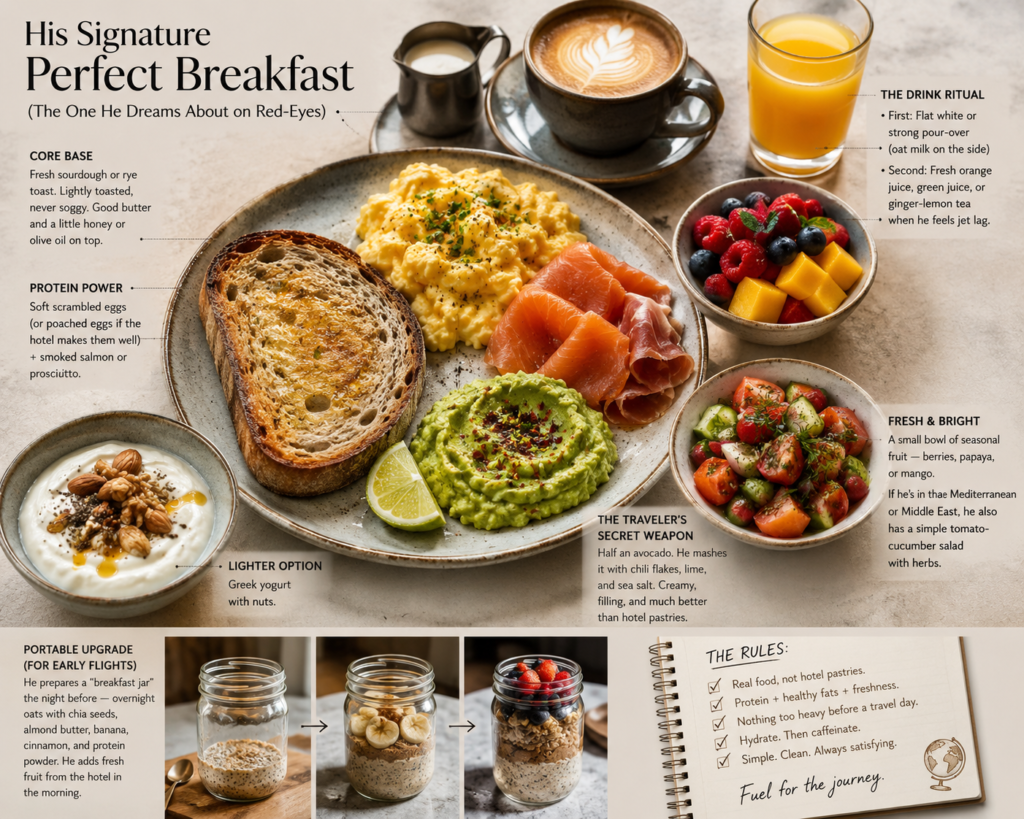
His Signature „Perfect Breakfast“ (B1) (The one he dreams about on red-eyes) Core Base: Fresh sourdough or rye toast. Lightly toasted, never soggy. Good butter and a little honey or olive oil on top.
Protein Power: Soft scrambled eggs (or poached eggs if the hotel makes them well) + smoked salmon or prosciutto. If he wants something lighter, he has Greek yogurt with nuts.
The Traveler’s Secret Weapon: Half an avocado. He mashes it with chili flakes, lime, and sea salt. It is creamy, filling, and much better than hotel pastries.
Fresh & Bright: A small bowl of seasonal fruit — berries, papaya, or mango. If he is in the Mediterranean or Middle East, he also has a simple tomato-cucumber salad with herbs.
The Drink Ritual: First: A flat white or strong pour-over coffee (oat milk on the side). Second: Fresh orange juice, green juice, or ginger-lemon tea when he feels jet lag.
Portable Upgrade (for early flights): He prepares a „breakfast jar“ the night before — overnight oats with chia seeds, almond butter, banana, cinnamon, and protein powder. He adds fresh fruit from the hotel in the morning.
#################
Breakfast & Buffet Vocabulary (A1 Definitions)
Word / Phrase
Simple Definition
breakfast
the first meal of the day
breakfast buffet
a place where guests choose different breakfast foods themselves
breakfast selection
the different foods available for breakfast
breakfast choice
a food option you can choose
breakfast menu
a list of breakfast foods and drinks
breakfast spread
many different breakfast foods placed together
morning meal
food eaten in the morning
hot breakfast
breakfast food served warm
cold breakfast
breakfast food served cold
healthy breakfast
breakfast with good and nutritious food
full breakfast
a big breakfast with many foods
light breakfast
a small breakfast
traditional breakfast
a breakfast from a local culture
international breakfast
breakfast foods from different countries
Buffet Vocabulary
Word / Phrase
Simple Definition
buffet
a meal where people take food by themselves
food display
food arranged so people can see it
food selection
different foods that are available
variety
many different types of things
choice
something you can choose
option
one thing you can choose
range
many different types of something
assortment
a group of different foods
selection of dishes
different meals or foods available
buffet table
a table with many foods
buffet area
the place where buffet food is served
self-service
when guests take food themselves
food station
a place with one type of food
corner
a small area for a special food type
display
the way food is shown
Describing a Buffet
Word / Phrase
Simple Definition
extensive
having many things
large selection
many choices
wide variety
many different types
diverse
having many different kinds
rich selection
many good choices
abundant
having a lot of something
generous
giving a lot
impressive
very good and beautiful
attractive
nice to look at
inviting
making people want to try it
colorful
having many bright colors
fresh
recently made or collected
delicious
tasting very good
tasty
having a good taste
beautiful presentation
food arranged in a nice way
Food Quality Vocabulary
Word / Phrase
Simple Definition
fresh
new and not old
freshly prepared
made shortly before eating
homemade
made at home or like home cooking
local
from the nearby area
seasonal
available at a certain time of the year
premium
very good quality
high-quality
very good standard
natural
from nature, not artificial
healthy
good for your body
nutritious
containing things your body needs
flavorful
having a strong and good taste
delicious
very good to eat
tasty
having a pleasant taste
aromatic
having a nice smell
warm
having a comfortable hot temperature
Bakery & Bread Vocabulary
Word / Phrase
Simple Definition
bread
a baked food made from flour
bread roll
a small piece of bread
pastry
sweet or baked dough food
croissant
a French pastry with many layers
muffin
a small sweet cake
cake
a sweet baked dessert
freshly baked
made recently in an oven
crispy
hard and crunchy
soft
not hard
fluffy
light and soft
golden-brown
having a warm brown color after cooking
buttery
tasting like butter
sweet
having sugar taste
Egg & Live Cooking Vocabulary
Word / Phrase
Simple Definition
live cooking station
a place where chefs cook food in front of guests
cooking station
a special area for preparing one type of food
chef
a person who cooks professionally
cook
to prepare food with heat
prepare
to make food ready
made-to-order
cooked when a guest asks for it
customized
made in the way a person wants
personal choice
something chosen by one person
fresh preparation
making food shortly before eating
open kitchen
a kitchen guests can see
Egg Dishes
Word / Phrase
Simple Definition
egg
a food from a chicken or other bird
omelet
cooked eggs with fillings inside
scrambled eggs
eggs mixed and cooked in small pieces
fried egg
an egg cooked in a pan
boiled egg
an egg cooked in hot water
poached egg
an egg cooked gently in water
sunny-side-up egg
a fried egg with the yellow part visible
egg station
a place where eggs are cooked
topping
food added on top
ingredient
food used to make a dish
Pancake & Sweet Station Vocabulary
Word / Phrase
Simple Definition
pancake
a flat, soft cake cooked in a pan
waffle
a sweet cake with a pattern
crêpe
a thin French pancake
topping
something added on top of food
syrup
a sweet liquid added to food
honey
a sweet food made by bees
cream
a soft dairy product
chocolate sauce
sweet chocolate liquid
fresh fruit
fruit that is not old
berry
a small sweet fruit
Fruit & Healthy Breakfast
Word / Phrase
Simple Definition
fruit platter
a plate with different fruits
fruit selection
different fruits available
yogurt
a soft dairy food
cereal
grains usually eaten with milk
granola
baked oats with nuts and seeds
nuts
small hard foods from trees
seeds
small parts of plants used as food
smoothie
a thick drink made from fruit
juice
a drink made from fruit
wellness
good health and feeling good
Drinks
Word / Phrase
Simple Definition
coffee station
a place where coffee is served
tea selection
different types of tea
freshly brewed coffee
coffee made recently
espresso
a small strong coffee
cappuccino
coffee with milk foam
latte
coffee with a lot of milk
juice bar
a place serving different juices
beverage
a drink
refreshment
a drink or small food that makes you feel better
Luxury & Hotel Breakfast Words
Word / Phrase
Simple Definition
elegant
beautiful and stylish
luxurious
very comfortable and expensive
gourmet
very high-quality food
exclusive
special and not common
refined
high quality and carefully made
memorable
easy to remember
exceptional
much better than usual
outstanding
extremely good
impressive
making people admire it
experience
something you enjoy or feel
Useful sentences
The breakfast buffet offers many different foods. → There are many foods to choose from.
Guests can enjoy freshly prepared eggs. → Eggs are cooked shortly before eating.
The chef prepares omelets at the live cooking station. → The chef cooks omelets in front of guests.
There is a large selection of bread, fruit, and pastries. → There are many kinds of these foods.
The buffet has fresh and healthy breakfast options. → The food is good for your health.
Guests can choose their favorite toppings. → People can pick what they want to add.
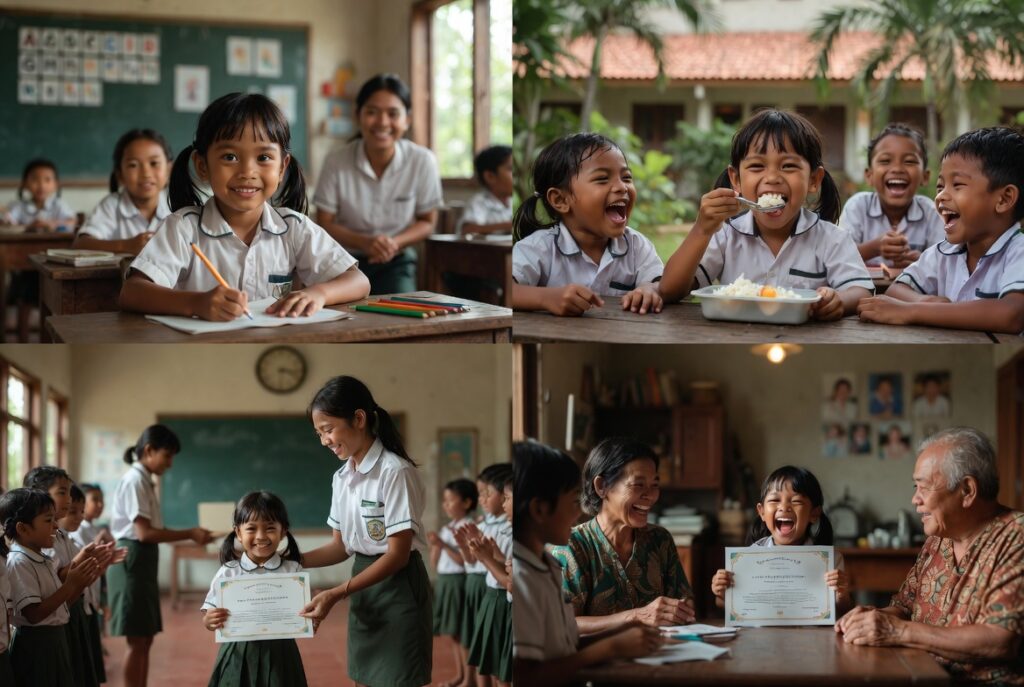
Char is a young lady in South East Asia. She is twenty-one and remembers her first school year very well.
Her teacher was kind and friendly. Char liked her class because the children were nice. They learned the alphabet, simple words, and numbers. They read short stories and wrote easy sentences. They sang songs together and played games in the classroom. Char liked drawing pictures with coloured pencils. She always listened to her teacher and finished her work.
At break time, Char ate rice and fruit. She talked with her friends and laughed with them. After the break, the class went back to the room. Char enjoyed every school day. She felt happy because she learned something new every week.
At the end of the school year, the school had a small ceremony. The teacher called every child to the front. Char walked to her teacher with a big smile. The teacher gave her a certificate for her good work. Char held it carefully in her hands. Her parents smiled and clapped for her. They were very happy.
Char went home with her certificate. She showed it to her family. They were happy and proud. They looked at it together and smiled. Char felt proud. She kept the certificate in a safe place.
________________________
Vocabulary:
to remember – to keep something in your mind from the past.
a sound – something that you hear.
to be kind – to be nice and helpful to other people.
numbers (in school) – 1, 2, 3, 4, 5, and other counting words.
to write a sentence – to write a group of words that makes a complete idea.
to draw pictures – to make pictures with a pencil, pen, or crayons.
to clap for somebody – to hit your hands together to show you are happy for someone.
to be proud – to feel happy because you or another person did something well.
coloured pencils – pencils in different colours for drawing and colouring.
to listen to somebody – to hear and pay attention to what a person says.
to finish work – to complete your work.
break time (school) – a short time when children stop lessons to eat, play, or rest.
to laugh – to make a happy sound because something is funny or makes you happy.
to enjoy something – to like something and feel happy doing it.
a ceremony (school) – a special school event to celebrate something.
to call to the front (school) – to ask a student to come to the front of the classroom or room.
a certificate (school) – a paper that shows a student did something well or finished something.
a safe place – a place where something is protected and will not be lost or damaged.
################
Verbs in text, regular, irregular:
Infinitive
Past Simple
Definition
to be
was / were
to exist or describe a person or thing
to remember
remembered
to keep something in your mind from the past
to like
liked
to think something is good or nice
to learn
learned
to get new knowledge or skills
to read [ri:d]
read [red]
to look at words and understand them
to write
wrote
to put words on paper with a pen or pencil
to sing
sang
to make music with your voice
to play
played
to do a game or have fun
to draw
drew
to make a picture with a pencil or pen
to listen (to)
listened
to hear and pay attention
to finish
finished
to complete something
to eat
ate
to have food
to talk
talked
to speak with someone
to laugh
laughed
to make a happy sound because something is funny
to go
went
to move from one place to another
to enjoy
enjoyed
to like something and feel happy doing it
to feel
felt
to have an emotion or a feeling
to have
had
to own or experience something
to call
called
to ask someone to come
to walk
walked
to move on your feet
to give
gave
to let someone have something
to hold
held
to keep something in your hands
to smile
smiled
to show happiness with your face
to clap
clapped
to hit your hands together to show you are happy
to show
showed
to let someone see something
to keep
kept
to leave something in a place or continue to have it
################
Match word and definition:
Words
to remember
a sound
to be kind
numbers (in school)
to write a sentence
to draw pictures
to clap for somebody
to be proud
coloured pencils
to listen to somebody
to finish work
break time (school)
to laugh
to enjoy something
a ceremony (school)
to call to the front (school)
a certificate (school)
a safe place
Definitions
A. to hit your hands together to show you are happy for someone. B. a paper that shows a student did something well or finished something. C. to make pictures with a pencil, pen, or crayons. D. to keep something in your mind from the past. E. a short time when children stop lessons to eat, play, or rest. F. to ask a student to come to the front of the classroom or room. G. to feel happy because you or another person did something well. H. 1, 2, 3, 4, 5, and other counting words. I. to make a happy sound because something is funny or makes you happy. J. to be nice and helpful to other people. K. to hear and pay attention to what a person says. L. to complete your work. M. to like something and feel happy doing it. N. a sound that you hear. O. a special school event to celebrate something. P. to write a group of words that makes a complete idea. Q. pencils in different colours for drawing and colouring. R. a place where something is protected and will not be lost or damaged.
Char _____ (remember) her first school year yesterday. YOU WRITE: Char _remembered_ her first school year yesterday.
She _____ (hear) a sound in the classroom.
The teacher _____ (be) kind to all children.
The children _____ (learn) numbers in school like 1, 2, 3.
Char _____ (write) a sentence in class.
She _____ (draw) pictures with coloured pencils.
The class _____ (clap for somebody) after the song.
Char _____ (be) proud of her certificate.
She _____ (use) coloured pencils to draw.
The children _____ (listen) in class.
Char always _____ (finish work) before break.
Break time _____ (be) fun for all children.
The children _____ (laugh) in the playground.
Char _____ (enjoy) every lesson.
The school _____ (have) a ceremony at the end of the year.
The teacher _____ (call) a student to the front.
Char _____ (receive) a certificate for good work.
Char _____ (keep) it in a safe place at home.
——————————-
Correct version:
Char remembered her first school year yesterday.
She heard a sound in the classroom.
The teacher was kind to all children.
The children learned numbers in school like 1, 2, 3.
Char wrote a sentence in class.
She drew pictures with coloured pencils.
The class clapped after the song.
Char was proud of her certificate.
She used coloured pencils to draw.
The children listened in class.
Char always finished work before break.
Break time was fun for all children.
The children laughed in the playground.
Char enjoyed every lesson.
The school had a ceremony at the end of the year.
The teacher called a student to the front
Char received a certificate for good work.
Char kept it in a safe place at home.
################
True or false:
Char moved to a new school in another country during the year.
The teacher gave each child a certificate at the ceremony.
Char remembered her first school year very well.
The children studied only mathematics during lessons.
Char showed her certificate to her family at home.
The ceremony happened in a large stadium with many schools.
The teacher was kind and friendly.
Char liked drawing pictures with coloured pencils.
Char spent break time eating noodles alone in the classroom.
The children learned the alphabet, simple words, and numbers.
Char returned home without speaking to her family.
The teacher gave certificates before the school year started.
______________________ False: 1, 4,6, 9, 11, 12
______________________
Correct answers:
Char moved to a new school in another country during the year. True is: Char went home with her certificate, showed it to her family, and they were proud.
The teacher gave each child a certificate at the ceremony.
Char remembered her first school year very well.
The children studied only mathematics during lessons. True is: The children learned the alphabet, simple words, and numbers, read short stories, and wrote easy sentences.
Char showed her certificate to her family at home.
The ceremony happened in a large stadium with many schools. True is: The school had a small ceremony at the end of the school year.
The teacher was kind and friendly.
Char liked drawing pictures with coloured pencils.
Char spent break time eating noodles alone in the classroom. True is: Char spent break time eating rice and fruit, talking and laughing with her friends.
The children learned the alphabet, simple words, and numbers.
Char returned home without speaking to her family. True is: Char went home with her certificate, showed it to her family, and they were proud.
The teacher gave certificates before the school year started. True is: The teacher called every child to the front at the end of the school year and gave them a certificate.
#################
Short answers, past simple, basics:
Example Sentence
Yes
No
I learned letters.
Yes, I did.
No, I didn’t.
You read signs.
Yes, you did.
No, you didn’t.
He spoke English.
Yes, he did.
No, he didn’t.
She watched TV.
Yes, she did.
No, she didn’t.
It helped me.
Yes, it did.
No, it didn’t.
We used an app.
Yes, we did.
No, we didn’t.
You read words.
Yes, you did.
No, you didn’t.
They made mistakes.
Yes, they did.
No, they didn’t.
Questions (Past Simple)
Question
Yes
No
Did I learn letters?
Yes, I did.
No, I didn’t.
Did you read signs?
Yes, you did.
No, you didn’t.
Did he speak English?
Yes, he did.
No, he didn’t.
Did she watch TV?
Yes, she did.
No, she didn’t.
Did it help me?
Yes, it did.
No, it didn’t.
Did we use an app?
Yes, we did.
No, we didn’t.
Did you read words?
Yes, you did.
No, you didn’t.
Did they make mistakes?
Yes, they did.
No, they didn’t.
Was / Were
Question
Yes
No
Was I happy?
Yes, I was.
No, I wasn’t.
Were you happy?
Yes, you were.
No, you weren’t.
Was he happy?
Yes, he was.
No, he wasn’t.
Was she happy?
Yes, she was.
No, she wasn’t.
Was it good?
Yes, it was.
No, it wasn’t.
Were we happy?
Yes, we were.
No, we weren’t.
Were you happy?
Yes, you were.
No, you weren’t.
Were they happy?
Yes, they were.
No, they weren’t.
#################
Give short answers:
Char was a young student in Southeast Asia.
YOU WRITE: Yes, she was.
Char travelled to school by boat every day.
Her teacher was very kind.
The class studied advanced chemistry in the first year.
Char went to school when she was young.
The children were unhappy in the classroom.
The students sang songs together.
Char ate pizza and burgers at break time.
She read short stories with her class.
The teacher gave Char a certificate.
The school had a large sports tournament every week.
Char liked drawing with coloured pencils.
The class learned the alphabet and simple words.
Char never attended school.
Her parents smiled and clapped proudly.
The teacher punished all students every day.
Char kept her certificate in a safe place.
The class wrote only long essays every day.
The school year ended with a small ceremony.
Char forgot everything she learned at school.
_______________________
Correct answers:
Char was a young student in Southeast Asia. Yes, she was.
Char travelled to school by boat every day. No, she didn’t.
Her teacher was very kind. Yes, she was.
The class studied advanced chemistry in the first year. No, they didn’t.
Char went to school when she was young. Yes, she did.
The children were unhappy in the classroom. No, they weren’t.
The students sang songs together. Yes, they did.
Char ate pizza and burgers at break time. No, she didn’t.
She read short stories with her class. Yes, she did.
The teacher gave Char a certificate. Yes, she did.
The school had a large sports tournament every week. No, it didn’t.
Char liked drawing with coloured pencils. Yes, she did.
The class learned the alphabet and simple words. Yes, they did.
Char never attended school. No, she didn’t.
Her parents smiled and clapped proudly. Yes, they did.
The teacher punished [to feel pain or feel bad] all students every day. No, she didn’t.
Char kept her certificate in a safe place. Yes, she did.
The class wrote only long essays every day. No, they didn’t.
The school year ended with a small ceremony. Yes, it did.
Char forgot everything she learned at school. No, she didn’t.
###############
Basics in past simple:
Personal Pronoun
Verb (Past)
Object
I
ate
apples
You
ate
apples
He
ate
apples
She
ate
apples
It
ate
apples
We
ate
apples
You (plural)
ate
apples
They
ate
apples
I
played
football
You
played
football
He
played
football
She
played
football
It
played
football
We
played
football
You (plural)
played
football
They
played
football
Personal Pronoun
Verb (Past Negative)
Object
I
did not eat
apples
You
did not eat
apples
He
did not eat
apples
She
did not eat
apples
It
did not eat
apples
We
did not eat
apples
You (plural)
did not eat
apples
They
did not eat
apples
I
did not play
football
You
did not play
football
He
did not play
football
She
did not play
football
It
did not play
football
We
did not play
football
You (plural)
did not play
football
They
did not play
football
Did
Personal Pronoun
Verb (Infinitive)
Object
Did
I
eat
an apple?
Did
you
eat
an apple?
Did
he
eat
an apple?
Did
she
eat
an apple?
Did
it
eat
an apple?
Did
we
eat
an apple?
Did
you
eat
an apple?
Did
they
eat
an apple?
##################
Forms of ‚to be‘
Personal Pronoun
Positive
Negative
Question
I
I was happy.
I was not happy.
Was I happy?
You
You were excited.
You were not excited.
Were you excited?
He
He was at home.
He was not at home.
Was he at home?
She
She was tired.
She was not tired.
Was she tired?
It
It was cold.
It was not cold.
Was it cold?
We
We were at the party.
We were not at the party.
Were we at the party?
You
You were friends.
You were not friends.
Were you friends?
They
They were in the garden.
They were not in the garden.
Were they in the garden?
Was/Were
Personal Pronoun
Place
Was
I
in America?
Were
you
in America?
Was
he
in America?
Was
she
in America?
Was
it
in America?
Were
we
in America?
Were
you
in America?
Were
they
in America?
#############
Answer as shown:
Char lived in Europe when she went to school.
YOU WRITE: Char did not live in Euope when she went to school. She lived in South East Asia.
Her teacher was strict.
The children learned science.
The class read long books.
Char wrote long stories.
Char painted with watercolours.
Char ate bread and cheese at break time.
The class played football after the break.
Char learned something new every day.
The school had a big sports festival.
The teacher gave Char a medal.
Char went home with a new book.
Char put the certificate on the wall.
Her family gave her a bicycle.
________________________
Answers:
Char did not live in Europe when she went to school. She lived in South East Asia.
Her teacher was not strict. She was kind and friendly.
The children did not learn science. They learned the alphabet, simple words, and numbers.
The class did not read long books. They read short stories.
Char did not write long stories. She wrote easy sentences.
Char did not paint with watercolours. She drew pictures with coloured pencils.
Char did not eat bread and cheese at break time. She ate rice and fruit.
The class did not play football after the break. They went back to the room.
Char did not learn something new every day. She learned something new every week.
The school did not have a big sports festival. It had a small ceremony.
The teacher did not give Char a medal. She gave her a certificate.
Char did not go home with a new book. She went home with her certificate.
Char did not put the certificate on the wall. She kept it in a safe place.
Her family did not give her a bicycle. They smiled and looked at her certificate together.
################
Form questions to which the word/s given is/are the answer:
Char went home.
YOU WRITE: a) Char: Who went home? b) went home: What did Char do? c) home: Where did she go?
Char showed her family the certificate. a) Char: b) showed her family the certificate: c) her family: d) her: e) the certficate:
Her family were proud a) Her family: b) Her:
They looked at the certificate. a) They: b) looked at the certificate: c) th certificate:
Char smiled. a) Char: b) smiled:
The teacher called every child to the front. a) The teacher: b) called every child to the front: c) every child: d) every: e) the front:
Char walked to her teacher. a) Char: b) walked to her teacher: c) her teacher:
The children sang songs. a) The children: b) sang songs: c) songs:
Char played 5 games. a) Char: b) played 5 games: c) 5 games: d) 5:
Char kept the certificate in a safe place. a) Char: b) kept the certificate in a safe place: c) the certificate: d) in a safe place: e) safe:
________________________
Answers:
Char showed her family the certificate. a) Char: Who showed her family the certificate? b) showed her family the certificate: What did Char do? c) her family: Who did Char show the certificate to? d) her: Whose family did Char show the certificate to? e) the certificate: What did Char show her family?
Her family were proud. a) Her family: Who were proud? b) Her: Whose family were proud?
They looked at the certificate. a) They: Who looked at the certificate? b) looked at the certificate: What did they do? c) the certificate: What did they look at?
Char smiled. a) Char: Who smiled? b) smiled: What did Char do?
The teacher called every child to the front. a) The teacher: Who called every child to the front? b) called every child to the front: What did the teacher do? c) every child: Who did the teacher call to the front? d) every: Which child did the teacher call to the front? e) the front: Where did the teacher call every child to?
Char walked to her teacher. a) Char: Who walked to her teacher? b) walked to her teacher: What did Char do? c) her teacher: To whom did Char walk?
The children sang songs. a) The children: Who sang songs? b) sang songs: What did the children do? c) songs: What did the children sing?
Char played 5 games. a) Char: Who played 5 games? b) played 5 games: What did Char do? c) 5 games: What did Char play? d) 5: How many games did Char play?
Char kept the certificate in a safe place. a) Char: Who kept the certificate in a safe place? b) kept the certificate in a safe place: What did Char do? c) the certificate: What did Char keep in a safe place? d) in a safe place: Where did Char keep the certificate? e) safe: What kind of place did she keep the certificate?
#################
Fill in, past simple:
The children _______ (be) nice.
Char _______ (go) home with her certificate.
Her teacher _______ (be) kind and friendly.
The school _______ (have) a small ceremony.
Char _______ (learn) the alphabet.
The children _______ (sing) songs.
The classroom _______ (be) happy.
Char _______ (hold) the certificate carefully.
The children _______ (play) games in the classroom.
Char _______ (feel) happy.
The school _______ (be) small.
The teacher _______ (give) a certificate to Char.
Her parents _______ (smile) and _______ (clap).
The class _______ (read) short stories.
Char _______ (write) easy sentences.
The children _______ (be) in the classroom.
Char _______ (draw) pictures with coloured pencils.
The teacher _______ (be) friendly.
Char _______ (eat) rice and fruit.
The school _______ (be) a nice place.
_____________________
Answers:
The children were nice.
Char went home with her certificate.
Her teacher was kind and friendly.
The school had a small ceremony.
Char learned the alphabet.
The children sang songs.
The classroom was happy.
Char held the certificate carefully.
The children played games in the classroom.
Char felt happy.
The school was small.
The teacher gave a certificate to Char.
Her parents smiled and clapped.
The class read short stories.
Char wrote easy sentences.
The children were in the classroom.
Char drew pictures with coloured pencils.
The teacher was friendly.
Char ate rice and fruit.
The school was a nice place.
###############
Fill in, words below:
certificate – learned – break time – looked – friendly – safe – drew – new – played – sentences – ceremony
Char was a young student in Southeast Asia. Her teacher was kind and ________. The children were nice and ________ the alphabet, simple words, and numbers. They read short stories and wrote easy ________. They sang songs and ________ games in the classroom. Char ________ pictures and listened carefully. At ________, she ate rice and fruit and talked with friends. She felt happy every day because she learned ________ things. At the end of the school year, the school had a small ________. The teacher gave Char a ________. Char held it and went home. She showed it to her family. They were proud and smiled. They________ at the certificate together. Char kept it in a ________ place and felt very happy about her first school year.
—————————- Correct version:
Char was a young student in Southeast Asia. Her teacher was kind and friendly. The children were nice and learned the alphabet, simple words, and numbers. They read short stories and wrote easy sentences. They sang songs and played games in the classroom. Char drew pictures and listened carefully. At break time, she ate rice and fruit and talked with friends. She felt happy every day because she learned new things. At the end of the school year, the school had a small ceremony. The teacher gave Char a certificate. Char held it and went home. She showed it to her family. They were proud and smiled. They looked at the certificate together. Char kept it in a safe place and felt very happy about her first school year.
#############
Match the questions with the answers (Char interview)
Questions
Who was your teacher?
Where did you go to school?
How was your teacher?
What did you learn in class?
What did you read?
What did you write?
When did you sing songs?
How did you feel at school?
What did you eat at break time?
Who did you talk with?
What did the teacher give you?
How did your family react?
Where did you keep the certificate?
Answers (mixed order)
a. I felt very happy. b. I placed it in a safe box. c. Miss Lee taught us in class. d. I had rice and fruit. e. I spoke with my friends. f. I studied in Southeast Asia. g. I received a certificate. h. I made easy sentences. i. They showed pride and smiled. j. I looked at short stories. k. She helped us and smiled a lot. l. I knew the alphabet, simple words, and numbers. m. I sang during lessons.
Tourism means people travel to other places. Many tourists stay in hotels. Hotel staff work in hotels and help guests. Most hotels are safe and good places.
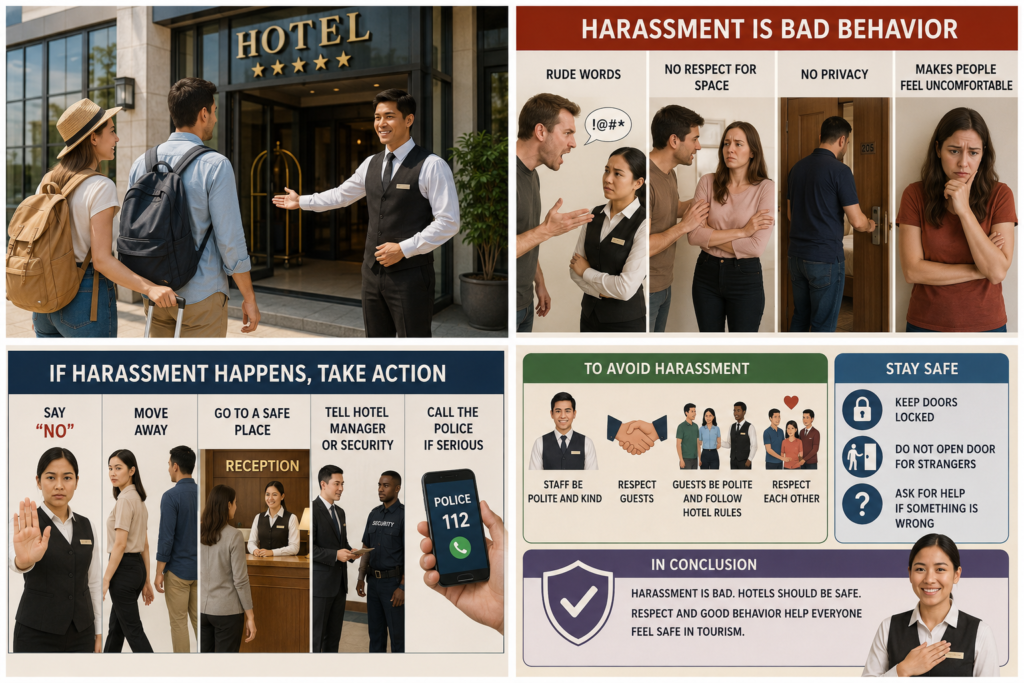
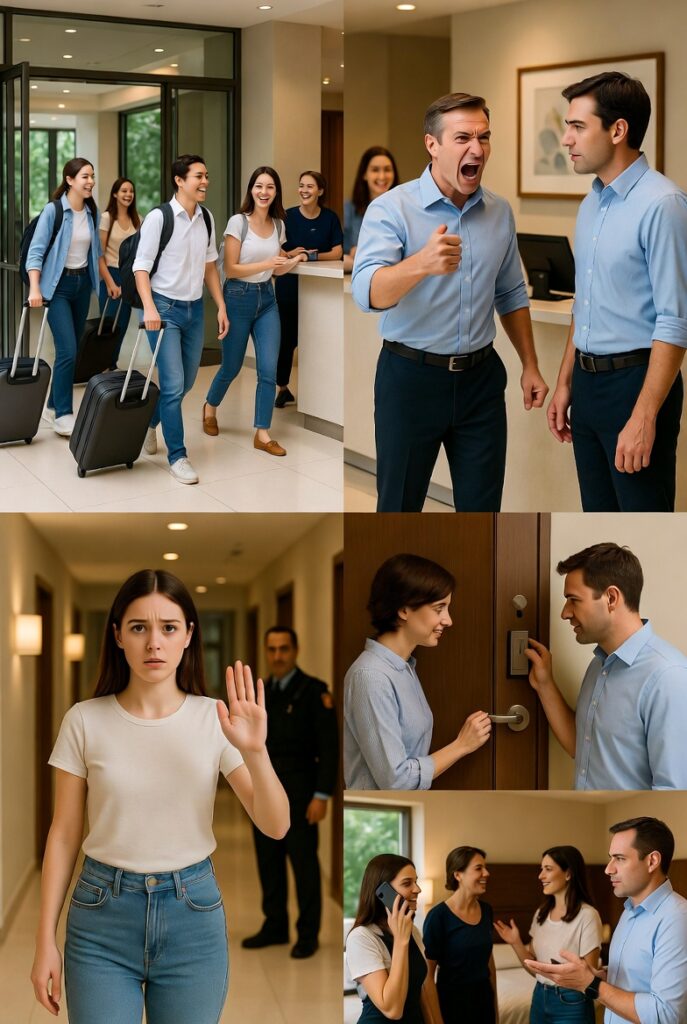
Harassment means bad or rude behavior. It makes people feel unsafe or uncomfortable. In hotels, harassment can happen. A staff member can be rude to a guest. A guest can also be rude to hotel staff. Sometimes someone says bad words. Sometimes someone does not respect privacy. This is harassment.
We can identify harassment when a person feels scared or unhappy. If someone is rude, or does not respect space, it can be harassment. If someone enters a room without permission, it is also harassment. People feel uncomfortable in these situations.
If harassment happens, we must stay calm. We should say “No”. We should move away from the person. We should go to a safe place like the hotel reception. We should tell the hotel manager or security. We can also call the police if it is serious.
To avoid harassment, we should be careful. Hotel staff should be polite and kind. They should respect guests. Guests should also be polite and follow hotel rules. We should respect each other.
We should also keep doors locked. We should not open the door for strangers. We should ask for help if something is wrong.
In conclusion, harassment is bad. Hotels should be safe. Respect and good behavior help everyone feel safe in tourism.
_______________________
Vocabulary:
harassment – bad or rude behavior that makes someone feel unsafe or uncomfortable.
reading comprehension – understanding what you read in a text.
a safe place – a place where you are not in danger and feel protected.
rude behavior – impolite actions or words that can hurt or upset others.
to feel uncomfortable – to feel not relaxed, worried, or not happy in a situation.
to respect privacy – to not look into or enter someone’s personal space or life without permission.
to identify something – to recognize something and understand what it is.
to feel scared – to feel afraid or worried about danger.
to respect space – to give someone their personal area and not go too close.
without permission – doing something without asking or getting agreement first.
to stay calm – to stay relaxed and not get angry or panicked.
to avoid something – to stay away from something or not do it.
to be kind – to be nice, friendly, and helpful to others.
to respect somebody – to treat someone well and show care for their feelings and rights.
to lock a door – to close a door with a key so nobody can enter.
in conclusion – the final part of something where you give a short summary.
#############
Match word and defintion:
Words
harassment
reading comprehension
a safe place
rude behavior
to feel uncomfortable
to respect privacy
to identify something
to feel scared
to respect space
without permission
to stay calm
to avoid something
to be kind
to respect somebody
to lock a door
in conclusion
Definitions
a. to stay away from something or not do it. b. to not look into or enter someone’s personal space or life without permission. c. the final part of something where you give a short summary. d. bad or rude behavior that makes someone feel unsafe or uncomfortable. e. to feel not relaxed, worried, or not happy in a situation. f. to close a door with a key so nobody can enter. g. to recognize something and understand what it is. h. to feel afraid or worried about danger. i. impolite actions or words that can hurt or upset others. j. to give someone their personal area and not go too close. k. to be nice, friendly, and helpful to others. l. to understand what you read in a text. m. to stay relaxed and not get angry or panicked. n. a place where you are not in danger and feel protected. o. doing something without asking or getting agreement first. p. to treat someone well and show care for their feelings and rights.
Guests can be rude to hotel staff. True is: Guests should be polite and respectful to hotel staff.
Tourism means people stay only in their home and never travel. True is: Tourism means people travel to other places.
Harassment means bad or rude behavior.
Entering a room without permission is always a normal action. True is: Entering a room without permission is harassment.
Hotel staff work in hotels and help guests.
Harassment makes people feel happy and comfortable in all cases. True is: Harassment makes people feel unsafe or uncomfortable.
Many tourists stay in hotels.
Guests are never allowed to interact with hotel staff at all. True is: Guests can interact with hotel staff.
People should report harassment to hotel staff or security.
Tourism means people travel to other places.
Hotel staff do not work in hotels and never help guests. True is: Hotel staff work in hotels and help guests.
Harassment can happen in hotels.
All hotels are unsafe places and should be avoided always. True is: Most hotels are safe and good places.
Harassment makes people feel unsafe or uncomfortable.
Reporting harassment is unnecessary because hotels automatically ignore all complaints. True is: People should report harassment to hotel staff or security.
Most hotels are safe and good places.
Hotel staff are not allowed to communicate with guests at any time. True is: Hotel staff are allowed to communicate with guests.
Harassment cannot happen in any hotel or tourism place. True is: Harassment can happen in hotels and tourism places.
Entering a hotel room without permission is a normal part of hotel service. True is: Entering a room without permission is harassment.
A guest is never allowed to speak to any hotel employee under any condition. True is: Guests are allowed to speak to hotel employees.
###############
Match Statements with Evidence
Statements
Tourism involves people visiting other places.
Hotels are places where travelers stay overnight.
Hotel employees assist guests during their stay.
Harassment can make someone feel unsafe or uncomfortable.
Entering a hotel room without permission is considered inappropriate behavior.
Both guests and staff should behave politely toward each other.
Reporting serious problems helps maintain safety in hotels.
Hotels usually have rules to protect guests and ensure comfort.
Respectful communication is expected in hotel settings.
Protecting personal space is important in accommodation places.
Evidence (shuffled)
A. Speaking in a polite way is expected between workers and visitors. B. Going into someone’s hotel room without asking is not allowed. C. Travel to different locations is part of tourism activities. D. Guests and employees are expected to treat each other properly. E. Hotels normally include guidelines to keep guests safe and comfortable. F. Telling hotel management or security can solve serious issues. G. People often stay in hotels when they travel away from home. H. Personal space should be respected in lodging environments. I. Saying or doing rude actions can cause fear or discomfort in others. J. Staff members in hotels support visitors with services and guidance.
__________ means people travel to different places for leisure or work.
Hotel staff help guests with services and information.
Protecting personal __________ helps prevent uncomfortable situations.
Many __________ stay in hotels during their trips.
Entering a room without __________ is not allowed in hotels.
Good __________ between guests and staff helps create a safe environment.
__________ means rude or harmful behavior that makes people uncomfortable.
Hotels provide __________ for travelers who need a place to stay.
Hotel staff should always be __________ and respectful to guests.
Respecting __________ is important in all accommodation places.
Most hotels are considered __________ and comfortable places.
Guests should follow hotel __________ to ensure safety and order.
If harassment happens, people should __________ it to hotel management or security.
__________ means people travel to different places for leisure or work.
Both guests and staff must treat each other with __________.
_______________________
Correct version:
Tourism means people travel to different places for leisure or work.
Hotel staff help guests with services and information.
Protecting personal space helps prevent uncomfortable situations.
Many tourists stay in hotels during their trips.
Entering a room without permission is not allowed in hotels.
Good communication between guests and staff helps create a safe environment.
Harassment means rude or harmful behavior that makes people uncomfortable.
Hotels provide accommodation for travelers who need a place to stay.
Hotel staff should always be polite and respectful to guests.
Respecting privacy is important in all accommodation places.
Most hotels are considered safe and comfortable places.
Guests should follow hotel rules to ensure safety and order.
If harassment happens, people should report it to hotel management or security.
Tourism means people travel to different places for leisure or work.
Both guests and staff must treat each other with respect.
################
Find the correct idea:
Ideas
A. Traveling to different places for leisure or work B. Places where travelers stay overnight C. Rude or unsafe behavior toward others D. Reporting problems to hotel staff or security E. Treating people with politeness and care F. Protecting personal space and privacy G. Staying in hotels during a trip H. Moving from one place to another I. Hotel staff helping guests with services J. Following rules in hotels for safety K. Feeling unsafe or uncomfortable because of behavior L. Communication between guests and staff M. Respecting others in shared spaces N. Keeping hotels safe and comfortable
Tourism → A, H Hotels → B, G, I Harassment → C, K Safety actions → D, J, N Respect → E, F, L, M
#################
Put the actions in the correct order if harassment happens in a hotel:
A. Tell hotel staff or security B. Move away from the person C. Stay calm D. Go to a safe place like reception E. Say “No” clearly
______________________
ANswers: 1c, 2e, 3b, 4d, 5a
################
Problems and solutions – match:
Problems
A. Someone enters a hotel room without permission B. A guest feels unsafe in the hotel C. A staff member is spoken to in a rude way D. A hotel rule is not followed E. A guest feels uncomfortable because of someone’s behavior F. A visitor ignores safety instructions from hotel staff
Solutions
Speak politely and set clear boundaries
Move away from the situation and go to reception
Follow all hotel rules carefully
Report the issue to hotel security or management
Stay calm and ask hotel staff for help
Remind the visitor about safety instructions
_______________________
Answers:
A → 4 B → 2 C → 1 D → 3 E → 5 F → 6
################
Answer:
Why is respect important in hotels?
What makes a hotel safe?
What should a guest do if they feel uncomfortable?
Why should hotel rules be followed?
How can communication help in hotels?
Why do tourists stay in hotels?
Who helps guests in a hotel?
What should you do if someone is rude?
Why is privacy important in a hotel?
What should you do if there is a problem in a hotel?
_____________________
Answers:
Why is respect important in hotels? Respect is important because it helps guests and staff feel safe and comfortable.
What makes a hotel safe? A hotel is safe when there are rules, staff, and security.
What should a guest do if they feel uncomfortable? A guest should stay calm and tell hotel staff or go to reception.
Why should hotel rules be followed? Hotel rules should be followed to keep everyone safe and organized.
How can communication help in hotels? Communication helps guests and staff understand each other and solve problems.
Why do tourists stay in hotels? Tourists stay in hotels because they need a place to sleep and stay during travel.
Who helps guests in a hotel? Hotel staff help guests during their stay.
What should you do if someone is rude? You should stay calm and tell hotel staff.
Why is privacy important in a hotel? Privacy is important because guests need personal space and comfort.
What should you do if there is a problem in a hotel? You should report the problem to hotel staff or reception.
################
Interview, find answer to question:
Questions
Why should people report harassment?
What is the main purpose of hotels?
Can harassment occur in hotels?
Why is privacy necessary in hotels?
What should hotel staff do?
What does harassment mean?
Should guests behave politely in hotels?
Where can a guest seek help?
What is a safe action in such a situation?
Who may take part in harassment?
What should a guest do during harassment?
Is reporting harassment important?
Answers
A. Moving away from the person is a safe choice. B. It refers to rude or unsafe behavior that makes people feel uncomfortable. C. They need to listen carefully and support the guest. D. Yes, it plays an important role in safety. E. Polite behavior is expected from all guests. F. Help can be found at reception or with security. G. The main purpose is ensuring safety and comfort for guests. H. This action helps protect others and keeps the hotel safe. I. Staying calm and telling hotel staff is the right step. J. Both guests and hotel employees can be involved. K. Guests require personal space to feel comfortable. L. It may happen in hotels as well.
Interviewer: What does harassment mean? Expert: It means rude or unsafe behavior that makes people feel uncomfortable.
Interviewer: Can harassment occur in hotels? Expert: Yes, it can happen in hotels as well.
Interviewer: Who may take part in harassment? Expert: Both guests and hotel employees can be involved.
Interviewer: What should a guest do during harassment? Expert: The guest should stay calm and tell hotel staff.
Interviewer: Where can a guest seek help? Expert: Help can be found at reception or with security.
Interviewer: Is reporting harassment important? Expert: Yes, it is very important for safety.
Interviewer: Why should people report harassment? Expert: It helps protect others and keeps the hotel safe.
Interviewer: What should hotel staff do? Expert: They should listen carefully and support the guest.
Interviewer: What is a safe action in such a situation? Expert: Moving away from the person is a safe choice.
Interviewer: Should guests behave politely in hotels? Expert: Yes, polite behavior is expected from all guests.
Interviewer: Why is privacy necessary in hotels? Expert: Guests need personal space to feel comfortable.
Interviewer: What is the main purpose of hotels? Expert: The main purpose is to ensure safety and comfort for guests.
################
################
Bonus text in B1:
Tourism refers to the activity of people travelling from one place to another for leisure, business, or other personal reasons. During their journeys, many tourists choose to stay in hotels, which provide accommodation, services, and support throughout their visit. Hotel staff play an important role in ensuring guests feel comfortable, safe, and well cared for. In general, most hotels are considered safe environments where people can relax and enjoy their stay.
Harassment is understood as unwanted, rude, or inappropriate behaviour that causes discomfort, fear, or distress to another person. In hotel settings, harassment can occur in different situations and may involve either staff or guests. For example, a staff member might treat a guest disrespectfully, or a guest might behave inappropriately towards a staff member. Harassment can also include offensive language, ignoring personal boundaries, or failing to respect a person’s privacy.
It is possible to identify harassment when someone feels unsafe, frightened, or uncomfortable in a situation. Behaviours such as invading personal space, using insulting language, or entering a hotel room without permission are clear examples of harassment. These actions often lead to emotional discomfort and a loss of trust in the environment.
If harassment takes place, it is important to respond in a calm and controlled manner. The person affected should clearly say “no” to stop the behaviour, then remove themselves from the situation. They should move to a safe location, such as the hotel reception, where assistance is available. Reporting the incident to hotel management or security is also important. In serious cases, contacting the police may be necessary.
Preventing harassment requires awareness and respectful behaviour from everyone involved. Hotel staff are expected to remain professional, polite, and supportive towards guests. At the same time, guests should follow hotel rules and treat staff and other visitors with respect. Mutual respect helps create a safe and welcoming environment for everyone.
In addition, personal safety measures are important. Guests should keep their room doors locked and avoid opening them to unknown individuals. If something feels wrong or unsafe, it is always better to seek help immediately from hotel staff or security personnel.
In conclusion, harassment is unacceptable in any environment, including hotels. Maintaining respect, following rules, and practising good communication are essential for ensuring safety and comfort in tourism settings.
The theme “Dream It. Plan It. Do It.” was the main message of the 5th University Scholars Leadership Symposium (USLS) in 2014. The event took place in Phnom Penh from 1–7 August 2014. It was organized by Humanitarian Affairs Asia and brought together young leaders from 67 countries for a week of training, learning, and teamwork.
Dream It. Plan It. Do It. is a simple idea about how you become a leader. It has three steps. The first step is Dream It. The second step is Plan It. The third step is Do It. These steps show how you move from an idea to real action.
In the first step, Dream It, you think about the future. You think about what can be better in the world. You think about problems in society and in the environment. You also think about your personal goals. You ask simple questions like “What do I want to do?” and “What problem can I help to fix?” You use imagination and hope in this step. This step helps you start new ideas.
In the second step, Plan It, you make a plan. You take the idea and write simple goals. You decide what to do first, second, and third. You can also work with other people. You talk with others and share ideas. You make a simple time plan. You think about what tools and help you need. This step helps you organize the idea.
In the third step, Do It, you start action. You do the work in real life. You start a small project in your community or at school. You help other people. You work step by step and follow the plan. You learn from small problems and try again. This step shows that action is very important.
This simple method helps you in daily life. You can use it for school work. You can use it for projects in your area. You can start small and then do more later. You can also work with friends and share tasks. This method helps you stay focused. It also helps you not stop after only thinking about ideas.
Dream It. Plan It. Do It. shows a clear way to move from thought to action. It helps you understand that ideas are only the first step. Real change happens when you make a plan and do the work. This method is simple and useful for many people in different situations.
________________________
Vocabulary:
symposium: a formal meeting where people talk about one topic.
leadership: guiding and helping a group of people.
environment: the natural world around us (air, water, land, animals).
a personal goal: something you want to achieve for yourself.
imagination: the ability to form ideas or pictures in your mind.
to share an idea: to tell others what you are thinking.
a tool: something you use to help do a job.
step by step: doing something one small part at a time in order.
to share a task: giving part of work to someone else to do together.
to stay focused: to keep your attention on one thing without getting distracted.
################
True or false:
“Dream It. Plan It. Do It.” has three steps.
In the “Do It” step, people only think about ideas.
The “Plan It” step is about organizing ideas.
You should not work with other people in this method.
“Dream It” is about thinking of future ideas and problems.
The method can be used for school work.
In “Do It”, people take real action.
The first step is “Do It”.
The method helps people stay focused.
In “Plan It”, you make a time plan.
“Dream It” includes asking what you want to do.
The method says ideas are the only important thing.
You can use this method in your community.
“Do It” means following your plan step by step.
The text says action is not important.
In “Plan It”, you can talk with other people.
The method only works for adults.
“Dream It” uses imagination and hope.
You should not try again if there are problems in “Do It”.
The method shows how to move from ideas to action.
In the “Do It” step, people only think about ideas. True is: In the “Do It” step, people take real action.
The “Plan It” step is about organizing ideas.
You should not work with other people in this method. True is: You can work with other people in this method.
“Dream It” is about thinking of future ideas and problems.
The method can be used for school work.
In “Do It”, people take real action.
The first step is “Do It”. True is: The first step is “Dream It”.
The method helps people stay focused.
In “Plan It”, you make a time plan.
“Dream It” includes asking what you want to do.
The method says ideas are the only important thing. True is: The method says action is also important.
You can use this method in your community.
“Do It” means following your plan step by step.
The text says action is not important. True is: The text says action is very important.
In “Plan It”, you can talk with other people.
The method only works for adults. True is: The method can be used by many people.
“Dream It” uses imagination and hope.
You should not try again if there are problems in “Do It”. True is: You should learn from problems and try again.
The method shows how to move from ideas to action.
################
Match each statement (1–20) with the correct evidence from the text (A–T).
WARNING: not easy 😉
Statements
The method helps people turn ideas into action.
People begin by imagining future changes.
The planning step includes organizing tasks.
This method can be used outside of school.
People can work together when planning.
The final step is about doing real work.
Problems during action are part of learning.
The method helps people stay focused.
The first step uses imagination.
The method is useful in everyday life.
People think about problems in society.
People ask questions about their goals.
Planning includes thinking about support needed.
Small projects can start in real places.
The method prevents stopping after ideas only.
Action is an important part of the method.
People share ideas with others.
The method connects thinking and doing.
People reflect and try again after problems.
People think about what can be improved.
Evidence
A. “You can start a small project in your community or at school.” B. “This step shows that action is very important.” C. “You think about problems in society and in the environment.” D. “You use imagination and hope in this step.” E. “You think about what tools and help you need.” F. “Dream It. Plan It. Do It. shows a clear way to move from thought to action.” G. “You can also work with other people. You talk with others and share ideas.” H. “You learn from small problems and try again.” I. “This step helps you stay focused. It also helps you not stop after only thinking about ideas.” J. “You ask simple questions like ‘What do I want to do?’ and ‘What problem can I help to fix?’” K. “You think about what can be better in the world.” L. “In the third step, Do It, you start action.” M. “The second step, Plan It, helps you organize the idea.” N. “You make a plan with simple goals.” O. “You decide what to do first, second, and third.” P. “You work step by step and follow the plan.” Q. “You use imagination in the first step.” R. “This step helps you not stop after only thinking about ideas.” S. “You can use it for school work and projects in your area.” T. “You think about problems in life and society.”
You can use the ideas of Dream It. Plan It. Do It. to improve your daily life and work. This simple method helps you think in a clear way and act in a better way. It also helps you reach your goals step by step.
First, Dream It helps you see new ideas. You think about what you want in your life. You also think about problems at school, at work, or in your community. This step helps you find useful ideas. You can see new chances and new goals. This helps you choose a direction for your future.
Second, Plan It helps you make order from ideas. You write simple goals. You decide what to do first. You make a small plan for each day or week. You can also ask friends for help. This step helps you save time and avoid confusion. You know what to do and when to do it.
Third, Do It helps you get real results. You start action instead of only thinking. You work on small tasks every day. You learn new skills by doing real work. You can also help other people in your community. This step helps you build experience and confidence.
In the end, this method helps you in study, work, and life. You can start small and grow step by step. You can reach your goals in a simple and clear way. You can also share ideas with others and work in a team. This method helps you stay active and not stop at ideas only. It gives you a simple way to move from thinking to doing and to see real progress in your life.
______________________
Vocabulary:
to profit from ideas: to get good results or benefit from ideas
to improve: to make something better
to make order from ideas: to organize ideas clearly
to save time: to use less time
to avoid something: to not do or stay away from something
confusion: when things are not clear or are mixed up
instead of: in place of something / replacing something
a task: a job or something you need to do
skills: things you can do well
a community: a group of people living or working together
to build experience: to learn by doing things over time
confidence: you believe in yourself and what you can do
progress: moving forward and getting better or more successful
#################
True or false:
Do It means only thinking, not doing.
Plan It helps you make order from ideas.
Dream It helps you see new ideas.
You should start big, not small.
You can ask friends for help in Plan It.
Do It helps build experience and confidence.
Dream It is about doing only physical work.
You write simple goals in Plan It.
Plan It makes you more confused.
Do It helps you learn skills by doing real work.
The method helps in study, work, and life.
Dream It never involves thinking about problems.
Plan It helps save time and avoid confusion.
Do It prevents you from learning new skills.
Dream It helps you choose direction for your future.
Do It means only thinking, not doing. True is: Do It means taking action instead of only thinking.
Plan It helps you make order from ideas.
Dream It helps you see new ideas.
You should start big, not small. True is: You should start small and grow step by step.
You can ask friends for help in Plan It.
Do It helps build experience and confidence.
Dream It is about doing only physical work. True is: Dream It is about thinking of ideas, goals, and problems.
You write simple goals in Plan It.
Plan It makes you more confused. True is: Plan It helps reduce confusion and brings order.
Do It helps you learn skills by doing real work.
The method helps in study, work, and life.
Dream It never involves thinking about problems. True is: Dream It involves thinking about problems, ideas, and goals.
Plan It helps save time and avoid confusion.
Do It prevents you from learning new skills. True is: Do It helps you learn new skills through practice.
Dream It helps you choose direction for your future.
Do It only means thinking, not action. True is: Do It means taking action and doing tasks.
The method helps you move from thinking to doing.
Plan It means you stop setting goals. True is: Plan It means you set and organize goals.
You work on small tasks every day in Do It.
Dream It ignores new chances and goals. True is: Dream It helps you notice new chances and set goals.
#################
Match statements with evidence
Statements
The method helps improve life and work.
Dream It is the first stage.
Dream It is about your personal wishes.
Dream It includes thinking about real problems.
Dream It helps you create ideas.
Dream It helps you notice new opportunities.
Dream It helps you set a direction.
Plan It organizes ideas.
Plan It includes setting simple goals.
Plan It helps you choose priorities.
Plan It includes making weekly or daily plans.
You can get help from others in planning.
Plan It saves time and reduces confusion.
Do It gives real results.
Do It is about taking action.
Do It involves daily tasks.
Do It helps you learn by doing.
Do It can support your community.
The method builds confidence and experience.
The method helps you stay active and focused.
Evidence
A. It helps you turn ideas into clear steps so you do not feel lost. B. You begin by thinking about what you want in your future life. C. This step is the first one in the process. D. It encourages doing small tasks instead of only thinking. E. You may work together with other people when planning. F. It helps you discover new chances in your life. G. It gives you experience and helps you become more confident. H. You look at problems around you and think about them. I. This step is about making simple plans for your time. J. It helps you act instead of staying in thoughts. K. You learn skills by practicing real activities. L. It helps you decide what is most important first. M. It helps you stay active and not stop after thinking. N. You write down easy and clear goals. O. It helps you find useful ideas for your future. P. This method is useful for school, work, and everyday life. Q. You plan your tasks for each day or week. R. It helps you change thinking into real action. S. You can improve your community through action. T. It helps you see ideas and possible directions.
June 5 should not only be marketing. It should lead to real action.
Ideas:
Start a recycling program on that day
Plant trees with staff and guests
Stop single-use plastics from that date
Teach staff simple eco rules
Launch a “green stay” option for guests
#################
June 5 Should Not Only Be Marketing. It Should Lead to Real Action.
June 5 is World Environment Day. Many hotels and companies post pictures and messages on social media. This is good, but it is not enough. We need real action, not only words.
One good idea is to start a recycling program on that day. Staff can learn how to separate paper, plastic, glass, and food waste. This is easy and helps the environment every day.
Another idea is to plant trees with staff and guests. It is a fun activity, and people can work together. Trees make the air cleaner and give homes to animals.
Hotels can also stop using single-use plastics from June 5. They can use glass bottles, paper straws, and refillable soap bottles instead. This helps reduce waste.
It is also important to teach staff simple eco rules, such as saving water, turning off lights, and using less paper. Small actions can make a big difference.
Finally, hotels can offer a “green stay” option. Guests can choose not to change towels every day or use less energy. This helps the planet and shows that everyone can be part of the solution.
#################
True or false:
June 5 is World Environment Day.
Hotels only post ads on this day and do nothing else.
Recycling programs can start on June 5.
Staff can learn to separate waste like paper and plastic.
Tree planting is not connected to environmental action.
Staff and guests can plant trees together.
Hotels must always use single-use plastics.
Some hotels stop using plastic bottles from June 5.
Teaching eco rules to staff is not useful.
Saving water and electricity is part of eco rules.
Green stay options help guests use less energy.
Guests must change towels every day in all hotels.
Small actions can help the environment.
Recycling and tree planting are examples of real action.
Hotels only post ads on this day and do nothing else. True is: Hotels do more than post ads on this day and take real environmental actions.
Recycling programs can start on June 5.
Staff can learn to separate waste like paper and plastic.
Tree planting is not connected to environmental action. True is: Tree planting is connected to environmental action.
Staff and guests can plant trees together.
Hotels must always use single-use plastics. True is: Hotels should reduce or eliminate single-use plastics, starting from June 5.
Some hotels stop using plastic bottles from June 5.
Teaching eco rules to staff is not useful. True is: Teaching eco rules to staff is useful.
Saving water and electricity is part of eco rules.
Green stay options help guests use less energy.
Guests must change towels every day in all hotels. True is: Guests do not have to change towels every day in green stay options.
Small actions can help the environment.
Recycling and tree planting are examples of real action.
June 5 should be marketing, not action. True is: June 5 should not only be marketing; it should lead to real action.
##################
Match the words with the correct definitions
Words
environment
recycling
waste
plastic
bottles
energy
water
trees
staff
guests
action
reduce
reuse
single-use
eco rules
Definitions
A. People who work in a hotel or company B. Things like paper, plastic, and food that are thrown away C. The natural world around us D. Things made from plastic material E. Visitors staying in a hotel F. To use something again or find new use G. Something used one time only H. Moving materials like paper and plastic into new products I. Things that grow in nature and help the air J. Electricity or power used for daily life K. A set of environmental guidelines or instructions L. To make something smaller or less M. Liquid we drink and use for cleaning N. A planned step or activity to achieve something O. Glass or plastic containers for liquids
1. Hotels should take real steps for the environment instead of only talking about it.
2. Waste can be divided into different groups in hotels to help the environment.
3. Hotel workers can be trained to handle rubbish in the correct way.
4. Hotel staff need clear and simple instructions about environmental habits.
5. Hotel visitors can take part in environmental activities during their stay.
6. Even small actions done every day can support the environment.
7. Tree planting can be done as a group activity in hotels.
8. Hotels should try to use less plastic in their services.
9. Saving electricity and water is part of good hotel practice.
10. Environmental work in hotels should include both employees and visitors.
11. Special environmental programs can begin on June 5.
12. Hotels can offer guests a choice that supports the environment.
13. Writing online posts alone is not enough to protect nature.
14. Hotels can replace common items with safer or better options for nature.
15. Trees are useful because they improve air quality and support living things.
Evidence:
a. “Staff can learn how to separate paper, plastic, glass, and food waste.” b. “It is not enough, but we need real action, not only words.” c. “Guests can choose not to change towels every day or use less energy.” d. “Planting trees with staff and guests.” e. “Saving water, turning off lights, and using less paper.” f. “Start a recycling program on that day.” g. “Hotels can stop using single-use plastics from June 5.” h. “Use glass bottles, paper straws, and refillable soap bottles instead.” i. “Teach staff simple eco rules.” j. “Staff and guests can plant trees together.” k. “A ‘green stay’ option.” l. “Small actions can make a big difference.” m. “Many hotels post pictures and messages on social media.” n. “Trees make the air cleaner and give homes to animals.” o. “It is a fun activity, and people can work together.” _____________________________
What is the main idea of the text? a. Marketing is more important than action b. Real actions are needed for the environment c. Hotels should stop using social media
What can hotels start on June 5? a. A recycling program b. A holiday event c. A new advertising campaign
What can staff learn to do? a. Design advertisements b. Sort waste correctly c. Sell hotel services
Why do hotels plant trees with guests? a. To increase profits b. To improve nature c. To attract tourists
What should hotels reduce? a. Staff training b. Plastic use c. Guest numbers
What can hotels use instead of plastic bottles? a. Glass bottles b. Paper bags c. Metal boxes
What is an eco rule for staff? a. Print more documents b. Save water and energy c. Use more plastic items
What can guests choose in a “green stay”? a. Stay longer for free b. Get free food c. Use fewer towels
What is said about social media posts? a. They replace real action b. They are not enough c. They are the best solution
What helps reduce energy use? a. Opening more rooms b. Turning off lights c. Using more machines
Who can join tree planting? a. Staff and guests b. Only managers c. Only visitors
What is recycling in hotels? a. Cleaning rooms faster b. Buying new furniture c. Sorting waste
What does the text say about small actions? a. They are not important b. They are too difficult c. They can help the environment
What is one example of better materials? a. Plastic cups b. Paper straws c. Styrofoam boxes
What is the goal of the text? a. Promote tourism ads b. Increase hotel prices c. Protect the environment
Businesses should check their impact on the environment.
What they can do:
Track energy and water use
Count waste and recycling levels
Set simple yearly goals
Write reports about improvements
Groups like UN Tourism encourage tourism companies to measure and reduce their impact.
###################
World Environment Day is on June 5. On this day, people and businesses think about the environment and how to protect it.
Businesses can check how their work affects nature. They can look at energy use, water use, and waste.
They can also count recycling levels. This helps them see what they use and what they throw away. They can set simple goals each year, like using less energy and making less waste.
They can write short reports about their progress. Groups like UN Tourism ask tourism companies to measure and reduce their impact. This helps the planet and supports better living for people everywhere.
Businesses can share their results with workers and customers. This builds trust and shows care for the planet. Small actions every day can make a big difference when many companies work together. People also benefit from cleaner air, cleaner water, and cleaner cities. These changes support a healthier life for everyone and help future generations live well. Everyone can help by making small daily choices that protect nature and support a cleaner and healthier world today.
##############
True or false:
World Environment Day is on June 5.
Businesses ignore the environment on this day.
Companies can check their energy use.
Water use is not important for businesses to track.
Businesses can look at their waste levels.
Recycling levels do not help companies understand their impact.
Companies can set simple yearly goals.
Companies should only set long-term goals, not yearly goals.
Businesses write short reports about their progress.
UN Tourism encourages tourism companies to ignore their impact on the environment.
Tourism companies are asked to measure and reduce their impact.
Sharing results cannot build trust with customers.
Small actions can make a big difference.
Working together makes no difference for the environment.
Businesses ignore the environment on this day. False – True is: Businesses do not ignore the environment; they check and improve their impact.
Companies can check their energy use.
Water use is not important for businesses to track. False – True is: Water use is important for businesses to track.
Businesses can look at their waste levels.
Recycling levels do not help companies understand their impact. False – True is: Recycling levels help companies understand their impact.
Companies can set simple yearly goals.
Companies should only set long-term goals, not yearly goals. False – True is: Companies can set both short-term and yearly goals.
Businesses write short reports about their progress.
UN Tourism encourages tourism companies to ignore their impact on the environment. False – True is: UN Tourism encourages companies to measure and reduce their impact.
Tourism companies are asked to measure and reduce their impact.
Sharing results cannot build trust with customers. False – True is: Sharing results can build trust with customers.
Small actions can make a big difference.
Working together makes no difference for the environment. False – True is: Working together can make a big difference.
Cleaner air and water are possible benefits.
#############
Match the words with the correct definitions:
Words
environment
businesses
energy
water
waste
recycling
goals
reports
progress
tourism
impact
measure
reduce
customers
trust
Definitions
A. People or companies that buy goods or services B. To find out or check something using numbers or facts C. A natural system including air, water, and land D. Materials that are no longer needed and thrown away E. The movement of used materials to be used again F. Companies that sell goods or services G. The amount of power used for work or heat H. A written text that explains information or results I. To make something smaller or less J. Travel for holidays or business K. A result or effect of something L. A plan or aim you want to reach M. A feeling that someone is honest and reliable N. The amount of liquid needed for life and use O. The process of moving forward or improving
Instructions: Match each statement with the correct evidence
Statements
World Environment Day encourages companies to think about their impact on nature.
Businesses can monitor how much energy they use.
Water use is included in environmental checks.
Companies record the amount of waste they produce.
Recycling information helps explain environmental impact.
Businesses set simple yearly goals.
Companies produce written reports about improvements.
Tourism organisations are asked to measure their environmental impact.
UN Tourism supports measuring environmental impact in tourism.
Companies are encouraged to reduce harm to the environment.
Sharing results helps build customer trust.
Small actions can lead to big change when many people take part.
Working together can improve environmental results.
Cleaner air and water can result from better practices.
Businesses reflect on their environmental impact on World Environment Day.
Evidence
A. Companies use data to understand how they affect the environment. B. Reports are written to show progress and improvements. C. Many small actions together can create bigger results. D. Businesses track energy use along with waste and recycling levels. E. Tourism companies are encouraged to measure and reduce their impact. F. Businesses consider how their activities affect nature. G. Simple yearly goals help improve environmental performance. H. Information about improvements is shared with customers. I. Cooperation between groups leads to better results. J. Water is one of the resources that companies monitor. K. Environmental responsibility is discussed on a global awareness day. L. Recycling data is used to understand environmental performance. M. Companies are encouraged to improve step by step over time. N. Cleaner natural conditions are a possible outcome of better practices. O. Businesses are guided to review their environmental impact regularly.
____________________
Answers: 1F 2D 3J 4D 5L 6G 7B 8E 9E 10M 11H 12C 13I 14N 15K ###############
Multiple choice, one answer correct only:
When is World Environment Day?
a) June 5 b) July 5 c) August 5
On World Environment Day, people and businesses think about:
a) sports b) nature c) holidays
What can businesses check?
a) workers b) sales c) impact
Which resource can businesses examine?
a) energy b) customer records c) building designs
What else can businesses measure?
a) recycling b) staff attendance c) office furniture
Why do businesses measure recycling?
a) to raise profits b) to track use and waste c) to create advertisements
What can businesses set each year?
a) simple goals b) detailed five-year plans c) expensive expansion targets
What can businesses write?
a) books b) reports c) long magazines
Which group is mentioned in the text?
a) UN Tourism b) local councils c) environmental clubs
Reducing impact helps:
a) managers b) tourists c) everyone
Businesses can share results with:
a) workers and customers b) government departments and agencies c) international trade organizations
Sharing results helps build:
a) trust b) larger markets c) stronger competition
What can make a big difference?
a) daily actions b) expensive technology programs c) large construction projects
Which benefit is named in the text?
a) cleaner air b) faster transport systems c) larger entertainment centres
How can people help?
a) by buying more goods b) by making daily choices c) by taking more holidays
When guests understand what to do, they often help.
#################
Guests can help protect the environment when they stay in hotels or visit places. Businesses can support this by giving simple information and clear instructions to guests. For example, hotels can ask guests to reuse towels and bed sheets to save water and energy. They can also give small rewards for eco friendly choices like using less electricity or water.
Another idea is to offer bike rentals or information about public transport to reduce car use. Clear signs in rooms and common areas can remind guests to save energy and water every day. When guests understand what to do they often act in a more responsible way. This helps reduce waste and protects natural resources for the future. It also lowers pollution and saves money for hotels and communities.
Small actions like these make a big difference when many people take part together. Hotels can also train staff to remind guests in a friendly way about green habits during their stay. This creates a positive experience and encourages guests to care more about the environment every time they visit.
##################
True or false:
Hotels can ask guests to reuse towels and bed sheets.
Guests have no role in protecting the environment.
Eco-friendly choices can be rewarded by businesses.
Using public transport can help reduce pollution.
Clear signs in hotels can remind guests to save energy.
Reusing towels increases water use.
Bike rentals can be offered to guests.
Saving energy and water is not important in hotels.
Guests often help when they understand what to do.
Hotels can train staff to remind guests about green habits.
Environmental actions only depend on governments, not hotels.
Small actions by many people can make a big difference.
Clear information helps guests behave in a greener way.
Offering public transport tips encourages car use.
Eco-friendly behavior can help save money for hotels.
_________________ True: 1,3,4,5,7,9,10,12,13,15
_________________
Correct version:
Hotels can ask guests to reuse towels and bed sheets.
Guests have no role in protecting the environment. True is: Guests have an important role in protecting the environment.
Eco-friendly choices can be rewarded by businesses.
Using public transport can help reduce pollution.
Clear signs in hotels can remind guests to save energy.
Reusing towels increases water use. True is: Reusing towels helps reduce water use.
Bike rentals can be offered to guests.
Saving energy and water is not important in hotels. True is: Saving energy and water is important in hotels.
Guests often help when they understand what to do.
Hotels can train staff to remind guests about green habits.
Environmental actions only depend on governments, not hotels. True is: Environmental actions depend on both governments and hotels.
Small actions by many people can make a big difference.
Clear information helps guests behave in a greener way.
Offering public transport tips encourages car use. True is: Offering public transport tips encourages public transport use.
Eco-friendly behavior can help save money for hotels.
###################
Match the words with the correct definitions
Words
environment
pollution
energy
water
recycle
reuse
waste
eco-friendly
transport
hotel
guest
towel
bed sheet
sign
reward
Definitions
A. A place where people stay for a short time B. Harmful substances in air, water, or land C. Natural resources like electricity, gas, or power D. Liquid needed for life and daily use E. Use something again instead of throwing it away F. Use something again for the same or different purpose G. Things that are not needed and thrown away H. Good for the environment I. Ways of moving people from one place to another J. A person who stays in a hotel K. A piece of cloth used to dry the body L. A cloth used to cover a bed M. A notice that gives information or instructions N. A prize or benefit given for good behaviour O. The natural world around us
a. Guests are told to use public transport or bikes. b. Simple signs show how to save energy and water. c. Guests are asked to reuse towels. d. It helps reduce pollution and saves resources. e. Staff are trained to help guests. f. Guests are asked to save water. g. Signs remind guests to save energy. h. Guests behave better when they understand rules. i. Guests reuse towels and bed sheets. j. Hotels explain how to act in a green way. k. Simple actions like saving water are suggested. l. Staff remind guests about green habits. m. Guests can use bikes or public transport. n. Guests get rewards for green choices. o. Hotels talk about saving energy.
Tourism can harm nature if it is not controlled. But it can also help protect it.
What businesses can do:
Do not disturb animals in natural areas
Limit the number of visitors in sensitive places
Support beach cleaning or forest projects
Teach tourists how to behave in nature
Example: Some travel programs work with UNEP to protect oceans, forests, and animals.
################
Tourism can harm nature if it is not controlled. Many people travel to beaches, forests, and mountains every year. Sometimes tourists leave rubbish behind or disturb animals. Too many visitors can also damage natural areas. However, tourism can also help protect nature. For this reason, tourism businesses should take care of the environment.
There are several ways businesses can help. First, they can make sure that tourists do not disturb animals in natural areas. Animals need safe places to live. Second, businesses can limit the number of visitors in sensitive places. This can reduce damage to nature. Businesses can also support beach cleaning and forest projects. These activities help keep nature clean and healthy.
Another important step is teaching tourists how to behave in nature. For example, tourists should not leave rubbish on the ground and should stay on marked paths. Small actions can make a big difference.
Some travel programs work with UNEP to protect oceans, forests, and animals. In this way, tourism can help protect nature instead of harming it.
###############
True or false:
Tourism always improves nature without any control.
Many people travel to beaches, forests, and mountains every year.
Limiting visitors has no effect on environmental protection.
Businesses should take care of the environment.
Tourism can always improve nature without any control.
Tourists sometimes leave rubbish behind or disturb animals.
Staying off marked paths is recommended to protect nature.
Some travel programs work with UNEP to protect oceans, forests, and animals.
Too many visitors can damage natural areas.
Businesses should encourage unlimited visitors to sensitive places.
Tourism can harm nature if it is not controlled.
UNEP works to discourage all tourism worldwide.
Businesses can limit the number of visitors in sensitive places.
Tourism can also help protect nature.
Leaving rubbish on beaches helps ecosystems stay balanced.
Tourism always improves nature without any control. True is: Tourism can harm nature if it is not controlled.
Many people travel to beaches, forests, and mountains every year.
Limiting visitors has no effect on environmental protection. True is: Limiting the number of visitors can reduce damage to nature.
Businesses should take care of the environment.
Tourism can always improve nature without any control. True is: Tourism can harm nature if it is not controlled.
Tourists sometimes leave rubbish behind or disturb animals.
Staying off marked paths is recommended to protect nature.
Some travel programs work with UNEP to protect oceans, forests, and animals.
Too many visitors can damage natural areas.
Businesses should encourage unlimited visitors to sensitive places. True is: Businesses can limit the number of visitors in sensitive places.
Tourism can harm nature if it is not controlled.
UNEP works to discourage all tourism worldwide. True is: Some travel programs work with UNEP to protect nature.
Businesses can limit the number of visitors in sensitive places.
Tourism can also help protect nature.
Leaving rubbish on beaches helps ecosystems stay balanced. True is: Tourists should not leave rubbish on the ground and should keep nature clean.
####################
Match the words with the correct definitions:
Words
Tourism
Environment
Visitors
Nature
Businesses
Protect
Damage
Sensitive areas
Animals
Rubbish
Disturb
Limit
Clean-up
Projects
UNEP
Definitions
A. Places that are easily harmed by human activity B. To cause harm or destruction C. United Nations Environment Programme D. Trash or waste left behind E. Activities related to travelling for pleasure F. To keep safe from harm G. Natural world including forests, beaches, and mountains H. People who travel to a place I. Companies or organisations that provide services J. Actions to remove waste and make areas clean K. Living creatures such as birds, fish, and mammals L. To interrupt or bother something or someone M. To set a maximum number or control something N. Activities or plans to achieve environmental goals O. The surroundings in which plants and animals live
Tourism can damage natural areas when it is not controlled.
People often visit beaches, forests, and mountains each year.
Tourism businesses have a responsibility to protect nature.
Tourists sometimes disturb wildlife or leave waste behind.
Overcrowding can harm natural environments.
Companies can reduce visitor numbers in fragile [easy to break or easily damaged] areas.
Some places in nature are very fragile and need protection.
Businesses can help fund environmental clean-up activities.
Visitors should be taught how to behave responsibly in nature.
Walking only on designated paths helps protect the environment.
Some tourism projects cooperate with UNEP to protect ecosystems.
Tourism can support environmental protection efforts.
Animals require safe habitats to survive.
Education is important for responsible tourism behaviour.
Small actions from tourists can have a big environmental impact.
B. Evidence from the text
A. “Many people travel to beaches, forests, and mountains every year.” B. “Tourism businesses should take care of the environment.” C. “Tourists should not leave rubbish on the ground.” D. “Too many visitors can also damage natural areas.” E. “Businesses can limit the number of visitors in sensitive places.” F. “Sensitive places need protection from damage.” G. “Businesses can also support beach cleaning and forest projects.” H. “Tourism can harm nature if it is not controlled.” I. “Tourists should learn how to behave in nature.” J. “Stay on marked paths.” K. “Some travel programs work with UNEP to protect oceans, forests, and animals.” L. “Tourism can also help protect nature instead of harming it.” M. “Animals need safe places to live.” N. “Tourism businesses should make sure tourists do not disturb animals.” O. “Small actions can make a big difference.”